Navigating the Complexities of Sperm Donation and Co-Parenting
Sperm donation and co-parenting are two options for individuals or couples who want to start a family but are unable to do so through traditional means. While these methods have become increasingly common, they also come with a unique set of complexities and challenges. In this blog post, we will explore the different aspects of sperm donation and co-parenting, and provide tips for navigating these complex processes.
Understanding Sperm Donation
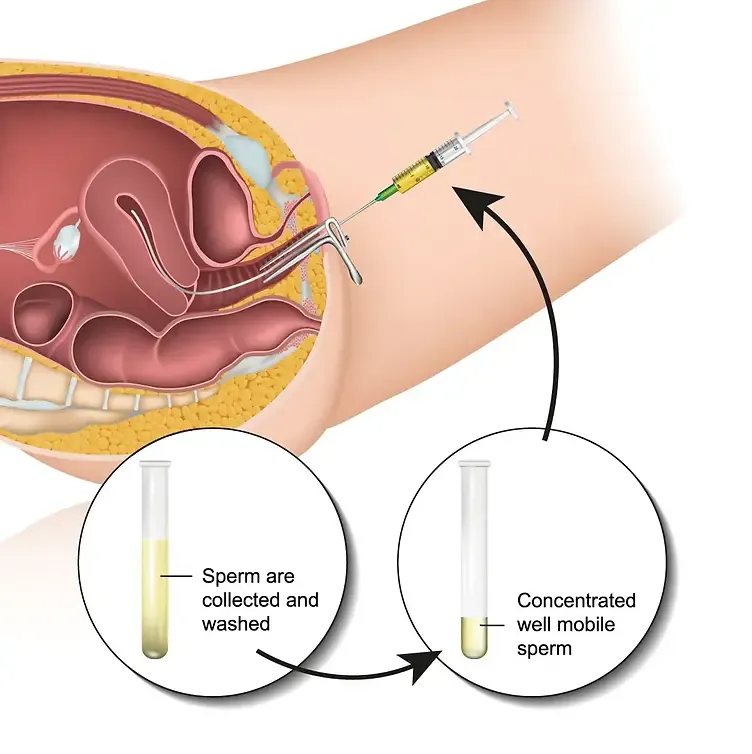
Sperm donation is the process of obtaining sperm from a donor for the purpose of fertilizing an egg. This can be done through artificial insemination or in-vitro fertilization (IVF). Sperm donation is often the preferred method for single individuals or same-sex couples who want to have a child genetically related to one of the parents.
The process of sperm donation involves finding a suitable donor, either through a sperm bank or through a known donor. Sperm banks have strict screening processes and the donors are usually anonymous. On the other hand, known donors are usually friends or acquaintances who are willing to donate their sperm. In either case, it is important to have a legal agreement in place to protect the rights and responsibilities of both the donor and the recipient.
Challenges of Sperm Donation
While sperm donation can be a blessing for those who want to start a family, it also comes with its own set of challenges. Firstly, the process of finding a suitable donor can be time-consuming and emotionally draining. In the case of known donors, there may also be concerns about maintaining a relationship with the donor and potential complications that can arise in the future.
Another challenge is the cost of sperm donation. The process of artificial insemination or IVF can be expensive, and not all insurance plans cover these procedures. This can be a barrier for those who cannot afford to pay for these services.
Navigating the Complexities of Co-Parenting
Co-parenting is a form of parenting where two or more individuals share equal responsibility for raising a child. This can be done by friends, family members, or even strangers who have come together for the sole purpose of raising a child. Co-parenting can be an ideal option for those who do not want to go through the process of finding a sperm donor or going through fertility treatments.
Navigating the Complexities of Sperm Donation and Co-Parenting
The key to successful co-parenting is effective communication and a clear understanding of each other’s roles and responsibilities. This involves discussing important topics such as parenting styles, financial arrangements, and decision-making processes. It is also crucial to have a legal agreement in place to outline the rights and responsibilities of each co-parent.
Challenges of Co-Parenting
Co-parenting can be a rewarding experience, but it also comes with its own unique challenges. The most common challenge is the lack of a romantic relationship between the co-parents. This can raise questions about how the child will be raised and what kind of family structure will be established. It is important for co-parents to have open and honest discussions about these issues to ensure that everyone is on the same page.
Another challenge is the potential for conflict between co-parents. It is natural for disagreements to arise, but it is important to find ways to effectively communicate and resolve conflicts in a healthy manner. This can include seeking the help of a mediator or therapist if needed.
Tips for Navigating Sperm Donation and Co-Parenting
1. Have open and honest discussions: Whether you are going through sperm donation or co-parenting, open and honest communication is key. Be upfront about your expectations, concerns, and boundaries to avoid any misunderstandings in the future.
2. Seek legal advice: It is important to have a legal agreement in place to protect the rights and responsibilities of all parties involved. Seek the advice of a lawyer who specializes in family law to ensure that all legal aspects are covered.
3. Consider counseling: The process of sperm donation and co-parenting can be emotionally challenging. It can be helpful to seek the support of a therapist or counselor to navigate any difficult emotions that may arise.
4. Be flexible: Parenthood comes with its own set of unexpected challenges. It is important to be flexible and willing to adapt as things may not always go according to plan.
5. Prioritize the child’s well-being: In any parenting situation, the well-being of the child should always come first. It is important for all parties involved to have the child’s best interests at heart and work together towards creating a loving and stable environment for the child.
In summary, sperm donation and co-parenting are complex processes that require careful consideration and planning. Effective communication, legal agreements, and a focus on the child’s well-being are crucial for navigating these complexities successfully. By understanding the challenges and being prepared, individuals and couples can make informed decisions and create fulfilling parenting experiences.