Blog Post:
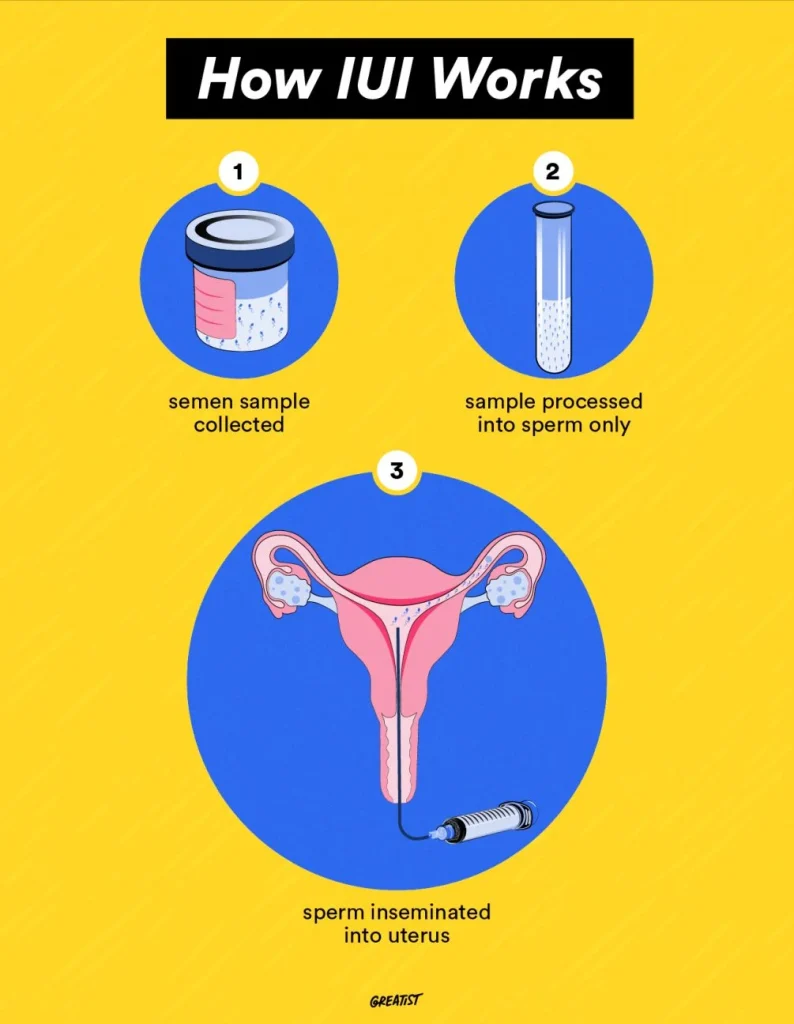
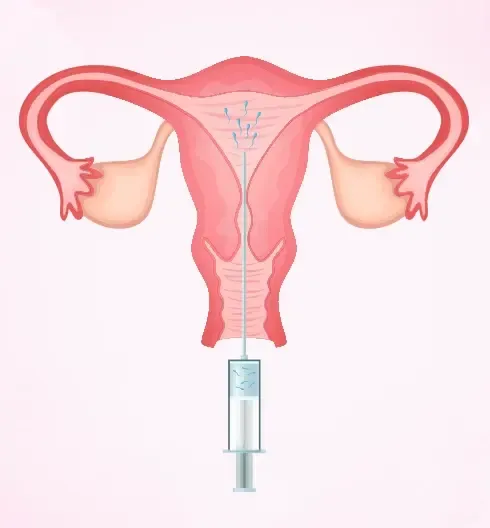
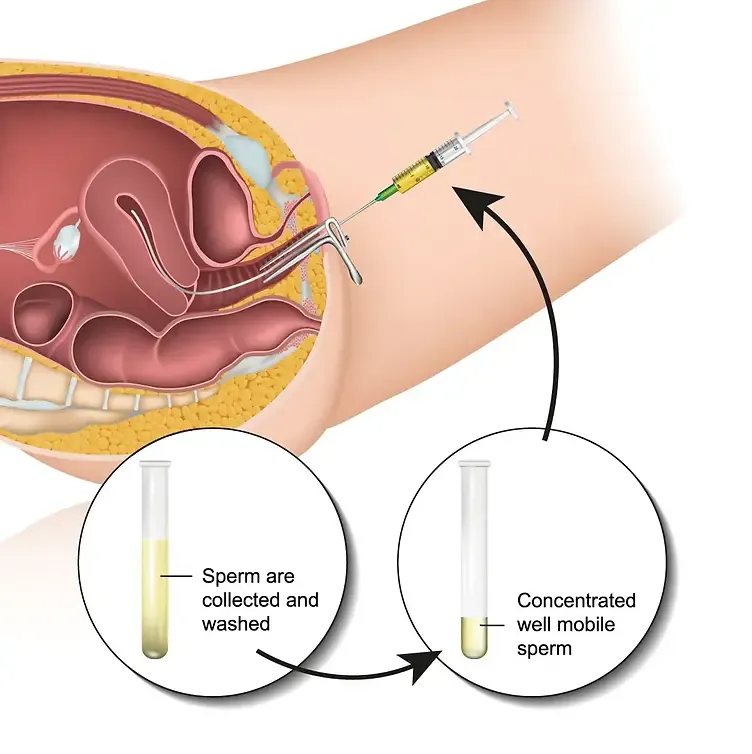
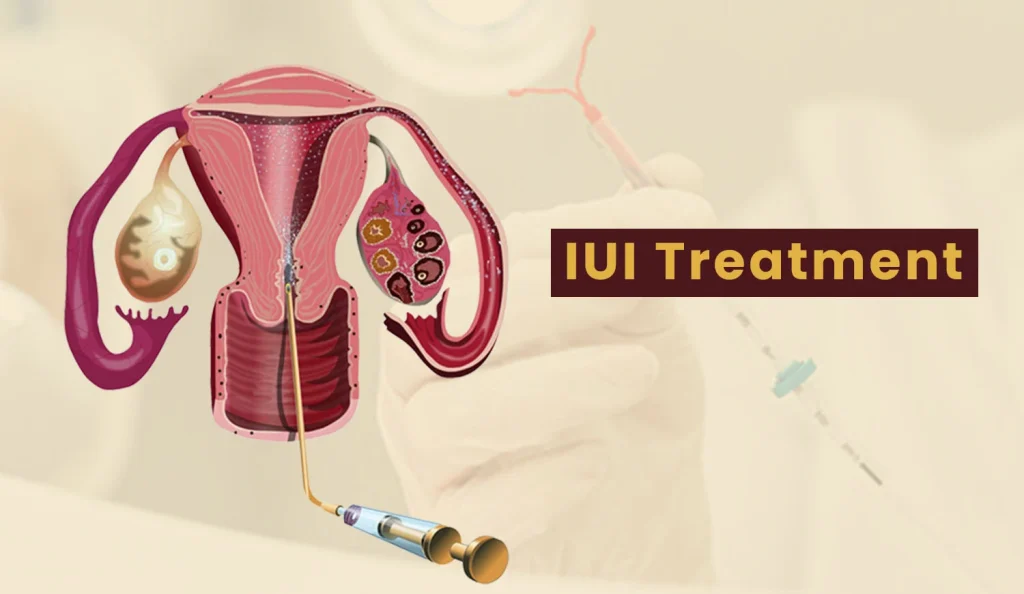
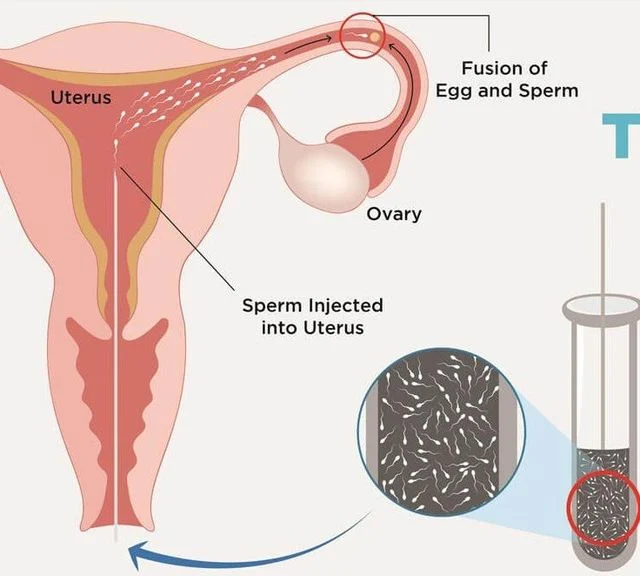
Assisted reproduction, also known as assisted reproductive technology (ART), has revolutionized the field of reproductive medicine by allowing individuals and couples to conceive and give birth to children through various techniques such as in vitro fertilization (IVF), intrauterine insemination (IUI), and surrogacy. These techniques have provided hope and solutions for those struggling with infertility, same-sex couples, and single individuals who wish to become parents. But with this advancement in technology and science, comes complex moral dilemmas that must be navigated by healthcare professionals, policymakers, and individuals seeking these procedures.
The Ethics of Assisted Reproduction is a highly debated topic, with various ethical, legal, and social issues at play. On one hand, it provides individuals with the opportunity to experience the joys of parenthood, but on the other hand, it raises concerns about the well-being of the child, the exploitation of women’s bodies, and the commodification of human life. In this blog post, we will explore the ethical considerations surrounding assisted reproduction and how they can be navigated in a responsible and ethical manner.
The Ethics of Assisted Reproduction
One of the main ethical considerations surrounding assisted reproduction is the well-being of the child. ART treatments often involve the use of multiple embryos, which raises concerns about the fate of the unused embryos. Some argue that these embryos have the potential to develop into human beings and should not be discarded or used for research purposes. This has led to the development of cryopreservation, where unused embryos are frozen for future use. However, this raises the question of what should be done with these embryos if they are not used or if the parents no longer want them. Should they be donated to other couples, used for research, or destroyed? These are complex ethical questions that require careful consideration and respect for the potential life of the embryo.
Another ethical concern is the exploitation of women’s bodies. Women who act as egg donors or surrogate mothers are often compensated for their services, leading some to argue that their bodies are being commodified. In some cases, these women may be financially vulnerable and may feel pressured to participate in these procedures. This raises concerns about informed consent and the autonomy of these women. It is essential for healthcare professionals and policymakers to ensure that these women fully understand the risks and implications of their participation and are not being exploited for their bodies.
Furthermore, assisted reproduction also raises questions about the commodification of human life. Some argue that these procedures turn human life into a commodity, where individuals can pick and choose the characteristics of their child through techniques like pre-implantation genetic diagnosis (PGD). This leads to the ethical dilemma of whether it is morally acceptable to manipulate the genetic makeup of a child and whether it undermines the value of human life.
The Ethics of Assisted Reproduction: Navigating Complex Moral Dilemmas
Navigating Complex Moral Dilemmas
To navigate these complex moral dilemmas, it is crucial to have a set of ethical guidelines and regulations in place. These guidelines should consider the well-being of the child, the autonomy and rights of the individuals involved, and the ethical principles of beneficence and non-maleficence. Healthcare professionals should also undergo specialized training in assisted reproduction ethics to ensure that they are well-equipped to handle these complex ethical issues.
Additionally, informed consent is a crucial aspect of navigating these moral dilemmas. Individuals seeking assisted reproduction procedures should be fully informed about the potential risks, implications, and ethical considerations involved. They should also be given the opportunity to ask questions and make informed decisions about their participation. This ensures that they are fully aware of the ethical issues at play and can make decisions that align with their values and beliefs.
Policymakers also play a significant role in navigating the ethical considerations surrounding assisted reproduction. They should develop regulations and guidelines that protect the rights and well-being of all individuals involved, including the child, the parents, and the donors or surrogates. These regulations should also address the complex issues of embryo donation, compensation of donors, and the use of ART for non-medical reasons.
In conclusion, the Ethics of Assisted Reproduction is a complex and highly debated topic, with various ethical considerations at play. While assisted reproduction provides hope and solutions for many individuals, it also raises concerns about the well-being of the child, the exploitation of women’s bodies, and the commodification of human life. To navigate these complex moral dilemmas, it is crucial to have ethical guidelines and regulations in place that consider the well-being and autonomy of all individuals involved. Healthcare professionals, policymakers, and individuals seeking assisted reproduction procedures must work together to ensure that these procedures are conducted in an ethical and responsible manner.
Summary:
Assisted reproduction, also known as assisted reproductive technology, has provided hope and solutions for individuals struggling with fertility, same-sex couples, and single individuals who wish to become parents. However, it also raises complex ethical considerations such as the well-being of the child, the exploitation of women’s bodies, and the commodification of human life. To navigate these moral dilemmas, ethical guidelines and regulations must be in place, and informed consent is crucial. Policymakers also play a significant role in ensuring the protection of the rights and well-being of all individuals involved in assisted reproduction.