Tag: IUI

  • Intrauterine Insemination vs Timed Intercourse: Understanding the Potential Complications and Risks

    Blog Post: Intrauterine Insemination vs Timed Intercourse: Understanding the Potential Complications and Risks

    Deciding to start a family is an exciting and life-changing decision. However, for some couples, conceiving a child may not come as easily as they had hoped. In these situations, fertility treatments such as intrauterine insemination (IUI) and timed intercourse may be recommended by a fertility specialist. While both methods aim to increase the chances of pregnancy, they each come with their own set of potential complications and risks. In this blog post, we will dive into the differences between intrauterine insemination and timed intercourse and explore the potential complications and risks associated with each method.

    Intrauterine Insemination (IUI)

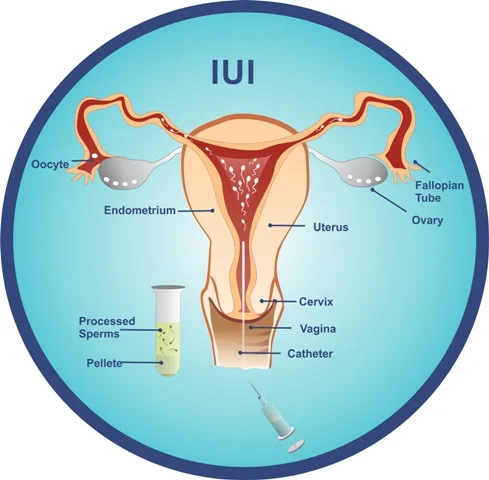
    Intrauterine insemination, also known as artificial insemination, is a fertility treatment method in which sperm is directly placed into a woman’s uterus during ovulation. This procedure is often used for couples with unexplained infertility or in cases where the male partner has a low sperm count or mobility.

    The process of IUI involves a series of steps. First, the male partner’s sperm is washed and prepared in the laboratory to ensure only the healthiest and most motile sperm are used for the procedure. Then, a thin catheter is inserted through the vagina and cervix, allowing the sperm to be placed directly into the uterus. This procedure is usually painless and takes only a few minutes to complete.

    Potential Complications and Risks of IUI

    While IUI is generally considered a safe and minimally invasive procedure, there are still potential complications and risks that couples should be aware of. One of the most common risks is infection, which can occur if the catheter used during the procedure is not properly sterilized. In rare cases, IUI can also cause damage to the uterus or cervix.

    Another risk associated with IUI is the potential for multiple pregnancies. Because multiple eggs can be released during ovulation, there is a higher chance of conceiving multiples with IUI. This can increase the risks and complications during pregnancy and delivery, as well as the financial and emotional strain of raising multiple children.

    Timed Intercourse

    Illustration of intrauterine insemination (IUI) procedure with syringe and catheter in the uterus.

    Intrauterine Insemination vs Timed Intercourse: Understanding the Potential Complications and Risks

    Timed intercourse, also known as ovulation induction, is another fertility treatment method that involves tracking a woman’s ovulation cycle and timing intercourse accordingly. This method can be used for couples with unexplained infertility or in cases where the female partner has irregular ovulation.

    The process of timed intercourse typically begins with monitoring a woman’s ovulation using ovulation predictor kits or ultrasounds. Once ovulation is detected, the couple is instructed to have intercourse during the most fertile days of the cycle. In some cases, fertility medications may also be prescribed to stimulate ovulation and increase the chances of pregnancy.

    Potential Complications and Risks of Timed Intercourse

    While timed intercourse may seem like a simple and natural method of conceiving, there are still potential complications and risks that couples should be aware of. One of the most common risks is the possibility of missing the fertile window. Ovulation can be unpredictable, and if the timing of intercourse is off, the chances of conceiving decrease significantly.

    Another potential complication is the use of fertility medications. These medications can cause side effects such as bloating, mood swings, and abdominal pain. In rare cases, they may also lead to ovarian hyperstimulation syndrome (OHSS), a condition in which the ovaries become swollen and painful.

    Which Method is Right for You?

    The decision between IUI and timed intercourse ultimately depends on various factors, including the cause of infertility, the age of the woman, and the couple’s preferences. It is essential to discuss all available options with a fertility specialist to determine which method is best suited for your individual situation.

    Summary

    Intrauterine insemination and timed intercourse are two common fertility treatment methods used to increase the chances of pregnancy. While IUI involves placing sperm directly into the uterus during ovulation, timed intercourse involves tracking ovulation and timing intercourse accordingly. Both methods come with their own set of potential complications and risks, including infection, multiple pregnancies, missed fertile window, and side effects from fertility medications. It is crucial to consult with a fertility specialist to determine the best treatment option for your individual needs.

  • IUI vs Timed Intercourse: Exploring the Options for Couples with Recurrent Pregnancy Loss

    Blog Post Title: IUI vs Timed Intercourse: Exploring the Options for Couples with Recurrent Pregnancy Loss

    Summary:

    Recurrent pregnancy loss, also known as recurrent miscarriage, is a heartbreaking experience for many couples. It is defined as three or more consecutive pregnancy losses before 20 weeks of gestation. While there can be various underlying causes for this, it can be a difficult journey for couples who are trying to conceive and carry a pregnancy to term.

    One of the options available for couples with recurrent pregnancy loss is intrauterine insemination (IUI) and timed intercourse. These procedures involve timing intercourse with ovulation and using fertility treatments to increase the chances of conception. In this blog post, we will explore the differences between IUI and timed intercourse and discuss which option may be more suitable for couples facing recurrent pregnancy loss.

    IUI, also known as artificial insemination, involves placing washed and concentrated sperm directly into the uterus during ovulation. This procedure can be done with or without fertility drugs, depending on the individual’s fertility needs. On the other hand, timed intercourse involves tracking ovulation and having intercourse during the most fertile days of a woman’s cycle. This can also be combined with fertility treatments such as ovulation induction or hormonal injections to stimulate ovulation.

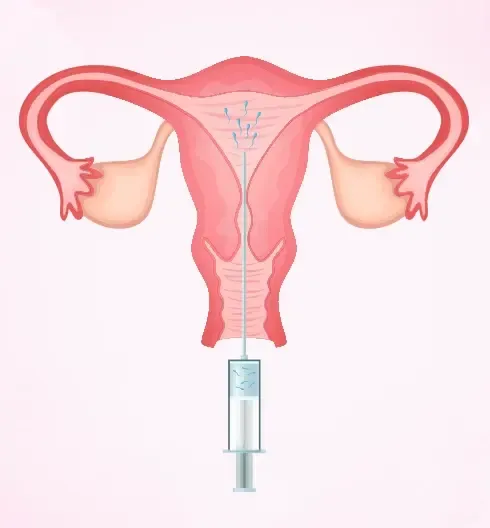
    Illustration of a uterus with a syringe indicating an intrauterine insemination procedure.

    IUI vs Timed Intercourse: Exploring the Options for Couples with Recurrent Pregnancy Loss

    One of the main differences between IUI and timed intercourse is the level of medical intervention involved. IUI requires a medical professional to perform the procedure, while timed intercourse can be done at home. This may make timed intercourse a more convenient and less invasive option for some couples. However, IUI may be a better choice for couples who have difficulty with timed intercourse due to work schedules or other factors.

    Another factor to consider is the success rates of each procedure. According to the American Society for Reproductive Medicine, the success rates of IUI range from 10-20% per cycle, while timed intercourse has a success rate of about 5-10% per cycle. However, these success rates may vary depending on factors such as age, underlying fertility issues, and the use of fertility treatments.

    For couples with recurrent pregnancy loss, it is essential to determine the underlying cause and address it before undergoing IUI or timed intercourse. Some common causes of recurrent pregnancy loss include genetic factors, hormone imbalances, and structural issues with the uterus. By identifying and treating these underlying causes, the chances of a successful pregnancy can significantly increase.

    Another important consideration for couples with recurrent pregnancy loss is the emotional toll of these procedures. Going through fertility treatments and experiencing multiple miscarriages can be emotionally and mentally draining. It is crucial for couples to have support from loved ones and to seek counseling if needed.

    In addition to IUI and timed intercourse, other options are available for couples with recurrent pregnancy loss, such as in vitro fertilization (IVF) and surrogacy. These procedures may be more invasive and expensive but can have higher success rates for couples facing recurrent pregnancy loss. It is essential to discuss all available options with a fertility specialist and make an informed decision based on individual circumstances.

    In conclusion, IUI and timed intercourse are two options available for couples with recurrent pregnancy loss. Both procedures involve timing intercourse with ovulation and using fertility treatments to increase the chances of conception. However, factors such as medical intervention, success rates, underlying causes, and emotional toll should be considered when deciding which option is best for an individual couple. It is crucial for couples to seek support and guidance from a fertility specialist to determine the most suitable option for them.

  • IUI vs Timed Intercourse: The Importance of Support and Communication During Fertility Treatment

    Blog Post:

    The journey to starting a family can be an emotional and challenging one, especially for couples struggling with infertility. With advancements in fertility treatments, there are now several options available to help couples conceive. Two of the commonly used methods are Intrauterine Insemination (IUI) and Timed Intercourse. While both treatment options have the same goal of helping couples conceive, there are significant differences between the two. In this blog post, we will explore the differences between IUI and Timed Intercourse and the importance of support and communication during fertility treatment.

    IUI, also known as artificial insemination, involves the insertion of washed and prepared sperm directly into the uterus, bypassing the cervix. This procedure is typically done around the time of ovulation, when the woman’s egg is released from the ovary. On the other hand, Timed Intercourse involves tracking the woman’s ovulation cycle and having timed intercourse during her most fertile days.

    One of the main differences between IUI and Timed Intercourse is the level of medical intervention. IUI requires medical assistance and monitoring, while Timed Intercourse can be done at home without medical assistance. This difference can also affect the cost of treatment, with IUI being more expensive due to the involvement of medical professionals.

    Another significant difference between IUI and Timed Intercourse is the success rates. Studies have shown that IUI has a higher success rate compared to Timed Intercourse, especially for couples with certain fertility issues such as low sperm count or cervical mucus problems. The direct placement of sperm into the uterus during IUI increases the chances of the sperm reaching the egg, compared to relying on natural conception during Timed Intercourse.

    However, the success rates for both procedures also depend on various factors such as the woman’s age, overall health, and underlying fertility issues. It is essential to consult with a fertility specialist to determine the best treatment option for each individual case.

    illustration of a uterus with a syringe, representing intrauterine insemination procedure

    IUI vs Timed Intercourse: The Importance of Support and Communication During Fertility Treatment

    Aside from the medical differences, one crucial aspect that is often overlooked is the impact of support and communication during fertility treatment. Going through fertility treatment can be a stressful and emotional experience for couples, and having a strong support system is crucial. Whether it is from medical professionals, family, friends, or support groups, having a support system can provide emotional and mental strength during this challenging time.

    Communication between partners is also essential during fertility treatment. Both IUI and Timed Intercourse require a significant amount of time and effort, which can put a strain on the relationship. It is vital for couples to communicate openly and honestly about their feelings, concerns, and expectations throughout the treatment process. This can help alleviate any tension or misunderstandings that may arise and strengthen the bond between partners.

    Moreover, communication with the medical team is crucial during fertility treatment. Fertility specialists can provide valuable information and guidance throughout the process, and it is essential to ask questions and voice any concerns or doubts. They can also offer emotional support and help manage expectations, which can play a significant role in the overall success of the treatment.

    In addition to support and communication, self-care is also vital during fertility treatment. Going through multiple procedures and tests can be physically and emotionally draining for women. It is essential to prioritize self-care and take breaks when needed. This can include activities such as yoga, meditation, or spending time with loved ones. Taking care of one’s mental and emotional well-being is just as important as physical health during fertility treatment.

    In conclusion, both IUI and Timed Intercourse are viable options for couples struggling with infertility. While they have their differences in terms of medical intervention and success rates, the importance of support and communication cannot be emphasized enough during fertility treatment. Having a strong support system, open communication, and self-care can make a significant difference in the overall experience and success of the treatment. Remember, you are not alone in this journey, and with the right support and mindset, you can overcome the challenges and achieve your dream of starting a family.

    Summary:

    Intrauterine Insemination (IUI) and Timed Intercourse are two commonly used methods for fertility treatment. While both have the same goal of helping couples conceive, there are significant differences between the two. IUI requires medical assistance and has a higher success rate, while Timed Intercourse is less invasive and can be done at home. However, the importance of support and communication cannot be overlooked during fertility treatment. Having a strong support system, open communication, and self-care can make a significant difference in the overall experience and success of the treatment.

  • Intrauterine Insemination vs Timed Intercourse: The Benefits of Combining Fertility Treatments

    Intrauterine Insemination (IUI) and Timed Intercourse are two commonly used fertility treatments for couples struggling to conceive. While both have their own advantages, combining these treatments can increase the chances of a successful pregnancy. In this blog post, we will discuss the benefits of combining IUI and Timed Intercourse for couples undergoing fertility treatments.

    First, let’s understand what IUI and Timed Intercourse are. IUI is a procedure where washed and concentrated sperm is directly inserted into the woman’s uterus through a catheter, bypassing the cervix. This procedure can be done with or without medication to stimulate ovulation. On the other hand, Timed Intercourse involves tracking the woman’s ovulation cycle and having timed intercourse during her most fertile days.

    Now, let’s explore the benefits of combining these two treatments:

    1. Increased Chances of Conception:
    Combining IUI and Timed Intercourse can significantly increase the chances of conception. IUI provides a higher concentration of sperm directly into the uterus, making it easier for the sperm to reach the egg. Additionally, timed intercourse ensures that there is an egg available during the IUI procedure, increasing the likelihood of fertilization.

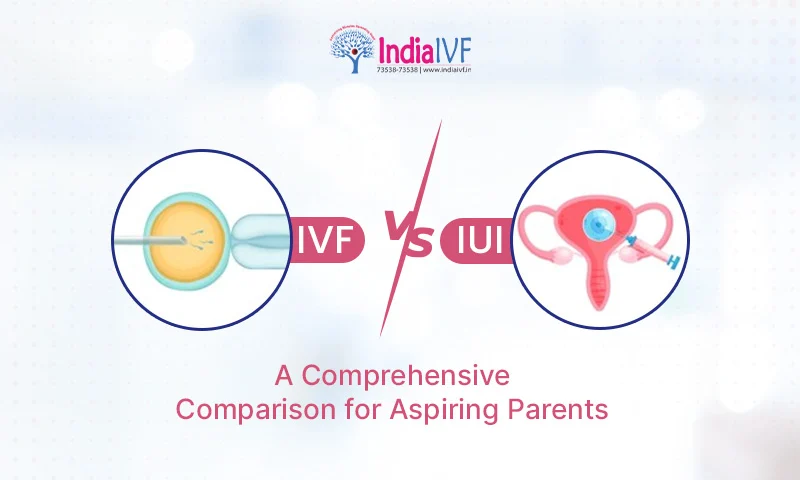
    Comparison of IUI and IVF, illustrating procedures and definitions for each fertility treatment.

    Intrauterine Insemination vs Timed Intercourse: The Benefits of Combining Fertility Treatments

    2. Better Timing:
    Timing is crucial when it comes to fertility treatments. With IUI, the sperm is placed directly into the uterus, which means that it has a shorter distance to travel compared to natural conception. This increases the chances of the sperm reaching the egg at the right time and fertilizing it. Timed Intercourse also helps in this aspect by ensuring that intercourse happens during the woman’s most fertile days.

    3. Cost-Effective:
    Combining IUI and Timed Intercourse can be a more cost-effective option for couples undergoing fertility treatments. IUI is a relatively less expensive procedure compared to other fertility treatments, and by adding Timed Intercourse, couples can maximize their chances of conception without having to spend a significant amount of money on other treatments.

    4. Reduced Stress:
    Undergoing fertility treatments can be a stressful experience for couples. By combining IUI and Timed Intercourse, couples can reduce the stress of constantly monitoring ovulation and timing intercourse. This can also improve the overall success rate of the treatments, as stress can negatively impact fertility.

    5. Personalized Treatment:
    Each couple’s fertility journey is unique, and combining IUI and Timed Intercourse allows for a more personalized treatment plan. Depending on the couple’s specific needs and circumstances, the fertility specialist can adjust the timing and frequency of both procedures to increase the chances of conception.

    In conclusion, combining Intrauterine Insemination and Timed Intercourse can be a beneficial option for couples undergoing fertility treatments. It increases the chances of conception, provides better timing, is cost-effective, reduces stress, and allows for a personalized treatment plan. If you and your partner are considering fertility treatments, be sure to discuss the option of combining IUI and Timed Intercourse with your fertility specialist.

  • Intrauterine Insemination vs Timed Intercourse: How to Prepare Your Body for Pregnancy

    Blog Post:

    Preparing your body for pregnancy is an important step for anyone looking to start a family. For couples struggling with fertility, there are two commonly used methods to increase their chances of conception: intrauterine insemination (IUI) and timed intercourse. Both options have their own unique benefits and considerations, and it’s important to understand the differences between the two in order to make an informed decision. In this blog post, we will explore the key differences between IUI and timed intercourse, as well as how to prepare your body for pregnancy using either method.

    Intrauterine Insemination (IUI):

    IUI is a form of assisted reproductive technology (ART) where sperm is directly inserted into the uterus during a woman’s fertile window. This method is commonly used for couples with unexplained infertility, mild male factor infertility, or cervical issues. IUI can also be used for same-sex couples or single women who are using donor sperm.

    The procedure for IUI involves the use of a small catheter to insert the washed and prepared sperm into the uterus. This bypasses the cervix and allows the sperm to have a better chance of reaching the fallopian tubes and fertilizing the egg. IUI is typically painless and can be done in a doctor’s office without the need for anesthesia.

    Preparing Your Body for IUI:

    Before undergoing IUI, it’s important to prepare your body to increase your chances of success. This includes making lifestyle changes such as quitting smoking, reducing alcohol intake, and maintaining a healthy weight. It’s also important to have a pre-IUI checkup with your doctor to ensure that you are in good overall health and there are no underlying issues that may affect the procedure.

    In addition to lifestyle changes, your doctor may also prescribe fertility medications to stimulate ovulation and increase the number of eggs produced. These medications can include oral medications such as Clomid or injectable hormones like gonadotropins. It’s important to closely follow your doctor’s instructions and attend all monitoring appointments to ensure that the medications are working properly.

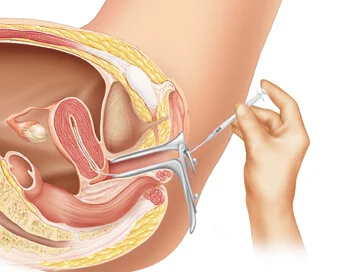
    illustration of intrauterine insemination procedure with a hand holding a speculum and syringe near the uterus

    Intrauterine Insemination vs Timed Intercourse: How to Prepare Your Body for Pregnancy

    Timed Intercourse:

    Timed intercourse is a natural method of trying to conceive where couples have sex during a woman’s fertile window. This is typically the five days leading up to ovulation and the day of ovulation itself. Timing is crucial for this method, as sperm can survive in the female reproductive tract for up to five days, while the egg is only viable for about 24 hours after ovulation.

    This method is often used for couples with unexplained infertility or mild male factor infertility. It can also be a more affordable option compared to IUI or other ART procedures. However, timed intercourse can be stressful for some couples, as it requires careful tracking of ovulation and frequent intercourse during the fertile window.

    Preparing Your Body for Timed Intercourse:

    Unlike IUI, there are no medical procedures involved in timed intercourse. However, there are still steps you can take to prepare your body for pregnancy. As with IUI, making lifestyle changes such as quitting smoking and reducing alcohol intake can improve fertility. Additionally, tracking ovulation through methods such as basal body temperature charting or ovulation predictor kits can help determine the best time for intercourse.

    It’s also important to maintain a healthy and balanced diet, as well as incorporating regular exercise into your routine. This can help regulate hormones and improve overall reproductive health. Some studies have also shown that certain supplements, such as folic acid, can improve fertility and increase the chances of conception.

    Summary:

    Intrauterine insemination (IUI) and timed intercourse are two commonly used methods for couples struggling with fertility. IUI involves the insertion of washed and prepared sperm into the uterus, while timed intercourse relies on natural conception during a woman’s fertile window. Both methods have their own unique benefits and considerations, and it’s important to prepare your body for pregnancy using either method. This includes making lifestyle changes, attending doctor appointments, and closely following instructions for fertility medications. Timed intercourse also requires careful tracking of ovulation and maintaining a healthy diet and exercise routine. By understanding the differences between IUI and timed intercourse and taking steps to prepare your body, you can increase your chances of conceiving and starting your journey towards parenthood.

  • IUI vs Timed Intercourse: The Role of Age in Fertility Treatment and Conception

    As more and more people are waiting until later in life to start a family, fertility treatments have become increasingly popular. In particular, two methods of assisted reproductive technology (ART) have gained attention: intrauterine insemination (IUI) and timed intercourse. These methods have been found to be effective in helping couples conceive, but there are important factors, such as age, that play a crucial role in determining the success of these treatments.

    IUI, also known as artificial insemination, involves placing prepared sperm directly into a woman’s uterus during ovulation. This method is often recommended for couples who have been trying to conceive for a year or more without success, or for those who have issues with sperm count or quality. Timed intercourse, on the other hand, is a more natural approach where couples are advised to have sexual intercourse during the woman’s fertile window, which is typically around the time of ovulation.

    When it comes to age, both IUI and timed intercourse have different success rates. In general, fertility begins to decline in a woman’s mid-30s, making it more difficult to conceive naturally. This is due to a decrease in the quality and quantity of eggs as women age. As a result, the success rate of IUI decreases with age, especially after the age of 35. According to a study, the success rate of IUI for women under 35 is around 10-20%, while for women over 35, it drops to 10%.

    On the other hand, timed intercourse can be more effective for women in their late 30s and early 40s as it relies on the woman’s own eggs and does not involve any external factors. However, the timing of intercourse is crucial for success, and it can be challenging to accurately predict ovulation, especially for women with irregular cycles. This can make it difficult for couples to conceive, especially if they are not aware of their fertility window.

    Another important factor to consider is the quality of sperm. As men age, the quality of their sperm also decreases, which can affect the success rate of both IUI and timed intercourse. However, with IUI, the sperm is washed and prepared, which can improve the chances of fertilization. Therefore, for older couples, IUI may be a more viable option compared to timed intercourse.

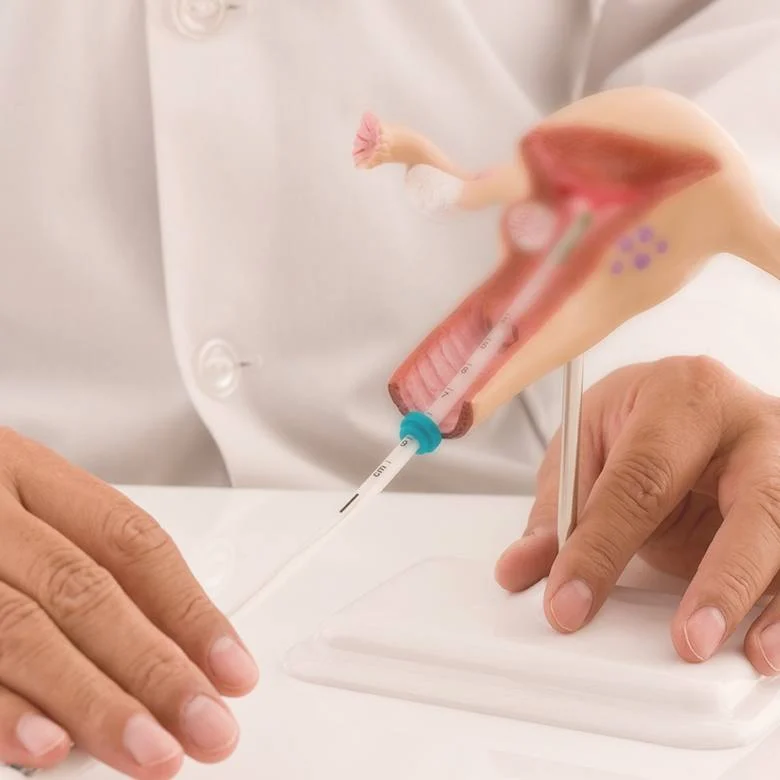
    model of the female reproductive system with a hand demonstrating intrauterine insemination technique

    IUI vs Timed Intercourse: The Role of Age in Fertility Treatment and Conception

    Aside from age, there are also other factors that can affect the success of IUI and timed intercourse. These include the cause of infertility, the woman’s overall health, and lifestyle factors such as smoking, alcohol consumption, and body weight. It is essential for couples to consult with a fertility specialist to determine the best treatment option based on their specific situation.

    In addition to age, one must also consider the cost of these treatments. IUI can cost anywhere from $500 to $4,000 per cycle, while timed intercourse is a more affordable option as it does not involve any medical procedures. However, the success rate of timed intercourse is lower compared to IUI, so couples may end up spending more money and time trying to conceive through timed intercourse.

    It is also worth noting that both IUI and timed intercourse can be used in conjunction with other fertility treatments, such as in vitro fertilization (IVF). In some cases, couples may need to explore other options if IUI and timed intercourse are not successful.

    In conclusion, age plays a significant role in the success rate of IUI and timed intercourse. While IUI may be more effective for younger couples, timed intercourse can be a viable option for older couples. However, there are several other factors to consider, and it is crucial for couples to consult with a fertility specialist to determine the best treatment plan for their individual situation. It is also important to keep in mind that these treatments can be used in combination with other fertility treatments, and couples should not lose hope if they are not successful in their first attempt.

    In summary, IUI and timed intercourse are two popular methods of assisted reproductive technology that can help couples conceive. However, age is an essential factor to consider, as it can significantly impact the success rate of these treatments. Other factors such as the cause of infertility, overall health, and lifestyle choices should also be taken into account when deciding on the best treatment option. Couples should consult with a fertility specialist to determine the most suitable plan for their individual needs and should not lose hope if they are not successful in their first attempt.

  • Intrauterine Insemination vs Timed Intercourse: A Look at the Success Rates for Couples with Unexplained Infertility

    Title: Intrauterine Insemination vs Timed Intercourse: A Look at the Success Rates for Couples with Unexplained Infertility

    Introduction:
    Infertility is a common issue that affects 1 in 8 couples worldwide. When a couple has been trying to conceive for a year or more without success, they are diagnosed with infertility. Unexplained infertility is a term used when no specific cause can be identified for a couple’s inability to conceive. In such cases, fertility treatments like intrauterine insemination (IUI) and timed intercourse are often recommended. In this blog post, we will delve into the success rates of these two methods for couples with unexplained infertility.

    What is Intrauterine Insemination?
    Intrauterine insemination (IUI) is a fertility treatment where a concentrated amount of sperm is placed directly into the woman’s uterus during the time of ovulation. This procedure is often recommended for couples with unexplained infertility or those with mild male factor infertility. The goal of IUI is to increase the number of sperm that reach the fallopian tubes and therefore increase the chances of fertilization.

    What is Timed Intercourse?
    Timed intercourse is a method where a couple is advised to have sex during the most fertile days of the woman’s menstrual cycle. This is usually determined by tracking the woman’s basal body temperature, cervical mucus changes, and using ovulation predictor kits. Timed intercourse is often recommended as a first-line treatment for couples with unexplained infertility.

    Success Rates of IUI vs Timed Intercourse:
    Both IUI and timed intercourse have been shown to increase the chances of pregnancy for couples with unexplained infertility. However, the success rates for each method may vary.

    According to a study published in the Journal of Human Reproductive Sciences, the success rate for IUI in couples with unexplained infertility was found to be around 10-15%. This means that out of 100 couples undergoing IUI, 10-15 of them will conceive. On the other hand, timed intercourse has a success rate of around 20%. This shows that timed intercourse has a slightly higher success rate compared to IUI for couples with unexplained infertility.

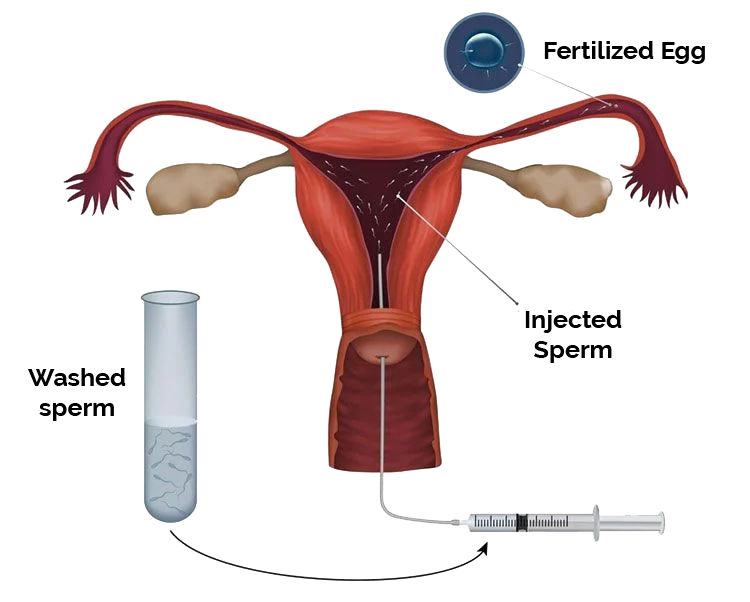
    diagram of the female reproductive system with an IUI syringe and test tube for artificial insemination

    Intrauterine Insemination vs Timed Intercourse: A Look at the Success Rates for Couples with Unexplained Infertility

    Factors Affecting Success Rates:
    Several factors can affect the success rates of IUI and timed intercourse for couples with unexplained infertility. These include the age of the woman, the quality of the sperm, and the number of treatment cycles.

    Age: As a woman gets older, her fertility decreases, and the chances of conceiving through IUI or timed intercourse also decrease. According to a study published in the Journal of Reproductive Medicine, the success rate of IUI for women under 35 years was 14.3%, while for women over 35 years, it was only 6.7%.

    Sperm Quality: The quality of the sperm used in IUI can also affect the success rates. If the male partner has a low sperm count or poor sperm motility, the chances of fertilization and pregnancy decrease. In such cases, timed intercourse may be a better option as it relies on natural conception rather than the quality of the sperm.

    Number of Treatment Cycles: The success rates for both IUI and timed intercourse increase with the number of treatment cycles. It is recommended to undergo at least three to six cycles of IUI or timed intercourse before considering other fertility treatments.

    Which Method is Right for You?
    When deciding between IUI and timed intercourse, it is essential to consider various factors such as age, sperm quality, and your doctor’s recommendations. Both methods have similar success rates, but timed intercourse may be a more cost-effective and less invasive option for couples with unexplained infertility. However, IUI may be a better option for couples with male factor infertility.

    Conclusion:
    Unexplained infertility can be a frustrating and emotional journey for couples trying to conceive. However, with the help of fertility treatments like IUI and timed intercourse, the chances of pregnancy can be increased. Both methods have similar success rates, but it is essential to consult with a fertility specialist to determine which method is best for you.

    Summary:
    Intrauterine insemination (IUI) and timed intercourse are two fertility treatments often recommended for couples with unexplained infertility. IUI involves placing concentrated sperm directly into the uterus during ovulation, while timed intercourse relies on natural conception during the most fertile days of the menstrual cycle. Both methods have a success rate of around 10-20%, with timed intercourse having slightly higher success rates. Factors such as age, sperm quality, and the number of treatment cycles can affect the success rates for both methods. It is crucial to consult with a fertility specialist to determine which method is best for you.

  • Exploring Your Options: Intrauterine Insemination vs Timed Intercourse for Couples with Female Factor Infertility

    Exploring Your Options: Intrauterine Insemination vs Timed Intercourse for Couples with Female Factor Infertility

    Infertility is a common issue faced by many couples, with approximately 10-15% of couples struggling to conceive. Among these couples, female factor infertility is a leading cause. This condition refers to any problem that affects a woman’s ability to conceive, such as ovulation disorders, structural issues in the reproductive organs, or hormonal imbalances. For couples facing female factor infertility, there are two primary options to consider: intrauterine insemination (IUI) and timed intercourse. In this blog post, we will explore these two options in detail, discussing the process, success rates, and considerations for couples who may be considering these treatments.

    Intrauterine Insemination (IUI)

    Intrauterine insemination, also known as artificial insemination, is a fertility treatment that involves placing sperm directly into a woman’s uterus. This is done during the time of ovulation when the egg is released and is most likely to be fertilized. The process begins with the collection of sperm from either the male partner or a donor. The sperm is then washed and concentrated to separate the healthy sperm from the semen.

    The next step is to insert the sperm into the uterus using a thin, flexible catheter. This procedure is typically painless and takes only a few minutes to complete. After the procedure, the woman may be advised to rest for a short period and can resume normal activities shortly after.

    Success Rates of IUI

    The success rates of IUI vary depending on several factors, including the cause of infertility, age, and overall health of the woman. On average, the success rate of IUI is between 10-20% per cycle. However, this rate can increase up to 80% if the woman is under 35 years of age and using donor sperm.

    Considerations for IUI

    While IUI is less invasive and less expensive than other fertility treatments, there are some considerations that couples should keep in mind. Some factors that may affect the success of IUI include the quality of sperm, the timing of the procedure, and the overall health of the woman. It is essential to discuss these factors with a fertility specialist to determine if IUI is the best option for you.

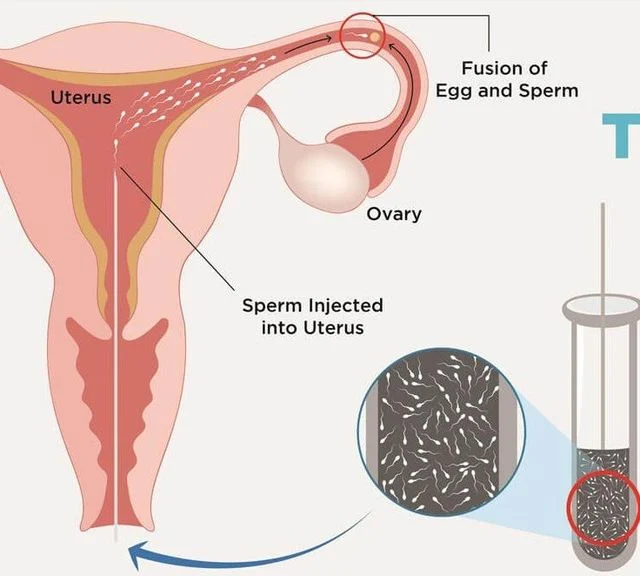
    Diagram illustrating the IUI process, showing sperm injection into the uterus and egg fertilization.

    Exploring Your Options: Intrauterine Insemination vs Timed Intercourse for Couples with Female Factor Infertility

    Timed Intercourse

    Timed intercourse is another option for couples with female factor infertility. This method involves tracking a woman’s ovulation and having intercourse during her most fertile days. Ovulation predictor kits (OPKs) or fertility monitors can be used to determine the best time for intercourse. These kits detect the surge in luteinizing hormone (LH) that occurs before ovulation, indicating the best time for intercourse.

    Success Rates of Timed Intercourse

    The success rates of timed intercourse depend on several factors, including the frequency of intercourse, the quality of sperm, and the woman’s age and overall health. On average, the success rate is between 15-20% per cycle. However, this rate can be higher if the woman is under 35 and has no other fertility issues.

    Considerations for Timed Intercourse

    Timed intercourse may be a more natural and less invasive option for couples, but there are still some considerations to keep in mind. Tracking ovulation accurately can be challenging, and the timing of intercourse may not always align with the woman’s most fertile days. Additionally, this method may not be suitable for couples with severe male factor infertility.

    Which Option is Right for You?

    When it comes to choosing between IUI and timed intercourse, there is no one-size-fits-all answer. Both methods have their own set of benefits and considerations, and the best option for you will depend on your individual circumstances. It is crucial to consult with a fertility specialist to determine the best treatment plan for you and your partner.

    It is also essential to remember that fertility treatments can be emotionally and financially taxing. It is essential to consider the potential physical, emotional, and financial impact of these treatments before making a decision. Couples should also be open to exploring other options, such as IVF, if initial attempts with IUI or timed intercourse are unsuccessful.

    In conclusion, for couples facing female factor infertility, both intrauterine insemination and timed intercourse are viable options to consider. These treatments may help increase the chances of conception and fulfill the dream of starting a family. It is essential to discuss all options with a fertility specialist and make an informed decision based on individual circumstances and needs.

  • IUI vs Timed Intercourse: The Benefits of Working with a Fertility Specialist

    Blog Post:

    When a couple struggles to conceive, it can be a difficult and emotional journey. Many factors can contribute to infertility, and one common approach to overcoming it is through assisted reproductive technology (ART). Intrauterine insemination (IUI) and timed intercourse are two popular methods of ART that can help couples conceive. However, working with a fertility specialist can greatly benefit and increase the chances of success for both IUI and timed intercourse. In this blog post, we will explore the differences between IUI and timed intercourse and the benefits of working with a fertility specialist.

    IUI, also known as artificial insemination, involves placing washed and concentrated sperm directly into the woman’s uterus via a thin catheter. This procedure is usually performed around the time of ovulation, and the goal is to increase the chances of sperm reaching and fertilizing the egg. On the other hand, timed intercourse involves having sex at the most fertile time of the woman’s menstrual cycle, typically around the time of ovulation.

    While both methods have their own benefits, there are several reasons why working with a fertility specialist can greatly improve the success rates of these procedures.

    1. Accurate Timing and Monitoring:
    Timing is crucial for both IUI and timed intercourse. A fertility specialist can accurately determine the most fertile time for a woman based on her menstrual cycle and hormone levels. This information is crucial for timing the procedure or intercourse correctly. Additionally, a fertility specialist can monitor the woman’s cycle and make any necessary adjustments to ensure the best chances of conception.

    diagram illustrating intrauterine insemination (IUI) with labeled reproductive anatomy and procedures

    IUI vs Timed Intercourse: The Benefits of Working with a Fertility Specialist

    2. Identifying Underlying Causes of Infertility:
    Fertility specialists are highly trained and experienced in diagnosing and treating various causes of infertility. They can conduct thorough testing to identify any underlying issues that may be hindering conception. These could include hormonal imbalances, ovulation disorders, or structural problems with the reproductive organs. By addressing these issues, the chances of success for IUI and timed intercourse can significantly increase.

    3. Personalized Treatment Plans:
    Every couple’s fertility journey is unique, and what works for one may not work for another. Fertility specialists understand this and create personalized treatment plans for each individual based on their specific needs and circumstances. This personalized approach can greatly increase the chances of success for both IUI and timed intercourse.

    4. Higher Success Rates:
    Working with a fertility specialist can significantly increase the chances of success for both IUI and timed intercourse. According to the American Society for Reproductive Medicine, the success rate for IUI with medication is about 20%, while timed intercourse has a success rate of around 5%. However, these success rates can be significantly higher when working with a fertility specialist who can accurately time the procedures and address any underlying issues.

    5. Emotional Support:
    Infertility can take a toll on a couple’s emotional well-being. Fertility specialists not only provide medical treatment but also offer emotional support throughout the process. They understand the emotional challenges that come with infertility and can provide guidance and counseling to help couples cope with the stress and anxiety.

    In summary, while both IUI and timed intercourse can help couples overcome infertility, working with a fertility specialist can greatly improve the chances of success. Their expertise, accurate timing and monitoring, personalized treatment plans, and emotional support can make a significant difference in a couple’s fertility journey.

    In conclusion, the decision to undergo IUI or timed intercourse should not be taken lightly. It is essential to seek the guidance and support of a fertility specialist to increase the chances of success and make the journey as smooth as possible. With their help, couples can navigate through the challenges of infertility and hopefully achieve their dream of starting a family.

  • Intrauterine Insemination vs Timed Intercourse: The Importance of Monitoring and Timing for Success

    Intrauterine Insemination vs Timed Intercourse: The Importance of Monitoring and Timing for Success

    When it comes to trying to conceive, there are various methods available for couples struggling to get pregnant. Two commonly used methods are intrauterine insemination (IUI) and timed intercourse. Both of these methods involve the use of fertility treatments, but they differ in the way they are performed. In this blog post, we will dive into the differences between IUI and timed intercourse and explore the crucial role that monitoring and timing play in the success of these methods.

    What is Intrauterine Insemination (IUI)?

    Intrauterine insemination, also known as artificial insemination, is a fertility treatment that involves placing washed and concentrated sperm directly into the woman’s uterus. This procedure is usually performed around the time of ovulation to increase the chances of fertilization. IUI can be done with either a partner’s sperm or a donor’s sperm.

    What is Timed Intercourse?

    Timed intercourse, on the other hand, is a method where couples are advised to have sex during the woman’s most fertile days. This is usually determined by tracking ovulation through methods such as ovulation predictor kits, basal body temperature charting, and cervical mucus monitoring. The goal of timed intercourse is to have sperm available in the reproductive tract at the time of ovulation to increase the chances of fertilization.

    The Importance of Monitoring

    Regardless of which method a couple chooses, monitoring plays a crucial role in determining the success of the treatment. Monitoring involves tracking ovulation and the growth of follicles (the structures in the ovaries that contain eggs). This can be done through blood tests and ultrasound scans.

    For IUI, monitoring is essential to determine the optimal time for the procedure. Ovulation can be triggered using medication to ensure that the insemination is done at the most fertile time. Monitoring also helps to ensure that the woman does not have multiple eggs released, which could result in a high-risk pregnancy.

    In the case of timed intercourse, monitoring is equally important. By tracking ovulation, couples can time intercourse correctly to increase the chances of fertilization. Additionally, monitoring can help identify any potential issues that may be affecting a woman’s ovulation, such as hormonal imbalances or irregular cycles.

    The Role of Timing

    IVF vs IUI comparison graphic highlighting reproductive methods for aspiring parents.

    Intrauterine Insemination vs Timed Intercourse: The Importance of Monitoring and Timing for Success

    Timing is crucial in both IUI and timed intercourse. In IUI, the timing of the procedure is crucial to ensure that the sperm is in the reproductive tract at the time of ovulation. If the timing is off, the sperm may not be able to reach the egg, resulting in a failed insemination.

    Similarly, in timed intercourse, timing is essential to ensure that the sperm is present in the reproductive tract when the egg is released. If the timing is off, the sperm may not be able to reach the egg, decreasing the chances of fertilization.

    Factors Affecting Timing and Success

    Many factors can affect the timing and success of both IUI and timed intercourse. These include:

    1. Ovulation disorders: Women with ovulation disorders may have difficulty predicting when they will ovulate, making it challenging to time intercourse or IUI correctly.

    2. Age: As women age, their ovarian reserve (the number of eggs in the ovaries) decreases, making it more challenging to predict ovulation accurately.

    3. Sperm quality: Poor sperm quality can affect the success of both IUI and timed intercourse. In IUI, the sperm is washed and concentrated, so the quality is less critical. However, in timed intercourse, the sperm must be able to reach and fertilize the egg on its own.

    4. Underlying health conditions: Certain health conditions, such as polycystic ovary syndrome (PCOS) and endometriosis, can affect ovulation and decrease the chances of success for both IUI and timed intercourse.

    5. Lifestyle factors: Factors such as smoking, excessive alcohol consumption, and obesity can also impact a couple’s ability to conceive. These factors can affect ovulation and sperm quality, making it harder to time intercourse or IUI correctly.

    In conclusion, IUI and timed intercourse are two commonly used methods for couples trying to conceive. Both methods rely on monitoring and timing to increase the chances of success. It is crucial for couples to work closely with their fertility specialist to determine the best approach for their specific situation and to ensure that they are monitoring and timing correctly.

    SEO Metadata: