Tag: pregnancy

  • The Pros and Cons of Fertility Preservation: What You Need to Know

    Blog Post Title: The Pros and Cons of Fertility Preservation: What You Need to Know

    Fertility preservation, also known as cryopreservation, is a medical procedure that involves freezing and storing eggs, sperm, or embryos for future use. This option is becoming increasingly popular for individuals or couples who are considering delaying parenthood or undergoing medical treatments that may affect their fertility. However, like any medical procedure, there are both pros and cons to consider before making the decision to preserve one’s fertility. In this blog post, we will discuss the benefits and drawbacks of fertility preservation, as well as important considerations to keep in mind.

    Pros of Fertility Preservation:

    1. Allows for Delayed Parenthood: One of the main advantages of fertility preservation is that it allows individuals or couples to delay parenthood for personal or professional reasons. With the advancement of technology, eggs, sperm, and embryos can be safely frozen and stored for many years, giving individuals the flexibility to start a family when they are ready.

    2. Preserves Fertility Before Medical Treatments: For individuals who are facing medical treatments such as chemotherapy, radiation, or surgery that may affect their fertility, fertility preservation provides a chance to preserve their reproductive options before undergoing the treatments. This is especially important for young cancer patients who may want to have children in the future.

    3. Increases Chances of Pregnancy: As women age, their fertility decreases, making it more difficult to conceive naturally. By preserving eggs at a younger age, women can increase their chances of getting pregnant later in life. This is also beneficial for couples who are struggling with infertility, as they can use their stored eggs or sperm for assisted reproductive techniques such as in vitro fertilization (IVF).

    4. Peace of Mind: Fertility preservation can provide peace of mind for individuals who are worried about their future fertility. Knowing that they have the option to use their preserved eggs, sperm, or embryos in the future can alleviate the stress and anxiety that often comes with fertility concerns.

    5. Suitable for LGBTQ+ Couples: Fertility preservation is also a viable option for LGBTQ+ couples who want to have biological children. Same-sex male couples can preserve their sperm for future use, while same-sex female couples can use donor sperm or preserve eggs for IVF.

    Cons of Fertility Preservation:

    1. Cost: Fertility preservation can be a costly procedure, and the cost may vary depending on the method used, the number of cycles required, and the storage fees. In addition, not all insurance plans cover the cost of fertility preservation, making it an expensive option for some individuals or couples.

    2. No Guarantee of Success: While fertility preservation can increase the chances of pregnancy, it does not guarantee success. There is always a chance that the stored eggs, sperm, or embryos may not survive the freezing and thawing process, or that they may not result in a successful pregnancy.
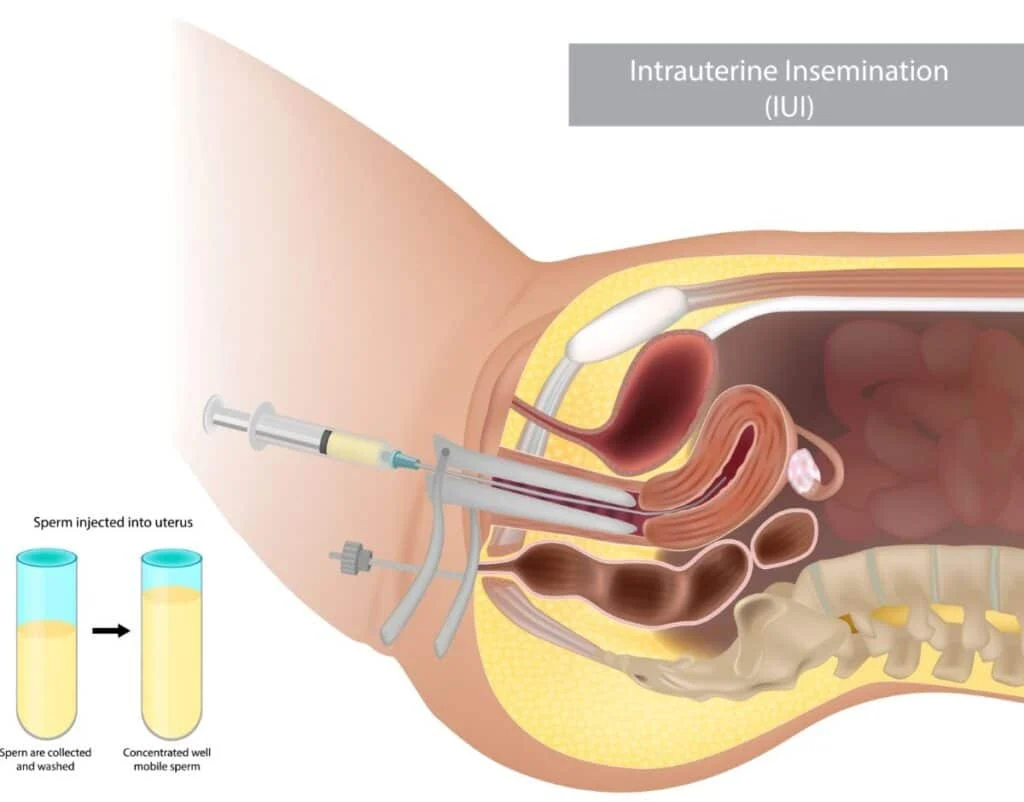
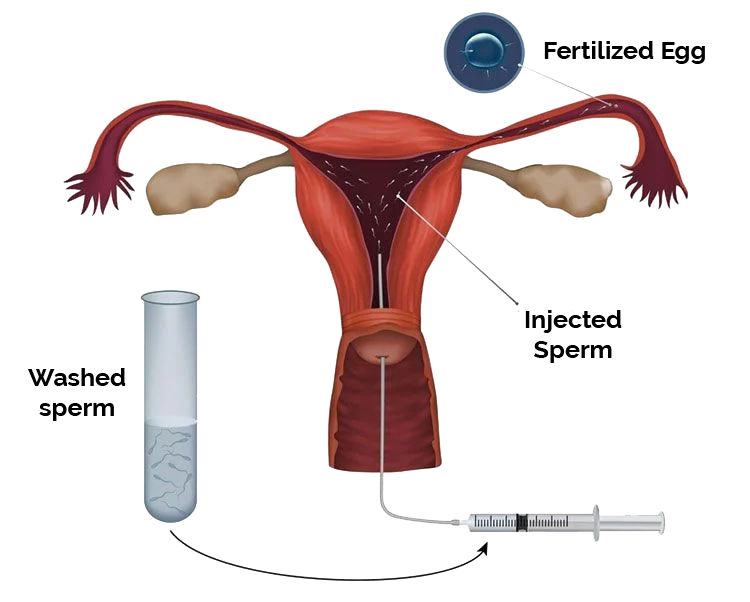
    Diagram illustrating intrauterine insemination (IUI) procedure with sperm injection into the uterus.

    The Pros and Cons of Fertility Preservation: What You Need to Know

    3. Emotional Toll: Deciding to preserve one’s fertility can come with emotional challenges. It may bring up feelings of grief and loss, as individuals may be mourning the loss of their natural ability to conceive. In addition, the process of undergoing fertility treatments and making decisions about the number of eggs or sperm to preserve can be emotionally taxing.

    4. Ethical Concerns: Some people have ethical concerns about fertility preservation, especially when it comes to storing and potentially discarding unused embryos. This can raise questions about the status of the embryos and the ethical implications of using them for reproductive purposes.

    5. Limited Time Frame: Fertility preservation is most effective when done at a younger age, as the quality of eggs and sperm decreases with age. This means that individuals who decide to preserve their fertility later in life may have a lower chance of success.

    Important Considerations:

    1. Consult with a Fertility Specialist: Before making a decision about fertility preservation, it is important to consult with a fertility specialist who can provide expert advice and guidance. They can assess your individual situation and help you understand the potential success rates and risks associated with the procedure.

    2. Plan for the Future: It is important to have a plan in place for the future use of the preserved eggs, sperm, or embryos. This includes considering the number of eggs or sperm to preserve, the length of storage, and the potential use of a surrogate or donor if needed.

    3. Be Informed: It is crucial to educate yourself about the procedure and the potential risks and benefits before making a decision. This includes understanding the costs involved, the success rates, and the potential emotional toll.

    4. Explore Other Options: Fertility preservation is not the only option for individuals or couples who want to have children in the future. Adoption, surrogacy, and fostering are all alternatives that may be worth considering.

    In conclusion, fertility preservation is a complex decision that requires careful consideration. While it can provide many benefits and help individuals achieve their goal of parenthood, it also comes with potential drawbacks and challenges. It is important to weigh the pros and cons, consult with a fertility specialist, and be informed before making a decision about fertility preservation.

    Summary:

    Fertility preservation, also known as cryopreservation, is a medical procedure that involves freezing and storing eggs, sperm, or embryos for future use. It allows for delayed parenthood, preserves fertility before medical treatments, increases chances of pregnancy, and provides peace of mind. However, it can be costly, has no guarantee of success, and can have an emotional toll. Important considerations include consulting with a fertility specialist, planning for the future, being informed, and exploring other options. Ultimately, the decision to preserve one’s fertility is a personal one that should be made after careful consideration of the pros and cons.
  • Empowering Yourself: Taking Control of Your Fertility Journey with Male and Female Infertility Treatments

    Summary:

    The journey to starting a family can be a challenging and emotional one, especially when faced with fertility issues. While many people assume that infertility is solely a female issue, the truth is that both men and women can experience difficulties with conceiving. In this blog post, we will explore the topic of fertility and discuss how both male and female infertility can be addressed through various treatments, ultimately empowering individuals to take control of their fertility journey.

    Firstly, it is important to understand the common causes of male and female infertility. For women, factors such as hormonal imbalances, ovulation disorders, and structural issues with the reproductive system can contribute to difficulty in conceiving. On the other hand, male infertility can be caused by conditions such as low sperm count, poor sperm quality, and issues with sperm delivery. It is crucial for both partners to undergo fertility testing to determine the root cause of their infertility and to guide their treatment options.

    For couples struggling with infertility, it is essential to seek the help of a fertility specialist. These experts can provide a personalized treatment plan based on each individual’s needs. For women, fertility treatments may include medications to regulate ovulation, intrauterine insemination (IUI), or in vitro fertilization (IVF). These treatments can help improve the chances of conception by addressing underlying fertility issues.

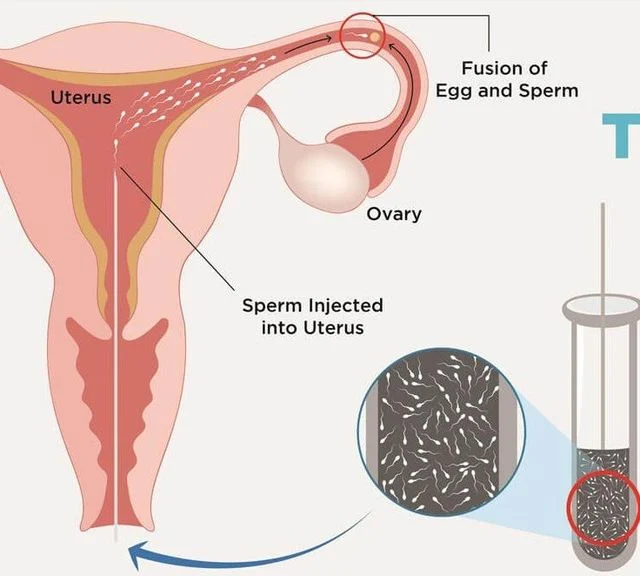
    Diagram illustrating the IUI process, showing sperm injection into the uterus and egg fertilization.

    Empowering Yourself: Taking Control of Your Fertility Journey with Male and Female Infertility Treatments

    When it comes to male infertility, there are also various treatment options available. For those with low sperm count, medications such as Clomid can help increase sperm production. In cases of poor sperm quality, intrauterine insemination with donor sperm or IVF with intracytoplasmic sperm injection (ICSI) may be recommended. These treatments can significantly improve the chances of fertilization and pregnancy.

    In addition to medical treatments, there are also lifestyle changes that can be made to improve fertility. Both men and women should maintain a healthy diet, exercise regularly, and avoid smoking and excessive alcohol consumption. For women, reducing stress levels can also have a positive impact on fertility. Acupuncture, yoga, and meditation are all proven methods for reducing stress and promoting overall well-being.

    It is also important for couples to support each other throughout the fertility journey. Infertility can take a toll on a relationship, and it is crucial to communicate openly and seek counseling if needed. Support groups can also be beneficial for connecting with others going through a similar experience and providing a sense of community and understanding.

    Finally, it is essential to remember that fertility treatments may not always result in a successful pregnancy. It is crucial to manage expectations and be prepared for all possible outcomes. While this can be challenging, it is important to stay positive and focus on the steps being taken to achieve pregnancy.

    In conclusion, fertility issues can be a difficult and emotional experience for couples trying to start a family. However, by understanding the causes of infertility, seeking the help of a fertility specialist, making lifestyle changes, and supporting each other, individuals can take control of their fertility journey and increase their chances of conceiving. Remember to stay positive and never lose hope.

  • The Pros and Cons of Donor Insemination vs Partner Insemination

    Blog Post Title: The Pros and Cons of Donor Insemination vs Partner Insemination

    When it comes to starting or expanding a family through artificial insemination, there are two main options: donor insemination and partner insemination. Both methods involve the insertion of sperm into the woman’s reproductive tract, but they differ in the source of the sperm. In donor insemination, the sperm comes from a sperm bank or a known donor, while in partner insemination, the sperm is provided by the woman’s male partner. In this blog post, we will explore the pros and cons of both donor insemination and partner insemination to help you make an informed decision on which method may be best for you.

    Pros of Donor Insemination:

    1. Increased chances of conception: One of the main advantages of donor insemination is that it significantly increases the chances of conception for couples struggling with male infertility or same-sex female couples. This is because the sperm used in donor insemination has been screened for quality, quantity, and genetic disorders, making it more likely to result in a successful pregnancy.

    2. No risk of passing on inherited disorders: Donor insemination eliminates the risk of passing on inherited disorders, as the sperm has been thoroughly screened. This can be a major concern for couples with a family history of genetic disorders.

    3. Anonymity for donors: In most cases, sperm donors remain anonymous, which can be a plus for some couples. This means that the donor’s identity is not disclosed, and there is no legal or emotional obligation for the donor to be involved in the child’s life.

    4. Greater control over the process: Donor insemination allows women to have more control over the process, as they can choose the donor based on their preferences and needs. This can include physical characteristics, education, occupation, and even personality traits.

    Cons of Donor Insemination:

    1. Emotional and psychological implications: For some couples, the idea of using a sperm donor can be emotionally and psychologically challenging. It may be difficult for the male partner to accept that the child is not biologically related to them, and for the female partner to come to terms with not carrying the child.

    2. Cost: Donor insemination can be a costly process, as it involves purchasing sperm from a sperm bank and undergoing medical procedures. The cost can add up, especially if multiple attempts are needed to achieve pregnancy.

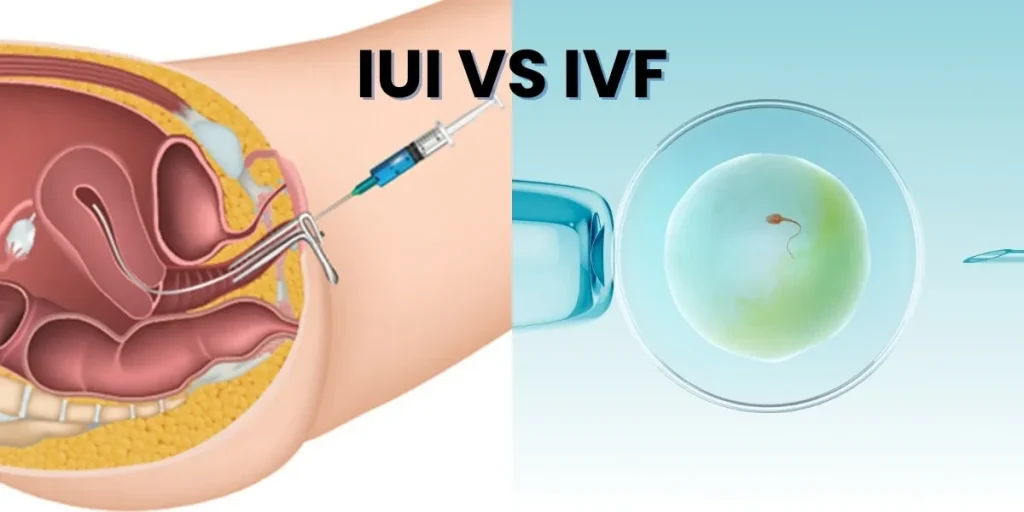
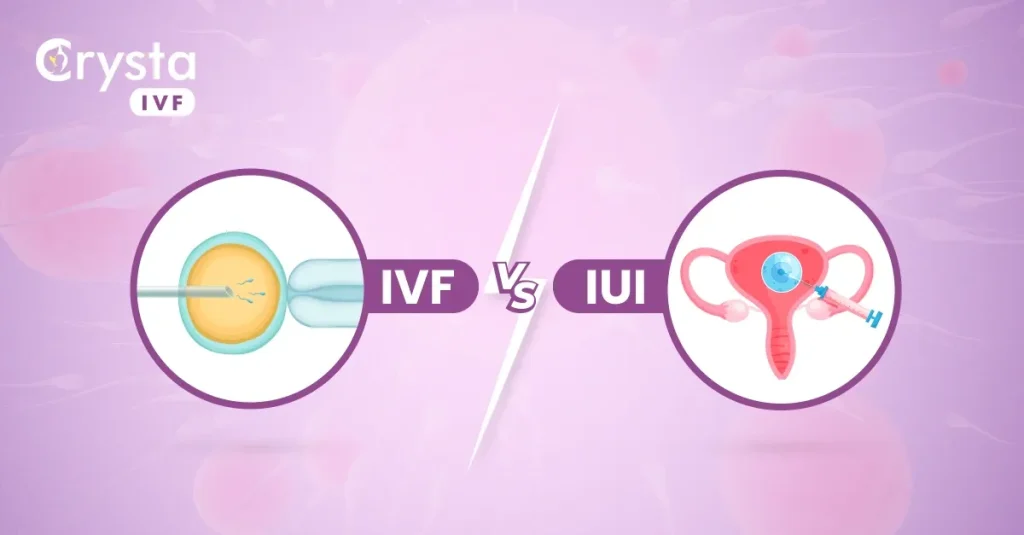
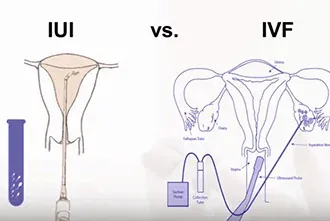
    Comparison of IUI and IVF treatments with diagrams of reproductive anatomy.

    The Pros and Cons of Donor Insemination vs Partner Insemination

    3. Limited information about the donor: While some sperm banks provide detailed information about donors, there may still be limited information available on their medical history and personal background. This can be a concern for some couples who want to know more about the donor.

    Pros of Partner Insemination:

    1. Emotional connection: Partner insemination allows couples to have a more intimate and emotional connection to the conception process. The male partner can actively participate in the pregnancy journey, and the female partner can experience the joy of carrying their child.

    2. Lower cost: Partner insemination is generally less expensive than donor insemination, as it does not involve purchasing sperm from a sperm bank. This can be a significant advantage for couples who are on a tight budget.

    3. Familiarity with the sperm donor: Partner insemination allows the woman to know and trust the sperm donor, which can provide peace of mind and a sense of security.

    Cons of Partner Insemination:

    1. Lower chances of conception: Unlike donor insemination, partner insemination relies on the fertility of the male partner. If he has a low sperm count or other fertility issues, the chances of conception may be lower.

    2. Risk of passing on inherited disorders: Partner insemination does not involve any screening of the sperm donor, which means there is a risk of passing on inherited disorders to the child.

    3. Legal complications: In some cases, partner insemination can lead to legal complications if all parties involved do not have a clear understanding of their roles and responsibilities. This may be a concern for same-sex couples or couples using a known sperm donor.

    In conclusion, both donor insemination and partner insemination have their own set of pros and cons. It ultimately comes down to personal preference and individual circumstances. It is essential to thoroughly research and consider all factors before making a decision. Consulting with a fertility specialist can also provide valuable insights and guidance in choosing the best method for achieving your dream of starting a family.

    SEO Metadata:

  • Fertility Supplements vs Medical Treatments: Which is Safer for You and Your Baby?

    Blog Post:

    Fertility is a topic that many couples struggle with, and the journey to conceive a child can be a challenging and emotional one. With the rise in popularity of natural and alternative treatments, there has been a growing debate over whether fertility supplements or medical treatments are the safer option for couples trying to conceive. In this blog post, we will explore the advantages and disadvantages of both fertility supplements and medical treatments, and ultimately determine which option is safer for you and your baby.

    Fertility Supplements:
    Fertility supplements are natural or herbal remedies that claim to boost fertility and increase the chances of conception. These supplements may come in the form of pills, powders, teas, or even fertility bracelets. The idea behind fertility supplements is that they provide the body with essential vitamins, minerals, and herbs that can improve reproductive health and increase fertility.

    Advantages:
    One of the main advantages of using fertility supplements is that they are natural and do not contain any synthetic chemicals or hormones. This can be appealing to couples who are looking for a more holistic approach to fertility. Additionally, many of these supplements are easily accessible and can be purchased without a prescription.

    Disadvantages:
    While fertility supplements may seem like a safe and natural option, they are not regulated by the Food and Drug Administration (FDA) like prescription medications. This means that there is no guarantee of their safety or effectiveness. Furthermore, some supplements may interact with other medications or have side effects that could be harmful to both the mother and baby.

    Medical Treatments:
    Medical treatments for fertility include a variety of options such as fertility drugs, assisted reproductive technology (ART), and surgery. These treatments are often prescribed and monitored by a doctor or fertility specialist.

    comparison of IUI and IVF fertility treatments with illustrations of procedures and a petri dish with an egg and sperm

    Fertility Supplements vs Medical Treatments: Which is Safer for You and Your Baby?

    Advantages:
    One of the main advantages of medical treatments is that they are backed by scientific research and have been proven to be effective in helping couples conceive. These treatments are also closely monitored by medical professionals, ensuring the safety of both the mother and baby. Additionally, certain medical treatments, such as in vitro fertilization (IVF), have a higher success rate compared to fertility supplements.

    Disadvantages:
    One of the biggest disadvantages of medical treatments for fertility is that they can be expensive and may not be covered by insurance. They may also require multiple rounds of treatment and can be physically and emotionally taxing for the couple. Furthermore, some medical treatments can have side effects such as nausea, bloating, and mood swings.

    Which is Safer?
    The safety of fertility supplements versus medical treatments is a highly debated topic. While fertility supplements may seem like a natural and harmless option, the lack of regulation and potential side effects make them a less safe choice for both the mother and baby. On the other hand, medical treatments are closely monitored and have been proven to be effective, but they can be expensive and may come with side effects.

    Ultimately, the best course of action is to consult with a doctor or fertility specialist before starting any type of treatment. They can assess your individual situation and make recommendations based on your medical history and needs. In some cases, a combination of both fertility supplements and medical treatments may be the best option.

    In conclusion, the journey to conceive a child can be a difficult one, and it is important to carefully consider the options available. While fertility supplements may seem like a natural and appealing choice, it is important to be cautious and consult with a medical professional. Medical treatments may be more expensive and have potential side effects, but they have been extensively researched and proven to be effective. The safety and well-being of both the mother and baby should always be the top priority when considering fertility treatments.

    Summary:
    Fertility is a common struggle for many couples, and the debate over the safety of fertility supplements versus medical treatments is ongoing. Fertility supplements, while natural, are not regulated and may have potential side effects. Medical treatments, while proven to be effective, can be expensive and come with their own set of risks. It is important to consult with a doctor before starting any treatment and to prioritize the safety of both the mother and baby.

  • Fertility Supplements vs Medical Treatments: Which Has a Higher Success Rate?

    Blog Post:

    Fertility is a topic that affects many individuals and couples around the world. With advancements in medical technology, there are now various options available for those struggling with infertility. One of the most debated topics when it comes to fertility treatment is whether supplements or medical treatments have a higher success rate. In this blog post, we will explore the differences between fertility supplements and medical treatments and determine which one has a higher success rate.

    Fertility Supplements

    Fertility supplements are often marketed as a natural and non-invasive option for those trying to conceive. These supplements typically contain a combination of vitamins, minerals, and herbs that are believed to improve fertility. Some of the most commonly used supplements include folic acid, vitamin D, zinc, and chasteberry.

    One of the main benefits of fertility supplements is that they are easily accessible and can be purchased over-the-counter without a prescription. They are also generally more affordable compared to medical treatments, making them an attractive option for those on a budget.

    However, the effectiveness of fertility supplements is still a topic of debate. While some studies have shown positive results, others have found no significant difference in pregnancy rates between those taking supplements and those who are not. Additionally, supplements may take longer to show results, and in some cases, can even have adverse effects on fertility.

    Medical Treatments

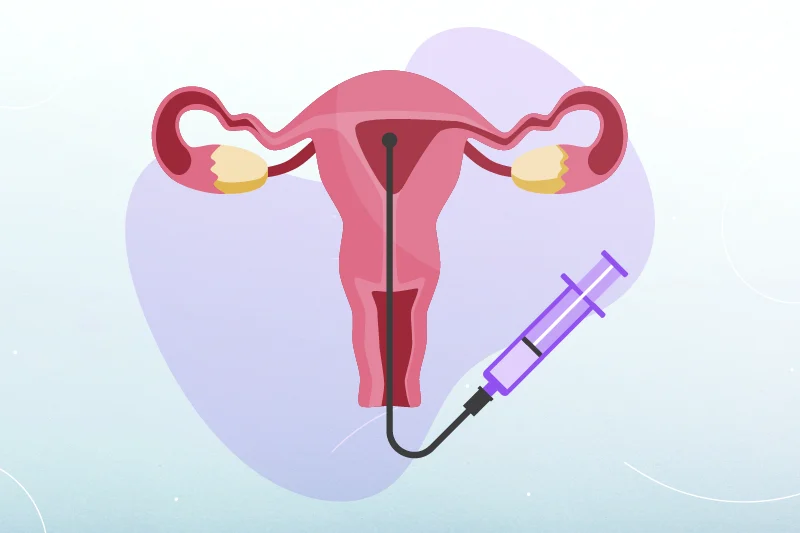
    diagram of the female reproductive system with an IUI syringe and test tube for artificial insemination

    Fertility Supplements vs Medical Treatments: Which Has a Higher Success Rate?

    On the other hand, medical treatments for fertility include a range of procedures and interventions such as in-vitro fertilization (IVF), intrauterine insemination (IUI), and fertility drugs. These treatments are typically prescribed and monitored by a fertility specialist and require a more invasive approach.

    One of the main advantages of medical treatments is that they have a higher success rate compared to fertility supplements. IVF, for example, has a success rate of around 30% per cycle, while IUI has a success rate of 10-20% per cycle. Additionally, medical treatments are tailored to an individual’s specific needs, making them more effective in addressing fertility issues.

    However, medical treatments also come with their own set of challenges. They can be costly, with IVF averaging around $12,000 per cycle. They also come with potential risks and side effects, which can add to the stress and emotional toll of trying to conceive.

    Which Has a Higher Success Rate?

    When it comes to determining which option has a higher success rate, it is essential to consider the individual circumstances and factors at play. In some cases, individuals may have underlying medical conditions that require medical treatments, while others may benefit from the use of supplements.

    In general, medical treatments have been found to have a higher success rate compared to fertility supplements. However, it is essential to note that both options have their own benefits and limitations. For some individuals, a combination of both may be the most effective approach.

    Summary:

    Fertility is a topic that affects many individuals and couples around the world. When it comes to addressing fertility issues, there are two main options to consider: fertility supplements and medical treatments. While supplements are easily accessible and affordable, their effectiveness is still a topic of debate. On the other hand, medical treatments have a higher success rate but can be costly and come with potential risks and side effects. Ultimately, the best approach will depend on an individual’s specific circumstances and needs.

  • Examining the Side Effects of Fertility Supplements and Medical Treatments

    Examining the Side Effects of Fertility Supplements and Medical Treatments

    Fertility issues can be a major concern for couples trying to conceive. As a result, many turn to fertility supplements and medical treatments in hopes of increasing their chances of getting pregnant. While these methods may seem promising, it’s important to also consider the potential side effects that come with them. In this blog post, we will examine the various side effects of fertility supplements and medical treatments and discuss their effectiveness in aiding fertility.

    Fertility Supplements

    Fertility supplements are dietary supplements that claim to improve fertility and increase the chances of conception. These supplements often contain a combination of vitamins, minerals, herbs, and other natural ingredients. While they may seem like a safe and natural option, it’s important to understand that they are not regulated by the FDA and their effectiveness and safety are not guaranteed.

    One of the most commonly used fertility supplements is DHEA (dehydroepiandrosterone), which is believed to improve egg quality and increase the chances of pregnancy. However, studies have shown that DHEA can have negative side effects such as acne, hair loss, and mood changes. In addition, long-term use of DHEA has been linked to an increased risk of breast and ovarian cancer.

    Another popular fertility supplement is CoQ10, which is believed to improve egg quality and sperm health. While there is limited research on the effects of CoQ10 on fertility, some studies have shown that it may cause mild side effects such as nausea, diarrhea, and stomach upset.

    Other common fertility supplements include Vitex (chaste tree berry), which is believed to regulate hormones and improve ovulation, and Maca, which is believed to boost libido and improve overall fertility. However, both of these supplements have been associated with side effects such as gastrointestinal issues and hormonal imbalances.

    Medical Treatments

    In addition to fertility supplements, many couples also turn to medical treatments to aid in their fertility journey. These treatments include hormonal therapies, assisted reproductive technology (ART), and surgery. While these methods have been proven to be effective in some cases, they also carry potential side effects.

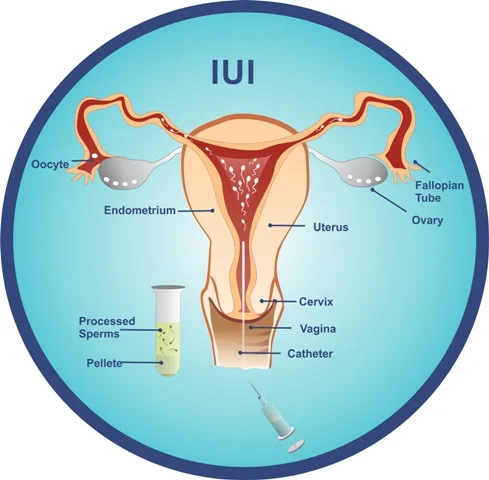
    diagram illustrating intrauterine insemination (IUI) with labeled reproductive anatomy and procedures

    Examining the Side Effects of Fertility Supplements and Medical Treatments

    Hormonal therapies, such as clomiphene citrate and gonadotropins, are often used to stimulate ovulation in women. However, they can also cause side effects such as hot flashes, mood swings, and bloating. In rare cases, they may also increase the risk of ovarian hyperstimulation syndrome, a potentially serious condition.

    ART, which includes procedures such as in vitro fertilization (IVF) and intrauterine insemination (IUI), can also have side effects. The medications used in these procedures may cause side effects such as headaches, abdominal pain, and mood changes. In addition, the procedures themselves can cause discomfort and potential complications such as infection and multiple pregnancies.

    Surgery may also be recommended to treat certain fertility issues, such as blocked fallopian tubes or endometriosis. While these procedures can be effective, they also carry risks such as infection, bleeding, and damage to surrounding organs.

    Effectiveness vs. Side Effects

    When considering fertility supplements and medical treatments, it’s important to weigh the potential side effects against their effectiveness. While some supplements and treatments may have promising results, they may also come with significant side effects that can impact one’s overall health.

    It’s also important to note that these methods may not work for everyone. Each person’s body is different and what works for one may not work for another. It’s crucial to consult with a healthcare professional before starting any fertility supplement or medical treatment to determine the best course of action for your specific situation.

    Conclusion

    In conclusion, while fertility supplements and medical treatments may offer hope for couples struggling with fertility issues, it’s important to consider the potential side effects before deciding to use them. It’s always best to consult with a healthcare professional and discuss all options before making any decisions. Remember, your health should always be a top priority, and any supplement or treatment should be carefully evaluated before use.

    SEO Metadata:

  • Fertility Supplements vs Medical Treatments: A Personal Journey

    Blog post:

    Fertility is a complex and emotional journey for many couples. It can be a challenging and frustrating experience, filled with hope and disappointment. For some, it may be a straightforward process, while for others, it may require medical interventions.

    As someone who has personally experienced fertility struggles, I understand the overwhelming desire to do everything possible to increase your chances of conceiving. This often leads to the question of whether to try fertility supplements or go for medical treatments. In this blog post, I will share my personal journey and provide insight into the pros and cons of both options.

    My husband and I had been trying to conceive for over a year without any success. We were both in our early thirties and had no pre-existing health conditions, so we were surprised and frustrated by our difficulties. After consulting with our doctor, we were diagnosed with unexplained infertility, which meant that there was no specific cause for our inability to conceive.

    Feeling lost and desperate, we turned to Google for answers. We came across numerous fertility supplements that claimed to boost fertility and increase our chances of conception. These supplements contained various vitamins, minerals, and herbs that were said to improve reproductive health and regulate hormones.

    Without consulting our doctor, we decided to give these supplements a try. We spent hundreds of dollars on different brands, hoping that one of them would be the magic solution to our problem. However, after several months of taking these supplements, we saw no improvement in our fertility. It was a disappointing and costly experience.

    We then decided to seek medical help and consulted with a fertility specialist. After a series of tests and evaluations, we were given a diagnosis of male factor infertility. This meant that our chances of conceiving naturally were significantly reduced, and we would need medical interventions to help us conceive.

    Our doctor recommended intrauterine insemination (IUI), a fertility treatment where sperm is directly inserted into the uterus to increase the chances of fertilization. We were hesitant at first, as it meant undergoing a medical procedure and taking fertility drugs. We were also concerned about the cost, as these treatments can be expensive.

    However, after much consideration, we decided to go ahead with the IUI procedure. To our relief, it was successful, and we were blessed with a beautiful baby girl nine months later. Looking back on our journey, I realized that our experience with fertility supplements had been a waste of time and money, and seeking medical treatment was the right decision for us.

    illustration of intrauterine insemination procedure with a syringe and catheter in the uterus.

    Fertility Supplements vs Medical Treatments: A Personal Journey

    So, what are the pros and cons of fertility supplements and medical treatments? Let’s take a closer look.

    Fertility Supplements:
    Pros:
    – Availability: Fertility supplements are readily available over the counter or online without a prescription.
    – Natural ingredients: Most fertility supplements contain natural ingredients, making them a more appealing option for those who prefer a holistic approach.
    – Cost-effective: Compared to medical treatments, fertility supplements are more affordable.
    – Easy to use: Fertility supplements usually come in the form of pills, making them easy to incorporate into your daily routine.

    Cons:
    – Lack of regulation: Fertility supplements are not regulated by the FDA, meaning that their effectiveness and safety are not guaranteed.
    – Limited research: There is limited research on the effectiveness of fertility supplements, and the results may vary from person to person.
    – False claims: Many supplement companies make false claims about their products’ ability to boost fertility, making it challenging to determine which ones are genuinely effective.

    Medical Treatments:
    Pros:
    – Customized treatment: Medical treatments are tailored to each individual’s specific fertility issues, increasing the chances of success.
    – Monitored progress: With medical treatments, progress can be monitored through regular check-ups and tests, giving couples a better understanding of their fertility health.
    – Higher success rates: Medical treatments, such as IVF and IUI, have higher success rates compared to natural conception or fertility supplements.
    – Address underlying issues: Medical treatments can address underlying health issues that may be causing infertility, increasing the chances of a successful pregnancy.

    Cons:
    – Expensive: Medical treatments can be costly and may not be covered by insurance.
    – Invasive procedures: Some medical treatments, such as IVF, involve invasive procedures, which can be physically and emotionally taxing.
    – Side effects: Fertility drugs used in medical treatments can have side effects such as headaches, mood swings, and hot flashes.

    In conclusion, my personal experience has taught me that while fertility supplements may seem like an appealing and affordable option, they are not a reliable solution for fertility issues. Seeking medical treatment, although more expensive and invasive, proved to be the most effective way for us to conceive.

    However, every journey is unique, and what worked for us may not work for others. It is essential to consult with your doctor and thoroughly research before deciding on a course of action. Remember to take care of your physical and emotional well-being throughout the process, as fertility struggles can take a toll on both partners.

    Summary:

    Fertility struggles can be a challenging and emotional journey for many couples. The question of whether to try fertility supplements or go for medical treatments is a common dilemma. As someone who has personally experienced fertility issues, I believe that seeking medical treatment is the most effective option. Fertility supplements may seem appealing, but they lack regulation and research, making them an unreliable solution. Medical treatments, although more expensive and invasive, have higher success rates and can address underlying health issues. Ultimately, it’s essential to consult with a doctor and prioritize self-care throughout the fertility journey.

  • The Financial Burden: Artificial Insemination vs Natural Conception

    The decision to start a family is an exciting and life-changing one, but it also comes with a lot of financial considerations. One of the major factors to consider when trying to conceive is the method of conception, whether it be through artificial insemination or natural conception. Both options have their pros and cons, but they also come with a significant financial burden that can greatly impact a couple’s decision.

    Artificial insemination, also known as assisted reproductive technology (ART), is a method of conception that involves the insertion of sperm into a woman’s reproductive tract through methods such as intrauterine insemination (IUI) or in vitro fertilization (IVF). On the other hand, natural conception is the traditional method where a man’s sperm fertilizes a woman’s egg through sexual intercourse.

    The cost of artificial insemination can vary greatly depending on the specific method used and the individual’s needs. IUI, which involves placing sperm directly into the uterus, can cost anywhere from $300 to $1,000 per cycle. IVF, which involves fertilizing eggs in a laboratory and then transferring them into the uterus, can cost upwards of $10,000 per cycle. These costs do not include additional expenses such as medications, testing, and monitoring, which can add thousands of dollars to the overall cost.

    On the other hand, natural conception does not come with any direct costs, as it is free and can be done at any time. However, there are indirect costs associated with natural conception, such as prenatal care, delivery, and postnatal care. These costs can also add up, especially if there are any complications during pregnancy or delivery.

    One of the main reasons why people choose artificial insemination over natural conception is because of infertility issues. Infertility affects approximately 12% of couples in the United States, and the cost of fertility treatments can quickly add up. Many insurance plans do not cover these costs, leaving couples to bear the financial burden on their own. This can cause a significant strain on a couple’s finances and can lead to difficult decisions about whether to continue with treatment or pursue other options.

    Illustration of the uterus with a syringe, depicting the intrauterine insemination procedure.

    The Financial Burden: Artificial Insemination vs Natural Conception

    Another factor to consider is the success rates of each method. While artificial insemination can be more expensive, it also has a higher success rate than natural conception. According to the Centers for Disease Control and Prevention, the success rate for IVF in women under 35 is around 40%, while the success rate for IUI is around 10-20%. On the other hand, the success rate for natural conception decreases with age, with women over 35 having a lower chance of getting pregnant each month.

    Aside from the direct and indirect costs, there are other financial burdens that come with both methods of conception. Artificial insemination often requires multiple cycles and can be a long and emotionally draining process. This can result in time off work, which can have a significant impact on a couple’s income. Additionally, there are also costs associated with raising a child, such as childcare, education, and healthcare, that need to be considered.

    In contrast, natural conception may also lead to unexpected financial burdens. With the rise of high deductible health plans, the cost of prenatal care and delivery can be a lot more expensive than expected. Also, if there are any complications during pregnancy or delivery, the medical costs can quickly add up. Furthermore, the cost of raising a child can be unpredictable and can vary greatly depending on factors such as the child’s health and education needs.

    It is essential for couples to carefully consider the financial implications of both artificial insemination and natural conception before making a decision. The decision should not be solely based on cost, but consideration should also be given to the success rates, potential complications, and emotional toll of each method.

    Some couples may opt for a combination of both methods, where they try natural conception first and then pursue artificial insemination if unsuccessful. This can help to spread out the financial burden and give couples a better chance of conceiving.

    In summary, the financial burden of artificial insemination vs natural conception is a significant factor to consider when trying to start a family. While artificial insemination can be more expensive, it also offers higher success rates. On the other hand, natural conception may be cheaper, but it comes with its own set of financial burdens, including potential medical costs and the cost of raising a child. Ultimately, the decision should be based on what is best for the couple’s individual situation, taking into account their financial capabilities and chances of success.

  • A Holistic Approach: Combining Artificial Insemination and Natural Conception

    Blog Post:

    In today’s world, many couples struggle with fertility issues and have to turn to various methods to conceive a child. One of the most common methods is artificial insemination, where sperm is collected and directly inserted into the woman’s uterus. However, there has been a recent trend towards a more holistic approach to fertility by combining artificial insemination with natural conception methods. This approach takes into account not just the physical aspect of conception but also the emotional, mental, and spiritual aspects. In this blog post, we will explore the benefits of combining artificial insemination and natural conception and how it can increase the chances of a successful pregnancy.

    First, let’s understand what artificial insemination and natural conception are. Artificial insemination is a medical procedure where the sperm is collected from the male partner or a donor and inserted directly into the woman’s uterus during her fertile window. This method bypasses the natural process of sperm reaching the egg through intercourse and increases the chances of fertilization. On the other hand, natural conception is the traditional method of conceiving a child through sexual intercourse during the woman’s ovulation period.

    Now, let’s delve into the benefits of combining these two methods. One of the main advantages is that it increases the chances of conception. Artificial insemination has a higher success rate when compared to natural conception, and by combining the two, the chances of fertilization are further enhanced. This is especially beneficial for couples who have been struggling with fertility issues. It also gives them more control over the timing of conception, as they can plan the artificial insemination procedure during the woman’s ovulation period.

    Another benefit of this holistic approach is that it addresses both physical and emotional aspects of fertility. Artificial insemination can be a stressful and emotionally taxing process for couples. By incorporating natural conception methods, it allows them to connect on a deeper level and reduce the stress and pressure that comes with trying to conceive. This can have a positive impact on their mental and emotional well-being, which can, in turn, increase the chances of a successful pregnancy.

    Moreover, combining artificial insemination and natural conception can be a more cost-effective option for couples. Artificial insemination can be an expensive procedure, and by incorporating natural conception, it reduces the number of procedures needed, thus saving money in the long run. This can be especially beneficial for couples who have limited financial resources but still want to explore fertility treatments.

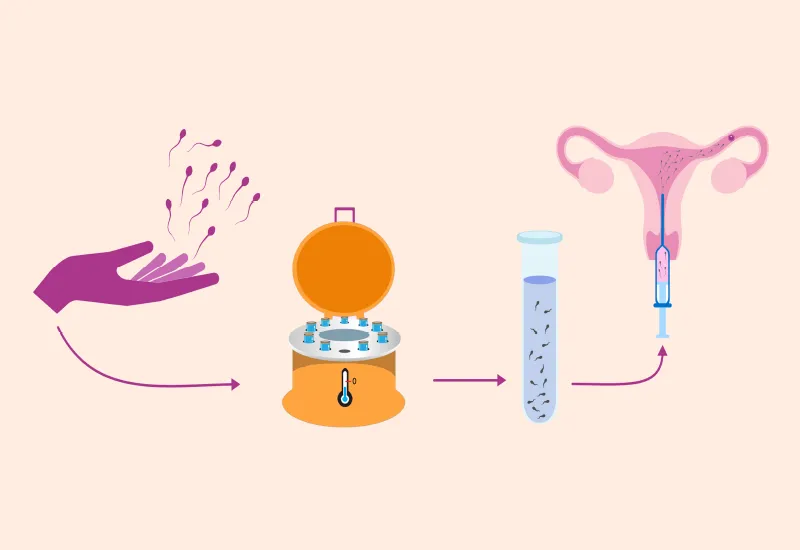
    illustration of the IUI process, showing sperm collection, preparation, and insertion into the uterus

    A Holistic Approach: Combining Artificial Insemination and Natural Conception

    It’s essential to note that this approach may not be suitable for all couples, and it’s crucial to consult with a fertility specialist before making any decisions. Factors such as age, medical history, and fertility issues may play a role in determining the best course of action. However, for couples who are eligible, this holistic approach can offer a more well-rounded and comprehensive approach to fertility treatment.

    In addition to the physical and emotional benefits, combining artificial insemination and natural conception can also have spiritual benefits. For many couples, the journey to conceiving a child can be a spiritual one. By incorporating natural conception methods, it allows them to connect with their bodies and the natural process of fertilization. It can also bring a sense of hope and positivity, which can be crucial in the rollercoaster journey of fertility.

    Another aspect to consider is the impact on the child. Children conceived through artificial insemination may have questions about their biological origins, and combining it with natural conception can address some of those questions. It allows for a more traditional approach to conception, which can be reassuring for the child later in life.

    In conclusion, combining artificial insemination and natural conception can offer a more holistic approach to fertility treatment. It takes into account not just the physical aspect but also the emotional, mental, and spiritual aspects of conceiving a child. It can increase the chances of conception, reduce stress and costs, and have a positive impact on the overall well-being of the couple. As with any fertility treatment, it’s crucial to consult with a specialist and consider all factors before making a decision. But for eligible couples, this approach can be a promising option in their journey towards having a child.

    Summary:

    In today’s world, many couples turn to artificial insemination to conceive a child. However, there is a growing trend towards a more holistic approach that combines artificial insemination with natural conception methods. This approach takes into account the physical, emotional, mental, and spiritual aspects of fertility and can increase the chances of a successful pregnancy. It also reduces stress and costs, and has a positive impact on the overall well-being of the couple. While it may not be suitable for all couples, it offers a more well-rounded and comprehensive approach to fertility treatment.

  • The Risks Involved: Artificial Insemination and Natural Conception

    Blog Post: The Risks Involved: Artificial Insemination and Natural Conception

    Artificial insemination and natural conception are two commonly used methods for couples who are trying to conceive a child. Both methods have their own set of benefits and risks, and it is important for couples to understand and weigh these factors before making a decision. In this blog post, we will take a closer look at the risks involved in both artificial insemination and natural conception.

    Artificial Insemination:

    Artificial insemination, also known as intrauterine insemination (IUI), is a fertility treatment that involves inserting sperm directly into the uterus. This can be done using either the partner’s sperm or a donor’s sperm. The procedure is relatively simple and can be performed in a doctor’s office without the need for anesthesia.

    One of the main risks associated with artificial insemination is the potential for multiple pregnancies. Because multiple eggs may be released during ovulation, there is a higher chance of conceiving twins or even triplets. While some couples may see this as a positive outcome, multiple pregnancies can also increase the risk of complications for both the mother and the babies.

    Another risk of artificial insemination is the potential for infection. Since the procedure involves inserting a catheter into the uterus, there is a risk of introducing bacteria or other pathogens into the reproductive system. This can lead to pelvic inflammatory disease (PID), which can cause scarring in the fallopian tubes and make it difficult for a woman to conceive naturally in the future.

    There is also a small risk of allergic reactions to the sperm or other substances used during the procedure. This is more common in women who have a history of allergies or sensitivities. It is important for couples to discuss any potential allergies with their doctor before undergoing the procedure.

    Natural Conception:

    Comparison of IVF and IUI procedures with illustrations of each method.

    The Risks Involved: Artificial Insemination and Natural Conception

    Natural conception, also known as sexual intercourse, is the most common way for couples to conceive a child. This method involves the fertilization of an egg by sperm in the woman’s fallopian tubes. While it is a natural and often successful way to conceive, there are still risks involved.

    One of the main risks of natural conception is the potential for sexually transmitted infections (STIs). If either partner has an untreated STI, it can be passed to the other partner during intercourse. This can lead to serious complications for both fertility and overall health.

    Another risk of natural conception is the potential for chromosomal abnormalities in the baby. As women age, the quality of their eggs decreases, which can increase the risk of genetic disorders in the baby. This risk is higher for women over the age of 35.

    Additionally, there is a risk of infertility in both men and women when trying to conceive naturally. Factors such as hormonal imbalances, blocked fallopian tubes, and low sperm count can make it difficult or even impossible for a couple to conceive without medical intervention.

    Which One is Right for You?

    When deciding between artificial insemination and natural conception, it is important to consider the individual risks and benefits of each method. Couples should also take into account their personal medical history and any potential fertility issues before making a decision.

    If a couple is struggling with fertility issues, artificial insemination may be a good option to increase their chances of conceiving. However, if they have a history of allergies or are concerned about the potential for multiple pregnancies, natural conception may be a better choice.

    It is also important to consult with a medical professional to discuss the best course of action. They can provide personalized recommendations based on the couple’s unique situation and help them make an informed decision.

    In conclusion, both artificial insemination and natural conception carry their own set of risks. It is important for couples to understand these risks and weigh them against the potential benefits before deciding on a method for conceiving. Consulting with a medical professional is key in making the best decision for a couple’s individual situation.