Tag: Traditional Surrogacy

  • Traditional Surrogacy vs. Gestational Surrogacy: The Role of the Surrogacy Agency

    Traditional Surrogacy vs. Gestational Surrogacy: The Role of the Surrogacy Agency

    Surrogacy has become a popular option for couples and individuals who are unable to conceive on their own. It involves a woman carrying a baby for someone else, either through traditional surrogacy or gestational surrogacy. While both methods have the same end goal, the process and role of a surrogacy agency can vary greatly between the two. In this blog post, we will explore the differences between traditional surrogacy and gestational surrogacy, and the important role that a surrogacy agency plays in the surrogacy journey.

    What is Traditional Surrogacy?
    Traditional surrogacy, also known as genetic surrogacy, is a process in which the surrogate mother uses her own egg to become pregnant through artificial insemination. This means that the surrogate is genetically related to the child she is carrying. The intended father’s sperm is used for the insemination, making him the biological father of the child.

    What is Gestational Surrogacy?
    Gestational surrogacy, on the other hand, is a method in which the surrogate mother carries a baby that is not genetically related to her. In this process, the intended parents’ embryo is created through in vitro fertilization (IVF) using either the intended mother’s egg and the intended father’s sperm, or a donor’s egg or sperm. The embryo is then transferred to the surrogate’s uterus, and she carries the pregnancy until birth.

    The Role of a Surrogacy Agency
    Both traditional and gestational surrogacy involve complex legal, medical, and emotional processes. This is where a surrogacy agency comes in. A surrogacy agency acts as a third party that facilitates the surrogacy journey for both the intended parents and the surrogate mother. Their role is crucial in ensuring a smooth and successful surrogacy experience for all parties involved.

    Recruiting and Screening Surrogates
    One of the main responsibilities of a surrogacy agency is to recruit and screen potential surrogate mothers. This involves a thorough screening process, including medical and psychological evaluations, to ensure that the surrogate is physically and emotionally capable of carrying a pregnancy for someone else. The agency will also conduct background checks and verify the surrogate’s previous pregnancy history.

    illustration of a uterus with a syringe for intrauterine insemination (IUI) procedure

    Traditional Surrogacy vs. Gestational Surrogacy: The Role of the Surrogacy Agency

    Matching Process
    Once a surrogate has been screened and approved, the surrogacy agency will then match her with the intended parents. This is a crucial step as it involves finding the perfect match based on compatibility and mutual preferences. The agency will consider factors such as the intended parents’ requirements, the surrogate’s expectations, and their personalities and values.

    Legal and Financial Guidance
    Surrogacy involves complex legal procedures, and a surrogacy agency will have a team of experienced attorneys who can guide both the intended parents and the surrogate through the legal aspects of the process. They will ensure that all parties have a legally binding agreement that protects everyone’s rights and responsibilities. The agency will also provide financial guidance and assistance, including setting up an escrow account to manage the financial aspects of surrogacy, such as medical expenses and compensation for the surrogate.

    Case Management and Support
    Throughout the surrogacy journey, a surrogacy agency will act as a case manager and provide support to both the intended parents and the surrogate mother. They will be a point of contact for any questions or concerns and will facilitate communication between all parties. The agency will also provide emotional support and counseling to help manage the emotional aspects of surrogacy.

    Ongoing Monitoring and Coordination
    During the pregnancy, the surrogacy agency will continue to monitor and coordinate all aspects of the surrogacy journey. This includes coordinating medical appointments and ensuring that all parties are following the agreed-upon plan. The agency will also provide support in case of any complications or issues that may arise during the pregnancy.

    Conclusion
    In conclusion, traditional surrogacy and gestational surrogacy have fundamental differences, and the role of a surrogacy agency varies depending on the type of surrogacy chosen. However, in both cases, the surrogacy agency plays a crucial role in managing and facilitating the surrogacy journey for all parties involved. They provide guidance, support, and coordination throughout the process, ensuring a successful and fulfilling surrogacy experience for everyone.

    Summary: Surrogacy is a popular option for couples and individuals who are unable to conceive on their own. There are two types of surrogacy – traditional surrogacy and gestational surrogacy. A surrogacy agency plays a crucial role in facilitating the surrogacy journey for both the intended parents and the surrogate mother. Their responsibilities include recruiting and screening surrogates, matching them with intended parents, providing legal and financial guidance, offering emotional support, and ongoing monitoring and coordination.

  • The Importance of Education in Traditional and Gestational Surrogacy

    The Importance of Education in Traditional and Gestational Surrogacy

    Surrogacy, the process in which a woman carries and delivers a child for another person or couple, has become increasingly popular in recent years. While there are two main types of surrogacy – traditional and gestational – both require a significant amount of education and understanding. In this blog post, we will explore the importance of education in traditional and gestational surrogacy, and how it plays a crucial role in the success and well-being of all parties involved.

    Traditional Surrogacy: Understanding the Basics

    Traditional surrogacy is a method in which the surrogate mother is also the biological mother of the child. This is achieved through artificial insemination, where the sperm of the intended father is used to fertilize the surrogate’s egg. As a result, the child is genetically related to the surrogate mother. This type of surrogacy has been around for centuries and was the only option available for infertile couples before the advancement of assisted reproductive technologies.

    The Importance of Education in Traditional Surrogacy

    While traditional surrogacy may seem like a simple process, there are many legal, emotional, and medical considerations to be aware of. It is crucial for all parties involved, including the intended parents and the surrogate, to be educated about the process and understand their roles and responsibilities. Without proper education, there can be misunderstandings and conflicts that can potentially harm the surrogacy journey.

    One of the key aspects of education in traditional surrogacy is understanding the legal implications. In many countries, the laws around surrogacy are still unclear, and it is essential to be informed about the legal rights and obligations of all parties involved. This includes understanding the pre-birth orders and contracts that need to be in place to protect the rights of the intended parents and the surrogate.

    Moreover, education about the medical procedures involved in traditional surrogacy is also crucial. Surrogates need to be aware of the risks and potential complications that may arise during the pregnancy. They must also understand the medical procedures involved, such as hormone injections and embryo transfer, to ensure they are mentally and physically prepared for the process. Intended parents, on the other hand, need to have a good understanding of the fertility treatments and the chances of success to manage their expectations.

    Illustration of intrauterine insemination (IUI) procedure with syringe and catheter in the uterus.

    The Importance of Education in Traditional and Gestational Surrogacy

    Emotional education is another important aspect of traditional surrogacy. Surrogates need to be emotionally prepared for the bond they may develop with the child they are carrying and understand their role in the child’s life after birth. Intended parents should also be educated about the emotional dynamics involved and be sensitive to the feelings of the surrogate. Clear communication and emotional support are crucial in building a strong and healthy relationship between all parties.

    Gestational Surrogacy: A Modern Approach

    Gestational surrogacy is a more modern and commonly used method of surrogacy. In this process, the surrogate carries the child but is not biologically related to the baby. The embryo is created using the egg and sperm of the intended parents or donors and is then implanted into the surrogate’s uterus. This type of surrogacy has many advantages, including genetic connection to the child and fewer legal complications.

    The Importance of Education in Gestational Surrogacy

    Like traditional surrogacy, education plays a crucial role in the success of gestational surrogacy. The process involves various medical procedures, including in-vitro fertilization (IVF) and embryo transfer, which require a good understanding of the risks and success rates. Surrogates need to be educated about the potential side effects of hormone injections and the importance of following the medical protocol. Intended parents, on the other hand, need to be informed about the costs involved and the likelihood of success to make an informed decision.

    Legal education is also vital in gestational surrogacy. While the laws around gestational surrogacy may be more straightforward than traditional surrogacy, it is still essential to understand the legal rights and responsibilities of all parties involved. This includes understanding the surrogacy contract, custody arrangements, and parental rights.

    Finally, emotional education is crucial in gestational surrogacy. Surrogates must be prepared for the emotional toll of carrying a child for another couple, and intended parents need to be aware of the potential emotional challenges they may face. It is essential to have open and honest communication to address any concerns and build a strong and trusting relationship.

    In summary, education is a crucial aspect of both traditional and gestational surrogacy. It helps all parties involved to understand their roles, rights, and responsibilities, and ensures a smooth and successful surrogacy journey. Clear communication, emotional support, and legal and medical education are all essential elements of a successful surrogacy experience. By being well-informed and educated, surrogates, intended parents, and the child can all benefit from a positive and rewarding surrogacy experience.

  • Traditional Surrogacy vs. Gestational Surrogacy: A Cultural Comparison

    Traditional Surrogacy vs. Gestational Surrogacy: A Cultural Comparison

    Surrogacy has been around for centuries, but it has gained more attention in recent years due to advancements in medical technology and changing attitudes towards alternative forms of family building. While surrogacy is a topic that is widely discussed and debated, there is still a lack of understanding about the different types of surrogacy and their cultural implications. In this blog post, we will explore the differences between traditional surrogacy and gestational surrogacy, and how these methods are viewed and practiced in different cultures.

    Traditional Surrogacy:

    Traditional surrogacy, also known as genetic or partial surrogacy, is a method where the surrogate mother uses her own egg to conceive the child. In traditional surrogacy, the surrogate mother is genetically related to the child, while the intended father or a sperm donor provides the sperm. This method is usually achieved through artificial insemination, where the sperm is directly injected into the surrogate mother’s uterus. Traditional surrogacy was the only form of surrogacy available until the 1980s when gestational surrogacy was introduced.

    Cultural Perspective:

    Traditional surrogacy has been practiced for centuries in many cultures, particularly in Asian and African countries. In these cultures, surrogacy is often seen as a way to preserve bloodlines and continue family traditions. In some cultures, traditional surrogacy is also used to help infertile couples have a biological child and fulfill their societal and cultural expectations of parenthood.

    In India, traditional surrogacy is deeply rooted in cultural and religious beliefs. It is seen as a way for women to fulfill their duty of bearing children and to help childless couples have a child. However, in recent years, India has banned commercial surrogacy, which has led to a decrease in traditional surrogacy arrangements.

    In some African cultures, traditional surrogacy is viewed as a way to combat infertility, which is often stigmatized in these societies. It is also seen as a way to ensure that the family’s bloodline is not broken and to provide a child with a sense of belonging in the community.

    Legal Considerations:

    One of the major concerns with traditional surrogacy is the legal implications for all parties involved. As the surrogate mother is genetically related to the child, she may have a legal right to the child, which can lead to custody battles. This is especially true in countries where surrogacy laws are not well-defined or regulated.

    In some cultures, the lack of clear laws and regulations around surrogacy can lead to exploitation of the surrogate mother. She may not have legal protection or rights, and her decision to be a surrogate may be influenced by societal and cultural pressures. This can also lead to issues with compensation and the surrogate mother’s ability to make decisions about her own body and health during the surrogacy process.

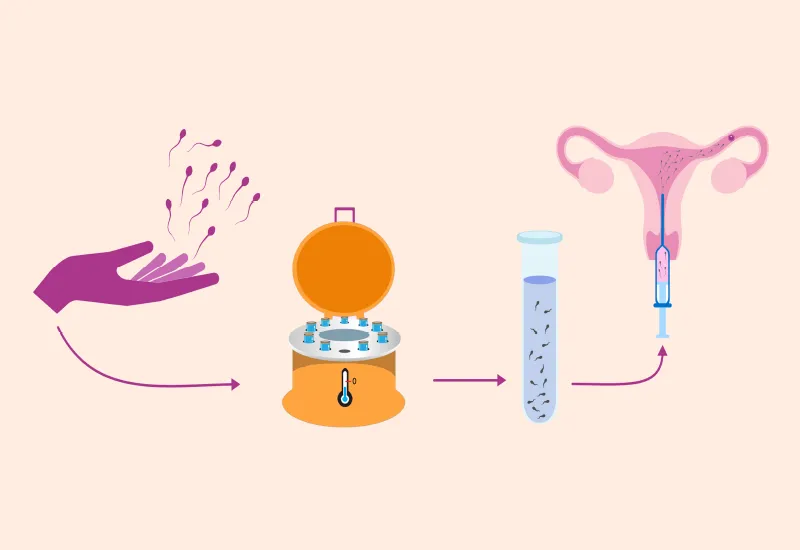
    illustration of the IUI process, showing sperm collection, preparation, and insertion into the uterus

    Traditional Surrogacy vs. Gestational Surrogacy: A Cultural Comparison

    Gestational Surrogacy:

    Gestational surrogacy, also known as full or host surrogacy, is a method where the surrogate mother carries a child that is not genetically related to her. In this method, the intended parents’ sperm and egg or donated sperm and egg are used to conceive the child through in vitro fertilization (IVF). The embryo is then transferred to the surrogate mother’s uterus, and she carries the pregnancy to term.

    Cultural Perspective:

    Gestational surrogacy is a relatively new concept, and it is not widely accepted in many cultures. In some cultures, the idea of a child being born to a woman who is not genetically related to them is seen as unnatural and goes against traditional family values. This can lead to social stigma and discrimination towards gestational surrogate mothers and intended parents.

    In countries with a strong religious influence, gestational surrogacy is often frowned upon as it is seen as interfering with the natural process of conception and birth. In some Middle Eastern countries, it is even considered a violation of Sharia law, and surrogacy is strictly prohibited.

    Legal Considerations:

    The legal landscape of gestational surrogacy varies greatly from country to country. In countries where it is allowed, there are usually strict laws and regulations in place to protect all parties involved. However, in countries where surrogacy is not allowed or is not well-regulated, there can be significant legal challenges and risks for the intended parents, surrogate mother, and the child.

    In some cultures, the lack of legal recognition of gestational surrogacy can also lead to issues with citizenship and nationality for the child. This can be especially problematic for international surrogacy arrangements.

    Summary:

    In summary, traditional surrogacy and gestational surrogacy are two different methods of family building that have significant cultural implications. While traditional surrogacy has been practiced for centuries in many cultures, gestational surrogacy is a more recent development that is often met with resistance and stigma.

    Traditional surrogacy is viewed as a way to fulfill cultural and societal expectations of parenthood and to preserve bloodlines, while gestational surrogacy is seen as a more unconventional and sometimes controversial method.

    Both methods come with their own set of legal considerations, and in some cases, the lack of clear laws and regulations can lead to exploitation and discrimination. It is important to understand the cultural and legal implications of both traditional and gestational surrogacy before embarking on this journey.

  • The Impact of Religion on Traditional and Gestational Surrogacy

    Religion has always played a significant role in shaping societal norms and beliefs, and this is no different when it comes to the world of surrogacy. Surrogacy, the process of having a woman carry and give birth to a child for another individual or couple, has been a subject of controversy and debate, particularly when it comes to traditional and gestational surrogacy. While the practice of surrogacy has gained more acceptance and legal recognition in recent years, religious beliefs and values still heavily influence the perception and approach towards surrogacy, especially when it comes to traditional and gestational surrogacy.

    In this blog post, we will delve into the impact of religion on traditional and gestational surrogacy and how it has shaped the laws, attitudes, and practices surrounding these methods of assisted reproduction.

    Traditional Surrogacy and Religion
    Traditional surrogacy involves the use of the surrogate’s own egg to conceive a child, making her the biological mother. This method is often seen as a more natural way of surrogacy, as it follows the traditional way of conception. However, this also means that the surrogate will have a genetic connection to the child she carries.

    From a religious perspective, traditional surrogacy is often seen as an act of adultery and against the sanctity of marriage. Many religions view any form of reproductive technology as playing God and interfering with the natural way of procreation. Some religious groups also believe that a child should only be conceived through the union of a man and a woman within the boundaries of marriage.

    For example, in Catholicism, traditional surrogacy is considered a grave sin as it goes against the Church’s teachings on the purpose and sanctity of marriage. The Catholic Church also opposes traditional surrogacy as it can lead to the exploitation and commodification of women’s bodies, reducing them to mere vessels for carrying a child.

    Similarly, in Islam, traditional surrogacy is prohibited as it violates the concept of paternity and lineage. According to Islamic law, a child must be born within a legal marriage, and the husband must have a genetic connection to the child. Therefore, since traditional surrogacy does not meet these requirements, it is not permitted.

    The Impact of Religion on Traditional Surrogacy Laws
    Religious beliefs and values have played a significant role in shaping the laws and regulations surrounding traditional surrogacy. In many countries, traditional surrogacy is either illegal or highly regulated, with religious influence being a contributing factor.

    For instance, in many Catholic-majority countries such as Ireland, Italy, and Spain, traditional surrogacy is prohibited by law. In these countries, the Catholic Church’s strong influence has led to a ban on traditional surrogacy, with the argument that it goes against the teachings of the Church.

    illustration of a uterus with a syringe for intrauterine insemination (IUI) procedure

    The Impact of Religion on Traditional and Gestational Surrogacy

    On the other hand, in countries with a strong Muslim presence such as Saudi Arabia and Qatar, traditional surrogacy is also not allowed due to religious beliefs and values. Even in countries where traditional surrogacy is legal, such as the United States, there are often restrictions and regulations in place, influenced by religious values and beliefs.

    Gestational Surrogacy and Religion
    Gestational surrogacy, on the other hand, involves the use of a donor egg and sperm to create an embryo, which is then transferred to the surrogate’s uterus. This method does not have a genetic connection between the surrogate and the child, making it less controversial than traditional surrogacy.

    However, religious beliefs and values still play a significant role in shaping the perception and acceptance of gestational surrogacy. Some religious groups view gestational surrogacy as a form of adultery, as the surrogate carries a child that is not genetically related to her.

    In Catholicism, gestational surrogacy is still considered a sin, as it goes against the teachings of the Church on the sanctity of marriage and the purpose of procreation. The same applies to Islam, where gestational surrogacy is prohibited as it violates the concept of paternity and lineage.

    The Impact of Religion on Gestational Surrogacy Laws
    As with traditional surrogacy, religious beliefs and values have also influenced the laws and regulations surrounding gestational surrogacy. In many countries, gestational surrogacy is either illegal or highly regulated, with religious influence being a significant factor.

    For example, in France and Germany, gestational surrogacy is strictly prohibited by law, with religious beliefs being one of the reasons behind the ban. In India, where gestational surrogacy was once a booming industry, the practice has now been banned due to concerns over exploitation and religious objections.

    Conclusion
    In conclusion, religion has a significant impact on traditional and gestational surrogacy, shaping the laws, attitudes, and practices surrounding these methods of assisted reproduction. While surrogacy has gained more acceptance and legal recognition in recent years, religious beliefs and values still play a crucial role in shaping societal norms and attitudes towards surrogacy. As the world continues to evolve, it is essential to have open and respectful conversations about the intersection of religion and surrogacy to find a balance between personal beliefs and reproductive rights.

    SEO metadata:

  • Traditional Surrogacy vs. Gestational Surrogacy: A Psychological Comparison

    Traditional Surrogacy vs. Gestational Surrogacy: A Psychological Comparison

    Surrogacy is a process in which a woman carries and delivers a child for another person or couple. It is a solution for couples who are unable to have a child on their own due to various reasons such as infertility, medical conditions, or same-sex relationships. Surrogacy has become increasingly popular in recent years, and there are two types of surrogacy – traditional and gestational. While both types involve a surrogate carrying the child, there are significant psychological differences between the two. In this blog post, we will discuss traditional surrogacy vs. gestational surrogacy and compare the psychological aspects of both methods.

    Traditional Surrogacy
    Traditional surrogacy, also known as genetic or partial surrogacy, involves the surrogate using her own egg to conceive the child. In this method, the surrogate is artificially inseminated with the intended father’s sperm, either through intrauterine insemination (IUI) or in vitro fertilization (IVF). The surrogate then carries the child to term and gives birth. This method has been in use for a long time, but it has become less common due to the rise of gestational surrogacy.

    Gestational Surrogacy
    Gestational surrogacy, also known as full surrogacy, involves the use of both the intended mother’s egg and the intended father’s sperm. The fertilization process takes place in a laboratory through IVF, and the resulting embryo is then implanted into the surrogate’s uterus. The surrogate has no genetic relationship with the child and is only carrying the pregnancy for the intended parents. This method is more commonly used today because it eliminates the genetic connection between the surrogate and the child.

    Now, let’s take a closer look at the psychological aspects of traditional and gestational surrogacy.

    The Role of the Surrogate
    One of the significant differences between traditional and gestational surrogacy is the role of the surrogate. In traditional surrogacy, the surrogate is genetically related to the child. This can create a complex emotional bond between the surrogate and the child, which can be challenging to navigate. The surrogate may feel a sense of attachment to the child and may struggle to give the child up after birth.

    On the other hand, in gestational surrogacy, the surrogate has no genetic relationship with the child. This can make it easier for the surrogate to detach emotionally from the pregnancy and hand the child over to the intended parents after birth. However, it can also lead to feelings of detachment and lack of connection to the pregnancy, which can be emotionally challenging for the surrogate.

    illustration of intrauterine insemination procedure with a syringe and catheter in the uterus.

    Traditional Surrogacy vs. Gestational Surrogacy: A Psychological Comparison

    Relationship with the Intended Parents
    The relationship between the surrogate and the intended parents is another crucial aspect to consider. In traditional surrogacy, the surrogate is often a family member or a close friend of the intended parents. This can create a more intimate and emotionally charged relationship between the surrogate and the intended parents. However, this closeness can also lead to conflicts and emotional strain if issues arise during the pregnancy.

    In gestational surrogacy, the relationship between the surrogate and the intended parents is usually more professional and less personal. The surrogate is not related to the intended parents, and the relationship is based on a contractual agreement. This can create a more business-like dynamic, which can help to minimize emotional conflicts. However, it may also lead to a lack of emotional support for the surrogate during the pregnancy.

    Psychological Impact on the Surrogate
    Both traditional and gestational surrogacy can have a significant psychological impact on the surrogate. In traditional surrogacy, the surrogate may experience a range of emotions, including attachment to the child, guilt, and grief after giving the child to the intended parents. These emotions can be intensified if the surrogate has a genetic connection to the child. It is crucial for the surrogate to have proper emotional support throughout the process to avoid any potential psychological issues.

    In gestational surrogacy, the surrogate may also experience emotional challenges, such as detachment from the pregnancy and a lack of connection to the child. The surrogate may also feel a sense of loss after handing the child over to the intended parents. It is essential to have open communication and emotional support throughout the process to help the surrogate cope with these emotions.

    Child’s Sense of Identity
    The child’s sense of identity is another crucial aspect to consider in traditional and gestational surrogacy. In traditional surrogacy, the child is genetically related to the surrogate, and this can create a sense of confusion and conflict for the child in understanding their identity and their relationship with the surrogate. The child may also have a difficult time understanding their relationship with the intended parents.

    In gestational surrogacy, the child is not genetically related to the surrogate, and this can make it easier for the child to understand their identity and their relationship with the intended parents. However, the child may also struggle with the lack of a genetic connection with the surrogate and may feel a sense of loss or curiosity about their genetic origins.

    In conclusion, traditional and gestational surrogacy have their unique psychological aspects, and it is essential to consider these factors when choosing the right method for your family. Both methods can be emotionally challenging for the surrogate, the intended parents, and the child. It is crucial to have open communication, emotional support, and counseling throughout the process to ensure a positive and healthy surrogacy journey for all parties involved.

    Summary:
    Traditional surrogacy involves the surrogate using her own egg to conceive the child, while gestational surrogacy involves the use of both the intended parents’ genetic material. The role of the surrogate, the relationship with the intended parents, the psychological impact on the surrogate, and the child’s sense of identity are all significant factors to consider in traditional and gestational surrogacy. Proper emotional support and counseling are crucial for a successful and healthy surrogacy journey for all parties involved.

  • The Legalities of Traditional and Gestational Surrogacy for Intended Parents

    Blog Post: The Legalities of Traditional and Gestational Surrogacy for Intended Parents

    Surrogacy has become an increasingly popular option for couples or individuals who are unable to conceive and carry a child on their own. In surrogacy, a woman agrees to carry a pregnancy for another person or couple, known as the intended parents. There are two types of surrogacy – traditional and gestational. Traditional surrogacy involves using the surrogate’s own eggs, while gestational surrogacy uses the eggs from the intended mother or a donor. While surrogacy can be a rewarding experience for both the intended parents and the surrogate, it is important to understand the legalities involved, especially for the intended parents.

    One of the main concerns for intended parents is the legal rights and responsibilities they have towards the child born through surrogacy. This can vary depending on the laws of the country or state where the surrogacy takes place. In some places, surrogacy is not legally recognized, while in others, it is regulated by specific laws. It is crucial for intended parents to understand the legal implications of surrogacy before embarking on the journey.

    In traditional surrogacy, the surrogate mother is also the biological mother of the child, as her own egg is used for the pregnancy. This can lead to complex legal issues, as the surrogate may have legal rights to the child. In some cases, the surrogate may change her mind about giving up the child after birth, which can lead to a lengthy and emotional legal battle for the intended parents. Therefore, it is important for intended parents to work with a reputable agency or lawyer who can help navigate the legal aspects of traditional surrogacy.

    On the other hand, gestational surrogacy involves using the eggs from the intended mother or a donor, so the surrogate has no biological connection to the child. This can make the legal process simpler for intended parents, as they are usually considered the legal parents of the child from the beginning. However, even in gestational surrogacy, there can be legal challenges, such as the surrogate changing her mind during the pregnancy or complications with the surrogacy agreement. It is crucial for intended parents to have a detailed and legally binding surrogacy agreement in place to avoid any potential legal issues.

    illustration of intrauterine insemination procedure with a syringe and catheter in the uterus.

    The Legalities of Traditional and Gestational Surrogacy for Intended Parents

    Another important aspect for intended parents to consider is the recognition of surrogacy contracts in their home country or state. In some places, surrogacy contracts are not legally enforceable, which means that the intended parents may not have any legal rights to the child. This can become a major issue if the intended parents are unable to bring the child back to their home country or if they face legal challenges in establishing their parentage. It is advisable for intended parents to seek legal advice in their home country to understand the legal implications of surrogacy and ensure that their parental rights are protected.

    In addition to the legal aspects, intended parents must also consider the financial implications of surrogacy. Surrogacy can be a costly process, and there may be additional expenses such as medical fees, legal fees, and compensation for the surrogate. It is important for intended parents to have a clear understanding of all the costs involved before entering into a surrogacy arrangement. This can help avoid any financial disputes or unexpected expenses down the road.

    In conclusion, the legalities of traditional and gestational surrogacy for intended parents can be complex and vary depending on the location and circumstances of the surrogacy. It is crucial for intended parents to seek legal advice and work with a reputable agency to ensure that their parental rights are protected and all legal aspects are taken care of. Surrogacy can be a fulfilling journey for intended parents, but it is important to understand and navigate the legalities involved to ensure a smooth and successful surrogacy experience.

    Summary:

    Surrogacy has become a popular option for couples or individuals unable to conceive on their own. There are two types of surrogacy – traditional and gestational. The legal rights and responsibilities of intended parents towards the child born through surrogacy can vary depending on the laws of the country or state. Traditional surrogacy can lead to complex legal issues as the surrogate may have legal rights to the child. In gestational surrogacy, the intended parents are usually considered the legal parents from the beginning. However, there can still be legal challenges, and it is crucial for intended parents to have a detailed and legally binding surrogacy agreement in place. It is also important to consider the recognition of surrogacy contracts in the intended parents’ home country or state. In addition, intended parents must consider the financial implications of surrogacy. Seeking legal advice and working with a reputable agency can help ensure a successful surrogacy experience for intended parents.

  • Traditional Surrogacy vs. Gestational Surrogacy: Differences in Emotional Support

    Traditional Surrogacy vs. Gestational Surrogacy: Differences in Emotional Support

    Surrogacy is a wonderful option for those who are unable to carry a child of their own. It involves a woman carrying a baby for someone else, either through traditional or gestational surrogacy. While both methods have their own set of procedures and legalities, one aspect that often gets overlooked is the emotional support provided to the surrogate during the surrogacy journey. In this blog post, we will explore the differences in emotional support between traditional surrogacy and gestational surrogacy.

    Traditional Surrogacy:

    Traditional surrogacy, also known as genetic surrogacy, is when the surrogate uses her own eggs to become pregnant. This means that the baby is biologically related to the surrogate. In traditional surrogacy, the surrogate is also the biological mother of the child, which can lead to a more complex emotional journey.

    Emotional Support for the Surrogate:

    In traditional surrogacy, the surrogate is not only carrying a child for someone else but is also giving up the child she has carried for nine months. This can create a significant emotional bond between the surrogate and the baby. It is essential for the surrogate to receive proper emotional support throughout the process to ensure her well-being.

    One of the main sources of emotional support for traditional surrogates is the intended parents. Building a strong relationship with the intended parents can provide the surrogate with a sense of security and reassurance. Regular communication, whether through phone calls, emails, or in-person meetings, can help the surrogate feel connected and involved in the pregnancy.

    Another vital source of emotional support for traditional surrogates is a support group. Connecting with other surrogates who have gone through or are currently going through the same experience can provide a sense of camaraderie and understanding. These support groups can also offer practical advice and tips for dealing with the emotional challenges of traditional surrogacy.

    Finally, having a counselor or therapist who specializes in surrogacy can be immensely beneficial for the surrogate. They can provide a safe and non-judgmental space for the surrogate to express her feelings and concerns. A therapist can also help the surrogate navigate the complex emotions that come with traditional surrogacy, such as attachment and grief.

    illustration of intrauterine insemination procedure with a syringe and catheter in the uterus.

    Traditional Surrogacy vs. Gestational Surrogacy: Differences in Emotional Support

    Gestational Surrogacy:

    Gestational surrogacy, also known as host surrogacy, is when the surrogate carries a child that is not biologically related to her. In this method, the intended parents’ sperm and egg are used, or a donor’s egg is used, to create an embryo that is then transferred to the surrogate’s uterus. The surrogate has no genetic connection to the child, making the emotional journey slightly different from traditional surrogacy.

    Emotional Support for the Surrogate:

    Unlike traditional surrogacy, gestational surrogacy does not involve the surrogate giving up a child she is genetically related to. This can make the emotional journey less complicated for the surrogate. However, it is still crucial for the surrogate to receive adequate emotional support throughout the process.

    One of the main sources of emotional support for gestational surrogates is the intended parents. Similar to traditional surrogacy, building a strong relationship with the intended parents can help the surrogate feel connected and involved in the pregnancy. However, in gestational surrogacy, the relationship between the surrogate and the intended parents may be more focused on the pregnancy itself, rather than the genetics of the child.

    Support groups can also be beneficial for gestational surrogates. It can provide a sense of community and support from others who have gone through or are going through the same experience. These support groups can also offer practical advice and tips for dealing with the emotional challenges of gestational surrogacy, such as managing expectations and boundaries with the intended parents.

    Having a counselor or therapist who specializes in surrogacy can also be helpful for gestational surrogates. They can provide a safe space for the surrogate to discuss any worries or concerns she may have. A therapist can also help the surrogate navigate the unique emotions that come with gestational surrogacy, such as detachment and the fear of bonding with the baby.

    Summary:

    In summary, while traditional and gestational surrogacy both involve a woman carrying a child for someone else, the emotional support needed for each method can vary. Traditional surrogacy can be more complex emotionally, as the surrogate is also the biological mother of the child. In contrast, gestational surrogacy can be less complicated as the surrogate has no genetic connection to the child. However, both methods require proper emotional support from the intended parents, support groups, and therapists to ensure the well-being of the surrogate throughout the surrogacy journey.

  • A Look into the History of Traditional and Gestational Surrogacy

    A Look into the History of Traditional and Gestational Surrogacy

    Surrogacy is a method of assisted reproduction that has been used for centuries to help couples and individuals achieve their dream of having a child. It involves a woman carrying a pregnancy for someone else, usually for individuals or couples who are unable to conceive or carry a child on their own. While surrogacy has gained popularity and acceptance in recent years, it has a long and complex history that has evolved over time.

    In this blog post, we will take a closer look at the history of traditional and gestational surrogacy, exploring its origins, cultural significance, and evolution into the modern-day practice that we know today.

    Origins of Surrogacy

    The concept of surrogacy can be traced back to ancient civilizations, where it was often used as a means to ensure the continuation of a family line. In traditional surrogacy, a woman would carry a child for another family or individual, using her own egg and the sperm of the intended father. This practice was often seen in ancient Rome, Greece, and Egypt, where infertility was a common concern and having a child was crucial for inheritance and social status.

    Cultural Significance

    Surrogacy has also played a significant role in various cultures and religions. In Hinduism, for example, it was believed that a woman should provide a child for her husband if she was unable to conceive. This was seen as a duty and a way to ensure the family’s lineage. In some African cultures, surrogacy was used to help women who were unable to bear children due to medical reasons or infertility.

    Evolution of Surrogacy

    As technology and medical advancements progressed, the practice of surrogacy began to change. In the 1970s, the first successful gestational surrogacy arrangement was carried out, where a woman carried a child using an egg and sperm from the intended parents. This marked a significant shift in the surrogacy process, as it no longer involved the surrogate’s genetic contribution.

    However, surrogacy was still a controversial and taboo topic, with many countries and states banning the practice. It wasn’t until the late 20th century that surrogacy gained more recognition and acceptance. In 1985, the first legal surrogacy arrangement took place in the United States, where a woman carried a child for her sister who was unable to conceive.

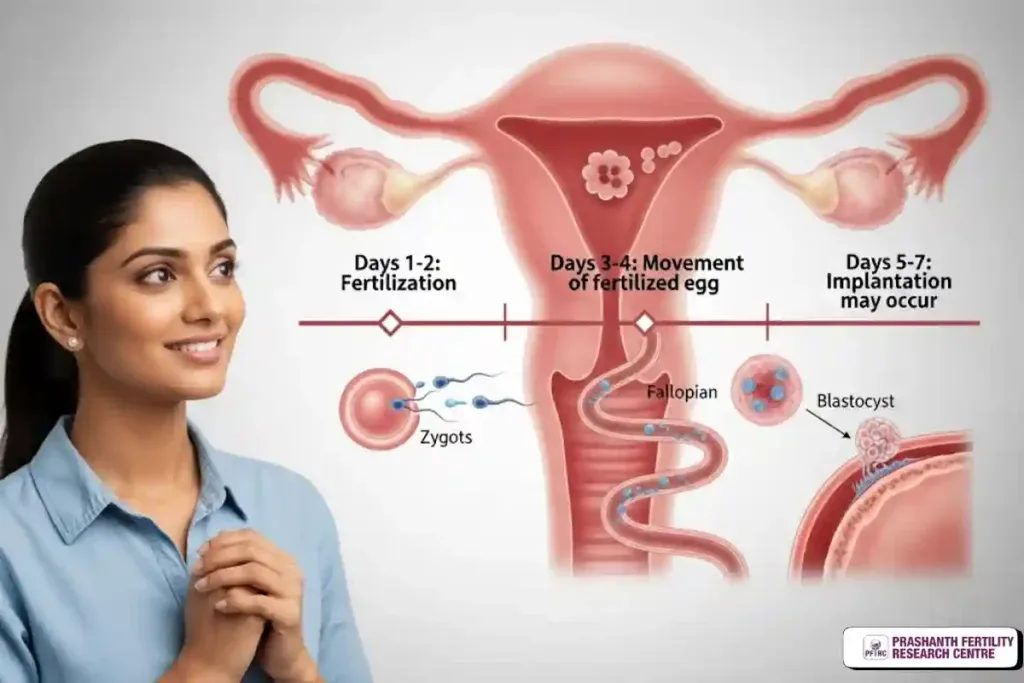
    Illustration showing fertilization and implantation timeline with a woman looking hopeful.

    A Look into the History of Traditional and Gestational Surrogacy

    Surrogacy Today

    In the 21st century, surrogacy has become a widely accepted form of assisted reproduction. With advancements in technology and increased awareness, it has become a viable option for many individuals and couples struggling with infertility. In countries like the United States, Canada, and some parts of Europe, surrogacy is legal and regulated, providing a safe and reliable option for those looking to start a family.

    Traditional vs. Gestational Surrogacy

    There are two main types of surrogacy – traditional and gestational. In traditional surrogacy, the surrogate uses her own egg, making her the biological mother of the child. This process involves artificial insemination, where the sperm of the intended father is used to fertilize the surrogate’s egg. This method is less common today, as it can create legal and emotional complexities for all parties involved.

    On the other hand, gestational surrogacy involves the use of in vitro fertilization (IVF) to implant an embryo created using the intended parents’ egg and sperm into the surrogate’s uterus. This process does not involve the surrogate’s genetic contribution, making it a less complicated and legally safer option.

    Challenges and Controversies

    Despite the increasing acceptance and popularity of surrogacy, it still faces challenges and controversies. One of the main concerns is the exploitation of surrogates, especially in countries where surrogacy is not well-regulated. Some critics argue that surrogacy commodifies women’s bodies and exploits their reproductive capabilities for financial gain.

    There have also been cases of surrogates being forced to give up the child they carried, leading to emotional distress and legal battles. Additionally, there are debates over the legal rights of the surrogate, intended parents, and the child, as surrogacy laws vary from country to country.

    Conclusion

    Surrogacy has come a long way from its origins in ancient civilizations to the modern-day practice that we know today. It has provided hope and joy to countless individuals and couples who dream of having a child. While it still faces challenges and controversies, surrogacy continues to evolve and improve, offering a viable option for those struggling with infertility.

    In summary, surrogacy has a complex and diverse history, with its origins dating back to ancient civilizations. It has played a significant role in various cultures and religions and has evolved into the modern-day practice of traditional and gestational surrogacy. While it still faces challenges and controversies, surrogacy has become a widely accepted form of assisted reproduction, providing hope and joy to many individuals and couples.

  • Understanding the Surrogacy Contract: Traditional vs. Gestational Surrogacy

    Understanding the Surrogacy Contract: Traditional vs. Gestational Surrogacy

    Surrogacy has become a popular option for couples or individuals who are unable to conceive a child on their own. It involves another woman carrying and giving birth to a child for someone else. However, the process of surrogacy can be complex and requires a thorough understanding of the legal agreements involved. In this blog post, we will delve into the details of surrogacy contracts and the differences between traditional and gestational surrogacy.

    What is a Surrogacy Contract?

    A surrogacy contract is a legal agreement between the intended parents and the surrogate. It outlines the expectations, rights, and responsibilities of both parties during the surrogacy process. This contract is crucial in ensuring that all parties involved are on the same page and have a clear understanding of their roles and obligations.

    Traditional Surrogacy

    Traditional surrogacy, also known as genetic or partial surrogacy, involves the surrogate using her own egg to conceive the child. The surrogate is artificially inseminated with the intended father’s sperm, and she carries the child to term. This method was the only option available for surrogacy before the development of gestational surrogacy.

    In traditional surrogacy, the surrogate is considered the biological mother of the child, and the intended father is the biological father. This can lead to complicated legal and emotional issues, as the surrogate may have a strong attachment to the child due to a genetic connection.

    Gestational Surrogacy

    Gestational surrogacy, also known as full or host surrogacy, involves the use of in vitro fertilization (IVF) to create an embryo using the intended parents’ egg and sperm or donor sperm and egg. The embryo is then transferred to the surrogate’s uterus, who carries the child to term. In this process, the surrogate has no genetic connection to the child, and the intended parents are recognized as the legal parents from the beginning.

    Gestational surrogacy has become the preferred option for many couples due to the lack of genetic connection between the surrogate and the child. This eliminates any potential legal or emotional complications that may arise in traditional surrogacy.

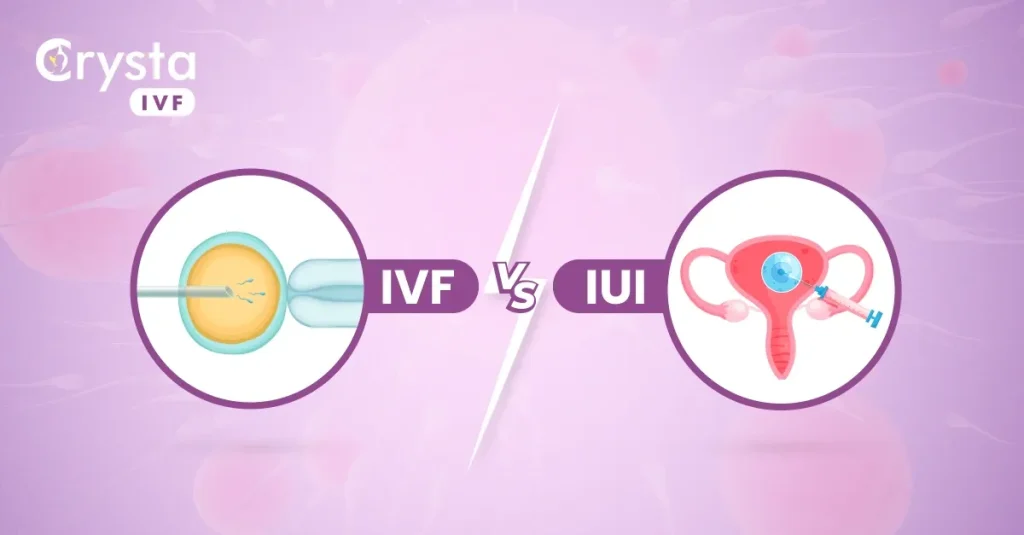
    Comparison of IVF and IUI procedures with illustrations of each method.

    Understanding the Surrogacy Contract: Traditional vs. Gestational Surrogacy

    The Surrogacy Contract

    Both traditional and gestational surrogacy require a surrogacy contract to be signed by all parties involved. The contract includes details such as the surrogate’s compensation, medical expenses, and any other financial arrangements. It also outlines the intended parents’ expectations and responsibilities, such as providing emotional support and attending doctor’s appointments.

    In traditional surrogacy, the contract may also include the surrogate’s agreement to relinquish her parental rights after giving birth. This is necessary to ensure that the intended parents are the legal parents of the child and have full custody.

    In gestational surrogacy, the contract may include an agreement for the surrogate to undergo specific medical procedures, such as IVF, and to follow any necessary medical instructions. It may also include provisions for the intended parents to cover any medical expenses related to the surrogacy process.

    Legal Considerations

    Surrogacy contracts are legally binding, and it is essential to consult with a lawyer who specializes in reproductive law before signing one. The laws surrounding surrogacy vary by state and country, and it is crucial to ensure that the contract complies with all legal requirements to avoid any potential disputes or legal issues in the future.

    In some cases, the intended parents may also need to obtain a pre-birth order or an adoption order to establish their legal rights as the child’s parents. This process involves going to court and can be a lengthy and expensive process. Therefore, it is crucial to have a thorough understanding of the legal implications and requirements before entering into a surrogacy contract.

    In Conclusion

    Surrogacy contracts play a vital role in the surrogacy process, as they outline the expectations and responsibilities of all parties involved. They also serve as a legal document that ensures the intended parents have full custody of the child. Understanding the differences between traditional and gestational surrogacy, as well as the legal considerations, is crucial for anyone considering surrogacy as an option for starting or expanding their family.

    Summary:

    Surrogacy contracts are legal agreements between intended parents and surrogates that outline the expectations and responsibilities of both parties during the surrogacy process. There are two types of surrogacy: traditional and gestational. Traditional surrogacy involves the surrogate using her own egg, while gestational surrogacy involves using IVF to create an embryo using the intended parents’ egg and sperm. The contract includes details such as compensation, medical expenses, and legal considerations, and it is crucial to consult with a lawyer before signing one.

  • The Impact of Traditional and Gestational Surrogacy on the Surrogate’s Family

    Traditional and Gestational Surrogacy: The Effects on the Surrogate’s Family

    Surrogacy has become a popular option for couples and individuals who are unable to have a child on their own. There are two main types of surrogacy: traditional and gestational. Traditional surrogacy involves the surrogate using her own eggs to carry the baby, while gestational surrogacy involves the use of the intended parents’ or a donor’s eggs. While surrogacy can bring joy and fulfillment to intended parents, it also has a significant impact on the surrogate’s family. In this blog post, we will explore the effects of traditional and gestational surrogacy on the surrogate’s family and the challenges they may face.

    The Emotional Toll on the Surrogate’s Family

    The decision to become a surrogate is not one that is made lightly. It requires a great deal of selflessness and sacrifice, not only from the surrogate but also from her family. The surrogate’s spouse and children may have mixed emotions about her decision to carry a child for someone else. They may feel proud of her for helping someone in need, but they may also have concerns and fears about the physical and emotional toll that surrogacy can take.

    For the surrogate’s spouse, there may be feelings of jealousy or insecurity as they watch their partner carry a child that is not biologically theirs. They may also worry about the potential risks and complications that could arise during the pregnancy. In addition, the surrogate’s spouse may have to take on more responsibilities at home while she is carrying the baby, which can add strain to the relationship.

    For the surrogate’s children, there may be confusion and questions about the unique situation. They may struggle with understanding why their mother is carrying a baby for someone else, and they may feel left out or jealous of the attention she is giving to the pregnancy. It is essential for the surrogate to have open and honest communication with her children, explaining to them the reasons behind her decision and addressing any concerns they may have.

    The Physical Demands on the Surrogate’s Family

    Surrogacy is a physically demanding process, and it can take a toll on the surrogate’s family. During the pregnancy, the surrogate may experience physical discomfort, mood swings, and other side effects that can impact her daily life and her relationships with her family members. She may also have to attend frequent doctor’s appointments and follow strict guidelines to ensure the health and safety of the baby. This can be challenging for the surrogate’s family, as they may have to adjust their schedules and routines to accommodate her needs.

    In addition, if the surrogate has other children, she may have to explain to them why she cannot participate in certain activities or why she needs to rest more often. This can be difficult for young children to understand and may lead to feelings of resentment or confusion. It is crucial for the surrogate’s family to have a strong support system in place to help them navigate these challenges.

    test tube with sperm in blue liquid, promoting IUI success rate and factors influencing fertility.

    The Impact of Traditional and Gestational Surrogacy on the Surrogate's Family

    The Financial Impact on the Surrogate’s Family

    Becoming a surrogate is a significant commitment, both emotionally and financially. The surrogate’s family may feel the financial strain of her decision, especially if she is unable to work due to the pregnancy or if there are complications that require additional medical expenses. In some cases, the surrogate’s spouse may have to take on extra work or the family may have to make sacrifices to cover the costs associated with surrogacy.

    Furthermore, the financial aspect of surrogacy may also create tension within the surrogate’s family. There may be disagreements about how the compensation should be used or concerns about the surrogate being taken advantage of by the intended parents. Open and honest communication about financial matters is crucial for maintaining a healthy dynamic within the surrogate’s family.

    The Bonding Process and Post-Birth Challenges

    One of the most challenging aspects of surrogacy for the surrogate’s family is the bonding process. During the pregnancy, the surrogate may develop a bond with the baby she is carrying, which can be difficult for her family to witness. They may feel a sense of detachment from the pregnancy and the baby, which can cause feelings of guilt and sadness.

    Once the baby is born, there may be additional challenges for the surrogate’s family. While they may have formed a bond with the baby during the pregnancy, they may struggle with letting go and separating themselves emotionally from the child. This is especially true for the surrogate’s children, who may have developed a strong connection with their mother’s pregnancy. It is essential for the surrogate’s family to have support and guidance during this transition period to help them navigate their emotions and adjust to the new dynamic.

    In Conclusion

    Surrogacy can have a profound impact on the surrogate’s family, both during and after the pregnancy. The emotional toll, physical demands, financial impact, and bonding process can create challenges and strain within the family unit. It is crucial for the surrogate and her family to have open and honest communication, strong support systems, and a deep understanding of the surrogacy process to navigate these challenges successfully.

    In summary, traditional and gestational surrogacy can have a significant impact on the surrogate’s family, from emotional and physical tolls to financial strain and challenges with the bonding process. It is essential for the surrogate and her family to have a strong support system and open communication to navigate these challenges successfully.