Blog Post:
The desire to have children is a natural and universal human instinct. However, for some individuals and couples, achieving pregnancy can be a challenging and emotionally taxing journey. This is where fertility treatments come into play, providing hope and solutions for those struggling with infertility.
In recent years, there has been significant progress in fertility treatments, with advancements in technology and medical knowledge. Intrauterine insemination (IUI) and timed intercourse are two commonly used fertility treatments that have proven to be effective. But what does the future hold for these treatments and what other options are available? In this blog post, we will explore the future of fertility treatments, specifically focusing on IUI versus timed intercourse and beyond.
The Basics of IUI and Timed Intercourse
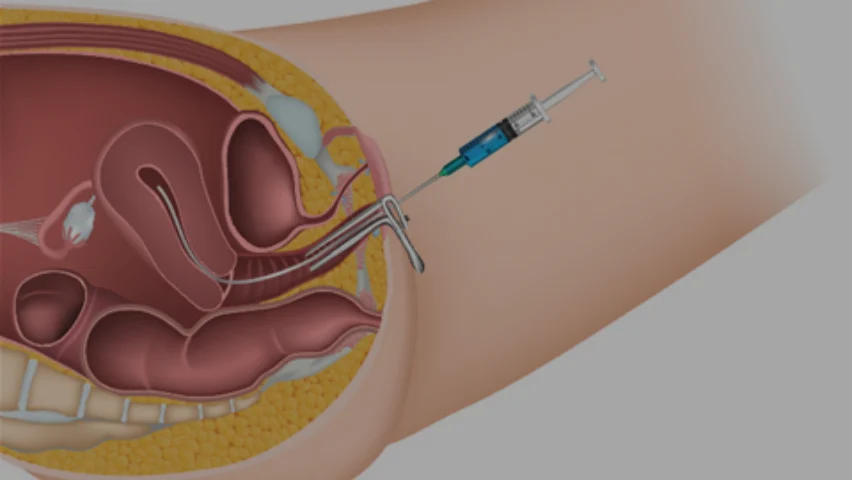
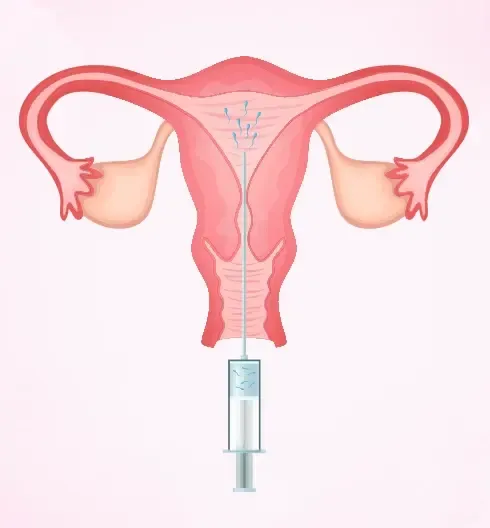
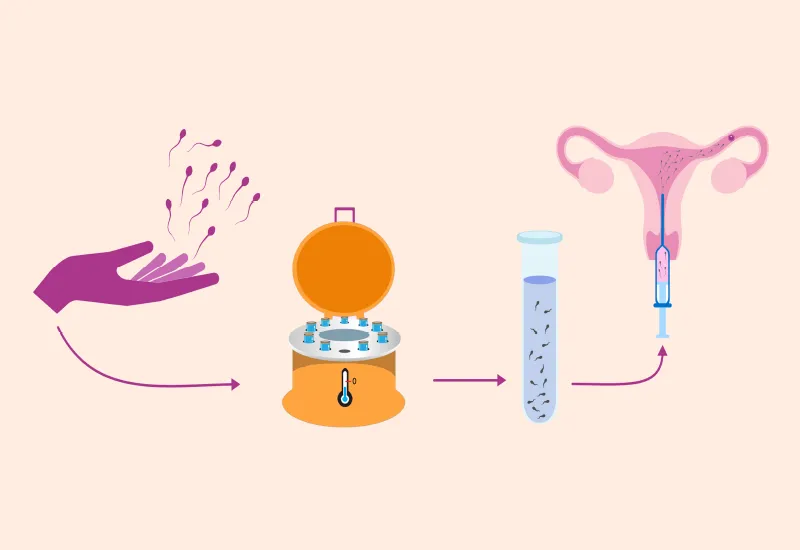
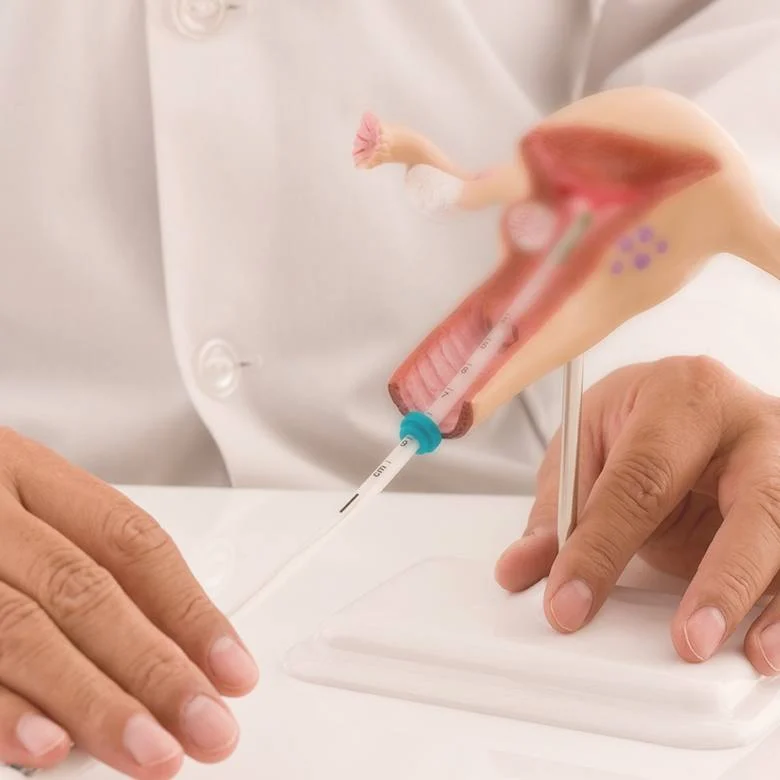
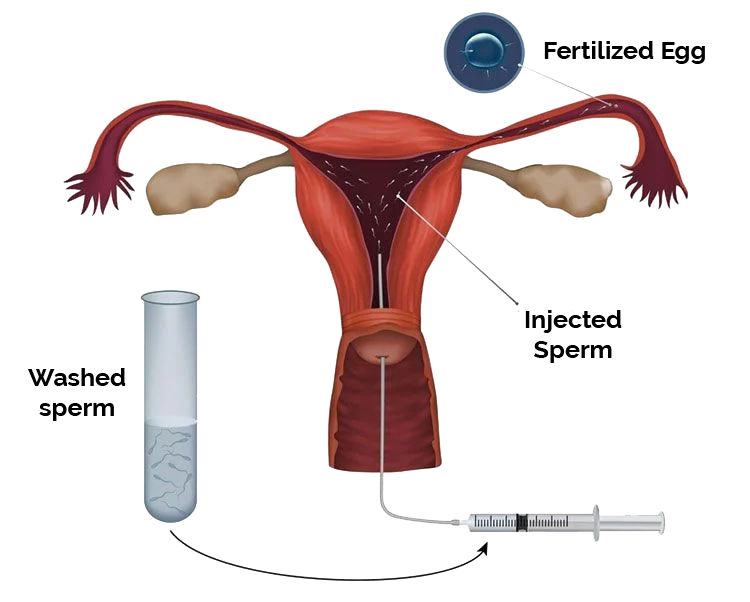
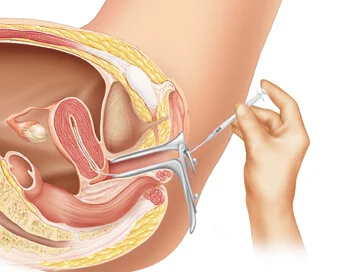
Before we delve into the future, let’s first understand the basics of IUI and timed intercourse. Intrauterine insemination involves the placement of washed and prepared sperm directly into the uterus during a woman’s ovulation period. This process increases the chances of fertilization by bringing the sperm closer to the egg. Timed intercourse, on the other hand, involves having sex during the woman’s most fertile window, which is usually around the time of ovulation.
Both IUI and timed intercourse have their benefits and limitations. IUI is a more controlled and targeted approach, making it a viable option for individuals with certain fertility issues. It also has a higher success rate than timed intercourse. However, it can be a more invasive and expensive procedure. On the other hand, timed intercourse is a less invasive and more natural option. It also allows for a more intimate experience between partners. However, it may not be as effective for individuals with certain fertility issues, and it requires careful tracking of ovulation.
The Future of IUI and Timed Intercourse
So, what does the future hold for these two fertility treatments? One significant development is the use of technology to enhance the effectiveness of IUI and timed intercourse. For instance, digital fertility trackers and apps have become increasingly popular in helping women track their ovulation and improve the timing of intercourse. These tools use algorithms and data to predict a woman’s fertile window, making it easier for couples to plan for timed intercourse.
In addition, advancements in sperm preparation techniques have also improved the success rates of IUI. Sperm sorting and washing have become more refined and efficient, increasing the chances of fertilization. Furthermore, studies have shown that the use of frozen sperm in IUI can be just as effective as fresh sperm, providing more options for individuals and couples.
The Future of Fertility Treatments: Intrauterine Insemination vs Timed Intercourse and Beyond
Beyond IUI and Timed Intercourse
While IUI and timed intercourse are effective fertility treatments, they may not be suitable for everyone. This is where other options come into play. In-vitro fertilization (IVF) is a well-known and widely used fertility treatment that involves the fertilization of eggs and sperm in a laboratory, followed by the transfer of the embryo into the uterus. This method is more invasive and expensive than IUI and timed intercourse, but it has a higher success rate, making it a popular choice for couples struggling with infertility.
Another emerging fertility treatment is intrafallopian transfer (IFT). This procedure involves the direct injection of sperm and eggs into the fallopian tubes, mimicking the natural fertilization process. IFT is still in the early stages of development, but it has shown promising results in increasing the chances of fertilization.
Furthermore, advancements in genetic testing and screening have opened up opportunities for preimplantation genetic testing (PGT), which involves screening embryos for genetic abnormalities before implantation. This can help couples avoid passing on genetic diseases to their children and increase the chances of a healthy pregnancy.
The Importance of Emotional Support
While technology and medical advancements have greatly improved the success rates of fertility treatments, the emotional toll of infertility cannot be ignored. Going through fertility treatments can be a stressful and emotionally draining experience for individuals and couples. Therefore, it is crucial to have a strong support system in place, whether it be from loved ones, support groups, or counseling.
In conclusion, the future of fertility treatments looks promising, with advancements in technology and medical knowledge leading to higher success rates and more options for individuals and couples struggling with infertility. While IUI and timed intercourse remain popular choices, other options such as IVF, IFT, and PGT are also becoming more accessible and effective. However, it is essential to remember that emotional support is just as crucial as medical intervention in this journey.
Summary:
Fertility treatments have come a long way in recent years, with advancements in technology and medical knowledge. Intrauterine insemination (IUI) and timed intercourse are two commonly used fertility treatments, but the future holds even more options. The use of technology, such as digital fertility trackers, has enhanced the effectiveness of IUI and timed intercourse. Other options include in-vitro fertilization (IVF), intrafallopian transfer (IFT), and preimplantation genetic testing (PGT). However, it is essential to remember the importance of emotional support in this journey.