Blog Post:
When a couple is struggling to conceive, there are various fertility treatments and methods available. Two commonly used methods are intrauterine insemination (IUI) and timed intercourse. Both of these methods involve fertility drugs and closely monitoring ovulation, but they differ in the way sperm is introduced into the uterus. In this blog post, we will discuss the differences between IUI and timed intercourse and the role of ovulation tracking and timing in their success.
Intrauterine Insemination (IUI)
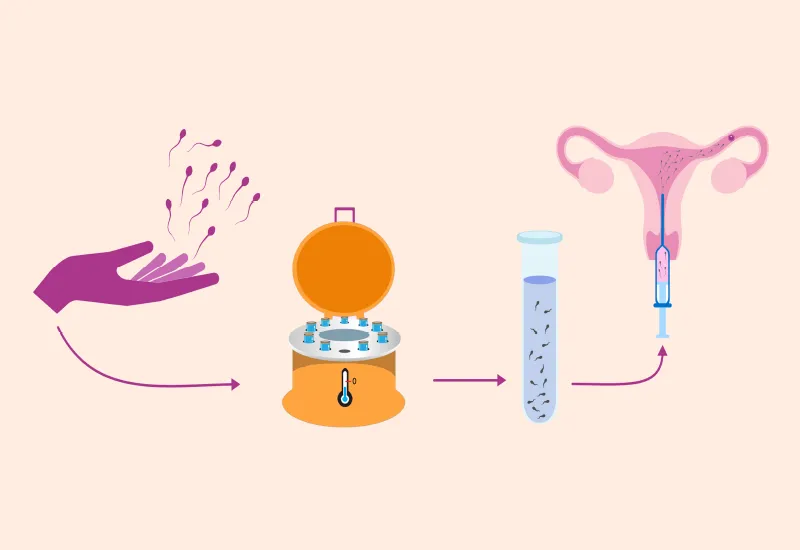
IUI, also known as artificial insemination, is a fertility treatment in which sperm is directly inserted into the uterus during the woman’s fertile window. This method is often used for couples with male factor infertility, unexplained infertility, or for single women or same-sex couples using donor sperm.
The process of IUI begins with ovulation induction, where the woman is given fertility drugs to stimulate the ovaries to produce multiple eggs. This increases the chances of fertilization. The woman’s cycle is closely monitored through blood tests and ultrasound scans to determine the best time for insemination. Once ovulation is confirmed, the male partner or donor’s sperm is washed and prepared in the lab. Then, a thin catheter is inserted through the cervix into the uterus, and the sperm is injected directly into the uterus. The entire process takes around 10-15 minutes and is usually painless.
One of the main advantages of IUI is that it bypasses potential issues with sperm quality or quantity. It also increases the number of sperm that reach the fallopian tubes, increasing the chances of fertilization. However, the success rate of IUI depends on various factors, such as the woman’s age, cause of infertility, and the quality of the sperm used.
Timed Intercourse
Timed intercourse, also known as natural intercourse, involves having sex during the woman’s fertile window, which is the five days leading up to and including ovulation. This method is often recommended for couples with unexplained infertility or mild male factor infertility.
Similar to IUI, timed intercourse also involves ovulation induction and closely monitoring the woman’s cycle. Fertility drugs may be used to stimulate the ovaries, but in some cases, the woman may ovulate naturally. The couple is then advised to have sex every other day during the fertile window to increase the chances of fertilization.
The success rate of timed intercourse is lower than IUI since it relies on the natural timing of ovulation and the quality of sperm. However, it is a less invasive and more affordable option compared to IUI.
The Role of Ovulation Tracking and Timing
Both IUI and timed intercourse rely on ovulation tracking and timing for success. Ovulation tracking involves monitoring a woman’s menstrual cycle to determine the most fertile days. This can be done through various methods such as tracking basal body temperature, monitoring cervical mucus, using ovulation predictor kits, or through ultrasound scans and blood tests.
Timing is crucial in both methods as the egg is only viable for fertilization for 12-24 hours after ovulation. Sperm can survive in the female reproductive tract for up to five days, but for successful fertilization to occur, sperm must be present in the fallopian tubes at the same time as the egg.
Factors such as stress, illness, or changes in routine can affect ovulation timing, which is why close monitoring is essential. In some cases, medications may be used to help regulate ovulation and improve the chances of success.
Which Method is Right for You?
The choice between IUI and timed intercourse depends on various factors such as the cause of infertility, age, and financial considerations. For couples with male factor infertility, IUI may be a more suitable option, while for those with unexplained infertility, timed intercourse may be recommended first.
It is essential to consult with a fertility specialist to determine the best course of action for your specific situation. They can also guide you through the process of ovulation tracking and timing, increasing your chances of success.
Summary:
When it comes to fertility treatments, two commonly used methods are intrauterine insemination (IUI) and timed intercourse. Both methods involve fertility drugs and closely monitoring ovulation, but they differ in the way sperm is introduced into the uterus. IUI involves directly inserting sperm into the uterus, while timed intercourse relies on natural intercourse during the woman’s fertile window. Both methods have their advantages and disadvantages, but they both rely on ovulation tracking and timing for success. It is essential to consult with a fertility specialist to determine the best course of action for your specific situation.