Tag: reproductive medicine

  • Fertility Clinics vs Hospitals: Which Has Better Resources for Low Income Individuals?

    Blog Post:

    Fertility issues can be a challenging and emotional journey for anyone, but for low-income individuals, the obstacles can seem insurmountable. In order to receive the necessary medical care and support to start a family, many turn to fertility clinics and hospitals. However, the question remains – which option has better resources for low-income individuals? In this blog post, we will explore the differences between fertility clinics and hospitals and determine which may be the better choice for those on a limited budget.

    Fertility Clinics:

    Fertility clinics are specialized facilities that provide a wide range of treatments and services for individuals struggling with infertility. These clinics typically have a team of reproductive specialists, including doctors, nurses, and embryologists, who are trained in the latest techniques and technologies for fertility treatments. They offer a variety of services, from diagnostic testing to in vitro fertilization (IVF), and everything in between.

    One of the main advantages of fertility clinics is their focus on reproductive medicine. This means that they have a deep understanding of the complexities and nuances of fertility issues, and are able to provide personalized treatment plans for each individual. This level of expertise and specialization can be crucial for low-income individuals who may have unique challenges or medical conditions that require specialized care.

    In addition, fertility clinics often have state-of-the-art equipment and technology, which can greatly increase the chances of success for fertility treatments. However, this advanced technology often comes with a hefty price tag, making it difficult for low-income individuals to afford. This is where the cost factor comes into play when considering fertility clinics as a resource for low-income individuals.

    Cost is often the biggest concern for those considering fertility treatments, and unfortunately, fertility clinics can be expensive. The average cost of a single IVF cycle can range from $12,000 to $15,000, not including the cost of medications and other associated expenses. For low-income individuals, this may simply be out of reach, making fertility clinics seem like an unattainable option.

    Comparison of IUI and IVF, illustrating procedures and definitions for each fertility treatment.

    Fertility Clinics vs Hospitals: Which Has Better Resources for Low Income Individuals?

    Hospitals:

    Hospitals, on the other hand, are more traditional medical facilities that offer a wide range of services, including fertility treatments. Unlike fertility clinics, hospitals do not specialize in reproductive medicine, but they do have the advantage of having a wide range of medical professionals and resources at their disposal.

    One of the main benefits of hospitals is their ability to offer a holistic approach to fertility treatments. This means that they can address any underlying medical conditions that may be contributing to infertility, such as endometriosis or polycystic ovary syndrome (PCOS). By treating these conditions, the chances of success for fertility treatments may increase.

    Hospitals also have the advantage of being able to offer a variety of payment options, including discounted services for low-income individuals or those without insurance. This can make fertility treatments more accessible for those on a limited budget. In addition, hospitals may also offer financial assistance programs or grants specifically for fertility treatments, which can greatly reduce the cost for low-income individuals.

    However, hospitals may not have the same level of expertise and specialized equipment as fertility clinics. This can potentially impact the success rates of fertility treatments, as they may not have access to the latest technologies and techniques. In addition, hospitals may have longer wait times for appointments and procedures, which can be frustrating for individuals who are eager to start their fertility journey.

    Summary:

    In summary, both fertility clinics and hospitals have their own unique resources and benefits for low-income individuals seeking fertility treatments. Fertility clinics offer specialized care and advanced technology, while hospitals offer a more holistic approach and potentially more affordable options. Ultimately, the best choice will depend on the individual’s specific needs and financial situation.

    However, it is important for low-income individuals to explore all their options and do thorough research before making a decision. They should also consider seeking out grants, financial assistance programs, or discounted services at both fertility clinics and hospitals. With determination and proper support, starting a family can be possible for anyone, regardless of their income level.

  • Fertility Clinics vs Hospitals: Which Has More Personalized Treatment Plans?

    Blog Post:

    Fertility issues can be a difficult and emotional journey for many individuals and couples. When seeking treatment, there are two main options available: fertility clinics and hospitals. Both offer a range of services and treatments, but which one provides more personalized treatment plans? In this blog post, we will explore the differences between fertility clinics and hospitals and discuss which one may offer a more individualized approach to fertility treatment.

    Fertility Clinics:

    Fertility clinics are specialized facilities that focus solely on treating fertility issues and helping individuals and couples conceive. These clinics are often run by fertility specialists who have received specialized training in the field of reproductive medicine. Fertility clinics offer a wide range of services, including diagnostic testing, fertility medications, artificial insemination, in vitro fertilization (IVF), and other assisted reproductive techniques.

    One of the main advantages of fertility clinics is their specialization in reproductive medicine. This means that the staff and doctors have a deep understanding of fertility issues and are equipped with the latest technology and techniques to help their patients. Additionally, fertility clinics tend to have a more intimate and comfortable atmosphere, making it easier for patients to discuss their concerns and ask questions.

    Personalized Treatment Plans:

    Fertility clinics are known for their personalized treatment plans. This is because they understand that every individual’s fertility journey is unique and requires a tailored approach. Fertility specialists will conduct a thorough evaluation of each patient’s medical history, lifestyle factors, and fertility test results to create a personalized treatment plan that addresses their specific needs. This individualized approach can increase the chances of success and reduce the risk of complications.

    Fertility clinics also offer a variety of treatment options, allowing patients to choose the one that best suits their needs and preferences. This includes options such as natural cycle IVF, which uses little to no medication, and mini-IVF, which involves lower doses of fertility drugs. These options may be more suitable for individuals who are sensitive to medications or have specific medical conditions.

    illustration of a uterus with a syringe, representing intrauterine insemination procedure

    Fertility Clinics vs Hospitals: Which Has More Personalized Treatment Plans?

    In addition to personalized treatment plans, fertility clinics also offer a range of support services such as counseling and support groups. These services can be crucial for individuals and couples going through fertility treatment, as it can be a stressful and emotional experience. Having access to emotional support can make a significant difference in a patient’s overall well-being and can contribute to a more positive treatment outcome.

    Hospitals:

    Hospitals, on the other hand, are institutions that provide a wide range of medical services, including fertility treatment. Unlike fertility clinics, hospitals are not specialized in reproductive medicine, and their focus is on providing general healthcare services. Hospitals may have a fertility department or work with fertility specialists to offer fertility treatments.

    While hospitals may have the advantage of having access to a variety of medical specialists, they may lack the same level of expertise and resources when it comes to fertility treatment. Fertility specialists may not be as readily available, and patients may have to go through multiple departments and doctors before receiving proper treatment. This can lead to a lack of continuity and consistency in care, which can affect the overall success of treatment.

    In terms of personalized treatment plans, hospitals may not offer the same level of individualized care as fertility clinics. This is because they may have a one-size-fits-all approach to fertility treatment, rather than tailoring treatment plans to each patient’s specific needs. This can result in patients receiving treatments that may not be the most suitable for their particular situation, potentially leading to a lower success rate.

    Summary:

    Fertility clinics and hospitals offer different approaches to fertility treatment. While hospitals may have the advantage of having access to a variety of medical specialists, they may lack the same level of expertise and resources when it comes to reproductive medicine. Fertility clinics, on the other hand, specialize in fertility treatment and offer personalized treatment plans tailored to each patient’s needs. This individualized approach can increase the chances of success and reduce the risk of complications. Additionally, fertility clinics provide a more intimate and comfortable atmosphere, along with support services that can greatly benefit patients going through fertility treatment.

    In conclusion, while both fertility clinics and hospitals offer fertility treatment, fertility clinics may provide a more personalized treatment plan due to their specialization and individualized approach. It is essential for individuals and couples to carefully consider their options and choose the one that best suits their needs and offers the highest chances of success.

  • Fertility Clinics vs Hospitals: Which Has a Better Reputation?

    Blog Post Title: Fertility Clinics vs Hospitals: Which Has a Better Reputation?

    Fertility is a complex and personal issue that affects many couples and individuals. While some may be able to conceive naturally, others may require the help of medical intervention. This is where fertility clinics and hospitals come into play. Both offer services to assist with fertility treatments, but which has a better reputation? In this blog post, we will delve into the differences between fertility clinics and hospitals and explore their reputations to help you make an informed decision.

    Fertility Clinics: Specialized Care for Fertility Treatments

    Fertility clinics are medical facilities that specialize in providing fertility treatments and services. They are often run by reproductive endocrinologists, who are doctors with advanced training in fertility and reproductive medicine. These clinics offer a range of treatments, such as intrauterine insemination (IUI), in vitro fertilization (IVF), and egg freezing. They also provide services like genetic testing and counseling for couples with fertility issues.

    One of the main advantages of fertility clinics is their specialized care. As these facilities solely focus on fertility treatments, they have a deeper understanding and expertise in this field. They also have state-of-the-art equipment and technology specifically designed for fertility procedures. This allows them to provide a more comprehensive and personalized approach to treatment.

    Another factor that sets fertility clinics apart is their success rates. Since they only deal with fertility treatments, they have a higher success rate compared to hospitals. This is because they have a better understanding of the complexities of fertility and can tailor treatments to each patient’s needs. Additionally, they have a dedicated team of experts who work solely on fertility treatments, which can result in better outcomes.

    However, one of the main drawbacks of fertility clinics is the cost. As they are specialized facilities, they often have higher fees for treatments compared to hospitals. This can be a significant barrier for many couples and individuals seeking fertility treatments. Furthermore, most fertility treatments are not covered by insurance, making it even more expensive for patients.

    Hospitals: A Range of Services and Support for Fertility Treatments

    Hospitals, on the other hand, are larger medical institutions that offer a wide range of services, including fertility treatments. They have various departments and specialties, and fertility treatments are just one of the many services they offer. Unlike fertility clinics, hospitals are not solely focused on fertility treatments, and therefore may not have the same level of expertise in this area.

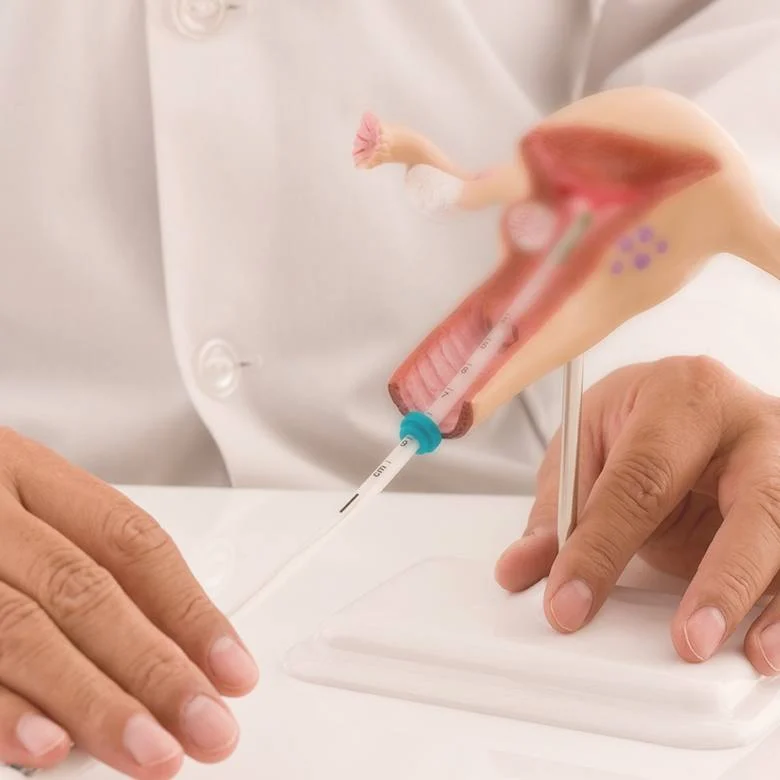
    model of the female reproductive system with a hand demonstrating intrauterine insemination technique

    Fertility Clinics vs Hospitals: Which Has a Better Reputation?

    One of the main advantages of hospitals is their extensive resources. As they are larger facilities, they have more advanced medical equipment and support services available. This can be beneficial for patients with complex fertility issues, as they can receive comprehensive care in one place.

    Another advantage of hospitals is their lower cost compared to fertility clinics. As they offer a wide range of services, they can spread out the costs, making fertility treatments more affordable for patients. Additionally, some hospitals may offer insurance coverage for fertility treatments, further reducing the financial burden for patients.

    However, the downside of hospitals is that they may not have the same success rates as fertility clinics. As they do not solely focus on fertility treatments, their expertise in this area may be limited. This can result in lower success rates for patients seeking fertility treatments at hospitals.

    Reputation: What Do Patients and Experts Say?

    When it comes to reputation, both fertility clinics and hospitals have their strengths and weaknesses. However, overall, fertility clinics tend to have a better reputation among patients and experts in the field.

    Fertility clinics are highly specialized facilities that have a deep understanding of fertility treatments and the complexities of the human reproductive system. Patients who have undergone treatment at fertility clinics often praise the personalized approach and expertise of the staff. Additionally, fertility clinics have a higher success rate, which speaks to their reputation for providing quality care.

    Hospitals, on the other hand, may not have the same level of expertise and success rates as fertility clinics. However, they have a good reputation for providing a wide range of services and support for fertility treatments. Patients who have received care at hospitals appreciate the convenience of having all their medical needs met in one place.

    Summary:

    Fertility clinics and hospitals both offer services to assist with fertility treatments, but they differ in their approach and reputation. Fertility clinics provide specialized care, have a higher success rate, and are highly praised by patients and experts. However, they also come with a higher cost. Hospitals offer a range of services and have lower costs, but may not have the same level of expertise and success rates in fertility treatments. Ultimately, the decision between fertility clinics and hospitals depends on individual needs and preferences.

    In conclusion, fertility clinics and hospitals both have their advantages and disadvantages. While fertility clinics have a better reputation for specialized care and success rates, hospitals offer a wide range of services and lower costs. It is essential to thoroughly research and consult with medical professionals to determine which option is best suited for your specific situation.

  • Breaking Barriers: Access to Fertility Clinics vs Hospitals

    Breaking Barriers: Access to Fertility Clinics vs Hospitals

    In recent years, there has been a growing demand for fertility treatments as more and more couples struggle with infertility. This has led to the rise of fertility clinics, specialized medical facilities that offer a range of services to help couples conceive. However, there are still many barriers when it comes to accessing these clinics, especially when compared to traditional hospitals. In this blog post, we will explore the differences between fertility clinics and hospitals and the challenges faced in accessing fertility treatments.

    Fertility clinics are medical facilities that specialize in helping couples conceive a child. They offer a range of services such as fertility testing, assisted reproductive technologies (ART), and fertility medications. These clinics are often run by a team of specialized doctors, nurses, and other medical professionals who have extensive knowledge and experience in the field of reproductive medicine. On the other hand, hospitals are larger medical facilities that provide a wide range of services, including fertility treatments. However, unlike fertility clinics, hospitals are not specialized in reproductive medicine and may not have the same level of expertise and resources in this area.

    One of the main barriers to accessing fertility clinics is the cost. Fertility treatments can be expensive, and most insurance plans do not cover them. This makes it difficult for couples with limited financial resources to afford these treatments. In contrast, hospitals may offer fertility treatments at a lower cost or even have insurance plans that cover them. This makes hospitals a more accessible option for couples who cannot afford the high costs of fertility clinics.

    Furthermore, fertility clinics often have long waiting lists, which can be a significant obstacle for couples seeking immediate treatment. As these clinics are highly specialized, they may have limited availability, leading to longer wait times for appointments. This can be frustrating and discouraging for couples who are eager to start their fertility journey. In contrast, hospitals usually have a larger capacity and a more extensive network of doctors, making it easier for patients to get an appointment and start their treatment sooner.

    Another significant difference between fertility clinics and hospitals is the level of emotional support and counseling provided. Infertility can take a toll on a couple’s mental health, and it is crucial to have emotional support during the treatment process. Fertility clinics often have specialized counselors and support groups to help patients cope with the emotional challenges of infertility. On the other hand, hospitals may not have the same level of emotional support and resources, making it more challenging for patients to find the help they need.

    A person administering an injection into their abdomen with a yellow pen-like device.

    Breaking Barriers: Access to Fertility Clinics vs Hospitals

    In addition to financial and emotional barriers, there are also geographical barriers to accessing fertility clinics. Fertility clinics are often located in major cities, making it difficult for couples who live in rural or remote areas to access these facilities. This can be a significant disadvantage for couples who do not have the means to travel long distances for treatment. In contrast, hospitals are more spread out, making it easier for patients to find a facility near their home. This accessibility factor can greatly impact a couple’s decision on whether to pursue fertility treatments or not.

    Moreover, there is also a stigma attached to fertility treatments, which can act as a barrier for couples seeking these services. Many people still view infertility as a taboo topic, and this can make it difficult for couples to openly discuss their struggles and seek help. This stigma is more prevalent in smaller communities, making it even more challenging for couples living in these areas to access fertility clinics. Hospitals, on the other hand, are seen as more traditional and acceptable medical facilities, making it easier for couples to seek treatment without fear of judgment.

    In recent years, there has been a rise in the availability of at-home fertility treatments, such as ovulation prediction kits and sperm analysis kits. These kits can be purchased online or at pharmacies, making it a more convenient and accessible option for couples. However, these at-home treatments are not as comprehensive as the services offered at fertility clinics, and they may not be suitable for all couples. This further highlights the importance of having access to specialized fertility clinics for those who require more advanced treatments.

    In conclusion, while fertility clinics offer specialized and comprehensive services for couples struggling with infertility, there are still many barriers to accessing these facilities. The high cost, long waiting lists, limited emotional support, and geographical barriers can make it difficult for couples to receive the treatment they need. In contrast, hospitals may offer a more accessible and affordable option for fertility treatments, but they may not have the same level of expertise and resources as fertility clinics. It is essential for policymakers and healthcare providers to address these barriers and work towards making fertility treatments more accessible for all couples.

    Summary:

    Fertility clinics and hospitals both offer fertility treatments, but there are significant differences in their accessibility. Fertility clinics are highly specialized but often come with a high cost, long waiting lists, limited emotional support, and geographical barriers. In contrast, hospitals may be more accessible and affordable, but they may not have the same level of expertise in reproductive medicine. These barriers can make it challenging for couples to access the fertility treatments they need, and it is crucial for policymakers and healthcare providers to address them and make fertility treatments more accessible for all.

  • Making the Decision: Fertility Clinics vs Hospitals for IVF

    Blog Post:

    Making the decision to undergo in vitro fertilization (IVF) is a big step for couples struggling with infertility. It is a complex and emotional journey that requires careful consideration and planning. One of the first decisions that couples have to make is where to undergo the IVF process – at a fertility clinic or a hospital. Both options have their own set of pros and cons, and it can be overwhelming to choose between the two. In this blog post, we will discuss the differences between fertility clinics and hospitals for IVF and help you make an informed decision.

    Fertility Clinics for IVF:

    Fertility clinics specialize in reproductive medicine and offer a range of services for couples trying to conceive. These clinics have highly trained and experienced staff, including reproductive endocrinologists, embryologists, and fertility nurses. They have state-of-the-art equipment and facilities to perform all procedures related to IVF. Fertility clinics also have a dedicated team to provide emotional support and counseling to couples throughout their IVF journey.

    Pros of Choosing a Fertility Clinic for IVF:

    1. Specialized Care: Fertility clinics have a team of experts who specialize in reproductive medicine. They have extensive knowledge and experience in dealing with fertility issues, which makes them the best choice for IVF treatment.

    2. Personalized Treatment: Every couple’s fertility journey is unique, and fertility clinics understand that. They provide personalized treatment plans tailored to each couple’s specific needs, increasing the chances of a successful IVF outcome.

    3. More Options: Fertility clinics offer a range of treatment options besides IVF, such as Intrauterine Insemination (IUI), egg freezing, and surrogacy. This gives couples more options to explore and choose the best treatment for their situation.

    4. Emotional Support: Going through IVF can be emotionally taxing for couples. Fertility clinics have a team of counselors who provide emotional support and help couples cope with the stress and anxiety associated with the treatment.

    Cons of Choosing a Fertility Clinic for IVF:

    1. Cost: IVF treatment at a fertility clinic can be expensive, with the average cost ranging from $12,000 to $15,000. This cost does not include additional procedures like genetic testing or medication, which can further increase the overall cost.

    2. Limited Availability: Fertility clinics have a limited number of appointments available, and their schedules can be tight. This can cause delays and waiting periods for couples, which can be frustrating and stressful.

    Cost breakdown for IUI components, including requirements, impacts, and alternatives.

    Making the Decision: Fertility Clinics vs Hospitals for IVF

    Hospitals for IVF:

    Hospitals also offer IVF services, and some even have dedicated fertility departments. These hospitals have all the necessary equipment and facilities to perform IVF procedures, but their focus is not solely on reproductive medicine.

    Pros of Choosing a Hospital for IVF:

    1. Lower Cost: IVF treatment at a hospital can be more affordable compared to a fertility clinic. This is because hospitals have larger budgets and can offer discounts for IVF services.

    2. Availability: Hospitals have a larger staff and more resources, which means they can accommodate more patients and have more appointment slots available. This reduces waiting periods and increases the chances of starting IVF treatment sooner.

    3. Familiar Environment: Some couples may feel more comfortable undergoing IVF treatment in a hospital setting, as it is a familiar environment for medical procedures.

    Cons of Choosing a Hospital for IVF:

    1. Lack of Specialization: Hospitals do not specialize in reproductive medicine, which means the staff may not have the same level of expertise and experience as those in fertility clinics. This can affect the quality of care and the success rates of IVF treatment.

    2. Limited Options: Hospitals may not offer a range of treatment options like fertility clinics. This can limit the choices available to couples and may not be suitable for their specific needs.

    3. Emotional Support: Hospitals may not have a dedicated team to provide emotional support and counseling to couples undergoing IVF treatment. This can make the process more challenging for couples, especially if they are dealing with emotional issues related to infertility.

    Summary:

    Choosing between a fertility clinic and a hospital for IVF treatment is a personal decision that depends on various factors, including cost, availability, and the level of expertise and support needed. Fertility clinics offer specialized care and personalized treatment plans, but they can be expensive. Hospitals, on the other hand, may be more affordable and have better availability, but they may not have the same level of expertise and support as fertility clinics. It is crucial to carefully consider all these factors and choose the option that best suits your needs and budget.

    In conclusion, both fertility clinics and hospitals have their advantages and disadvantages when it comes to IVF treatment. It is essential to do thorough research, consult with experts, and consider your personal preferences before making a decision. Ultimately, the goal is to choose a facility that will provide the best chance of success for your IVF journey.

  • Sperm Analysis vs Semen Analysis: Which Test Should You Choose?

    Summary:

    When it comes to male reproductive health, one of the most common tests recommended for couples struggling with fertility is a semen analysis. This test looks at the overall quality and quantity of sperm in a man’s semen. However, there is another test called sperm analysis that is often confused with semen analysis. While both tests have similar purposes, there are some key differences between them that can impact the accuracy of the results and the treatment options available. In this blog post, we will explore the differences between sperm analysis and semen analysis, and which test is most suitable for your specific needs.

    Firstly, let’s define what sperm analysis and semen analysis are. Sperm analysis, also known as spermogram, is a test that looks specifically at the sperm cells in a man’s semen. This includes measuring the number of sperm, their shape, and their movement, which are all important factors in determining male fertility. On the other hand, semen analysis is a broader test that looks at the overall composition of semen, including sperm, seminal fluid, and other components. It also evaluates the volume, pH level, and appearance of the semen.

    One of the main differences between sperm analysis and semen analysis is the timing of the test. Sperm analysis is usually done on a fresh sample of semen, which means it needs to be collected at the clinic or lab. On the other hand, semen analysis can be done on either a fresh or a frozen sample. This is because semen can be frozen and stored for later use, which is often the case for couples undergoing fertility treatments such as in vitro fertilization (IVF).

    Another important difference is the preparation required for each test. Sperm analysis requires a period of sexual abstinence before the test, typically between 2-7 days, to ensure an accurate representation of a man’s sperm count. On the other hand, semen analysis does not require any specific period of abstinence, but it is recommended to avoid ejaculation for at least 48 hours prior to the test. This is because frequent ejaculation can lower sperm count and affect the results.

    Cost breakdown for IUI components, including requirements, impacts, and alternatives.

    Sperm Analysis vs Semen Analysis: Which Test Should You Choose?

    When it comes to the accuracy of the results, sperm analysis is considered more reliable than semen analysis. This is because sperm analysis focuses solely on the sperm cells, while semen analysis looks at a broader range of components. In some cases, semen analysis may not accurately reflect a man’s fertility potential if there are other factors, such as infections or hormonal imbalances, affecting the quality of the semen. Thus, if there are any concerns about male fertility, a sperm analysis may be recommended for a more accurate assessment.

    Furthermore, the treatment options available may differ depending on the results of the two tests. If a man has a low sperm count or poor sperm motility, fertility treatments such as intrauterine insemination (IUI) or IVF may be recommended. In these cases, a sperm analysis is necessary to determine the best course of treatment. However, if the semen analysis shows abnormalities in other components of the semen, such as a high level of white blood cells, further testing and treatment may be required to address these issues.

    In summary, sperm analysis and semen analysis are two tests that are often used to evaluate male fertility. While both have similar purposes, they have some key differences that can impact the accuracy of the results and the treatment options available. If you are concerned about your fertility, it is important to consult with a healthcare professional to determine which test is most suitable for your specific needs.

    In conclusion, sperm analysis and semen analysis are both important tests in assessing male fertility. Sperm analysis is more focused and accurate, while semen analysis provides a broader overview of the semen composition. If there are any concerns about male fertility, it is recommended to consult with a healthcare professional to determine which test is most suitable for your specific situation.

    SEO metadata:

  • Sperm Analysis and Semen Analysis: The Importance of Accurate Results

    When it comes to fertility and reproductive health, there are many factors that can affect a couple’s chances of conceiving. While most people tend to focus on the woman’s health and reproductive system, it is just as important for men to undergo testing to determine their fertility potential. One of the most commonly recommended tests for men is sperm analysis or semen analysis.

    Sperm analysis and semen analysis are two terms that are often used interchangeably, but they actually refer to two different procedures. Sperm analysis refers to the examination of the sperm cells themselves, while semen analysis involves the evaluation of the semen as a whole, including sperm count, motility, and morphology. Both tests are crucial in determining a man’s fertility potential and can provide valuable insights into any potential issues that may be affecting his ability to conceive.

    The Importance of Accurate Results

    Accurate results from sperm and semen analysis are vital for several reasons. First and foremost, they can provide valuable information about a man’s reproductive health and potential fertility issues. For couples struggling to conceive, this information can be crucial in determining the best course of action and increasing their chances of success. Additionally, accurate results can also help identify any underlying medical conditions that may be affecting a man’s reproductive health, such as hormonal imbalances or infections.

    Furthermore, accurate results from sperm and semen analysis can also help in the diagnosis and treatment of certain medical conditions. For example, a low sperm count or poor sperm motility may indicate a hormonal issue that can be addressed with medication. On the other hand, abnormally shaped sperm may indicate genetic or chromosomal abnormalities that may require further testing and treatment. By identifying these issues early on, men can receive proper care and improve their chances of conception.

    Factors Affecting Sperm and Semen Analysis

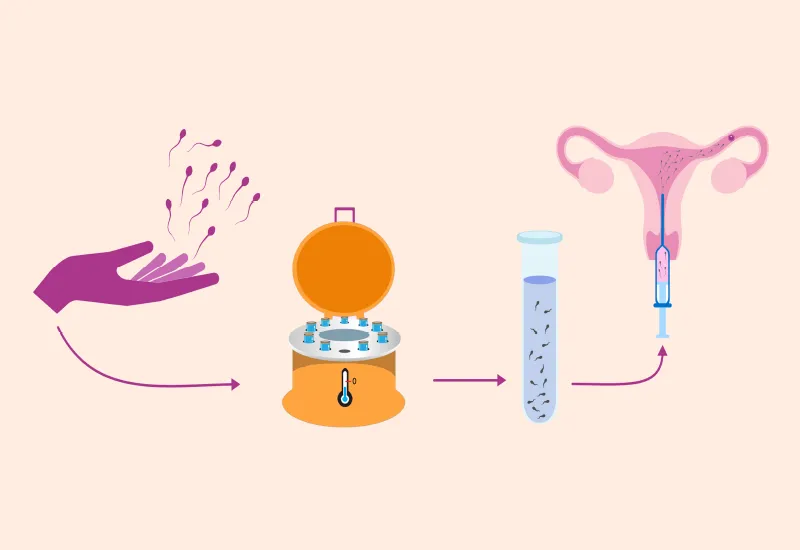
    illustration of the IUI process, showing sperm collection, preparation, and insertion into the uterus

    Sperm Analysis and Semen Analysis: The Importance of Accurate Results

    Several factors can affect the results of sperm and semen analysis, making it crucial to ensure accurate testing. One of the most significant factors is the timing of the test. Sperm and semen analysis should be done when a man has abstained from sexual activity for at least two to five days. This ensures that the sample collected is a true representation of the man’s sperm quality and count. Additionally, certain lifestyle factors such as smoking, excessive alcohol consumption, and drug use can also affect sperm quality and should be avoided before testing.

    Proper collection and handling of the sample are also critical to obtaining accurate results. The sample should be collected in a sterile container and should be kept at body temperature during transport to the laboratory. Any delay in delivering the sample or exposure to extreme temperatures can affect the results. The sample should also be analyzed within an hour of collection to ensure the most accurate results.

    Interpreting the Results

    Once the sperm and semen analysis is complete, the results will be provided to the man and his doctor. The results will include various measurements and parameters, including sperm count, sperm motility, and sperm morphology. These results will be compared to the World Health Organization’s (WHO) standards for normal semen parameters. A sperm count of 15 million or more per milliliter of semen is considered normal, while a sperm motility of 40% or more is also considered normal. Any abnormalities in these parameters may indicate potential fertility issues.

    In addition to the WHO standards, several other factors should be considered when interpreting the results. These include the man’s age, medical history, and any previous fertility issues. It is essential to note that sperm and semen analysis is just one piece of the puzzle. Further testing, such as genetic testing or hormone level checks, may be necessary to get a complete picture of a man’s reproductive health.

    In summary, sperm and semen analysis are crucial tests that can provide valuable insights into a man’s reproductive health and fertility potential. Accurate results are essential for proper diagnosis and treatment of any underlying issues that may be affecting a man’s ability to conceive. It is crucial to follow proper collection and handling procedures and to interpret the results in conjunction with other factors to get a complete understanding of a man’s reproductive health.

    In conclusion, sperm and semen analysis play a vital role in assessing male fertility potential and diagnosing any underlying issues. Accurate results from these tests can provide valuable information for couples struggling to conceive and can help in the diagnosis and treatment of certain medical conditions. It is essential to follow proper procedures for collecting and handling the sample and to interpret the results in conjunction with other factors for a complete understanding of a man’s reproductive health.

  • Sperm Analysis vs Semen Analysis: A Comprehensive Guide

    Sperm Analysis vs Semen Analysis: A Comprehensive Guide

    When it comes to fertility and male reproductive health, there are various tests and procedures that can be done to assess the quality of sperm and semen. Two commonly used terms in this realm are sperm analysis and semen analysis. While these terms are often used interchangeably, they actually refer to slightly different procedures and provide different insights into a man’s fertility. In this comprehensive guide, we will delve into the differences between sperm analysis and semen analysis, the procedures involved, and what the results can tell us about male reproductive health.

    What is Sperm Analysis?

    Sperm analysis, also known as a sperm count or semen analysis, is a laboratory test that evaluates the quantity and quality of sperm in a man’s semen. It is a crucial test for assessing male fertility and is often one of the first steps in diagnosing male infertility. The procedure involves collecting a semen sample and examining it under a microscope to determine the number, shape, and movement of sperm.

    Why is Sperm Analysis Done?

    Sperm analysis is primarily done to assess a man’s fertility. A low sperm count (oligospermia) or poor sperm quality (abnormal morphology or motility) can indicate potential issues with fertility. Additionally, sperm analysis can also be used to monitor the effectiveness of certain fertility treatments, such as vasectomy reversal or sperm retrieval for in vitro fertilization (IVF).

    Sperm Analysis Procedure

    Sperm analysis is a simple and non-invasive procedure that can be done in a doctor’s office or fertility clinic. The patient will be asked to provide a semen sample, which can be done through masturbation into a sterile container. If it is not possible to produce a sample on-site, the patient may be given a container to collect the sample at home and bring it to the clinic within a specific timeframe.

    Once the sample is collected, it is analyzed in the laboratory. The semen is first liquefied to make it easier to examine, and then a small amount is placed on a microscope slide. The sample is then observed under a microscope to assess the number, shape, and movement of sperm.

    What Do the Results Mean?

    The results of a sperm analysis are typically given in terms of sperm count, morphology, and motility. Sperm count refers to the number of sperm present in one milliliter of semen. A normal sperm count is typically considered to be 15 million sperm per milliliter or more. A low sperm count may indicate potential fertility issues.

    Sperm morphology refers to the shape of sperm. Normal sperm have a typical oval head and a long tail, which enables them to swim efficiently. Abnormalities in sperm shape can affect their ability to fertilize an egg. A normal sperm morphology rate is considered to be 4% or more.

    Sperm motility refers to the movement of sperm. Normal sperm should be able to swim in a straight line and move quickly. Poor sperm motility can make it difficult for sperm to reach and fertilize an egg. A normal sperm motility rate is considered to be 40% or more.

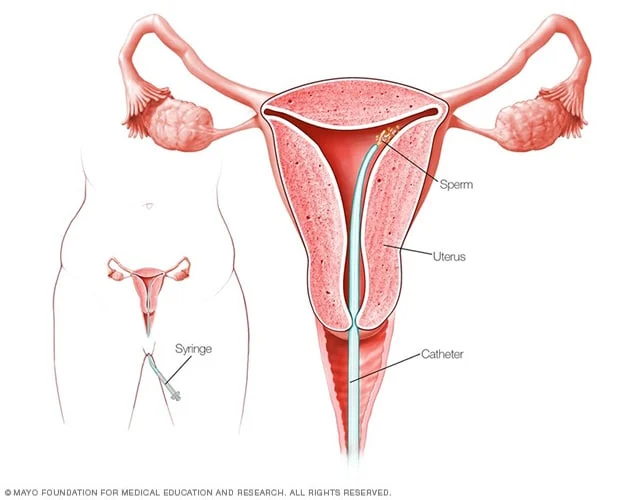
    diagram illustrating intrauterine insemination (IUI) procedure with uterus, sperm, and catheter labeled

    Sperm Analysis vs Semen Analysis: A Comprehensive Guide

    What is Semen Analysis?

    Semen analysis, also known as a seminal fluid analysis, is a broader test that evaluates not just sperm but also other components of semen. The procedure involves examining a semen sample for the presence of sperm as well as other substances, including fructose, citric acid, and white blood cells.

    Why is Semen Analysis Done?

    Semen analysis is primarily used to assess male fertility, but it can also provide insights into other potential issues with the male reproductive system. In addition to evaluating sperm quality, semen analysis can also detect abnormalities in the seminal fluid, which may indicate underlying health conditions such as infections or hormonal imbalances.

    Semen Analysis Procedure

    The procedure for semen analysis is similar to that of sperm analysis. A semen sample is collected and examined under a microscope to assess the quantity and quality of sperm. However, in semen analysis, the semen sample may also be tested for other substances to evaluate the overall health of the male reproductive system.

    What Do the Results Mean?

    The results of a semen analysis may include information on sperm count, morphology, motility, as well as the levels of other substances in the semen. In addition to sperm-related issues, abnormal levels of other substances may indicate potential underlying health conditions, such as infections or hormone imbalances.

    Key Differences Between Sperm Analysis and Semen Analysis

    While sperm analysis and semen analysis are both important tests for evaluating male fertility, there are a few key differences between the two procedures. The main difference lies in what is being evaluated. Sperm analysis focuses solely on sperm quality, while semen analysis looks at both sperm and other substances in the seminal fluid. Additionally, semen analysis may be able to detect underlying health issues that cannot be identified through sperm analysis alone.

    Summing Up

    In conclusion, while sperm analysis and semen analysis are often used interchangeably, they are different procedures that provide different insights into male reproductive health. Sperm analysis evaluates the quantity and quality of sperm, while semen analysis looks at a broader range of factors, including sperm and other substances in the semen. Both tests are essential for assessing fertility and identifying potential issues with the male reproductive system.

    SEO metadata:

  • The Role of Technology: How Intrauterine Insemination and Sperm Washing Have Evolved

    Blog Post Title: The Role of Technology: How Intrauterine Insemination and Sperm Washing Have Evolved

    Introduction:
    Technology has revolutionized many aspects of our lives, and the field of reproductive medicine is no exception. In the past few decades, advancements in technology have greatly improved the success rates of fertility treatments, such as intrauterine insemination (IUI) and sperm washing. These procedures have helped countless couples and individuals achieve their dream of starting a family. In this blog post, we will explore the evolution of technology in the field of reproductive medicine and how it has impacted the success of IUI and sperm washing.

    The Basics of IUI and Sperm Washing:
    Before delving into the advancements in technology, let’s first understand the basics of IUI and sperm washing. IUI is a fertility treatment that involves placing washed and concentrated sperm directly into a woman’s uterus during ovulation. This procedure is often recommended for couples struggling with unexplained infertility, mild male factor infertility, or cervical factor infertility. On the other hand, sperm washing is a process that separates healthy sperm from seminal fluid and other contaminants. This is often done to remove any potential infections or genetic disorders from the sperm before using them in fertility treatments.

    Evolution of Technology in IUI and Sperm Washing:
    In the early days of IUI and sperm washing, the procedures were performed manually, which was a time-consuming and labor-intensive process. But with the advancement of technology, these procedures have become more efficient and effective. The first major development was the introduction of the centrifuge in the 1960s, which greatly improved the efficiency of sperm washing. The centrifuge uses centrifugal force to separate the sperm from the seminal fluid, making the process much faster and more accurate.

    In the 1980s, the introduction of micromanipulation techniques, such as intra-cytoplasmic sperm injection (ICSI), revolutionized the field of reproductive medicine. ICSI involves injecting a single sperm directly into an egg, bypassing any potential barriers to fertilization. This technique has greatly improved the success rates of IUI, especially for couples with severe male factor infertility.

    Another significant advancement in technology was the development of computer-assisted sperm analysis (CASA) in the 1990s. This technology uses specialized software to analyze sperm quality, concentration, and motility. CASA has greatly improved the accuracy and reliability of sperm analysis, allowing fertility specialists to select the healthiest and most motile sperm for IUI and sperm washing.

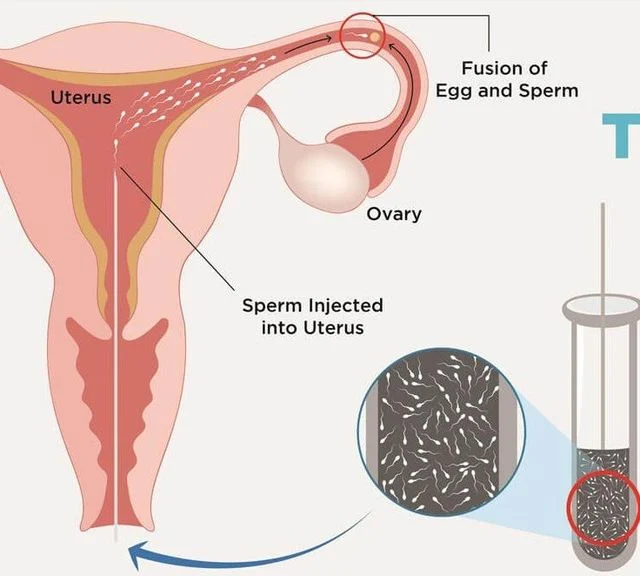
    Diagram illustrating the IUI process, showing sperm injection into the uterus and egg fertilization.

    The Role of Technology: How Intrauterine Insemination and Sperm Washing Have Evolved

    In recent years, the use of electronic witnessing systems has become standard practice in fertility clinics. These systems use barcodes or RFID (radio-frequency identification) technology to ensure that the correct sperm and eggs are used for each patient, greatly reducing the risk of errors and mix-ups.

    The Role of Cryopreservation:
    Cryopreservation, the process of freezing and storing sperm, has also played a significant role in the evolution of IUI and sperm washing. In the past, fresh sperm was used for these procedures, which meant that couples had to time the procedure perfectly with ovulation. But with the development of cryopreservation techniques, sperm can now be frozen and stored for later use. This has not only made the process more convenient for patients but has also improved the success rates of IUI and sperm washing. Frozen sperm can also be used for future fertility treatments, reducing the need for repeated sperm donations.

    The Impact of Technology on Success Rates:
    Thanks to the advancements in technology, the success rates of IUI and sperm washing have greatly improved over the years. In the early days, the success rates of IUI were around 10-20%, but with the use of micromanipulation techniques and advanced sperm analysis, the success rates have increased to 20-30%. Additionally, the use of electronic witnessing systems has greatly reduced the risk of errors and mix-ups, further improving the success rates.

    Sperm washing has also seen a significant increase in success rates, with studies showing a success rate of over 80% in couples with male factor infertility. The use of cryopreserved sperm has also contributed to the success of these procedures, as it allows for more flexibility and better timing.

    Conclusion:
    In conclusion, technology has played a crucial role in the evolution of IUI and sperm washing. From the introduction of the centrifuge to the use of micromanipulation techniques and electronic witnessing systems, these advancements have greatly improved the success rates of these procedures. Cryopreservation has also been a game-changer, making the process more convenient and increasing the chances of success. With technology continuously evolving, we can expect even more improvements in the field of reproductive medicine, giving hope to many couples and individuals struggling with infertility.

    Summary:
    Technology has greatly impacted the field of reproductive medicine, specifically in the procedures of intrauterine insemination (IUI) and sperm washing. Advancements such as the centrifuge, micromanipulation techniques, computer-assisted sperm analysis, and electronic witnessing systems have greatly improved the efficiency and success rates of these procedures. Cryopreservation has also played a significant role, allowing for the use of frozen sperm and reducing the need for repeated sperm donations. As technology continues to evolve, we can expect even more improvements in the field of reproductive medicine, giving hope to many couples and individuals struggling with infertility.

  • The Science Behind Fertility Preservation: How It Works

    Blog Post:

    Fertility preservation, also known as cryopreservation, is a medical process that allows individuals to preserve their fertility for future use. This technology has revolutionized the field of reproductive medicine, giving hope to individuals facing fertility challenges such as cancer treatments, age-related infertility, or other medical conditions. In this blog post, we will delve into the science behind fertility preservation and how it works.

    The Process of Fertility Preservation:
    The first step in fertility preservation is the evaluation of the patient’s fertility status. This may involve blood tests to check hormone levels, ultrasound to assess ovarian reserve, and genetic testing. Once the patient’s fertility potential is established, the next step is to choose the most suitable fertility preservation method.

    1. Egg Freezing:
    Egg freezing, also known as oocyte cryopreservation, is the most commonly used form of fertility preservation. This process involves stimulating the ovaries with hormone injections to produce multiple eggs. The eggs are then retrieved through a minor surgical procedure and frozen using a technique called vitrification. Vitrification is a fast-freezing method that prevents the formation of ice crystals, which can damage the eggs. The frozen eggs are then stored in liquid nitrogen at a temperature of -196 degrees Celsius until they are ready to be used.

    2. Embryo Freezing:
    Embryo freezing is a similar process to egg freezing, but instead of freezing individual eggs, the eggs are fertilized with sperm to create embryos. The embryos are then frozen and stored until they are needed. This method is often used by couples who are undergoing fertility treatments, such as in vitro fertilization (IVF), and have extra embryos that can be frozen for future use.

    3. Sperm Freezing:
    Sperm freezing, also known as sperm cryopreservation, is a simple process that involves collecting a semen sample and freezing it for later use. The sample is mixed with a cryoprotectant solution and then slowly frozen to prevent damage. The frozen sperm can be stored for many years and used for procedures such as intrauterine insemination (IUI) or IVF.

    diagram of a uterus with a syringe for intrauterine insemination procedure

    The Science Behind Fertility Preservation: How It Works

    4. Ovarian Tissue Freezing:
    Ovarian tissue freezing is a newer form of fertility preservation that involves surgically removing a piece of ovarian tissue and freezing it for future use. This method is often used for women who cannot undergo hormonal stimulation or those who need to start cancer treatment immediately. The frozen ovarian tissue can be transplanted back into the patient’s body in the future, where it can resume its normal function.

    The Science Behind Fertility Preservation:
    The success of fertility preservation techniques lies in the ability to freeze and thaw reproductive cells without causing any damage. This is made possible by the use of cryoprotectants, which are substances that protect cells from the harmful effects of freezing and thawing. Cryoprotectants work by replacing water molecules inside the cells, preventing the formation of ice crystals that can destroy the cells.

    Another important factor in fertility preservation success is the use of vitrification, which has replaced the older method of slow freezing. Vitrification is a fast-freezing technique that uses higher concentrations of cryoprotectants and ultra-rapid cooling to solidify the cells without forming ice crystals. This method has significantly improved the survival rates of frozen eggs, embryos, and sperm.

    The Role of Genetics in Fertility Preservation:
    Genetics also play a crucial role in fertility preservation. Before undergoing any fertility preservation procedure, patients are often advised to undergo genetic testing to identify any potential genetic disorders that could affect their fertility or the health of their future children. This information allows fertility specialists to make informed decisions about which preservation method is most suitable for each individual.

    The Benefits of Fertility Preservation:
    Fertility preservation offers numerous benefits to individuals who are looking to preserve their fertility. For cancer patients, fertility preservation allows them to undergo treatments such as chemotherapy and radiation without worrying about the potential loss of fertility. It also gives hope to individuals dealing with age-related fertility decline, as well as those who have not yet found a suitable partner but want to have children in the future.

    In conclusion, the science behind fertility preservation is a complex and constantly evolving field. With advancements in technology and research, more individuals can now have the option to preserve their fertility and fulfill their dreams of starting a family. If you are considering fertility preservation, it is essential to consult with a fertility specialist to determine the best approach for your individual needs.

    Summary:
    Fertility preservation is a medical process that allows individuals to preserve their fertility for future use, commonly used by those facing cancer treatments or age-related infertility. The process involves freezing eggs, embryos, sperm, or ovarian tissue with the help of cryoprotectants and vitrification. Genetics play a crucial role in determining the best preservation method for each individual. Fertility preservation offers hope to individuals looking to start a family in the future.