Tag: myths

  • Fertility Nutrition Myths and Facts: Separating Fiction from Reality

    Blog Post: Fertility Nutrition Myths and Facts: Separating Fiction from Reality

    Fertility is a topic that is often surrounded by a lot of myths and misconceptions. One aspect of fertility that is particularly affected by these myths is nutrition. There are so many claims out there about what foods can boost fertility and what foods can harm it. In this blog post, we will be exploring some of the common fertility nutrition myths and the facts behind them, in order to separate fiction from reality.

    Myth #1: Eating pineapple core can increase your chances of getting pregnant.

    This myth has gained a lot of popularity in recent years, with many fertility websites and forums claiming that eating pineapple core during the implantation phase can help with conception. The truth is, there is no scientific evidence to support this claim. Pineapple contains bromelain, an enzyme that has anti-inflammatory properties, but there is no proof that it can aid in fertility. In fact, eating too much pineapple can actually cause stomach upset and interfere with ovulation.

    Myth #2: Avoiding gluten can increase fertility.

    Gluten has been blamed for a host of health issues, including infertility. However, unless you have celiac disease or a gluten intolerance, there is no need to eliminate it from your diet. In fact, cutting out gluten can actually lead to nutrient deficiencies, which can negatively impact fertility. A well-balanced diet that includes whole grains, including gluten-containing ones, is important for overall health and fertility.

    Myth #3: Taking prenatal vitamins before trying to conceive is not necessary.

    Prenatal vitamins are often associated with pregnancy, but they can actually play a crucial role in fertility as well. These vitamins contain key nutrients such as folic acid, iron, and vitamin D, which are important for a healthy pregnancy. It is recommended to start taking prenatal vitamins at least three months before trying to conceive to ensure that your body has these essential nutrients in the early stages of pregnancy.

    Myth #4: Eating soy can decrease sperm count and fertility.

    Soy has been a controversial topic when it comes to fertility. Some studies have shown that consuming large amounts of soy can have a negative impact on sperm count, but these studies were done on animals and involved extremely high doses of soy. In moderate amounts, soy is safe and can even have health benefits. It is always best to consult with a healthcare professional before making any drastic changes to your diet.

    Myth #5: Eating certain foods can increase chances of having twins.
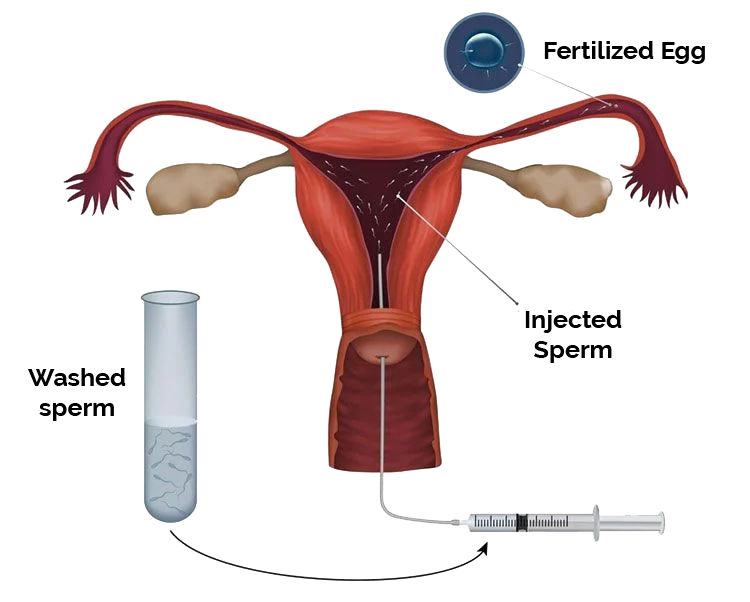
    diagram of the female reproductive system with an IUI syringe and test tube for artificial insemination

    Fertility Nutrition Myths and Facts: Separating Fiction from Reality

    There is a widespread belief that certain foods, such as yams, can increase the chances of having twins. While there is some evidence that certain dietary factors can impact fertility, there is no scientific evidence to support this claim. The likelihood of having twins is mainly determined by genetics and cannot be influenced by food.

    Myth #6: Cutting out dairy can improve fertility.

    Dairy has been linked to a variety of health issues, and some people believe that it can also affect fertility. However, dairy products are an important source of calcium and vitamin D, which are essential for bone health and fertility. Unless you have a dairy intolerance, it is not necessary to eliminate dairy from your diet. Opting for low-fat dairy products and consuming them in moderation is the key.

    Myth #7: Eating a low-carb diet can boost fertility.

    Low-carb diets have gained popularity in recent years, with many people claiming that they can improve fertility. However, carbohydrates are the body’s main source of energy, and cutting them out completely can lead to nutrient deficiencies and hormonal imbalances, which can negatively impact fertility. It is important to consume complex carbohydrates, such as whole grains and vegetables, in moderation for optimal fertility.

    Myth #8: Consuming caffeine can decrease fertility.

    There is some evidence that consuming large amounts of caffeine can have a negative impact on fertility, but this is mainly seen in women who consume more than 500 milligrams of caffeine per day. This is equivalent to around five cups of coffee. Consuming caffeine in moderation, which is around 200-300 milligrams per day, is unlikely to have a significant effect on fertility.

    Myth #9: Eating organic foods can increase fertility.

    Organic foods are often marketed as being healthier and better for fertility. However, there is no scientific evidence to support this claim. While organic foods may be beneficial for overall health, there is no significant difference in their impact on fertility compared to conventionally grown foods.

    Myth #10: Fasting or detoxing can improve fertility.

    Fasting and detoxing have become popular methods for weight loss and cleansing the body. However, these practices can have a negative impact on fertility. Restricting calories and eliminating certain food groups can lead to nutrient deficiencies and hormonal imbalances, which can interfere with ovulation and conception.

    In summary, there are many myths surrounding fertility and nutrition, but it is important to separate fact from fiction. While certain dietary factors can impact fertility, it is essential to have a well-balanced diet and consult with a healthcare professional before making any drastic changes. Prenatal vitamins, whole and nutritious foods, and moderation are key when it comes to fertility and nutrition.

  • Intrauterine Insemination vs Low-Tech IVF: Debunking Common Myths

    Intrauterine insemination (IUI) and low-tech in vitro fertilization (IVF) are two commonly used assisted reproductive techniques (ART) for couples struggling with infertility. However, there are many myths and misconceptions surrounding these procedures that can cause confusion and anxiety for those considering them. In this blog post, we will debunk some of the most common myths surrounding IUI and low-tech IVF to help couples make informed decisions about their fertility treatment options.

    Myth #1: IUI is the same as IVF
    One of the most common misconceptions about IUI and IVF is that they are interchangeable procedures. In reality, they are two distinct techniques with different success rates and methods. IUI involves the insertion of sperm into the uterus during the ovulation period, while low-tech IVF involves the retrieval and fertilization of eggs outside of the body before transferring them into the uterus. While both procedures involve assisted fertilization, they have different success rates and are recommended for different reasons.

    Myth #2: IUI and low-tech IVF are only for couples with severe infertility
    Many couples assume that IUI and low-tech IVF are only for those with severe infertility issues. However, these procedures can also be used for couples with mild to moderate fertility problems, such as ovulation disorders or low sperm count. In fact, IUI and low-tech IVF are often the first-line treatments for couples struggling with fertility.

    Myth #3: IUI and low-tech IVF are painful and invasive
    Another common myth surrounding IUI and low-tech IVF is that they are painful and invasive procedures. While both techniques do involve some level of discomfort, they are not as invasive as many people believe. IUI is a relatively simple procedure that can be performed in a doctor’s office, and low-tech IVF only requires a minor surgical procedure for egg retrieval. Both procedures are done under light sedation and are generally well-tolerated by patients.

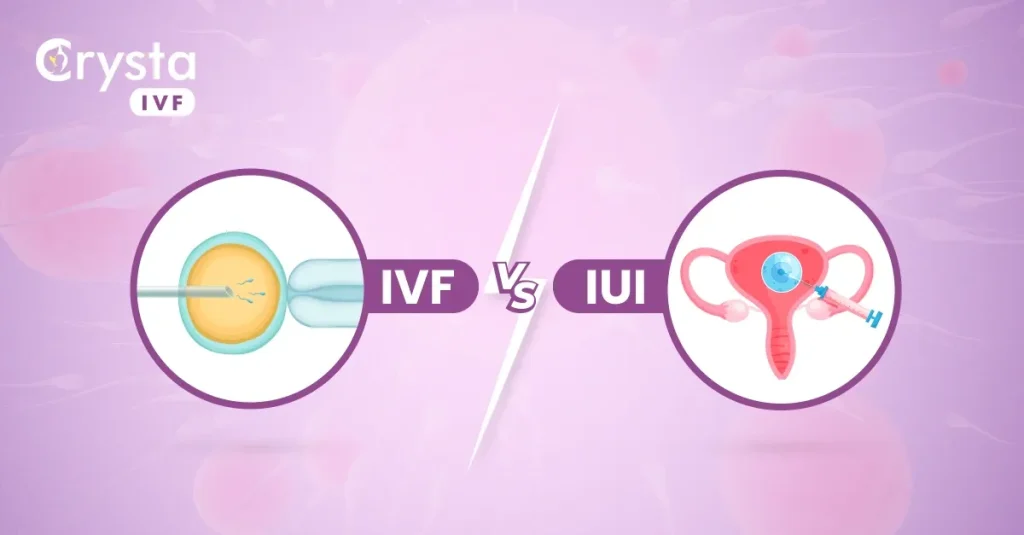
    Comparison of IUI and IVF, illustrating procedures and definitions for each fertility treatment.

    Intrauterine Insemination vs Low-Tech IVF: Debunking Common Myths

    Myth #4: IUI and low-tech IVF always result in multiple pregnancies
    Multiple pregnancies are a concern for many couples considering fertility treatments, but the belief that IUI and low-tech IVF always result in multiple pregnancies is not true. With proper monitoring and management, the risk of multiple pregnancies can be minimized. Additionally, low-tech IVF involves transferring fewer embryos compared to traditional IVF, reducing the chances of multiple pregnancies.

    Myth #5: IUI and low-tech IVF are guaranteed to result in pregnancy
    While IUI and low-tech IVF have higher success rates compared to natural conception, they are not guaranteed to result in pregnancy. The success rates for these procedures depend on various factors, such as age, fertility issues, and overall health. It is essential to have realistic expectations and understand that multiple cycles may be needed to achieve a successful pregnancy.

    Myth #6: IUI and low-tech IVF are not covered by insurance
    Many couples assume that IUI and low-tech IVF are not covered by insurance, making them financially out of reach. However, this is not always the case. While insurance coverage for these procedures may vary, many insurance plans do cover some or all of the costs. It is essential to check with your insurance provider to understand your coverage and potential out-of-pocket expenses.

    Myth #7: IUI and low-tech IVF are not as effective as traditional IVF
    Some couples may opt for traditional IVF instead of low-tech IVF, believing it to be more effective. However, this is not always the case. Low-tech IVF has been found to have comparable success rates to traditional IVF, with the added benefit of being less invasive and more cost-effective. Additionally, IUI and low-tech IVF have their own set of advantages and may be the better option for certain couples.

    In summary, IUI and low-tech IVF are two distinct assisted reproductive techniques with different success rates and methods. These procedures are not only for couples with severe infertility, and they are not as invasive or painful as many people believe. It is also a myth that they always result in multiple pregnancies or that they are not covered by insurance. Ultimately, the effectiveness of IUI and low-tech IVF depends on various factors, and it is essential to consult with a fertility specialist to determine the best treatment option for your specific situation.

  • Breaking Down the Myths of Traditional Fertility Treatments

    Breaking Down the Myths of Traditional Fertility Treatments: Debunking Misconceptions and Shedding Light on Effective Solutions

    For many couples struggling with infertility, traditional fertility treatments may seem like the only option. However, there are many myths and misconceptions surrounding these treatments that can cause confusion, fear, and hesitation. In this blog post, we will delve into common myths about traditional fertility treatments and provide accurate information to help you make informed decisions about your fertility journey.

    Myth #1: Traditional fertility treatments are only for older couples.

    One of the most common myths about traditional fertility treatments is that they are only necessary for older couples. While age can certainly play a role in fertility, it is not the only factor. Infertility can affect couples of all ages, and seeking treatment should not be based solely on age. In fact, the American Society for Reproductive Medicine states that approximately 20% of couples seeking fertility treatment are under the age of 35. It is important to consult with a fertility specialist to determine the best course of action for your individual situation regardless of age.

    Myth #2: Traditional fertility treatments are only for women.

    Another pervasive myth about traditional fertility treatments is that they are only for women. While women may be the ones physically undergoing treatment, male factor infertility accounts for approximately 40% of all infertility cases. This means that fertility treatments are just as important for men as they are for women. It is crucial for both partners to undergo testing to determine the cause of infertility and to explore all available treatment options.

    Myth #3: Traditional fertility treatments are invasive and painful.

    Many people associate traditional fertility treatments with invasive procedures and painful injections. While some treatments may involve minor discomfort, advancements in technology and techniques have made fertility treatments much less invasive and more comfortable. For example, in vitro fertilization (IVF) can now be performed using a minimally invasive technique called ICSI (intracytoplasmic sperm injection), which involves a small needle and does not require any incisions. Additionally, fertility clinics often provide support and resources to help patients cope with any discomfort during treatment.

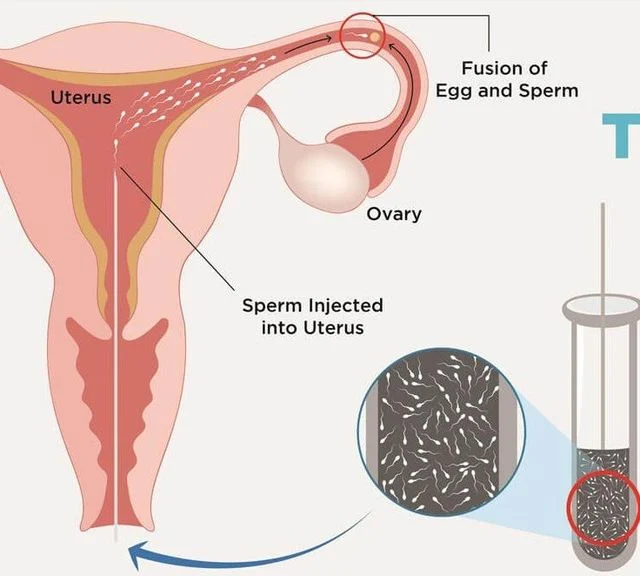
    Diagram illustrating the IUI process, showing sperm injection into the uterus and egg fertilization.

    Breaking Down the Myths of Traditional Fertility Treatments

    Myth #4: Traditional fertility treatments always result in multiple births.

    There is a common misconception that traditional fertility treatments always result in multiple births, leading to concerns and fears about the health and well-being of both the mother and babies. While there is a slightly higher chance of multiple births with some treatments, such as IVF, this risk can be minimized through careful monitoring and adjustment of medication dosages. Additionally, advancements in technology and techniques have allowed for more precise control of the number of embryos transferred during IVF, reducing the risk of multiple births.

    Myth #5: Traditional fertility treatments are not covered by insurance.

    Many people believe that fertility treatments are not covered by insurance, making them unaffordable for most couples. While insurance coverage for fertility treatments may vary, there are often options available to help with the financial burden. Some employers offer coverage for fertility treatments, and there are also grants and financing options specifically for fertility treatments. It is important to research and explore these options before ruling out traditional fertility treatments due to financial concerns.

    Myth #6: Traditional fertility treatments are not effective.

    Some people may be hesitant to pursue traditional fertility treatments due to the belief that they are not effective. However, the success rates of these treatments have improved significantly over the years. In fact, the Centers for Disease Control and Prevention reports that the pregnancy rate for IVF treatments using fresh embryos is around 30%. With advancements in technology and techniques, the success rates of traditional fertility treatments continue to improve, making them a viable option for many couples struggling with infertility.

    Myth #7: Traditional fertility treatments are the only option.

    While traditional fertility treatments have helped many couples achieve their dream of starting a family, they are not the only option. Alternative treatments such as acupuncture, herbal supplements, and lifestyle changes can also improve fertility and increase the chances of pregnancy. It is important to consult with a fertility specialist to determine the best course of action for your individual situation and to explore all available options.

    In conclusion, traditional fertility treatments have come a long way and are constantly improving, making them a viable option for many couples struggling with infertility. It is essential to educate yourself and seek proper guidance from a fertility specialist to make informed decisions about your fertility journey. Do not let myths and misconceptions prevent you from exploring all available options for starting or expanding your family.

  • Sperm Analysis and Semen Analysis: Common Misconceptions and Myths

    Blog Post: Sperm Analysis and Semen Analysis: Common Misconceptions and Myths

    When it comes to fertility and reproductive health, there are many myths and misconceptions surrounding sperm analysis and semen analysis. These procedures are often misunderstood and can cause unnecessary worry and stress for individuals and couples trying to conceive. In this blog post, we will debunk some of the common misconceptions and myths surrounding sperm analysis and semen analysis.

    Myth #1: Only men with fertility issues need to undergo sperm analysis.

    One of the biggest misconceptions about sperm analysis is that it is solely for men with fertility problems. In reality, sperm analysis is recommended for all men who are trying to conceive, regardless of whether they have a known fertility issue or not. It is a routine test that can provide valuable information about a man’s reproductive health, including sperm count, motility, and morphology. This information can help identify potential fertility issues and guide treatment options.

    Myth #2: Semen analysis and sperm analysis are the same thing.

    Although the terms are often used interchangeably, semen analysis and sperm analysis are not the same. Semen analysis is a test that examines the quality and quantity of semen, which is the fluid that carries sperm. On the other hand, sperm analysis specifically looks at the health and characteristics of the sperm within the semen. While semen analysis is a part of sperm analysis, the latter provides more detailed information about the sperm, which can be crucial in determining fertility potential.

    Myth #3: The results of sperm analysis are always accurate.

    While sperm analysis is a valuable tool in assessing reproductive health, it is not infallible. The results can vary depending on factors such as stress, illness, and medications. Additionally, the results can also be affected by laboratory errors or improper handling of the sample. It is essential to follow the instructions provided by the healthcare provider for collecting and handling the semen sample to ensure accurate results.

    Comparison of IVF and IUI procedures with illustrations of each method.

    Sperm Analysis and Semen Analysis: Common Misconceptions and Myths

    Myth #4: Sperm analysis can determine a man’s overall fertility.

    Sperm analysis is just one aspect of assessing a man’s fertility potential. While it can provide valuable information about sperm health, it does not paint the full picture of a man’s fertility. Other factors, such as hormonal balance, genetic factors, and overall health, can also play a significant role in fertility. Therefore, it is essential to discuss the results of sperm analysis with a healthcare provider to get a comprehensive evaluation of fertility potential.

    Myth #5: A low sperm count means a man cannot father a child.

    One of the most common fears surrounding sperm analysis is the concern that a low sperm count means a man cannot father a child. While a low sperm count can make conception more challenging, it does not necessarily mean a man cannot father a child. There have been many cases where men with low sperm counts have successfully fathered children through assisted reproductive technologies, such as intrauterine insemination (IUI) or in vitro fertilization (IVF). It is crucial to remember that fertility is not solely determined by sperm count, and there are other options available for couples struggling with conception.

    Myth #6: Sperm analysis is a one-time test.

    Sperm analysis is not a one-time test, and the results can change over time. Factors such as age, lifestyle habits, and health conditions can affect sperm quality. Therefore, it is recommended to repeat the test after a few months to get a more accurate picture of a man’s reproductive health. If the results show any abnormalities, further testing may be necessary to determine the cause and appropriate treatment.

    Myth #7: Sperm analysis is only needed for heterosexual couples.

    Another common misconception is that sperm analysis is only necessary for heterosexual couples. This is not true, as sperm analysis can be beneficial for all individuals or couples trying to conceive, regardless of sexual orientation or relationship status. It is a crucial aspect of reproductive health, and everyone should have access to it.

    In summary, sperm analysis and semen analysis are essential tools in assessing male fertility potential. However, there are many misconceptions and myths surrounding these procedures. It is essential to understand the facts and seek guidance from a healthcare provider to get a comprehensive evaluation of reproductive health.

  • The Controversy of Fertility Tracking Apps: Debunking Myths and Misconceptions

    Summary:

    Fertility tracking apps have gained popularity in recent years, with more women turning to technology to help them understand their reproductive cycle. However, with this rise in popularity, there has also been a rise in controversy surrounding these apps. Many myths and misconceptions have been spread about their effectiveness and reliability, causing confusion and skepticism among potential users. In this blog post, we will debunk some of the most common myths and misconceptions about fertility tracking apps and provide accurate information to help you make an informed decision about using these apps.

    Myth #1: Fertility tracking apps are not accurate.

    One of the biggest misconceptions about fertility tracking apps is that they are not accurate. While it is true that no method of fertility tracking is 100% accurate, the same can be said for traditional methods such as the calendar method or tracking basal body temperature. Fertility tracking apps use advanced algorithms and data analysis to predict ovulation based on various factors such as menstrual cycle length, basal body temperature, and cervical mucus. Studies have shown that these apps can be just as accurate as traditional methods, with some even outperforming them.

    Myth #2: Fertility tracking apps are only for women trying to get pregnant.

    Another common misconception about fertility tracking apps is that they are only useful for women trying to get pregnant. While these apps can certainly be helpful for women who are trying to conceive, they can also be used for other purposes such as natural birth control or simply understanding one’s reproductive cycle. In fact, many fertility tracking apps have features specifically for those not trying to get pregnant, such as tracking symptoms and predicting periods.

    Myth #3: Fertility tracking apps are not suitable for women with irregular cycles.

    Some people believe that fertility tracking apps are only suitable for women with regular menstrual cycles. However, these apps can be just as helpful for those with irregular cycles. In fact, some apps have features specifically designed for irregular cycles, such as tracking symptoms and predicting fertile days based on individual cycle patterns. It is important to note that fertility tracking apps should not be used as a replacement for medical advice, and women with irregular cycles should consult with their healthcare provider if they have concerns about their fertility.

    Illustration of intrauterine insemination (IUI) procedure with syringe and catheter in the uterus.

    The Controversy of Fertility Tracking Apps: Debunking Myths and Misconceptions

    Myth #4: Fertility tracking apps are complicated and time-consuming.

    Many people think that fertility tracking apps are complicated and time-consuming, but in reality, they are quite user-friendly and require minimal effort. Most apps have a simple interface that makes it easy to input data and track your cycle. Some apps even have features that allow you to connect with your partner, making it a collaborative effort. Additionally, fertility tracking apps can save you time and effort by helping you pinpoint your most fertile days, making it easier to plan for pregnancy or avoid it.

    Myth #5: Fertility tracking apps are not secure and may compromise your privacy.

    Some people are concerned about the security and privacy of their data when using fertility tracking apps. However, reputable apps have strict privacy policies and use secure servers to store your information. It is important to read the app’s terms and conditions and privacy policy before using it and to only use apps from trusted sources.

    Myth #6: Fertility tracking apps are expensive.

    Many people assume that fertility tracking apps are expensive, but the truth is that most apps are either free or have a low cost. Some apps may offer additional features for a fee, but the basic tracking and prediction features are typically free. Additionally, using a fertility tracking app can save you money in the long run by helping you avoid costly fertility treatments or unintended pregnancies.

    Myth #7: Fertility tracking apps are not reliable for predicting pregnancy.

    Finally, some people believe that fertility tracking apps are not reliable for predicting pregnancy. While no method of fertility tracking can guarantee pregnancy, these apps can be a helpful tool in understanding your fertile window and increasing your chances of conception. Studies have shown that using a fertility tracking app can increase the chances of pregnancy by up to 40%.

    In conclusion, fertility tracking apps are a useful and reliable tool for understanding your reproductive cycle, whether you are trying to conceive or not. Many of the myths and misconceptions surrounding these apps are unfounded, and it is important to do your research and consult with your healthcare provider before using any method of fertility tracking. With the advancement of technology, fertility tracking apps can provide accurate and personalized information to help you make informed decisions about your reproductive health.

  • Debunking Myths: Home vs Clinic Intrauterine Insemination

    Summary:

    Intrauterine insemination (IUI) is a popular fertility treatment that involves placing sperm directly into the uterus to increase the chances of pregnancy. However, there are many myths surrounding the differences between home and clinic IUI. In this blog post, we will debunk these misconceptions and provide a clear understanding of the two methods.

    Myth #1: Home IUI is just as effective as clinic IUI.

    One of the most common misconceptions about home IUI is that it is just as effective as clinic IUI. While both methods involve placing sperm directly into the uterus, there are significant differences in the process and success rates.

    In a clinic setting, IUI is performed by a trained medical professional, ensuring that the sperm is placed in the optimal location and at the right time. Additionally, the sperm used in clinic IUI is thoroughly washed and prepared, increasing its chances of fertilizing an egg. On the other hand, home IUI relies on the individuals to properly perform the procedure, which can be challenging and may not result in the same success rates as clinic IUI.

    Myth #2: Home IUI is more cost-effective than clinic IUI.

    Another myth surrounding home IUI is that it is a more affordable option compared to clinic IUI. While home IUI may seem cheaper at first glance, it can end up costing more in the long run.

    Home IUI requires individuals to purchase a kit that includes the catheter, syringe, and sperm preparation supplies. These kits can range from $50 to $150, depending on the brand and quality. In contrast, clinic IUI includes the cost of the sperm preparation and the medical professional’s services, which can result in a more cost-effective option.

    Myth #3: Home IUI is less invasive than clinic IUI.

    Illustration of the IUI process, showing a syringe and catheter in the reproductive system.

    Debunking Myths: Home vs Clinic Intrauterine Insemination

    Many people believe that home IUI is less invasive compared to clinic IUI since it can be done in the comfort of their own home. However, the truth is that both methods involve placing a catheter into the uterus to deposit the sperm.

    In a clinic setting, the medical professional is trained and experienced in performing IUI, ensuring that the process is as minimally invasive as possible. On the other hand, home IUI relies on the individuals to perform the procedure, which may lead to discomfort and potential complications.

    Myth #4: Home IUI is a DIY solution for infertility.

    One of the most dangerous myths surrounding home IUI is that it is a DIY solution for infertility. Many people see home IUI as a quick fix for fertility issues and skip consulting with a medical professional.

    The truth is that infertility is a complex issue, and home IUI may not be the appropriate treatment for everyone. Consulting with a fertility specialist is crucial to determine the underlying causes of infertility and develop a personalized treatment plan.

    Myth #5: Home IUI is less time-consuming than clinic IUI.

    Some individuals may prefer home IUI over clinic IUI because it seems less time-consuming. However, the process of home IUI can take just as much time, if not longer, than clinic IUI.

    Preparing the sperm and performing the procedure at home can be challenging and time-consuming, especially for individuals who are not experienced in the process. In contrast, clinic IUI is done in a controlled and efficient environment, resulting in a shorter and more streamlined process.

    In conclusion, while home IUI may seem like a convenient and affordable option, it is essential to consider the differences between home and clinic IUI. Consulting with a fertility specialist and understanding the facts can help individuals make an informed decision and increase their chances of a successful pregnancy.

  • Facts vs Myths: Debunking Common Misconceptions About Intrauterine Insemination and Sperm Washing

    Facts vs Myths: Debunking Common Misconceptions About Intrauterine Insemination and Sperm Washing

    Intrauterine insemination (IUI) and sperm washing are two fertility treatments that have gained popularity in recent years. These procedures involve the insertion of washed sperm into the uterus to increase the chances of pregnancy. However, there are many misconceptions and myths surrounding these procedures, leading to confusion and misinformation. In this blog post, we will debunk some of the most common myths about IUI and sperm washing and provide accurate and evidence-based information to help you make an informed decision about these fertility treatments.

    Myth #1: IUI and sperm washing are the same thing

    Fact: While both procedures involve the use of washed sperm, they are two distinct fertility treatments. IUI involves the insertion of washed sperm into the uterus, while sperm washing is the process of separating healthy sperm from semen. Sperm washing is often used in conjunction with other assisted reproductive technologies, such as in vitro fertilization (IVF) and intracytoplasmic sperm injection (ICSI). IUI is a less invasive procedure and is typically recommended for couples with unexplained infertility, mild male factor infertility, or cervical issues.

    Myth #2: IUI and sperm washing are only for heterosexual couples

    Fact: Many people believe that these fertility treatments are only available for heterosexual couples, but this is not true. IUI and sperm washing can also be used by same-sex couples and single women who want to conceive. In fact, these procedures have helped many LGBTQ+ individuals and couples achieve their dream of starting a family. It is important to find a fertility clinic that is inclusive and provides services to all individuals and couples, regardless of sexual orientation or marital status.

    Myth #3: IUI and sperm washing are only for couples with fertility issues

    Fact: While these procedures are commonly used to treat fertility issues, they can also be used in situations where there are no known fertility problems. For example, single women or same-sex couples may opt for IUI or sperm washing to overcome the barrier of infertility and achieve pregnancy.

    Myth #4: IUI and sperm washing are painful and invasive procedures

    Fact: Both IUI and sperm washing are relatively painless and minimally invasive procedures. During IUI, a thin catheter is inserted through the cervix into the uterus, and the washed sperm is injected. This may cause mild cramping, similar to menstrual cramps, but the procedure is usually completed within a few minutes. Sperm washing involves the separation of sperm from semen using a special solution, and this process does not cause any pain or discomfort to the individual.

    Myth #5: IUI and sperm washing guarantee pregnancy

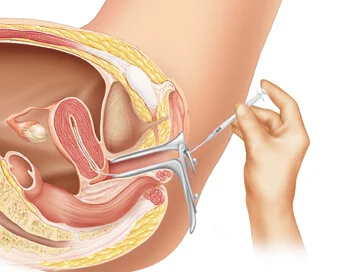
    illustration of intrauterine insemination procedure with a hand holding a speculum and syringe near the uterus

    Facts vs Myths: Debunking Common Misconceptions About Intrauterine Insemination and Sperm Washing

    Fact: While these procedures can significantly improve the chances of conception, they do not guarantee pregnancy. The success rate of IUI varies depending on factors such as age, cause of infertility, and the health of the sperm and eggs. On average, the success rate for IUI ranges from 10-20% per cycle. Similarly, the success rate for sperm washing also depends on various factors and may vary from person to person. It is essential to discuss the potential success rates with your fertility specialist and manage your expectations accordingly.

    Myth #6: IUI and sperm washing are expensive

    Fact: While fertility treatments can be costly, IUI and sperm washing are relatively affordable compared to other assisted reproductive technologies. The cost of these procedures may vary depending on the clinic, location, and individual circumstances. It is important to discuss the cost with your fertility clinic beforehand and explore any financial assistance options that may be available.

    Myth #7: IUI and sperm washing can cause birth defects

    Fact: There is no scientific evidence to suggest that IUI or sperm washing can cause birth defects. These procedures are performed using thoroughly tested and approved techniques, and the risk of birth defects is not increased. However, it is essential to disclose any underlying medical conditions or genetic disorders to your fertility specialist before undergoing these procedures.

    Myth #8: Multiple pregnancies are more likely with IUI and sperm washing

    Fact: While multiple pregnancies are possible with any fertility treatment, they are not more likely to occur with IUI or sperm washing. The fertility specialist will monitor the number of follicles (where eggs develop) during the treatment cycle to reduce the risk of multiple pregnancies. However, in rare cases, multiple pregnancies may occur due to the release of more than one egg during the IUI process.

    Myth #9: IUI and sperm washing are only for young couples

    Fact: Age is a crucial factor in fertility, and it may affect the success rates of IUI and sperm washing. However, these procedures are not exclusively for young couples. Many individuals and couples over the age of 35 have successfully conceived through IUI or sperm washing. It is important to discuss the potential success rates with your fertility specialist and consider other factors that may affect your chances of pregnancy.

    Myth #10: There is no need for IUI or sperm washing if you have no fertility issues

    Fact: Even if you do not have any known fertility issues, IUI and sperm washing can still increase your chances of pregnancy. The washed sperm is of higher quality and has a better chance of fertilizing an egg, making these procedures a viable option for individuals and couples with no fertility issues.

    In conclusion, IUI and sperm washing are common fertility treatments that have helped many individuals and couples conceive and start a family. It is essential to have accurate information and discuss any concerns with a qualified fertility specialist. Do not let myths and misconceptions deter you from exploring these procedures if you are struggling to conceive. With the right information and guidance from a reputable fertility clinic, IUI and sperm washing can be effective options for achieving your dream of parenthood.

  • Breaking Down the Myths: Traditional vs. Gestational Surrogacy

    Breaking Down the Myths: Traditional vs. Gestational Surrogacy

    Surrogacy is a topic that has recently gained more attention due to its increasing popularity as an alternative means of family building. However, there are still many misconceptions and myths surrounding surrogacy, particularly when it comes to the two main types: traditional and gestational surrogacy. In this blog post, we will break down the myths and provide a clear understanding of the differences between these two types of surrogacy.

    Traditional Surrogacy: The Myths

    Traditional surrogacy involves the surrogate mother using her own egg to conceive the baby, making her the biological mother of the child. This method of surrogacy has been around for centuries and is still practiced in some cultures. However, there are many myths surrounding traditional surrogacy that can create confusion and misinterpretation.

    Myth #1: Traditional surrogacy is the same as adoption.

    This is a common misconception, as traditional surrogacy involves the surrogate mother carrying and giving birth to the child. Adoption, on the other hand, involves a legal process in which the adoptive parents become the legal parents of the child. In traditional surrogacy, the surrogate mother is the biological mother and the intended parents go through a legal process to establish their parental rights.

    Myth #2: Traditional surrogacy is the cheaper option.

    Many people assume that traditional surrogacy is cheaper because it does not involve the use of fertility treatments or medical procedures. However, traditional surrogacy can actually end up being more expensive in the long run due to legal fees and potential emotional complications. The intended parents may also have to cover medical expenses for the surrogate mother and the baby.

    Myth #3: The surrogate mother will have a strong bond with the baby.

    Some people believe that because the surrogate mother is biologically related to the baby, she will have a strong emotional attachment to the child. However, surrogates go through a thorough screening process and are aware of the emotional boundaries involved in surrogacy. They understand that the baby is not theirs and that their role is to carry and give birth to a child for someone else.

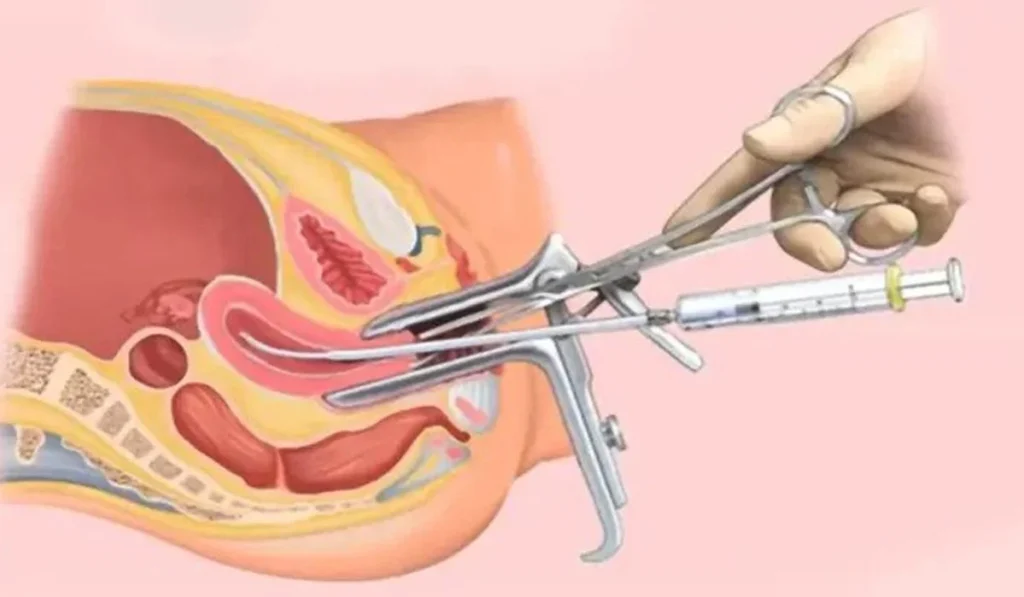
    illustration of an intrauterine insemination procedure with medical instruments and anatomical details

    Breaking Down the Myths: Traditional vs. Gestational Surrogacy

    Gestational Surrogacy: The Myths

    Gestational surrogacy, on the other hand, involves the use of a gestational carrier who has no genetic connection to the baby. The embryo is created using the intended parents’ egg and sperm or donor gametes, and then transferred to the gestational carrier’s uterus. Despite being a more common form of surrogacy, there are still many myths surrounding gestational surrogacy.

    Myth #1: Gestational surrogacy is only for wealthy couples.

    One of the biggest misconceptions about gestational surrogacy is that it is only accessible to wealthy couples. While it is true that surrogacy can be expensive, there are many financing options available, and some insurance plans may cover certain aspects of the process. Additionally, many surrogacy agencies offer payment plans and other forms of financial assistance.

    Myth #2: The gestational carrier will have a claim to the baby.

    There is a common fear among intended parents that the gestational carrier will have a legal claim to the baby. However, in gestational surrogacy, the gestational carrier has no genetic connection to the baby and therefore has no legal claim to the child. The intended parents go through a legal process to establish their parental rights before the birth of the baby.

    Myth #3: Gestational surrogacy is not safe.

    Some people believe that gestational surrogacy is not safe for the gestational carrier or the baby. However, surrogacy agencies have strict screening processes in place to ensure the health and safety of all parties involved. The gestational carrier also undergoes thorough medical examinations and receives proper care throughout the pregnancy to ensure a safe and healthy delivery.

    Summarizing the Blog Post

    In summary, traditional surrogacy involves the surrogate mother using her own egg to conceive the baby, while gestational surrogacy involves the use of a gestational carrier with no genetic connection to the baby. Despite their differences, both types of surrogacy can be a viable option for couples or individuals looking to start a family. It is important to understand the myths and misconceptions surrounding surrogacy in order to make an informed decision. Surrogacy agencies play a crucial role in the process, providing support, guidance, and legal assistance to ensure a smooth and successful journey for all parties involved.

  • Debunking Myths: Separating Fact from Fiction on At-Home Fertility Testing

    Summary:

    Fertility is a topic that can be fraught with emotions and uncertainty. Many couples who are trying to conceive often turn to at-home fertility testing as a means to gain insight into their chances of becoming pregnant. However, there are numerous myths and misconceptions surrounding at-home fertility testing that can lead to confusion and even false hope. In this blog post, we will debunk some of the most common myths and separate fact from fiction when it comes to at-home fertility testing.

    Myth #1: At-home fertility tests are just as accurate as medical tests.

    Fact: At-home fertility tests may give a general indication of fertility levels, but they are not as accurate as medical tests. These tests typically measure levels of luteinizing hormone (LH) in urine, which can fluctuate throughout a woman’s cycle. This can lead to false positives or false negatives, causing unnecessary stress and confusion for couples.

    Myth #2: At-home fertility tests can diagnose fertility issues.

    Fact: At-home fertility tests are not designed to diagnose fertility issues. They can only provide a snapshot of hormone levels at a specific moment in time. Fertility issues are complex and can have various causes, which require a thorough medical evaluation by a fertility specialist.

    Myth #3: At-home fertility tests can predict when ovulation will occur.

    Fact: While at-home fertility tests can detect the surge of LH that triggers ovulation, they cannot accurately predict when ovulation will occur. This is because LH levels can rise and fall quickly, making it difficult to pinpoint the exact timing of ovulation.

    Illustration of intrauterine insemination (IUI) procedure with syringe and catheter in the uterus.

    Debunking Myths: Separating Fact from Fiction on At-Home Fertility Testing

    Myth #4: At-home fertility tests are a reliable method of birth control.

    Fact: At-home fertility tests should not be used as a form of birth control. As mentioned earlier, these tests are not completely accurate and can lead to unexpected pregnancies if relied upon as a method of birth control.

    Myth #5: At-home fertility tests can detect all fertility issues.

    Fact: At-home fertility tests can only detect issues related to hormone levels. They cannot detect structural issues such as blocked fallopian tubes or sperm abnormalities, which can also affect fertility.

    Myth #6: At-home fertility tests are only for women.

    Fact: While most at-home fertility tests are marketed towards women, there are also tests available for men. These tests measure sperm count and motility, which can provide a general indication of male fertility.

    Myth #7: At-home fertility tests are a substitute for seeking medical advice.

    Fact: At-home fertility tests can be a helpful tool in tracking fertility, but they should not be considered a substitute for medical advice. If you have been trying to conceive for more than a year (or six months if you are over 35), it is recommended to seek a fertility evaluation from a specialist.

    In conclusion, while at-home fertility tests can provide some insight into fertility levels, they should not be relied upon as a definitive measure of fertility. It is important to understand the limitations of these tests and to seek medical advice from a fertility specialist if you are struggling to conceive. Remember, every individual’s fertility journey is unique, and there is no one-size-fits-all solution.

  • Breaking Down the Myths: Surrogacy vs Adoption

    Breaking Down the Myths: Surrogacy vs Adoption

    Surrogacy and adoption are two options available for individuals or couples who are unable to conceive on their own. While both processes involve the birth of a child, there are many misconceptions surrounding these methods of building a family. In this blog post, we will break down the myths surrounding surrogacy and adoption, and provide a better understanding of what each process entails.

    Myth #1: Surrogacy is only for the rich and famous.

    One of the biggest misconceptions about surrogacy is that it is only accessible to the wealthy. It is true that surrogacy can be expensive, with costs ranging from $80,000 to $150,000. However, there are various options available to make surrogacy more affordable, such as financing plans and grants. In addition, some agencies offer lower-cost programs for intended parents who may not have the financial means to pursue traditional surrogacy. Surrogacy is also not just limited to heterosexual couples, as single individuals and same-sex couples can also utilize this option.

    Myth #2: Adoption is the easier and cheaper option.

    Adoption is often seen as the more socially acceptable option compared to surrogacy. However, the reality is that adoption can be a complex and lengthy process. Adopting a child can take anywhere from 1-3 years, with various requirements and legal processes to go through. In addition, adoption can also be expensive, with costs ranging from $25,000 to $50,000. This includes fees for home studies, legal fees, and adoption agency fees. It is important to note that these costs may vary depending on the type of adoption, such as domestic or international.

    Myth #3: Surrogacy is only for couples who are unable to have children.

    Another common myth is that surrogacy is only for couples who are unable to have children on their own. However, surrogacy can also be an option for individuals or couples who are unable to carry a pregnancy due to medical reasons. This can include individuals who have had a hysterectomy or who have a medical condition that makes carrying a pregnancy risky. Surrogacy can also be an option for same-sex male couples who want to have a biological child.

    Myth #4: Adopted children are not loved as much as biological children.

    model of the female reproductive system with a hand demonstrating intrauterine insemination technique

    Breaking Down the Myths: Surrogacy vs Adoption

    This myth is not only false but also harmful. Adopted children are loved just as much as biological children. Love knows no boundaries, and the bond between a parent and child is not dependent on blood relation. Adoptive parents go through a rigorous screening process and must meet certain requirements before being approved to adopt a child. This ensures that the child will be placed in a loving and stable home.

    Myth #5: Surrogacy is not a natural way to have a child.

    Some people argue that surrogacy goes against the natural way of having a child. However, for individuals or couples who are unable to conceive on their own, surrogacy can be a life-changing option. Surrogacy allows for a biological connection between the intended parents and the child, and it is a way for individuals to experience the joys of parenthood that they may not have been able to otherwise.

    Myth #6: Adopted children have more issues and challenges compared to biological children.

    There is a common misconception that adopted children have more behavioral and emotional issues compared to biological children. However, this is not necessarily true. Adopted children may go through a period of adjustment, but with the love and support of their adoptive parents, they can thrive and lead happy and fulfilling lives. In fact, many adopted children have a deep sense of gratitude and appreciation for their adoptive families.

    Myth #7: Surrogacy and adoption are the same thing.

    While both surrogacy and adoption involve the birth of a child, they are two distinct processes with different legal and emotional implications. Surrogacy involves a surrogate mother carrying a child for the intended parents, while adoption involves taking legal responsibility for a child who is not biologically related to the adoptive parents. It is important to understand the differences between these processes before making a decision.

    In conclusion, surrogacy and adoption are two viable options for individuals or couples who are unable to conceive on their own. While there are many myths surrounding these methods, it is important to educate ourselves and break down these misconceptions. Whether one chooses surrogacy or adoption, what truly matters is the love and commitment that the parents have for their child.

    Summary:

    Surrogacy and adoption are two options available for individuals or couples who are unable to conceive on their own. However, there are many misconceptions surrounding these methods of building a family. This blog post aims to debunk these myths and provide a better understanding of what each process entails. The myths addressed in this post include surrogacy only being for the rich and famous, adoption being the easier and cheaper option, surrogacy only being for couples unable to have children, adopted children not being loved as much, surrogacy not being a natural way to have a child, adopted children having more issues, and surrogacy and adoption being the same thing. It is important to understand the differences between surrogacy and adoption and to educate ourselves to make an informed decision when choosing to build a family.