Understanding the Process: At-Home Insemination Kits vs. Medical Supplies
For couples and individuals who are trying to conceive, there are many options available to help them achieve their goal. Two popular methods are at-home insemination kits and medical supplies, both of which can be used to perform insemination at home. While both options have the same end goal, there are significant differences in the process and results that should be considered before making a decision.
At-Home Insemination Kits
At-home insemination kits are designed for use by couples or individuals who wish to perform insemination in the comfort and privacy of their own home. These kits typically include all the necessary supplies, such as a syringe, sperm-friendly lubricant, and ovulation predictor kits. They may also come with instructions and educational materials to guide users through the process.
The process of using an at-home insemination kit is relatively simple. The first step is to determine the ovulation window using an ovulation predictor kit, which can help increase the chances of conception. Next, the sperm is collected using a collection cup or condom, and then transferred into the syringe provided in the kit. The syringe is then used to inseminate the sperm into the vagina. After insemination, couples are advised to remain lying down for a period of time to increase the chances of conception.
Pros and Cons of At-Home Insemination Kits
One of the main advantages of at-home insemination kits is the convenience and privacy they offer. Couples can perform the insemination process in the comfort of their own home, without the need for medical supervision. This can be particularly appealing for those who may feel uncomfortable with the idea of undergoing medical procedures or for those who have busy schedules.
However, there are also some potential downsides to using at-home insemination kits. The success rates of these kits may not be as high as those of medical procedures, and the process may require multiple attempts to achieve pregnancy. Additionally, there is a risk of introducing bacteria or infection into the reproductive system if proper hygiene and sanitation practices are not followed.
Medical Supplies
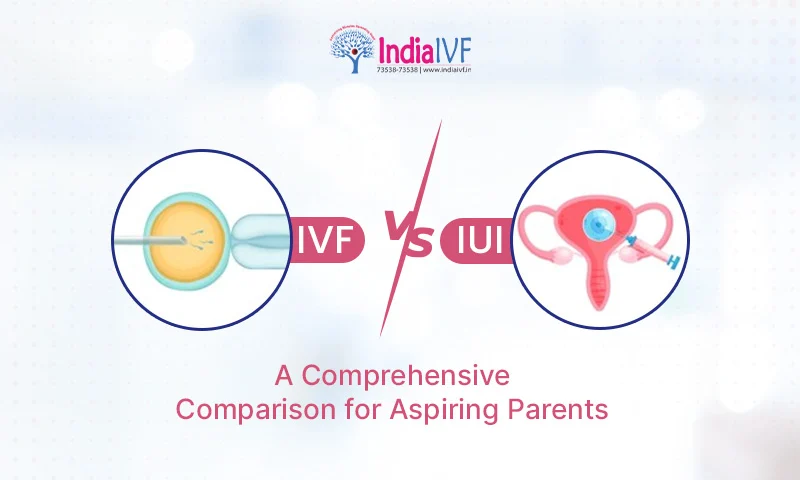
Medical supplies, on the other hand, refer to the instruments and devices used in assisted reproductive techniques, such as intrauterine insemination (IUI) and in vitro fertilization (IVF). These procedures are typically performed in a medical setting, such as a fertility clinic, by a trained healthcare professional.

Understanding the Process: At-Home Insemination Kits vs. Medical Supplies
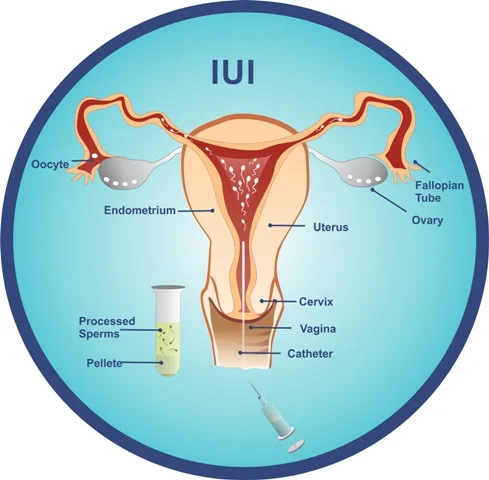
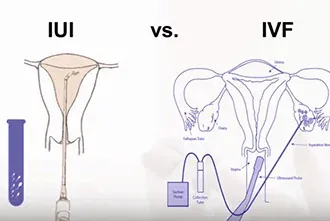
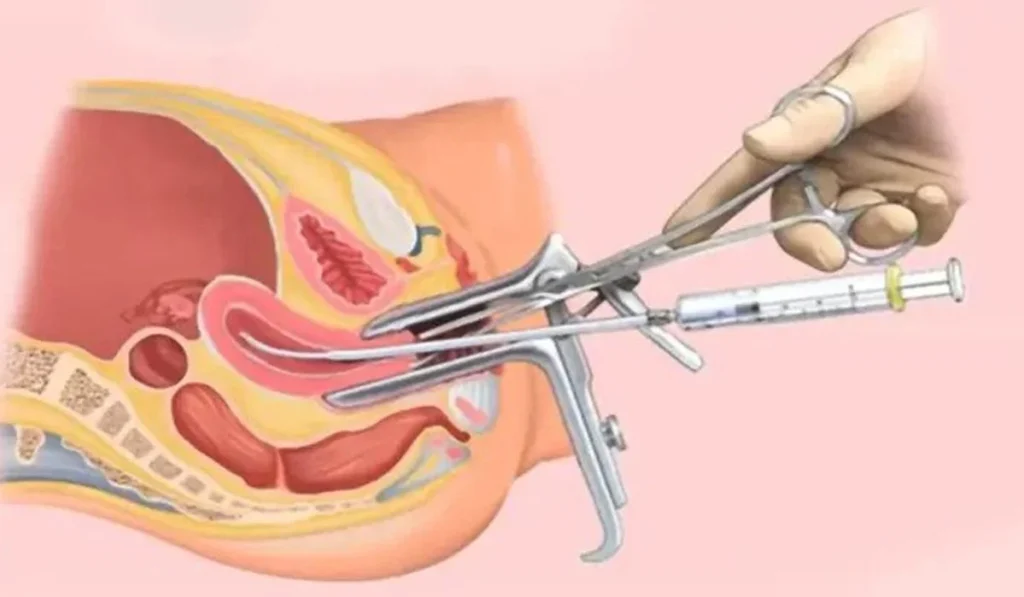
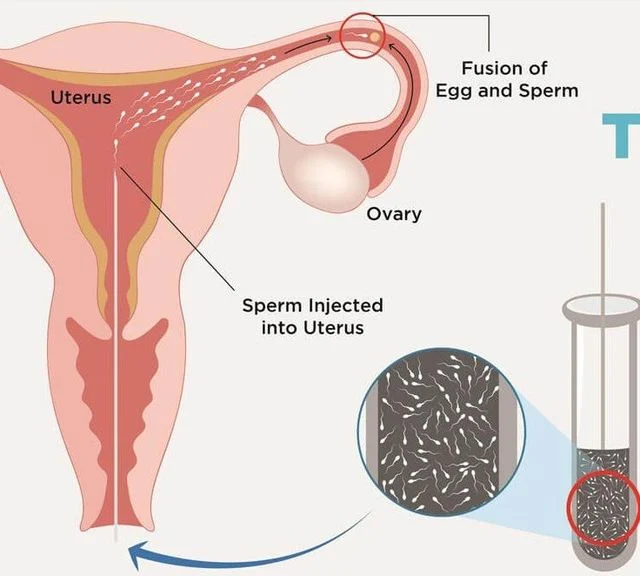
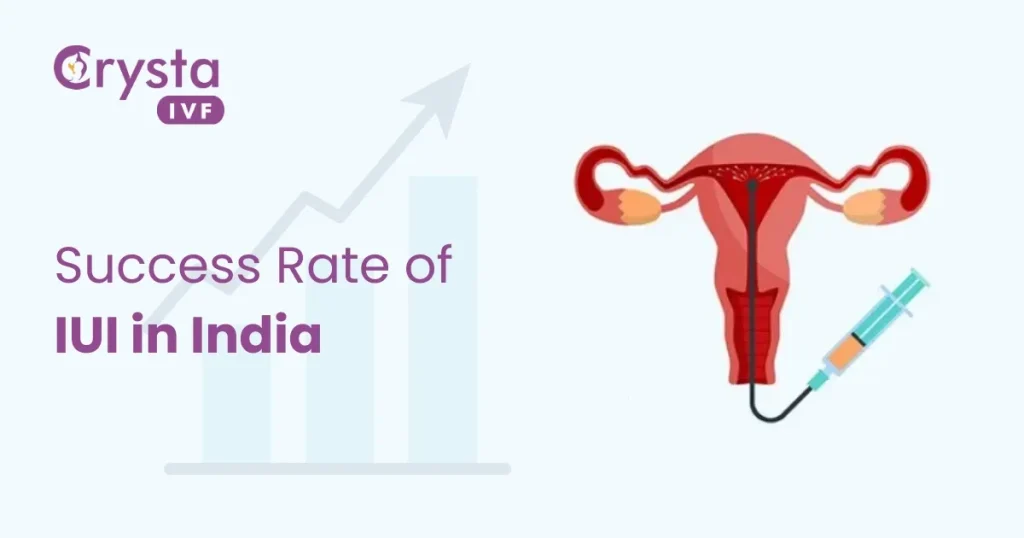
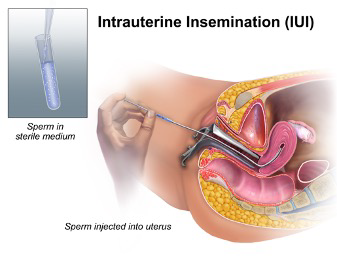
In IUI, a catheter is used to place washed sperm directly into the uterus, bypassing the cervix. This increases the chances of fertilization as the sperm can reach the egg more easily. In IVF, eggs are retrieved from the ovaries and fertilized with sperm in a laboratory dish. The resulting embryos are then transferred into the uterus.
Pros and Cons of Medical Supplies
One of the main advantages of using medical supplies is the higher success rates compared to at-home insemination kits. This is especially true for couples who may have fertility issues or for those who have been trying to conceive for a long time without success. Medical procedures also offer a more controlled and monitored environment, which can increase the chances of a successful pregnancy.
However, there are also some drawbacks to using medical supplies. These procedures can be expensive and may not be covered by insurance. They also require multiple visits to the clinic and may involve hormonal treatments that can have side effects.
Which Option is Right for You?
The decision between at-home insemination kits and medical supplies ultimately comes down to personal preference and individual circumstances. For couples or individuals who are in good health and have no known fertility issues, at-home insemination kits may be a viable option to try before seeking medical assistance. However, for those who have been struggling to conceive or have known fertility issues, medical procedures may be a better option.
It is also essential to consider the emotional and psychological impacts of both options. For some, the privacy and convenience of at-home insemination may be more appealing, while others may prefer the support and guidance of a medical professional during the process.
In conclusion, both at-home insemination kits and medical supplies can be effective methods for achieving pregnancy. It is important to weigh the pros and cons of each option and to consult with a healthcare professional before making a decision. With the right approach and support, couples and individuals can increase their chances of successfully conceiving and starting a family.
Summary:
At-home insemination kits and medical supplies are two options for couples and individuals who are trying to conceive. At-home kits offer convenience and privacy, but may have lower success rates and carry a risk of infection. Medical supplies, such as those used in IUI and IVF, have higher success rates but are more expensive and involve medical procedures. The decision between the two options depends on personal preference and individual circumstances.