Tag: Genetic testing

  • Male Fertility Tests vs Female Fertility Tests: Which One is Less Invasive?

    Male Fertility Tests vs Female Fertility Tests: Which One is Less Invasive?

    When it comes to fertility testing, both men and women may feel overwhelmed and anxious. For couples trying to conceive, understanding the fertility of both partners is crucial in determining the best course of action. While there are various methods to assess fertility, some may be more invasive than others. In this blog post, we will explore the differences between male and female fertility tests and which one is less invasive.

    What are Male and Female Fertility Tests?

    Before diving into the comparison, it is essential to understand what male and female fertility tests are. Male fertility tests primarily focus on the quality, quantity, and movement of sperm. These tests can help identify any underlying issues that may affect sperm production or function. On the other hand, female fertility tests assess the health and function of the reproductive organs, including the ovaries, uterus, and fallopian tubes. These tests also evaluate the hormone levels that play a crucial role in the menstrual cycle and ovulation.

    1. Male Fertility Tests

    a. Semen Analysis

    The most common male fertility test is a semen analysis. This test involves collecting a semen sample and examining it under a microscope to assess the quantity and quality of sperm. The sample is typically obtained through masturbation and can be done at a fertility clinic or at home. It is a non-invasive and relatively simple test that provides valuable information about sperm count, motility, and morphology.

    b. Hormone Testing

    In some cases, male fertility issues may be due to hormonal imbalances. Hormone testing involves a blood test to measure the levels of hormones such as testosterone, prolactin, and follicle-stimulating hormone (FSH). These hormones play a crucial role in sperm production and can help identify any underlying hormonal issues that may be affecting fertility.

    c. Genetic Testing

    Genetic testing is recommended for men with a family history of genetic disorders or those who have low sperm count or motility. This test involves a blood sample to check for genetic abnormalities that may affect fertility. While it is not a routine test, it can provide valuable information for couples struggling with infertility.

    2. Female Fertility Tests
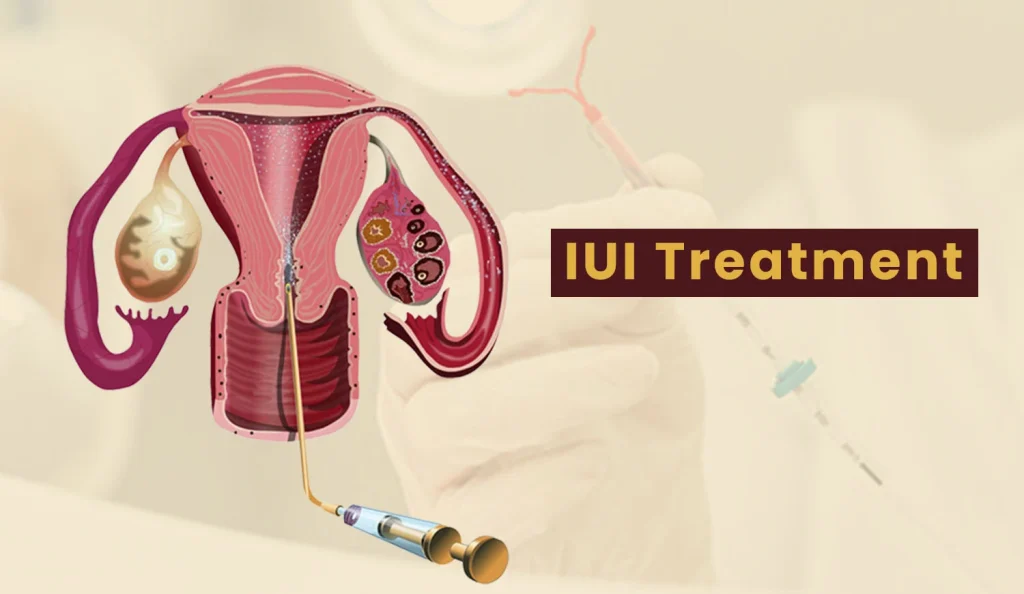
    illustration of the uterus and ovaries with a syringe, labeled "IUI Treatment" in the background

    Male Fertility Tests vs Female Fertility Tests: Which One is Less Invasive?

    a. Ovulation Testing

    Ovulation testing is often the first step in assessing female fertility. This test involves tracking the changes in hormone levels throughout the menstrual cycle to determine when ovulation occurs. It can be done through urine or blood tests, and it helps identify the most fertile days for conception.

    b. Imaging Tests

    Imaging tests, such as ultrasounds, can help assess the health of the reproductive organs. For women, these tests can detect any abnormalities or issues with the uterus, ovaries, and fallopian tubes. They are non-invasive and can provide valuable information about the structure and function of the reproductive organs.

    c. Hysterosalpingography (HSG)

    HSG is a type of imaging test that involves injecting a dye into the uterus and fallopian tubes. This test can help identify any blockages or abnormalities in the fallopian tubes, which can prevent fertilization. While it may cause some discomfort, it is a minimally invasive procedure that can provide important information about female fertility.

    Which One is Less Invasive?

    Both male and female fertility tests have their own advantages and limitations. However, when it comes to invasiveness, male fertility tests tend to be less invasive than female fertility tests. Most male fertility tests involve collecting a semen sample or a simple blood test, which can be done in the comfort of one’s home or at a fertility clinic. On the other hand, female fertility tests may involve more invasive procedures, such as HSG, which can cause discomfort and require a visit to a medical facility.

    Moreover, male fertility tests are also less time-consuming and do not require multiple appointments or extensive tracking. In contrast, female fertility tests may involve several appointments and monitoring throughout the menstrual cycle, which can be stressful and time-consuming.

    However, it is important to note that the invasiveness of fertility tests may vary depending on the individual’s specific situation and needs. For some men, genetic testing or a more in-depth semen analysis may be necessary, which can be more invasive. Similarly, for women with underlying health conditions, more invasive tests may be required to accurately assess fertility.

    In conclusion, both male and female fertility tests are essential in understanding and addressing fertility issues. While male fertility tests tend to be less invasive, the invasiveness of these tests may vary depending on the individual’s needs. It is crucial for couples to consult with a healthcare professional to determine the most appropriate and effective fertility testing methods for their specific situation.

    Summary:

    Fertility testing is crucial for couples trying to conceive, and it involves assessing the fertility of both partners. Male fertility tests primarily focus on sperm quality and quantity, while female fertility tests assess the health and function of the reproductive organs and hormones. Male fertility tests tend to be less invasive than female fertility tests, as they typically involve collecting a semen sample or a simple blood test. However, the invasiveness of fertility tests may vary depending on the individual’s specific situation and needs. It is important for couples to consult with a healthcare professional to determine the most appropriate and effective fertility testing methods for their situation.
  • Genetic Testing and Fertility: How It Differs for Men and Women

    Genetic Testing and Fertility: How It Differs for Men and Women

    Genetic testing is a medical procedure that involves analyzing a person’s DNA to identify any genetic mutations or abnormalities. This process has become increasingly popular in recent years, particularly in the field of fertility. While genetic testing can provide valuable information for both men and women, the way it affects fertility differs between the two sexes. In this blog post, we will explore the differences in genetic testing for men and women when it comes to fertility, including the reasons for testing, the types of tests available, and the potential impact on fertility treatment options.

    Why Genetic Testing is Important for Fertility

    Genetic testing has become an important aspect of fertility treatment for both men and women. For couples struggling with infertility, genetic testing can help identify potential underlying causes and guide treatment options. It can also provide crucial information for couples considering assisted reproductive techniques, such as in vitro fertilization (IVF).

    For women, genetic testing can help identify genetic mutations or disorders that may affect their fertility. These can include conditions such as Polycystic Ovary Syndrome (PCOS), endometriosis, and chromosomal abnormalities. Knowing about these issues can help women make informed decisions about their reproductive health, including when to start a family and which fertility treatments may be most effective.

    For men, genetic testing can also provide valuable information about their fertility. It can identify conditions that may affect sperm quality and quantity, such as Klinefelter syndrome, cystic fibrosis, and Y chromosome deletions. This information can be crucial for men who are facing fertility issues or considering sperm donation.

    Types of Genetic Testing for Fertility

    There are several types of genetic tests available for both men and women when it comes to fertility. These include carrier screening, preimplantation genetic testing, and prenatal testing.

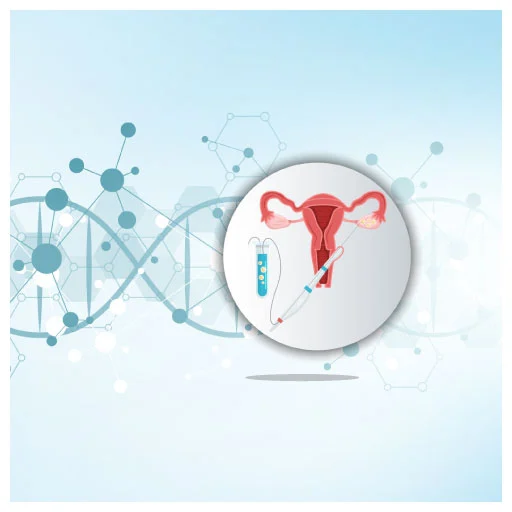
    Illustration of IUI procedure with uterus and syringe against a DNA background.

    Genetic Testing and Fertility: How It Differs for Men and Women

    Carrier screening involves testing individuals for genetic mutations that can be passed on to their children. It is usually recommended for couples who have a family history of genetic disorders or are at a higher risk of being carriers. For women, this may include screening for conditions such as cystic fibrosis, spinal muscular atrophy (SMA), and Fragile X syndrome. For men, carrier screening may be done for conditions such as hemophilia, Duchenne muscular dystrophy, and Tay-Sachs disease.

    Preimplantation genetic testing (PGT) is a procedure that involves testing embryos created through IVF for genetic abnormalities before implantation in the uterus. This allows for the selection of healthy embryos and can reduce the risk of passing on genetic disorders to the child. PGT can be used for both men and women, but it is more commonly used in cases where there is a known genetic mutation or a history of genetic disorders in the family.

    Prenatal testing, on the other hand, is done during pregnancy to detect any genetic disorders or abnormalities in the fetus. It can be done through non-invasive methods such as blood tests or through more invasive procedures like amniocentesis and chorionic villus sampling (CVS). Prenatal testing is recommended for women who are at higher risk of having a child with a genetic disorder.

    Impact on Fertility Treatment Options

    Genetic testing can have a significant impact on fertility treatment options for both men and women. For women, knowing about any genetic disorders or mutations can help them make informed decisions about starting a family and choosing the right fertility treatment. It can also help doctors tailor treatment plans to address any underlying genetic issues, potentially improving the chances of a successful pregnancy.

    For men, genetic testing can provide crucial information about sperm quality and quantity, which can affect the success of fertility treatments. If a man has a genetic condition that affects his sperm, it may be necessary to use sperm donation to achieve pregnancy. In some cases, genetic testing can also identify genetic conditions that may make it impossible for a man to father a child biologically, and adoption or surrogacy may be considered as alternative options.

    In cases where both partners undergo genetic testing, the results can impact the decision to use their own genetic material or opt for donor sperm or eggs. It can also help couples understand the likelihood of passing on a genetic disorder to their child and make decisions about undergoing PGT or prenatal testing.

    Conclusion

    In conclusion, genetic testing plays a significant role in fertility for both men and women. It can help identify potential underlying issues, guide treatment options, and reduce the risk of passing on genetic disorders to children. However, the way it affects fertility differs between the sexes, with women facing potential issues related to their reproductive health and men facing potential issues related to sperm quality and quantity. With advancements in technology and the availability of a variety of genetic tests, couples struggling with fertility can now have a better understanding of their genetic makeup and make informed decisions about their reproductive health.

  • The Waiting Game: How Long Do Fertility Tests Take for Men and Women?

    Blog Post:

    The journey to parenthood is an exciting and emotional one. For many couples, trying to conceive can be a long and difficult process. And for those who are struggling with fertility issues, the waiting game can be even more challenging. One of the first steps in understanding and addressing fertility problems is undergoing fertility tests. But how long do these tests take for men and women? In this blog post, we will explore the various fertility tests available and the time it takes for both men and women to complete them.

    Fertility Tests for Women:

    1. Ovulation Tests:
    The first step in understanding fertility in women is to determine if and when ovulation is happening. This can be done through ovulation tests, which typically involve tracking basal body temperature, changes in cervical mucus, and using ovulation predictor kits. These tests can take anywhere from a few days to a few weeks to complete, depending on the length of a woman’s cycle and the accuracy of the tests.

    2. Hormone Tests:
    Hormone tests are crucial in understanding a woman’s reproductive health. These tests measure the levels of hormones such as estrogen, progesterone, luteinizing hormone (LH), and follicle-stimulating hormone (FSH). These tests can be done through blood work or saliva samples and usually take a few days to a week to complete.

    3. Ultrasound:
    Ultrasound is another common fertility test for women. It involves using sound waves to create images of the reproductive organs. This test can help identify any abnormalities or disorders that may affect fertility. An ultrasound typically takes about 20-30 minutes to complete.

    4. Hysterosalpingography (HSG):
    HSG is a procedure that uses X-rays and a special dye to examine the uterus and fallopian tubes. This test can help identify any blockages or abnormalities in the reproductive system. It usually takes about 15-30 minutes to complete and may require a day or two for recovery.

    5. Laparoscopy:
    Laparoscopy is a minimally invasive surgical procedure that involves inserting a small camera through a small incision in the abdomen. This procedure allows doctors to examine the reproductive organs and detect any issues that may affect fertility. Laparoscopy can take up to an hour to complete and may require a few days for recovery.

    Fertility Tests for Men:

    1. Semen Analysis:
    The most common fertility test for men is a semen analysis. This test involves collecting a sample of semen and analyzing it for sperm count, motility, and morphology. The process usually takes about a week to complete, including the time needed for sperm to fully develop.

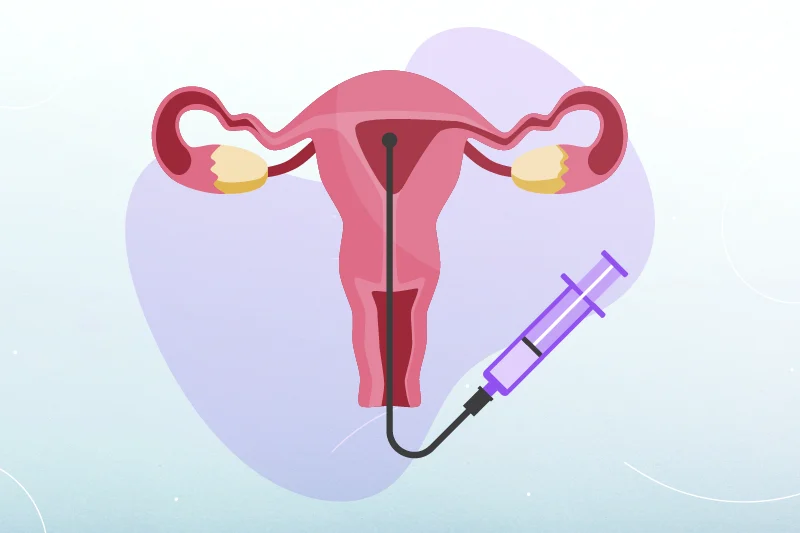
    Illustration of the uterus with a syringe, depicting the intrauterine insemination procedure.

    The Waiting Game: How Long Do Fertility Tests Take for Men and Women?

    2. Hormone Tests:
    Similar to women, hormone tests are also essential for men’s fertility. These tests measure the levels of testosterone, luteinizing hormone (LH), follicle-stimulating hormone (FSH), and prolactin. These tests can be done through blood work and usually take a few days to a week to complete.

    3. Ultrasound:
    Ultrasound can also be used to examine the male reproductive system. This test helps detect any blockages or abnormalities in the reproductive organs. It usually takes about 20-30 minutes to complete.

    4. Testicular Biopsy:
    In some cases, a testicular biopsy may be necessary to diagnose fertility problems in men. This procedure involves removing a small sample of testicular tissue for analysis. It can take up to a week to receive the results of the biopsy.

    5. Genetic Testing:
    In rare cases, genetic testing may be recommended for men experiencing fertility issues. This test can help identify any genetic disorders that may affect fertility. The results of genetic testing can take several weeks to months to come back.

    The Waiting Game:

    Overall, the time it takes to complete fertility tests for men and women varies depending on the type of test and the individual’s reproductive health. Most tests can be completed within a few days to a few weeks, but in some cases, it may take longer. It is essential to consult with a fertility specialist to determine which tests are necessary and how long each test may take to complete.

    In addition to the time it takes to complete the tests, there is also the waiting game for the results. This can be a stressful and emotional time for couples. It is important to stay positive and to communicate with your partner during this process. Remember, fertility issues are common, and there are many options available to help couples conceive.

    In conclusion, fertility tests are an essential step in understanding and addressing fertility problems for both men and women. The time it takes to complete these tests can vary, but it is crucial to be patient and communicate with your doctor throughout the process. With the right treatment and support, many couples can overcome fertility issues and achieve their dream of starting a family.

    Summary:

    Fertility tests are an essential step in understanding and addressing fertility problems for both men and women. The time it takes to complete these tests can vary, with ovulation tests and hormone tests taking a few days to a few weeks, ultrasounds taking 20-30 minutes, and laparoscopy or HSG taking longer. For men, semen analysis is the most common test, and hormone tests, ultrasound, and testicular biopsy may also be required. Genetic testing can take several weeks to months to get results. It is important to consult with a fertility specialist and communicate with your partner during this process. With the right treatment and support, many couples can overcome fertility issues and achieve their dream of starting a family.

  • The Impact of Donor Selection: Intrauterine Insemination vs Donor Insemination

    Blog Post: The Impact of Donor Selection: Intrauterine Insemination vs Donor Insemination

    In recent years, there has been a significant increase in the use of assisted reproductive technologies to help couples conceive. One of the most commonly used methods is donor insemination, where sperm from a donor is used to fertilize the woman’s eggs. However, there is also a lesser-known technique called intrauterine insemination (IUI), which involves placing washed sperm directly into the uterus. Both of these methods have their own unique advantages and disadvantages, especially when it comes to donor selection. In this blog post, we will explore the impact of donor selection on the success rates and overall experience of both intrauterine insemination and donor insemination.

    Intrauterine Insemination (IUI)

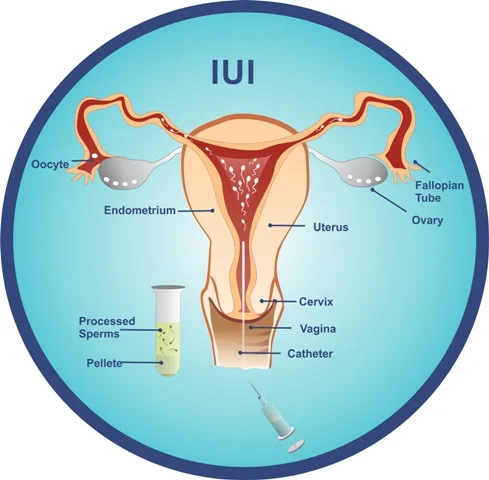
    Intrauterine insemination, also known as artificial insemination, is a fertility treatment that involves placing washed sperm into the uterus through a thin catheter. This method is often used for couples who are experiencing male factor infertility or unexplained infertility. It can also be used for single women or same-sex female couples who require donor sperm to conceive.

    When it comes to donor selection for IUI, the process is quite different compared to donor insemination. Unlike donor insemination, where the sperm donor is anonymous, IUI allows the couple to select a known donor, such as a friend or family member. This can be a significant advantage for the couple as they have the opportunity to choose someone they know and trust to be the biological father of their child.

    However, this also means that the couple needs to carefully consider their choice of donor. Factors such as physical characteristics, medical history, and genetic screening all need to be taken into account. In addition, the donor must go through extensive testing to ensure that they are healthy and their sperm is of good quality. This can be a time-consuming and emotionally taxing process for both the couple and the potential donor.

    Donor Insemination (DI)

    Donor insemination, on the other hand, involves using sperm from an anonymous donor to fertilize the woman’s eggs. This method is often used for couples with severe male factor infertility, single women, or same-sex couples who require donor sperm to conceive. The sperm donor is carefully screened and selected by the fertility clinic, and the couple has no contact with the donor.

    diagram illustrating intrauterine insemination (IUI) with labeled reproductive anatomy and procedures

    The Impact of Donor Selection: Intrauterine Insemination vs Donor Insemination

    One of the major advantages of donor insemination is the anonymity of the donor. This can be beneficial for couples who do not want their child to have a known genetic connection to someone outside of their family. It also eliminates the need for the couple to go through the process of selecting and screening a known donor.

    However, the lack of involvement in the donor selection process can also be a disadvantage for some couples. They may feel disconnected from the genetic makeup of their child, and the child may have questions about their biological father in the future. In addition, the limited information provided about the donor can be a concern for some couples, especially when it comes to potential genetic health risks.

    Success Rates and Risks

    When it comes to success rates, there is no significant difference between IUI and DI. Both methods have a similar success rate of around 20-25% per cycle. However, this can vary depending on factors such as the age of the woman, the quality of the sperm, and the reason for infertility.

    One of the main risks associated with both IUI and DI is the potential transmission of genetic diseases. While donors are thoroughly screened, there is still a small chance that a genetic disease or disorder could be passed on to the child. This is why it is crucial for couples to carefully consider their donor selection and undergo thorough genetic testing.

    The emotional impact of donor selection

    The decision to use donor sperm for conception can be a challenging and emotional one for many couples. The process of selecting a donor, whether known or anonymous, can bring about feelings of uncertainty, anxiety, and even grief. It is essential for couples to discuss their feelings and concerns with each other and seek support from a therapist or support group if needed.

    Furthermore, the child may also have questions and emotions surrounding their conception and the identity of their biological father. It is crucial for parents to be open and honest with their child about their origins and provide support and guidance as they navigate their feelings.

    In summary, both intrauterine insemination and donor insemination are valid and effective methods of assisted reproduction. The choice between the two will ultimately depend on the individual needs and preferences of the couple. While IUI allows for a known donor and more involvement in the selection process, DI offers the advantage of anonymity. Regardless of which method is chosen, careful consideration and thorough screening of the donor is crucial for the health and well-being of the child.

  • The Cost of Privacy: IUI vs DI

    Blog Post:

    In today’s world, privacy has become a major concern for many individuals and families. With the rise of technology and social media, it has become increasingly difficult to maintain a sense of privacy. This is especially true for couples who are looking to start a family through assisted reproductive technologies, such as intrauterine insemination (IUI) and donor insemination (DI). These methods have their own unique benefits and challenges, but one aspect that often gets overlooked is the cost of privacy.

    IUI, also known as artificial insemination, involves the insertion of washed and concentrated sperm directly into the uterus during a woman’s ovulation period. This can be done using the partner’s sperm or donor sperm. On the other hand, DI involves the use of donor sperm, which is obtained from a sperm bank or a known donor, and the insemination process is similar to IUI.

    One of the main differences between IUI and DI is the level of privacy involved. With IUI, the couple has the option to use the partner’s sperm, which allows them to maintain the privacy of their genetic information. However, if the couple decides to use donor sperm, they must disclose this information to their healthcare provider and any future children born through the procedure.

    On the other hand, DI involves the use of donor sperm, which means that the couple will have to disclose this information to their healthcare provider and any future children. This can have a significant impact on the privacy of the couple and their future child. In some cases, the donor’s information may be disclosed to the child when they reach a certain age, which can raise questions and challenges for the family.

    Aside from the emotional and psychological impact, the cost of privacy also comes with a financial burden. IUI is usually less expensive compared to DI, as it only involves the cost of sperm washing and insertion. DI, on the other hand, involves purchasing donor sperm, which can range from a few hundred to thousands of dollars depending on the donor’s characteristics and the sperm bank. This cost can add up significantly, especially if multiple attempts are needed for a successful pregnancy.

    illustration of an intrauterine insemination procedure with medical instruments and anatomical details

    The Cost of Privacy: IUI vs DI

    Moreover, with DI, there is also the added cost of legal fees if the couple decides to use a known donor. This is to ensure that all legal rights and responsibilities are properly established and protected for both the donor and the couple. This can add to the overall cost of the procedure and may not be covered by insurance.

    Another factor to consider is the cost of genetic testing. With IUI, the partner’s genetic information is known, and there is no need for genetic testing. However, with DI, there is a possibility that the donor’s genetic information may not be fully known or disclosed, which may require the couple to undergo genetic testing to ensure the health of the child. This can add to the overall cost of the procedure and may not be covered by insurance.

    Aside from the financial aspect, the cost of privacy also includes the time and effort that the couple needs to invest in the process. With IUI, the partner’s sperm is readily available, and the couple can proceed with the procedure without any delays. However, with DI, the couple needs to go through the process of selecting a donor, which can take time and require thorough research to find the right match. This can add to the stress and emotional toll on the couple, especially if they have been struggling with infertility.

    In conclusion, while IUI and DI both have their own benefits and challenges, the cost of privacy is an important factor to consider. IUI may be a more affordable option, but it also allows the couple to maintain their privacy. On the other hand, DI involves a higher cost and a lack of privacy, which can have a significant impact on the couple and their future child. It is essential for couples to carefully consider their options and weigh the cost of privacy before making a decision.

    Summary:

    Intrauterine insemination (IUI) and donor insemination (DI) are two assisted reproductive technologies that differ in terms of privacy. With IUI, the couple can choose to use the partner’s sperm, which allows them to maintain their privacy. However, with DI, the use of donor sperm means that the couple needs to disclose this information to their healthcare provider and future children, which can have a significant emotional and financial impact. The cost of privacy includes the financial burden of purchasing donor sperm and potential legal fees, as well as the time and effort needed to find the right donor. It is important for couples to carefully consider the cost of privacy before deciding on which method to choose.

  • Intrauterine Insemination vs Donor Insemination: A Physician’s Perspective

    Intrauterine Insemination vs Donor Insemination: A Physician’s Perspective

    For couples struggling with fertility, there are various options available to help them conceive. Two of the most common methods are intrauterine insemination (IUI) and donor insemination (DI). As a physician, it is important to understand the differences between these two procedures and to guide patients in making an informed decision. In this blog post, we will discuss the similarities and differences between IUI and DI, their success rates, and potential considerations for patients.

    Understanding Intrauterine Insemination (IUI)

    Intrauterine insemination (IUI) is a fertility treatment that involves placing sperm directly into the uterus during the woman’s ovulation. This procedure is often recommended for couples facing male factor infertility, unexplained infertility, or cervical factor infertility. It may also be recommended for same-sex couples or single women who desire to use donor sperm to conceive.

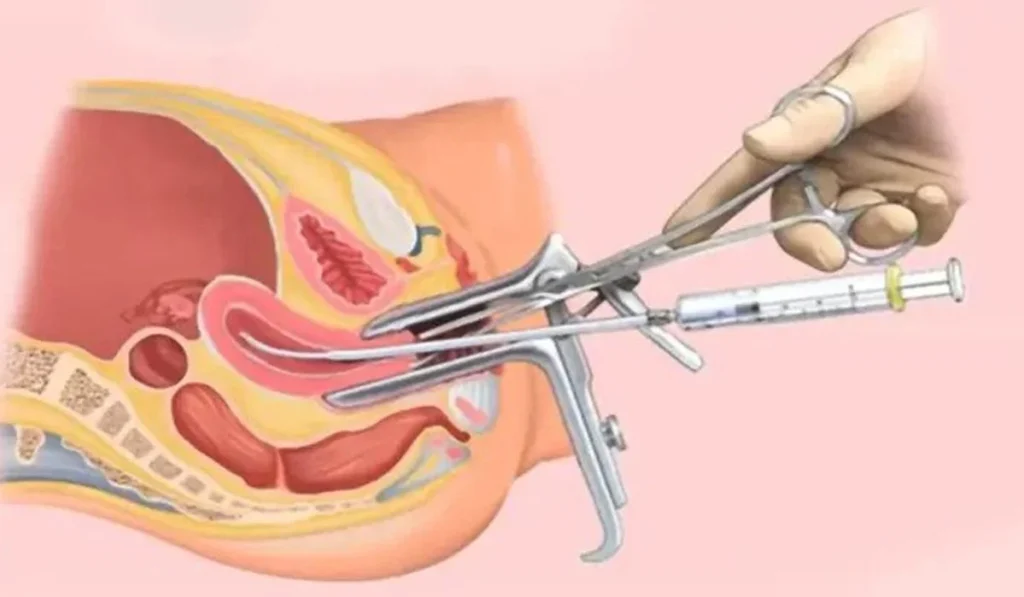
    The IUI process starts with semen collection from either the male partner or a sperm donor. The semen is then washed and prepared in the laboratory to separate the sperm from the seminal fluid. This process helps to remove any potential irritants in the semen and concentrate the sperm, increasing the chances of fertilization. During the procedure, a thin catheter is inserted through the cervix and into the uterus, where the washed sperm is injected. This process bypasses any potential barriers that may prevent sperm from reaching the egg, increasing the chances of fertilization.

    Understanding Donor Insemination (DI)

    Donor insemination (DI) is a fertility treatment that involves using sperm from a donor to achieve pregnancy. This procedure is often recommended for couples facing severe male factor infertility, same-sex couples, or single women. It may also be recommended for couples who have a history of recurrent pregnancy loss or genetic disorders and wish to avoid passing it on to their child.

    Comparison of IUI and IVF with illustrations of each procedure.

    Intrauterine Insemination vs Donor Insemination: A Physician's Perspective

    The DI process starts with selecting a sperm donor from a sperm bank based on desired characteristics, such as physical appearance, education, and medical history. Before the sperm is used, it undergoes extensive testing to rule out any genetic or infectious diseases. The sperm is then thawed and prepared for insemination, similar to the IUI process. The procedure is the same as IUI, with the difference being the source of the sperm.

    Success Rates

    When it comes to success rates, both IUI and DI have similar rates of success. According to the American Pregnancy Association, the success rate for IUI ranges from 10-20% per cycle, while the success rate for DI ranges from 15-20% per cycle. However, the success rates may vary depending on factors such as age, cause of infertility, and overall health of the couple.

    Considerations for Patients

    When considering IUI or DI, there are various factors that patients should take into account. Firstly, IUI is a less invasive procedure compared to DI, as it involves using the male partner’s sperm. This may be a more comfortable option for some couples. However, for couples facing severe male factor infertility, DI may be the only viable option.

    Another consideration is the cost. IUI is generally less expensive than DI, as it does not involve purchasing donor sperm. However, for couples who require multiple cycles of IUI, the cost may add up. On the other hand, DI may have a higher upfront cost, but it may result in pregnancy sooner.

    Genetic considerations are also important. With DI, couples have the option to choose a sperm donor with desired genetic traits and undergo extensive testing to ensure a healthy pregnancy. However, with IUI, there is a chance of passing on any genetic disorders or diseases from the male partner’s sperm.

    In summary, both IUI and DI are viable options for couples struggling with fertility. As a physician, it is important to consider each couple’s unique situation and guide them towards the best option for their specific needs. The success rates for both procedures are similar, and factors such as cost, invasiveness, and genetic considerations should be taken into account when making a decision.

  • The Role of Genetics: IUI vs DI

    Blog Post:

    Genetics play a crucial role in the conception of a child. In today’s modern world, there are various assisted reproductive techniques available for couples struggling with infertility. Two common methods are Intrauterine Insemination (IUI) and Donor Insemination (DI). While both methods involve the use of donor sperm, the difference lies in the source of the sperm. IUI uses the sperm from the male partner, while DI involves the use of donor sperm from a third-party. In this blog post, we will discuss the role of genetics in IUI and DI, and how they differ from each other.

    The Role of Genetics in IUI:

    In IUI, the male partner’s sperm is collected and washed to remove any impurities or dead sperm. Then, it is inserted directly into the woman’s uterus during her ovulation period. The goal of IUI is to increase the chances of fertilization by placing the sperm closer to the egg. This method is commonly used for couples with male factor infertility, low sperm count, or unexplained infertility.

    In IUI, the genetic makeup of the child is solely determined by the male partner’s sperm. This means that the child will have a biological connection to the father. However, there is still a possibility of inheriting genetic disorders or diseases from the father’s sperm. This is why it is crucial for couples to go through genetic testing before proceeding with IUI to ensure that there are no underlying genetic issues that could be passed on to the child.

    The Role of Genetics in DI:

    In DI, the sperm is obtained from a donor and is used to fertilize the woman’s egg through artificial insemination. This method is commonly used for same-sex female couples, single women, or couples with severe male factor infertility.

    Unlike IUI, the genetic makeup of the child in DI is determined by the donor’s sperm. This means that the child will not have any biological connection to the father. However, it is essential to note that the donor’s genetic history and health are thoroughly screened to ensure that there are no hereditary diseases or disorders that could be passed on to the child.

    The Difference in Genetic Risks:

    IVF vs IUI comparison with illustrations of reproductive processes and a flower on a pregnant belly.

    The Role of Genetics: IUI vs DI

    While both IUI and DI involve the use of donor sperm, the genetic risks differ between the two methods. In IUI, the child may inherit genetic disorders or diseases from the male partner, while in DI, the child may inherit genetic issues from the donor. However, it is worth mentioning that the risks in both methods are relatively low due to the rigorous screening process that donors and male partners go through.

    The Importance of Genetic Testing:

    As mentioned earlier, genetic testing is crucial for both IUI and DI to ensure the health and well-being of the child. In IUI, it is essential to test the male partner to rule out any underlying genetic issues that could be passed on to the child. In DI, both the donor and the recipient are required to undergo genetic testing to ensure that there are no hereditary diseases or disorders that could be inherited by the child.

    Genetic testing also allows couples to make informed decisions about their reproductive options. If the male partner or donor has a genetic disorder that could potentially be passed on to the child, couples can explore other options such as using donor eggs or pursuing adoption.

    The Emotional Aspect:

    The decision to pursue IUI or DI can be emotionally challenging for couples. In IUI, the child will have a biological connection to the father, while in DI, there will be no biological connection. This can be a sensitive topic for couples, and it is essential to have open and honest communication about their feelings and expectations.

    Moreover, in DI, the child may have questions about their biological father and their genetic makeup. This is why it is crucial for couples to consider how they will handle these questions and prepare for them in advance.

    In conclusion, genetics play a significant role in the conception of a child through assisted reproductive techniques such as IUI and DI. While both methods involve the use of donor sperm, the difference lies in the source of the sperm and the genetic risks associated with each method. It is crucial for couples to undergo genetic testing and have open communication about their options to make informed decisions about their reproductive journey.

    Summary:

    The role of genetics is crucial in assisted reproductive techniques, such as Intrauterine Insemination (IUI) and Donor Insemination (DI). While IUI uses the male partner’s sperm, DI involves the use of donor sperm. In IUI, the child will have a biological connection to the father, while in DI, there will be no genetic connection to the donor. It is essential for couples to undergo genetic testing and have open communication about their options to make informed decisions about their reproductive journey.

  • Fertility Clinics vs Hospitals: The Role of Genetics in Treatment

    Title: Fertility Clinics vs Hospitals: The Role of Genetics in Treatment

    Introduction:
    Fertility issues are a common problem that affects many couples worldwide. With advancements in technology, there are now various treatment options available to help couples struggling with infertility. However, when it comes to deciding between fertility clinics and hospitals for treatment, many factors need to be considered. One crucial aspect that often plays a significant role in the success of fertility treatment is genetics. In this blog post, we will discuss the role of genetics in fertility treatment and compare fertility clinics and hospitals in terms of their approach to genetic testing and treatment.

    Genetics and Infertility:
    Genetics play a vital role in fertility, and it is estimated that up to 15% of couples struggling with infertility have a genetic cause. In some cases, genetic disorders can lead to infertility, while in others, they can affect the success of fertility treatments. Therefore, understanding the role of genetics in infertility is crucial in determining the most effective treatment approach.

    Fertility Clinics:
    Fertility clinics are specialized centers that offer a range of services to help couples conceive. These clinics have highly trained and experienced staff, including reproductive endocrinologists, embryologists, and genetic counselors, who work together to provide personalized treatment plans for each patient. Fertility clinics often have a holistic approach to treatment, considering all factors that may affect fertility, including genetics.

    Role of Genetics in Fertility Clinics:
    Fertility clinics understand the significance of genetics in fertility, and they offer various genetic testing options to their patients. These tests can help identify genetic disorders that may be causing infertility and determine the best course of treatment. Some of the most common genetic tests offered by fertility clinics include carrier screening, preimplantation genetic testing, and chromosomal analysis. These tests not only help with the diagnosis of genetic disorders but also help in selecting the best embryos for transfer during IVF procedures.

    Genetic Counseling:
    Fertility clinics also provide genetic counseling services to their patients. This involves discussing the results of genetic testing and the potential risks and implications of any inherited disorders. Genetic counselors help patients understand their options and make informed decisions about their treatment.

    Illustration of the uterus with a syringe, depicting the intrauterine insemination procedure.

    Fertility Clinics vs Hospitals: The Role of Genetics in Treatment

    Hospitals:
    Hospitals, on the other hand, are primary healthcare facilities that offer a broad range of medical services, including fertility treatment. Unlike fertility clinics, hospitals are more focused on treating medical conditions rather than specialized fertility services. However, many hospitals have fertility clinics within their premises, offering a more comprehensive range of fertility services.

    Role of Genetics in Hospitals:
    While hospitals may not have the same level of expertise and experience in fertility treatment as specialized fertility clinics, they still recognize the importance of genetics in fertility. Therefore, many hospitals offer genetic testing and counseling services to their patients. However, the level of expertise and resources may vary from hospital to hospital, and they may not have the same range of genetic testing options as fertility clinics.

    Comparison:
    When it comes to the role of genetics in fertility treatment, fertility clinics have a clear advantage over hospitals. Fertility clinics have a team of experts who specialize in reproductive genetics and have access to advanced genetic testing options, making them better equipped to handle genetic issues in fertility treatment. Moreover, fertility clinics have a more personalized approach to treatment, considering each patient’s genetic profile to develop the most effective treatment plan.

    On the other hand, hospitals may not have the same level of expertise in reproductive genetics, and their genetic testing options may be limited. However, some patients may prefer hospitals due to their familiarity and trust with their doctors, and they may feel more comfortable receiving treatment in a hospital setting.

    Conclusion:
    In conclusion, genetics play a crucial role in fertility, and it is essential to consider them when seeking treatment. Fertility clinics have a clear advantage over hospitals in terms of expertise and resources when it comes to genetic testing and counseling. However, both fertility clinics and hospitals recognize the importance of genetics in fertility treatment and strive to provide the best possible care to their patients.

    Summary:
    Fertility clinics and hospitals are both options for couples seeking fertility treatment. However, when it comes to the role of genetics in treatment, fertility clinics have an advantage due to their specialized expertise and resources. Fertility clinics offer a range of genetic testing options and genetic counseling services, while hospitals may have limited resources in this area. Ultimately, the decision between fertility clinics and hospitals for treatment should be based on individual preferences and needs.

  • The Future of Fertility Treatment: Innovations in Clinics and Hospitals

    Blog post title: The Future of Fertility Treatment: Innovations in Clinics and Hospitals

    Introduction:
    In the past few decades, fertility treatment has advanced significantly, giving hope to millions of couples struggling with infertility. From in vitro fertilization (IVF) to donor sperm and egg, these treatments have helped many individuals and families achieve their dream of having a child. However, as technology continues to advance, the future of fertility treatment looks even more promising. In this blog post, we will explore the latest innovations in clinics and hospitals that are shaping the future of fertility treatment.

    The Rise of Artificial Intelligence:
    Artificial intelligence (AI) is revolutionizing the way we approach fertility treatment. With the help of AI, doctors and scientists are able to analyze vast amounts of data to better understand how the human body works and how it responds to various treatments. This has led to the development of predictive models that can help identify the most effective treatment for each individual patient. AI is also being used to improve embryo selection, resulting in higher success rates for IVF.

    Miniature IVF:
    Traditional IVF involves stimulating a woman’s ovaries to produce multiple eggs, which are then retrieved and fertilized in a lab. However, this process can be physically and emotionally taxing for women. To address this, the concept of miniature IVF has emerged. In this approach, lower doses of medication are used to stimulate the ovaries, resulting in the production of fewer but healthier eggs. This not only reduces the risk of complications but also makes the process less invasive and more affordable.

    Genetic Testing:
    Genetic testing has been a part of fertility treatment for some time now, but advancements in technology have made it more precise and accessible. With preimplantation genetic testing (PGT), embryos created through IVF can be screened for genetic disorders before being transferred to the uterus. This helps reduce the chances of passing on genetic diseases to the child and increases the chances of a successful pregnancy.

    IVF vs IUI comparison with illustrations of reproductive processes and a flower on a pregnant belly.

    The Future of Fertility Treatment: Innovations in Clinics and Hospitals

    Innovations in Egg and Sperm Freezing:
    Egg and sperm freezing have become increasingly popular options for individuals who want to preserve their fertility for later in life. However, traditional methods of freezing can result in damage to the cells. To overcome this, new techniques such as vitrification have been developed. This method involves ultra-rapid freezing, which prevents the formation of ice crystals and results in a higher survival rate of eggs and sperm upon thawing.

    The Use of Stem Cells:
    Stem cell therapy has shown promising results in treating various medical conditions, and now it is being explored for fertility treatment as well. Research has shown that stem cells have the potential to regenerate damaged ovaries and sperm-producing cells. This could be a game-changer for individuals who are unable to conceive due to ovarian or testicular damage.

    Fertility Preservation for Cancer Patients:
    Cancer treatments such as chemotherapy and radiation can have a devastating effect on fertility. To address this, fertility preservation has become an essential part of cancer treatment. This involves freezing eggs, sperm, or embryos before undergoing cancer treatment, so that they can be used to start a family in the future. With advancements in technology, the success rates of fertility preservation have significantly increased, giving hope to cancer patients who wish to have children.

    The Role of Telemedicine:
    Telemedicine, or the use of technology to provide medical care remotely, has become increasingly popular in the healthcare industry. It has also been adopted by fertility clinics, making it easier for patients to access care from the comfort of their own homes. Through telemedicine, patients can consult with fertility specialists, receive test results, and even monitor their treatment progress without having to physically visit the clinic. This not only saves time and money but also makes fertility treatment more accessible for individuals who live in remote areas.

    Conclusion:
    The future of fertility treatment is full of exciting possibilities, thanks to advancements in technology and medical research. From AI to stem cells, these innovations are making fertility treatment more effective, less invasive, and more accessible. As we continue to explore and develop new techniques, more individuals and couples will be able to fulfill their dream of having a child.

    Summary:
    Fertility treatment has come a long way in the past few decades, and with advancements in technology, the future looks even brighter. The use of artificial intelligence, miniature IVF, genetic testing, and stem cells are just some of the innovations that are shaping the future of fertility treatment. Additionally, advancements in egg and sperm freezing, as well as the use of telemedicine, are making fertility treatment more accessible and effective. These innovations offer hope to millions of couples struggling with infertility, and as technology continues to advance, we can expect even more breakthroughs in the field of fertility treatment.

  • The Genetics Factor: Intrauterine Insemination vs Low-Tech IVF

    Title: The Genetics Factor: Intrauterine Insemination vs Low-Tech IVF

    In the world of assisted reproductive technology, there are various options available for couples struggling with infertility. Intrauterine insemination (IUI) and low-tech in vitro fertilization (IVF) are two commonly used methods that involve manipulating sperm and eggs to increase the chances of pregnancy. However, when it comes to the genetics factor, there are significant differences between the two procedures. In this blog post, we will explore the genetics factor in intrauterine insemination vs low-tech IVF, and help you understand which option may be the most suitable for you.

    What is Intrauterine Insemination?

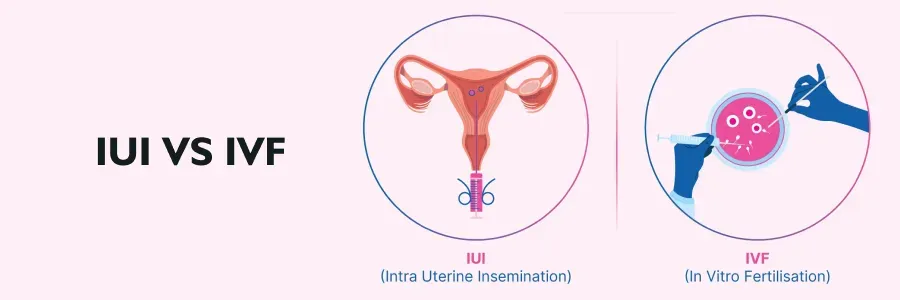
    Intrauterine insemination, also known as artificial insemination, is a fertility treatment that involves placing washed and prepared sperm directly into the uterus during ovulation. This method is often recommended for couples who have unexplained infertility, mild male factor infertility, or when the male partner has difficulty ejaculating. It is a relatively simple and less invasive procedure compared to IVF, and it can be performed with or without fertility drugs to stimulate ovulation.

    The Genetics Factor in Intrauterine Insemination

    One of the main concerns with intrauterine insemination is the potential for genetic disorders. Since the sperm is not genetically tested before being inserted into the uterus, there is a risk of transmitting genetic disorders or chromosomal abnormalities to the baby. This is especially true for couples with a known history of genetic disorders or those who have a higher risk of carrying genetic mutations. In such cases, it is important to consult with a genetic counselor before proceeding with intrauterine insemination.

    Additionally, since IUI involves placing multiple sperm into the uterus, there is a slight chance of fertilizing multiple eggs, resulting in a higher chance of multiple pregnancies. This can increase the risk of complications during pregnancy and delivery, as well as the possibility of genetic disorders in the babies.

    What is Low-Tech IVF?

    Low-tech IVF, also known as natural cycle IVF, is a variation of traditional IVF that uses minimal or no fertility drugs to stimulate the ovaries. Instead, it relies on the natural ovulation cycle of the woman. The procedure involves collecting a single egg, fertilizing it with sperm in a lab, and transferring the resulting embryo into the uterus.

    IVF vs IUI comparison graphic highlighting reproductive methods for aspiring parents.

    The Genetics Factor: Intrauterine Insemination vs Low-Tech IVF

    The Genetics Factor in Low-Tech IVF

    Unlike IUI, low-tech IVF involves genetic testing of the sperm and the egg before fertilization. This means that only healthy sperm and eggs are used, reducing the risk of transmitting genetic disorders to the baby. Additionally, since only a single egg is fertilized and transferred, there is a lower chance of multiple pregnancies and the associated genetic risks.

    Moreover, low-tech IVF also allows for preimplantation genetic testing (PGT), which involves screening the embryos for genetic abnormalities before they are transferred into the uterus. This can significantly reduce the risk of genetic disorders in the baby, making it a safer option for couples with a known history of genetic disorders.

    Which Option is Right for You?

    The decision between intrauterine insemination and low-tech IVF ultimately depends on your individual circumstances. If you have a higher risk of carrying genetic disorders or have a known history of genetic disorders in your family, low-tech IVF may be the better option for you. However, if you have unexplained infertility or mild male factor infertility, IUI may be a suitable and less invasive option.

    It is crucial to consult with a fertility specialist and a genetic counselor to determine the most suitable treatment plan for your specific situation. They can help you understand the genetic risks associated with each procedure and guide you in making an informed decision.

    In conclusion, when it comes to the genetics factor, low-tech IVF may have an edge over intrauterine insemination due to the genetic testing and screening involved. However, both procedures have their own advantages and it is essential to weigh the pros and cons and consult with a medical professional before making a decision.

    Summary:

    Intrauterine insemination (IUI) and low-tech in vitro fertilization (IVF) are two common fertility treatments that involve manipulating sperm and eggs to increase the chances of pregnancy. However, when it comes to the genetics factor, there are significant differences between the two procedures. IUI involves a risk of transmitting genetic disorders, while low-tech IVF involves genetic testing and screening of the sperm and eggs to reduce this risk. The decision between the two ultimately depends on individual circumstances and it is important to consult with a fertility specialist and a genetic counselor for personalized guidance.