Tag: fertility clinic

  • Choosing the Right Fertility Facility: Clinics vs Hospitals

    Choosing the Right Fertility Facility: Clinics vs Hospitals

    Fertility treatment is a life-changing decision for many couples and individuals. It can be a long and emotional journey, and choosing the right fertility facility is crucial to the success of the treatment. With so many options available, it can be overwhelming to decide between a fertility clinic and a hospital. In this blog post, we will explore the differences between these two types of facilities and help you make an informed decision on which one is right for you.

    Fertility Clinics:

    Fertility clinics are specialized medical facilities that focus solely on providing fertility treatments. These clinics are often run by reproductive endocrinologists who have extensive training and experience in treating infertility. They offer a wide range of services, including diagnostic testing, assisted reproductive technologies (ART), and fertility surgeries.

    One of the main advantages of fertility clinics is their specialized focus on fertility treatments. This means that the doctors, nurses, and staff are highly trained and experienced in dealing with all types of fertility issues. They have the latest equipment and technology to provide the best possible care for their patients.

    Fertility clinics also offer a more personalized experience for patients. As they deal exclusively with fertility treatments, the staff and doctors are more empathetic and understanding of the emotional toll that infertility can take on individuals and couples. They provide a supportive and comfortable environment for patients, making the process less stressful and more manageable.

    Another benefit of fertility clinics is that they often have a higher success rate compared to hospitals. This is because they have a more specialized team and advanced technology specifically designed for fertility treatments.

    However, there are also some drawbacks to fertility clinics. One of the main concerns is the cost. Since these clinics focus solely on fertility treatments, they tend to be more expensive than hospitals. Additionally, they may not offer a full range of medical services, so if any complications arise during the treatment, patients may have to be referred to a hospital for further care.

    Hospitals:

    Hospitals, on the other hand, are general medical facilities that offer a wide range of services, including fertility treatments. They have various departments and specialists who deal with different medical conditions, including infertility. Hospitals have a larger team of healthcare professionals, including doctors, nurses, technicians, and support staff, making them more equipped to handle emergencies and complex cases.

    One of the main advantages of hospitals is their comprehensive range of medical services. If any complications arise during the fertility treatment, patients can receive immediate medical attention without having to be transferred to another facility. This can be especially beneficial for patients with underlying medical conditions that may affect their fertility.
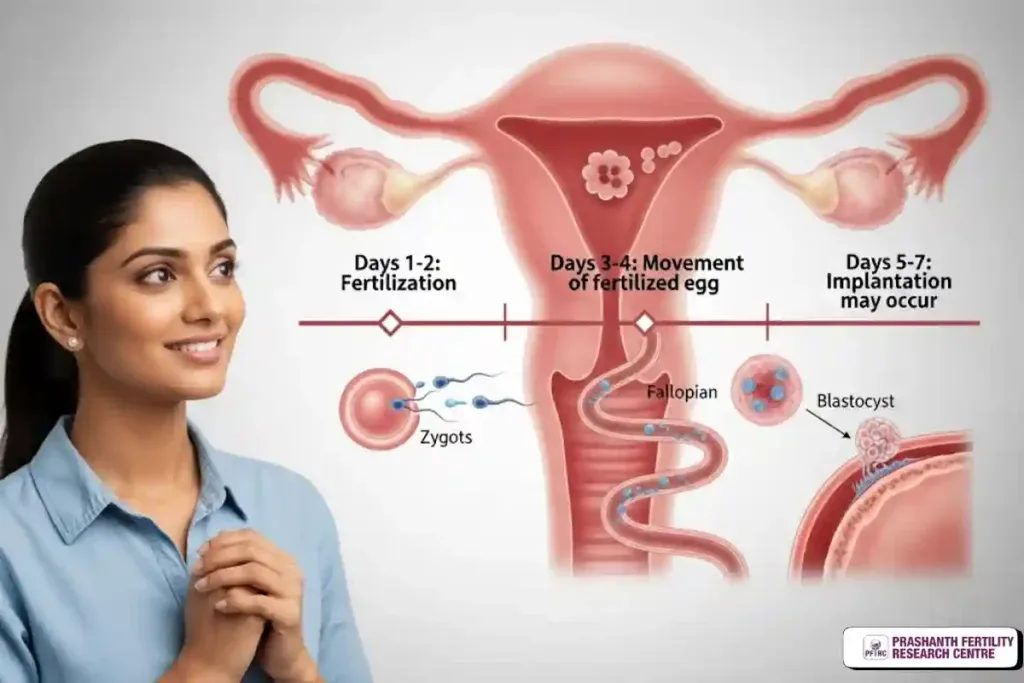
    Illustration showing fertilization and implantation timeline with a woman looking hopeful.

    Choosing the Right Fertility Facility: Clinics vs Hospitals

    Hospitals also tend to be more affordable compared to fertility clinics. As they offer a wide range of services, they can spread their costs across different departments, making fertility treatments more accessible to a broader range of patients.

    However, one of the downsides of hospitals is that they may not have a specialized team for fertility treatments. The doctors and staff may not have extensive experience in dealing with infertility, which can affect the success rate of the treatment. Additionally, hospitals can be busy and overwhelming, which may not provide the same level of comfort and support as a fertility clinic.

    How to Decide:

    Choosing between a fertility clinic and a hospital ultimately depends on your personal preferences and specific medical needs. Here are some factors to consider when making your decision:

    1. Success Rates: Look into the success rates of both the fertility clinics and hospitals in your area. This can give you an idea of which facility has a higher chance of helping you achieve a successful pregnancy.

    2. Specialized Services: If you have a specific fertility issue, it is essential to find a facility that specializes in treating that condition. For example, if you need a fertility surgery, a hospital may be a better option as they have more specialized surgical equipment and experience.

    3. Cost: Fertility treatments can be costly, so it is crucial to consider the costs of both options. Fertility clinics may be more expensive, but they may also have more affordable payment plans or financing options.

    4. Location: Consider the location of the facility and how it will affect your treatment. If you need to make frequent visits, a facility that is closer to your home or work may be more convenient.

    5. Personal Preferences: Think about the environment and atmosphere that you prefer. If you want a more personalized and supportive experience, a fertility clinic may be the better choice. However, if you prefer a more comprehensive medical approach, a hospital may be more suitable.

    Summary:

    Choosing between a fertility clinic and a hospital is a personal decision that depends on various factors. Fertility clinics offer specialized care, personalized experience, and higher success rates, but they can be more expensive. On the other hand, hospitals have a comprehensive range of services, lower costs, and can handle emergencies, but they may not have a specialized team for fertility treatments. Ultimately, it is essential to research and consider your individual needs and preferences to make the right decision.

  • Home Insemination vs Clinical Insemination: Legal Considerations for International Surrogacy

    Blog Post:

    International surrogacy has become an increasingly popular option for couples and individuals who are struggling with infertility or are unable to carry a child themselves. This process involves using a surrogate mother in a different country to carry and give birth to a child for the intended parents. However, there are two main methods of insemination that can be used in international surrogacy: home insemination and clinical insemination. While both methods have their own set of advantages and disadvantages, it is important to understand the legal considerations that come with each option.

    Home Insemination:

    Home insemination, also known as self-insemination, involves the intended parents collecting and inseminating the sperm themselves in the comfort of their own home. This method is often preferred by couples or individuals who wish to have a more intimate and personal experience with the insemination process. It is also a more affordable option, as it eliminates the need for medical professionals and clinic fees.

    However, when it comes to international surrogacy, home insemination can be a legal minefield. In many countries, the laws surrounding surrogacy are unclear or non-existent, making it difficult for intended parents to navigate the legal process. This is especially true for home insemination, as it is not a regulated medical procedure and therefore, may not be recognized as a valid method of conception in certain countries.

    One of the major legal considerations with home insemination in international surrogacy is the issue of parentage. In some countries, the surrogate mother is automatically considered the legal mother of the child, regardless of the genetic connection to the intended parents. This can lead to complicated legal battles and potential custody issues for the intended parents. Additionally, if the surrogate mother decides to keep the child, the intended parents may have little legal recourse to fight for custody.

    Another potential issue with home insemination is the lack of medical oversight. Without the guidance of a medical professional, there is a higher risk of complications or health concerns for both the surrogate mother and the child. In the event of a medical emergency, it may be difficult to obtain proper medical care in a foreign country, especially if the language and cultural barriers are present.

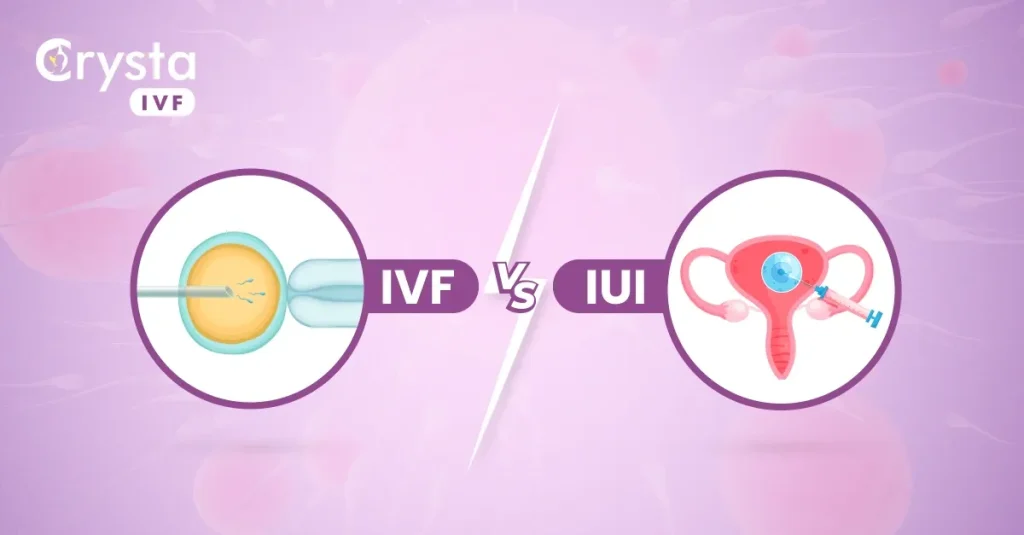
    Comparison of IUI and IVF, illustrating procedures and definitions for each fertility treatment.

    Home Insemination vs Clinical Insemination: Legal Considerations for International Surrogacy

    Clinical Insemination:

    Clinical insemination, on the other hand, involves the use of a fertility clinic and medical professionals to facilitate the insemination process. This method is often seen as a safer and more reliable option, as it is regulated and monitored by medical experts. It also provides a greater sense of security for the intended parents, as the legalities of the surrogacy process are handled by the clinic.

    In terms of legal considerations, clinical insemination may be a more favorable option for international surrogacy. Many countries have laws and regulations in place for assisted reproduction, making the process more transparent and legally binding for all parties involved. This can provide the intended parents with a sense of security and peace of mind, knowing that the legalities of the surrogacy process are being handled by professionals.

    Additionally, clinical insemination can help alleviate some of the concerns surrounding parentage. With medical records and documentation from the fertility clinic, it may be easier to establish the genetic connection of the intended parents to the child. This can also help prevent any potential legal battles over custody in the future.

    However, clinical insemination also comes with its own set of challenges and considerations. The cost of using a fertility clinic can be significantly higher than home insemination, making it a less accessible option for some intended parents. This may also limit the number of countries that the intended parents can choose from for their surrogacy journey, as not all countries have well-established assisted reproduction laws and clinics.

    Additionally, intended parents may face cultural and language barriers when using a fertility clinic in a foreign country. This can make the process more challenging and may require the use of a third-party agency to help navigate the legal and cultural differences.

    Summary:

    International surrogacy is a complex and often emotionally charged process, and the method of insemination chosen can greatly impact the legal considerations for the intended parents. While home insemination may be a more intimate and affordable option, it can also present legal challenges and risks, particularly when it comes to parentage. Clinical insemination, while more regulated and secure, may be a more expensive and logistically challenging option. Ultimately, it is important for intended parents to thoroughly research and understand the legal implications of both home insemination and clinical insemination before embarking on their international surrogacy journey.

  • Home Insemination vs Clinical Insemination: Legal Considerations for Surrogacy

    Home Insemination vs Clinical Insemination: Legal Considerations for Surrogacy

    Surrogacy is a medical process in which a woman carries a pregnancy for another couple or individual who is unable to conceive on their own. It is a complex and emotional journey that involves many legal considerations, especially when it comes to the method of insemination. While there are two main methods of insemination – home insemination and clinical insemination – each has its own set of legal implications that need to be carefully considered before making a decision. In this blog post, we will explore the legal aspects of both home insemination and clinical insemination in the context of surrogacy.

    Home Insemination

    Home insemination, also known as self-insemination, is a process in which the intended parents (or intended parent) perform the insemination themselves, usually at home. This method involves collecting the sperm from the intended father (or a sperm donor) and using a syringe or other device to inseminate the surrogate. Home insemination is a popular choice for couples who want to have a more intimate and personal experience during the surrogacy process.

    Legal Considerations:

    1. Parental Rights: One of the main legal considerations with home insemination is establishing parental rights. In most cases, the surrogate is not biologically related to the child, so it is essential to have a legal agreement in place to ensure that the intended parents have full parental rights after the birth. This agreement should also outline the responsibilities of the intended parents and the surrogate during the pregnancy and after the birth.

    2. Sperm Donation Laws: In some states, there are laws that regulate sperm donation, including who can donate, how many times they can donate, and the legal rights of the donor. It is crucial to research and understand these laws before proceeding with home insemination to avoid any legal issues in the future.

    3. Medical Screening: While home insemination may seem like a simpler and more private option, it is important to note that medical screening is still necessary for the intended parents and the surrogate. This screening ensures that the surrogate is physically and mentally fit to carry a pregnancy and that the intended parents are healthy and do not carry any genetic diseases that could be passed on to the child.

    4. Legal Parentage: The legal parentage of the child is another critical consideration in home insemination. In some states, the surrogate may be considered the legal mother of the child, even if she is not biologically related. This can lead to complex legal battles and conflicts in the future. Therefore, it is important to consult with a legal professional to ensure that the intended parents’ names are on the birth certificate and they have full parental rights from the start.

    Comparison of IUI and IVF treatments with diagrams of reproductive anatomy.

    Home Insemination vs Clinical Insemination: Legal Considerations for Surrogacy

    Clinical Insemination

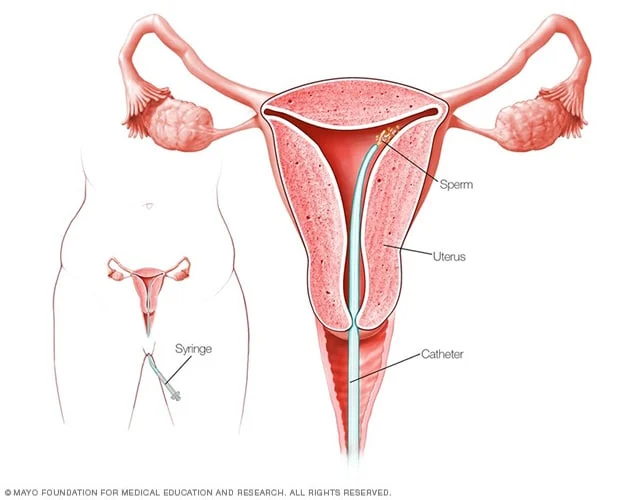
    Clinical insemination, also known as intrauterine insemination (IUI), is a medical procedure that involves placing prepared sperm directly into the uterus of the surrogate. This method is usually performed in a fertility clinic by a trained medical professional and is the most common method of insemination used in surrogacy arrangements.

    Legal Considerations:

    1. Fertility Clinic Requirements: One of the key legal considerations with clinical insemination is the requirements of the fertility clinic. Each clinic may have its own set of rules and regulations that need to be followed, including the age and health of the intended parents, the number of embryos that can be transferred, and the type of legal agreements that need to be in place.

    2. Legal Contracts: As with home insemination, it is essential to have a legal contract in place between the intended parents and the surrogate. However, in clinical insemination, this contract may also need to include the fertility clinic as a party. This is to ensure that all parties’ rights and responsibilities are clearly outlined and agreed upon before the procedure takes place.

    3. Medical Expenses: Since clinical insemination is a medical procedure, there will be significant medical expenses involved. It is crucial to discuss and agree upon these expenses with the surrogate before proceeding with the insemination. This can include the cost of the procedure, any potential complications, and any other medical expenses that may arise during the pregnancy.

    4. Legal Parentage: Similar to home insemination, establishing legal parentage is a significant consideration in clinical insemination. It is important to consult with a legal professional to ensure that the intended parents have full parental rights from the start and that their names are on the birth certificate.

    Summary:

    Surrogacy is a complex and emotional journey that involves many legal considerations. When it comes to the method of insemination, both home insemination and clinical insemination have their own set of legal implications that need to be carefully considered. Home insemination may offer a more intimate and personal experience, but it is essential to establish parental rights and address sperm donation laws, medical screening, and legal parentage. On the other hand, clinical insemination is a medical procedure that requires fertility clinic requirements, legal contracts, and discussions about medical expenses and legal parentage. Consulting with a legal professional is crucial to navigate these legal considerations and ensure a smooth and successful surrogacy journey.

  • Intrauterine Insemination vs Intracervical Insemination: A Comparison of Clinic Options

    Intrauterine Insemination vs. Intracervical Insemination: A Comparison of Clinic Options

    In the world of fertility treatments, there are various options available for couples struggling to conceive. Two common methods are intrauterine insemination (IUI) and intracervical insemination (ICI). While both procedures involve the placement of sperm into the female reproductive tract, there are some key differences between IUI and ICI that couples should consider when deciding which option is best for them. In this blog post, we will explore the differences between these two procedures and compare the clinic options available for each.

    What is Intrauterine Insemination (IUI)?

    Intrauterine insemination, also known as artificial insemination, is a fertility treatment that involves placing washed and concentrated sperm directly into the uterus during a woman’s ovulation period. This procedure is usually performed in a fertility clinic and is often recommended for couples with unexplained infertility, mild male factor infertility, or cervical issues.

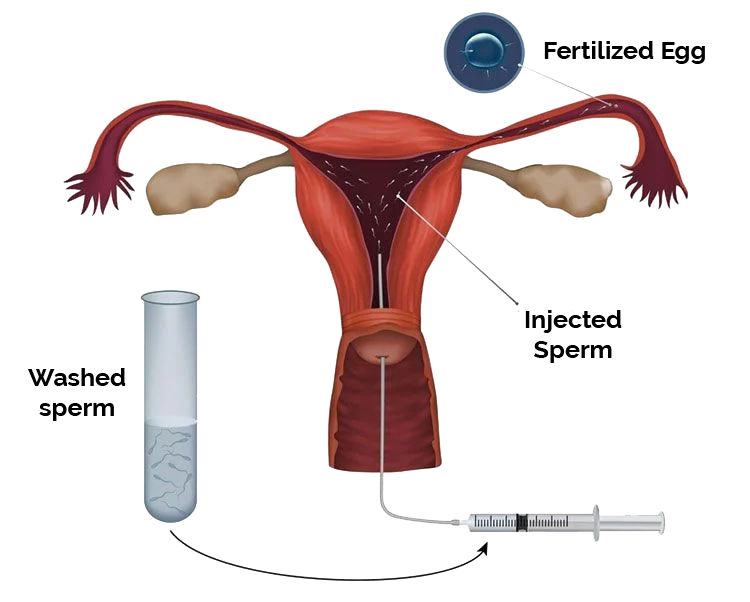
    The first step of IUI involves a woman taking fertility medication to stimulate her ovaries and produce multiple eggs. This is followed by regular monitoring through ultrasounds and blood tests to determine when ovulation is about to occur. Once ovulation is detected, a semen sample is collected from the male partner or a sperm donor and washed to remove any seminal fluid. The washed sperm is then placed directly into the uterus using a thin catheter, bypassing the cervix and increasing the chances of fertilization.

    What is Intracervical Insemination (ICI)?

    Intracervical insemination, also known as cervical insemination, is a fertility treatment that involves placing sperm into the cervix during a woman’s ovulation period. This procedure can be performed at home using a cervical cap or in a clinic setting. ICI is often recommended for couples with male factor infertility or same-sex female couples using donor sperm.

    Unlike IUI, ICI does not involve ovarian stimulation or monitoring. Instead, the woman tracks her ovulation using methods such as ovulation predictor kits or tracking her basal body temperature. When ovulation is detected, the sperm is collected and inserted into the cervix using a syringe or a cervical cap. The sperm then has to travel through the cervix and into the uterus to fertilize the egg.

    Clinic Options for IUI and ICI

    Both IUI and ICI can be performed at a fertility clinic or at home. However, there are some important differences between the two options that couples should consider.

    Fertility Clinic Options for IUI

    IUI is typically performed in a fertility clinic by a reproductive endocrinologist. These clinics have specialized equipment and trained staff to perform the procedure safely and effectively. The advantage of having IUI performed at a clinic is that the sperm sample is washed and prepared by the clinic, ensuring the highest quality and concentration of sperm. Additionally, regular monitoring and ultrasounds can help determine the best time for insemination, increasing the chances of success.

    However, the cost of IUI at a fertility clinic can be quite expensive, ranging from $500 to $4,000 per cycle, depending on factors such as location and additional treatments. Insurance coverage for IUI also varies, making it an expensive option for some couples.

    At-Home Options for IUI

    Comparison of IUI and IVF treatments with diagrams of reproductive anatomy.

    Intrauterine Insemination vs Intracervical Insemination: A Comparison of Clinic Options

    Some couples may choose to perform IUI at home using a home insemination kit. These kits include a syringe, catheter, and instructions for the procedure. The advantage of this option is that it can be more affordable, with kits costing around $100-$300. However, at-home IUI may not have the same success rates as clinic-performed IUI, as the sperm is not washed and prepared by professionals, and there is no monitoring to determine the best time for insemination.

    Fertility Clinic Options for ICI

    ICI can also be performed at a fertility clinic, but it is more commonly done at home. Some clinics offer home insemination kits, similar to those used for at-home IUI. These kits can be more affordable than IUI at a clinic, with costs ranging from $20 to $200.

    At-Home Options for ICI

    At-home ICI can be done using a cervical cap or a syringe. A cervical cap is a small, soft cup that is placed over the cervix and filled with sperm. It can be purchased at a pharmacy or online. Alternatively, a syringe can be used to insert the sperm directly into the cervix. At-home ICI can be a more affordable option for couples, with costs ranging from $20 to $100.

    Factors to Consider When Choosing Between IUI and ICI

    When deciding between IUI and ICI, there are several factors that couples should consider, including:

    1. The cause of infertility: IUI is often recommended for couples with unexplained infertility or mild male factor infertility, while ICI may be a better option for same-sex female couples or couples with more severe male factor infertility.

    2. Cost: As mentioned earlier, the cost of IUI can be significantly higher than ICI, and this may be a deciding factor for some couples.

    3. Success rates: While both IUI and ICI have relatively high success rates, IUI has been shown to have slightly higher success rates than ICI. However, it is important to note that success rates may vary depending on individual factors such as age and fertility issues.

    4. Convenience: IUI requires more monitoring and visits to the fertility clinic, while ICI can be done at home, making it a more convenient option for some couples.

    5. Personal preference: Ultimately, the decision between IUI and ICI may come down to personal preference. Some couples may feel more comfortable having the procedure done in a clinical setting, while others may prefer the privacy of performing it at home.

    Summary

    Intrauterine insemination (IUI) and intracervical insemination (ICI) are two common fertility treatments that involve placing sperm into the female reproductive tract to increase the chances of conception. IUI is performed at a fertility clinic and involves ovarian stimulation, monitoring, and the placement of washed sperm directly into the uterus. ICI, on the other hand, can be performed at home or in a clinic and involves placing sperm into the cervix. Factors such as cost, success rates, and personal preference should be considered when deciding between IUI and ICI.

  • Understanding the Process: At-Home vs Clinic Intrauterine Insemination

    Understanding the Process: At-Home vs Clinic Intrauterine Insemination

    Intrauterine insemination (IUI) is a form of assisted reproductive technology that involves placing sperm directly into the uterus to increase the chances of pregnancy. It is a commonly used fertility treatment option for couples struggling with infertility. However, there are two main options for undergoing IUI – at-home and in-clinic. In this blog post, we will delve into the differences between these two options and help you understand the process of at-home vs clinic intrauterine insemination.

    At-Home Intrauterine Insemination

    At-home intrauterine insemination is a self-administered procedure that can be done in the comfort of your own home. It involves using a specially designed insemination kit that includes a syringe, a catheter, and sperm collection cups. The process starts with the male partner providing a semen sample, which is then collected in the sperm collection cup. The sperm is then transferred into the syringe and inserted into the female partner’s vagina. Using the catheter, the sperm is then inserted into the uterus. This process is repeated during the woman’s ovulation period to increase the chances of fertilization.

    One of the main advantages of at-home intrauterine insemination is the convenience and privacy it offers. Couples can perform the procedure in the comfort of their own home without the need for frequent visits to a fertility clinic. It also allows for a more intimate and personal experience, as the couple can be together during the process. Additionally, at-home insemination can be a more affordable option compared to in-clinic procedures.

    However, there are some limitations to at-home intrauterine insemination. First and foremost, the success rates are comparatively lower than in-clinic procedures, as there is no medical supervision or guidance during the process. There is also a higher risk of contamination and improper handling of the sperm sample, which can significantly decrease the chances of pregnancy. It is also not recommended for couples with certain fertility issues, such as severe male factor infertility or blocked fallopian tubes.

    In-Clinic Intrauterine Insemination

    diagram illustrating intrauterine insemination (IUI) procedure with uterus, sperm, and catheter labeled

    Understanding the Process: At-Home vs Clinic Intrauterine Insemination

    In-clinic intrauterine insemination involves performing the procedure at a fertility clinic under the supervision of a medical professional. The process is similar to at-home insemination, but the sperm sample is prepared and washed in the laboratory before being inserted into the uterus. This process helps to increase the concentration and motility of the sperm, which can improve the chances of fertilization.

    One of the main advantages of in-clinic intrauterine insemination is the guidance and expertise of a fertility specialist. The medical professionals can monitor the woman’s ovulation and determine the best time for the procedure. They can also provide additional treatments, such as fertility drugs, to increase the chances of success. In-clinic insemination also offers a sterile and controlled environment, reducing the risk of contamination and increasing the chances of pregnancy.

    However, in-clinic insemination can be a more expensive option compared to at-home procedures. It also requires multiple visits to the fertility clinic, which can be time-consuming and inconvenient for some couples. Additionally, the process can be emotionally taxing, as it involves medical intervention and may not always result in a successful pregnancy.

    Which Option is Right for You?

    The decision between at-home and in-clinic intrauterine insemination ultimately depends on your individual needs and preferences. Couples with mild fertility issues and a desire for privacy and convenience may opt for at-home insemination. On the other hand, those with more complex fertility issues may benefit from the guidance and expertise of a fertility specialist in a clinical setting.

    It is crucial to consult with a fertility specialist to determine the best option for you. They can assess your medical history, perform fertility tests, and provide personalized recommendations for your treatment. Whichever option you choose, it is essential to follow the instructions carefully and maintain a positive mindset throughout the process.

    Summary:

    Intrauterine insemination (IUI) is a form of assisted reproductive technology that involves placing sperm directly into the uterus to increase the chances of pregnancy. There are two main options for undergoing IUI – at-home and in-clinic. At-home intrauterine insemination is a self-administered procedure that can be done in the comfort of your own home, while in-clinic insemination is performed at a fertility clinic under the supervision of a medical professional. At-home insemination offers convenience and privacy, whereas in-clinic insemination provides the guidance and expertise of a fertility specialist. The decision between the two options depends on individual needs and preferences, and it is crucial to consult with a fertility specialist before making a decision.

  • Understanding the Success Rates: Home vs Clinic Intrauterine Insemination

    Understanding the Success Rates: Home vs Clinic Intrauterine Insemination

    Intrauterine insemination (IUI) is a commonly used fertility treatment method for couples struggling with infertility. It involves placing washed and prepared sperm directly into the woman’s uterus to increase the chances of fertilization. While IUI can be done at home or at a fertility clinic, many couples wonder about the success rates of each option. In this blog post, we will delve into the differences between home and clinic IUI and understand their success rates.

    Home IUI

    Home IUI involves performing the insemination at home without any medical supervision. This option is usually chosen by couples who prefer a more private and intimate setting for the procedure. In home IUI, the washed and prepared sperm is inserted into the woman’s uterus using a syringe or a soft catheter. It can be done in the comfort of the couple’s own home, eliminating the need for multiple visits to the clinic.

    Success Rates of Home IUI

    The success rates of home IUI can vary significantly depending on various factors such as the woman’s age, the cause of infertility, and the quality of the sperm used. On average, the success rates of home IUI range from 5-20% per cycle. This means that for every 100 couples undergoing home IUI, 5-20 will achieve a successful pregnancy in one cycle. However, these success rates can be affected by factors such as timing of insemination, ovulation, and sperm quality.

    Benefits of Home IUI

    One of the main benefits of home IUI is the convenience and privacy it offers. Couples can perform the procedure at home at a time that is most convenient for them, without having to schedule appointments at the clinic. Home IUI also eliminates the added stress and cost of traveling to the clinic for the procedure. Additionally, many couples feel more comfortable and relaxed in their own home, which can have a positive impact on the success rates.

    Risks of Home IUI

    While home IUI may seem like a convenient and cost-effective option, it does come with certain risks. One of the major risks is the lack of medical supervision. Without proper monitoring and guidance from a medical professional, the chances of a successful pregnancy can be significantly reduced. In some cases, the sperm may not be inserted correctly, leading to lower success rates. Home IUI also does not allow for the use of certain fertility medications that can improve the chances of success.

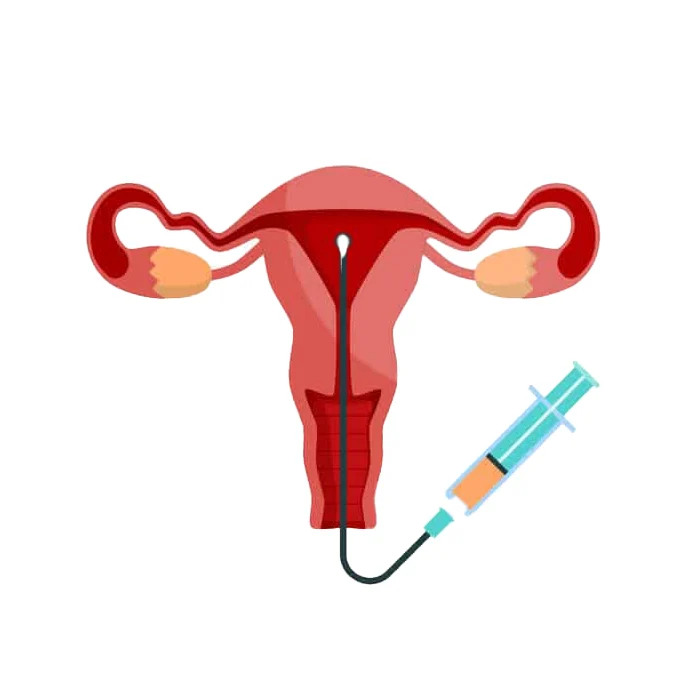
    illustration of a uterus with a syringe for intrauterine insemination (IUI) procedure

    Understanding the Success Rates: Home vs Clinic Intrauterine Insemination

    Clinic IUI

    Clinic IUI, also known as “in-office” or “medical” IUI, involves performing the procedure at a fertility clinic under the supervision of a medical professional. The process is similar to home IUI, except that it is done in a medical setting with proper monitoring and guidance. The sperm is inserted into the uterus using a thin catheter, usually guided by ultrasound.

    Success Rates of Clinic IUI

    The success rates of clinic IUI are generally higher compared to home IUI. On average, the success rates of clinic IUI range from 20-35% per cycle. This means that for every 100 couples undergoing clinic IUI, 20-35 will achieve a successful pregnancy in one cycle. The higher success rates can be attributed to the use of fertility medications and the expertise of medical professionals in monitoring and guiding the procedure.

    Benefits of Clinic IUI

    One of the main benefits of clinic IUI is the medical supervision and guidance provided by fertility specialists. This ensures that the procedure is performed correctly and at the right time, increasing the chances of success. Clinic IUI also allows for the use of fertility medications, which can improve the quality of the woman’s eggs and the sperm used. Additionally, fertility clinics have advanced technologies and equipment that can aid in the procedure, leading to higher success rates.

    Risks of Clinic IUI

    The main risk of clinic IUI is the cost. The procedure can be expensive, especially when combined with fertility medications and other treatments. The need for multiple visits to the clinic also adds to the cost. Additionally, some couples may find the process of going to the clinic and undergoing medical procedures stressful and uncomfortable, which can impact the success rates.

    Which Option is Right for You?

    When it comes to choosing between home and clinic IUI, there is no one-size-fits-all answer. Both options have their own set of benefits and risks, and the decision ultimately depends on individual preferences and circumstances. Couples should consult with a fertility specialist to determine the best option for them based on their medical history and needs.

    In summary, both home and clinic IUI can be effective in helping couples achieve a successful pregnancy. However, clinic IUI generally has higher success rates due to the medical supervision and use of fertility medications. Home IUI offers convenience and privacy, but it comes with the risk of reduced success rates due to lack of medical supervision. Ultimately, couples should carefully weigh the pros and cons of each option and consult with a fertility specialist to make an informed decision.

  • Egg Retrieval vs Egg Sharing: The Importance of Support Systems

    Blog Post:

    Egg retrieval and egg sharing are two methods used in assisted reproductive technology (ART) to help individuals and couples achieve their dreams of having a child. Both options involve the retrieval of eggs from a woman’s ovaries, which are then fertilized with sperm in a laboratory. However, there are significant differences between the two processes, one of which is the level of support systems required for each.

    Egg retrieval is a procedure where a woman’s eggs are retrieved from her ovaries and used to create embryos in a laboratory. This process is typically used by women who want to use their own eggs to conceive a child. On the other hand, egg sharing is a process where a woman donates some of her eggs to another woman or couple who are struggling with infertility. This option is often chosen by women who have a surplus of eggs or who are willing to share their eggs to help others.

    While both egg retrieval and egg sharing involve the same medical procedures, the level of emotional and psychological support needed for each is quite different. Egg retrieval is a more personal and individual journey, while egg sharing involves a deeper level of connection and support from both the donor and the recipient.

    For women going through egg retrieval, the process can be physically and emotionally taxing. The hormone injections, blood tests, and ultrasounds leading up to the actual egg retrieval can cause mood swings, bloating, and discomfort. It can also be emotionally challenging for women who may have been trying to conceive for a long time and are facing the possibility of not being able to use their own eggs.

    In contrast, women who choose to share their eggs are often motivated by a desire to help others. However, this decision also comes with its own set of emotional challenges. Donating eggs involves a significant time commitment, as well as medical procedures and hormonal changes. It can also bring up feelings of loss and grief for some women as they come to terms with the fact that they will not be using those eggs to conceive their own child.

    One of the key differences between egg retrieval and egg sharing is the need for a strong support system. Women going through egg retrieval may rely on their partner, family, and friends for emotional support during the process. They may also seek out support from online communities or support groups specifically for those going through ART.

    Comparison of IVF and IUI procedures with illustrations of each method.

    Egg Retrieval vs Egg Sharing: The Importance of Support Systems

    In comparison, egg sharing involves a more complex support system. Both the donor and the recipient must have a strong support system in place to navigate the emotional and psychological challenges that come with the process. The donor must have a supportive partner or family member who understands and supports their decision to donate eggs. They may also benefit from counseling to help them process their feelings about the donation.

    For the recipient, having a support system in place is crucial as they go through the process of receiving donated eggs. They may lean on their partner, family, and friends for emotional support, but they may also need additional support from a therapist or counselor. The recipient may also have to navigate complex emotions, such as feelings of guilt or gratitude towards the donor.

    Another important factor to consider is the role of the fertility clinic in providing support for both egg retrieval and egg sharing. A good fertility clinic should offer counseling services for both the donor and the recipient, as well as support groups or resources to help them navigate the process. An experienced and compassionate medical team can make a significant difference in the emotional well-being of those going through egg retrieval or egg sharing.

    In addition to emotional support, there are also legal and financial considerations to take into account for both egg retrieval and egg sharing. It is essential for both parties to have a clear understanding of their rights and responsibilities, and to have a legal contract in place to protect everyone involved. There are also financial implications, as the cost of ART procedures can be significant. Having a good support system in place can help alleviate some of the financial burden and stress.

    In conclusion, both egg retrieval and egg sharing are viable options for individuals and couples struggling with infertility. However, the level of support needed for each is quite different. Women going through egg retrieval may need support from family, friends, and online communities, while those participating in egg sharing require a more comprehensive support system involving the donor, recipient, and fertility clinic. It is crucial to have a strong support system in place to help navigate the emotional, legal, and financial complexities of both egg retrieval and egg sharing.

    Summary:

    Egg retrieval and egg sharing are two methods used in assisted reproductive technology to help individuals and couples achieve their dreams of having a child. While both options involve the retrieval of eggs from a woman’s ovaries, the level of support systems required for each is quite different. Egg retrieval is a more personal and individual journey, while egg sharing involves a deeper level of connection and support from both the donor and the recipient. A strong support system is crucial for the emotional, legal, and financial complexities of both egg retrieval and egg sharing. This can include support from family, friends, online communities, and a compassionate fertility clinic.

  • Choosing the Right Clinic: Intrauterine Insemination vs In Vitro Fertilization

    Blog Post Title: Choosing the Right Clinic: Intrauterine Insemination vs In Vitro Fertilization

    Summary:

    Choosing the right fertility clinic can be a daunting task for couples who are struggling with infertility. With numerous options available, it can be overwhelming to determine which treatment is best for their specific needs. Two of the most common fertility treatments are Intrauterine Insemination (IUI) and In Vitro Fertilization (IVF). While both are effective methods of fertility treatment, they have distinct differences that need to be considered when making a decision. In this blog post, we will compare and contrast IUI and IVF to help couples make an informed decision when choosing the right clinic for their fertility journey.

    IUI, also known as artificial insemination, involves placing washed and concentrated sperm directly into the uterus at the time of ovulation. This procedure is less invasive and less expensive compared to IVF, making it a popular choice for couples who have been trying to conceive for less than a year or have mild fertility issues. On the other hand, IVF is a more complex procedure that involves fertilizing the egg with sperm in a lab and then transferring the embryo into the uterus. This process is more expensive and invasive but has a higher success rate, making it a preferred option for couples with severe infertility issues.

    One of the major differences between IUI and IVF is the level of control over the fertilization process. With IUI, the sperm is placed in the uterus and left to naturally reach the egg, whereas in IVF, the fertilization occurs in a lab setting, allowing doctors to have more control and select the healthiest sperm and egg. This is especially beneficial for couples facing male infertility or genetic issues, as IVF can help avoid passing on genetic disorders to the child.

    Illustration of the IUI process, showing a syringe and catheter in the reproductive system.

    Choosing the Right Clinic: Intrauterine Insemination vs In Vitro Fertilization

    Another factor to consider when choosing between IUI and IVF is the success rates. Success rates for IUI vary but are usually around 10-20% per cycle, while IVF has a success rate of 30-40% per cycle. However, it is important to note that success rates depend on various factors such as age, underlying infertility issues, and the quality of the clinic.

    Cost is also a crucial factor to consider when choosing between IUI and IVF. IUI is significantly less expensive compared to IVF, which involves multiple procedures, medications, and lab work. On average, the cost of IUI can range from $300-$1000 per cycle, while IVF can cost anywhere from $12,000-$15,000 per cycle. It is essential to discuss the cost with the clinic beforehand and consider any insurance coverage or financing options that may be available.

    One of the significant differences between IUI and IVF is the level of invasiveness. IUI is a relatively simple and non-invasive procedure that does not require any anesthesia. The process involves inserting a thin catheter through the cervix into the uterus, which may cause mild cramping. On the other hand, IVF is a more invasive procedure that involves hormone injections, egg retrieval, and embryo transfer, all of which require anesthesia. This can be a significant factor for couples when deciding which treatment is best for them.

    The timeline for both IUI and IVF also differs. IUI is a quicker process, with the entire cycle taking around 2-3 weeks, while IVF can take 4-6 weeks or longer depending on various factors. This may be an essential consideration for couples who have time constraints or have been trying to conceive for a long time.

    When it comes to choosing the right fertility clinic for IUI or IVF, it is crucial to do thorough research and consider factors such as success rates, cost, invasiveness, and timeline. It is also essential to have open and honest communication with your doctor and discuss any concerns or questions you may have. Ultimately, the right clinic for you will depend on your specific needs and preferences, and it is vital to choose a clinic that makes you feel comfortable and supported throughout your fertility journey.

    In conclusion, both IUI and IVF are effective fertility treatments that have helped numerous couples achieve their dream of starting a family. While IUI is a more straightforward and less invasive option, IVF has a higher success rate and offers more control over the fertilization process. The decision between IUI and IVF ultimately depends on various factors, and it is crucial to consult with a fertility specialist and choose the best option for your specific needs.

  • Fertility Clinic vs Yoga: Incorporating Mind and Body in the Journey

    Blog Post:

    Fertility Clinic vs Yoga: Incorporating Mind and Body in the Journey

    The journey to parenthood can be one of the most challenging and emotional experiences for couples struggling with infertility. In recent years, more and more people have turned to fertility clinics and assisted reproductive technologies (ART) to help them conceive. However, in the midst of medical treatments and procedures, the importance of the mind-body connection is often overlooked. This is where yoga comes in. The practice of yoga can be a powerful tool in the fertility journey, complementing the treatments and providing a holistic approach to achieve pregnancy. In this blog post, we will explore the benefits of both fertility clinics and yoga, and how incorporating mind and body can enhance the journey to parenthood.

    Fertility Clinics: The Medical Approach

    Fertility clinics offer a range of treatments, from basic fertility testing to advanced ART procedures such as in vitro fertilization (IVF). These clinics are staffed with experienced doctors, nurses, and embryologists who specialize in reproductive medicine. They use cutting-edge technology and techniques to diagnose and treat infertility in both men and women. Fertility clinics can provide hope and options for couples who have been struggling to conceive, and they have a high success rate. However, this medical approach can also be overwhelming and stressful for many couples.

    The Stress of Infertility and Medical Treatments

    Infertility can be a stressful and emotionally draining experience for couples. The constant monitoring, injections, and procedures can take a toll on one’s mental and emotional well-being. Studies have shown that the stress and anxiety associated with infertility can negatively impact the success of fertility treatments. This is where the mind-body connection becomes crucial.

    Yoga: The Holistic Approach

    Yoga is an ancient practice that combines physical postures, breathing techniques, and meditation to improve overall health and well-being. It has gained popularity in recent years as a form of exercise and stress relief, but its benefits go beyond physical fitness. Yoga is a holistic practice that focuses on the mind, body, and spirit. Through the practice of yoga, one can achieve a sense of balance, calmness, and inner peace.

    The Benefits of Yoga in the Fertility Journey

    1. Reduces Stress and Anxiety

    diagram of the female reproductive system with an IUI syringe and test tube for artificial insemination

    Fertility Clinic vs Yoga: Incorporating Mind and Body in the Journey

    Yoga is known for its ability to reduce stress and anxiety. The physical postures, breathing techniques, and meditation help calm the mind and release tension in the body. By incorporating yoga into the fertility journey, couples can manage the stress and anxiety associated with infertility and medical treatments. This can improve the chances of success in fertility treatments.

    2. Regulates Hormones

    Hormonal imbalances can be a common cause of infertility. Yoga can help regulate the endocrine system, which is responsible for producing hormones. Certain yoga poses, such as the supported bridge pose and the legs-up-the-wall pose, can stimulate the ovaries and uterus, improving blood flow and hormone production.

    3. Increases Blood Flow to Reproductive Organs

    Yoga poses that involve twisting and bending can help increase blood flow to the reproductive organs. This can improve the health of the uterus and ovaries, and in turn, increase the chances of conception. Poses such as the seated forward bend and the pigeon pose can be beneficial for fertility.

    4. Improves Emotional Well-being

    The emotional toll of infertility can be immense. Yoga can help improve emotional well-being by calming the mind and reducing negative thoughts and feelings. The practice of mindfulness and meditation can also help couples cope with the emotional challenges of the fertility journey.

    Incorporating Mind and Body: Finding a Balance

    In the journey to parenthood, it is important to find a balance between the medical approach and the holistic approach. Fertility clinics offer advanced treatments that can help couples conceive, while yoga provides a holistic approach to improving overall health and well-being. By incorporating both, couples can experience the benefits of the mind-body connection and enhance their chances of achieving pregnancy.

    Summary:

    In the journey to parenthood, the mind-body connection is often overlooked. While fertility clinics offer advanced medical treatments, the stress and anxiety associated with infertility can negatively impact the success of these treatments. This is where yoga comes in. The ancient practice of yoga offers a holistic approach to improve overall health and well-being, and it can complement the medical treatments in the fertility journey. Yoga can reduce stress and anxiety, regulate hormones, increase blood flow to reproductive organs, and improve emotional well-being. By incorporating both fertility clinics and yoga, couples can find a balance and enhance their chances of achieving pregnancy.

  • Fertility Clinic vs Traditional Chinese Medicine: Which is More Effective?

    Blog Post:

    In today’s society, many couples struggle with infertility and turn to various methods to try and conceive. Two popular options are fertility clinics and traditional Chinese medicine. Both have their own approaches and techniques, but the question remains: which is more effective in helping couples achieve their dream of parenthood? In this blog post, we will explore the differences between these two options and ultimately determine which one may be more beneficial for couples seeking to conceive.

    Fertility Clinics:

    Fertility clinics are medical facilities that specialize in helping couples with fertility issues. They offer a variety of services such as in vitro fertilization (IVF), intrauterine insemination (IUI), and other assisted reproductive technologies. These methods often involve the use of fertility drugs, procedures, and technology to help couples conceive. Fertility clinics usually have a team of doctors, nurses, and other medical professionals who work together to diagnose and treat fertility issues.

    The Pros:

    One of the main advantages of fertility clinics is their use of advanced technology and procedures. These methods have been proven to be effective in helping couples conceive, especially for those with severe fertility issues. Fertility clinics also have a high success rate, with some studies showing success rates of up to 50% or higher. This gives couples hope and reassurance that their chances of conceiving are significantly increased.

    Another benefit of fertility clinics is the personalized and individualized treatment plans. Each couple’s situation is unique, and fertility clinics take this into consideration when creating a treatment plan. This allows for a more tailored approach, which can be more effective in addressing specific fertility issues.

    The Cons:

    On the other hand, fertility clinics can be costly, with treatments ranging from a few thousand dollars to tens of thousands. This can be a significant financial burden for couples, especially if multiple treatments are needed. Additionally, fertility treatments can also be emotionally and physically taxing, with frequent appointments, injections, and other procedures.

    Another concern with fertility clinics is the potential side effects of fertility drugs and procedures. These can range from mild discomfort to more severe complications, such as multiple pregnancies. There is also the risk of a failed treatment, which can be emotionally devastating for couples who have invested time, money, and hope into the process.

    Traditional Chinese Medicine:

    Traditional Chinese medicine (TCM) is a holistic approach to health and wellness that has been practiced for thousands of years. It includes various practices such as acupuncture, herbal medicine, diet and lifestyle changes, and mind-body techniques. In terms of fertility, TCM focuses on balancing the body’s energy and addressing any underlying imbalances that may be causing fertility issues.

    Illustration of the IUI process, showing a syringe and catheter in the reproductive system.

    Fertility Clinic vs Traditional Chinese Medicine: Which is More Effective?

    The Pros:

    One of the main advantages of TCM is its focus on overall health and wellness. TCM practitioners believe that the body needs to be in a state of balance for optimal health and fertility. This means addressing any underlying issues that may be causing fertility problems, such as stress, hormonal imbalances, and poor diet. TCM also takes into consideration a person’s emotional well-being, which can significantly impact fertility.

    Another benefit of TCM is its natural approach. Unlike fertility clinics, which often involve the use of drugs and procedures, TCM uses natural methods to help the body heal itself. This can be less invasive and have fewer side effects, making it a more appealing option for some couples.

    The Cons:

    One of the main challenges with TCM is that it is not a quick fix. It requires time and commitment, as changes in diet, lifestyle, and regular acupuncture sessions may be needed to see results. This can be frustrating for couples who are eager to conceive, as it may take longer than expected.

    Another concern with TCM is the lack of scientific evidence to support its effectiveness in treating infertility. While many couples have reported success with TCM, there is still a lack of research and studies to back up these claims. This can make it challenging for some couples to trust in the effectiveness of TCM.

    Which is More Effective?

    Both fertility clinics and TCM have their own unique approaches and benefits. While fertility clinics offer advanced technology and procedures, TCM takes a more natural and holistic approach. Ultimately, the effectiveness of each option may depend on each couple’s specific situation and needs.

    For couples with severe fertility issues, fertility clinics may be the best option, as they offer a higher success rate and more advanced treatments. However, for those with less severe issues or who prefer a more natural approach, TCM may be a better fit. Additionally, some couples may choose to combine both options, using TCM as a complementary therapy to fertility treatments.

    In conclusion, the decision between fertility clinics and TCM ultimately comes down to personal preference and individual circumstances. Both options have their own advantages and disadvantages, and it’s important for couples to carefully consider their options and consult with a medical professional before making a decision.

    Summary:

    Fertility clinics and traditional Chinese medicine are two popular options for couples struggling with infertility. Fertility clinics offer advanced technology and procedures with a high success rate, while TCM takes a more natural and holistic approach. Each option has its own pros and cons, and the effectiveness may depend on each couple’s specific situation. It’s essential for couples to carefully consider their options and consult with a medical professional before making a decision.