Intrauterine Insemination vs. Intracervical Insemination: A Comparison of Clinic Options
In the world of fertility treatments, there are various options available for couples struggling to conceive. Two common methods are intrauterine insemination (IUI) and intracervical insemination (ICI). While both procedures involve the placement of sperm into the female reproductive tract, there are some key differences between IUI and ICI that couples should consider when deciding which option is best for them. In this blog post, we will explore the differences between these two procedures and compare the clinic options available for each.
What is Intrauterine Insemination (IUI)?
Intrauterine insemination, also known as artificial insemination, is a fertility treatment that involves placing washed and concentrated sperm directly into the uterus during a woman’s ovulation period. This procedure is usually performed in a fertility clinic and is often recommended for couples with unexplained infertility, mild male factor infertility, or cervical issues.
The first step of IUI involves a woman taking fertility medication to stimulate her ovaries and produce multiple eggs. This is followed by regular monitoring through ultrasounds and blood tests to determine when ovulation is about to occur. Once ovulation is detected, a semen sample is collected from the male partner or a sperm donor and washed to remove any seminal fluid. The washed sperm is then placed directly into the uterus using a thin catheter, bypassing the cervix and increasing the chances of fertilization.
What is Intracervical Insemination (ICI)?
Intracervical insemination, also known as cervical insemination, is a fertility treatment that involves placing sperm into the cervix during a woman’s ovulation period. This procedure can be performed at home using a cervical cap or in a clinic setting. ICI is often recommended for couples with male factor infertility or same-sex female couples using donor sperm.
Unlike IUI, ICI does not involve ovarian stimulation or monitoring. Instead, the woman tracks her ovulation using methods such as ovulation predictor kits or tracking her basal body temperature. When ovulation is detected, the sperm is collected and inserted into the cervix using a syringe or a cervical cap. The sperm then has to travel through the cervix and into the uterus to fertilize the egg.
Clinic Options for IUI and ICI
Both IUI and ICI can be performed at a fertility clinic or at home. However, there are some important differences between the two options that couples should consider.
Fertility Clinic Options for IUI
IUI is typically performed in a fertility clinic by a reproductive endocrinologist. These clinics have specialized equipment and trained staff to perform the procedure safely and effectively. The advantage of having IUI performed at a clinic is that the sperm sample is washed and prepared by the clinic, ensuring the highest quality and concentration of sperm. Additionally, regular monitoring and ultrasounds can help determine the best time for insemination, increasing the chances of success.
However, the cost of IUI at a fertility clinic can be quite expensive, ranging from $500 to $4,000 per cycle, depending on factors such as location and additional treatments. Insurance coverage for IUI also varies, making it an expensive option for some couples.
At-Home Options for IUI
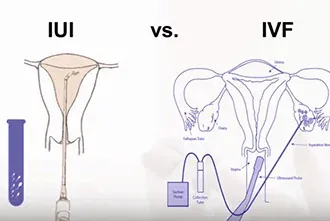
Intrauterine Insemination vs Intracervical Insemination: A Comparison of Clinic Options
Some couples may choose to perform IUI at home using a home insemination kit. These kits include a syringe, catheter, and instructions for the procedure. The advantage of this option is that it can be more affordable, with kits costing around $100-$300. However, at-home IUI may not have the same success rates as clinic-performed IUI, as the sperm is not washed and prepared by professionals, and there is no monitoring to determine the best time for insemination.
Fertility Clinic Options for ICI
ICI can also be performed at a fertility clinic, but it is more commonly done at home. Some clinics offer home insemination kits, similar to those used for at-home IUI. These kits can be more affordable than IUI at a clinic, with costs ranging from $20 to $200.
At-Home Options for ICI
At-home ICI can be done using a cervical cap or a syringe. A cervical cap is a small, soft cup that is placed over the cervix and filled with sperm. It can be purchased at a pharmacy or online. Alternatively, a syringe can be used to insert the sperm directly into the cervix. At-home ICI can be a more affordable option for couples, with costs ranging from $20 to $100.
Factors to Consider When Choosing Between IUI and ICI
When deciding between IUI and ICI, there are several factors that couples should consider, including:
1. The cause of infertility: IUI is often recommended for couples with unexplained infertility or mild male factor infertility, while ICI may be a better option for same-sex female couples or couples with more severe male factor infertility.
2. Cost: As mentioned earlier, the cost of IUI can be significantly higher than ICI, and this may be a deciding factor for some couples.
3. Success rates: While both IUI and ICI have relatively high success rates, IUI has been shown to have slightly higher success rates than ICI. However, it is important to note that success rates may vary depending on individual factors such as age and fertility issues.
4. Convenience: IUI requires more monitoring and visits to the fertility clinic, while ICI can be done at home, making it a more convenient option for some couples.
5. Personal preference: Ultimately, the decision between IUI and ICI may come down to personal preference. Some couples may feel more comfortable having the procedure done in a clinical setting, while others may prefer the privacy of performing it at home.
Summary
Intrauterine insemination (IUI) and intracervical insemination (ICI) are two common fertility treatments that involve placing sperm into the female reproductive tract to increase the chances of conception. IUI is performed at a fertility clinic and involves ovarian stimulation, monitoring, and the placement of washed sperm directly into the uterus. ICI, on the other hand, can be performed at home or in a clinic and involves placing sperm into the cervix. Factors such as cost, success rates, and personal preference should be considered when deciding between IUI and ICI.