Tag: counseling

  • Fertility Coaches vs Traditional Therapy: Choosing the Best Approach for Your Fertility Needs

    Summary:

    Fertility issues can be an incredibly stressful and emotional journey for individuals and couples. Along with seeking medical assistance, many people also turn to additional forms of support, such as fertility coaches and traditional therapy, to help them cope with the challenges of trying to conceive. Both fertility coaches and traditional therapy can offer valuable support and guidance, but they approach fertility struggles in different ways.

    Fertility coaches focus specifically on the fertility journey and provide personalized support, guidance, and resources to help individuals and couples navigate the process. On the other hand, traditional therapy may also address fertility struggles, but it typically takes a more general approach to mental health and well-being.

    In this blog post, we will explore the differences between fertility coaches and traditional therapy, and help you understand which approach may be best for your specific fertility needs.

    Fertility Coaches:

    Fertility coaches are professionals who specialize in providing support and guidance to individuals and couples struggling with fertility issues. They often have personal experience with fertility struggles and have received specialized training to support others on their journey. Fertility coaches work with their clients to develop personalized plans that address their specific needs and concerns.

    One of the main benefits of working with a fertility coach is their specialized knowledge and experience in the fertility journey. They understand the emotional, physical, and mental challenges that come with trying to conceive and can provide practical strategies to cope with them.

    Fertility coaches also offer a safe and non-judgmental space for individuals and couples to express their feelings and concerns. They can help their clients navigate difficult decisions, such as choosing between different fertility treatments, and provide emotional support throughout the process.

    Additionally, fertility coaches often have a network of resources and connections within the fertility community, which can be invaluable for their clients. They may be able to provide recommendations for trusted medical professionals, support groups, and other helpful resources.

    Traditional Therapy:
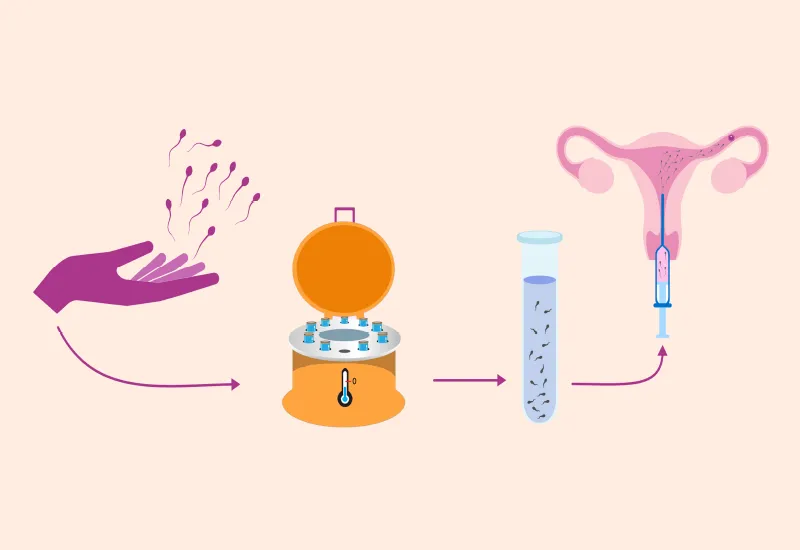
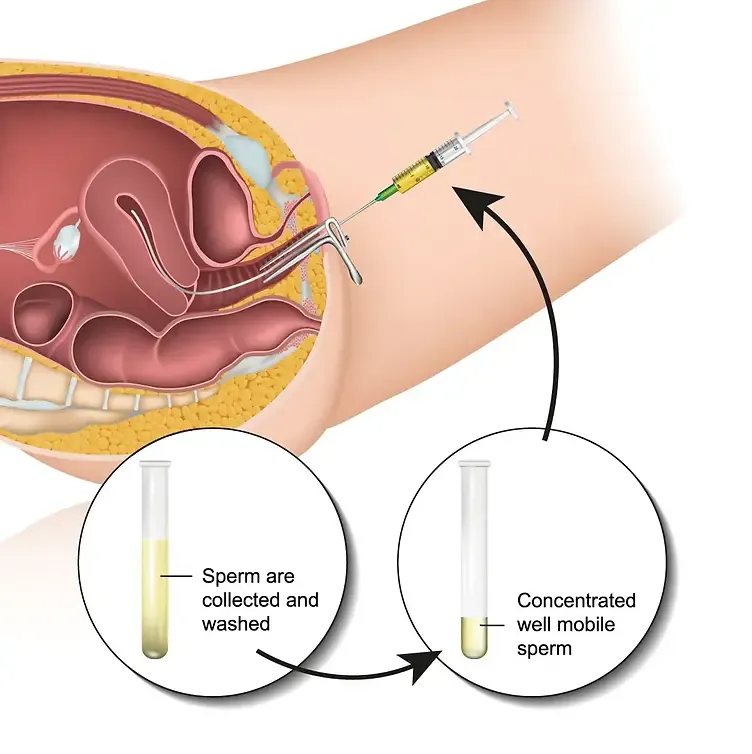
    illustration of the IUI process, showing sperm collection, preparation, and insertion into the uterus

    Fertility Coaches vs Traditional Therapy: Choosing the Best Approach for Your Fertility Needs

    Traditional therapy, also known as psychotherapy or counseling, is a form of mental health treatment that can help individuals and couples struggling with fertility issues. Therapists in this field have a broad range of training and may have experience working with clients on a variety of issues, including fertility struggles.

    Traditional therapy can help individuals and couples explore and address any underlying mental health concerns that may be impacting their fertility journey. These issues can include anxiety, depression, trauma, or relationship difficulties.

    One of the main benefits of traditional therapy is its focus on overall mental health and well-being. While fertility coaches may primarily focus on the fertility journey, traditional therapy can address a wide range of concerns that may be impacting an individual’s life. This can lead to improved overall mental health and coping strategies, which can be beneficial for the fertility journey as well.

    Choosing the Best Approach for Your Fertility Needs:

    When it comes to choosing between fertility coaches and traditional therapy, there is no right or wrong answer. It ultimately depends on your personal preferences and needs. However, there are a few factors to consider that can help you determine which approach may be best for you.

    For individuals who are primarily seeking guidance and support specifically related to their fertility journey, a fertility coach may be the best option. They can provide specialized knowledge, personalized support, and a deep understanding of the unique challenges of trying to conceive.

    On the other hand, if you are struggling with mental health concerns that may be impacting your fertility journey, traditional therapy may be a better fit. A therapist can help you address these concerns and develop coping strategies that can be beneficial for your overall well-being and the fertility journey.

    It’s also important to consider your budget and availability. Fertility coaches often charge for their services, while traditional therapy may be covered by insurance or offered at a lower cost. Additionally, fertility coaches may offer more flexible scheduling options, as they are not bound by the traditional therapy session structure.

    Ultimately, the most important factor is finding a supportive and trustworthy professional who can meet your specific needs and help you navigate the challenges of the fertility journey.

    In conclusion, both fertility coaches and traditional therapy can offer valuable support for individuals and couples struggling with fertility issues. While fertility coaches provide specialized knowledge and support for the fertility journey, traditional therapy can address a broader range of concerns that may be impacting an individual’s well-being. By considering your specific needs and preferences, you can determine which approach is best for you and find the support you need on your fertility journey.
  • Fertility Counseling for Couples: Strengthening Relationships During the Fertility Journey

    Blog Post: Fertility Counseling for Couples: Strengthening Relationships During the Fertility Journey

    The journey to parenthood is an exciting and joyous experience for many couples. However, for some, it can be a challenging and emotionally draining journey. Dealing with fertility issues can cause significant stress and strain on a relationship, leading to feelings of isolation, resentment, and even shame. This is where fertility counseling for couples can play a crucial role in strengthening relationships and providing emotional support during the fertility journey.

    What is Fertility Counseling?

    Fertility counseling is a specialized form of therapy that focuses on the emotional and psychological aspects of fertility and the journey to parenthood. It involves working with a licensed therapist who has experience in helping couples navigate the challenges of fertility issues. Fertility counseling can take place in individual or group sessions, and it can also be incorporated into couples therapy sessions.

    Why is Fertility Counseling Important for Couples?

    The fertility journey can be a rollercoaster of emotions for couples. It involves a range of physical, emotional, and financial challenges that can put a strain on the relationship. Research has shown that couples dealing with fertility issues are more likely to experience higher levels of stress, depression, and anxiety compared to those who do not face these challenges. This is where fertility counseling can be beneficial for couples.

    Provides a Safe Space to Share Feelings

    Fertility counseling provides a safe and non-judgmental space for couples to share their feelings and concerns about their fertility journey. It allows both partners to express their emotions and concerns without fear of hurting each other’s feelings or damaging the relationship. This safe space can help couples to communicate better, leading to a deeper understanding of each other’s emotions and experiences.

    Addresses Relationship Issues

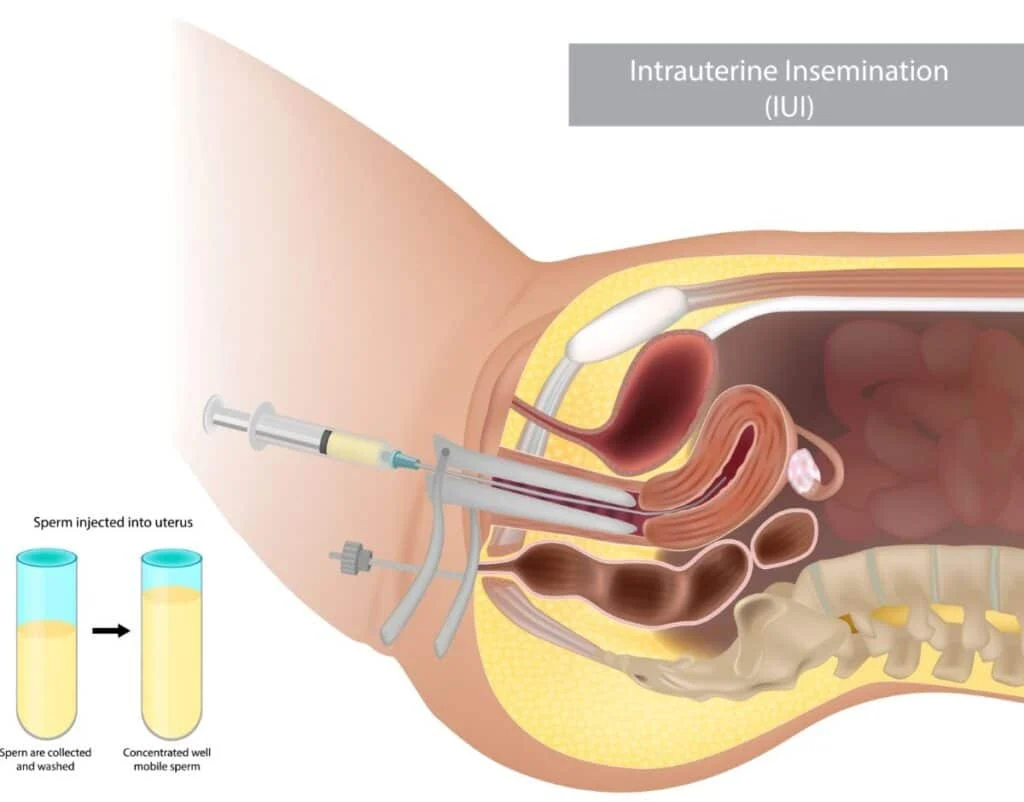
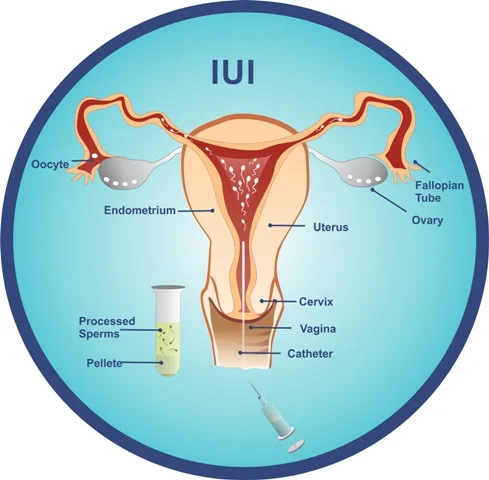
    diagram illustrating intrauterine insemination (IUI) with labeled reproductive anatomy and procedures

    Fertility Counseling for Couples: Strengthening Relationships During the Fertility Journey

    Fertility issues can put a strain on even the strongest of relationships. It can lead to feelings of resentment, blame, and guilt, which can create tension and distance between partners. Fertility counseling can help couples address these issues and work towards building a stronger and healthier relationship. Through therapy, couples can identify and address any underlying relationship issues, such as communication problems or unresolved conflicts, that may be contributing to their fertility struggles.

    Coping with Emotional Distress

    The fertility journey can be emotionally distressing for both partners. Women may experience feelings of guilt, failure, and loss of control, while men may struggle with feelings of inadequacy and helplessness. Fertility counseling can help couples cope with these intense emotions and provide them with the tools to manage them effectively. Therapists can offer coping strategies, such as relaxation techniques and stress management techniques, to help couples navigate the emotional challenges of the fertility journey.

    Support during Treatment

    Fertility treatment can be physically and emotionally demanding for couples. The constant appointments, medications, and procedures can take a toll on both partners. Fertility counseling can provide much-needed emotional support during this time. Therapists can help couples manage the stress and anxiety associated with treatment and provide them with coping strategies to help them through the process.

    Strengthening the Relationship

    The fertility journey can be a difficult and stressful time for couples, but it can also be an opportunity to strengthen their relationship. Fertility counseling can help couples navigate the challenges and build a stronger, more resilient relationship. Through therapy, couples can learn effective communication skills, develop a deeper understanding of each other’s needs, and build a stronger sense of teamwork and support.

    In conclusion, fertility counseling can play a crucial role in helping couples navigate the challenges of the fertility journey. It provides a safe space for couples to share their feelings, addresses relationship issues, and offers support during treatment. Additionally, fertility counseling can help couples build a stronger and healthier relationship, which can ultimately improve their chances of success on their journey to parenthood.

    Summary:

    Fertility counseling is a specialized form of therapy that focuses on the emotional and psychological aspects of fertility and the journey to parenthood. It provides a safe space for couples to share their feelings, addresses relationship issues, and offers support during treatment. Additionally, fertility counseling can help couples build a stronger and healthier relationship, which can ultimately improve their chances of success on their journey to parenthood.

  • The Benefits of Combining Fertility Coaching and Counseling for a Comprehensive Approach

    Blog Post:

    Fertility is a topic that can bring about a range of emotions. For many, it is a journey filled with hope, excitement, and anticipation. However, for others, it can also be a source of stress, frustration, and disappointment. The road to parenthood is not always easy, and for those struggling with fertility issues, it can be a difficult and emotionally taxing experience.

    In recent years, there has been a growing awareness of the benefits of combining fertility coaching and counseling to provide a comprehensive approach to supporting individuals and couples on their fertility journey. While fertility coaching and counseling may seem similar, they each offer unique benefits that, when combined, can provide a holistic and effective approach to addressing the challenges of infertility.

    So, what exactly are fertility coaching and counseling, and how can they work together to support individuals and couples on their journey to parenthood?

    Fertility Coaching:

    Fertility coaching is a relatively new field that focuses on providing support and guidance for individuals or couples facing fertility challenges. Fertility coaches work with their clients to develop a personalized plan to help them navigate the emotional, physical, and practical aspects of their fertility journey.

    One of the key benefits of fertility coaching is the focus on empowerment and taking an active role in one’s fertility journey. Fertility coaches help their clients set goals, create action plans, and provide support and accountability to help them achieve their desired outcomes. This can be especially beneficial for those feeling overwhelmed or lost in their fertility journey, as it provides a sense of control and direction.

    Fertility coaches also provide education and resources to their clients, helping them better understand their options and make informed decisions. They can also offer strategies for managing stress and anxiety, which are common emotions experienced by those struggling with fertility issues.

    Counseling:

    success rate of IUI in India with a graphic of a uterus and syringe alongside a rising graph

    The Benefits of Combining Fertility Coaching and Counseling for a Comprehensive Approach

    Counseling, on the other hand, focuses on addressing the emotional and psychological aspects of fertility struggles. It provides a safe and non-judgmental space for individuals to explore their feelings and fears surrounding infertility. A counselor can help individuals and couples cope with the emotional toll of fertility challenges and provide them with tools to manage their emotions effectively.

    Counseling can also help couples navigate the strain that infertility can have on their relationship. It provides a platform for open and honest communication, which is crucial for maintaining a strong and supportive relationship during a difficult time.

    Combining Fertility Coaching and Counseling:

    While fertility coaching and counseling may seem like different approaches, they can work together to provide a comprehensive and supportive approach to fertility challenges. By combining the two, individuals and couples can benefit from both the practical guidance and emotional support needed to navigate the ups and downs of their fertility journey.

    Fertility coaching can help individuals set goals and take an active role in their fertility journey, while counseling can provide a safe space to explore and manage the emotional impact of infertility. Together, these approaches can help individuals and couples feel more in control, empowered, and supported.

    Moreover, the collaboration between a fertility coach and counselor can ensure that their clients receive a well-rounded and holistic approach to addressing their fertility challenges. Fertility coaches and counselors can work together to create a personalized plan that takes into account both the emotional and practical aspects of their clients’ journey.

    Additionally, the combination of fertility coaching and counseling can be beneficial for those who have experienced multiple failed attempts at fertility treatments. It can be a difficult and emotionally draining experience, and having the support of both a fertility coach and counselor can help individuals cope and move forward.

    In conclusion, the benefits of combining fertility coaching and counseling are clear. By taking a comprehensive approach to addressing fertility challenges, individuals and couples can feel more empowered, supported, and in control of their journey to parenthood. If you are struggling with fertility issues, consider seeking the support of both a fertility coach and counselor to help you navigate this challenging but ultimately rewarding journey.

    Summary:

    Fertility coaching and counseling can provide a comprehensive and supportive approach to addressing fertility challenges. Fertility coaching offers practical guidance and empowerment, while counseling provides a safe space to manage the emotional impact of infertility. When combined, these approaches can help individuals and couples feel more in control and supported on their fertility journey. Collaboration between a fertility coach and counselor can ensure a well-rounded approach, and it can be especially beneficial for those who have experienced multiple failed fertility treatments.

  • Expert Guidance: How Fertility Counselors Can Help You Make Informed Decisions

    Blog Post Title: Expert Guidance: How Fertility Counselors Can Help You Make Informed Decisions

    Summary:

    Navigating the journey of fertility can be overwhelming and emotionally taxing. Making decisions about starting a family, undergoing fertility treatments, or considering alternative options can be challenging. This is where fertility counselors play a crucial role. They provide support, guidance, and expert knowledge to help individuals and couples make informed decisions.

    In this blog post, we will explore the important role of fertility counselors and how they can assist individuals and couples in their fertility journey. We will discuss the benefits of seeking guidance from a fertility counselor, the different types of counseling available, and how to find the right counselor for your needs.

    Benefits of Seeking Guidance from a Fertility Counselor:

    Fertility counselors are mental health professionals who specialize in working with individuals and couples facing fertility challenges. They are trained to provide emotional support and guidance through the ups and downs of the fertility journey. Here are some of the benefits of seeking guidance from a fertility counselor:

    1. Emotional Support: Fertility counselors understand the emotional toll that fertility struggles can take on individuals and couples. They provide a safe and non-judgmental space for clients to express their feelings and work through their emotions.

    2. Coping Strategies: Fertility counselors can help clients develop coping strategies to manage the stress and anxiety that often accompany fertility struggles. They can also provide tools and techniques to improve communication and strengthen relationships during this challenging time.

    3. Education and Information: Fertility counselors are well-informed about the latest fertility treatments and options. They can provide clients with accurate and up-to-date information to help them make informed decisions about their fertility journey.

    4. Preparing for Different Outcomes: Fertility counselors can help individuals and couples prepare for different outcomes, whether it be successful pregnancy, failed attempts, or alternative options like adoption or surrogacy. They can also provide support and guidance in the grieving process if needed.

    Types of Counseling Available:

    Cost breakdown for IUI components, including requirements, impacts, and alternatives.

    Expert Guidance: How Fertility Counselors Can Help You Make Informed Decisions

    There are various types of counseling available for individuals and couples facing fertility challenges. Here are some of the most common ones:

    1. Individual Counseling: This type of counseling is for individuals who are struggling with fertility issues. It can help them explore their feelings and emotions, develop coping strategies, and make decisions about their fertility journey.

    2. Couple Counseling: Couples who are facing fertility challenges can benefit from this type of counseling. It can help them improve communication, work through any conflicts, and support each other through the ups and downs of the fertility journey.

    3. Support Groups: Support groups can be an excellent resource for individuals and couples going through fertility struggles. It provides a safe and supportive environment to share experiences, seek advice, and connect with others who are facing similar challenges.

    4. Online Counseling: With the rise of telehealth, online counseling has become a popular option for individuals and couples seeking fertility counseling. It offers the convenience of attending sessions from the comfort of your own home and can be a great option for those with busy schedules or limited access to in-person counseling.

    Finding the Right Counselor:

    It is essential to find the right fertility counselor for your needs. Here are some tips to help you find the right one:

    1. Look for experience and expertise: Fertility counseling requires specialized training and knowledge. Look for a counselor who has experience working with clients who are facing fertility challenges.

    2. Consider their approach: Different counselors may have different approaches to counseling. Some may focus on cognitive-behavioral therapy, while others may use a more holistic approach. Do some research and choose a counselor whose approach aligns with your preferences.

    3. Read reviews and ask for recommendations: Reading online reviews and asking for recommendations from friends, family, or your healthcare provider can help you find a reputable fertility counselor.

    4. Trust your gut: It is essential to feel comfortable and safe with your counselor. If you do not feel a connection or do not feel heard, it may be time to consider finding a different counselor.

    In conclusion, fertility counselors can provide much-needed support, guidance, and expertise to individuals and couples facing fertility challenges. Whether it is through individual or couple counseling, support groups, or online counseling, they can help you make informed decisions and navigate the emotional journey of fertility. Remember to take the time to find the right counselor for your needs, and do not hesitate to seek help when needed.

  • Fertility Counseling: A Valuable Resource for Couples Dealing with Infertility

    Summary:

    Infertility is a difficult and emotionally taxing experience for couples who are struggling to conceive. It can lead to feelings of isolation, frustration, and even depression. Fertility counseling is a valuable resource that can help couples cope with the challenges of infertility and improve their emotional well-being.

    In this blog post, we will discuss the role of fertility counseling in supporting couples dealing with infertility. We will explore the benefits of seeking counseling, the different types of counseling available, and how it can help couples navigate their fertility journey.

    The Benefits of Fertility Counseling:

    Fertility counseling can offer couples a safe and supportive environment to express their feelings and emotions. It provides a space for couples to talk openly and honestly about their struggles with infertility and the impact it has on their lives. This can be especially helpful for couples who may feel isolated or overwhelmed by their experiences.

    Counseling can also help couples to better understand their fertility options. A fertility counselor can provide information and education about different treatments available, such as assisted reproductive technologies (ART), adoption, or surrogacy. This can help couples make informed decisions about their fertility journey and feel more empowered in the process.

    Furthermore, fertility counseling can improve communication and strengthen relationships. Infertility can be a source of strain on a couple’s relationship, and counseling can provide tools and strategies to address this. By working together with a counselor, couples can learn to communicate effectively and support each other through the challenges of infertility.

    Types of Fertility Counseling:

    illustration of a uterus with a syringe, representing intrauterine insemination procedure

    Fertility Counseling: A Valuable Resource for Couples Dealing with Infertility

    There are various types of fertility counseling available, and the approach may differ depending on the counselor and the needs of the couple. Some couples may choose to attend counseling sessions together, while others may seek individual counseling to address their personal emotions and concerns.

    Some fertility counselors may also offer support groups, where couples can connect with others who are going through similar experiences. These groups can provide a sense of community and understanding, which can be incredibly beneficial for couples struggling with infertility.

    Counseling can also be combined with other forms of therapy, such as cognitive-behavioral therapy (CBT) or mindfulness-based therapy. These approaches can help individuals manage stress, anxiety, and negative thought patterns associated with infertility.

    How Fertility Counseling Can Help:

    Fertility counseling can help individuals and couples in various ways. It can provide emotional support and validation, assist in decision-making, and improve overall well-being.

    Coping with infertility can be emotionally draining, and counseling can provide a safe space to express and process these emotions. A fertility counselor can also help individuals and couples develop coping strategies and techniques to manage stress and anxiety.

    In addition, fertility counseling can help individuals and couples to make informed decisions about their fertility journey. By understanding their options and having support in the decision-making process, couples can feel more in control and empowered in their journey.

    Moreover, fertility counseling can improve overall well-being by addressing the impact of infertility on mental and emotional health. It can help individuals and couples to develop healthy coping mechanisms and improve communication and relationships.

    In conclusion, fertility counseling is a valuable resource for couples dealing with infertility. It can offer emotional support, education, and tools to help individuals and couples navigate their fertility journey. By seeking counseling, couples can feel more empowered, improve their relationships, and ultimately, cope better with the challenges of infertility.

  • Fertility Counselors: A Safe Space for Processing Infertility

    Title: Fertility Counselors: A Safe Space for Processing Infertility

    Infertility can be a challenging and emotionally taxing experience for couples and individuals alike. It can bring about feelings of disappointment, grief, and even shame. The journey towards parenthood can be filled with ups and downs, and it is important to have a support system in place to help cope with the challenges. This is where fertility counselors come in – providing a safe space for individuals and couples to process their feelings and navigate their fertility journey.

    What is a Fertility Counselor?

    A fertility counselor is a mental health professional who specializes in providing support and guidance to individuals and couples facing fertility challenges. They are trained to address the emotional, psychological, and relational aspects of infertility and help individuals and couples cope with the stress and uncertainty of the fertility journey.

    The Role of a Fertility Counselor

    Fertility counselors play a crucial role in the fertility journey, providing support and guidance at every step of the way. Here are some ways in which fertility counselors can help:

    1. Emotional Support: Dealing with infertility can be an emotionally taxing experience. Fertility counselors provide a safe and non-judgmental space for individuals and couples to express their feelings, whether it is anger, sadness, or grief. They help individuals and couples process these emotions and develop coping strategies to manage them.

    2. Coping with Stress: The process of trying to conceive can be stressful, both physically and emotionally. Fertility counselors can help individuals and couples identify their triggers and develop coping mechanisms to manage stress and anxiety.

    3. Decision Making: The fertility journey involves making a lot of difficult decisions, from choosing a treatment plan to considering alternative options such as adoption or surrogacy. Fertility counselors can help individuals and couples navigate these decisions by providing information, support, and guidance.

    4. Communication and Relationships: Infertility can put a strain on relationships, and it is common for couples to experience feelings of blame and resentment. Fertility counselors can help improve communication and strengthen relationships by facilitating open and honest conversations and providing tools to manage conflicts.

    5. Managing Expectations: The journey towards parenthood can be unpredictable, and it is important to manage expectations and develop realistic goals. Fertility counselors can help individuals and couples set realistic expectations and provide support when things don’t go as planned.

    The Benefits of Working with a Fertility Counselor

    illustration of a uterus with a syringe, representing intrauterine insemination procedure

    Fertility Counselors: A Safe Space for Processing Infertility

    Working with a fertility counselor can provide numerous benefits for individuals and couples facing fertility challenges. Here are some of the ways in which fertility counseling can be beneficial:

    1. A Safe and Confidential Space: Fertility counseling provides a safe and confidential space for individuals and couples to express their thoughts and feelings without fear of judgment. This can be especially helpful for those who may not feel comfortable discussing their fertility journey with friends or family.

    2. Support from a Trained Professional: Fertility counselors are trained to address the unique challenges of the fertility journey. They can provide valuable support and guidance, helping individuals and couples navigate the ups and downs of the process.

    3. Tools and Coping Strategies: Fertility counselors can provide individuals and couples with tools and coping strategies to manage the emotional and psychological challenges of infertility. These tools can help individuals and couples cope with stress, improve communication, and develop healthy coping mechanisms.

    4. Improved Mental Health: Infertility can take a toll on mental health, leading to conditions such as depression and anxiety. Fertility counseling can help individuals and couples manage these conditions and improve their overall mental well-being.

    Finding the Right Fertility Counselor

    Finding the right fertility counselor is crucial for a successful counseling experience. Here are some tips to help you find the right fertility counselor for you:

    1. Look for Specialization: It is important to work with a fertility counselor who has experience and training in working with individuals and couples facing fertility challenges.

    2. Seek Referrals: Ask your doctor or fertility clinic for recommendations, or reach out to friends or support groups for referrals.

    3. Consider Convenience: Fertility counseling can involve multiple sessions, so it is important to consider the location and availability of the counselor.

    4. Consultation: Many fertility counselors offer a free consultation to see if they are a good fit for you. Take advantage of this to get a feel for the counselor and their approach.

    In Conclusion

    Infertility can be a challenging and emotional journey, but fertility counselors can provide a safe and supportive space for individuals and couples to process their feelings and navigate the ups and downs of the fertility journey. They can also provide valuable tools and coping strategies to help individuals and couples manage the emotional and psychological challenges of infertility. If you are struggling with infertility, consider seeking the support of a fertility counselor to help you on your journey towards parenthood.

  • The Role of Counseling in Fertility Clinics vs Hospitals

    The journey towards parenthood can be a challenging and emotional one, especially for individuals and couples struggling with infertility. As technology and medical advancements have made assisted reproductive technology (ART) more accessible, the role of counseling in fertility clinics versus hospitals has become a topic of interest.

    In this blog post, we will explore the importance of counseling in both fertility clinics and hospitals for individuals and couples undergoing infertility treatment. We will discuss the differences between counseling in these two settings and how it can benefit patients emotionally, mentally, and physically.

    The Role of Counseling in Fertility Clinics:

    Fertility clinics specialize in treating patients struggling with infertility and offer a range of services, including counseling. The primary goal of counseling in fertility clinics is to provide emotional support and guidance to individuals and couples undergoing infertility treatment. Infertility can take a toll on one’s mental and emotional health, and counseling can help patients navigate through the various challenges they may face.

    One of the main differences between counseling in fertility clinics and hospitals is the focus on the emotional and psychological well-being of patients. Fertility clinics have specialized counselors who are trained to understand the unique challenges of infertility and the various treatment options available. They can provide patients with the necessary emotional support and coping strategies to help them navigate through the ups and downs of infertility treatment.

    Counseling in fertility clinics also plays a crucial role in preparing patients for the emotional and psychological aspects of ART. Patients may experience a range of emotions, including anxiety, fear, and stress, as they undergo treatment. Counselors can help patients manage these emotions and provide them with tools to cope with the physical and emotional demands of treatment.

    Additionally, counseling in fertility clinics can also help patients make informed decisions regarding their treatment. Infertility treatment can be overwhelming, and patients may feel pressured to make decisions quickly. Counselors can provide patients with a safe and supportive space to discuss their options and make choices that align with their values and preferences.

    The Role of Counseling in Hospitals:

    While counseling may not be the primary focus of hospitals, it plays an essential role in the overall treatment of patients undergoing infertility treatment. Hospitals typically provide more complex and invasive fertility treatments, such as in-vitro fertilization (IVF) or intrauterine insemination (IUI). These procedures can be physically and emotionally taxing for patients, making counseling a crucial aspect of their treatment.

    Illustration of intrauterine insemination process, showing sperm collection and injection into the uterus.

    The Role of Counseling in Fertility Clinics vs Hospitals

    In hospitals, counselors may work closely with doctors and other medical professionals to provide patients with comprehensive care. They can offer emotional support and guidance during and after procedures, helping patients manage any stress or anxiety they may experience. Counselors in hospitals also play a crucial role in identifying any mental health concerns that may arise during treatment and providing patients with the necessary support or referrals.

    Additionally, counseling in hospitals can also help patients cope with the emotional impact of unsuccessful treatments. While fertility clinics may have a higher success rate, not all treatments are successful, and patients may need support to process and grieve these losses. Counselors in hospitals can offer patients a safe space to express their emotions and provide them with tools to cope with their feelings.

    The Benefits of Counseling in Fertility Clinics and Hospitals:

    Counseling in both fertility clinics and hospitals can provide patients with a range of benefits, including emotional support, improved mental health, and better decision-making. Infertility can be a stressful and isolating experience, and counseling can offer patients a safe space to express their emotions and feel heard.

    Counseling can also help patients manage any mental health concerns, such as depression or anxiety, that may arise during treatment. These conditions can have a significant impact on a patient’s overall well-being and may even affect the success of their treatment. With the support of a counselor, patients can learn healthy coping strategies and improve their mental health.

    Moreover, counseling can also improve communication and relationships between couples. Infertility can put a strain on even the strongest of relationships, and counseling can help couples navigate through the challenges and communicate effectively. It can also help individuals and couples make informed decisions about their treatment and ensure that they are on the same page.

    Conclusion:

    In conclusion, counseling plays a crucial role in both fertility clinics and hospitals for individuals and couples undergoing infertility treatment. Fertility clinics tend to focus more on the emotional and psychological well-being of patients, while hospitals provide patients with comprehensive care that includes counseling. Regardless of the setting, counseling can offer patients the necessary emotional support, improve their mental health, and help them make informed decisions about their treatment. With the help of counseling, individuals and couples can navigate through the challenges of infertility and improve their chances of success.

    SEO metadata:

  • Navigating the Decision: Fertility Preservation or Immediate Pregnancy

    Navigating the Decision: Fertility Preservation or Immediate Pregnancy

    Fertility is a topic that is often overlooked until the time comes to start a family. However, for some women, the decision to have children is not as straightforward as it may seem. Many factors such as age, health, and personal circumstances can impact a woman’s ability to conceive and carry a child. This can lead to the difficult decision between fertility preservation or immediate pregnancy. In this blog post, we will explore the options available for women facing this decision and provide guidance for navigating this important choice.

    The Importance of Fertility Preservation

    For women who are facing a medical diagnosis or treatment that may affect their fertility, the option of fertility preservation can be crucial. This includes women with cancer or other serious illnesses that require treatments such as chemotherapy or radiation, which can damage the ovaries and decrease fertility. In these cases, fertility preservation provides a way for women to potentially have biological children in the future, even if they are unable to conceive naturally after treatment.

    Fertility preservation involves freezing eggs, embryos, or ovarian tissue to be used later in assisted reproductive techniques such as in vitro fertilization (IVF) or intrauterine insemination (IUI). These techniques can help women who have undergone fertility preservation to have a child at a later time, when they are ready and able to do so.

    The process of fertility preservation typically involves undergoing ovarian stimulation to produce multiple eggs, which are then retrieved and frozen for future use. This process can be time-consuming and costly, but it can provide women with a sense of security and hope for their future fertility.

    Immediate Pregnancy: The Traditional Route

    On the other hand, many women may feel the pressure to start a family immediately due to societal and cultural expectations, as well as their own personal desires. This may lead them to choose immediate pregnancy over fertility preservation, even if there are potential risks or concerns. Additionally, for some women, age may also be a factor in the decision to pursue immediate pregnancy, as fertility declines with age and the chances of conceiving naturally decrease.

    The traditional route of immediate pregnancy involves trying to conceive naturally or through assisted reproductive techniques, such as IVF or IUI, without freezing any eggs or embryos for future use. While this can be a viable option for many women, it is important to consider the potential risks and challenges that may arise.

    For example, women who delay pregnancy until later in life may face difficulties with conception or have a higher risk of pregnancy complications. Additionally, women who have medical conditions or take certain medications may need to carefully consider the potential impact on their pregnancy and future fertility.

    Diagram illustrating intrauterine insemination (IUI) procedure with sperm injection into the uterus.

    Navigating the Decision: Fertility Preservation or Immediate Pregnancy

    The Role of Counseling and Support

    When facing the decision of fertility preservation or immediate pregnancy, it is essential to seek counseling and support from medical professionals, as well as family and friends. This can help women gain a better understanding of their options and the potential risks and benefits of each choice.

    Counseling can also provide emotional support for women who may be struggling with the decision and the complex emotions that come with it. It can also help women explore the reasons behind their desires to either preserve their fertility or start a family immediately, and make a decision that is best for their physical and emotional well-being.

    Making the Decision: Factors to Consider

    Ultimately, the decision between fertility preservation and immediate pregnancy is a personal one that will depend on individual circumstances and preferences. However, there are some important factors to consider when weighing these options.

    Age and health are crucial factors to consider, as they can impact a woman’s fertility and the potential risks of pregnancy. Women who are facing a medical condition or treatment that may affect their fertility may lean towards fertility preservation, while those who are in good health and have a strong desire for children may choose immediate pregnancy.

    Finances are also an important consideration, as fertility preservation can be costly and not always covered by insurance. This may make immediate pregnancy a more viable option for some women, especially if they are not currently in a financial position to undergo fertility preservation.

    Personal circumstances and support system are also important to consider. Women who have a strong support system and are emotionally ready to start a family may feel more confident in pursuing immediate pregnancy, while those who may not have a partner or support system may lean towards fertility preservation to give them more time to find a suitable partner.

    In the end, it is important for women to carefully consider all factors and seek guidance from medical professionals to make an informed decision that is best for them.

    Summary:

    The decision between fertility preservation and immediate pregnancy can be a difficult and complex one for women to navigate. Fertility preservation is a crucial option for women facing medical conditions or treatments that may affect their fertility, while immediate pregnancy may be the traditional route for those who feel pressure to start a family immediately. Seeking counseling and support, considering factors such as age, health, finances, and personal circumstances, and ultimately making an informed decision can help women navigate this important choice.

  • Egg Retrieval vs Egg Sharing: The Importance of Counseling

    Blog Post Title: Egg Retrieval vs Egg Sharing: The Importance of Counseling

    Word Count: 2011

    Egg retrieval and egg sharing are two options that individuals and couples may consider when pursuing fertility treatments. While both methods involve the use of donor eggs, there are significant differences between the two. One major difference is the process of obtaining the eggs, with egg retrieval involving the use of a donor solely for the intended recipient, and egg sharing involving the splitting of eggs between the intended recipient and another individual or couple.

    While these options may seem straightforward, the decision to pursue either egg retrieval or egg sharing can be emotionally and psychologically complex. This is why the importance of counseling cannot be overstated. In this blog post, we will delve into the differences between egg retrieval and egg sharing, and discuss why counseling is a crucial aspect of the decision-making process for both recipients and donors.

    Egg Retrieval: What It Involves

    Egg retrieval, also known as egg donation, is a process where a donor undergoes a medical procedure to extract her eggs, which are then fertilized with the recipient’s partner’s sperm in a laboratory. The fertilized eggs, now embryos, are then transferred to the recipient’s uterus, where they will hopefully implant and result in a pregnancy.

    This method is commonly used by individuals or couples who are unable to use their own eggs due to fertility issues, same-sex couples, or single individuals who want to have a biological child. The use of a donor allows them to experience pregnancy and childbirth, while also having a genetic connection to their child.

    Egg Sharing: What It Involves

    Egg sharing, on the other hand, involves the division of eggs between the intended recipient and another individual or couple. In this process, the donor undergoes the same medical procedure as in egg retrieval, but the eggs are split between the intended recipient and the egg-sharing partner. Each party receives a portion of the eggs, which are then fertilized with their respective partner’s sperm. This allows both parties to have a chance at pregnancy using the same donor’s eggs.

    Egg sharing is often a preferred option for those who want to reduce the cost of fertility treatments as the expenses are shared between the two parties. It is also a way for individuals or couples to help others while also receiving assistance in their own fertility journey.

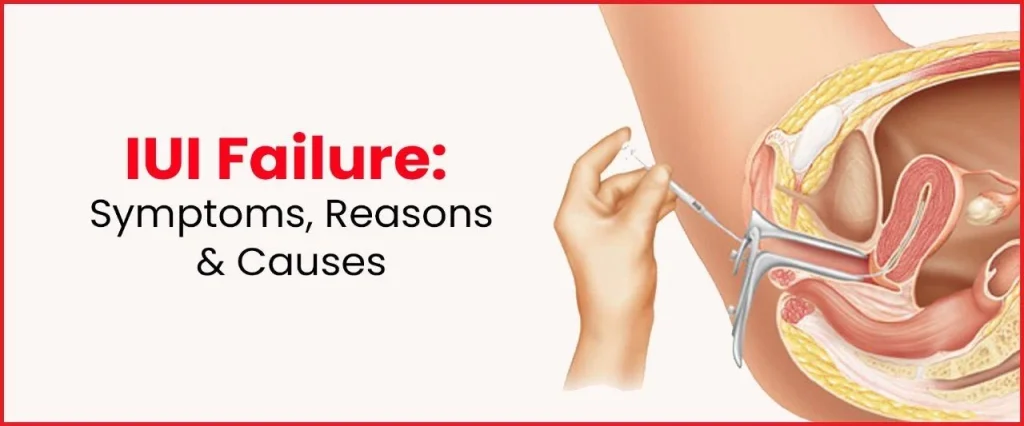
    illustration of IUI procedure with text on symptoms, reasons, and causes of IUI failure

    Egg Retrieval vs Egg Sharing: The Importance of Counseling

    Why Counseling is Essential

    Making the decision to pursue either egg retrieval or egg sharing can be a daunting and overwhelming experience. Recipients may feel a sense of loss and grief over not being able to use their own eggs, while donors may experience feelings of uncertainty and altruistic guilt. This is where counseling plays a crucial role in the process.

    Counseling provides a safe and supportive space for individuals and couples to discuss their thoughts, feelings, and concerns about the decision to pursue egg retrieval or egg sharing. It can help them navigate the complexities of the process, address any underlying emotional issues, and make an informed decision that is best for them.

    For Recipients:

    Counseling can help recipients come to terms with the fact that they will not be able to use their own eggs and explore any feelings of grief or loss. It can also help them understand the implications of using donor eggs and how to navigate potential challenges, such as disclosing the use of donor eggs to their child in the future. Additionally, counseling can help recipients manage their expectations and prepare them for the emotional rollercoaster that comes with fertility treatments.

    For Donors:

    Counseling is equally important for egg donors, as it can help them understand the implications of their decision and address any concerns they may have. Donors may experience feelings of guilt or anxiety about the outcome of their donation and how it may impact their own future fertility. Counseling can also help donors establish boundaries and understand their rights and responsibilities in the process.

    In both cases, counseling can also educate individuals and couples about the legal and ethical aspects of egg retrieval and egg sharing, as well as provide support in dealing with the physical demands and potential side effects of the medical procedures.

    Conclusion

    Egg retrieval and egg sharing are two options that can bring hope and fulfill the dreams of individuals and couples who want to have a child. However, the decision to pursue either method should not be taken lightly. Counseling is a crucial aspect of the process that can help individuals and couples navigate the complex emotions, challenges, and implications of using donor eggs. It is important to seek professional counseling before making any decisions to ensure that both the recipient and donor are emotionally prepared for the journey ahead.

    In summary, egg retrieval and egg sharing are two methods of using donor eggs in fertility treatments. While egg retrieval involves the use of a donor solely for the intended recipient, egg sharing involves splitting the eggs between the intended recipient and another individual or couple. Both methods come with emotional and psychological complexities, making counseling an essential aspect of the decision-making process for both recipients and donors. Seeking professional counseling can help individuals and couples navigate the challenges, manage their expectations, and make informed decisions that are best for them.

  • Male and Female Infertility Treatments: A Cultural Perspective

    Blog Post Title: Male and Female Infertility Treatments: A Cultural Perspective

    Infertility is a complex and often emotionally challenging issue that affects millions of couples worldwide. In many cultures, the inability to conceive and have a child is seen as a major source of shame and social stigma. As a result, couples facing infertility may feel isolated and misunderstood, adding to the already difficult journey towards parenthood. In this blog post, we will explore the different cultural perspectives on male and female infertility and the various treatments available for couples seeking to overcome this challenge.

    Male Infertility Treatments:

    In many cultures, the burden of infertility is often placed solely on women, with little attention given to male infertility. However, research shows that male infertility is a contributing factor in about 30% of all infertility cases. Cultural beliefs and practices can often hinder men from seeking help or even acknowledging their infertility. In some cultures, male infertility may be seen as a sign of weakness or a failure to fulfill societal expectations of manhood.

    Fortunately, there are now various treatments available for male infertility, depending on the underlying cause. These treatments include medication, surgery, and assisted reproductive technology (ART). Medications can be prescribed to treat hormonal imbalances or infections that may be causing infertility. Surgery may be recommended to correct any physical abnormalities, such as varicoceles or blockages in the reproductive tract. ART, such as intrauterine insemination (IUI) or in-vitro fertilization (IVF), involves collecting sperm and fertilizing the egg in a laboratory setting before transferring the embryo into the woman’s uterus.

    It is essential to note that some cultural beliefs and practices may also influence the types of treatments that are sought for male infertility. For example, some cultures may prefer traditional or herbal remedies over Western medicine. In such instances, it is crucial to educate and inform couples about the efficacy and safety of various treatments to ensure they make informed decisions.

    Female Infertility Treatments:

    In many cultures, women are often held responsible for infertility, and the pressure to conceive can be overwhelming. Women may face discrimination, blame, and even divorce if they are unable to conceive. This can lead to women feeling guilty, ashamed, and isolated, making it challenging to seek help for their infertility.

    The good news is that advancements in medical technology and treatments have made it possible for many women to overcome infertility. The first step in treating female infertility is identifying the underlying cause, which can be anything from hormonal imbalances, ovulation disorders, or structural issues. Once the cause is determined, various treatments may be recommended, including medication, surgery, and ART.

    comparison of IUI and IVF procedures illustrated with simple graphics and labels

    Male and Female Infertility Treatments: A Cultural Perspective

    Medications can be prescribed to regulate ovulation, stimulate egg production, or treat underlying medical conditions such as endometriosis or polycystic ovary syndrome (PCOS). Surgery may be recommended to correct structural issues such as fibroids or blockages in the fallopian tubes. ART, such as IVF, is also a viable option for women with more severe cases of infertility.

    Cultural Influences on Infertility Treatments:

    Culture plays a significant role in shaping beliefs, attitudes, and practices surrounding infertility and its treatments. In some cultures, infertility may be seen as a curse or a punishment for past sins, leading to a reluctance to seek medical help. In other cultures, traditional beliefs and practices may be favored over modern medical treatments, making it challenging for couples to access the care they need.

    Moreover, cultural norms and values may also influence the types of treatments that are sought for infertility. For example, ART procedures may be frowned upon in cultures where natural conception is highly valued. In such instances, education and awareness about the safety and efficacy of ART may help to alleviate any misconceptions and increase acceptance of these treatments.

    Support for Couples Facing Infertility:

    Infertility can take a significant toll on a couple’s mental and emotional well-being. In many cultures, the pressure to have children can also strain relationships, leading to feelings of resentment and blame. It is crucial for couples facing infertility to have a support system in place to help them cope with the challenges they may face.

    Counseling and support groups can provide a safe space for couples to express their feelings and emotions, receive guidance, and connect with others going through a similar experience. In some cultures, seeking help outside of the family may be perceived as a weakness. Therefore, it is essential to educate and promote the importance of seeking professional support when dealing with infertility.

    In conclusion, infertility affects couples from all cultures and backgrounds, and the journey towards parenthood can be a challenging one. Understanding the cultural perspectives on male and female infertility and the various treatments available can help to break down the barriers and stigma surrounding this issue. It is crucial to provide support, education, and access to treatments to help couples overcome infertility and fulfill their dream of becoming parents.

    Summary:

    Infertility is a complex issue that affects many couples worldwide. In many cultures, it is seen as a source of shame and social stigma, making it difficult for couples to seek help and support. However, advancements in medical technology and treatments have made it possible for couples to overcome infertility. Male infertility treatments include medication, surgery, and assisted reproductive technology (ART), while female infertility treatments include medication, surgery, and ART. Cultural beliefs and practices may influence the types of treatments sought, making it crucial to educate and inform couples about their options. Support through counseling and support groups is also essential for couples facing infertility. Understanding the cultural perspectives on male and female infertility can help to break down the barriers and stigma surrounding this issue, and provide much-needed support and access to treatments for couples.