Tag: coping mechanisms

  • Navigating Fertility: Choosing Between Coaches and Counselors

    Blog Post: Navigating Fertility: Choosing Between Coaches and Counselors

    Fertility struggles can be a difficult and emotional journey for many couples. Whether you are just starting to try to conceive or have been struggling for some time, it is important to have support and guidance along the way. This is where the question of choosing between coaches and counselors arises. Both professionals can offer valuable support and guidance, but it is important to understand the differences between the two and determine which one is the best fit for you and your partner.

    Coaches and counselors both have their own unique approaches to helping individuals and couples navigate fertility issues. Coaches typically focus on helping clients set and achieve specific goals, while counselors focus on addressing and resolving emotional and psychological issues. Here are some key points to consider when deciding between the two:

    1. Understanding the Role of a Fertility Coach

    Fertility coaches are trained professionals who work with individuals and couples to help them achieve their fertility goals. They often have a background in health or wellness coaching and specialize in fertility-related issues. These coaches provide guidance, support, and accountability to help clients make positive changes in their lives and reach their desired outcomes.

    Fertility coaches can help you develop a personalized plan to optimize your fertility, including lifestyle changes, dietary recommendations, and stress management techniques. They can also help you understand the various fertility treatments available and guide you through the decision-making process.

    2. The Benefits of Working with a Fertility Coach

    One of the main benefits of working with a fertility coach is the personalized support and guidance they offer. They can help you identify and address any underlying issues that may be affecting your fertility, such as stress, diet, or lifestyle habits. They also provide a non-judgmental space for you to share your feelings and concerns, which can be incredibly beneficial when going through such a challenging time.

    Fertility coaches also offer practical tools and techniques to help you manage your emotions and stay focused on your goals. They can also help you navigate the often overwhelming world of fertility treatments and make informed decisions about your care.

    3. Understanding the Role of a Fertility Counselor
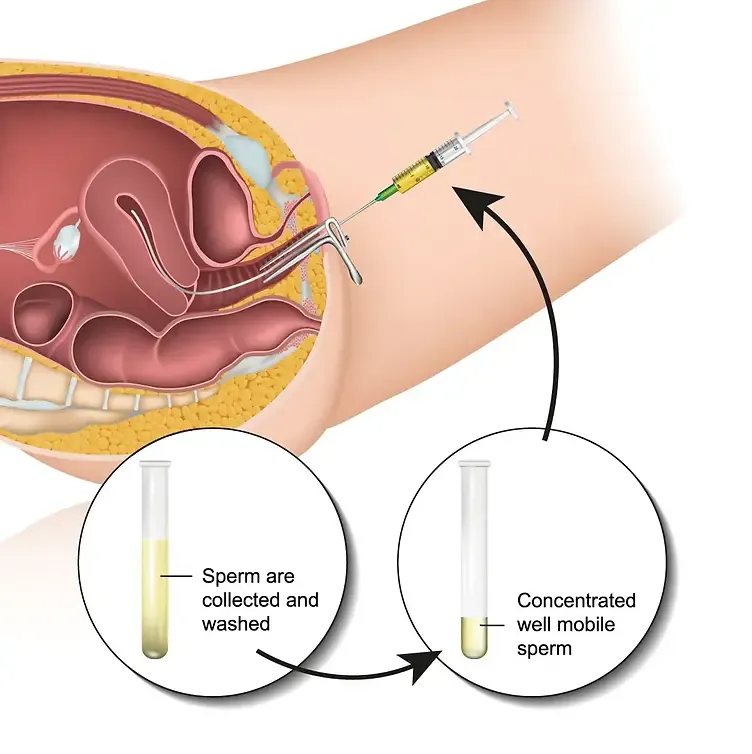
    Illustration of intrauterine insemination process, showing sperm collection and injection into the uterus.

    Navigating Fertility: Choosing Between Coaches and Counselors

    Fertility counselors are trained therapists who specialize in helping individuals and couples navigate the emotional and psychological aspects of fertility struggles. They are licensed mental health professionals and can provide a safe and confidential space for clients to express their feelings and work through any issues that may be impacting their fertility journey.

    Fertility counselors can help you address any underlying emotional issues that may be affecting your fertility, such as anxiety, depression, or trauma. They can also offer coping mechanisms and strategies to help you manage the stress and emotional toll of fertility struggles.

    4. The Benefits of Working with a Fertility Counselor

    One of the main benefits of working with a fertility counselor is the opportunity to address and work through any emotional issues that may be impacting your fertility. Fertility struggles can be incredibly emotional and can often bring up past traumas or unresolved issues. A fertility counselor can help you process these emotions in a healthy and productive way.

    Fertility counselors also provide a safe and supportive space for you to express your feelings and concerns without fear of judgment. They can offer a fresh perspective and help you develop coping mechanisms to manage the stress and challenges of fertility struggles.

    5. Choosing the Right Fit for You

    When it comes to choosing between a fertility coach and a fertility counselor, there is no right or wrong answer. It ultimately comes down to what feels like the best fit for you and your partner. If you are looking for practical guidance and support in achieving your fertility goals, a fertility coach may be the best option for you. If you are struggling with emotional issues that may be impacting your fertility, a fertility counselor may be a better fit.

    It is also important to consider your personal preferences and needs. Some people may prefer the structured approach of a fertility coach, while others may feel more comfortable opening up to a therapist in a counseling setting. It is important to do your research and potentially meet with both professionals to see who you feel most comfortable with.

    Summary:

    Fertility struggles can be a challenging and emotional journey, and having support and guidance along the way is crucial. When deciding between coaches and counselors, it is important to understand the differences between the two. Fertility coaches focus on helping clients achieve their fertility goals, while counselors address and resolve emotional and psychological issues. Both offer unique benefits and it ultimately comes down to personal preference and needs. It may also be beneficial to meet with both professionals to determine which one is the best fit for you and your partner.

  • The Mental Toll of Fertility Testing: How Men and Women Cope Differently

    Summary:

    Fertility testing can be a physically and emotionally draining experience for both men and women. However, it is often overlooked how men and women cope differently with the mental toll of fertility testing. While women may experience more visible emotions, men may struggle with feelings of inadequacy and lack of control. In this blog post, we will explore the different ways in which men and women cope with fertility testing and offer tips on how to support your partner during this challenging time.

    Women and Fertility Testing:

    For women, fertility testing can be a rollercoaster of emotions. It often starts with feelings of frustration and disappointment when trying to conceive naturally. The process of fertility testing, which can include blood tests, ultrasounds, and invasive procedures, can be physically uncomfortable and emotionally draining. Women may also feel a sense of guilt or shame if they are unable to conceive, as society often places pressure on women to be mothers.

    During the testing process, women may experience heightened emotions, including sadness, anger, and anxiety. These emotions can be compounded by the hormonal changes that occur during fertility treatments. The constant waiting for test results and uncertainty about the future can also take a toll on a woman’s mental health.

    How Women Cope:

    Women often cope with the mental toll of fertility testing by seeking support from friends and family, joining online support groups, or seeking therapy. Talking about their feelings and sharing their struggles can help women feel less alone and more understood. Some women also find comfort in engaging in self-care activities, such as exercise, meditation, or journaling, to help manage their emotions.

    Additionally, women may cope by taking control of their fertility journey. This can include researching and educating themselves about their options, advocating for their needs with their doctor, and making lifestyle changes to improve their chances of conception. By taking an active role in their fertility journey, women may feel a sense of empowerment and regain a sense of control over their bodies.

    How to Support Your Partner:

    If your partner is going through fertility testing, it is essential to be supportive and understanding. Here are some tips on how to support your partner during this challenging time:

    1. Communicate openly and honestly: Be open to listening to your partner’s feelings and concerns, and communicate your own. This will help you both feel heard and understood.

    2. Educate yourself: Take the time to research and understand the fertility testing process, so you can better support your partner and provide reassurance.

    3. Be patient and understanding: Fertility testing can be a long and difficult process, and your partner may experience a range of emotions. Be patient and understanding, and offer your love and support throughout.

    4. Encourage self-care: Encourage your partner to engage in activities that help them relax and cope with their emotions, such as exercise, meditation, or therapy.

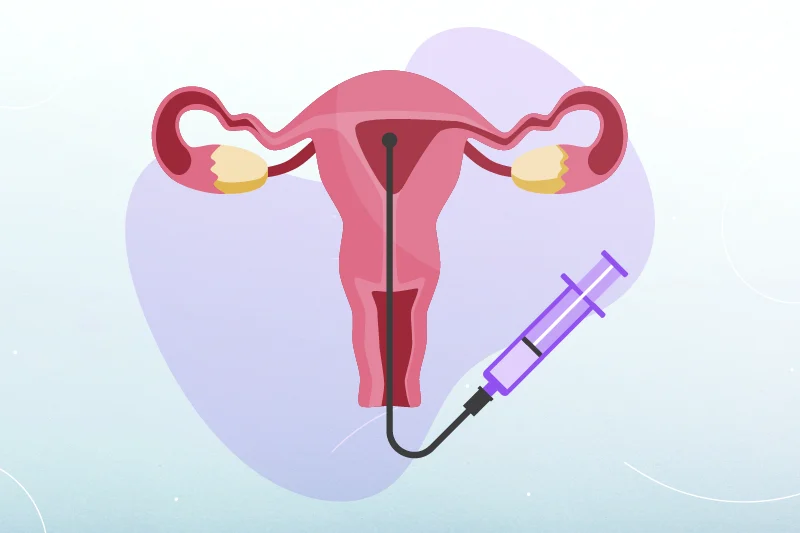
    Illustration of intrauterine insemination (IUI) procedure with syringe and catheter in the uterus.

    The Mental Toll of Fertility Testing: How Men and Women Cope Differently

    5. Be a team: Remember that you and your partner are in this together. Be a source of strength and support for each other, and make decisions about your fertility journey together.

    Men and Fertility Testing:

    While women may exhibit more visible emotions, men also experience a mental toll during fertility testing. For men, the process of fertility testing can bring up feelings of inadequacy and a loss of control. Unlike women, men do not have a physical reminder of their fertility struggles, which can make it challenging to process and cope with their emotions.

    Men may also struggle with feeling like they are not doing enough to help their partner conceive. This can lead to a sense of guilt and disappointment, especially if their partner is going through invasive procedures or taking medication, while they feel like they are just sitting on the sidelines.

    How Men Cope:

    Men may cope with the mental toll of fertility testing by retreating into themselves. They may not feel comfortable sharing their feelings with others and may prefer to deal with their emotions privately. This can make it challenging for their partners to know how to support them.

    Men may also cope by focusing on the practical aspects of fertility testing, such as researching treatment options and managing finances. This may help them feel like they are taking an active role in the process and provide a sense of control.

    How to Support Your Partner:

    If your partner is struggling with the mental toll of fertility testing, here are some ways you can support them:

    1. Create a safe space for communication: Let your partner know that you are always available to listen and talk about their feelings. Be patient and understanding, and avoid judgment or criticism.

    2. Encourage self-care: Encourage your partner to engage in activities that help them relax and cope with their emotions. This could be going for a walk, playing a sport, or engaging in a hobby.

    3. Share the burden: Let your partner know that they are not alone in this journey. Share the responsibility of researching and making decisions about treatment options.

    4. Validate their feelings: It is essential to validate your partner’s emotions and let them know that it is okay to feel overwhelmed, sad, or frustrated. This can help them feel heard and understood.

    5. Seek outside support: If your partner is struggling, encourage them to seek therapy or join a support group for men dealing with fertility issues. This can provide a safe and supportive space for them to share their feelings.

    In conclusion, fertility testing can take a significant toll on both men and women, but they may cope and express their emotions differently. It is crucial for partners to support and understand each other’s coping mechanisms and provide a safe and understanding space for communication. With love, patience, and understanding, couples can navigate the mental toll of fertility testing together and come out stronger on the other side.

  • Intrauterine Insemination vs Intracervical Insemination: A Look at the Emotional Toll

    Intrauterine insemination (IUI) and intracervical insemination (ICI) are two commonly used methods of assisted reproductive technology that can help individuals and couples conceive a child. While both procedures involve the introduction of sperm into a woman’s reproductive tract, there are significant differences between the two. One of the most important aspects to consider when choosing between IUI and ICI is the emotional toll that each can have on individuals and couples. In this blog post, we will explore the emotional impact of these two insemination methods and provide insights from experts in the field.

    Understanding Intrauterine Insemination and Intracervical Insemination

    Before delving into the emotional aspects, it is essential to understand the differences between IUI and ICI. In IUI, sperm is directly placed into the uterus using a catheter, bypassing the cervix. This procedure is typically timed with a woman’s ovulation to increase the chances of fertilization. On the other hand, ICI involves the placement of sperm near the cervix using a syringe or cervical cap. This method relies on the sperm’s ability to swim through the cervix and reach the egg for fertilization.

    The Emotional Toll of Intrauterine Insemination

    IUI can be an emotionally taxing process for individuals and couples trying to conceive. The preparation for the procedure, which includes hormonal medications and frequent visits to the doctor, can take a toll on one’s emotional well-being. The waiting period between IUI and finding out if it was successful can also be a rollercoaster of emotions. Dr. Zaher Merhi, a fertility specialist, explains, “The two-week wait after IUI is probably the most stressful time for a couple undergoing this procedure. They are eagerly waiting to find out if they are pregnant or not, and the anticipation can be overwhelming.”

    In addition, the success rate of IUI is not as high as other assisted reproductive techniques, which can lead to disappointment and feelings of failure. This can be particularly challenging for individuals and couples who have been struggling with infertility for an extended period.

    The Emotional Impact of Intracervical Insemination

    While ICI may seem less invasive and emotionally taxing compared to IUI, it still has its own set of emotional challenges. One of the biggest concerns for individuals undergoing ICI is the lack of control over the process. Unlike IUI, where the sperm is placed directly into the uterus, ICI relies on the sperm’s ability to swim through the cervix, which can be unpredictable. This can lead to feelings of uncertainty and anxiety, as individuals have no way of knowing if the sperm has reached the egg for fertilization.

    Dr. Merhi also highlights the emotional impact of the timing involved in ICI. He explains, “Timing is crucial in ICI, and if the sperm is not introduced at the right time, it can significantly affect the chances of conception. This can add to the emotional burden, as individuals are constantly thinking about whether the timing is right.”

    Illustration of intrauterine insemination (IUI) procedure with syringe and catheter in the uterus.

    Intrauterine Insemination vs Intracervical Insemination: A Look at the Emotional Toll

    The Impact on Relationships

    The emotional toll of IUI and ICI is not limited to individuals; it can also have a significant impact on relationships. The stress and anxiety surrounding these procedures can strain a couple’s communication and intimacy. There may also be feelings of resentment or blame if the procedure is not successful, which can lead to relationship issues.

    Dealing with the Emotional Toll

    The emotional toll of IUI and ICI can be overwhelming, but there are ways to cope with these challenges. It is crucial for individuals and couples to have a support system in place, whether it be friends, family, or a therapist. It is also essential to have open communication with your partner and to express your feelings and concerns.

    Dr. Merhi emphasizes the importance of self-care during this process. He says, “It is essential to take care of your emotional well-being during this time. Engage in activities that help you relax and destress, such as yoga, meditation, or spending time in nature.”

    Seeking Professional Help

    If the emotional toll of IUI and ICI becomes too overwhelming, it may be helpful to seek professional help. A therapist or counselor can provide support and guidance through the process and help individuals and couples navigate the emotional challenges.

    In conclusion, the decision between IUI and ICI should not solely be based on the emotional toll but should consider other factors such as success rates, cost, and medical recommendations. However, it is vital to acknowledge and address the emotional impact of these procedures and seek support when needed. With the right support and coping mechanisms, individuals and couples can navigate through the emotional toll and increase their chances of conceiving a child.

    Summary:

    Intrauterine insemination (IUI) and intracervical insemination (ICI) are two methods of assisted reproductive technology that can help individuals and couples conceive. While both procedures involve the introduction of sperm into a woman’s reproductive tract, they have significant differences, particularly in the emotional toll they can have on individuals and couples. IUI can be emotionally taxing due to the preparation, waiting period, and success rates, while ICI can create feelings of uncertainty and anxiety due to its reliance on the sperm’s ability to swim through the cervix. These emotional challenges can also impact relationships, but there are ways to cope, such as having a support system, open communication, self-care, and seeking professional help.

  • The Role of Stress Management in At-Home vs Clinic Intrauterine Insemination

    Blog Post Title: The Role of Stress Management in At-Home vs Clinic Intrauterine Insemination

    Summary:

    Intrauterine insemination (IUI) is a commonly used fertility treatment for couples struggling to conceive. While the procedure itself is relatively simple, the process of undergoing IUI can be emotionally and physically taxing. Stress is a common factor in fertility struggles, and it can greatly impact the success of IUI. This blog post will explore the role of stress management in at-home versus clinic IUI and how it can affect the outcome.

    At-Home IUI and Stress Management:

    At-home IUI involves the use of a special kit provided by a fertility clinic that allows couples to administer the procedure themselves in the comfort of their own home. While this may seem like a less stressful option, the reality is that the process can still be overwhelming for many couples. The pressure to get the timing right, the fear of failure, and the financial investment can all contribute to increased stress levels.

    One of the most effective ways to manage stress during at-home IUI is to have a thorough understanding of the process and the necessary steps involved. This includes knowing how to properly use the kit, how to track ovulation, and when to perform the procedure. Having a clear plan and feeling prepared can help alleviate some of the anxiety associated with at-home IUI.

    Another important aspect of stress management during at-home IUI is communication with your partner. Going through fertility treatments can be emotionally draining, and it’s crucial to have a strong support system. Communicating openly and honestly with your partner can help alleviate any added stress and create a sense of unity and understanding throughout the process.

    Clinic IUI and Stress Management:

    Clinic IUI, on the other hand, involves undergoing the procedure at a fertility clinic under the supervision of a healthcare professional. While this may seem like a more controlled and less stressful option, the reality is that clinic IUI comes with its own set of stressors. These can include the need to take time off work, the pressure of being in a clinical setting, and the fear of judgment from others.

    Illustration of the uterus with a syringe, depicting the intrauterine insemination procedure.

    The Role of Stress Management in At-Home vs Clinic Intrauterine Insemination

    One of the primary benefits of undergoing IUI in a clinic setting is the access to support and resources. Fertility clinics often offer counseling services to help couples cope with the emotional toll of fertility treatments. Additionally, having a team of healthcare professionals to guide and support you can help alleviate some of the stress associated with clinic IUI.

    Stress Management Techniques for IUI:

    Regardless of whether you choose at-home or clinic IUI, incorporating stress management techniques into your daily routine is crucial for a successful outcome. These can include relaxation techniques such as meditation, deep breathing, or yoga. Exercise can also be a great way to manage stress and improve overall well-being.

    Seeking support from friends and family can also play a significant role in reducing stress levels during IUI. Having a strong support system can provide emotional support and help you cope with the ups and downs of the process.

    It’s also vital to prioritize self-care during this time. Taking time for yourself to do things you enjoy can help reduce stress and improve your overall mood. This can include activities such as reading, listening to music, or spending time in nature.

    The Impact of Stress on IUI Success:

    Stress has been shown to have a significant impact on fertility and the success of IUI. Studies have found that high levels of stress can affect hormone levels, disrupt ovulation, and decrease sperm quality. Additionally, stress can also lead to unhealthy coping mechanisms such as smoking, excessive drinking, or poor eating habits, which can all negatively affect fertility.

    Managing stress during IUI not only improves your overall well-being, but it can also increase the chances of a successful outcome. By reducing stress levels, the body is in a more optimal state for conception, making it more likely for IUI to be successful.

    In conclusion, stress management plays a crucial role in the success of IUI, whether it’s done at home or in a clinic setting. By incorporating stress management techniques into your daily routine and seeking support from loved ones and healthcare professionals, you can improve your overall well-being and increase the chances of a successful outcome. Remember to prioritize self-care, communicate openly with your partner, and stay informed about the process to alleviate stress and improve your chances of conceiving through IUI.

  • and TTC: How Support Groups Can Help You Stay Positive

    Blog Post Title: The Power of Support: How Joining TTC Groups Can Help You Maintain a Positive Mindset

    Summary:

    Trying to conceive (TTC) can be a challenging and emotionally taxing journey for many individuals and couples. Dealing with infertility, miscarriages, and the constant uncertainty can take a toll on one’s mental health and well-being. However, one way to cope with these challenges and maintain a positive mindset is by joining support groups specifically designed for those going through TTC. These groups provide a safe and understanding space for individuals to share their experiences, seek advice, and find comfort in knowing they are not alone in their struggles. In this blog post, we will delve into the various ways that support groups can help individuals stay positive while TTC.

    1. Emotional Support and Understanding:

    One of the most significant benefits of being a part of a TTC support group is the emotional support and understanding you receive from others who are going through a similar experience. It can be challenging to open up to friends and family who may not fully understand the complexities of TTC. Being part of a support group allows individuals to express their feelings and emotions freely without any judgment. Moreover, hearing from others who are going through a similar journey can provide a sense of validation and make one feel less isolated.

    2. Access to Information and Resources:

    TTC support groups are also an excellent source of information and resources. Members often share their knowledge, experiences, and tips, making it a valuable platform for those who may be struggling to find the right information. Moreover, support groups may also invite experts and professionals to share their expertise and answer any questions, providing members with up-to-date and accurate information on various TTC-related topics.

    3. Coping Mechanisms:

    Diagram illustrating intrauterine insemination (IUI) procedure with sperm injection into the uterus.

    and TTC: How Support Groups Can Help You Stay Positive

    TTC can be a rollercoaster of emotions, and it is essential to have healthy coping mechanisms to deal with the highs and lows. Support groups offer a safe and understanding space for members to discuss their coping strategies and learn from others. Whether it is practicing self-care, mindfulness, or seeking professional help, being part of a support group can provide individuals with the necessary tools to manage their emotions and stay positive.

    4. Celebrating Milestones:

    Being part of a TTC support group means being surrounded by individuals who understand the significance of each milestone on the journey. Whether it is a positive pregnancy test, a successful fertility treatment, or even just a positive ovulation test, support groups provide a platform for members to share their achievements and be celebrated. This positive reinforcement can be incredibly motivating and help individuals stay positive and hopeful for the future.

    5. Accountability and Encouragement:

    Sometimes, trying to stay positive on your own can be challenging. TTC support groups can provide a sense of accountability and encouragement. Members can set goals for themselves and hold each other accountable, whether it is following a specific diet, exercising regularly, or practicing self-care. Moreover, the encouragement and support from other members can be incredibly motivating and help individuals stay positive and focused on their journey.

    6. Building Lasting Relationships:

    Being part of a TTC support group means being a part of a community that shares a common goal. This can lead to the formation of meaningful and lasting relationships. Members can find comfort and support in each other and form a bond that goes beyond just TTC. These relationships can provide a sense of belonging and make the journey more bearable.

    In conclusion, TTC support groups can be a powerful tool in helping individuals stay positive while on their journey. The emotional support, access to information and resources, coping mechanisms, celebrating milestones, accountability and encouragement, and the formation of lasting relationships are just some of the ways in which these groups can positively impact individuals going through TTC. If you are struggling with the challenges of TTC, consider joining a support group and experience the power of support firsthand.

  • Finding Your Tribe: The Importance of Support Groups on the Fertility Journey

    Blog Post:

    The journey towards parenthood can be a tumultuous one, filled with ups and downs, hope and disappointment. For those struggling with fertility issues, this journey can feel even more challenging and isolating. It can be difficult to confide in friends and family who may not understand the complexities of the fertility process. This is where finding a support group, or “tribe,” becomes crucial. Support groups provide a safe and understanding space for individuals going through the fertility journey, offering emotional support, practical advice, and a sense of community. In this blog post, we will discuss the importance of finding your tribe on the fertility journey and how support groups can make a positive impact on your overall well-being.

    First and foremost, the fertility journey can be emotionally draining. It is a rollercoaster of emotions, from the excitement and hope of starting the process to the disappointment and grief of failed attempts. During this time, having a support group can be a lifeline. It provides a space where individuals can openly express their feelings without fear of judgment. Being surrounded by others who are going through similar experiences can bring a sense of validation and normalcy to one’s emotions. It can also help individuals feel less alone in their struggles, knowing that there are others who understand what they are going through.

    Moreover, support groups offer a sense of community and belonging. The journey towards parenthood can feel isolating, especially when trying to conceive for an extended period. It is common for individuals to feel like they are the only ones going through this experience, which can lead to feelings of isolation and alienation. However, being part of a support group allows individuals to connect with others who are on a similar path, creating a sense of camaraderie and understanding. This community can provide a source of strength, encouragement, and motivation, especially on the more challenging days.

    Support groups also offer practical advice and resources. The fertility journey can be overwhelming, with numerous medical procedures, medications, and fertility treatments. It can be challenging to navigate these waters alone, and often, individuals may have questions or concerns that they feel uncomfortable discussing with their doctors. In a support group, members can share their experiences and knowledge, providing valuable insights and tips for managing the fertility process. They can also offer recommendations for reputable doctors, clinics, and other resources that have worked for them, making the journey more manageable and less daunting.

    Cost breakdown for IUI components, including requirements, impacts, and alternatives.

    Finding Your Tribe: The Importance of Support Groups on the Fertility Journey

    Furthermore, support groups can positively impact one’s mental health. Struggling with fertility issues can take a toll on an individual’s mental health, leading to anxiety, depression, and other emotional challenges. Being part of a support group can help individuals cope with these feelings by providing a safe outlet to express and process emotions. It can also offer a space for individuals to learn coping mechanisms and techniques from others who have been through a similar experience. The support and understanding of the group can help individuals navigate their emotions and mental health in a healthier and more positive way.

    In addition to the emotional and mental benefits, support groups can also have a positive impact on one’s physical health. Studies have shown that stress can have a significant impact on fertility, making it more challenging to conceive. Being part of a support group can help individuals manage their stress levels by providing a sense of community, support, and understanding. It can also offer practical tips and techniques for reducing stress and promoting overall well-being. By managing stress levels, individuals may increase their chances of conceiving and improve their overall health.

    Lastly, support groups can also offer a sense of hope. The fertility journey can feel like an endless cycle of disappointment and setbacks. However, being part of a support group allows individuals to see success stories, hear about others’ journeys, and find inspiration and hope in their stories. This sense of hope and positivity can be a powerful motivator and can help individuals stay determined and optimistic on their journey towards parenthood.

    In conclusion, finding your tribe, or support group, on the fertility journey is crucial for emotional, mental, and physical well-being. It provides a safe and understanding space for individuals to express their emotions, a sense of community and belonging, practical advice and resources, and a source of hope and inspiration. If you are struggling with fertility issues, consider joining a support group, whether in-person or online, to find the support and understanding you need on this journey towards parenthood.

    Summary:

    The journey towards parenthood can be emotionally, mentally, and physically challenging, especially for those struggling with fertility issues. This is where support groups, or “tribes,” play a crucial role. Support groups provide a safe and understanding space for individuals to express their emotions, a sense of community and belonging, practical advice and resources, and a source of hope and inspiration. Being part of a support group can positively impact one’s overall well-being and help individuals navigate the fertility journey with strength and resilience.

  • The Psychological Impact of Fertility Medications vs Surgical Procedures

    Blog Post Title: The Psychological Impact of Fertility Medications vs Surgical Procedures: A Comprehensive Analysis

    Introduction:
    Fertility issues can be a challenging and emotionally taxing experience for many couples. The desire to have a child and start a family can lead to a range of emotions, from excitement and hope to frustration and disappointment. When faced with fertility problems, couples often turn to various treatment options, including fertility medications and surgical procedures, to increase their chances of conception. While these methods aim to help couples achieve their dream of starting a family, they can also have a significant psychological impact on individuals. In this blog post, we will explore the psychological impact of fertility medications and surgical procedures and compare their effects on individuals and couples going through fertility treatments.

    Fertility Medications:
    Fertility medications, also known as assisted reproductive technology (ART), are a popular treatment option for fertility problems. These medications work by stimulating the ovaries to produce more eggs, increasing the chances of fertilization. While fertility medications have been successful in helping many couples conceive, they can also have a significant psychological impact on individuals.

    One of the main psychological effects of fertility medications is the rollercoaster of emotions that individuals may experience. The process of taking fertility medications can be physically and emotionally draining, leading to mood swings, irritability, and anxiety. The constant monitoring and numerous doctor appointments can also add to the stress and uncertainty that individuals may feel during this process.

    Moreover, the failure of fertility medications to produce the desired results can be emotionally devastating for couples. The build-up of hope and anticipation of a positive outcome can make the failure of fertility medications feel like a personal failure, leading to feelings of guilt, shame, and even depression. This emotional toll can also strain relationships and cause tension between partners, further adding to the psychological impact of fertility medications.

    Surgical Procedures:
    Surgical procedures, such as in vitro fertilization (IVF) and intrauterine insemination (IUI), are another common treatment option for fertility issues. These procedures involve a more invasive approach and may be recommended for couples who have been unsuccessful with fertility medications. While surgical procedures can be more effective in helping couples conceive, they also have a significant psychological impact on individuals going through fertility treatments.

    diagram illustrating intrauterine insemination (IUI) procedure with uterus, sperm, and catheter labeled

    The Psychological Impact of Fertility Medications vs Surgical Procedures

    One of the main psychological effects of surgical procedures is the physical and emotional toll they can take on the body. These procedures can be physically demanding and involve multiple steps, from hormone injections to egg retrieval. This can cause discomfort, pain, and even side effects, such as bloating and mood swings. The emotional toll of the process, combined with the physical discomfort, can be overwhelming for individuals, leading to feelings of anxiety, stress, and even depression.

    Furthermore, surgical procedures can also have a significant financial burden on individuals and couples. IVF and other surgical procedures can be costly, and the financial strain of these treatments can add to the psychological impact. Couples may feel pressure to continue with the treatments, despite the financial strain, in hopes of achieving their dream of having a child. This can lead to feelings of guilt, frustration, and even resentment towards the process and each other.

    Comparison:
    While both fertility medications and surgical procedures can have a significant psychological impact on individuals and couples, there are some key differences between the two. Fertility medications can have a more immediate psychological impact due to the rollercoaster of emotions and uncertainty they bring. On the other hand, surgical procedures may have a longer-lasting psychological impact due to the physical and financial toll they take on individuals and couples.

    Another difference is the level of control individuals may have over these treatment options. With fertility medications, individuals have more control over the process, as they can administer the medications themselves and monitor their progress. However, with surgical procedures, individuals have less control, as they rely on medical professionals to perform the procedures and determine the success of the treatment.

    Ultimately, the psychological impact of fertility medications and surgical procedures depends on the individual’s coping mechanisms and support system. While these treatments can be challenging and emotionally draining, individuals can find solace in the support of their partner, family, and friends. Seeking therapy or joining support groups can also help individuals and couples cope with the psychological impact of fertility treatments.

    Conclusion:
    In conclusion, fertility medications and surgical procedures can both have a significant psychological impact on individuals and couples going through fertility treatments. The rollercoaster of emotions, physical discomfort, financial strain, and uncertainty can take a toll on individuals’ mental well-being. It is essential for individuals and couples to be aware of these potential psychological effects and seek support and coping mechanisms to navigate through the process successfully.

    Summary:
    Fertility issues can be a difficult and emotionally taxing experience for many couples, and the use of fertility medications and surgical procedures can have a significant psychological impact. Fertility medications can cause mood swings and anxiety, while the failure of these medications can lead to feelings of guilt and shame. On the other hand, surgical procedures can cause physical discomfort, financial strain, and feelings of anxiety and depression. The level of control and support individuals have during these treatments can also play a role in their psychological impact. Seeking support and coping mechanisms can help individuals and couples navigate through the process successfully.

  • The Role of Mental Health in Fertility Preservation: Coping with the Decision

    Blog Post:

    The decision to undergo fertility preservation can be a complex and emotionally charged one. For individuals or couples facing a potential loss of fertility due to medical treatments or other factors, the option of preserving their fertility can provide a sense of hope for the future. However, this decision can also bring about a range of emotions and challenges, making it crucial to address the role of mental health in the process.

    Infertility and the decision to preserve fertility can have a significant impact on an individual’s mental health. The stress and anxiety of facing potential infertility can take a toll on one’s well-being and can be further exacerbated by the process of fertility preservation. It’s essential to address these mental health concerns and provide support for individuals as they navigate this decision.

    One of the primary challenges individuals may face when considering fertility preservation is the emotional toll of infertility. The inability to conceive naturally can bring about feelings of grief, loss, and even shame. These emotions can be further intensified by the fear of losing the opportunity to have biological children in the future. It’s essential to acknowledge and validate these feelings and to seek emotional support from loved ones, therapists, or support groups.

    Additionally, the decision to undergo fertility preservation requires careful consideration and can be overwhelming for some individuals. The process involves various medical procedures, financial considerations, and the uncertainty of success. It’s crucial to have a support system in place to help navigate these decisions and provide emotional support during this time. This can include seeking guidance from a fertility specialist, consulting with financial advisors, or speaking with others who have gone through a similar experience.

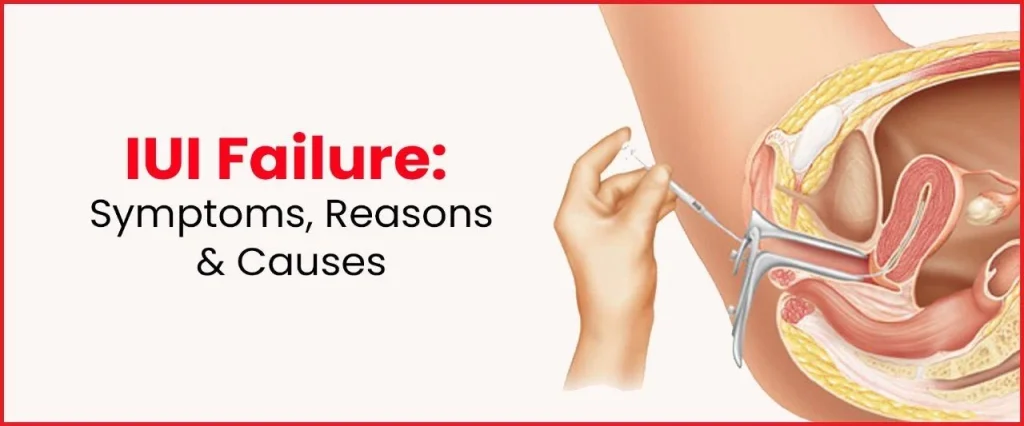
    illustration of IUI procedure with text on symptoms, reasons, and causes of IUI failure

    The Role of Mental Health in Fertility Preservation: Coping with the Decision

    Coping mechanisms are also vital when dealing with the decision to undergo fertility preservation. These can include mindfulness practices, such as meditation and deep breathing, to help manage stress and anxiety. Engaging in physical activities, such as yoga or exercise, can also help individuals manage their emotions and promote overall well-being. Additionally, finding healthy outlets for emotions, such as journaling or talking to a therapist, can be beneficial in coping with the complexities of this decision.

    It’s also essential to address the impact of fertility preservation on one’s relationship and communication with their partner. The decision to preserve fertility can bring about differences in opinions and feelings, which can strain the relationship. It’s crucial to have open and honest communication with one’s partner and to seek support from a therapist or couples counselor if needed. This can help strengthen the relationship and ensure that both individuals are on the same page when making this decision.

    Self-care is another crucial aspect of coping with the decision to undergo fertility preservation. Taking care of one’s physical, emotional, and mental well-being is essential during this time. This can include getting enough rest, eating a balanced diet, and engaging in activities that bring joy and relaxation. It’s also crucial to set boundaries and prioritize one’s needs, as this decision can be physically and emotionally draining.

    In addition to addressing one’s mental health, it’s also essential to have realistic expectations and understanding of the fertility preservation process. While it can provide hope for the future, it’s not a guarantee of success. It’s crucial to understand the risks and success rates of different fertility preservation methods and to have a backup plan in case the preservation is not successful.

    In conclusion, the decision to undergo fertility preservation is a challenging and emotional one that can have a significant impact on an individual’s mental health. It’s essential to address and prioritize one’s mental well-being through the process by seeking emotional support, using coping mechanisms, and practicing self-care. It’s also crucial to have open and honest communication with one’s partner and to have realistic expectations of the process. With proper support and self-care, individuals can navigate this decision with greater resilience and hope for the future.

    SEO Metadata:

  • The Importance of Self-Awareness: How Fertility Counseling Can Help You Understand Your Emotions

    Summary:

    Self-awareness is the ability to recognize and understand one’s own emotions, thoughts, and behaviors. It plays a crucial role in our overall well-being, especially when faced with challenges such as fertility struggles. Fertility counseling can help individuals gain a deeper understanding of their emotions and how to cope with them during this difficult time.

    The first step in becoming self-aware is to acknowledge and accept one’s emotions. Fertility counseling provides a safe and non-judgmental space for individuals to explore and express their emotions. This allows them to process their feelings in a healthy way and understand the root causes behind them.

    Fertility counseling also helps individuals to identify their thought patterns and belief systems that may be contributing to their emotional distress. Many people struggling with fertility may have negative thoughts and beliefs about themselves, their bodies, and their ability to conceive. Through counseling, they can challenge and reframe these thoughts, leading to a more positive self-perception.

    diagram illustrating intrauterine insemination process, showing sperm injection into the uterus and egg fertilization pathway

    The Importance of Self-Awareness: How Fertility Counseling Can Help You Understand Your Emotions

    Moreover, fertility counseling can assist individuals in recognizing their coping mechanisms and whether they are helpful or harmful. Coping mechanisms, such as avoidance or excessive self-blame, can be detrimental to one’s mental health. With the help of a trained therapist, individuals can learn healthier coping strategies and develop a more positive mindset.

    In addition to gaining self-awareness, fertility counseling also offers tools and techniques to manage difficult emotions. These may include relaxation techniques, mindfulness practices, and cognitive-behavioral therapy. By learning how to regulate their emotions, individuals can improve their overall well-being and cope better with the stress and uncertainty of fertility struggles.

    Fertility counseling also addresses the impact of fertility struggles on relationships. It can help individuals communicate effectively with their partners and loved ones, navigate conflicts, and strengthen their support system. This is crucial as fertility struggles can strain relationships and cause additional emotional distress.

    Furthermore, fertility counseling addresses the mental health aspect of fertility struggles. Studies have shown that individuals experiencing fertility issues are at a higher risk for anxiety and depression. Fertility counseling can provide the necessary support and guidance to manage these mental health concerns and improve one’s overall quality of life.

    In conclusion, self-awareness is essential in navigating the emotional rollercoaster of fertility struggles. Fertility counseling offers a safe and supportive environment for individuals to gain a deeper understanding of their emotions, thoughts, and behaviors. It equips them with the necessary tools and techniques to cope with difficult emotions, manage their mental health, and strengthen their relationships. By investing in fertility counseling, individuals can improve their overall well-being and increase their chances of conceiving.

  • The Role of Family and Friends: How Fertility Support Groups Can Provide a Support System

    Blog Post Title: The Role of Family and Friends: How Fertility Support Groups Can Provide a Support System

    Summary:

    Infertility is a difficult and often isolating experience for those struggling to conceive. Many couples and individuals feel alone in their journey and may not have the necessary support system in place to help them cope with the emotional and physical challenges of fertility treatments. This is where fertility support groups come in.

    Fertility support groups provide a safe and understanding space for individuals and couples to connect with others going through similar experiences. In this blog post, we will explore the role of family and friends in the journey of infertility and how fertility support groups can provide a much-needed support system.

    First and foremost, family and friends play a crucial role in the lives of those struggling with infertility. They are often the first people we turn to for emotional support when facing challenges. However, infertility is still a taboo topic in many societies, making it difficult for individuals to open up to their loved ones about their struggles. This can lead to feelings of isolation and can strain relationships.

    This is where fertility support groups can bridge the gap. These groups offer a judgment-free and understanding space for individuals to share their experiences and emotions with others who can relate. Fertility support groups are often led by trained professionals or individuals who have gone through similar experiences, making them a valuable source of guidance and comfort.

    Illustration of IUI procedure with uterus and syringe against a DNA background.

    The Role of Family and Friends: How Fertility Support Groups Can Provide a Support System

    In addition to emotional support, fertility support groups also offer practical support. Many individuals and couples going through fertility treatments may have to juggle work, appointments, and other responsibilities, making it challenging to manage everything on their own. Support groups can provide practical assistance, such as offering rides to appointments or helping with household tasks, to ease the burden.

    Moreover, fertility support groups can also provide a sense of community and belonging. Those struggling with infertility often feel like outsiders in a world where having children is seen as the norm. Support groups offer a sense of belonging and understanding, as everyone in the group is going through a similar experience. This can be incredibly comforting and can help individuals feel less alone in their journey.

    One of the most significant benefits of fertility support groups is the opportunity to learn from others. Everyone’s fertility journey is unique, and sharing experiences with others can provide valuable insights and perspectives. Support group members often share information about different treatments, doctors, and resources that they have found helpful. This information can be invaluable in helping individuals make informed decisions about their own fertility treatments.

    Another essential aspect of fertility support groups is the opportunity to connect with others who have successfully navigated the journey of infertility. This can provide hope and encouragement to those still struggling. Seeing others who have overcome similar challenges can give individuals the strength and motivation to keep going.

    Furthermore, fertility support groups can also help individuals and couples prepare for the emotional and psychological toll that fertility treatments can have. Infertility can be a rollercoaster of emotions, and it is essential to have a strong support system in place to help navigate these ups and downs. Support groups can provide coping mechanisms, tips for managing stress and anxiety, and a safe space to express emotions without judgment.

    In addition to providing support for those struggling with infertility, fertility support groups can also offer support to friends and family members of those going through fertility treatments. Often, loved ones may not know how to support their friends or family members during this challenging time. Support groups can provide them with guidance and resources to be a better support system for their loved ones.

    In conclusion, family and friends play a crucial role in the journey of infertility, but they may not always be equipped to provide the necessary support. Fertility support groups fill this gap and offer a safe, understanding, and supportive community for individuals and couples struggling with infertility. These groups provide emotional and practical support, a sense of community and belonging, and the opportunity to learn from others. They also offer hope and encouragement for those still on the journey and can help prepare individuals for the emotional challenges of fertility treatments. Fertility support groups not only benefit those struggling with infertility but also their loved ones, making them a vital resource in the journey towards parenthood.