Tag: challenges

  • The Future of Fertility Tracking: Predictions for Devices and Traditional Methods

    The Future of Fertility Tracking: Predictions for Devices and Traditional Methods

    Fertility tracking has been around for centuries, with traditional methods such as tracking menstrual cycles and changes in cervical mucus. However, with the advancements in technology, fertility tracking has also evolved, and there are now various devices and apps available to help women track their fertility. In this blog post, we will discuss the future of fertility tracking and make predictions about how both devices and traditional methods will continue to evolve.

    Devices for Fertility Tracking

    The market for fertility tracking devices has been steadily growing in recent years, with more and more women looking for efficient and accurate ways to track their fertility. Currently, the most popular devices for fertility tracking are ovulation predictor kits (OPKs), basal body temperature (BBT) monitors, and fertility tracking bracelets.

    However, we can expect to see even more advanced and user-friendly devices in the future. One prediction is the development of wearable devices that can track hormone levels and provide real-time data on a woman’s fertility status. These devices could potentially eliminate the need for daily urine or saliva tests, making fertility tracking more convenient and less invasive.

    Another trend we may see is the integration of fertility tracking with other health tracking devices such as smartwatches and fitness trackers. This could provide a more holistic approach to women’s health and allow for a better understanding of how lifestyle factors can impact fertility.

    Artificial intelligence (AI) is also expected to play a significant role in the future of fertility tracking devices. With AI, these devices can learn and adapt to a woman’s unique cycle, providing more accurate predictions and personalized recommendations for conception or contraception.

    Traditional Methods of Fertility Tracking

    While devices are becoming increasingly popular, traditional methods of fertility tracking are still widely used. These methods include tracking basal body temperature, changes in cervical mucus, and ovulation symptoms.

    One prediction for the future of traditional methods is the incorporation of technology. For example, there are already apps available that allow women to track their BBT and cervical mucus, making it easier to keep records and identify patterns. We can expect to see more advancements in this area, such as wearable devices that can measure BBT and automatically input the data into the app.
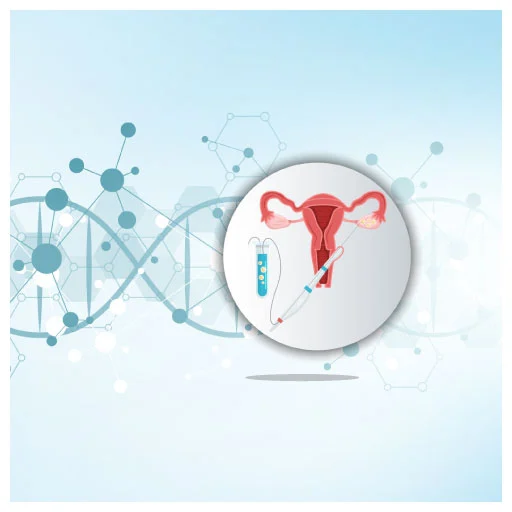
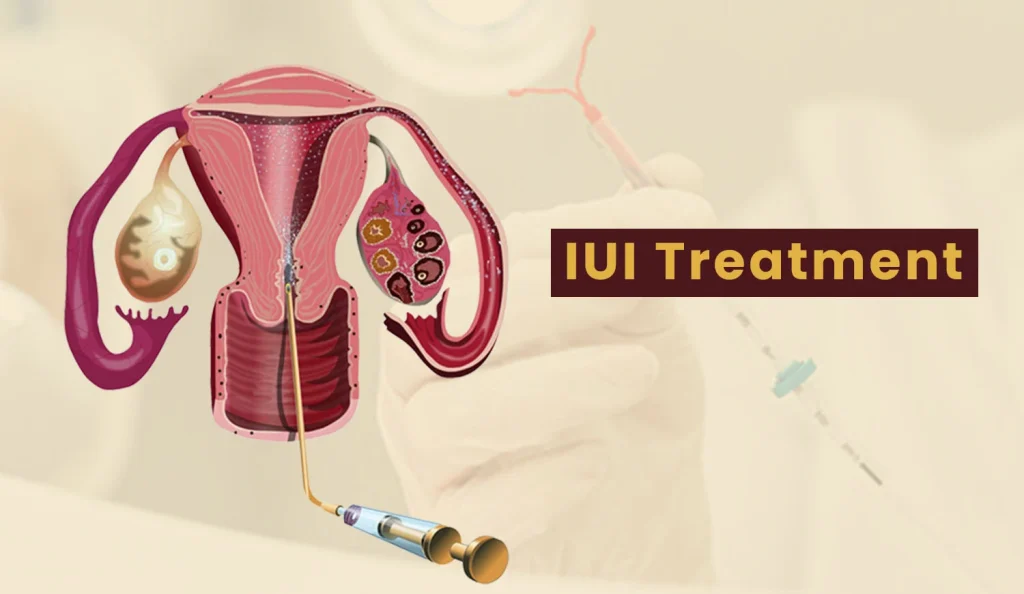
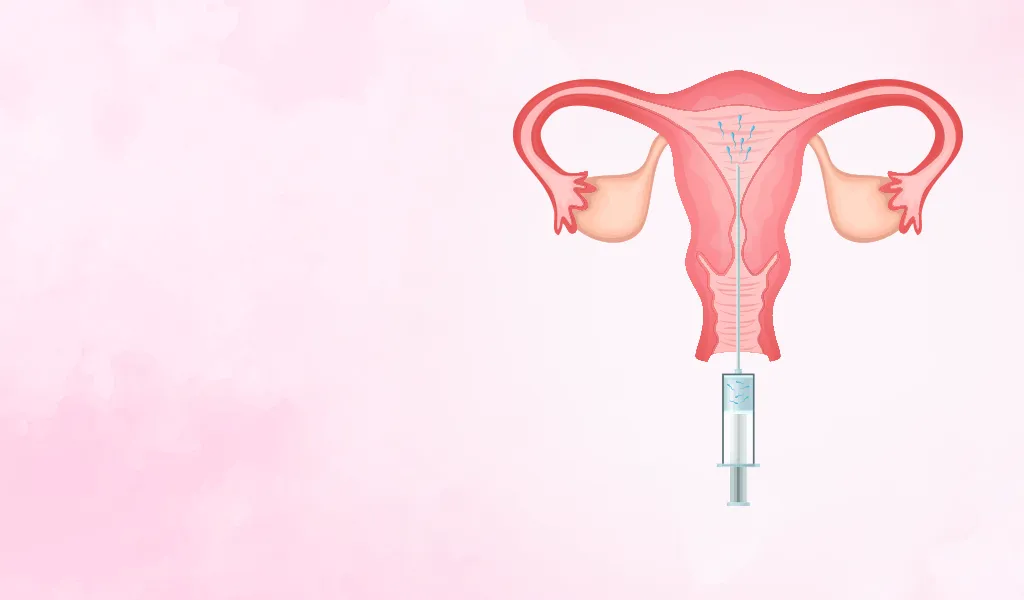
    Illustration of IUI procedure with uterus and syringe against a DNA background.

    The Future of Fertility Tracking: Predictions for Devices and Traditional Methods

    Additionally, traditional methods may also see an increase in accuracy with the use of AI. By analyzing data from multiple cycles, AI can identify and predict ovulation patterns more accurately, making traditional methods a more reliable option for fertility tracking.

    The Rise of Personalized Fertility Tracking

    One of the most significant advancements in fertility tracking is the ability to personalize it based on a woman’s unique cycle and health factors. With the integration of technology and AI, fertility tracking devices and apps can gather data on a woman’s cycle, lifestyle, and health history to provide tailored recommendations.

    For example, a woman with irregular periods may receive different predictions and recommendations than someone with a regular cycle. Similarly, a woman with PCOS or endometriosis may receive personalized suggestions to help manage their condition and optimize their fertility.

    This personalized approach to fertility tracking can also extend to couples trying to conceive. By tracking and analyzing data from both partners, these devices and apps can provide insights into fertility and potential fertility issues, ultimately improving the chances of conception.

    Challenges and Controversies

    While the future of fertility tracking looks promising, there are also challenges and controversies surrounding the use of these devices and methods. One concern is the reliance on technology and the potential for it to replace the knowledge and understanding of one’s body. As with any technology, there is also a risk of malfunctions or incorrect data, which could lead to unintended consequences.

    There are also concerns about privacy and the security of the data collected by these devices and apps. As fertility tracking becomes more personalized and integrated with other health tracking devices, there is a need for strict security measures to protect sensitive information.

    Another controversy surrounding fertility tracking is the potential for it to be used as a form of birth control. While these devices and methods can provide valuable insights into fertility, they are not 100% effective and should not be relied upon as the sole method of contraception.

    In summary, the future of fertility tracking looks promising, with advancements in technology and AI making it more accurate, convenient, and personalized. However, there are also challenges and controversies that need to be addressed to ensure the safe and responsible use of these devices and methods.
  • The Influence of Culture and Religion on Insemination Choices

    Culture and religion are two powerful forces that shape our beliefs, values, and actions. They influence every aspect of our lives, including our choices related to reproductive health. Insemination, the process of introducing sperm into a female’s reproductive tract, is a crucial decision for couples and individuals who are trying to conceive. However, this choice is often influenced by cultural and religious beliefs, which can vary greatly across different societies and faiths.

    In this blog post, we will explore the influence of culture and religion on insemination choices. We will discuss how these factors impact the decision-making process and the various cultural and religious perspectives on assisted reproductive technologies. Additionally, we will examine the potential conflicts and challenges that arise when cultural and religious beliefs clash with medical advancements in the field of reproductive technology.

    Cultural Influences on Insemination Choices:

    Culture plays a significant role in shaping our attitudes towards reproduction and fertility. In many societies, parenthood is seen as a central aspect of a person’s identity and is often linked to social status and family honor. As a result, fertility and procreation are highly valued, and any difficulties in conceiving can be met with stigma and shame. In such cultures, there may be pressure to have biological children, and the use of assisted reproductive technologies, including insemination, may be viewed with skepticism or disapproval.

    Moreover, cultural norms and expectations can also dictate the ideal family structure and the role of men and women in the procreation process. In some cultures, male fertility is highly valued, and there may be pressure on men to have genetic heirs. This can lead to men feeling pressured to undergo insemination procedures, even if their partners are the ones with fertility issues. On the other hand, in cultures where women are expected to bear children, the use of donor sperm in insemination may be stigmatized, as it challenges traditional notions of motherhood and genetic lineage.

    Religious Influences on Insemination Choices:

    Religion is another significant influence on the choices individuals make regarding insemination. Different faiths have varying perspectives on assisted reproductive technologies, with some religions being more accepting than others. For instance, in Islam, which has a strong emphasis on procreation and family, the use of donor sperm is prohibited, as it is seen as a violation of a woman’s marital rights. In contrast, in Judaism, which places great importance on family and lineage, donor insemination is permitted under certain conditions.

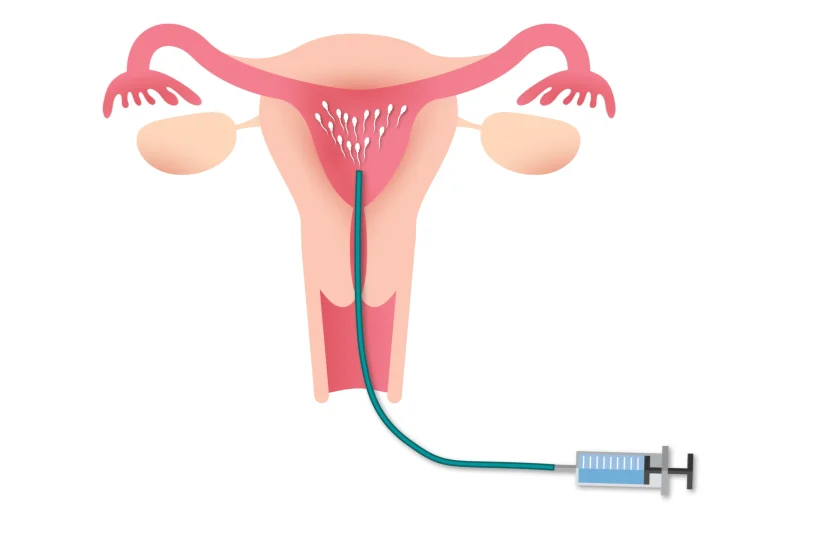
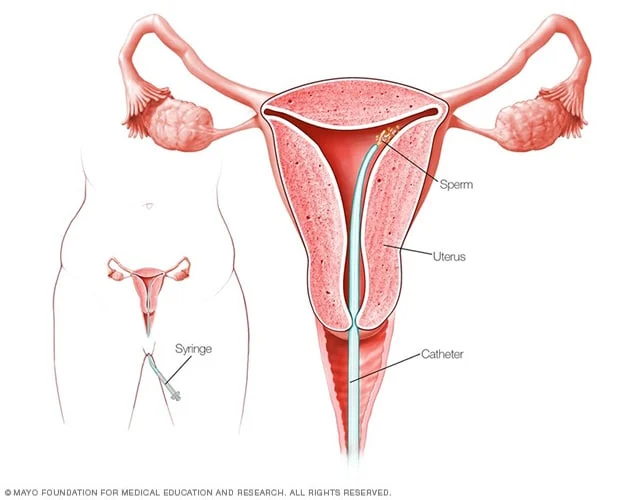
    diagram illustrating intrauterine insemination (IUI) procedure with uterus, sperm, and catheter labeled

    The Influence of Culture and Religion on Insemination Choices

    Similarly, in Christianity, which has a complex relationship with reproductive technologies, opinions on insemination can vary among different denominations. For example, the Catholic Church views assisted reproductive technologies as interfering with the natural process of conception and therefore, opposes them. On the other hand, some Protestant denominations may be more accepting of insemination, as long as it is within the context of a heterosexual marriage.

    Conflicts and Challenges:

    The intersection of culture and religion with reproductive technology can lead to conflicts and challenges for individuals and couples trying to conceive. For instance, in countries with strong cultural values, such as China and India, the pressure to have biological children can lead to a high demand for assisted reproductive technologies. This demand can also be driven by cultural preferences for male children, leading to a gender imbalance and ethical concerns.

    Moreover, individuals and couples may face conflicts when their cultural or religious beliefs do not align with medical recommendations. This can be particularly challenging for those living in countries where there is a lack of access to assisted reproductive technologies or where certain procedures are prohibited due to religious or cultural reasons. In such cases, individuals may have to make difficult decisions, such as compromising on their religious or cultural beliefs, seeking treatment abroad, or forgoing treatment altogether.

    Conclusion:

    Insemination is a complex and personal decision, and cultural and religious factors can significantly impact this choice. Different cultures and religions have varying attitudes towards assisted reproductive technologies, and these perspectives can create conflicts and challenges for individuals and couples trying to conceive. It is crucial for healthcare professionals to be aware of these influences and to provide culturally sensitive and respectful care to patients.

    In summary, the influence of culture and religion on insemination choices is significant and cannot be ignored. Understanding and acknowledging these influences is crucial in providing comprehensive care and support to individuals and couples navigating the complex journey of fertility and reproduction.

  • Fertility Preservation for Women in the Military: Overcoming Challenges

    Blog Post: Fertility Preservation for Women in the Military: Overcoming Challenges

    Being a woman in the military comes with its own set of unique challenges. From physical demands to separation from family, women in the military have to navigate through various obstacles while serving their country. However, one challenge that often goes unnoticed is the issue of fertility preservation. As more and more women join the military, the need for fertility preservation options has become increasingly important. In this blog post, we will discuss the challenges faced by women in the military when it comes to fertility preservation and how they can overcome them.

    The Importance of Fertility Preservation for Women in the Military

    The military lifestyle can be quite demanding, with deployments, long hours, and frequent moves. This can make it difficult for women in the military to start a family. Moreover, the physical demands of the job, such as exposure to toxins and strenuous physical training, can also impact a woman’s fertility. According to a study conducted by the Department of Defense, female service members are more likely to experience fertility issues compared to their civilian counterparts. This makes fertility preservation crucial for women in the military who want to have children in the future.

    Challenges Faced by Women in the Military for Fertility Preservation

    1. Lack of Awareness and Education

    One of the biggest challenges faced by women in the military is the lack of awareness and education about fertility preservation options. Many women are not aware that their military service could impact their fertility and that there are options available to preserve it. This lack of knowledge can lead to missed opportunities and regret in the future.

    2. Limited Access to Fertility Specialists

    Another challenge faced by women in the military is limited access to fertility specialists. Due to the nature of their job, many women in the military are stationed in remote areas or deployed overseas, making it difficult for them to access fertility specialists. This can delay the process of fertility preservation and may even result in missed opportunities.

    3. Financial Constraints

    Fertility preservation procedures can be expensive, and many women in the military may not have the financial means to afford them. While some military insurance plans cover fertility preservation for medical reasons, it may still not cover elective procedures. This can be a major barrier for women in the military who want to preserve their fertility but cannot afford the costs.

    4. Stigma and Lack of Support

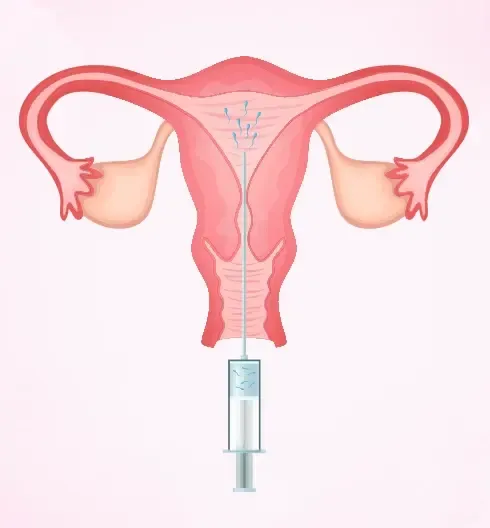
    illustration of a uterus with a syringe, representing intrauterine insemination procedure

    Fertility Preservation for Women in the Military: Overcoming Challenges

    Unfortunately, there is still a stigma surrounding women in the military who want to start a family. This can make it difficult for women to openly discuss their desire for fertility preservation with their superiors or colleagues. Moreover, the lack of support from the military community can also make it challenging for women to navigate through the process of fertility preservation.

    Overcoming Challenges for Fertility Preservation

    1. Education and Awareness

    The first step towards overcoming the challenges faced by women in the military for fertility preservation is education and awareness. Military organizations and healthcare providers need to provide women with information about their options for fertility preservation and the potential impact of military service on their fertility. This will help women make informed decisions and take proactive steps towards preserving their fertility.

    2. Providing Access to Fertility Specialists

    Efforts should be made to provide women in the military with access to fertility specialists, regardless of their location. This can be achieved through telemedicine or by partnering with civilian fertility clinics near military bases. By providing easy access to fertility specialists, women in the military can receive the necessary care and support for preserving their fertility.

    3. Financial Support

    To overcome the financial constraints faced by women in the military, there needs to be more support and coverage for fertility preservation procedures. Military insurance plans should cover elective fertility preservation procedures, and there should be financial assistance programs available for those who cannot afford the costs. This will remove the financial burden for women in the military and make fertility preservation more accessible to them.

    4. Creating a Supportive Environment

    To overcome the stigma and lack of support, it is important to create a supportive environment for women in the military who want to preserve their fertility. This can be achieved by promoting a culture of open communication and understanding within the military community. Superiors and colleagues should be educated about fertility preservation and be supportive of women who choose to undergo the procedure.

    In conclusion, fertility preservation is a crucial issue that needs to be addressed for women in the military. By understanding the challenges and taking proactive steps towards overcoming them, women in the military can have the option to start a family in the future while serving their country.

    Summary:

    Women in the military face unique challenges when it comes to fertility preservation. The demanding nature of their job, limited access to specialists, financial constraints, and stigma are some of the obstacles they have to overcome. To address these challenges, education and awareness, providing access to fertility specialists, financial support, and creating a supportive environment are crucial. By taking proactive steps, women in the military can have the option to preserve their fertility and start a family in the future.

  • Challenges and Options: Exploring Fertility Preservation vs Immediate Pregnancy

    Blog Post Title: Challenges and Options: Exploring Fertility Preservation vs Immediate Pregnancy

    Introduction:
    The decision to start a family is a major milestone in anyone’s life. However, for some individuals, the road to parenthood may not be as straightforward. For those facing fertility challenges, the options of fertility preservation and immediate pregnancy present themselves. In this blog post, we will explore the challenges and considerations involved in both of these paths.

    Challenges of Immediate Pregnancy:
    One of the biggest challenges of immediate pregnancy is the potential impact on a person’s physical and mental health. Pregnancy can take a toll on the body and can be especially challenging for those with pre-existing health conditions. Additionally, the hormonal changes and emotional stress of pregnancy can be overwhelming for some individuals.

    Another challenge of immediate pregnancy is the financial aspect. Pregnancy and childbirth can be expensive, and for those without adequate insurance coverage, the costs can quickly add up. This can be a major barrier for individuals or couples who are not financially stable or have limited resources.

    Furthermore, immediate pregnancy may also pose challenges for career advancement. Taking time off work for pregnancy and childbirth can disrupt career plans and may lead to a loss of income or job opportunities.

    Challenges of Fertility Preservation:
    Fertility preservation, on the other hand, also comes with its own set of challenges. One of the main challenges is the cost. Treatments such as egg freezing or embryo freezing can be expensive and may not be covered by insurance. This can be a major barrier for individuals or couples who are not financially prepared for the costs.

    Another challenge of fertility preservation is the emotional aspect. For some individuals, the process of freezing eggs or embryos can be emotionally taxing, as it involves hormonal injections and invasive procedures. This can be particularly difficult for those who have already been through fertility treatments or have experienced pregnancy loss.

    illustration of the uterus and ovaries with a syringe, labeled "IUI Treatment" in the background

    Challenges and Options: Exploring Fertility Preservation vs Immediate Pregnancy

    Moreover, fertility preservation may also require individuals to postpone their plans for starting a family. This can be a difficult decision for those who are eager to become parents and may cause feelings of frustration and disappointment.

    Options and Considerations:
    When faced with the challenges of immediate pregnancy and fertility preservation, it is important to consider all options and make an informed decision.

    Immediate pregnancy may be a more suitable option for those who are physically and mentally ready for pregnancy. It also allows for a more immediate fulfillment of the desire to become a parent. However, it is important to assess one’s financial stability and career plans before making this decision.

    On the other hand, fertility preservation may be a better choice for individuals who are not yet ready for pregnancy, for medical reasons, or for those who want to ensure their future fertility. It also allows for more control over the timing of pregnancy. However, it is crucial to consider the costs and emotional toll of the procedures.

    It is also worth noting that fertility preservation does not guarantee a successful pregnancy in the future. The success rates of assisted reproductive techniques such as IVF vary and may depend on factors such as age and underlying health conditions.

    Conclusion:
    In conclusion, the decision between fertility preservation and immediate pregnancy is a complex and personal one. Both options come with their own set of challenges and considerations. It is important for individuals and couples to carefully weigh their options, consider their emotional, physical, and financial capacities, and seek guidance from medical professionals before making a decision.

    Summary:
    The decision to start a family can be challenging for individuals facing fertility issues. The options of fertility preservation and immediate pregnancy present themselves with their own set of challenges. Immediate pregnancy can impact a person’s physical and mental health, finances, and career plans. Fertility preservation, on the other hand, can be emotionally and financially taxing and may require individuals to postpone their plans for starting a family. It is important to assess all options and consider personal circumstances before making a decision.

  • Overcoming Challenges: Donor Insemination vs Partner Insemination

    Blog Post Title: Overcoming Challenges: Donor Insemination vs Partner Insemination

    Introduction:
    Starting a family is a dream for many couples, but for some, it may come with challenges. In the past, traditional methods of conception were the only options available for couples struggling with fertility issues. However, with advancements in technology and medicine, there are now various methods of assisted reproduction available, such as donor insemination and partner insemination. While both methods offer the possibility of starting a family, they come with their own set of challenges. In this blog post, we will explore the differences between donor insemination and partner insemination and the challenges that couples may face when considering these options.

    What is Donor Insemination?
    Donor insemination is a form of assisted reproduction where sperm from a donor is used to fertilize a woman’s egg. This method is often used by couples who are struggling with male infertility or same-sex couples who wish to start a family. Donor insemination can be done with either fresh or frozen sperm, and the process involves injecting the sperm into the woman’s uterus during ovulation.

    What is Partner Insemination?
    Partner insemination, also known as artificial insemination by husband (AIH), is a form of assisted reproduction where sperm from the woman’s male partner is used to fertilize her egg. This method is commonly used by heterosexual couples who are struggling with male fertility issues or have difficulty conceiving through natural methods. Partner insemination is also an option for lesbian couples who wish to conceive using the sperm from one partner.

    Challenges of Donor Insemination:
    1. Genetic Concerns:
    One of the most significant challenges of donor insemination is the potential genetic concerns. Since the sperm used is from a donor, there is a possibility of passing on certain genetic disorders or diseases to the child. While most fertility clinics and sperm banks have strict screening processes in place, there is still a small risk of potential genetic issues.

    2. Emotional Challenges:
    Another significant challenge of donor insemination is the emotional impact it may have on the couple. For some, the idea of using a donor’s sperm can be difficult to accept, and it may cause feelings of jealousy, insecurity, or inadequacy. It is crucial for couples to have open and honest communication about their emotions and seek counseling if needed.

    3. Legal Considerations:
    Using a sperm donor also comes with legal considerations. In some countries, the donor may have parental rights, and the couple may have to go through a legal process to ensure that the donor has no claim to the child. It is essential to research and understand the laws and regulations surrounding donor insemination in your country or state before proceeding with the process.

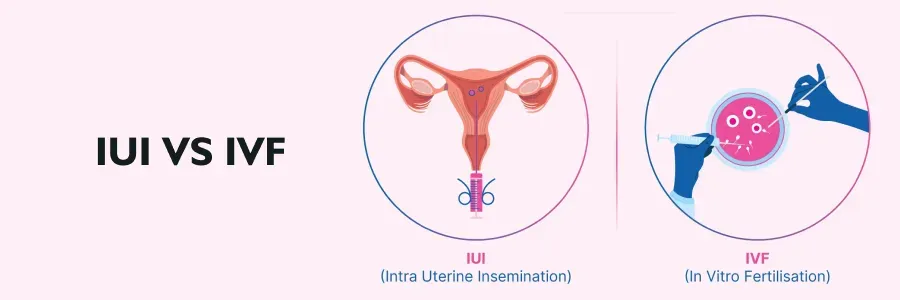
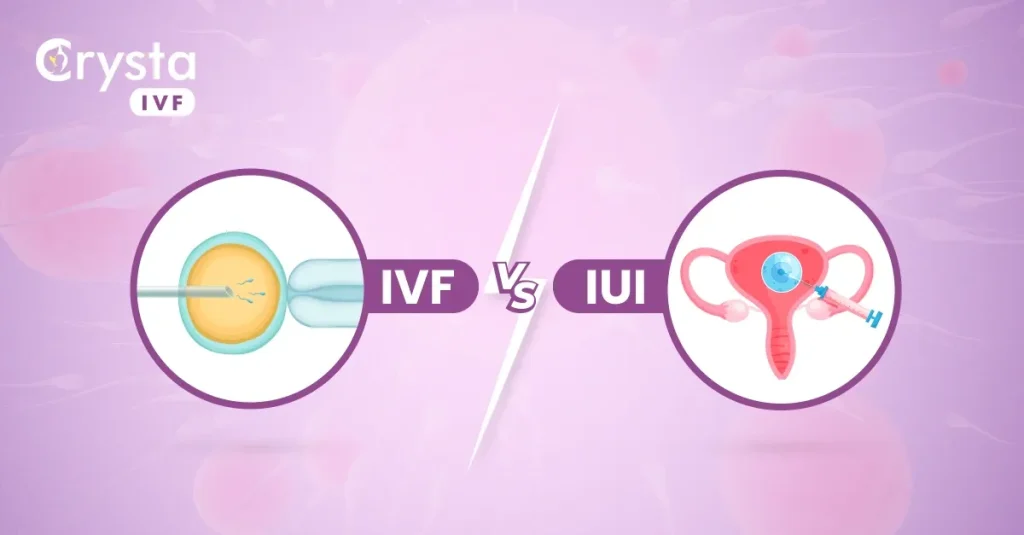
    Comparison of IUI and IVF with illustrations of each procedure.

    Overcoming Challenges: Donor Insemination vs Partner Insemination

    Challenges of Partner Insemination:
    1. Reliability:
    One of the main challenges of partner insemination is the reliability of the process. This method relies heavily on the timing of ovulation and the quality of the sperm, which can vary from month to month. As a result, it may take several attempts before a successful pregnancy is achieved, causing frustration and disappointment for the couple.

    2. Cost:
    Partner insemination can be a costly process, especially if the couple needs to undergo multiple attempts to achieve a pregnancy. The costs may include fertility clinic fees, sperm storage fees, and medication expenses. It is essential to have a thorough understanding of the costs involved before deciding on this method of assisted reproduction.

    3. Insemination Process:
    Unlike donor insemination, partner insemination involves the couple performing the insemination process at home. This can be a challenge for some couples, as it may feel clinical and less intimate than natural conception. Additionally, the couple may face difficulties in performing the process accurately, leading to unsuccessful attempts.

    Tips for Overcoming Challenges:
    1. Seek Professional Guidance:
    It is crucial to seek guidance from a fertility specialist before deciding on either donor insemination or partner insemination. A professional can help you understand the process, the potential challenges, and assist in making an informed decision.

    2. Communicate Openly:
    Open and honest communication between partners is key to overcoming challenges in either donor insemination or partner insemination. It is essential to discuss any concerns or emotions that may arise and work together to find solutions.

    3. Consider Alternative Options:
    If one method does not work, couples can consider alternative options such as in vitro fertilization (IVF) or adoption. It is essential to keep an open mind and explore all possibilities to achieve the dream of starting a family.

    Summary:
    Starting a family can be a challenging journey for many couples, but with the advancements in assisted reproduction, there are now more options available. Donor insemination and partner insemination are two methods that offer the possibility of conceiving a child. However, they come with their own set of challenges, including genetic concerns, emotional impact, legal considerations, reliability, cost, and the insemination process. By seeking professional guidance, communicating openly, and considering alternative options, couples can overcome these challenges and achieve their dream of starting a family.

  • Understanding the Legalities of Home Insemination and IVF for Same-Sex Couples

    Understanding the Legalities of Home Insemination and IVF for Same-Sex Couples

    Same-sex couples have been fighting for equal rights for decades, including the right to start a family. With advancements in medical technology, same-sex couples now have the option of home insemination and in vitro fertilization (IVF) to conceive a child. However, these methods come with legal complexities that must be understood before embarking on the journey of parenthood. In this blog post, we will delve into the legalities of home insemination and IVF for same-sex couples, including the rights and responsibilities of both partners, the legal recognition of the non-biological parent, and the potential challenges that may arise.

    Defining Home Insemination and IVF

    Home insemination, also known as at-home insemination, is a fertility treatment that involves using a syringe or a special device to inject sperm into the vagina, cervix, or uterus. This method can be done at home, without the assistance of a medical professional. On the other hand, IVF is a fertility treatment that involves retrieving eggs from the ovaries, fertilizing them with sperm in a laboratory, and then transferring the resulting embryo to the uterus. This procedure is typically performed by a medical professional in a clinic.

    The Rights and Responsibilities of Both Partners

    In the case of home insemination, the sperm donor has no legal rights or responsibilities to the child, unless they have a written agreement stating otherwise. This means that the non-biological parent will be the sole legal parent of the child. However, if the couple is not married or in a civil partnership, the non-biological parent will have to go through a legal process to acquire parental responsibility, which includes adopting the child or obtaining a parental order.

    For IVF, both partners have equal rights and responsibilities as legal parents of the child, regardless of who carries the pregnancy or who provided the sperm. This is because IVF is a medical procedure that requires the consent of both partners and creates a legal presumption of parenthood for both. However, it is recommended for same-sex couples to have a written agreement in place to avoid any potential legal disputes in the future.

    success rate of IUI in India with a graphic of a uterus and syringe alongside a rising graph

    Understanding the Legalities of Home Insemination and IVF for Same-Sex Couples

    Legal Recognition of the Non-Biological Parent

    In most countries, the non-biological parent in a same-sex relationship is not automatically recognized as a legal parent. This means that if the couple separates or if the biological parent passes away, the non-biological parent may not have any legal rights to the child. To avoid this, it is important for same-sex couples to go through the necessary legal processes to ensure both parents have equal legal rights to the child.

    In the United States, same-sex couples can obtain a parental order or a second-parent adoption to establish legal parentage for the non-biological parent. However, the laws and processes may vary from state to state. It is important for couples to seek legal advice and understand the laws in their state before proceeding with home insemination or IVF.

    Potential Challenges

    While home insemination and IVF provide same-sex couples with the opportunity to start a family, there are potential legal challenges that may arise. In some cases, the sperm donor may come forward and claim parental rights to the child, even if there was a written agreement in place. This can result in a lengthy and emotionally draining legal battle for both partners.

    Another challenge that same-sex couples may face is the lack of legal protection and recognition in certain countries. In some places, same-sex couples may not have the same legal rights as heterosexual couples when it comes to parenthood and family law. This can create difficulties for couples who want to start a family through home insemination or IVF.

    In summary, same-sex couples have the option of home insemination and IVF to start a family, but these methods come with legal complexities that must be understood and addressed. Couples should seek legal advice and have a written agreement in place to avoid potential challenges in the future. It is also important to understand the laws and processes in their state or country regarding same-sex parenthood to ensure both partners have equal rights and recognition as legal parents.

  • Challenges and Rewards: Traditional vs. Gestational Surrogacy

    Blog Post:

    Surrogacy has become a popular option for couples and individuals who are unable to conceive a child on their own. It involves a woman carrying and giving birth to a child for another person or couple. There are two types of surrogacy: traditional and gestational. While both methods have their own set of challenges and rewards, they differ significantly in their processes and legal implications. In this blog post, we will explore the differences between traditional and gestational surrogacy and discuss the challenges and rewards associated with each.

    Traditional Surrogacy:

    Traditional surrogacy, also known as genetic or partial surrogacy, is a method where the surrogate mother is the biological mother of the child. In this process, the surrogate’s egg is fertilized with the intended father’s sperm, either through artificial insemination or in vitro fertilization (IVF). The surrogate then carries and gives birth to the child and relinquishes all parental rights to the intended parents.

    Challenges:

    One of the main challenges of traditional surrogacy is the emotional bond that the surrogate mother may develop with the child. Since the surrogate is the biological mother, she may have a strong attachment to the baby, making it difficult for her to hand over the child to the intended parents. This can create a complicated and emotional situation for all parties involved.

    Another challenge is the legal implications. In some countries, traditional surrogacy is not recognized, which can lead to legal battles and custody issues. The intended parents may also face challenges in obtaining legal rights to the child, as the surrogate is the biological mother.

    Rewards:

    For some people, traditional surrogacy may be a more affordable option compared to gestational surrogacy. Since the surrogate is using her own eggs, the cost of IVF is eliminated, making it a more cost-effective method.

    Additionally, traditional surrogacy allows for a genetic connection between the child and one of the intended parents. This can be a rewarding experience for those who want a biological link to their child.

    diagram of a uterus with a syringe for intrauterine insemination procedure

    Challenges and Rewards: Traditional vs. Gestational Surrogacy

    Gestational Surrogacy:

    Gestational surrogacy, also known as host or full surrogacy, is a method where the surrogate mother has no genetic connection to the child. In this process, the intended parents’ sperm and egg are fertilized through IVF and then transferred to the surrogate’s uterus. The surrogate carries the child to term and gives birth, but has no biological ties to the child.

    Challenges:

    One of the main challenges of gestational surrogacy is the high cost involved. The process of IVF is expensive, and the intended parents also have to cover the surrogate’s medical expenses and compensation for her time and effort.

    Another challenge is finding a suitable surrogate. The process of finding a willing and qualified surrogate can be time-consuming and may involve a lot of paperwork and legal procedures.

    Rewards:

    Gestational surrogacy offers the intended parents a chance to have a child that is genetically related to them. This can be a rewarding experience for couples who are unable to conceive on their own.

    Moreover, gestational surrogacy eliminates the emotional bond and potential legal issues that come with traditional surrogacy. The surrogate has no biological ties to the child, making it easier for her to relinquish parental rights.

    In gestational surrogacy, the intended parents have more control over the pregnancy and can be involved in the process from the very beginning. They can choose the surrogate and be a part of the pregnancy journey, which can be a rewarding experience for many.

    Summary:

    Surrogacy is a complex and emotional process, and both traditional and gestational surrogacy have their own set of challenges and rewards. Traditional surrogacy involves the surrogate being the biological mother of the child, while gestational surrogacy has no genetic ties between the surrogate and the child. Traditional surrogacy may be a more affordable option, but can come with emotional and legal challenges. On the other hand, gestational surrogacy offers the intended parents a genetic connection to the child and more control over the pregnancy, but can be more expensive. Ultimately, the choice between traditional and gestational surrogacy depends on the individual circumstances and preferences of the intended parents.

  • Exploring the Emotional Bond in Traditional and Gestational Surrogacy

    Exploring the Emotional Bond in Traditional and Gestational Surrogacy

    Surrogacy is a method of assisted reproduction in which a woman carries and gives birth to a baby for another couple or individual. There are two types of surrogacy – traditional surrogacy and gestational surrogacy. In traditional surrogacy, the surrogate mother is the biological mother of the child as her own egg is used in the process. On the other hand, gestational surrogacy involves the use of IVF technology, where the embryo is created using the intended parents’ egg and sperm, or through the use of a donor egg or sperm. While both types of surrogacy can help people achieve their dream of having a child, they also involve unique emotional bonds between the surrogate and the intended parents. In this blog post, we will explore the emotional bond in traditional and gestational surrogacy and how it affects all parties involved.

    Traditional Surrogacy and Emotional Bond

    In traditional surrogacy, the surrogate mother is genetically related to the child she carries. This can create a strong emotional bond between the surrogate and the child, as well as the intended parents. The traditional surrogacy process involves artificial insemination, where the surrogate mother’s egg is fertilized with the intended father’s sperm. This intimate involvement in the conception of the child can lead to a deep connection between the surrogate and the child, similar to that of a biological mother and child.

    The emotional bond in traditional surrogacy can also be strengthened by the surrogate’s physical and emotional connection to the pregnancy. As the child grows inside her, the surrogate may feel a strong sense of responsibility and love for the baby. This can result in a unique and special bond between the surrogate and the child, making the idea of giving the baby to the intended parents after birth a difficult decision.

    On the other hand, the intended parents may also develop a strong emotional bond with the surrogate mother. They may feel immense gratitude and appreciation towards her for carrying their child, and may also view her as an important part of their family. This bond can be further strengthened through regular communication and involvement in the pregnancy, such as attending doctor’s appointments and ultrasounds.

    Gestational Surrogacy and Emotional Bond

    In gestational surrogacy, the surrogate mother has no genetic connection to the child as the embryo is created using the intended parents’ egg and sperm or through the use of a donor. This can make it easier for the surrogate to separate herself emotionally from the pregnancy and the child. However, this does not mean that there is no emotional bond between the surrogate and the child.

    The gestational surrogacy process involves a detailed legal agreement between the surrogate and the intended parents, outlining the expectations and responsibilities of both parties. This can help establish boundaries and clarify the emotional connection between the surrogate and the child. However, it is not uncommon for the surrogate to feel some emotional attachment to the baby she carries, especially if she has been involved in the pregnancy for a long time.

    The intended parents in gestational surrogacy may also develop a strong emotional bond with the surrogate mother. They may see her as a selfless and generous woman who is helping them fulfill their dream of having a child. The intended parents may also feel a sense of responsibility towards the surrogate, as she is carrying their child and taking care of herself for the sake of their baby.

    Illustration of a uterus with a syringe indicating an intrauterine insemination procedure.

    Exploring the Emotional Bond in Traditional and Gestational Surrogacy

    The Role of Communication in Building Emotional Bonds

    In both types of surrogacy, communication plays a crucial role in building and maintaining the emotional bond between all parties involved. Open and honest communication between the surrogate and the intended parents can help establish boundaries, clarify expectations, and address any concerns or issues that may arise during the surrogacy journey.

    Regular communication between the surrogate and the intended parents can also help build a sense of trust and understanding, leading to a stronger emotional connection. This can involve sharing updates and milestones throughout the pregnancy, as well as discussing any emotional challenges or changes that may occur.

    Challenges in the Emotional Bond

    While surrogacy can bring immense joy and fulfillment to all parties involved, it is not without its challenges. The emotional bond between the surrogate and the intended parents can sometimes lead to conflicting emotions and difficult decisions. For example, the surrogate may struggle with the idea of giving up the baby she has carried for nine months, while the intended parents may experience feelings of guilt or anxiety about not being able to carry their own child.

    It is important for all parties to acknowledge and address these challenges, and seek support and guidance when needed. This can include seeking professional counseling or joining support groups specifically for surrogacy. With open communication and a strong support system, the emotional bond in surrogacy can be a positive and rewarding experience for everyone involved.

    In Conclusion

    Surrogacy is a complex and emotional journey, and the emotional bond between the surrogate and the intended parents is a crucial aspect of the process. Whether it is traditional or gestational surrogacy, the emotional bond can be a source of joy, but also bring challenges and difficult decisions. However, with open communication, trust, and support, this bond can ultimately lead to a positive and fulfilling surrogacy journey for all involved.

    Summary:

    Surrogacy involves a woman carrying and giving birth to a baby for another couple or individual. There are two types of surrogacy – traditional and gestational. In traditional surrogacy, the surrogate is genetically related to the child, leading to a strong emotional bond between the surrogate, the child, and the intended parents. In gestational surrogacy, the surrogate has no genetic connection to the child, but can still develop an emotional bond. Communication plays a crucial role in building and maintaining the emotional bond between all parties involved, but there can also be challenges and difficult decisions along the way. With open communication and support, the emotional bond in surrogacy can be a positive and fulfilling experience.

  • The Role of Openness: Surrogacy vs Adoption

    Blog Post Title: The Role of Openness: Surrogacy vs Adoption

    Openness is a concept that has become increasingly important in the world of surrogacy and adoption. Both of these processes involve the creation of a family, but they differ greatly in terms of how that family is formed and the level of openness that is involved. In this blog post, we will delve into the role of openness in surrogacy and adoption, and explore the benefits and challenges of each option.

    Surrogacy, also known as gestational surrogacy, is a process in which a woman carries a child for another individual or couple. This can be done either through traditional surrogacy, where the surrogate’s own egg is used, or through gestational surrogacy, where the surrogate carries a child conceived through in vitro fertilization (IVF) using the intended parents’ egg and sperm. In both cases, the surrogate has no genetic relationship to the child.

    On the other hand, adoption is the legal process of becoming the parent of a child who is not biologically related to you. This can be through private adoption, where the adoptive parents work directly with the birth parents, or through agency adoption, where a licensed agency facilitates the adoption process.

    One of the main differences between surrogacy and adoption is the level of openness. Surrogacy arrangements are typically more closed, with limited contact or communication between the surrogate and the intended parents. This is due to the fact that the surrogate has no genetic connection to the child and may not want to be involved in the child’s life after the birth. In contrast, adoption can involve varying levels of openness, from closed adoptions where there is no contact between the birth parents and adoptive parents, to fully open adoptions where there is ongoing communication and even visits between the two families.

    The Role of Openness in Surrogacy

    Surrogacy has traditionally been seen as a more private and secretive process, with the surrogate often being anonymous. This is partly due to the fact that the surrogate is not genetically related to the child and may not want to be involved in the child’s life after the birth. However, there has been a shift in recent years towards more openness in surrogacy arrangements.

    One of the main reasons for this shift is the growing importance of the surrogate’s role in the process. Surrogates are now seen as valuable members of the family-building team, and their emotional and physical well-being is given more consideration. As a result, many intended parents and surrogates are choosing to have more open and honest communication throughout the process.

    Openness in surrogacy can take many forms. It can involve regular communication between the intended parents and the surrogate, including updates on the pregnancy and the child’s development. It can also include the involvement of the surrogate in the child’s life after the birth, such as attending special events or maintaining a relationship with the child.

    Benefits and Challenges of Openness in Surrogacy

    One of the main benefits of openness in surrogacy is the opportunity for the child to have a relationship with the surrogate. This can provide the child with a sense of identity and connection to their biological roots. It can also help to demystify the surrogacy process and allow the child to understand their unique family dynamic.

    Comparison of IVF and IUI procedures with illustrations of each method.

    The Role of Openness: Surrogacy vs Adoption

    Moreover, openness in surrogacy can also be beneficial for the surrogate. It can provide her with a sense of closure and fulfillment, knowing that she has helped create a family. It also allows for a more positive and supportive relationship between the surrogate and the intended parents, which can make the process smoother and more enjoyable for everyone involved.

    However, openness in surrogacy also comes with its challenges. One of the main concerns is the potential for confusion or conflicting emotions for the child. The child may struggle with understanding their relationship with the surrogate, and may also have difficulty navigating the dynamics between their birth and intended families.

    The Role of Openness in Adoption

    Openness in adoption has become more prevalent in recent years, with many adoptive parents and birth parents choosing to have ongoing contact and communication. This has been seen as a positive shift, as it allows for a more transparent and honest approach to adoption.

    Openness in adoption can take many forms, depending on the preferences of the birth and adoptive parents. It can include sharing identifying information, such as names and contact details, or it can involve more limited communication, such as letters and photos. In some cases, there may also be in-person visits or the birth parents may have a role in the child’s life.

    Benefits and Challenges of Openness in Adoption

    One of the main benefits of openness in adoption is the opportunity for the child to have a relationship with their birth family. This can provide the child with a sense of connection and understanding of their identity. It can also help to reduce the stigma often associated with adoption and create a more positive and supportive family dynamic.

    Openness in adoption can also be beneficial for the birth parents. It allows them to maintain a connection to their child and see how they are thriving in their new family. It can also provide them with a sense of closure and peace of mind, knowing that their child is loved and cared for.

    However, there are also challenges that come with openness in adoption. One of the main concerns is the potential for conflicting emotions and boundaries between the birth and adoptive families. It may also be difficult for the child to navigate the relationships with their birth and adoptive families, and they may struggle with feelings of loyalty or confusion.

    In Summary

    In conclusion, the role of openness in surrogacy and adoption is a complex and evolving concept. While surrogacy arrangements tend to be more closed, there has been a shift towards more openness in recent years. On the other hand, adoption can involve varying levels of openness, depending on the preferences of the birth and adoptive families. Both options have their own benefits and challenges, and the decision of whether to pursue surrogacy or adoption should be based on what is best for the child and the families involved.

  • Challenges and Rewards of Surrogacy vs Adoption

    Blog Post:

    Surrogacy and adoption are two ways in which people can expand their families. While both options have the same end goal of having a child, the journeys and experiences involved are vastly different. Surrogacy involves a woman carrying and giving birth to a child for another individual or couple, while adoption is the legal process of becoming the parent of a child who is not biologically related to you. Both surrogacy and adoption come with their own set of challenges and rewards, and it is important for individuals or couples considering either option to carefully weigh their options and understand the implications of their choice.

    Challenges of Surrogacy:

    1. Financial Costs: Surrogacy can be an expensive process, with the cost varying depending on the type of surrogacy (traditional or gestational) and the country or state in which the surrogacy takes place. In traditional surrogacy, the surrogate mother is also the biological mother of the child, which can lead to legal and emotional complications. In gestational surrogacy, the embryo is created through in-vitro fertilization and transferred to the surrogate, which can be a costly process.

    2. Legal Complications: The laws surrounding surrogacy can be complex and vary from country to country, and even from state to state within a country. In some places, surrogacy is completely prohibited, while in others, it is heavily regulated. This can lead to legal complications and challenges for individuals or couples seeking surrogacy as a means of having a child.

    3. Emotional Challenges: Surrogacy can be an emotionally charged process for all parties involved. The surrogate mother may face difficulties when bonding with the child she is carrying, and there may be emotional challenges for the intended parents as well. The relationship between the intended parents and the surrogate can also be complicated, as boundaries and expectations need to be clearly defined and respected.

    Rewards of Surrogacy:

    1. Biological Connection: One of the major rewards of surrogacy is that the child is biologically related to at least one of the intended parents. This can be important for individuals or couples who want to have a child that is genetically related to them.

    2. Control and Involvement: Surrogacy allows intended parents to have more control and involvement in the pregnancy and birth process. They can be present for ultrasounds, doctor’s appointments, and even the birth itself, which can help them to feel more connected to the child.

    3. Fulfillment of Parenthood: For individuals or couples who are unable to conceive or carry a child on their own, surrogacy can be a way to fulfill their dream of becoming parents. It allows them to experience the joys and challenges of parenthood and create a family of their own.

    Illustration of IUI procedure with uterus and syringe against a DNA background.

    Challenges and Rewards of Surrogacy vs Adoption

    Challenges of Adoption:

    1. Legal Complications: Similar to surrogacy, adoption also involves complex legal processes that can vary from country to country and state to state. There may be restrictions on who can adopt, and the process can be lengthy and expensive.

    2. Emotional Challenges: Adoption can be an emotionally taxing process for both the adoptive parents and the child. The child may have experienced trauma or loss, and it can take time for them to adjust to their new family. For the adoptive parents, there may be challenges in bonding with the child and navigating the complexities of an open or closed adoption.

    3. Uncertainty: Unlike surrogacy, where the child is biologically related to at least one of the intended parents, adoption involves uncertainty in terms of the child’s health, background, and potential challenges. This can be daunting for some individuals or couples, as they may not know what to expect when bringing a child into their family.

    Rewards of Adoption:

    1. Providing a Home for a Child in Need: One of the greatest rewards of adoption is providing a loving and stable home for a child who may not have had one otherwise. By adopting, individuals or couples are giving a child the opportunity to grow and thrive in a safe and supportive environment.

    2. Creating a Family: Adoption allows individuals or couples to create a family in a unique and special way. They have the opportunity to provide love, support, and guidance to a child and watch them grow and develop into their own unique person.

    3. Personal Growth: Adoption can also be a rewarding experience in terms of personal growth and learning. It teaches individuals or couples about unconditional love, patience, and resilience, and can bring a deeper understanding and appreciation for the complexities of family.

    In Summary:

    Both surrogacy and adoption have their own set of challenges and rewards. Surrogacy offers a biological connection and more control and involvement in the pregnancy and birth process, but can be expensive and emotionally challenging. Adoption provides the opportunity to give a child a loving home and create a family, but can involve legal and emotional complexities and uncertainty. Ultimately, the decision between surrogacy and adoption is a personal one that should be carefully considered based on individual circumstances and preferences.