Tag: sperm donation

  • The Impact of Co-Parenting and Sperm Donation on Personal Identity and Relationships

    Co-parenting and sperm donation are two increasingly common methods of creating families that challenge traditional notions of personal identity and relationships. These practices have both positive and negative impacts on individuals involved, and it is important to understand and navigate these effects in order to maintain healthy and fulfilling relationships.

    Co-parenting, or the practice of raising a child with a partner who is not in a romantic relationship with the other parent, has become more prevalent in recent years. This can occur through adoption, surrogacy, or informal arrangements between individuals. While co-parenting can provide a supportive and loving environment for a child, it also presents unique challenges for the individuals involved.

    One of the main impacts of co-parenting on personal identity is the blurring of traditional family roles and expectations. In a co-parenting situation, there may not be a clear division of labor between parents, leading to a renegotiation of traditional gender roles and responsibilities. This can be both liberating and challenging, as individuals may have to redefine their own identity and roles within the family.

    Another impact of co-parenting on personal identity is the potential for conflict and tension between the co-parents. As with any relationship, there will be differences in opinions and approaches to parenting, which can lead to disagreements and strain on the co-parenting dynamic. This can be particularly difficult when the individuals involved have no romantic history or emotional bond to fall back on.

    In addition to personal identity, co-parenting also has an impact on relationships outside of the co-parenting dynamic. For example, if one or both co-parents are in a romantic relationship with someone else, this can create complexities and potential conflicts. The new partner may struggle with the co-parenting arrangement, feeling left out or threatened by the bond between the co-parents. This can also create tension between the co-parent and their new partner, as the co-parent may prioritize their child and co-parenting relationship over their romantic relationship.

    Furthermore, co-parenting can also impact future romantic relationships for individuals. Potential partners may be hesitant to enter into a relationship with someone who has a co-parenting arrangement, as they may feel intimidated by the presence of another parent figure. This can also create insecurities for the individual who is co-parenting, as they may feel like they have to constantly prove their commitment to their partner and justify their co-parenting relationship.
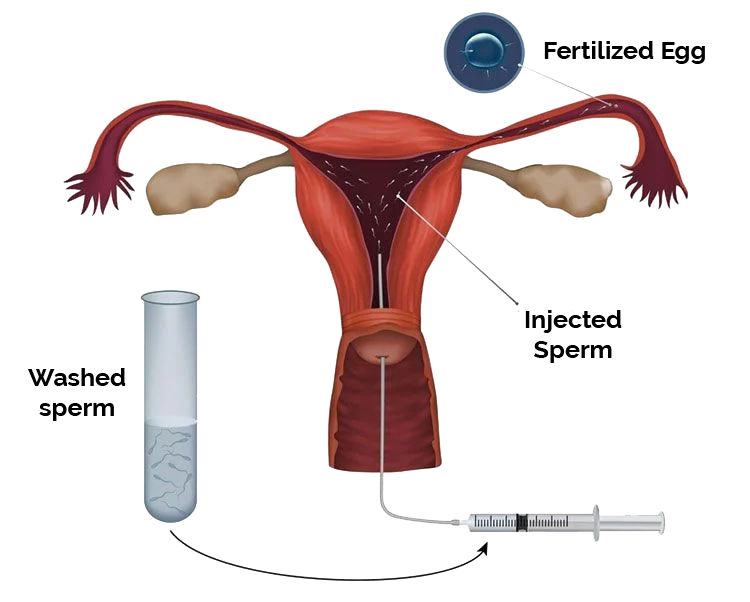
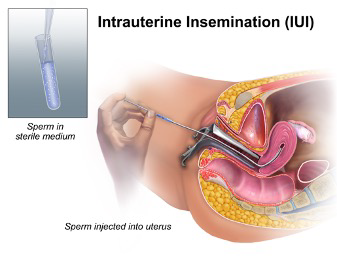
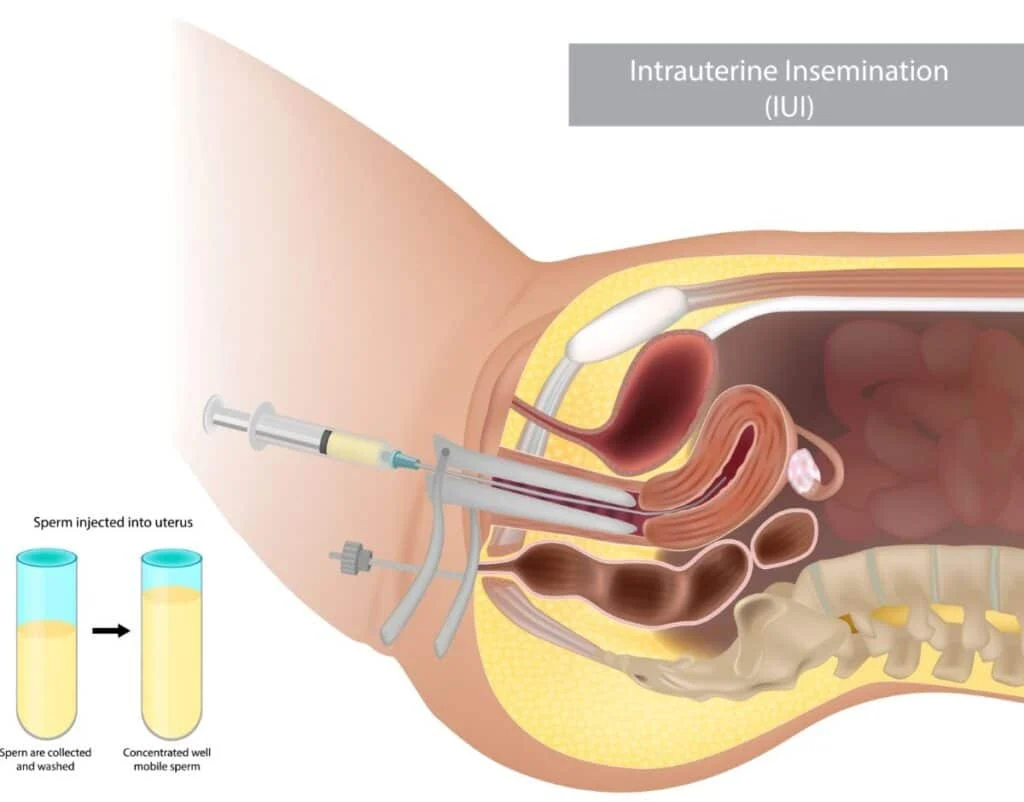
    diagram of the female reproductive system with an IUI syringe and test tube for artificial insemination

    The Impact of Co-Parenting and Sperm Donation on Personal Identity and Relationships

    On the other hand, co-parenting can also have positive impacts on personal identity and relationships. For individuals who may not have a traditional family structure or who struggle with fertility, co-parenting can provide a sense of fulfillment and a sense of belonging. It can also foster strong parental bonds and a supportive co-parenting relationship, which can serve as a positive model for the child.

    Moving onto the topic of sperm donation, this is another practice that has become more common in recent years, particularly with the advancements in technology and the growing acceptance of alternative family structures. Sperm donation involves the use of sperm from a donor to conceive a child, either through artificial insemination or in vitro fertilization. This process has a unique impact on personal identity and relationships, both for the donor and the recipient.

    For sperm donors, there can be a sense of pride and fulfillment in knowing that they have helped someone create a family. However, this can also lead to feelings of detachment or disconnection from the child, as they do not have a traditional parental role in the child’s life.

    For the recipient of the sperm donation, there may be a sense of gratitude and joy in becoming a parent, but also a sense of loss or longing for a genetic connection to the child. This can also create complexities in explaining the child’s origins and navigating relationships with the donor.

    Sperm donation can also have an impact on the child’s personal identity as they grow up. They may have questions about their biological father and may struggle with feelings of not belonging or not knowing their full genetic background. This can also have an impact on their relationships, as they may feel different from their peers who have traditional family structures.

    Moreover, sperm donation can also impact romantic relationships for both the donor and the recipient. The donor may struggle with disclosing their donation to potential partners, while the recipient may struggle with explaining the child’s origins to a new partner. This can create feelings of insecurity and uncertainty in the relationship.

    In summary, co-parenting and sperm donation have significant impacts on personal identity and relationships. These practices challenge traditional notions of family and parenting, and it is important for individuals to navigate these effects in a healthy and open manner. While there are challenges and complexities involved, there are also opportunities for personal growth and the formation of strong, supportive relationships.
  • The Role of Support Systems in Successful Co-Parenting and Sperm Donation Arrangements

    The Role of Support Systems in Successful Co-Parenting and Sperm Donation Arrangements

    Co-parenting and sperm donation arrangements are becoming increasingly common ways for individuals and couples to start their families. Whether it is due to fertility issues, being part of the LGBTQ+ community, or simply a personal choice, these methods of creating a family come with their own unique set of challenges. One of the key factors in making these arrangements successful is having a strong support system in place. In this blog post, we will explore the role of support systems in successful co-parenting and sperm donation arrangements and how they can help navigate the complexities of these situations.

    Communication is Key

    One of the most crucial aspects of any co-parenting or sperm donation arrangement is communication. This is where a strong support system can play a vital role. Having a support system that includes family, friends, and possibly even a therapist can help facilitate open and honest communication between all parties involved. It is essential to have a safe space to discuss any concerns, fears, or questions that may arise throughout the process. A support system can offer guidance and help navigate potentially difficult conversations, leading to a more successful and harmonious arrangement.

    Emotional Support

    Bringing a child into the world is an emotional journey, and co-parenting and sperm donation arrangements can add an extra layer of complexity to this already emotional experience. Having a support system in place can provide emotional support and stability for all parties involved. It can help alleviate any feelings of isolation, stress, or anxiety that may arise during the process. A support system can also offer a sense of reassurance and validation, knowing that you have people who care about you and your journey.

    Practical Support

    In addition to emotional support, a support system can also provide practical help to make the co-parenting or sperm donation arrangement run smoother. This can include assistance with tasks such as child care, financial support, and logistical support. For example, if one parent is unable to attend a doctor’s appointment, another member of the support system can step in and offer to accompany them. This practical support can take some of the pressure off the individuals involved in the arrangement and make the process more manageable.

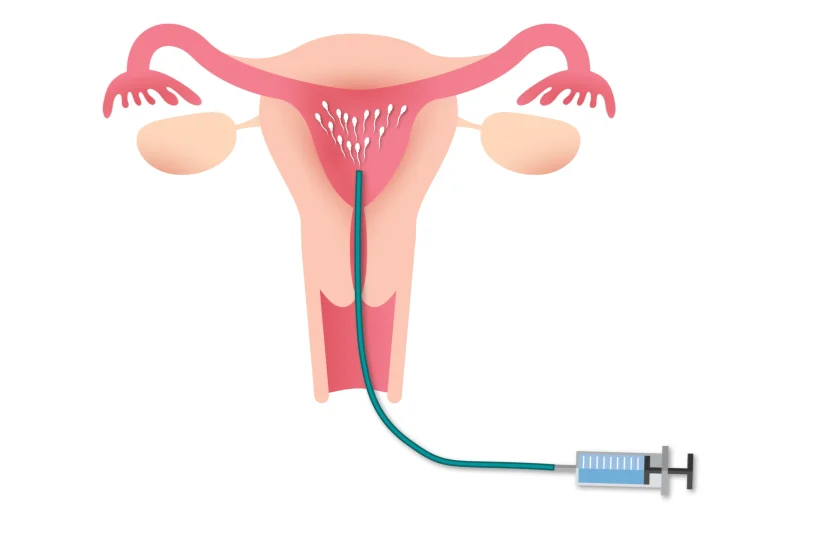
    Illustration of IUI procedure with uterus and syringe against a DNA background.

    The Role of Support Systems in Successful Co-Parenting and Sperm Donation Arrangements

    Navigating Legalities

    Co-parenting and sperm donation arrangements involve complex legalities that need to be carefully navigated. Having a support system that includes legal professionals can be incredibly beneficial in these situations. They can help ensure that all parties understand their rights and responsibilities and that the necessary legal documents are in place to protect everyone involved. Having this support can help avoid potential conflicts and ensure that the arrangement is legally sound.

    Support for the Child

    In any co-parenting or sperm donation arrangement, the well-being of the child should be the top priority. A strong support system can provide a stable and loving environment for the child. This can include having extended family and friends who are involved in the child’s life, providing a sense of community and belonging. A support system can also offer different perspectives and experiences, which can be beneficial for the child’s development.

    Handling Conflict

    No matter how well-planned a co-parenting or sperm donation arrangement may be, conflicts may still arise. Having a support system in place can help navigate these conflicts and find resolutions that work for all parties involved. A support system can offer a neutral perspective and help diffuse tense situations. Additionally, having a support system can provide a sense of accountability and a safe space to express any concerns or grievances.

    Summary:

    Co-parenting and sperm donation arrangements are becoming increasingly popular ways to create families. However, these methods come with their own unique set of challenges. One of the key factors in making these arrangements successful is having a strong support system in place. A support system can offer emotional, practical, and legal support for all parties involved. It can also help facilitate communication, handle conflicts, and provide a stable and loving environment for the child. With the right support system, co-parenting and sperm donation arrangements can be a successful and fulfilling experience for all involved.

  • Sperm Donation vs Co-Parenting: A Conversation on Ethics and Morality

    Sperm Donation vs Co-Parenting: A Conversation on Ethics and Morality

    In recent years, there has been a significant increase in the number of single individuals and same-sex couples seeking to start a family through alternative means such as sperm donation and co-parenting. While both options provide a way for people to fulfill their desire to become parents, they differ greatly in terms of the ethical and moral implications involved. In this blog post, we will explore the ethical and moral considerations of sperm donation and co-parenting, and how they impact the individuals involved and society as a whole.

    Sperm donation, also known as third-party reproduction, involves a man donating his sperm to a woman or a couple for the purpose of conceiving a child. This process is usually carried out through a fertility clinic, where the sperm is specially prepared and inserted into the woman’s uterus or used for in vitro fertilization (IVF). On the other hand, co-parenting is a voluntary arrangement between two or more individuals who agree to have and raise a child together without being in a romantic relationship. This can involve individuals of the same or opposite sex, and may include legal contracts and agreements to define the roles and responsibilities of each parent.

    One of the main ethical concerns surrounding sperm donation is the issue of informed consent. Donors are often compensated for their sperm, which raises questions about their motivations and understanding of the potential consequences. Critics argue that sperm donation commodifies the reproductive process, reducing it to a transaction and disregarding the emotional and psychological impact on all parties involved. In some cases, donors may not disclose their full medical history, potentially exposing the child and recipient to genetic diseases or disorders.

    Moreover, sperm donation raises questions about the rights of the child. Children conceived through sperm donation may have limited or no access to their biological father, which can have a significant impact on their sense of identity and belonging. The anonymity of donors, although meant to protect their privacy, can also create a sense of disconnection and confusion for the child. This has led to calls for stricter regulations and laws to protect the rights of donor-conceived children.

    On the other hand, co-parenting raises its own set of ethical considerations. Unlike sperm donation, co-parenting involves a more personal and intimate relationship between the individuals involved. This can create complex family dynamics and raise questions about the well-being of the child. Some critics argue that children raised in a co-parenting arrangement may experience emotional and psychological challenges as a result of having multiple parental figures and a non-traditional family structure.

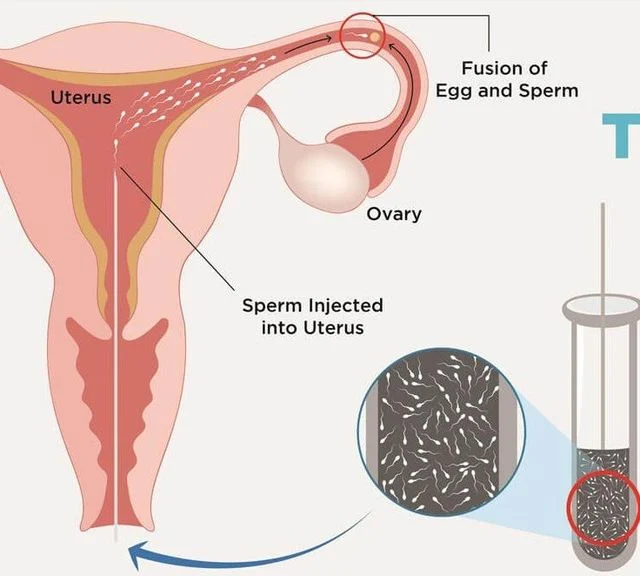
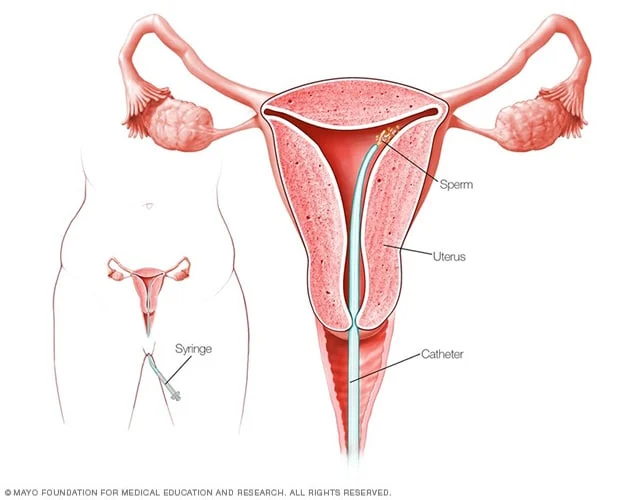
    diagram illustrating intrauterine insemination (IUI) procedure with uterus, sperm, and catheter labeled

    Sperm Donation vs Co-Parenting: A Conversation on Ethics and Morality

    Another ethical concern surrounding co-parenting is the potential for conflicts and disagreements between the parents. Despite having legal agreements in place, the dynamics of the relationship can change over time, leading to disputes about parental roles and responsibilities. This can have a negative impact on the child and create an unstable environment for their upbringing.

    When it comes to the moral implications of sperm donation and co-parenting, opinions are divided. Some argue that both options go against traditional societal norms and values, and therefore, are morally wrong. However, others believe that individuals have the right to make their own choices about parenthood and that society should not impose its moral beliefs on others. The moral implications of these options also vary based on cultural and religious beliefs, making it a highly subjective and controversial issue.

    In addition to the ethical and moral implications, sperm donation and co-parenting also have legal implications. In most countries, sperm donation is regulated by laws that govern the rights and responsibilities of donors, recipients, and donor-conceived children. However, co-parenting arrangements may not have the same legal protection, which can lead to complicated custody battles and disputes.

    While there are certainly valid concerns surrounding sperm donation and co-parenting, it is important to recognize that both options provide individuals with the opportunity to become parents and create a loving family. As society continues to evolve and embrace diverse family structures, it is crucial to have open and honest conversations about the ethical and moral implications of these alternative methods of reproduction.

    In conclusion, sperm donation and co-parenting present complex ethical and moral considerations that have a significant impact on the individuals involved and society as a whole. It is crucial to carefully consider these issues and have proper regulations in place to protect the rights and well-being of all parties involved. Ultimately, the decision to become a sperm donor or enter into a co-parenting arrangement should be made after careful consideration and with the best interest of the child in mind.

    Summary:
    Sperm donation and co-parenting are two alternative methods of reproduction that have gained popularity in recent years. While both options allow individuals to become parents, they raise significant ethical and moral considerations. Sperm donation may raise concerns about informed consent and the rights of the child, while co-parenting can create complex family dynamics and lead to conflicts between the parents. Both options also have legal implications that need to be carefully considered. Ultimately, it is crucial to have open and honest conversations about the ethical and moral implications of these alternative methods of reproduction.

  • The Importance of Boundaries in Co-Parenting and Sperm Donation Agreements

    Blog Post:

    Co-parenting and sperm donation agreements have become increasingly common in today’s society as more and more individuals choose alternative methods of starting a family. While these arrangements can be a wonderful way for individuals to have children and create a strong support system, they also come with their own set of challenges. One of the most crucial aspects of successful co-parenting and sperm donation agreements is the establishment of clear and healthy boundaries. In this blog post, we will explore the importance of boundaries in these types of arrangements and how they can positively impact the overall dynamic and well-being of all parties involved.

    What are boundaries?

    Boundaries can be defined as limits or guidelines that individuals set for themselves in order to maintain their physical, emotional, and mental well-being. In the context of co-parenting and sperm donation agreements, boundaries refer to the rules and expectations that are mutually agreed upon by all parties involved. These boundaries can encompass various aspects such as communication, decision-making, financial responsibilities, and involvement in the child’s life.

    Why are boundaries important in co-parenting and sperm donation agreements?

    1. Clarify roles and responsibilities

    When entering into a co-parenting or sperm donation agreement, it is crucial to establish clear boundaries in terms of roles and responsibilities. This helps avoid any confusion or misunderstandings down the line and ensures that everyone is on the same page. For instance, in a co-parenting arrangement, boundaries can be set regarding decision-making for the child’s education, healthcare, and other important aspects of their life. Similarly, in a sperm donation agreement, boundaries can be established regarding the level of involvement the donor will have in the child’s life. This clarity can help create a stable and healthy environment for the child.

    2. Promote effective communication

    Illustration of intrauterine insemination (IUI) procedure, showing sperm injection into the uterus.

    The Importance of Boundaries in Co-Parenting and Sperm Donation Agreements

    Effective communication is key to the success of any relationship, and co-parenting and sperm donation arrangements are no exception. Boundaries can help facilitate open and honest communication between all parties involved. For example, boundaries can be set around how often communication will take place and the preferred method of communication. This can help avoid any misunderstandings or conflicts and promote a positive co-parenting or donor-parent relationship.

    3. Protect the child’s well-being

    The well-being of the child should always be the top priority in any co-parenting or sperm donation agreement. Boundaries can help ensure that the child’s needs and best interests are always taken into consideration. This can include boundaries around the child’s schedule, rules for discipline, and boundaries around introducing new partners or significant others into the child’s life. By setting these boundaries, the child’s physical and emotional well-being is protected, and they can grow up in a stable and secure environment.

    4. Maintain healthy boundaries between the adults involved

    Co-parenting and sperm donation agreements involve multiple adults, and it is important to maintain healthy boundaries between them. These boundaries can help prevent any blurred lines or boundary violations that can lead to conflicts and strain the relationship. For instance, in a co-parenting arrangement, boundaries can be set around personal space, privacy, and respect for each other’s parenting styles. In a sperm donation agreement, boundaries can be established around the donor’s involvement with the recipient’s romantic partners or family members. By respecting these boundaries, the adults involved can maintain a healthy and positive relationship for the sake of the child.

    5. Avoid legal complications

    Clear and well-defined boundaries can also help avoid any legal complications in co-parenting and sperm donation arrangements. By having written agreements that outline the boundaries and expectations of all parties involved, there is less room for misunderstandings or disagreements that could potentially lead to legal battles. These agreements can also serve as a reference point in case any conflicts arise in the future.

    In summary, boundaries are crucial in co-parenting and sperm donation agreements as they help establish clear roles and responsibilities, promote effective communication, protect the child’s well-being, maintain healthy relationships between the adults involved, and avoid legal complications. It is important for all parties to openly and honestly discuss and agree upon these boundaries to ensure the success and well-being of everyone involved.

    In conclusion, co-parenting and sperm donation arrangements can be a beautiful way for individuals to create families and support systems. However, the establishment of clear and healthy boundaries is essential for the success and well-being of all parties involved. By setting boundaries, individuals can protect themselves, their relationships, and most importantly, the child. So, before entering into any co-parenting or sperm donation agreement, make sure to have open and honest discussions about boundaries to ensure a positive and successful journey ahead.

  • Sperm Donor vs Co-Parenting: A Look at the Impact on Biological and Non-Biological Parents

    Blog Post Title: Sperm Donor vs Co-Parenting: A Look at the Impact on Biological and Non-Biological Parents

    In recent years, there has been a rise in alternative methods of starting a family, such as sperm donation and co-parenting. While both options involve the contribution of a male into the equation, the roles and responsibilities of the biological and non-biological parents vary significantly. In this blog post, we will take a closer look at the impact of sperm donation and co-parenting on both types of parents and how these arrangements affect the dynamics of modern families.

    Sperm Donation: The Role of the Biological Father

    Sperm donation is a process in which a man donates his sperm to be used in assisted reproductive technology (ART) to help a woman or couple conceive a child. In this scenario, the biological father has no legal or parental rights to the child. He is simply a sperm donor and his involvement ends once the donation is made. This means that the child will not have any contact with their biological father and will not have access to their medical history or genetic background.

    For the biological father, this arrangement may seem like a simple and easy way to help others while also earning some money. However, it is important to consider the potential emotional impact of sperm donation. While some donors may not feel any attachment to the child, others may experience feelings of loss and regret as they have no involvement in their biological child’s life. Additionally, as the child grows older and starts to question their identity, the absence of a biological father can lead to feelings of confusion and a sense of not belonging.

    On the other hand, some donors may feel content with their role as a biological father and have no desire for further involvement. This can also lead to potential legal issues, as the donor’s involvement may be questioned by the child or the intended parents in the future. Therefore, it is crucial for sperm donors to carefully consider their motivations and potential consequences before making the decision to donate.

    Co-Parenting: The Role of the Non-Biological Parent

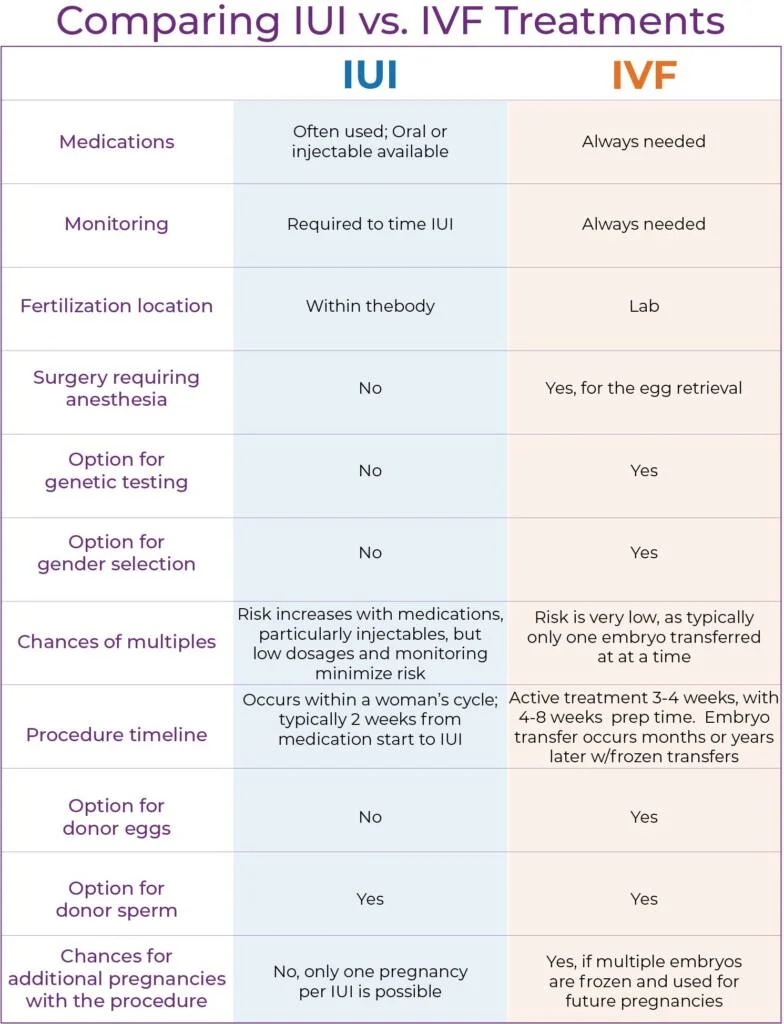
    Comparison chart of IUI and IVF treatments, detailing medications, monitoring, procedures, and success rates.

    Sperm Donor vs Co-Parenting: A Look at the Impact on Biological and Non-Biological Parents

    Co-parenting is a parenting arrangement where two individuals, regardless of their gender or relationship status, come together to raise a child as equal partners. Unlike sperm donation, both parents have legal and parental rights to the child, and they share the responsibilities and joys of raising a child together. This type of parenting arrangement can be seen in same-sex couples, divorced couples, or individuals who choose to co-parent with a friend or acquaintance.

    For the non-biological parent, co-parenting can be a fulfilling experience as they get to actively participate in their child’s life and build a strong bond with them. However, this arrangement also brings its own set of challenges. Co-parenting requires a high level of communication, trust, and cooperation between both parties, and it can be difficult to navigate when there are disagreements or differences in parenting styles. Additionally, the non-biological parent may face societal judgment and challenges in establishing their parental rights, especially in cases of same-sex co-parenting.

    For the child, having two parents who are not in a romantic relationship can also be confusing, and they may struggle with understanding the dynamics of their family. However, studies have shown that children raised in co-parenting arrangements can thrive just as well as those raised by traditional nuclear families, as long as there is a strong and supportive co-parenting relationship in place.

    The Impact on Modern Families

    As society evolves, so do the dynamics of modern families. Sperm donation and co-parenting arrangements have become popular options for individuals and couples who are unable or choose not to conceive through traditional means. These arrangements have allowed for more diverse and non-traditional families to exist, and they have also challenged traditional notions of parenthood and family structures.

    On one hand, sperm donation can provide a solution for individuals or couples struggling with fertility issues, single individuals who want to start a family, or same-sex couples who want to have a biological child. On the other hand, co-parenting offers a unique opportunity for individuals to have a child without being in a romantic relationship or to share the parenting responsibilities with a trusted partner. Both options have their own advantages and challenges, and the impact on modern families is still being studied and understood.

    Summary:

    In conclusion, sperm donation and co-parenting are alternative methods of starting a family that involve the contribution of a male. For the biological father in sperm donation, the role is limited to being a donor, with no legal or parental rights to the child. This can lead to potential emotional and legal issues in the future. On the other hand, in co-parenting, both parents have equal rights and responsibilities, but it requires a high level of communication and cooperation. These arrangements have a significant impact on modern families, challenging traditional notions of parenthood and family structures.

  • The Legal Side of Sperm Donation and Co-Parenting: Understanding Your Rights

    Blog Post:

    Sperm donation and co-parenting have become popular options for individuals and couples looking to start a family. However, the legal side of these arrangements can be complex and often misunderstood. It is important for everyone involved to understand their rights and responsibilities in order to avoid any potential legal issues in the future. In this blog post, we will discuss the legal aspects of sperm donation and co-parenting and provide you with the necessary information to make informed decisions.

    Sperm Donation:

    Sperm donation involves a man donating his sperm to a woman for the purpose of conceiving a child. This process can be done through a sperm bank or through a private arrangement between the donor and the recipient. In either case, it is important to have a legally binding agreement in place to protect the rights of all parties involved.

    One of the main legal concerns with sperm donation is the issue of parental rights. In most cases, the donor will have no legal rights or responsibilities towards the child. However, if the donor is known to the recipient and is involved in the child’s life, there is a possibility that he may be considered a legal parent. This can happen if the donor has a significant role in the child’s upbringing or if the child is born within a marriage or civil partnership.

    To avoid any confusion or disputes, it is important to have a written agreement that clearly outlines the intentions of both parties. This agreement should state that the donor has no parental rights or responsibilities and that the recipient will have sole custody and decision-making authority over the child. It is also recommended to have the agreement reviewed by a lawyer to ensure that it is legally binding and enforceable.

    Co-Parenting:

    Co-parenting is a form of parenting in which two individuals, who are not in a romantic relationship, come together to raise a child. This can be done by individuals who are single, in a same-sex relationship, or in a platonic relationship. Co-parenting can provide a child with the love and support of two parents, but it also comes with its own set of legal considerations.

    diagram of a uterus with a syringe for intrauterine insemination procedure

    The Legal Side of Sperm Donation and Co-Parenting: Understanding Your Rights

    One of the main legal concerns with co-parenting is establishing parental rights and responsibilities. In most cases, both parents will have equal rights and responsibilities towards the child, regardless of their relationship status. However, if one parent is not biologically related to the child, they may need to go through a legal process to establish their parental rights.

    It is important for co-parents to have a written agreement that outlines their rights and responsibilities towards the child. This agreement should cover important aspects such as custody, visitation, financial support, and decision-making authority. It is also recommended to have the agreement reviewed by a lawyer to ensure that it is legally binding and enforceable.

    Legal Considerations for Donors and Co-Parents:

    Whether you are a sperm donor or a co-parent, there are a few legal considerations that you should keep in mind.

    Firstly, it is important to understand that a verbal agreement is not legally binding. To protect your rights and avoid any disputes in the future, it is crucial to have a written agreement that is reviewed by a lawyer.

    Secondly, it is important to consider the legal implications of the arrangement. For example, if the donor or co-parent is not biologically related to the child, they may not have any legal rights or responsibilities towards the child. This can create issues in terms of custody and decision-making authority.

    Thirdly, it is important to consider the potential risks involved in the arrangement. For example, if the donor is known to the recipient, there is a possibility that they may be held responsible for child support in the future. Similarly, if the co-parent is not biologically related to the child, they may have limited legal rights in case of a dispute.

    Summary:

    In summary, sperm donation and co-parenting can be viable options for individuals and couples looking to start a family. However, it is important to understand the legal implications of these arrangements and to have a written agreement in place to protect the rights of all parties involved. Whether you are a donor or a co-parent, it is crucial to seek legal advice and ensure that your agreement is legally binding and enforceable.

  • Breaking the Mold: How Sperm Donation and Co-Parenting are Challenging Traditional Family Structures

    Breaking the Mold: How Sperm Donation and Co-Parenting are Challenging Traditional Family Structures

    In today’s society, the traditional concept of a nuclear family is no longer the norm. With advancements in reproductive technology and changing attitudes towards unconventional family structures, more and more individuals are choosing alternative paths to parenthood. Two of the most prominent examples of this are sperm donation and co-parenting. These methods of creating a family challenge the traditional roles of mother and father and redefine what it means to be a family. In this blog post, we will delve into the world of sperm donation and co-parenting, exploring how these practices are breaking the mold and shaping a new definition of family.

    Sperm Donation: A Non-Traditional Path to Parenthood

    Sperm donation involves the process of a man donating his sperm to a woman or couple who are trying to conceive a child. This method has been around for decades but has become more widely accepted and accessible in recent years. In the past, sperm donation was primarily used by heterosexual couples struggling with infertility. However, with the rise of single parenting and same-sex couples, the demand for sperm donation has increased.

    One of the main ways sperm donation breaks the traditional family mold is by challenging the traditional roles of mother and father. In a traditional family structure, a child is typically conceived through sexual intercourse between a man and a woman, with the man being the biological father and the woman being the biological mother. However, with sperm donation, the biological father is not involved in the child’s life and may remain anonymous. This shifts the traditional role of fatherhood and opens up the possibility for a non-traditional family structure.

    Sperm donation also challenges the idea of a nuclear family, where a child is raised by their biological parents. With sperm donation, a child may have two mothers or two fathers, or may even be raised by a single parent. This expands the definition of family and breaks the mold of what is considered a “normal” family structure.

    Co-Parenting: A Modern Take on Blended Families

    Co-parenting is another non-traditional path to parenthood that is gaining popularity. This method involves two or more individuals, who may or may not be in a romantic relationship, deciding to have a child and raise them together. This could include same-sex couples, single individuals, or even friends who want to co-parent and share the responsibilities of raising a child.

    Diagram illustrating the IUI process, showing sperm injection into the uterus and egg fertilization.

    Breaking the Mold: How Sperm Donation and Co-Parenting are Challenging Traditional Family Structures

    Co-parenting challenges traditional family structures in several ways. Firstly, it breaks away from the idea that a child needs both a mother and a father to be raised in a stable and loving environment. With co-parenting, a child may have two mothers, two fathers, or a combination of both. This shows that the gender of the parents is not what defines a loving and supportive family.

    Secondly, co-parenting challenges the traditional idea of a monogamous relationship. In a traditional family, the parents are usually a married couple, or at least in a committed relationship. However, with co-parenting, the parents may not have a romantic relationship at all. This opens up the possibility for non-romantic partnerships to have a child and raise them together, breaking the traditional mold of what a family should look like.

    The Benefits and Challenges of Alternative Family Structures

    While sperm donation and co-parenting offer individuals alternative paths to parenthood, they also come with their own set of benefits and challenges. One of the biggest benefits is the ability to fulfill the desire to have a child and raise them in a loving and supportive environment, without the need for a traditional romantic relationship. This allows individuals who may not have found a suitable partner, or who do not want a romantic relationship, to still experience the joys of parenthood.

    However, there are also challenges that come with alternative family structures. One of the biggest challenges is navigating parental roles and responsibilities. In traditional families, the roles of mother and father are well-defined, but in alternative family structures, these roles may not be as clear. This can lead to confusion and disagreements between co-parents or sperm donors and the parents. Additionally, there may also be legal and financial challenges, such as determining custody and child support arrangements.

    The Changing Landscape of Family Structures

    As we can see, sperm donation and co-parenting are challenging traditional family structures and redefining what it means to be a family. With more and more individuals choosing these alternative paths to parenthood, the traditional nuclear family is no longer the only option. This shift in family structures reflects the changing attitudes towards gender roles, relationships, and the idea of what makes a family.

    In conclusion, sperm donation and co-parenting are breaking the mold and challenging traditional family structures. These alternative paths to parenthood offer individuals the opportunity to create a family on their own terms, with love and support being the most important factors. While there may be challenges, the rise of these non-traditional family structures shows that there are no limits to what a family can look like.

  • Co-Parenting and Sperm Donation: A Reflection on Personal Values and Beliefs

    Blog Post:

    Co-parenting and sperm donation are two topics that may not initially seem connected, but for many individuals and couples, they are closely intertwined. As society evolves and alternative family structures become more accepted, the concept of co-parenting and sperm donation is becoming more common. However, navigating through these complex and personal decisions can bring about a reflection on personal values and beliefs.

    As someone who has personally gone through the process of co-parenting and sperm donation, I have experienced first-hand the challenges and joys that come with it. In this blog post, I want to share my reflections on this journey, and how it has shaped my understanding of what it means to be a parent and the importance of personal values in making such life-changing decisions.

    What is Co-Parenting?

    Co-parenting is a parenting arrangement in which two or more individuals share the responsibilities of raising a child without being in a romantic relationship. This can involve two single individuals, same-sex couples, or individuals from different households coming together to raise a child. The goal of co-parenting is to provide a stable and nurturing environment for the child, with both parents having an equal say in important decisions.

    In my case, my partner and I decided to enter into a co-parenting arrangement with a close friend who also wanted to become a parent. We all shared similar values and beliefs, and after discussing our expectations and responsibilities, we decided to embark on this journey together. We were all excited to become parents and create a loving and supportive family for our child.

    Sperm Donation: A Selfless Act

    Sperm donation, on the other hand, is the process of donating sperm to a woman who wishes to become pregnant, either through artificial insemination or in vitro fertilization (IVF). Sperm donors can be known or anonymous, and their role is to provide the genetic material for the child. For many individuals and couples who struggle with fertility, sperm donation offers a chance to fulfill their dream of parenthood.

    In our case, we decided to use a known sperm donor, our close friend, who was willing to help us become parents. We were grateful for his selflessness and generosity, and we knew that our child would have a biological connection to both parents, which was important to us.

    Illustration of the IUI process, showing a syringe and catheter in the reproductive system.

    Co-Parenting and Sperm Donation: A Reflection on Personal Values and Beliefs

    Reflections on Personal Values and Beliefs

    As we embarked on our journey of co-parenting and sperm donation, we were constantly reflecting on our personal values and beliefs. We knew that raising a child in a non-traditional family structure would come with its own set of challenges, but we were determined to provide a loving and stable home for our child.

    One of the values that we all shared was the importance of open and honest communication. We made a conscious effort to have regular discussions about our roles and responsibilities as co-parents and to address any issues that may arise. This not only helped us build a strong co-parenting relationship, but it also allowed us to model healthy communication for our child.

    Another important value for us was the understanding that our child would have a diverse family structure, and we wanted to celebrate and embrace that. We made sure to expose our child to different cultures, traditions, and beliefs, and we encouraged them to be proud of their unique family.

    Challenges and Rewards of Co-Parenting and Sperm Donation

    As with any parenting arrangement, there have been challenges along the way. Co-parenting requires a lot of communication, compromise, and flexibility, which can sometimes be difficult to maintain. However, the rewards have far outweighed the challenges. Our child is loved and supported by not just two, but three parents, and we have all grown as individuals through this experience.

    As for sperm donation, it has allowed us to fulfill our dream of becoming parents, and our child will always know the selfless act of their donor. We have also been able to build a strong and supportive relationship with our donor, who has become more than just a friend, but a part of our extended family.

    Summary:

    Co-parenting and sperm donation are two closely intertwined concepts that have become more common in today’s society. Co-parenting involves two or more individuals sharing the responsibilities of raising a child, while sperm donation is the process of donating sperm to help someone become pregnant. Personal values and beliefs play a crucial role in navigating through these decisions, as individuals and couples reflect on their expectations and responsibilities in creating a loving and supportive family for their child. Challenges may arise, but the rewards of co-parenting and sperm donation far outweigh them, and they allow for unique and diverse family structures to be celebrated and embraced.

  • The Changing Face of Parenthood: Sperm Donation and Co-Parenting in the Digital Age

    Title: The Changing Face of Parenthood: Sperm Donation and Co-Parenting in the Digital Age

    Parenthood has always been a complex and ever-evolving concept, but with the advancements in technology and the rise of the digital age, the landscape of parenthood is changing rapidly. In particular, the practices of sperm donation and co-parenting have seen a significant shift with the help of digital platforms and online communities. In this blog post, we will explore how the digital age has transformed the way people approach parenthood through sperm donation and co-parenting.

    The Evolution of Sperm Donation

    Sperm donation, once a taboo subject, has become more widely accepted and accessible in recent years. With the help of the internet and online sperm banks, individuals and couples looking to start a family can now easily find a suitable donor and order sperm samples from the comfort of their own homes. This shift has opened up a whole new world of possibilities for those struggling with fertility issues or those who choose to have a child without a partner.

    The rise of online sperm banks has also made the process more inclusive and diverse. Donors from different backgrounds, races, and sexual orientations can now make their sperm available for those in need. This has allowed for a more diverse gene pool and has given individuals and couples more options when choosing a donor.

    In addition to online sperm banks, social media has played a significant role in connecting donors with intended parents. Many donors now use social media platforms to share their stories and connect with potential recipients. This has created a more personal and transparent process, as donors can share their backgrounds, medical history, and motivations for donating. It has also allowed for a more direct and open communication between donors and intended parents.

    Co-Parenting in the Digital Age

    Co-parenting, where two or more individuals come together to raise a child without being in a romantic relationship, has also seen a rise in popularity with the help of digital platforms. Online co-parenting websites and apps have made it easier for people to find like-minded individuals who share the same desire to become parents.

    These platforms allow individuals to create profiles, specify their parenting goals, and search for potential co-parents based on various criteria. This has made it possible for people to find a co-parent who shares their values, beliefs, and parenting style, which is crucial in raising a child together.

    Moreover, the digital age has also made it easier for co-parents to communicate and co-parent effectively. With the use of video calls, messaging apps, and shared calendars, co-parents can now easily stay connected and involved in their child’s life, even if they live in different locations. This has greatly improved the co-parenting experience and has made it a more feasible option for many.

    Diagram illustrating intrauterine insemination (IUI) procedure with sperm injection into the uterus.

    The Changing Face of Parenthood: Sperm Donation and Co-Parenting in the Digital Age

    Legal Implications and Challenges

    While the digital age has made sperm donation and co-parenting more accessible, it has also brought about some legal implications and challenges. With the use of online platforms, the lines between traditional sperm donation and co-parenting have become blurred, leading to potential legal issues for both donors and intended parents.

    In the case of sperm donation, online platforms may not have the necessary regulations and protocols in place to ensure the safety and well-being of both donors and recipients. This can lead to concerns about the anonymity of donors, potential health risks, and legal disputes over parental rights.

    Similarly, with co-parenting, the lack of legal frameworks and agreements can lead to complications in the future. Without proper legal documentation, co-parents may face challenges in terms of custody, financial responsibilities, and decision-making for the child.

    The Importance of Open Communication and Consent

    With the changing landscape of sperm donation and co-parenting, it is more important than ever to have open communication and clear consent between all parties involved. Whether it is between donors and intended parents or co-parents, it is crucial to have honest and transparent conversations about expectations, responsibilities, and boundaries.

    Moreover, it is important to seek legal advice and have proper documentation in place to protect all parties involved. This will help avoid potential legal issues and ensure that everyone’s rights and responsibilities are clearly defined.

    In conclusion, the digital age has brought about significant changes in the world of parenthood, particularly in the practices of sperm donation and co-parenting. While these changes have made it easier for individuals and couples to start a family, it is important to be aware of the potential legal implications and challenges that may arise. By prioritizing open communication and seeking legal guidance, we can navigate the changing face of parenthood in the digital age with more confidence and clarity.

    Summary:

    Parenthood has undergone significant changes in the digital age, particularly in the areas of sperm donation and co-parenting. The rise of online sperm banks and social media has made sperm donation more accessible and diverse, while online platforms have made it easier for individuals to find co-parents with similar values and goals. However, these changes have also brought about legal implications and challenges, making it crucial for open communication and consent to be prioritized. Seeking legal advice and having proper documentation in place can help navigate the changing landscape of parenthood in the digital age.

  • Sperm Donation and Co-Parenting: Challenges and Rewards for LGBTQ+ Families

    Sperm Donation and Co-Parenting: Challenges and Rewards for LGBTQ+ Families

    In recent years, there has been a significant increase in the visibility and acceptance of LGBTQ+ families. With the legalization of same-sex marriage in many countries and the growing support for LGBTQ+ rights, more and more same-sex couples and individuals are considering starting a family. However, for LGBTQ+ individuals and couples, the path to parenthood is not always straightforward and often involves additional challenges and considerations, such as sperm donation and co-parenting.

    Sperm donation, also known as artificial insemination, is a common method used by LGBTQ+ individuals and couples to conceive a child. It involves the use of donated sperm from a sperm bank or a known donor, which is then used to fertilize an egg either through intrauterine insemination (IUI) or in vitro fertilization (IVF). While sperm donation can be a viable option for LGBTQ+ individuals and couples, it also comes with its own set of challenges.

    One of the main challenges faced by LGBTQ+ individuals and couples seeking sperm donation is the limited availability and accessibility of sperm banks. Unlike heterosexual couples, who can easily conceive a child through intercourse, LGBTQ+ individuals and couples often have to rely on sperm banks or known donors to conceive. However, sperm banks can be costly and may have strict eligibility criteria, making it difficult for many LGBTQ+ individuals and couples to access donor sperm. In addition, there is a significant shortage of sperm donors, especially those who are open to donating to LGBTQ+ individuals and couples. This can lead to long wait times and limited options for those seeking donor sperm.

    Another challenge faced by LGBTQ+ individuals and couples using sperm donation is the lack of legal protection for their parental rights. In some countries, laws and regulations surrounding sperm donation are outdated and do not account for LGBTQ+ families. This can create legal complications and uncertainties, especially for same-sex couples who may not have the same legal rights as heterosexual couples. In addition, known donors may also pose legal challenges, as they may have parental rights and responsibilities, even if they are not the intended parent. This can lead to complex and sometimes contentious co-parenting arrangements.

    Speaking of co-parenting, it is another option that some LGBTQ+ individuals and couples consider when starting a family. Co-parenting involves two or more individuals who are not in a romantic relationship but have agreed to raise a child together. This can be between LGBTQ+ individuals or couples, or between an LGBTQ+ individual or couple and a heterosexual individual or couple. Co-parenting can provide a sense of shared responsibility and support for LGBTQ+ families, but it also comes with its own set of challenges.

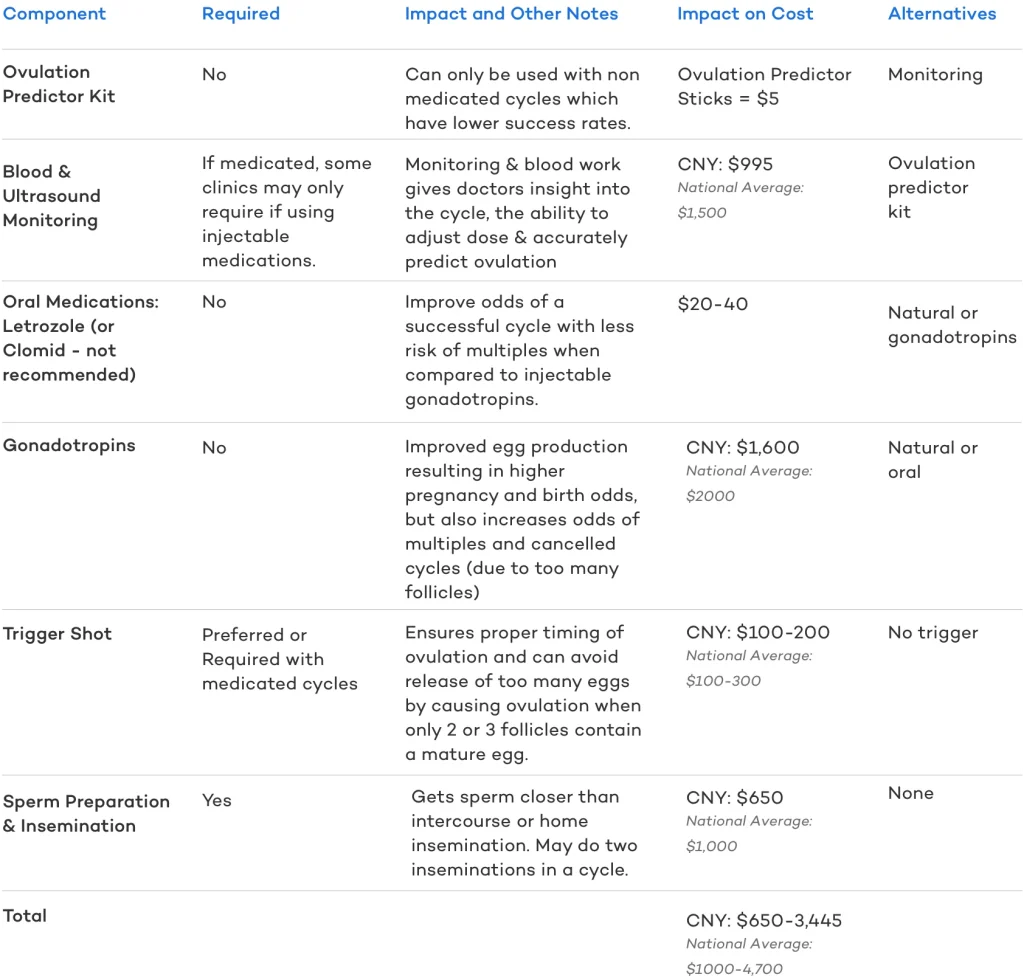
    Cost breakdown for IUI components, including requirements, impacts, and alternatives.

    Sperm Donation and Co-Parenting: Challenges and Rewards for LGBTQ+ Families

    One of the main challenges of co-parenting is establishing and maintaining clear boundaries and expectations. Unlike traditional parenting arrangements, co-parenting involves multiple individuals who may have different parenting styles and beliefs. This can lead to conflicts and disagreements, which can impact the child’s upbringing and well-being. In addition, co-parenting relationships may also change over time, as individuals’ life circumstances and priorities evolve. This can create uncertainty and instability for the child, which can be challenging for LGBTQ+ families.

    Furthermore, co-parenting can also face legal challenges, especially if the co-parents are not in a romantic relationship. In some countries, co-parents may not have the same legal rights and protections as married or common-law couples, which can create complexities in terms of decision-making and financial responsibilities. This can also pose a challenge if one of the co-parents wants to have a more active role in the child’s life, which can lead to conflicts and legal battles.

    Despite these challenges, sperm donation and co-parenting can also bring many rewards for LGBTQ+ families. For many LGBTQ+ individuals and couples, starting a family is a deeply personal and fulfilling journey, and having a child through sperm donation or co-parenting can be a dream come true. It can also provide a sense of belonging and family for LGBTQ+ individuals who may have faced rejection and discrimination from their biological families. Furthermore, sperm donation and co-parenting can also create a support network for LGBTQ+ families, as they can connect with other individuals and couples who are going through a similar experience.

    Moreover, sperm donation and co-parenting can also offer a unique opportunity for LGBTQ+ individuals and couples to challenge traditional notions of family and parenthood. By creating their own family structures and relationships, LGBTQ+ families can redefine what it means to be a parent and create a more inclusive and diverse understanding of family.

    In conclusion, sperm donation and co-parenting can bring both challenges and rewards for LGBTQ+ families. From limited availability and legal complexities to establishing boundaries and creating a sense of belonging, these methods of starting a family involve careful consideration and planning. However, for many LGBTQ+ individuals and couples, these challenges are worth it for the joy and fulfillment that comes with parenthood. As society continues to progress towards greater acceptance and inclusivity, it is essential to support and provide resources for LGBTQ+ families on their journey to parenthood.

    Summary:

    – The path to parenthood for LGBTQ+ individuals and couples involves additional challenges and considerations such as sperm donation and co-parenting.
    – Challenges of sperm donation include limited availability and accessibility of sperm banks and legal complications surrounding parental rights.
    – Co-parenting can be a viable option for LGBTQ+ families but can also face challenges in establishing boundaries and legal protections.
    – Sperm donation and co-parenting can bring rewards such as fulfilling a dream, creating a sense of belonging and family, and challenging traditional notions of parenthood.
    – As society progresses towards acceptance and inclusivity, it is crucial to support and provide resources for LGBTQ+ families on their journey to parenthood.