Tag: fertility journey

  • Navigating the World of Fertility Testing: At-Home vs Medical

    Blog Post:

    Fertility testing is a crucial step for individuals and couples who are trying to conceive. However, navigating the world of fertility testing can be overwhelming and confusing. There are two main options for fertility testing: at-home testing and medical testing. In this blog post, we will discuss the differences between these two options, the pros and cons of each, and how to decide which one is right for you.

    At-Home Fertility Testing:

    At-home fertility testing has become increasingly popular in recent years. These tests allow individuals to collect their own samples (usually urine or saliva) and send them to a lab for analysis. The results are then delivered to the individual through a secure online platform.

    Pros:

    1. Convenience: One of the biggest advantages of at-home fertility testing is convenience. These tests can be done in the comfort of your own home, without the need to schedule appointments or visit a doctor’s office.

    2. Affordability: At-home fertility tests are generally more affordable than medical testing. This makes them a more accessible option for those who may not have insurance coverage for fertility treatments.

    3. Privacy: For some individuals, the idea of discussing their fertility with a doctor can be uncomfortable. At-home testing allows for privacy and discretion, as there is no need to share personal information with a medical professional.

    Cons:

    1. Limited accuracy: At-home fertility tests may not be as accurate as medical testing. This is because they rely on self-collected samples, which can be affected by user error and may not provide a complete picture of an individual’s fertility.

    2. Limited testing options: At-home fertility tests typically only measure a few key hormones, such as luteinizing hormone (LH) and follicle-stimulating hormone (FSH). This means that they may not detect other factors that could be impacting fertility, such as thyroid function or ovarian reserve.

    Medical Fertility Testing:

    Medical fertility testing involves visiting a doctor or fertility specialist for testing. This may include blood work, imaging tests, and other procedures to assess an individual’s reproductive health.

    Pros:
    Comparison of IUI and IVF treatments with diagrams of reproductive anatomy.

    Navigating the World of Fertility Testing: At-Home vs Medical

    1. Comprehensive testing: Medical fertility testing offers a more comprehensive assessment of an individual’s fertility. Doctors can conduct a range of tests to determine the underlying factors that may be affecting fertility.

    2. Higher accuracy: Medical testing is generally considered to be more accurate than at-home testing. This is because the samples are collected under medical supervision and analyzed in a lab.

    3. Personalized treatment plans: With medical testing, doctors can create personalized treatment plans based on the individual’s specific fertility issues. This can lead to more effective and targeted treatment options.

    Cons:

    1. Cost: Medical fertility testing can be expensive, especially for those who do not have insurance coverage. It may also involve multiple appointments and procedures, which can add to the overall cost.

    2. Time-consuming: Unlike at-home testing, medical fertility testing requires multiple appointments and waiting for results. This can be time-consuming and may delay the start of fertility treatments.

    3. Emotional toll: For some individuals, visiting a doctor for fertility testing can be emotionally challenging. The process may bring up feelings of stress, anxiety, and disappointment.

    Deciding Between At-Home and Medical Fertility Testing:

    When it comes to deciding between at-home and medical fertility testing, there is no right or wrong answer. It ultimately depends on your personal preferences, budget, and fertility goals. If you are looking for a more affordable and convenient option, at-home testing may be the way to go. However, if you want a comprehensive and accurate assessment of your fertility, medical testing may be the better choice.

    It’s also important to consider your individual fertility journey. For example, if you and your partner have been trying to conceive for a while with no success, it may be best to seek medical testing to identify any underlying issues. On the other hand, if you are just starting your fertility journey and want to get a general idea of your fertility status, at-home testing may be a good place to start.

    In some cases, a combination of both at-home and medical testing may be the best approach. For example, you may want to do at-home testing to get a general idea of your fertility status and then follow up with medical testing for a more comprehensive assessment.

    In conclusion, both at-home and medical fertility testing have their own set of pros and cons. It’s important to carefully consider your options and choose the one that best fits your needs and goals. Whether you decide to go with at-home or medical testing, remember that fertility testing is just the first step in your journey towards parenthood. Stay positive and stay informed, and you’ll be on your way to building the family of your dreams.

    Summary:

    Fertility testing is a crucial step for individuals and couples trying to conceive. There are two main options for fertility testing: at-home and medical. At-home testing offers convenience and affordability, while medical testing offers comprehensive and accurate results. The decision between the two depends on personal preferences, budget, and fertility goals. A combination of both may also be a good approach. Ultimately, fertility testing is just the first step towards parenthood and should be approached with positivity and informed decision-making.
  • Reasons Why Natural Fertility Boosters May Be a Better Option for You

    Blog Post:

    In recent years, there has been a growing trend towards natural or holistic methods for treating and supporting fertility. More and more people are turning to natural fertility boosters instead of relying solely on medical interventions. While medical treatments certainly have their place, there are several compelling reasons why natural fertility boosters may be a better option for you. In this blog post, we will explore these reasons and discuss why natural fertility boosters may be the right choice for your fertility journey.

    1. Fewer Side Effects

    One of the most significant benefits of using natural fertility boosters is that they tend to have fewer side effects than traditional medical treatments. Many fertility medications can cause unpleasant and sometimes severe side effects such as mood swings, weight gain, and multiple births. On the other hand, natural fertility boosters usually consist of herbs, supplements, and lifestyle changes that have little to no adverse effects on the body. This makes them a safer and more appealing option for those who are looking to avoid the potential risks associated with medical treatments.

    2. Addresses Underlying Issues

    While medical treatments focus on specific fertility issues, natural fertility boosters take a more holistic approach by addressing underlying issues that may be affecting fertility. For example, hormonal imbalances, nutritional deficiencies, and stress can all impact fertility, and natural fertility boosters can help to correct these issues. By targeting the root cause of fertility problems, natural fertility boosters can have a more significant and long-lasting impact on a person’s fertility journey.

    3. Cost-Effective

    Another advantage of using natural fertility boosters is that they are often more cost-effective than medical treatments. Fertility medications and procedures can be incredibly expensive, and they may not be covered by insurance. On the other hand, natural fertility boosters, such as supplements and herbs, are usually more affordable and readily available. Additionally, natural fertility boosters can be used over an extended period, making them a more sustainable and budget-friendly option for those on a fertility journey.

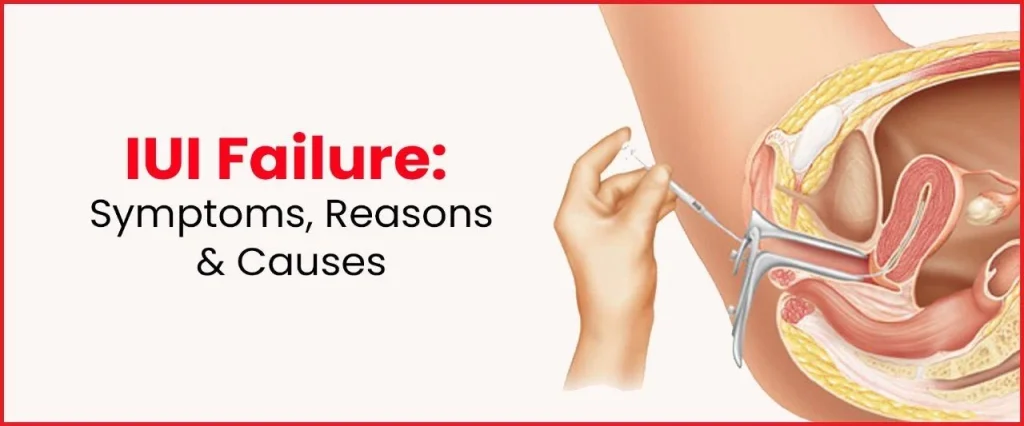
    illustration of IUI procedure with text on symptoms, reasons, and causes of IUI failure

    Reasons Why Natural Fertility Boosters May Be a Better Option for You

    4. Personalized Approach

    Every person’s fertility journey is unique, and what works for one person may not work for another. One of the benefits of using natural fertility boosters is that they can be tailored to an individual’s specific needs. For example, certain herbs or supplements may be more beneficial for someone with a hormonal imbalance, while lifestyle changes may be more effective for someone with stress-related fertility issues. With natural fertility boosters, you can work with a holistic practitioner to create a personalized plan that addresses your specific fertility concerns.

    5. Nourishes the Body

    Natural fertility boosters also tend to focus on nourishing the body and promoting overall health, which can have a positive impact on fertility. Many of the herbs and supplements used in natural fertility boosters are rich in vitamins, minerals, and other nutrients that support reproductive health. Additionally, lifestyle changes such as improving diet and reducing stress can have a significant impact on fertility by nourishing the body and creating a more balanced environment for conception.

    6. Can Be Used Alongside Medical Treatments

    It’s worth noting that natural fertility boosters do not have to be an either-or option. In fact, many people use natural fertility boosters alongside medical treatments to support their fertility journey. This integrative approach can provide the best of both worlds, combining the targeted approach of medical treatments with the holistic benefits of natural fertility boosters. It’s essential to discuss any natural fertility boosters with your healthcare provider to ensure they are compatible with any medical treatments you may be receiving.

    7. Emphasizes Self-Care

    Fertility journeys can be emotionally and physically taxing, and it’s crucial to prioritize self-care during this time. Natural fertility boosters often incorporate self-care practices such as meditation, yoga, and acupuncture, which can help to reduce stress and promote overall well-being. By focusing on self-care, natural fertility boosters can help individuals feel more empowered and in control of their fertility journey, which can have a positive impact on their mental health.

    In summary, natural fertility boosters offer several benefits that make them a compelling option for individuals on a fertility journey. They tend to have fewer side effects, address underlying issues, are cost-effective, and offer a personalized and nourishing approach. They can also be used alongside medical treatments and promote self-care, making them a well-rounded and holistic option. If you are considering natural fertility boosters, be sure to consult with a healthcare practitioner and discuss any potential interactions with your current treatments.

  • The DIY Approach to Fertility: What You Need to Know

    Blog Post: The DIY Approach to Fertility: What You Need to Know

    With the rising costs and emotional toll of traditional fertility treatments, many couples are turning to a do-it-yourself (DIY) approach to conceiving. This method involves using at-home fertility tests, supplements, and lifestyle changes to improve fertility and increase the chances of getting pregnant. While this option may seem more accessible and affordable, there are important factors to consider before embarking on a DIY fertility journey. In this blog post, we will explore the pros and cons of the DIY approach to fertility and provide vital information to help you make an informed decision.

    The Pros of DIY Fertility

    One of the main advantages of the DIY approach to fertility is the cost. Traditional fertility treatments, such as in-vitro fertilization (IVF), can cost tens of thousands of dollars and may not be covered by insurance. On the other hand, at-home fertility tests and supplements are relatively affordable and can provide valuable information about your fertility levels. This can help you determine the best course of action and potentially save you money in the long run.

    Another benefit of the DIY approach is the convenience and privacy it offers. Many couples may feel uncomfortable discussing their fertility struggles with a doctor or going through invasive procedures. With at-home tests, you can monitor your fertility in the comfort of your own home without having to disclose personal information to anyone.

    Furthermore, the DIY approach allows you to take control of your fertility journey. You can research and choose the supplements and lifestyle changes that you believe will work best for you, rather than relying on a doctor’s recommendations. This can give you a sense of empowerment and may even improve your mental well-being during the fertility process.

    The Cons of DIY Fertility

    While the DIY approach may seem attractive, it is essential to understand that it may not be suitable for everyone. One of the biggest downsides is the lack of medical supervision. Fertility specialists have extensive knowledge and experience in diagnosing and treating fertility issues. Without their guidance, you may miss underlying problems that could affect your chances of conceiving.

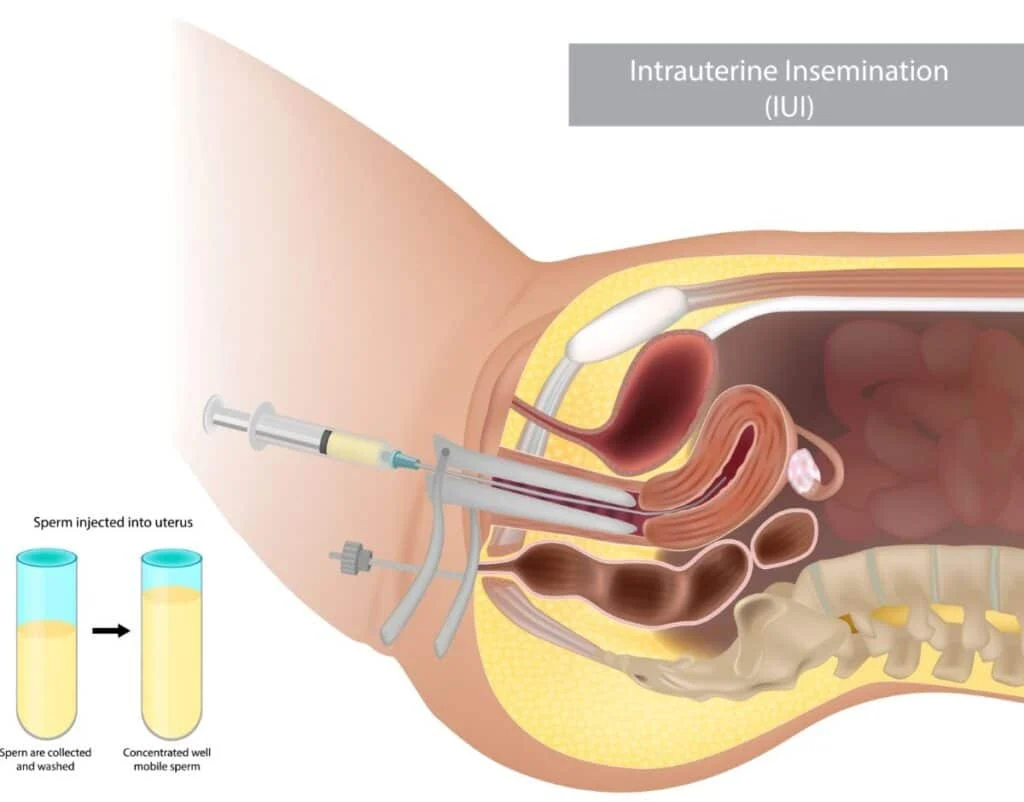
    Diagram illustrating intrauterine insemination (IUI) procedure with sperm injection into the uterus.

    The DIY Approach to Fertility: What You Need to Know

    Moreover, at-home fertility tests and supplements may not be as accurate or effective as traditional treatments. These products are not regulated by the FDA, and their claims may not be backed by scientific evidence. This means that you may be spending money on products that may not actually improve your fertility.

    Additionally, DIY fertility can also be emotionally taxing. The process of trying to conceive can be stressful, and without the support and guidance of a medical professional, it can take a toll on your mental health. It is crucial to have a support system in place and to seek help if you feel overwhelmed or anxious during your DIY fertility journey.

    What You Need to Know Before Starting a DIY Fertility Journey

    If you are considering the DIY approach to fertility, there are a few key things to keep in mind before starting.

    Firstly, it is essential to understand that DIY fertility is not a one-size-fits-all solution. Every person’s body is different, and what works for one couple may not work for another. It is vital to consult with a fertility specialist to understand your unique fertility needs and to create a personalized plan.

    Secondly, it is crucial to do thorough research before purchasing any at-home fertility tests or supplements. Look for products that have been clinically tested and have positive reviews from other users. It may also be beneficial to consult with a nutritionist or a doctor to ensure that the supplements you are taking are safe and suitable for your body.

    Lastly, it is essential to have realistic expectations. The DIY approach to fertility may not guarantee success, and it may take longer to achieve your desired results. It is crucial to be patient and to seek medical help if necessary.

    In Summary

    The DIY approach to fertility can be an attractive and potentially more affordable option for couples struggling with fertility issues. However, it is essential to understand the potential risks and limitations of this method. Consulting with a fertility specialist, doing thorough research, and managing expectations are key to a successful DIY fertility journey. Remember, your health and well-being should always come first, and seeking medical help when needed is crucial.

  • Realistic Expectations: What to Know About Artificial Insemination and IVF

    Blog Post:

    For couples struggling with infertility, the journey to starting a family can be filled with numerous challenges and difficult decisions. In recent years, there has been a rise in the use of artificial insemination and in vitro fertilization (IVF) as fertility treatments. However, with these procedures comes a need for realistic expectations and a thorough understanding of the process. In this blog post, we will discuss what you need to know about artificial insemination and IVF, and how to manage your expectations for a successful outcome.

    What is Artificial Insemination?

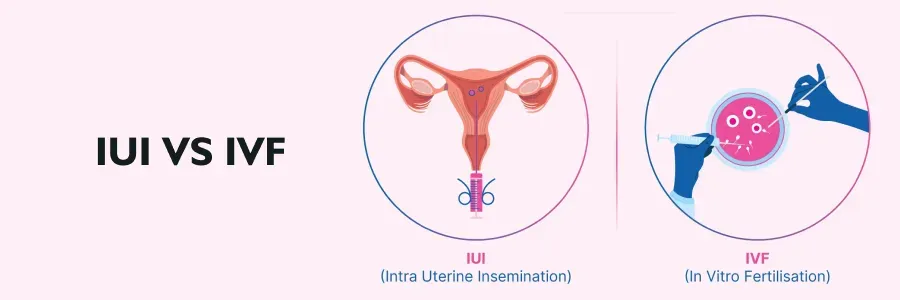
    Artificial insemination, also known as intrauterine insemination (IUI), is a fertility treatment that involves placing sperm directly into a woman’s uterus. This procedure is often used for couples who have been trying to conceive for a year or more with no success, or for those who have certain fertility issues such as low sperm count or cervical mucus problems.

    The process of artificial insemination starts with the collection of sperm from either the male partner or a donor. The sperm is then washed and prepared in a laboratory, and the most active and healthy sperm are selected for the procedure. The sperm is then inserted into the woman’s uterus using a catheter, which is a thin, flexible tube.

    What to Expect with Artificial Insemination

    Artificial insemination is a relatively simple and non-invasive procedure, but it is important to have realistic expectations. The success rates for artificial insemination vary depending on factors such as age, overall health, and the cause of infertility. On average, the success rate for artificial insemination is around 10-20% per cycle.

    It is also important to note that artificial insemination may require multiple cycles to achieve a successful pregnancy. This can be emotionally and financially draining for couples, so it is important to have a plan in place and be prepared for the possibility of multiple attempts.

    What is In Vitro Fertilization (IVF)?

    In vitro fertilization, or IVF, is a more complex fertility treatment that involves combining eggs and sperm in a laboratory to create embryos. The embryos are then transferred into the woman’s uterus, where they may implant and result in a pregnancy.

    Comparison of IUI and IVF with illustrations of each procedure.

    Realistic Expectations: What to Know About Artificial Insemination and IVF

    The process of IVF involves several steps, including ovulation induction to stimulate the development of multiple eggs, egg retrieval, fertilization of the eggs with sperm, and embryo transfer. IVF is often recommended for couples who have been unsuccessful with other fertility treatments, or for those who have certain fertility issues such as blocked fallopian tubes or severe male factor infertility.

    What to Expect with IVF

    IVF is a more invasive and time-consuming procedure compared to artificial insemination. It also has a higher success rate, with an average of 30-40% per cycle. However, like artificial insemination, multiple cycles may be needed to achieve a successful pregnancy.

    It is important to have realistic expectations when undergoing IVF, as there are many factors that can affect the success of the procedure. These include age, overall health, and the quality of the eggs and sperm. It is also important to be mentally and emotionally prepared for the process, as it can be physically and emotionally taxing.

    Managing Expectations for Fertility Treatments

    It is natural for couples to feel anxious and hopeful when undergoing fertility treatments. However, it is important to manage expectations and understand that these treatments may not always result in a successful pregnancy. It is also important to have open and honest communication with your partner and your healthcare team throughout the process.

    It is also essential to take care of your mental and emotional well-being while undergoing fertility treatments. This can include seeking support from loved ones, joining a support group, or seeking therapy. It is also helpful to have a plan in place for how to cope with any potential disappointments or setbacks.

    In conclusion, artificial insemination and IVF can be effective fertility treatments for couples struggling with infertility. However, it is important to have realistic expectations and understand that the process may require multiple attempts. It is also crucial to take care of your mental and emotional well-being throughout the process and to have open communication with your healthcare team.

    Summary:

    Artificial insemination and in vitro fertilization (IVF) are common fertility treatments used by couples struggling with infertility. These procedures involve placing sperm directly into the uterus or combining eggs and sperm in a laboratory to create embryos, respectively. It is important to have realistic expectations for these treatments, as success rates vary and multiple attempts may be needed. It is also important to take care of one’s mental and emotional well-being and have open communication with healthcare providers throughout the process.

  • The Role of Male Fertility in Natural Conception and Assisted Reproduction

    The Role of Male Fertility in Natural Conception and Assisted Reproduction

    When we think about having a baby, the focus is often on the woman’s ability to conceive and carry a child. However, male fertility plays an equally important role in the process of natural conception and assisted reproduction. In this blog post, we will explore the factors that influence male fertility and how it impacts the chances of conceiving a child.

    Understanding Male Fertility

    Male fertility refers to a man’s ability to fertilize a woman’s egg, resulting in the formation of a healthy embryo. This process starts with the production of healthy and functional sperm in the testicles. The sperm then travels through the male reproductive system and is ejaculated during sexual intercourse.

    Factors Affecting Male Fertility

    There are several factors that can affect male fertility, including genetics, lifestyle choices, and medical conditions. Let’s take a closer look at each of these factors.

    1. Genetics

    Genetics play a significant role in male fertility. Some men may inherit genetic conditions that affect their reproductive system, such as cystic fibrosis or Klinefelter syndrome. These conditions can cause abnormalities in the structure or function of the reproductive organs, leading to fertility issues.

    2. Lifestyle Choices

    The choices we make in our daily lives can also impact male fertility. Smoking, excessive alcohol consumption, and drug use can all affect sperm production and quality. Obesity and poor diet can also contribute to fertility problems.

    3. Medical Conditions

    Certain medical conditions can affect male fertility, such as diabetes, hypertension, and hormonal imbalances. These conditions can disrupt the normal functioning of the reproductive system and decrease sperm production.

    The Role of Male Fertility in Natural Conception

    In natural conception, a healthy sperm fertilizes a woman’s egg, resulting in pregnancy. However, male fertility plays a crucial role in this process, and any issues with sperm quality or quantity can lead to difficulties in conceiving.

    test tube with sperm in blue liquid, promoting IUI success rate and factors influencing fertility.

    The Role of Male Fertility in Natural Conception and Assisted Reproduction

    Sperm Quality

    The quality of sperm is a crucial factor in natural conception. Healthy sperm should have a normal shape and size, as well as good motility (ability to swim). Abnormalities in these areas can make it difficult for the sperm to reach and fertilize the egg.

    Sperm Count

    The number of sperm in a man’s semen, also known as sperm count, is another essential factor in natural conception. If a man has a low sperm count, it decreases the chances of one sperm successfully fertilizing the egg. A low sperm count can be caused by various factors, such as genetics, lifestyle choices, and medical conditions.

    The Role of Male Fertility in Assisted Reproduction

    Assisted reproduction refers to fertility treatments that help couples conceive a child. These treatments can include intrauterine insemination (IUI), in vitro fertilization (IVF), and intracytoplasmic sperm injection (ICSI). In assisted reproduction, male fertility is just as crucial as in natural conception, and there are several ways in which it impacts the success of these treatments.

    Sperm Quality

    In IVF and ICSI, sperm is directly injected into the egg to fertilize it. Therefore, the quality of the sperm is crucial in the success of these treatments. If the sperm is of poor quality, it can lead to a failed fertilization or an unhealthy embryo, decreasing the chances of a successful pregnancy.

    Sperm Count

    The number of sperm also plays a vital role in assisted reproduction. In IUI, where sperm is placed directly into the uterus, a higher sperm count increases the chances of success. Similarly, in IVF and ICSI, a higher number of sperm can increase the chances of fertilization and successful embryo development.

    The Importance of Male Fertility in the Journey to Parenthood

    Male fertility is often overlooked and underestimated in the process of conception and parenthood. However, it plays an equally crucial role as female fertility in the fertility journey. Couples struggling with fertility should seek medical advice from a fertility specialist to assess both partners’ fertility and determine the best course of action.

    In conclusion, male fertility is a crucial factor in natural conception and assisted reproduction. Factors such as genetics, lifestyle choices, and medical conditions can all affect male fertility and impact the chances of conceiving a child. It is essential for both partners to undergo fertility testing and seek medical advice if they are experiencing difficulties in conceiving.

    Summary:

    Male fertility is the ability of a man to fertilize a woman’s egg, and it plays an important role in both natural conception and assisted reproduction. Factors such as genetics, lifestyle choices, and medical conditions can affect male fertility. In natural conception, sperm quality and count are crucial, while in assisted reproduction, they directly impact the success of treatments. It is important for couples to seek medical advice and undergo fertility testing to assess both partners’ fertility in their journey to parenthood.