Blog Post:
For couples struggling with infertility, the journey to starting a family can be filled with numerous challenges and difficult decisions. In recent years, there has been a rise in the use of artificial insemination and in vitro fertilization (IVF) as fertility treatments. However, with these procedures comes a need for realistic expectations and a thorough understanding of the process. In this blog post, we will discuss what you need to know about artificial insemination and IVF, and how to manage your expectations for a successful outcome.
What is Artificial Insemination?
Artificial insemination, also known as intrauterine insemination (IUI), is a fertility treatment that involves placing sperm directly into a woman’s uterus. This procedure is often used for couples who have been trying to conceive for a year or more with no success, or for those who have certain fertility issues such as low sperm count or cervical mucus problems.
The process of artificial insemination starts with the collection of sperm from either the male partner or a donor. The sperm is then washed and prepared in a laboratory, and the most active and healthy sperm are selected for the procedure. The sperm is then inserted into the woman’s uterus using a catheter, which is a thin, flexible tube.
What to Expect with Artificial Insemination
Artificial insemination is a relatively simple and non-invasive procedure, but it is important to have realistic expectations. The success rates for artificial insemination vary depending on factors such as age, overall health, and the cause of infertility. On average, the success rate for artificial insemination is around 10-20% per cycle.
It is also important to note that artificial insemination may require multiple cycles to achieve a successful pregnancy. This can be emotionally and financially draining for couples, so it is important to have a plan in place and be prepared for the possibility of multiple attempts.
What is In Vitro Fertilization (IVF)?
In vitro fertilization, or IVF, is a more complex fertility treatment that involves combining eggs and sperm in a laboratory to create embryos. The embryos are then transferred into the woman’s uterus, where they may implant and result in a pregnancy.
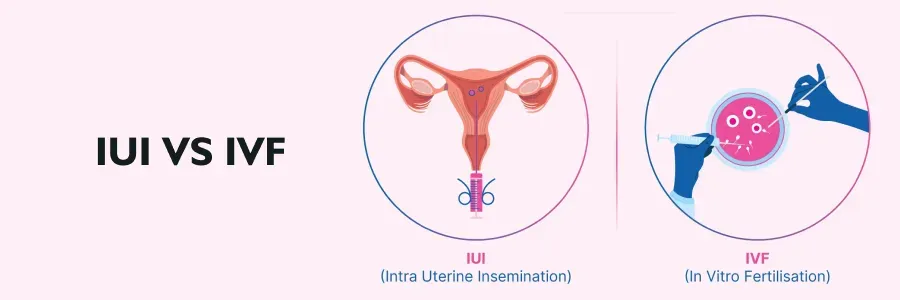
Realistic Expectations: What to Know About Artificial Insemination and IVF
The process of IVF involves several steps, including ovulation induction to stimulate the development of multiple eggs, egg retrieval, fertilization of the eggs with sperm, and embryo transfer. IVF is often recommended for couples who have been unsuccessful with other fertility treatments, or for those who have certain fertility issues such as blocked fallopian tubes or severe male factor infertility.
What to Expect with IVF
IVF is a more invasive and time-consuming procedure compared to artificial insemination. It also has a higher success rate, with an average of 30-40% per cycle. However, like artificial insemination, multiple cycles may be needed to achieve a successful pregnancy.
It is important to have realistic expectations when undergoing IVF, as there are many factors that can affect the success of the procedure. These include age, overall health, and the quality of the eggs and sperm. It is also important to be mentally and emotionally prepared for the process, as it can be physically and emotionally taxing.
Managing Expectations for Fertility Treatments
It is natural for couples to feel anxious and hopeful when undergoing fertility treatments. However, it is important to manage expectations and understand that these treatments may not always result in a successful pregnancy. It is also important to have open and honest communication with your partner and your healthcare team throughout the process.
It is also essential to take care of your mental and emotional well-being while undergoing fertility treatments. This can include seeking support from loved ones, joining a support group, or seeking therapy. It is also helpful to have a plan in place for how to cope with any potential disappointments or setbacks.
In conclusion, artificial insemination and IVF can be effective fertility treatments for couples struggling with infertility. However, it is important to have realistic expectations and understand that the process may require multiple attempts. It is also crucial to take care of your mental and emotional well-being throughout the process and to have open communication with your healthcare team.
Summary:
Artificial insemination and in vitro fertilization (IVF) are common fertility treatments used by couples struggling with infertility. These procedures involve placing sperm directly into the uterus or combining eggs and sperm in a laboratory to create embryos, respectively. It is important to have realistic expectations for these treatments, as success rates vary and multiple attempts may be needed. It is also important to take care of one’s mental and emotional well-being and have open communication with healthcare providers throughout the process.