Blog Post: The Unique Challenges Faced by Same-Sex Couples Pursuing Home Insemination or IVF
Same-sex couples have long faced unique challenges when it comes to starting a family. While adoption and surrogacy have been popular options for many, others have turned to home insemination or in vitro fertilization (IVF) as a way to conceive. However, these methods also come with their own set of challenges and hurdles for same-sex couples. In this blog post, we will explore the unique challenges faced by same-sex couples pursuing home insemination or IVF and provide insights and tips on how to overcome them.
1. Legal Hurdles: One of the biggest challenges faced by same-sex couples pursuing home insemination or IVF is the lack of legal protection. In many countries, same-sex marriage and parenting are not recognized, which can make it difficult for couples to navigate the legal system when it comes to issues such as parental rights and custody. This can also lead to complications when it comes to obtaining birth certificates and other legal documents for the child.
2. Finding a Donor: For same-sex couples, finding a donor can be a daunting task. While some couples may opt for known donors such as a friend or family member, others may choose anonymous donors from sperm banks. However, this process can be emotionally and financially draining, as there is often a limited pool of donors available and the cost of sperm can be high. Additionally, same-sex couples may face discrimination or bias from certain sperm banks, which can make the process even more challenging.
3. Dealing with Stereotypes: Same-sex couples also have to deal with the stigma and stereotypes surrounding their decision to start a family. From facing questions and comments about their ability to be good parents to having to constantly justify their choices, these stereotypes can add an extra layer of stress and emotional burden for couples already going through a challenging process.
4. Lack of Support: Unlike heterosexual couples who can turn to their families and communities for support and advice, same-sex couples may find themselves lacking a support system. This can be especially difficult for couples pursuing home insemination or IVF, as they may not have anyone to turn to for guidance or emotional support during the process.
5. Financial Burden: Home insemination and IVF can be expensive, and same-sex couples often face additional financial burdens compared to heterosexual couples. This can include the cost of sperm, fertility treatments, legal fees, and other expenses. For couples with limited financial resources, this can make the dream of starting a family seem out of reach.
6. Dealing with Discrimination: Unfortunately, same-sex couples may also face discrimination from healthcare providers when it comes to fertility treatments. Some doctors and clinics may refuse to provide services to same-sex couples or may not have experience dealing with their unique needs. This can make it difficult for couples to find a healthcare provider who is supportive and knowledgeable about their situation.
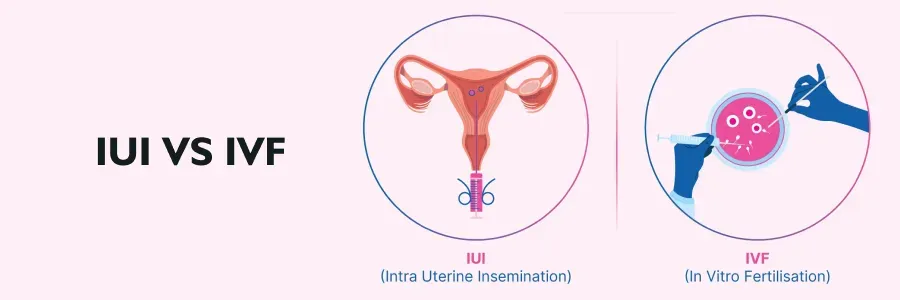
The Unique Challenges Faced by Same-Sex Couples Pursuing Home Insemination or IVF
7. Legal Parental Rights: Another challenge faced by same-sex couples is the lack of legal parental rights for both partners. In many countries, only one partner is legally recognized as the parent, which can lead to complications in the event of a separation or if one partner passes away. This can also make it difficult for same-sex couples to make decisions about their child’s healthcare and education.
Tips for Overcoming These Challenges:
1. Educate Yourself: Before embarking on the journey of home insemination or IVF, it’s important for same-sex couples to educate themselves about the legal and financial aspects of the process. This can help them be prepared for any challenges that may arise and find ways to overcome them.
2. Seek Legal Advice: Consulting with a lawyer who specializes in family and LGBTQ+ rights can help same-sex couples understand their legal rights and options. They can also help couples navigate the legal system and obtain necessary documents for their child.
3. Find a Support System: Surrounding yourself with a supportive community can make a huge difference in dealing with the challenges of home insemination or IVF. This can include joining online support groups, connecting with other same-sex couples going through a similar journey, or seeking counseling to help cope with any emotional stress.
4. Research Donor Options: Researching different donor options, such as known donors and sperm banks, can help same-sex couples find the best fit for their family. It’s also important to thoroughly research and choose a reputable sperm bank that is inclusive and supportive of LGBTQ+ families.
5. Advocate for Yourself: Don’t be afraid to speak up and advocate for yourself and your partner. If you face discrimination from healthcare providers or sperm banks, don’t hesitate to report it and seek out alternative options.
In conclusion, same-sex couples pursuing home insemination or IVF may face a unique set of challenges, but with proper education, support, and advocacy, these hurdles can be overcome. By staying informed and seeking out the right resources and support, same-sex couples can make their dream of starting a family a reality.
Summary: Same-sex couples pursuing home insemination or IVF face challenges such as legal hurdles, finding a donor, dealing with stereotypes and lack of support, financial burden, discrimination, and legal parental rights. To overcome these challenges, couples can educate themselves, seek legal advice, find a support system, research donor options, and advocate for themselves.