Tag: Diet

  • The Role of Nutrition in Preparing for Insemination

    Blog Post: The Role of Nutrition in Preparing for Insemination

    Insemination is a process where sperm is artificially introduced into a female’s reproductive tract in order to fertilize an egg. This method is commonly used in fertility treatments, but it can also be used for those who are trying to conceive naturally. While there are various factors that can affect the success of insemination, one crucial aspect that should not be overlooked is nutrition.

    Nutrition plays a significant role in preparing for insemination, as it can impact the overall health and fertility of both partners. In this blog post, we will discuss the importance of proper nutrition in preparing for insemination and provide tips on how to optimize your diet for this reproductive procedure.

    How Nutrition Affects Fertility

    Nutrition has a direct impact on fertility as it affects the reproductive hormones and the overall health of the reproductive organs. A well-balanced diet that provides essential nutrients can improve the quality of sperm and eggs, making it easier for fertilization to occur. On the other hand, a poor diet lacking in essential nutrients can lead to hormonal imbalances, nutrient deficiencies, and other health issues that can hinder the chances of conception.

    Important Nutrients for Preparing for Insemination

    1. Folic Acid

    Folic acid, also known as folate, is a vital nutrient for both men and women when preparing for insemination. This B vitamin is crucial for the development of a healthy placenta and fetus, reducing the risk of birth defects. It is recommended for women to consume 400-800 micrograms of folic acid daily, at least three months before attempting to conceive.

    2. Iron

    Iron is essential for the production of healthy red blood cells, which are responsible for carrying oxygen to all the cells in the body. Iron deficiency can lead to anemia, which can cause irregular ovulation and menstrual cycles, making it difficult to conceive. It is recommended for women to consume 18 milligrams of iron daily, while men should aim for 8 milligrams.

    3. Omega-3 Fatty Acids

    Omega-3 fatty acids, particularly DHA and EPA, are crucial for both male and female fertility. These essential fatty acids play a role in regulating hormones, improving egg quality, and sperm health. Sources of omega-3 fatty acids include fatty fish, flaxseeds, and chia seeds.

    4. Zinc

    Zinc is an essential mineral that plays a critical role in reproductive health. In men, zinc is necessary for sperm production and motility, while in women, it is necessary for the development and release of healthy eggs. It is recommended for men to consume 11 milligrams of zinc daily, while women should aim for 8 milligrams.
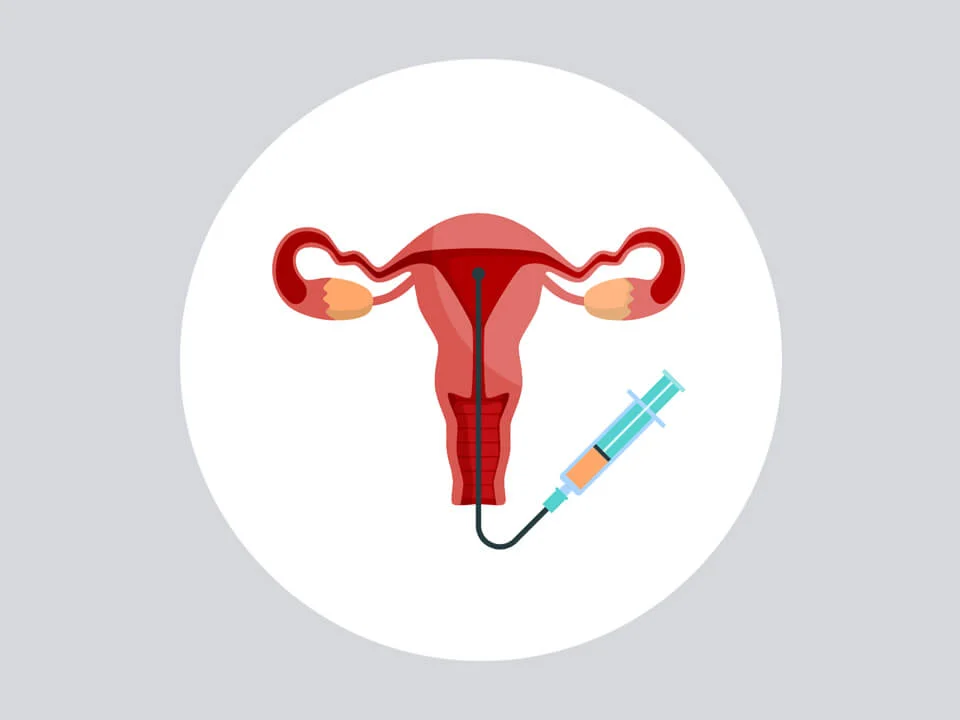
    Illustration of a uterus with a syringe, representing intrauterine insemination (IUI) procedure.

    The Role of Nutrition in Preparing for Insemination

    5. Antioxidants

    Antioxidants such as vitamins C and E, beta-carotene, and selenium are crucial for fertility as they protect the reproductive cells from damage caused by free radicals. These harmful molecules can damage sperm and eggs, leading to infertility. Consuming a diet rich in fruits, vegetables, nuts, and seeds can provide a good amount of antioxidants to help improve fertility.

    Tips for Optimizing Nutrition for Insemination

    1. Eat a Well-Balanced Diet

    A well-balanced diet that includes a variety of whole foods, such as fruits, vegetables, whole grains, lean protein, and healthy fats, is essential for preparing for insemination. Eating a variety of foods ensures that you are getting all the necessary nutrients for optimal fertility.

    2. Avoid Processed and Junk Foods

    Processed and junk foods are high in unhealthy fats, sugar, and calories, which can negatively impact fertility. These foods can also lead to weight gain, which can interfere with hormone levels and ovulation.

    3. Stay Hydrated

    Drinking plenty of water is essential for overall health and fertility. It helps to keep the body hydrated and ensures the proper functioning of all organs, including the reproductive organs.

    4. Consider Supplements

    Sometimes, it can be challenging to get all the necessary nutrients from food alone. In this case, it may be beneficial to consider taking supplements, especially those that are specifically formulated for fertility.

    5. Consult with a Registered Dietitian

    Consulting with a registered dietitian can be helpful in creating a personalized nutrition plan for preparing for insemination. They can assess your current diet and make recommendations for any necessary dietary changes.

    Summary:

    Proper nutrition plays a crucial role in preparing for insemination. A well-balanced diet that provides essential nutrients such as folic acid, iron, omega-3 fatty acids, zinc, and antioxidants can improve fertility and increase the chances of successful conception. It is essential to eat a variety of whole foods, stay hydrated, and consult with a registered dietitian for personalized recommendations. Avoiding processed and junk foods is also crucial for optimizing nutrition for insemination.
  • A Holistic Guide to Boosting Male Fertility

    Summary:

    Male fertility is a crucial aspect of overall reproductive health and is often overlooked or ignored. However, there are many factors that can affect male fertility, and taking a holistic approach to boosting it can have significant benefits.

    This blog post will provide a comprehensive guide to boosting male fertility holistically. We will cover the various factors that can affect male fertility, such as diet, exercise, stress, environmental toxins, and more. We will also discuss the importance of a healthy lifestyle, including proper nutrition, exercise, and stress management, in improving male fertility. Additionally, we will explore natural remedies and supplements that can help improve male fertility, as well as the role of traditional medicine and assisted reproductive techniques. By the end of this blog post, you will have a better understanding of how to boost male fertility holistically and be equipped with the knowledge to take proactive steps towards improving your reproductive health.

    Introduction:

    Male fertility is the ability to produce healthy sperm that can fertilize a woman’s egg, resulting in a successful pregnancy. It is a crucial aspect of reproductive health and is often taken for granted. However, many factors can affect male fertility, and it is essential to address them to ensure optimal reproductive health.

    Factors Affecting Male Fertility:

    There are various factors that can affect male fertility, including:

    1. Diet: A healthy and balanced diet is crucial for maintaining good reproductive health. Diets high in processed foods, trans fats, and sugar can negatively impact male fertility. On the other hand, a diet rich in fruits, vegetables, whole grains, and healthy fats can improve sperm quality and count.

    2. Exercise: Regular exercise can help maintain a healthy weight, which is essential for male fertility. It also helps reduce stress and improve blood circulation, which can positively impact reproductive health.

    3. Stress: Chronic stress can affect hormones that play a crucial role in sperm production. High levels of stress can also lead to a decrease in sexual desire and erectile dysfunction. Therefore, managing stress is crucial for maintaining good reproductive health.

    4. Environmental Toxins: Exposure to environmental toxins, such as pesticides, chemicals, and pollutants, can have a detrimental effect on male fertility. These toxins can disrupt hormonal balance and sperm production, leading to decreased fertility.

    doctor discussing treatment with a patient in a medical office, featuring an ultrasound machine in the background

    A Holistic Guide to Boosting Male Fertility

    5. Age: As men age, their sperm quality and quantity may decrease, making it more challenging to conceive. While this is a natural process, maintaining a healthy lifestyle can help slow down this decline.

    Holistic Approaches to Boosting Male Fertility:

    Taking a holistic approach to boosting male fertility means addressing all the factors mentioned above and making positive lifestyle changes. Here are some ways to improve male fertility holistically:

    1. Eat a Healthy Diet: A diet rich in fruits, vegetables, whole grains, and healthy fats can improve sperm quality and count. Including foods high in antioxidants, such as berries, nuts, and leafy greens, can also have a positive impact on male fertility.

    2. Exercise Regularly: Regular exercise can improve blood circulation, reduce stress, and maintain a healthy weight, all of which are crucial for male fertility. Aim for at least 30 minutes of moderate exercise, such as walking, jogging, or cycling, five days a week.

    3. Manage Stress: High levels of stress can have a significant impact on male fertility. Incorporating stress-management techniques such as yoga, meditation, or deep breathing can help reduce stress levels and improve reproductive health.

    4. Avoid Exposure to Environmental Toxins: Limiting exposure to environmental toxins can help protect sperm quality and quantity. If you work in an environment with potential toxins, make sure to take precautions, such as wearing protective gear.

    5. Consider Natural Remedies and Supplements: Some natural remedies and supplements have shown promise in improving male fertility. These include herbs like ashwagandha and maca, as well as supplements like CoQ10 and vitamin D. However, it is crucial to consult with a healthcare professional before taking any supplements.

    The Role of Traditional Medicine and Assisted Reproductive Techniques:

    While taking a holistic approach is essential, it is also essential to seek professional help if you are struggling with male fertility. Traditional medicine, such as acupuncture and herbal medicine, can help improve sperm quality and quantity. Additionally, assisted reproductive techniques, such as intrauterine insemination (IUI) and in-vitro fertilization (IVF), can also help couples struggling with fertility.

    Conclusion:

    Male fertility is a crucial aspect of reproductive health and should not be overlooked or ignored. By taking a holistic approach to boosting male fertility, individuals can address the various factors that can affect their reproductive health and make positive lifestyle changes. Additionally, seeking professional help and considering traditional medicine and assisted reproductive techniques can also be beneficial. With the right approach, individuals can improve their male fertility and increase their chances of starting a family.

  • The Role of Diet and Lifestyle in At-Home Insemination

    Blog Post:

    In recent years, at-home insemination has become an increasingly popular option for individuals and couples looking to start or expand their families. This method involves using a donor’s sperm to fertilize an egg, either through artificial insemination or self-insemination. While this process can be done in a medical setting, many people are opting to do it in the comfort of their own homes. In this blog post, we will explore the role of diet and lifestyle in at-home insemination and how making certain changes can improve the chances of a successful pregnancy.

    The first and most important factor to consider when it comes to at-home insemination is ovulation. Ovulation is the process of releasing an egg from the ovary, and it is crucial for fertilization to occur. A healthy diet and lifestyle can help regulate ovulation and increase the chances of getting pregnant. Eating a balanced diet that includes plenty of fruits, vegetables, whole grains, and lean proteins can provide the necessary nutrients for a healthy reproductive system. Avoiding processed foods, excessive alcohol, and smoking can also improve fertility and reduce the risk of complications during pregnancy.

    Another important aspect of diet and lifestyle to consider is maintaining a healthy weight. Being either underweight or overweight can have a significant impact on fertility. Women who are underweight may experience irregular or absent ovulation, while those who are overweight may have hormonal imbalances that can affect ovulation. It is recommended to consult with a healthcare provider to determine a healthy weight and develop a plan to achieve it before attempting at-home insemination.

    In addition to a healthy diet, regular exercise can also play a vital role in at-home insemination. Exercise can help regulate hormones, improve blood flow to the reproductive organs, and reduce stress levels. However, it is important to avoid excessive or intense exercise, as it can have a negative impact on fertility. Moderate exercise, such as walking, yoga, or swimming, is recommended for those trying to conceive.

    Stress is another factor that can significantly impact fertility. High levels of stress can disrupt the hormonal balance in the body, making it more difficult to conceive. Therefore, finding ways to manage stress is crucial for those attempting at-home insemination. Some effective stress-management techniques include yoga, meditation, deep breathing, and regular exercise. It is also essential to have a support system and to communicate openly with a partner or a close friend during this process.

    In addition to diet and lifestyle, there are also some specific foods and supplements that may improve fertility and increase the chances of a successful pregnancy. These include:

    1. Folic acid: This B vitamin is essential for fetal development and can reduce the risk of birth defects. It is recommended to take a folic acid supplement or eat foods rich in folic acid, such as leafy greens, legumes, and fortified cereals, before and during pregnancy.

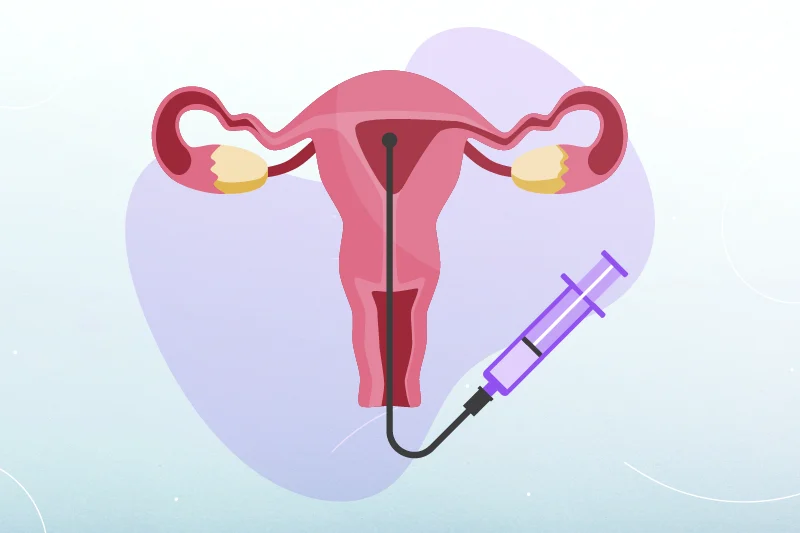
    Illustration of the uterus with a syringe, depicting the intrauterine insemination procedure.

    The Role of Diet and Lifestyle in At-Home Insemination

    2. Omega-3 fatty acids: These healthy fats are crucial for hormone production and can improve overall fertility. Sources of omega-3 fatty acids include fatty fish like salmon, chia seeds, and flaxseeds.

    3. Antioxidant-rich foods: Antioxidants can help protect the reproductive cells from damage and improve overall fertility. Foods rich in antioxidants include berries, dark leafy greens, nuts, and seeds.

    4. Zinc: This mineral is essential for sperm production and can improve male fertility. Good sources of zinc include oysters, beef, chicken, and pumpkin seeds.

    5. Vitamin D: Deficiency in this vitamin has been linked to infertility and pregnancy complications. It is recommended to get enough exposure to sunlight or take a supplement to maintain adequate levels of vitamin D.

    While diet and lifestyle play a crucial role in at-home insemination, it is also essential to follow proper techniques and guidelines for the process to be successful. Some tips for successful at-home insemination include tracking ovulation, using a sterile and hygienic environment, and following the instructions provided by the sperm donor or medical professional.

    In conclusion, at-home insemination can be a viable option for individuals and couples looking to start or expand their families. Making healthy lifestyle choices, including a balanced diet, regular exercise, and stress management, can improve fertility and increase the chances of a successful pregnancy. Consulting with a healthcare provider and following proper techniques and guidelines can also contribute to a positive outcome. By taking care of our bodies and making necessary changes, we can increase the likelihood of a successful at-home insemination.

    Summary:

    At-home insemination has become a popular option for individuals and couples looking to start or expand their families. It involves using a donor’s sperm to fertilize an egg, either through artificial insemination or self-insemination. Diet and lifestyle play a crucial role in this process, with factors such as ovulation, weight, exercise, stress, and specific foods and supplements all impacting fertility. It is essential to make healthy lifestyle choices, follow proper techniques and guidelines, and consult with a healthcare provider for a successful at-home insemination.

  • The Impact of Environmental Factors on Fertility: What You Need to Know

    Blog Post:

    Fertility is a complex and often misunderstood aspect of human health. While many factors can contribute to fertility issues, environmental factors are often overlooked. Our surroundings, including the air we breathe, the food we eat, and the products we use, can all have a significant impact on our fertility. In this blog post, we will explore the various environmental factors that can affect fertility and what you need to know to protect your reproductive health.

    Air Quality:
    The quality of the air we breathe can have a significant impact on our fertility. Air pollution, both indoors and outdoors, has been linked to various fertility issues, including decreased sperm quality, menstrual irregularities, and an increased risk of miscarriage. The main culprits of air pollution include emissions from vehicles, industrial processes, and household products. To protect your fertility, it is essential to be mindful of the air quality in your environment and take steps to reduce your exposure. This may include using air purifiers, avoiding heavily polluted areas, and choosing environmentally-friendly household products.

    Chemicals:
    Chemicals are all around us, and many of them can have harmful effects on our fertility. Pesticides, for example, have been linked to reduced sperm quality and an increased risk of miscarriage. These chemicals can also disrupt hormonal balance, leading to irregular menstrual cycles and difficulty conceiving. To minimize your exposure to harmful chemicals, opt for organic produce and choose natural cleaning and personal care products. Additionally, be cautious when using household pesticides and always follow safety instructions.

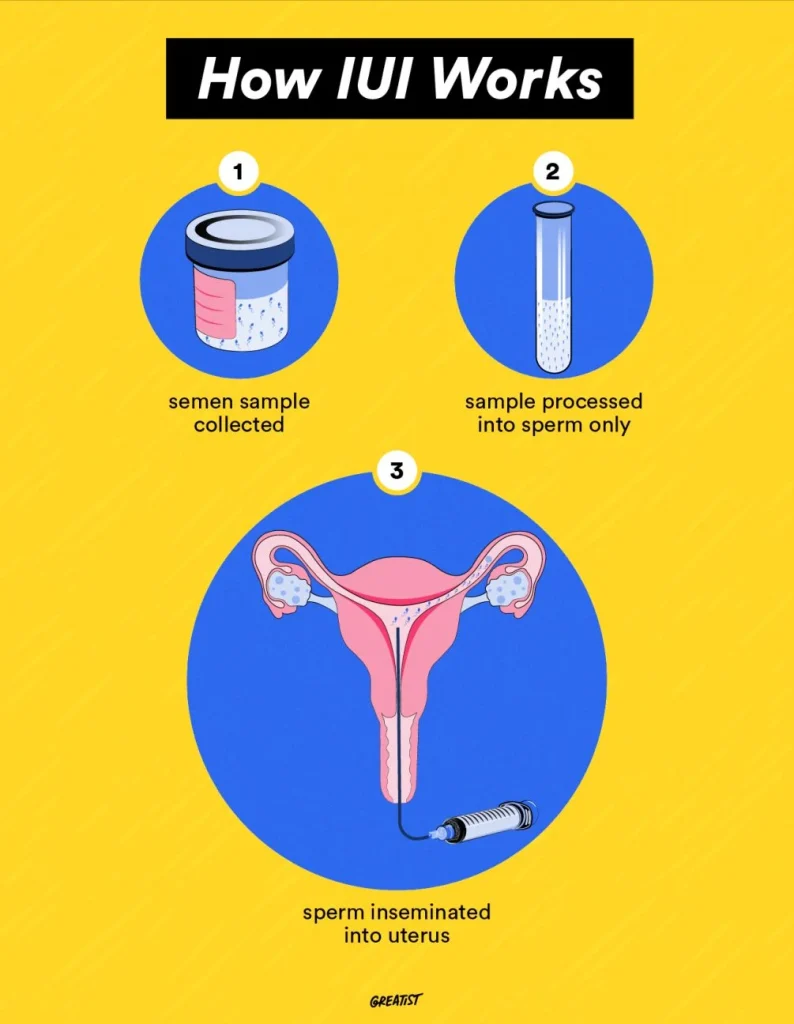
    illustration explaining the steps of intrauterine insemination (IUI) process on a bright yellow background

    The Impact of Environmental Factors on Fertility: What You Need to Know

    Diet:
    What we eat plays a crucial role in our overall health, including our fertility. A diet high in processed foods and low in essential nutrients can have a negative impact on reproductive health. On the other hand, a diet rich in fruits, vegetables, and whole grains can improve fertility outcomes. Some specific foods that have been linked to improved fertility include leafy greens, avocados, and fatty fish. It is also essential to maintain a healthy weight, as obesity has been associated with fertility issues in both men and women.

    Stress:
    In today’s fast-paced world, stress has become a prevalent issue for many people. However, chronic stress can take a toll on our fertility. When we are under stress, our bodies release cortisol, a hormone that can interfere with the production of other reproductive hormones. This disruption can lead to irregular menstrual cycles and decreased sperm quality. To reduce stress levels, prioritize self-care activities such as exercise, meditation, and spending time in nature.

    Plastics:
    Plastic products are ubiquitous in our daily lives, but they may have a more significant impact on our fertility than we realize. Chemicals called phthalates, which are commonly found in plastic products, have been linked to reduced sperm quality and hormone disruption in women. To reduce exposure to these harmful chemicals, opt for glass or stainless steel containers for food and drinks and avoid microwaving food in plastic containers.

    Radiation:
    Exposure to radiation, whether from medical procedures or electronic devices, can also have a negative impact on fertility. Radiation can damage reproductive cells and interfere with the production of reproductive hormones. To protect your fertility, limit your exposure to unnecessary medical procedures that involve radiation, and keep electronic devices away from your reproductive organs.

    Summary:
    Fertility is a complex aspect of human health, and environmental factors can play a significant role in our reproductive health. Air pollution, chemicals, diet, stress, plastics, and radiation can all have a negative impact on fertility. To protect your reproductive health, it is essential to be mindful of your environment and make conscious choices to reduce your exposure to harmful substances. Eating a healthy diet, managing stress, and avoiding unnecessary radiation and chemical exposure can all contribute to improving fertility outcomes.

  • The Role of Diet and Exercise in Fertility: Tips for Optimal Conception

    Blog Post Title: The Role of Diet and Exercise in Fertility: Tips for Optimal Conception

    Summary:

    Fertility is a topic that can bring about a range of emotions, from excitement and hope to frustration and disappointment. Many couples struggle with infertility and turn to various medical interventions to try and conceive. However, what is often overlooked is the role that diet and exercise can play in fertility.

    In recent years, research has shown that lifestyle factors, such as diet and exercise, can significantly impact fertility in both men and women. In this blog post, we will discuss the importance of diet and exercise in fertility and provide tips for couples looking to optimize their chances of conception.

    The Impact of Diet on Fertility

    What we eat can have a profound effect on our overall health and well-being, and this includes our reproductive health. A balanced and nutritious diet is crucial for maintaining hormone levels, promoting regular ovulation, and supporting a healthy pregnancy.

    One significant factor in fertility is maintaining a healthy body weight. Being underweight or overweight can disrupt hormone levels and make it more challenging to conceive. It is essential to find a healthy weight range and maintain it through a balanced diet and regular exercise.

    In addition to weight, specific nutrients have been linked to improved fertility. These include folic acid, iron, omega-3 fatty acids, and antioxidants. Foods such as leafy greens, whole grains, lean proteins, and healthy fats are excellent sources of these nutrients and should be incorporated into a fertility-boosting diet.

    On the other hand, certain foods and drinks should be avoided or limited when trying to conceive. These include processed foods, alcohol, caffeine, and sugary drinks. These can all negatively impact hormone levels and fertility.

    The Importance of Exercise for Fertility

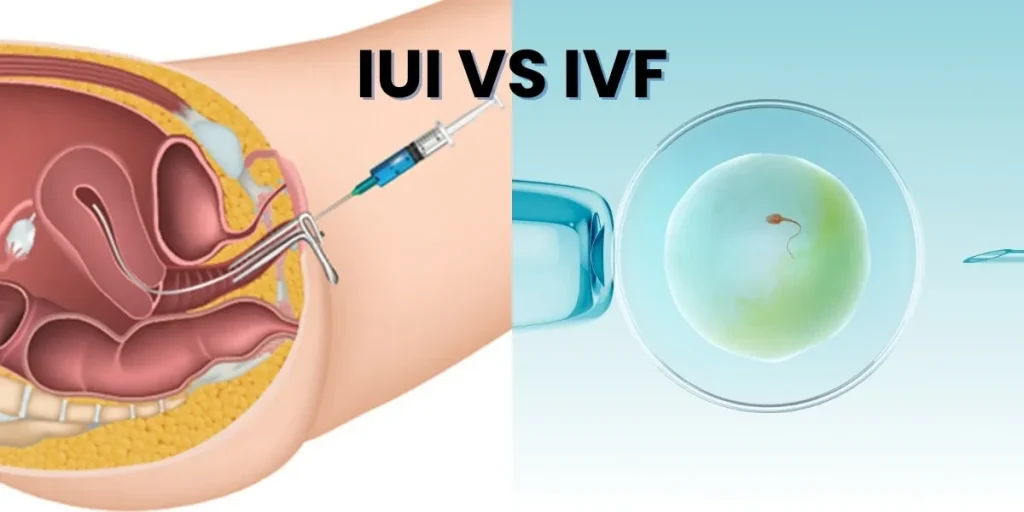
    comparison of IUI and IVF fertility treatments with illustrations of procedures and a petri dish with an egg and sperm

    The Role of Diet and Exercise in Fertility: Tips for Optimal Conception

    Regular exercise is not only crucial for overall health, but it can also have a significant impact on fertility. Studies have shown that women who engage in moderate exercise have a lower risk of infertility compared to those who are sedentary. Exercise can help regulate hormone levels, improve blood flow to the reproductive organs, and reduce stress, all of which can improve fertility.

    However, it is essential to strike a balance when it comes to exercise and fertility. Too much strenuous exercise can have the opposite effect and disrupt hormone levels. It is recommended to engage in moderate exercise, such as brisk walking, yoga, or swimming, for around 30 minutes a day, five days a week.

    Tips for Optimal Conception

    1. Focus on a healthy, balanced diet: As mentioned earlier, a nutritious diet is crucial for fertility. Aim to incorporate plenty of fruits, vegetables, whole grains, lean proteins, and healthy fats into your meals. Avoid processed foods and limit your intake of alcohol, caffeine, and sugary drinks.

    2. Maintain a healthy weight: As weight can significantly impact fertility, it is crucial to maintain a healthy weight range. Consult with a healthcare professional to determine a healthy weight for your body and make changes to your diet and exercise routine if needed.

    3. Stay active: Regular exercise is essential for both men and women when it comes to fertility. Aim for 30 minutes of moderate exercise, five days a week. However, avoid strenuous exercise that can disrupt hormone levels.

    4. Consider supplements: In addition to a healthy diet, certain supplements can also aid in fertility. These include folic acid, iron, vitamin D, and omega-3 fatty acids. Consult with a healthcare professional before starting any supplements.

    5. Manage stress: Stress can have a significant impact on fertility, so it is crucial to find ways to manage stress effectively. This can include practicing relaxation techniques, such as yoga or meditation, and engaging in activities that bring joy and relaxation.

    6. Be patient: Trying to conceive can be a long and emotional journey, so it is essential to be patient and kind to yourself. Remember that everyone’s fertility journey is unique, and it may take time to achieve pregnancy. Seek support from loved ones and consider counseling if needed.

    In conclusion, diet and exercise play a crucial role in fertility and can significantly impact a couple’s chances of conceiving. By focusing on a healthy, balanced diet, maintaining a healthy weight, staying active, and managing stress, couples can optimize their chances of conception. Remember to be patient, seek support, and consult with a healthcare professional for personalized advice.

  • The Link Between Lifestyle Choices and Fertility: What At-Home Testing Can Reveal

    Blog Post:

    When it comes to fertility, there are many factors that can impact a person’s ability to conceive. While some of these factors, such as age and genetics, are beyond our control, there are certain lifestyle choices that can have a significant impact on fertility. From diet and exercise to stress levels and environmental toxins, our daily habits and choices can play a crucial role in our fertility journey.

    In recent years, at-home fertility testing has become increasingly popular, providing individuals with valuable insights into their reproductive health and potential fertility issues. These tests can reveal a lot about the link between lifestyle choices and fertility, helping individuals make more informed decisions about their health and fertility journey.

    Diet and Fertility

    A healthy and balanced diet is essential for overall health and well-being, but it can also have a significant impact on fertility. Studies have shown that a diet high in processed foods, refined sugars, and unhealthy fats can lead to hormonal imbalances, which can affect ovulation and sperm quality. On the other hand, a diet rich in whole foods, healthy fats, and lean proteins can help regulate hormones and improve fertility.

    At-home fertility tests can provide insights into a person’s hormone levels, including estrogen, progesterone, and testosterone, which can be affected by diet. By identifying any imbalances, individuals can make necessary changes to their diet to support their fertility.

    Exercise and Fertility

    Regular physical activity is crucial for maintaining a healthy weight, reducing stress levels, and promoting overall well-being. However, excessive or intense exercise can have a negative impact on fertility. Women who engage in intense exercise or have a low body mass index (BMI) may experience irregular or missed periods, affecting ovulation and fertility.

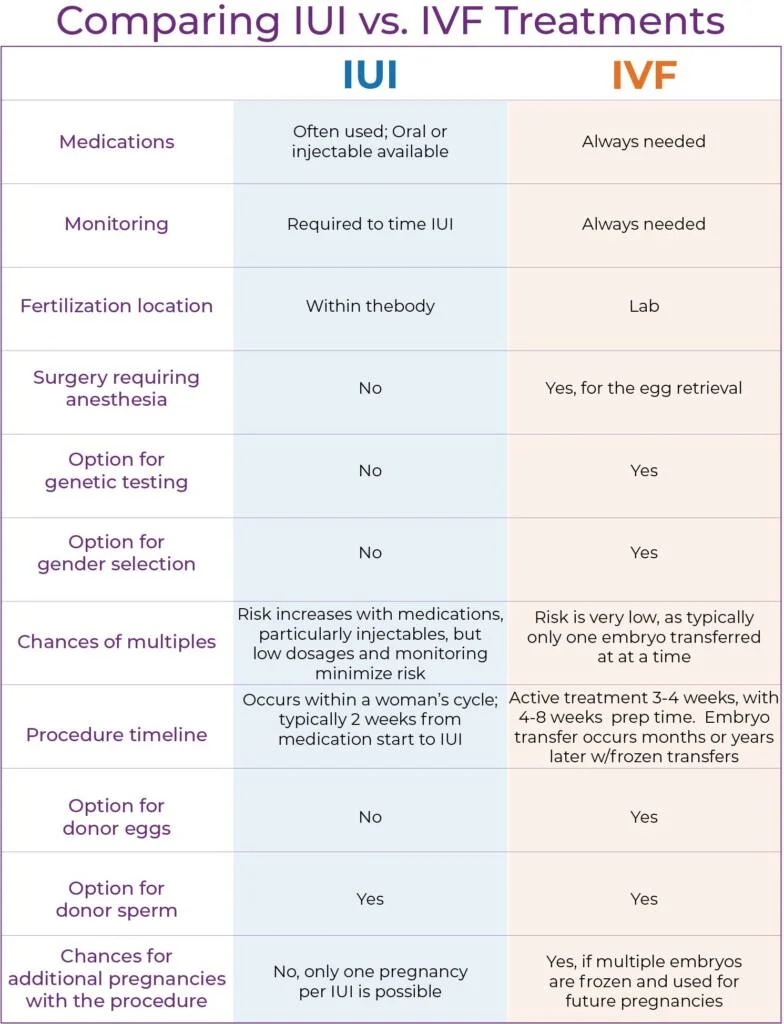
    Comparison chart of IUI and IVF treatments, detailing medications, monitoring, procedures, and success rates.

    The Link Between Lifestyle Choices and Fertility: What At-Home Testing Can Reveal

    At-home fertility tests can measure a person’s BMI and hormone levels, providing insights into how exercise may be impacting their fertility. If necessary, individuals can make adjustments to their exercise routine to support their reproductive health.

    Stress and Fertility

    Stress is a common factor in modern life, and it can have a significant impact on fertility. Chronic stress can lead to hormonal imbalances, disrupt ovulation, and decrease sperm quality. Additionally, stress can also lead to unhealthy coping mechanisms, such as smoking, excessive drinking, and poor dietary choices, which can further affect fertility.

    At-home fertility tests can measure cortisol levels, the hormone released during times of stress, and provide insights into how stress may be impacting fertility. Individuals can then take steps to manage their stress levels and find healthy coping mechanisms, which can help improve fertility.

    Environmental Toxins and Fertility

    We are exposed to various environmental toxins every day, from pollutants in the air to chemicals in our food and personal care products. These toxins can interfere with hormone production and disrupt the reproductive system, affecting fertility. For example, exposure to bisphenol-A (BPA), a chemical commonly found in plastics, has been linked to reduced sperm quality and female infertility.

    At-home fertility tests can measure the levels of environmental toxins in the body and provide individuals with valuable information about their potential impact on fertility. Armed with this knowledge, individuals can make changes to reduce their exposure to these toxins and improve their chances of conceiving.

    Summary:

    Our lifestyle choices can have a significant impact on fertility, and at-home fertility testing can provide valuable insights into this link. From diet and exercise to stress levels and environmental toxins, everything we do can affect our reproductive health. By using at-home fertility tests, individuals can identify any hormonal imbalances or potential fertility issues and make necessary changes to support their fertility journey. By emphasizing the importance of a healthy and balanced lifestyle, we can take control of our fertility and increase our chances of conceiving.

  • Surprising Foods That Can Boost Fertility Naturally

    Blog Post:

    When it comes to increasing fertility, many people turn to medical interventions and treatments. However, what most people don’t realize is that one’s diet can play a crucial role in boosting fertility naturally. Certain foods contain nutrients and compounds that can help improve reproductive health and increase the chances of conception. In this blog post, we will explore some surprising foods that can boost fertility and how they can be incorporated into your daily meals.

    1. Avocado

    Avocado is a superfood that is packed with essential vitamins and minerals such as vitamin E, vitamin C, folate, and potassium. These nutrients are not only beneficial for overall health but also for fertility. Vitamin E helps improve sperm quality and motility, while vitamin C can increase cervical mucus production, making it easier for sperm to reach the egg. Folate is essential for fetal development, and potassium helps regulate blood pressure, which is crucial for maintaining a healthy pregnancy. Adding avocado to your diet can help improve both male and female fertility.

    2. Oysters

    Oysters are known as an aphrodisiac, but they also have fertility-boosting properties. They are an excellent source of zinc, a mineral that is essential for reproductive health. Zinc helps with hormone regulation, sperm production, and egg development. It is also crucial for maintaining a healthy menstrual cycle. Oysters also contain high levels of vitamin B12, which can help regulate ovulation and improve sperm quality. So, if you and your partner are trying to conceive, don’t shy away from indulging in some oysters.

    3. Garlic

    Garlic is a staple ingredient in many dishes, and it also has numerous health benefits. It is rich in antioxidants and has anti-inflammatory properties. But what many people don’t know is that garlic can also help boost fertility. It contains allicin, a compound that can help improve blood flow to the reproductive organs. This increased blood flow can promote healthy ovulation and sperm production. Garlic is also believed to have anti-estrogenic properties, which can be beneficial for women with high estrogen levels, a common cause of infertility.

    4. Maca Root

    Maca root is a popular fertility-boosting food in traditional medicine. It is a root vegetable native to Peru and is considered an adaptogen, meaning it can help the body cope with stress. Stress is known to have a negative impact on fertility, and maca root can help reduce stress levels, making it easier to conceive. It is also rich in iron and iodine, which are essential for hormone production and thyroid function, respectively. Maca root can be added to smoothies, baked goods, or taken as a supplement.

    5. Pumpkin Seeds

    Pumpkin seeds are a nutritional powerhouse, packed with essential vitamins and minerals. They are an excellent source of zinc, which, as mentioned earlier, is essential for reproductive health. Pumpkin seeds also contain high levels of omega-3 fatty acids, which can help regulate hormone levels and improve sperm quality. They are also rich in vitamin E, which can help with egg development and improve sperm motility. Adding pumpkin seeds to your diet can be a simple and tasty way to boost fertility.

    Illustration of intrauterine insemination (IUI) procedure with syringe and catheter in the uterus.

    Surprising Foods That Can Boost Fertility Naturally

    6. Dark Leafy Greens

    Dark leafy greens like spinach, kale, and collard greens are rich in folate, a B vitamin that is crucial for fetal development. Folate deficiency has been linked to infertility and miscarriage, making it essential for women who are trying to conceive. These greens are also rich in iron, which helps with blood flow and oxygen transport to the reproductive organs. They are also a good source of calcium, which is necessary for maintaining a healthy reproductive system. Incorporating dark leafy greens into your diet can help improve fertility and overall health.

    7. Berries

    Berries are known for their high antioxidant content, making them beneficial for overall health. But they also have specific benefits for fertility. Berries are rich in vitamin C, which is essential for increasing cervical mucus production and promoting sperm survival. They also contain high levels of folic acid, which, as mentioned earlier, is crucial for fetal development. Berries are also a good source of fiber, which can help regulate hormone levels and improve insulin resistance, a common cause of infertility.

    8. Salmon

    Salmon is a fatty fish that is rich in omega-3 fatty acids, which have numerous health benefits. These fatty acids can help regulate hormone levels, improve blood flow, and reduce inflammation. All of these factors can contribute to improved fertility. Salmon also contains high levels of vitamin D, which is essential for hormone production and is linked to ovulation and sperm quality. Adding salmon to your diet a few times a week can be a delicious way to boost fertility.

    9. Lentils

    Lentils are a great plant-based source of protein and are rich in iron, folate, and fiber. As mentioned earlier, these nutrients are crucial for reproductive health. Iron helps with blood flow and oxygen transport, while folate is essential for fetal development. Fiber can help regulate hormone levels and improve overall reproductive health. Lentils are also a good source of complex carbohydrates, which can help regulate insulin levels and promote healthy ovulation. They can be added to soups, salads, or made into a delicious lentil curry.

    10. Water

    Last but certainly not least, water is essential for fertility. Staying hydrated is crucial for maintaining a healthy reproductive system. It helps with blood flow, hormone production, and egg and sperm quality. Dehydration can lead to thickened cervical mucus, making it difficult for sperm to reach the egg. It can also cause irregular menstrual cycles and hormonal imbalances. It is recommended to drink at least eight glasses of water a day, and even more if you are trying to conceive.

    In conclusion, fertility-boosting foods are not limited to certain fruits and vegetables. Surprisingly, foods like avocado, oysters, garlic, and water can also play a crucial role in improving fertility. By incorporating these foods into your diet, you can not only improve your chances of conception but also enhance your overall health and well-being.

    Summary:

    In this blog post, we discussed 10 surprising foods that can boost fertility naturally. These include avocado, oysters, garlic, maca root, pumpkin seeds, dark leafy greens, berries, salmon, lentils, and water. These foods contain essential nutrients and compounds that can help improve reproductive health, increase sperm and egg quality, and regulate hormone levels. By incorporating these foods into your diet, you can improve your chances of conception and enhance your overall health and well-being.

  • Natural Fertility Boosters You Can Find in Your Kitchen

    Blog Post:

    When it comes to trying to conceive, many couples struggle with fertility issues. While there are various medical treatments and procedures available, some natural methods can also help boost fertility. And the best part? You can find these fertility boosters right in your own kitchen! In this blog post, we’ll discuss some of the top natural fertility boosters that you can incorporate into your diet to increase your chances of conceiving.

    1. Maca Root
    Maca root, also known as Peruvian ginseng, has been used for centuries as a natural fertility booster. This superfood is rich in vitamins, minerals, and amino acids that can help balance hormones and improve reproductive health. Maca root is also believed to increase libido and improve sperm count and quality in men. You can easily add maca root powder to your smoothies, oatmeal, or even homemade energy balls for a daily fertility boost.

    2. Royal Jelly
    Royal jelly is a nutrient-rich substance produced by honeybees and is known for its powerful fertility-boosting properties. It is packed with vitamins, minerals, and amino acids that can help regulate hormones and improve egg quality. Royal jelly has also been shown to increase sperm count and motility in men. You can consume royal jelly in its raw form, add it to your tea, or take it in supplement form for maximum benefits.

    3. Cinnamon
    Cinnamon is a delicious spice that not only adds flavor to your food but also has numerous health benefits. It is rich in antioxidants and has anti-inflammatory properties, making it an excellent natural fertility booster. Cinnamon has been shown to regulate menstrual cycles and improve insulin sensitivity, which can help with ovulation. You can sprinkle cinnamon on your morning oatmeal, add it to your coffee, or even make a fertility-boosting smoothie with it.

    4. Wild Salmon
    Wild-caught salmon is an excellent source of omega-3 fatty acids, which are essential for reproductive health. These healthy fats help regulate hormones, improve blood flow to the reproductive organs, and increase cervical mucus production. Wild salmon is also rich in vitamin D, which is crucial for fertility and pregnancy. Try to incorporate wild salmon into your diet at least twice a week for optimal benefits.

    5. Avocado
    Avocados are not only delicious but also incredibly nutritious. They are rich in healthy fats, vitamins, and minerals, making them an excellent fertility-boosting food. Avocados are a great source of folic acid, a nutrient that is essential for both men and women when trying to conceive. Folic acid helps with cell division and DNA synthesis, which is crucial for healthy sperm and egg development. You can add avocado to your salads, sandwiches, or simply enjoy it on toast for a fertility-boosting snack.

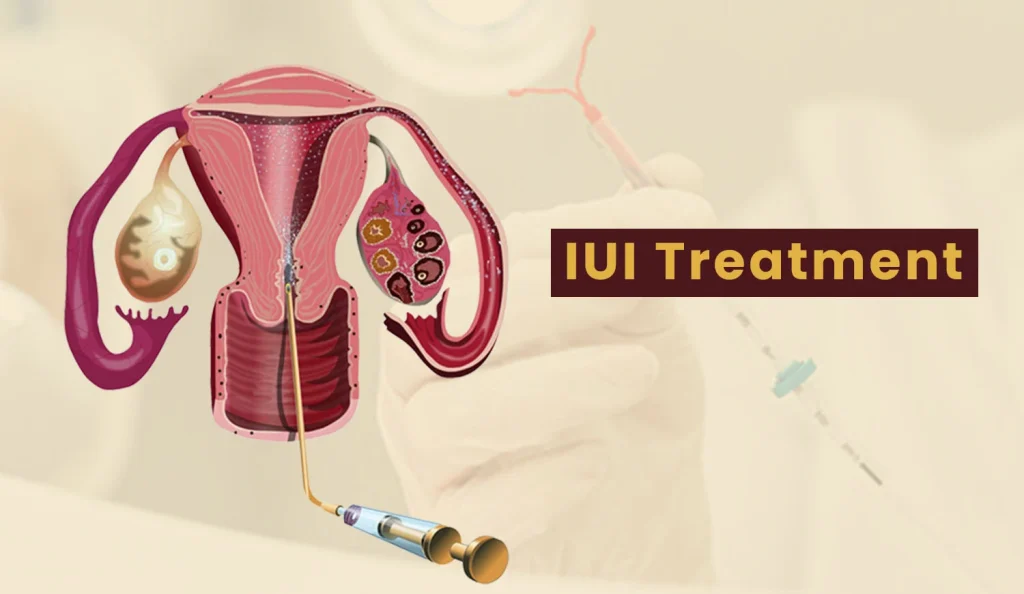
    illustration of the uterus and ovaries with a syringe, labeled "IUI Treatment" in the background

    Natural Fertility Boosters You Can Find in Your Kitchen

    6. Brazil Nuts
    Brazil nuts are a powerhouse of nutrients, including selenium, which is vital for male and female fertility. Selenium helps protect eggs and sperm from free radical damage, and deficiency in this mineral has been linked to infertility. Brazil nuts are also a great source of healthy fats and protein, making them a perfect fertility-boosting snack. However, remember to consume them in moderation as they are high in calories.

    7. Leafy Greens
    Leafy greens, such as spinach, kale, and Swiss chard, are packed with fertility-boosting nutrients. They are rich in folate, iron, and vitamin C, all of which are essential for reproductive health. Folate helps with cell division and DNA synthesis, while iron helps with the production of healthy red blood cells. Vitamin C is an antioxidant that can help protect sperm and eggs from free radical damage. Add leafy greens to your salads, smoothies, or omelets for a fertility-boosting meal.

    8. Pomegranate
    Pomegranates have been used for centuries as a natural fertility booster. They are rich in antioxidants, which can help improve sperm quality and motility. Pomegranates are also a good source of vitamin C, which can help increase cervical mucus production and improve the uterine lining. You can enjoy pomegranate seeds as a snack, add them to your salads, or drink pomegranate juice for a fertility boost.

    9. Garlic
    Garlic is not only a delicious addition to your meals but also a powerful fertility-boosting food. It is rich in allicin, a compound that can help improve blood flow to the reproductive organs. Garlic is also believed to have anti-inflammatory properties, which can help with conditions like endometriosis and PCOS that can affect fertility. Try to incorporate garlic into your cooking or take it in supplement form for maximum benefits.

    10. Water
    Last but not least, the most basic and essential fertility booster is water. Staying hydrated is crucial for reproductive health as it helps maintain the proper balance of hormones and increases blood flow to the reproductive organs. Aim to drink at least eight glasses of water a day and more if you are exercising or live in a hot climate.

    In conclusion, making small changes to your diet and incorporating these natural fertility boosters can make a big difference in your journey to conceive. However, remember that fertility issues can be complex, and it’s always best to consult with a healthcare professional if you are struggling to get pregnant.

    Summary:

    Struggling with fertility? Look no further than your kitchen! Incorporating certain foods into your diet can help boost fertility naturally. Some of the top fertility boosters include maca root, royal jelly, cinnamon, wild salmon, avocado, Brazil nuts, leafy greens, pomegranate, garlic, and water. These foods are rich in vitamins, minerals, and other nutrients that can help regulate hormones, improve egg and sperm quality, and increase blood flow to the reproductive organs. However, always consult with a healthcare professional for personalized advice.

  • The Influence of Diet and Exercise on Fertility: Tips for Boosting Natural Conception and Assisted Reproduction

    Blog Post Title: The Influence of Diet and Exercise on Fertility: Tips for Boosting Natural Conception and Assisted Reproduction

    Summary: Fertility is a complex and delicate process that can be affected by many factors, including diet and exercise. In this blog post, we will explore how diet and exercise can influence fertility, and provide tips for boosting natural conception and assisted reproduction.

    Firstly, we will discuss the impact of diet on fertility. A healthy, balanced diet is crucial for overall health and can greatly improve fertility. Eating a diet rich in fruits, vegetables, whole grains, and lean proteins can provide essential vitamins and nutrients that support reproductive health. Certain foods, such as folate-rich leafy greens, can also help prevent birth defects. On the other hand, a diet high in processed foods, trans fats, and sugary drinks can negatively affect fertility by causing inflammation and hormonal imbalances.

    Next, we will delve into the role of exercise in fertility. Regular physical activity can help improve fertility by reducing stress, maintaining a healthy weight, and promoting hormonal balance. However, excessive exercise or intense workouts can have the opposite effect and disrupt ovulation. It is important to find a balance and listen to your body when it comes to exercise and fertility.

    illustration of the uterus and ovaries with a syringe, labeled "IUI Treatment" in the background

    The Influence of Diet and Exercise on Fertility: Tips for Boosting Natural Conception and Assisted Reproduction

    We will then discuss how diet and exercise can impact natural conception. Maintaining a healthy weight is crucial for fertility, as being underweight or overweight can disrupt hormone levels and ovulation. In addition, certain nutrients, such as zinc and omega-3 fatty acids, have been linked to improved fertility in both men and women. It is important to work with a healthcare professional to determine any nutrient deficiencies and make dietary changes accordingly.

    For those struggling with fertility, we will also explore how diet and exercise can affect assisted reproduction methods such as in vitro fertilization (IVF). Studies have shown that a healthy diet and regular exercise can improve the success rates of IVF. In addition, certain lifestyle factors, such as smoking and excessive alcohol consumption, can greatly decrease the chances of a successful pregnancy.

    We will then provide tips for incorporating a fertility-friendly diet and exercise routine into your lifestyle. This includes meal planning, incorporating fertility-boosting foods into your diet, and finding an exercise routine that works for you. We will also discuss the importance of managing stress and getting enough sleep for optimal fertility.

    Finally, we will touch on the importance of seeking professional help if you are struggling with fertility. A healthcare provider can help identify any underlying issues and provide personalized recommendations for improving fertility through diet and exercise.

    In conclusion, diet and exercise play a crucial role in fertility and can greatly impact natural conception and assisted reproduction methods. By following a healthy, balanced diet and incorporating regular physical activity, you can improve your chances of conceiving naturally and through assisted reproduction methods.