Tag: traditional medicine

  • From Traditional Medicine to Modern Technology: The Evolution of Infertility Treatments

    Blog Post:

    Infertility is a condition that affects millions of couples around the world. It is defined as the inability to conceive after one year of trying for a baby. For centuries, infertility has been a major issue, and couples have turned to traditional medicine for treatments. However, with the advancements in modern technology, there has been a significant evolution in infertility treatments. In this blog post, we will explore the journey from traditional medicine to modern technology in the field of infertility treatments.

    Traditional Medicine for Infertility:

    Traditional medicine has been around for thousands of years and has been the primary source of healthcare for many societies. In the case of infertility, traditional medicine typically involves the use of herbs, plants, and natural remedies to treat the condition. These remedies are often passed down from generation to generation and are believed to have healing properties.

    In many cultures, infertility is seen as a curse or a punishment, and traditional medicine is seen as a way to lift this curse. For instance, in ancient Egyptian culture, women who were unable to bear children were believed to be cursed by the gods. Therefore, traditional medicine was used to try and remove the curse and help women conceive.

    Traditional Chinese medicine (TCM) is another popular form of traditional medicine that has been used for infertility treatment. TCM practitioners believe that infertility is caused by an imbalance in the body’s energy, and by correcting this imbalance, fertility can be restored. Acupuncture, herbal medicine, and dietary changes are some of the techniques used in TCM for infertility treatment.

    While traditional medicine has been used for centuries, there is limited scientific evidence to support its effectiveness in treating infertility. As a result, many couples have turned to modern technology for more reliable and evidence-based treatments.

    The Rise of Modern Technology in Infertility Treatments:

    The 20th century saw a significant shift in the way infertility was treated. With the advancements in medical technology, new and innovative treatments were introduced, giving hope to millions of couples struggling with infertility.

    One of the first modern technology treatments for infertility was artificial insemination. This procedure involves placing sperm directly into a woman’s cervix or uterus, increasing the chances of fertilization. It was first performed in the 1940s and has since become a common infertility treatment.

    comparison of IUI and IVF procedures illustrated with simple graphics and labels

    From Traditional Medicine to Modern Technology: The Evolution of Infertility Treatments

    In the 1970s, in vitro fertilization (IVF) was introduced, revolutionizing the field of infertility treatments. IVF involves fertilizing eggs with sperm in a laboratory and then transferring the resulting embryo into the woman’s uterus. This procedure has a higher success rate compared to traditional methods and has helped many couples become parents.

    Another significant advancement in infertility treatment is the use of fertility drugs. These drugs are used to stimulate ovulation in women who have trouble producing eggs. They can also be used to regulate the menstrual cycle and increase the chances of pregnancy.

    The Evolution of Infertility Treatments:

    In recent years, there have been even more advancements in infertility treatments, making it possible for couples to have a biological child of their own. One of these advancements is the use of preimplantation genetic testing (PGT). This technique involves testing embryos for genetic abnormalities before they are implanted in the uterus, reducing the risk of passing on genetic disorders to the child.

    Another modern technology that has greatly improved infertility treatments is the use of donor eggs and sperm. In cases where a woman is unable to produce viable eggs, donor eggs can be used for IVF. Similarly, donor sperm can be used in cases where the male partner has a low sperm count or quality.

    Furthermore, the use of assisted hatching has also increased the chances of successful embryo implantation. This technique involves creating a small opening in the outer layer of the embryo to help it hatch and implant in the uterus.

    The Future of Infertility Treatments:

    With the rapid advancements in medical technology, the future looks promising for infertility treatments. One of the most talked-about techniques is the use of stem cells for infertility treatment. Stem cells have the potential to develop into any type of cell in the body, including eggs and sperm. This could potentially help couples with genetic disorders or those who are unable to produce viable eggs or sperm.

    Another area of research is the development of artificial ovaries. This could be a game-changer for women who have gone through premature menopause or have had their ovaries removed due to medical reasons. The artificial ovaries would be able to produce eggs, allowing these women to conceive and carry a child.

    Summary:

    Infertility has been a major issue for couples for centuries. Traditional medicine has been the go-to treatment, but with the advancements in modern technology, there has been a significant evolution in infertility treatments. From artificial insemination to IVF and the use of fertility drugs, modern technology has greatly improved the chances of conception for couples struggling with infertility. Moreover, the future looks promising with advancements in techniques such as PGT, donor eggs and sperm, and the potential use of stem cells and artificial ovaries. These advancements give hope to millions of couples around the world who dream of starting a family of their own.
  • The Role of Traditional Medicine in Fertility: Combining Supplements and Medical Treatments

    Blog Post:

    Fertility is a complex and deeply personal journey for many individuals and couples. It is a topic often surrounded by stigma and shame, leading many to suffer in silence. While modern medicine has made significant advancements in the field of fertility, traditional medicine has also played a crucial role in supporting and enhancing fertility. In this blog post, we will explore the role of traditional medicine in fertility and how it can be combined with supplements and medical treatments to improve chances of conception.

    Traditional medicine, also known as alternative or complementary medicine, encompasses a wide range of practices and treatments that have been used for centuries in different cultures around the world. These practices include herbal remedies, acupuncture, massage therapy, and more. Traditional medicine focuses on treating the whole person, including their physical, emotional, and spiritual well-being.

    One of the main ways in which traditional medicine can support fertility is through the use of herbal supplements. Many herbs have been used for centuries to enhance fertility and promote a healthy reproductive system. For example, Dong Quai, a Chinese herb, has been traditionally used to regulate menstrual cycles and improve blood flow to the uterus. It is also believed to support healthy egg production and increase chances of conception. Another commonly used herb is Maca, which is native to Peru and has been used for its hormone-balancing properties. Maca is believed to support the endocrine system, which is responsible for producing and regulating hormones, thereby promoting fertility.

    In addition to herbal supplements, traditional medicine also offers other treatments such as acupuncture, massage therapy, and mind-body practices like yoga and meditation. Acupuncture, a practice that originated in China, involves the insertion of thin needles into specific points on the body. It is believed to promote the flow of energy, or Qi, throughout the body, which may help improve fertility. Studies have shown that acupuncture may help regulate menstrual cycles, improve ovarian function, and increase blood flow to the uterus, all of which can enhance fertility.

    Massage therapy, another form of traditional medicine, can also be beneficial for fertility. Fertility massage, in particular, focuses on the reproductive organs and aims to improve blood flow, reduce inflammation, and support hormonal balance. It can also help relieve stress and tension, which can have a negative impact on fertility. Mind-body practices like yoga and meditation can also be useful in reducing stress and promoting relaxation, which can improve fertility.

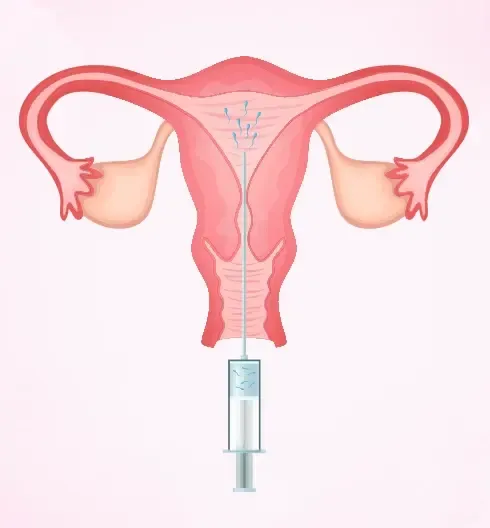
    Illustration of a uterus with a syringe indicating an intrauterine insemination procedure.

    The Role of Traditional Medicine in Fertility: Combining Supplements and Medical Treatments

    While traditional medicine offers a variety of practices and treatments that can support fertility, it is essential to also seek medical treatment from a healthcare professional. Modern medicine has made significant advancements in the field of fertility, and medical interventions such as fertility drugs, intrauterine insemination (IUI), and in vitro fertilization (IVF) can greatly increase chances of conception.

    However, traditional medicine and modern medicine do not have to be mutually exclusive. In fact, they can complement each other to provide a more holistic approach to fertility. For example, studies have shown that taking herbal supplements alongside fertility treatments can improve outcomes. Acupuncture has also been found to improve success rates of fertility treatments, such as IVF, by reducing stress and promoting relaxation.

    It is essential to note that traditional medicine should not be seen as a replacement for medical treatment. It is always important to consult with a healthcare professional before starting any new supplements or treatments, especially if you are undergoing fertility treatments.

    In addition to combining traditional medicine with medical treatments, lifestyle changes can also play a significant role in improving fertility. A healthy diet, regular exercise, and stress management techniques can all contribute to a healthy reproductive system. Traditional medicine can also offer guidance in these areas, as many practices focus on maintaining a healthy balance in all aspects of life.

    In conclusion, traditional medicine has a vital role to play in supporting fertility. Its holistic approach addresses not only physical but also emotional and spiritual aspects of fertility. By combining traditional medicine with medical treatments and making lifestyle changes, individuals and couples can increase their chances of conception and embark on their journey to parenthood.

    Summary:

    Fertility is a complex and personal journey, and traditional medicine has played a crucial role in supporting and enhancing fertility. Traditional medicine, including herbal supplements, acupuncture, massage therapy, and mind-body practices, can all play a part in promoting a healthy reproductive system. These practices can complement modern medical treatments, such as fertility drugs, IUI, and IVF, to increase chances of conception. However, traditional medicine should not be seen as a replacement for medical treatment, and it is essential to consult with a healthcare professional before starting any new supplements or treatments. By combining traditional medicine with medical treatments and making lifestyle changes, individuals and couples can increase their chances of conception and embark on their journey to parenthood.

  • The Natural Approach: How Traditional Medicine Can Aid Fertility

    Blog Post:

    Fertility is a topic that is often surrounded by misconceptions and taboos, making it a sensitive and complex issue for many individuals and couples. While modern medicine has made significant advancements in the field of fertility, traditional medicine has also been used for centuries to aid in fertility and conception. In this blog post, we will explore the natural approach to fertility and how traditional medicine can play a crucial role in helping individuals and couples achieve their dream of starting a family.

    What is the Natural Approach to Fertility?

    The natural approach to fertility focuses on using natural remedies and techniques to improve and support fertility and conception. It involves a holistic approach that takes into consideration the physical, emotional, and spiritual aspects of fertility. This approach is based on the belief that the body has an innate ability to heal itself and that by addressing imbalances in the body, fertility can be improved.

    Traditional Medicine and Fertility

    Traditional medicine has been used for centuries to treat various health conditions, including fertility. In many cultures, traditional medicine and fertility are closely intertwined, with specific herbs, practices, and rituals being used to support fertility and conception. Traditional medicine takes into account the individual’s unique constitution and uses natural remedies to restore balance and promote overall well-being.

    Herbal Remedies for Fertility

    Herbs have been used in traditional medicine to treat fertility issues for thousands of years. Some herbs are known to support hormonal balance, stimulate ovulation, and improve overall reproductive health. For example, Chaste Tree Berry has been used to regulate menstrual cycles and support ovulation. Other herbs, such as Red Raspberry Leaf, have been traditionally used to strengthen the uterus and prepare it for pregnancy. While herbal remedies should always be used under the guidance of a trained herbalist, they can be a valuable tool in supporting fertility.

    Acupuncture and Fertility

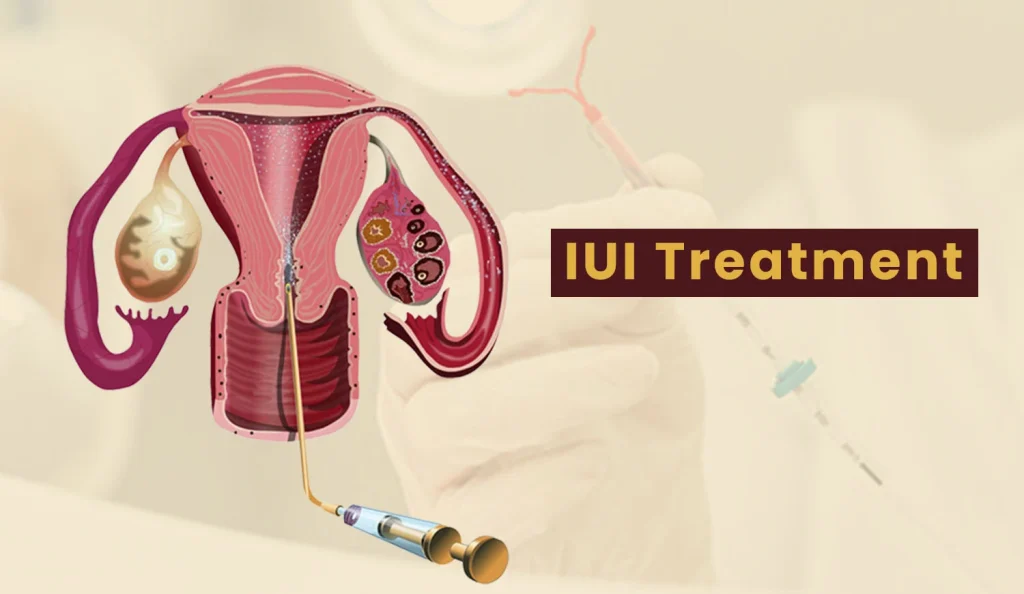
    illustration of the uterus and ovaries with a syringe, labeled "IUI Treatment" in the background

    The Natural Approach: How Traditional Medicine Can Aid Fertility

    Acupuncture is a traditional Chinese medicine technique that involves inserting thin needles into specific points on the body. It has been used for centuries to treat a variety of health issues, including fertility. According to traditional Chinese medicine, fertility is linked to the flow of Qi (energy) in the body. By targeting specific points related to reproductive health, acupuncture can help balance the body’s energy, improve blood flow to the reproductive organs, and regulate hormones. Many studies have shown that acupuncture can increase the chances of conception in women undergoing fertility treatments.

    Massage and Fertility

    Massage is another traditional medicine technique that can aid fertility. Specific abdominal massage techniques, such as the Mayan abdominal massage, have been used for centuries to support reproductive health. This massage technique focuses on releasing tension and improving blood flow to the reproductive organs, which can help improve fertility. It can also help balance hormones and support the body’s natural detoxification process, both of which are crucial for fertility.

    Nutrition and Fertility

    Nutrition plays a vital role in fertility, and traditional medicine recognizes this connection. Traditional medicine views food as medicine, and certain foods are believed to promote fertility. For example, foods rich in healthy fats, such as avocado and olive oil, can help regulate hormones and improve fertility. Traditional medicine also emphasizes eating a balanced diet that includes a variety of whole foods to support overall health and fertility.

    Mind-Body Practices and Fertility

    The mind and body are deeply connected, and traditional medicine recognizes this connection in relation to fertility. Stress and anxiety can have a significant impact on fertility, and traditional medicine offers various mind-body practices to help reduce stress and promote relaxation. Practices such as yoga, meditation, and breathing exercises can help calm the mind, reduce stress, and improve fertility.

    Summary:

    In summary, the natural approach to fertility is a holistic and traditional approach that focuses on using natural remedies and techniques to support fertility and conception. It takes into account the physical, emotional, and spiritual aspects of fertility and aims to restore balance in the body to improve fertility. Traditional medicine, including herbal remedies, acupuncture, massage, nutrition, and mind-body practices, can all play a crucial role in supporting fertility. While modern medicine has its place in the field of fertility, the natural approach offers a complementary and holistic approach to achieving the dream of starting a family.

  • Fertility Clinic vs Homeopathy: A Look into Alternative Medicine

    Fertility Clinic vs Homeopathy: A Look into Alternative Medicine

    In the world of medicine, there are various treatments and approaches to address health issues, including fertility. While traditional medicine, such as fertility clinics, have been the go-to option for many couples struggling with infertility, alternative medicine, specifically homeopathy, has been gaining popularity in recent years. This has sparked a debate between the effectiveness of these two approaches. In this blog post, we will take a closer look at fertility clinics and homeopathy, and compare their treatment methods and success rates to determine which one may be the better option for those seeking alternative medicine for fertility issues.

    Fertility Clinics: The Traditional Approach

    Fertility clinics, also known as reproductive clinics, are specialized medical facilities that offer a range of services to help individuals or couples achieve pregnancy. These clinics typically have a team of doctors, reproductive endocrinologists, and fertility specialists who work together to diagnose and treat infertility. They offer various treatments, such as in vitro fertilization (IVF), intrauterine insemination (IUI), and fertility medications, to help couples conceive.

    One of the main advantages of fertility clinics is that they offer advanced medical technology and procedures that have been proven to be effective in treating infertility. These treatments are often tailored to the specific needs of each patient, taking into consideration factors such as age, medical history, and underlying conditions. Fertility clinics also have a high success rate, with some reporting a success rate of up to 70% for IVF procedures.

    However, one of the downsides of fertility clinics is the high cost of treatment. These procedures can be expensive, and insurance coverage may not always be available. Additionally, fertility treatments can be physically and emotionally taxing, and may require multiple visits to the clinic and invasive procedures.

    Homeopathy: An Alternative Approach

    Homeopathy, on the other hand, is a form of alternative medicine that has been around for over 200 years. It is based on the principle of “like cures like,” where a substance that causes symptoms in a healthy person is used to treat similar symptoms in a sick person. Homeopathy focuses on treating the whole person, rather than just the symptoms, and aims to stimulate the body’s natural healing ability.

    Cost breakdown for IUI components, including requirements, impacts, and alternatives.

    Fertility Clinic vs Homeopathy: A Look into Alternative Medicine

    Homeopathic remedies for fertility issues may include natural supplements, herbal remedies, and lifestyle changes. These remedies are believed to work by balancing the body’s energy and addressing underlying imbalances that may be causing infertility. Homeopathy is also considered a safer and more natural option compared to traditional medications and procedures.

    One of the main advantages of homeopathy is that it is a non-invasive and gentle approach, making it suitable for individuals who may not be able to undergo traditional fertility treatments due to health concerns. It also has minimal to no side effects, and the remedies are often less expensive compared to traditional medical treatments.

    However, the effectiveness of homeopathy for fertility issues is still a topic of debate. While some studies have shown promising results, there is a lack of scientific evidence to support its effectiveness. Homeopathy also requires a personalized approach, which means treatments may vary from person to person, and it may take longer to see results compared to traditional medical treatments.

    Which One is the Better Option?

    When it comes to fertility issues, the decision between fertility clinics and homeopathy ultimately depends on each individual’s preferences and needs. Fertility clinics offer advanced medical procedures with a high success rate, but they can be expensive and come with potential risks and side effects. Homeopathy, on the other hand, offers a more natural and holistic approach, but its effectiveness is still a subject of controversy.

    It is important to note that both fertility clinics and homeopathy can be used together as complementary treatments. Many couples have found success in combining traditional medical treatments with alternative approaches like homeopathy to address their fertility issues.

    In conclusion, fertility clinics and homeopathy are two different approaches to treating infertility, each with its own set of advantages and limitations. It is essential to consult with a healthcare professional to determine which option may be best for your specific situation. Whichever path you choose, it is essential to have an open mind and consider all the available options to increase your chances of achieving a successful pregnancy.

    Summary:

    Fertility clinics and homeopathy are two alternative approaches to treating infertility. Fertility clinics offer advanced medical procedures with a high success rate, but they can be expensive and come with potential risks and side effects. Homeopathy, on the other hand, offers a more natural and holistic approach, but its effectiveness is still a subject of controversy. The decision between these two options ultimately depends on each individual’s preferences and needs, and it is important to consult with a healthcare professional before making a decision. Both approaches can also be used together as complementary treatments.

  • DIY Fertility Treatments: A Cultural Perspective

    Blog Post:

    Fertility has always been an important aspect of human life, and throughout history, people have tried various methods to increase their chances of conceiving. In recent years, do-it-yourself (DIY) fertility treatments have gained popularity, particularly among those who are struggling with infertility and cannot afford expensive medical procedures. However, these treatments are not just limited to medical reasons; they also hold significant cultural and traditional value for many communities around the world. In this blog post, we will delve into the cultural perspective of DIY fertility treatments and explore their effects on individuals and societies.

    The concept of DIY fertility treatments is not a new one. In fact, it has been around for centuries. In ancient civilizations, people used herbs, plants, and even rituals to increase fertility. These methods were often deeply rooted in cultural beliefs and practices. For example, in many African and Asian cultures, fertility is closely tied to the concept of femininity and motherhood. Therefore, women who struggled with infertility were often stigmatized and ostracized from their communities. As a result, they turned to traditional DIY treatments to improve their chances of conceiving and to fulfill their societal expectations.

    In modern times, DIY fertility treatments have taken on a new form, with a plethora of online resources and social media platforms providing information and guidance on how to increase fertility naturally. These treatments range from dietary changes, supplements, and herbal remedies to more controversial methods such as vaginal steaming and homemade insemination. While some of these treatments have been backed by scientific research, others lack sufficient evidence and can even be harmful. However, for many individuals, the cultural significance and traditional value attached to these treatments outweigh the potential risks.

    One of the most popular DIY fertility treatments is the use of herbs and supplements. In many cultures, certain herbs and plants have been used for centuries to improve fertility. For example, in Chinese medicine, herbs such as Dong Quai and Chasteberry have been used to regulate hormones and increase fertility in women. Similarly, in Ayurveda, a traditional Indian medicine system, herbs like Ashwagandha and Shatavari are believed to enhance fertility. These treatments not only hold cultural and traditional value but also provide a more affordable alternative to expensive fertility medications.

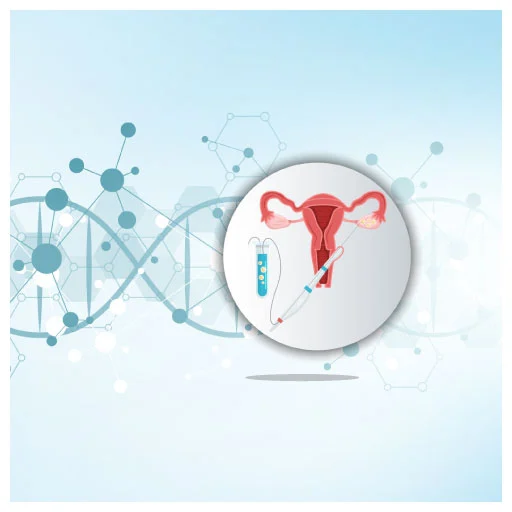
    Illustration of IUI procedure with uterus and syringe against a DNA background.

    DIY Fertility Treatments: A Cultural Perspective

    Another DIY fertility treatment that has gained popularity in recent years is the use of acupuncture. This traditional Chinese medicine technique involves the insertion of thin needles into specific points on the body to improve the flow of energy. While the scientific evidence for its effectiveness in increasing fertility is still inconclusive, many couples have reported success with this method. Acupuncture not only provides a natural approach to fertility but also incorporates cultural beliefs about the mind-body connection and the importance of balance and harmony.

    Apart from physical treatments, DIY fertility methods also include rituals and traditions that hold cultural significance. For example, in some cultures, women will perform a fertility dance or visit a sacred site to pray for fertility. These practices not only provide a sense of hope and control but also allow individuals to connect with their cultural heritage and beliefs. In some cases, these rituals may even involve the entire community, bringing a sense of unity and support for those struggling with infertility.

    While DIY fertility treatments may hold cultural and traditional value, it is important to note that they are not a one-size-fits-all solution. What may work for one person may not work for another, and it is crucial to consult with a healthcare professional before trying any DIY fertility treatment. Additionally, it is essential to be cautious of false promises and potential risks associated with these treatments. The lack of regulation and oversight in the DIY fertility industry can make it challenging to determine the safety and effectiveness of certain methods.

    In conclusion, DIY fertility treatments have a significant cultural and traditional impact on individuals and communities around the world. These treatments not only provide a more affordable and natural alternative to medical procedures but also allow individuals to connect with their culture and beliefs. However, it is essential to approach these treatments with caution and to seek guidance from healthcare professionals. Ultimately, the decision to pursue DIY fertility treatments should be a personal one based on individual beliefs and preferences.

    Summary:

    DIY fertility treatments have gained popularity in recent years, particularly among those struggling with infertility and looking for more affordable alternatives. However, these treatments have a significant cultural and traditional impact on individuals and communities around the world. In ancient civilizations, DIY fertility treatments were rooted in cultural beliefs and practices, and in modern times, they have taken on a new form with the rise of online resources and social media. These treatments range from dietary changes and supplements to traditional practices such as acupuncture and rituals. While they hold cultural significance, it is important to approach them with caution and consult with healthcare professionals before trying any method.

  • A Holistic Approach: Combining Traditional and Alternative Medicine with Artificial Insemination and IVF

    In recent years, there has been a growing interest in alternative medicine and holistic approaches to health and wellness. This trend has also extended to the field of fertility and assisted reproduction, with many individuals and couples seeking out alternative methods to complement traditional medical treatments like artificial insemination and in vitro fertilization (IVF). In this blog post, we will explore the benefits of combining traditional and alternative medicine in the context of artificial insemination and IVF, and how this holistic approach can improve overall success rates and support overall well-being.

    Traditional Medicine: Artificial Insemination and IVF

    Artificial insemination and IVF are two of the most commonly used assisted reproductive technologies. Artificial insemination involves placing sperm directly into the cervix or uterus, while IVF involves fertilizing an egg outside of the body and then transferring the embryo into the uterus. These procedures have been proven to be effective in helping individuals and couples overcome fertility challenges and achieve their dream of parenthood. However, they can also be physically and emotionally taxing, with multiple rounds of treatments and potential side effects.

    Alternative Medicine: A Holistic Approach

    The term “alternative medicine” encompasses a wide range of practices and treatments that are not traditionally used in Western medicine. These can include acupuncture, herbal remedies, meditation, and other holistic approaches. While there is still some debate about the effectiveness of these treatments, many individuals and couples have found success in using them as a complement to traditional medical treatments.

    The Benefits of Combining Traditional and Alternative Medicine

    One of the main benefits of combining traditional and alternative medicine in the context of artificial insemination and IVF is the potential to improve overall success rates. Studies have shown that stress and anxiety can have a significant impact on fertility, and alternative treatments like acupuncture and meditation can help reduce stress levels and promote relaxation. This, in turn, can improve the chances of success for assisted reproductive technologies.

    illustration of the uterus and ovaries with a syringe, labeled "IUI Treatment" in the background

    A Holistic Approach: Combining Traditional and Alternative Medicine with Artificial Insemination and IVF

    Additionally, alternative treatments can help address underlying health issues that may be affecting fertility. For example, herbal remedies and dietary changes can help balance hormones and improve reproductive health. Acupuncture can also improve blood flow to the reproductive organs, increasing the chances of successful embryo implantation.

    Supporting Overall Well-Being

    Another important aspect of combining traditional and alternative medicine is the focus on overall well-being. Traditional medical treatments can be physically and emotionally demanding, and alternative treatments can help individuals and couples cope with these challenges. Practices like meditation and yoga can help reduce stress and promote emotional well-being, while herbal remedies and dietary changes can support physical health.

    It is important to note that alternative treatments should not be seen as a replacement for traditional medical treatments. It is always essential to consult with a medical professional before trying any alternative treatment, especially when undergoing assisted reproductive technologies.

    Finding the Right Balance

    As with any medical treatment, finding the right balance between traditional and alternative methods is crucial. It is essential to work with a healthcare provider who is open to incorporating alternative treatments into your overall treatment plan. Communication and collaboration between all parties involved, including the medical team and alternative practitioners, is key in finding the best approach for each individual’s unique situation.

    In summary, combining traditional and alternative medicine in the context of artificial insemination and IVF can provide numerous benefits. It can improve overall success rates, support overall well-being, and provide a more holistic approach to fertility treatment. However, it is important to work with a healthcare provider and alternative practitioners to find the right balance and ensure the best possible outcome.