Tag: sperm

  • From Conception to Birth: Comparing Intrauterine Insemination and Sperm Washing

    From Conception to Birth: Comparing Intrauterine Insemination and Sperm Washing

    The journey from conception to birth is a miraculous and complex process that involves multiple factors. For couples who are struggling with fertility issues and are seeking medical assistance, intrauterine insemination (IUI) and sperm washing are two commonly used techniques. Both procedures involve the use of assisted reproductive technology (ART) and can help increase the chances of pregnancy. In this blog post, we will compare and contrast IUI and sperm washing and discuss their effectiveness, safety, and potential side effects.

    What is Intrauterine Insemination (IUI)?

    Intrauterine insemination, also known as artificial insemination, is a common fertility treatment that involves placing sperm directly into a woman’s uterus. This procedure is usually recommended for couples who have been trying to conceive for at least a year with no success, or for those who have specific fertility issues such as low sperm count or cervical mucus problems.

    The process of IUI begins with the collection of semen from the male partner or a donor. The sperm is then washed and purified, removing any potential contaminants or dead sperm. The washed sperm is then placed into a catheter and inserted into the woman’s uterus, usually around the time of ovulation. This procedure is relatively quick and painless and does not require anesthesia.

    Effectiveness of IUI

    The success rate of IUI varies depending on the individual’s fertility status and the cause of infertility. On average, the success rate for IUI is around 10-20% per cycle. However, this rate can increase to 26-30% when fertility drugs are used to stimulate ovulation, and if IUI is performed multiple times.

    Safety and Side Effects of IUI

    IUI is a relatively safe procedure with minimal side effects. Some women may experience mild cramping or spotting after the procedure, which usually resolves within a day or two. In rare cases, there may be an infection or injury to the uterus or cervix, but these are very uncommon.

    What is Sperm Washing?

    Sperm washing is another ART technique that involves separating healthy sperm from semen and preparing it for use in fertility treatments. This process is done in a laboratory and is used in several fertility treatments, including IUI, in vitro fertilization (IVF), and intracytoplasmic sperm injection (ICSI).
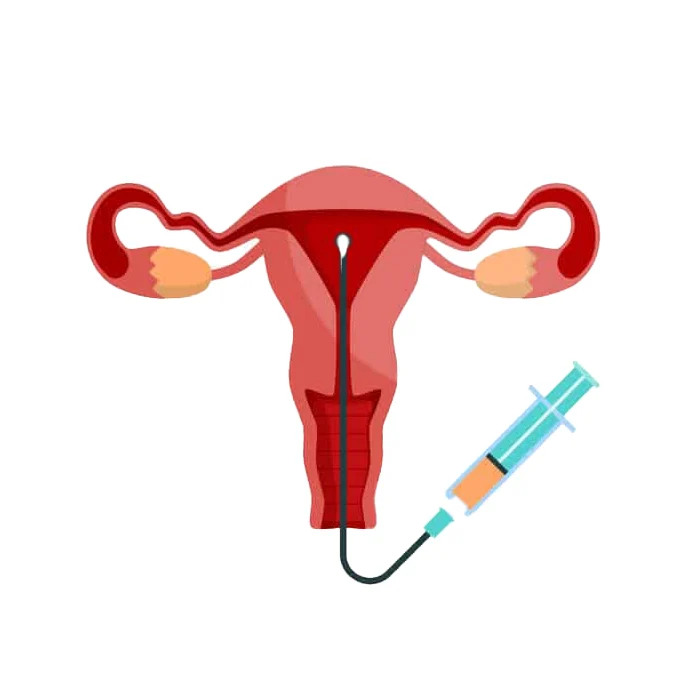
    illustration of a uterus with a syringe for intrauterine insemination (IUI) procedure

    From Conception to Birth: Comparing Intrauterine Insemination and Sperm Washing

    The process of sperm washing begins with collecting a semen sample from the male partner or a donor. The sample is then placed in a centrifuge to separate the sperm from the semen. The sperm is then washed and purified, similar to the process in IUI, to remove any contaminants or dead sperm. The purified sperm is then used in the desired fertility treatment.

    Effectiveness of Sperm Washing

    The success rate of sperm washing varies depending on the type of fertility treatment it is used for. In IUI, sperm washing can increase the success rate from 10-20% up to 26-30%. In IVF and ICSI, sperm washing is used to ensure that only healthy and motile sperm are used for fertilization, thereby increasing the chances of success. The success rates for IVF and ICSI are around 40-50% per cycle.

    Safety and Side Effects of Sperm Washing

    Sperm washing is a safe procedure with minimal side effects. As with IUI, some women may experience mild cramping or spotting after the procedure. There is also a small risk of infection or injury, but these are rare.

    Comparing IUI and Sperm Washing

    Both IUI and sperm washing are used in ART and have similar success rates. However, there are some notable differences between the two procedures. One of the main differences is that IUI involves placing sperm directly into the uterus, while sperm washing is used to prepare sperm for other fertility treatments. Additionally, IUI can be done without fertility drugs, but sperm washing is usually combined with other treatments that require fertility drugs.

    Another difference is the cost. IUI is generally less expensive than sperm washing, as it does not involve the use of a laboratory. However, the success rates of IUI can be lower, and couples may need to undergo multiple cycles, making the overall cost similar to sperm washing.

    Which is Better: IUI or Sperm Washing?

    The answer to this question depends on the individual’s fertility status and the recommendation of their fertility specialist. For couples with no underlying fertility issues, IUI may be a suitable and less expensive option. However, for couples with specific fertility problems, such as low sperm count or motility, sperm washing may be more effective.

    Both procedures have relatively low risks and side effects, making them safe options for couples seeking fertility treatments. It is important to consult with a fertility specialist to determine the best course of action for each individual case.

    In summary, both IUI and sperm washing are effective and safe fertility treatments that can help couples struggling with infertility. While they have some similarities, there are also notable differences in their processes and costs. Consulting with a fertility specialist and discussing the options is crucial in deciding which procedure is best for each individual case.
  • Donor Insemination vs Partner Insemination: A Biological Parent’s Perspective

    Donor Insemination vs Partner Insemination: A Biological Parent’s Perspective

    For couples or individuals struggling with fertility issues, the decision between donor insemination and partner insemination can be a daunting one. Both methods involve using donor sperm to achieve pregnancy, but the way in which the sperm is obtained differs significantly. While donor insemination involves using sperm from a donor who is not the intended parent, partner insemination involves using sperm from a partner or known donor. As a biological parent who has experienced both donor and partner insemination, I want to share my perspective on the two methods and the factors to consider when making this important decision.

    Donor Insemination
    Donor insemination, also known as artificial insemination by donor (AID), is a process in which sperm is obtained from a donor and used to fertilize the intended parent’s egg. This method is often used by couples or individuals who are unable to conceive through natural means. The sperm can be obtained from a sperm bank, where it has been screened and tested for any genetic or infectious diseases, or from a known donor who has been thoroughly screened and tested.

    One of the main advantages of donor insemination is the level of control it provides over the genetic makeup of the child. With sperm banks offering a wide range of donors of different ethnicities, physical characteristics, and education levels, intended parents can choose a donor that closely matches their preferences. This can provide a sense of comfort and assurance to parents who want to have a child with specific traits or characteristics.

    Another advantage of donor insemination is that it allows for a certain level of anonymity. In most cases, the donor’s identity is kept confidential, and the donor has no legal rights or responsibilities towards the child. This can be beneficial for parents who want to have full control and responsibility for their child’s upbringing.

    However, donor insemination also has its drawbacks. One of the biggest challenges for parents is explaining to the child about their conception using donor sperm. As the child grows older, they may become curious about their genetic heritage and may have questions about their biological father. This can be a difficult topic for parents to navigate, and it’s important to be open and honest with the child while respecting the donor’s privacy.

    Partner Insemination
    Partner insemination, also known as artificial insemination by partner (AIP), is a process in which sperm is obtained from a partner or known donor and used to fertilize the intended parent’s egg. This method is often used by same-sex couples or individuals who have a male partner but are unable to conceive through natural means.

    One of the main advantages of partner insemination is the emotional connection and involvement of the partner in the conception process. This can be a deeply intimate and bonding experience for the couple, and the child will have a biological connection to both parents.

    Another advantage of partner insemination is the potential for the child to have a relationship with their biological father. In cases where the sperm is obtained from a known donor, the child can have access to information about their biological father and potentially develop a relationship with them. This can provide a sense of identity and belonging for the child, which is crucial for their emotional well-being.

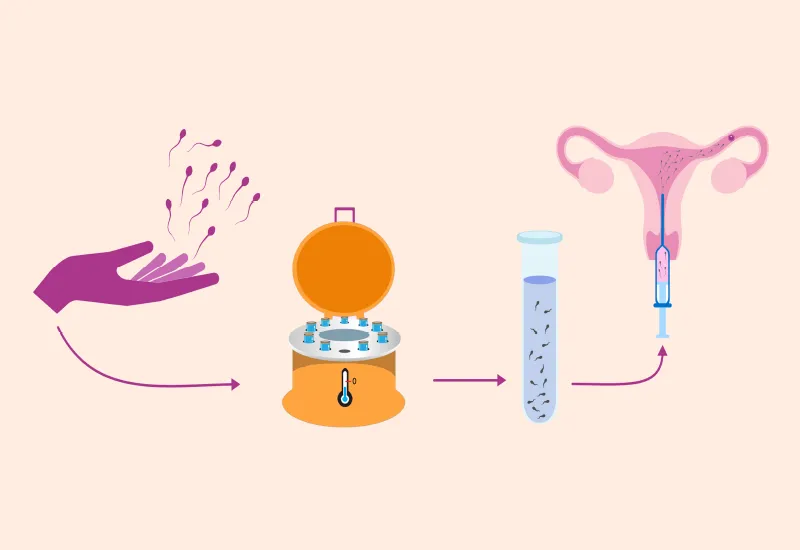
    illustration of the IUI process, showing sperm collection, preparation, and insertion into the uterus

    Donor Insemination vs Partner Insemination: A Biological Parent's Perspective

    However, partner insemination also has its challenges. One of the biggest concerns for parents is the legal implications of using a known donor. Without a legally binding agreement, the donor may have rights and responsibilities towards the child, which can create complicated situations. It’s important for parents to have open and honest communication with the donor and seek legal advice to ensure that everyone’s rights and responsibilities are clearly defined.

    Factors to Consider

    When deciding between donor and partner insemination, it’s essential to consider the following factors:

    1. Personal Preferences: Think about what is important to you and your partner in terms of the genetic makeup, involvement of the donor, and legal implications.

    2. Emotional Connection: Consider the emotional connection that you and your partner want to have with the child and the potential relationship with the donor.

    3. Financial Considerations: Both methods can be costly, so it’s crucial to consider the financial implications and plan accordingly.

    4. Legal Implications: Seek legal advice to ensure that everyone’s rights and responsibilities are clearly defined and agreed upon.

    5. Support System: Having a strong support system, whether it’s family, friends, or a support group, can be crucial in navigating the challenges of donor or partner insemination.

    In conclusion, the decision between donor insemination and partner insemination is a personal one that requires careful consideration. Both methods have their advantages and challenges, and it’s essential to weigh them against your personal preferences and circumstances. No matter which method you choose, remember that the most important thing is to create a loving and supportive environment for your child.

    SEO metadata:

  • Breaking Down the Differences: Artificial Insemination vs Natural Conception

    Breaking Down the Differences: Artificial Insemination vs Natural Conception

    When it comes to starting a family, there are many factors to consider. One important decision that couples may face is the method of conception – artificial insemination or natural conception. While both methods can lead to pregnancy, there are significant differences between the two. In this blog post, we will take a closer look at the key differences between artificial insemination and natural conception, including the process, success rates, and potential risks.

    Artificial Insemination

    Artificial insemination, also known as intrauterine insemination (IUI), is a fertility treatment that involves directly placing sperm into a woman’s uterus. This method is often used for couples who have trouble conceiving due to male factor infertility, low sperm count, or unexplained fertility issues. It can also be used by single women or same-sex couples who want to start a family.

    The process of artificial insemination starts with a thorough evaluation of both partners’ medical history and fertility. The male partner will provide a semen sample, which will be washed and prepared in a laboratory to concentrate the healthiest sperm. Then, the sperm is inserted into the woman’s uterus using a thin catheter, usually during ovulation when the chances of conception are the highest.

    One of the main benefits of artificial insemination is that it increases the chances of sperm reaching the egg, bypassing any potential barriers in the woman’s reproductive system. It is a relatively simple and non-invasive procedure, usually done in a fertility clinic or doctor’s office, and does not require anesthesia.

    However, the success rate of artificial insemination can vary greatly depending on various factors, such as the woman’s age, quality of sperm used, and any underlying fertility issues. On average, the success rate for artificial insemination is around 10-15% per cycle, and multiple cycles may be needed to achieve a successful pregnancy.

    Natural Conception

    On the other hand, natural conception, also known as sexual intercourse, is the most common method of conceiving a baby. It involves the sperm fertilizing the egg during sexual intercourse, usually during the woman’s ovulation period. Unlike artificial insemination, natural conception does not involve any medical procedures or interventions.

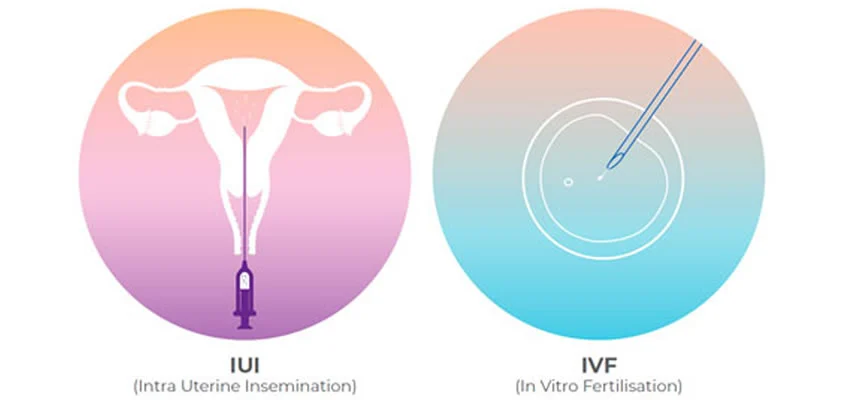
    comparison of IUI and IVF procedures illustrated with simple graphics and labels

    Breaking Down the Differences: Artificial Insemination vs Natural Conception

    There are no strict guidelines for natural conception, but it is recommended to have regular and unprotected intercourse during the woman’s fertile window, which is usually around 5 days before and on the day of ovulation. This increases the chances of the sperm meeting the egg and fertilizing it. However, it is essential to note that the sperm can survive inside a woman’s body for up to 5 days, so timing is crucial for successful conception.

    The success rate of natural conception also varies depending on various factors, such as the woman’s age, fertility, and timing of intercourse. On average, the chances of conceiving naturally are around 20% per cycle, and it may take several months or even longer to achieve a successful pregnancy.

    Key Differences

    The most significant difference between artificial insemination and natural conception is the method of fertilization. In artificial insemination, the sperm is placed directly into the uterus, while in natural conception, it travels through the cervix and into the fallopian tubes to reach the egg.

    Another crucial difference is the level of control over the process. Artificial insemination is a medical procedure that is carefully monitored and controlled by a fertility specialist, while natural conception relies on timing and luck.

    Risks and Considerations

    While both methods have their benefits, there are also potential risks and considerations to keep in mind. Artificial insemination can carry a risk of infection, and there is a small chance of multiple pregnancies due to the use of fertility drugs to stimulate ovulation. On the other hand, natural conception can pose a risk of sexually transmitted infections and can be emotionally taxing for couples dealing with infertility.

    Summary

    In conclusion, artificial insemination and natural conception are two different methods of conceiving a baby, each with its own set of advantages and disadvantages. Artificial insemination is a medical procedure that involves placing sperm directly into the uterus, while natural conception relies on sexual intercourse during the woman’s fertile window. Both methods have varying success rates and potential risks that couples should consider when making a decision about how to start their family.

  • Understanding the Science: How Artificial Insemination and IVF Differ

    Blog Post Title: Understanding the Science: How Artificial Insemination and IVF Differ

    Summary:

    In the world of reproductive technology, there are two commonly used methods to help couples conceive: artificial insemination and in-vitro fertilization (IVF). While both procedures involve the use of assisted reproductive techniques, they differ in their approach and effectiveness. In this blog post, we will delve deeper into the science behind these two methods and understand how they differ.

    First, let’s start by defining what artificial insemination and IVF are. Artificial insemination, also known as intrauterine insemination (IUI), is a procedure where sperm is placed directly into a woman’s uterus to facilitate fertilization. On the other hand, IVF involves collecting eggs from a woman’s ovaries and fertilizing them with sperm in a laboratory. The resulting embryos are then transferred into the woman’s uterus.

    Now, let’s take a closer look at how these two procedures differ in terms of their process and success rates.

    Process:

    Artificial insemination is a relatively simple and non-invasive procedure. It begins with the collection of sperm from either the male partner or a donor. The sperm is then washed and prepared in a laboratory to remove any impurities and increase its motility. Next, a thin catheter is used to insert the sperm into the woman’s uterus, bypassing the cervix. This process is timed to coincide with ovulation, increasing the chances of fertilization.

    test tube with sperm in blue liquid, promoting IUI success rate and factors influencing fertility.

    Understanding the Science: How Artificial Insemination and IVF Differ

    In IVF, the process is more complex and involves several steps. It starts with the woman undergoing hormonal treatment to stimulate her ovaries to produce multiple eggs. The eggs are then retrieved through a minor surgical procedure and combined with the sperm in a laboratory. After a few days of fertilization, the resulting embryos are transferred into the woman’s uterus. Any extra embryos can be frozen and used for future cycles.

    Success Rates:

    The success rates of artificial insemination and IVF differ significantly. Artificial insemination has a success rate of 10-20%, while IVF has a success rate of 30-40%. The difference in success rates can be attributed to various factors, including the age of the woman, the quality of the sperm and eggs, and any underlying fertility issues.

    Artificial insemination is most effective for couples where the man has a low sperm count or poor sperm motility. It is also suitable for women with cervical issues or mild endometriosis. On the other hand, IVF is a more suitable option for couples with fertility issues such as blocked fallopian tubes, severe endometriosis, or advanced maternal age. It is also a viable option for same-sex couples and single women who want to conceive.

    Cost:

    Another significant difference between artificial insemination and IVF is the cost. Artificial insemination is a more affordable option, with a single cycle costing around $300-$500. However, the cost can increase if multiple cycles are needed. In contrast, IVF is a more expensive procedure, with an average cost of $12,000 per cycle. This cost can vary depending on factors such as the clinic, location, and additional procedures like genetic screening.

    Conclusion:

    In conclusion, artificial insemination and IVF are two different methods of assisted reproductive technology that can help couples conceive. While artificial insemination is a simple and less invasive procedure, IVF is more complex and has a higher success rate. The choice between the two methods depends on various factors, including the couple’s fertility issues, age, and financial situation. Consulting with a fertility specialist can help couples determine the best option for them.