Tag: men’s health

  • Breaking Down the Stigma: The Importance of Male Fertility Testing

    Blog Post: Breaking Down the Stigma: The Importance of Male Fertility Testing

    When it comes to fertility, the focus is often on women and their reproductive health. However, it is equally important to address male fertility and the role it plays in a couple’s ability to conceive. Unfortunately, there is a stigma surrounding male fertility testing that often prevents men from seeking the help they need. In this blog post, we will break down the stigma surrounding male fertility testing and highlight its importance in helping couples achieve their dream of starting a family.

    Understanding Male Fertility:

    Before we dive into the stigma surrounding male fertility testing, it is essential to understand what male fertility is and how it is tested. Male fertility is the ability of a man to impregnate a woman, and it primarily depends on the quantity and quality of his sperm. A man’s sperm count and quality can be affected by various factors, including age, lifestyle choices, and underlying medical conditions. The most common way to test for male fertility is through a semen analysis, which measures the number, movement, and shape of sperm.

    The Stigma Surrounding Male Fertility Testing:

    Despite the importance of male fertility testing, there is a significant stigma surrounding it. Many men feel embarrassed or ashamed to seek help when they are struggling to conceive. This stigma is often fueled by societal expectations that place a significant emphasis on male virility and fertility. As a result, men may feel inadequate or emasculated if they are unable to impregnate their partner, making them hesitant to undergo fertility testing.

    Furthermore, there is a general lack of awareness and education about male fertility and the importance of testing. Many men may not realize that they play a crucial role in conception, or they may not understand the potential underlying issues that could be affecting their fertility. This lack of knowledge can also contribute to the stigma surrounding male fertility testing, as men may not see it as a necessary step in their reproductive health journey.

    The Importance of Male Fertility Testing:

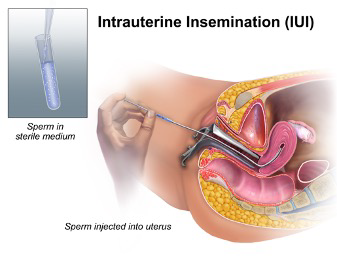
    Illustration of the IUI process, showing a syringe and catheter in the reproductive system.

    Breaking Down the Stigma: The Importance of Male Fertility Testing

    Male fertility testing is a crucial step in identifying any potential issues that may be hindering a couple’s ability to conceive. By undergoing a semen analysis, men can determine their sperm count, motility, and morphology, which can provide valuable information about their reproductive health. If any abnormalities are detected, further testing can be done to pinpoint the cause and develop a treatment plan.

    Moreover, male fertility testing can also help identify any underlying medical conditions that may be affecting a man’s fertility. Conditions such as hormonal imbalances, infections, or genetic disorders can all impact sperm production and quality. By identifying these issues, men can seek appropriate medical treatment to improve their fertility and overall health.

    Breaking Down the Stigma:

    It is time to break down the stigma surrounding male fertility testing and encourage more men to take charge of their reproductive health. To start, we need to raise awareness and educate men about the importance of fertility testing and how it can benefit their overall well-being. This can be done through campaigns and initiatives that promote open conversations about male fertility and break down the taboos surrounding it.

    Additionally, healthcare providers also play a vital role in breaking down the stigma by normalizing male fertility testing and making it a routine part of men’s reproductive health check-ups. By incorporating fertility testing into regular health screenings, men can feel more comfortable discussing their concerns and seeking help if needed.

    Furthermore, we need to challenge societal expectations and stereotypes surrounding male fertility. Men should not feel ashamed or less masculine if they experience fertility issues. It is essential to understand that fertility is a complex issue that can affect anyone, regardless of their gender or sexual identity. By breaking down these stereotypes, we can create a more supportive and inclusive environment for men to seek help and undergo fertility testing without fear of judgment or ridicule.

    In conclusion, male fertility testing is a crucial step in helping couples achieve their dream of starting a family. It is time to break down the stigma surrounding it and promote open conversations and education about male fertility. By doing so, we can empower men to take control of their reproductive health and help them overcome any potential barriers to conception. Let us work towards a future where male fertility testing is seen as a normal and necessary part of men’s health.

    Summary:

    Male fertility testing is the process of determining a man’s ability to impregnate a woman, and it plays a crucial role in a couple’s journey to start a family. Unfortunately, there is a significant stigma surrounding male fertility testing, which can prevent men from seeking help. This stigma is fueled by societal expectations and a lack of awareness and education about male fertility. However, male fertility testing is essential in identifying any potential issues and underlying medical conditions that may be affecting a man’s fertility. To break down the stigma, we need to raise awareness, educate men, and challenge societal expectations. By doing so, we can create a more supportive and inclusive environment for men to seek help and take control of their reproductive health.
  • Fertility Nutrition for Men with Low Sperm Count: Key Nutrients for Improving Fertility

    Blog Post: Fertility Nutrition for Men with Low Sperm Count: Key Nutrients for Improving Fertility

    According to the World Health Organization, approximately 15% of couples struggle with infertility and male factors contribute to 30-40% of these cases. One of the main causes of male infertility is low sperm count. Sperm count is the number of sperm present in a semen sample and a low sperm count can make it difficult for a couple to conceive. While there are various factors that can contribute to low sperm count, nutrition plays a crucial role in both the quantity and quality of sperm. In this blog post, we will discuss the key nutrients that can improve fertility in men with low sperm count.

    1. Zinc

    Zinc is an essential mineral for male fertility as it is involved in the production of testosterone and sperm. It also helps in maintaining the structural integrity of sperm cells and protects them from oxidative damage. Studies have shown that zinc supplementation can significantly increase sperm count and motility in men with low levels of this mineral. Foods rich in zinc include oysters, beef, chicken, pumpkin seeds, and spinach. Supplementing with 15-30mg of zinc per day can also be beneficial for men with low sperm count.

    2. Vitamin C

    Vitamin C is a powerful antioxidant that helps in protecting sperm from oxidative stress. It also plays a role in improving sperm quality and motility. A study showed that men who supplemented with vitamin C had a significant increase in sperm count and motility. Foods rich in vitamin C include citrus fruits, berries, kiwi, broccoli, and bell peppers. Aim for at least 500-1000mg of vitamin C per day to improve fertility.

    3. Vitamin D

    Vitamin D deficiency has been linked to low sperm count and poor sperm motility. This vitamin is essential for the production of testosterone, the male sex hormone responsible for sperm production. In a study, men with low sperm count who received vitamin D supplementation had a significant increase in sperm count and motility. Foods rich in vitamin D include fatty fish, egg yolks, and fortified dairy products. Aim for 1000-2000IU of vitamin D per day to improve fertility.

    4. Omega-3 Fatty Acids

    Omega-3 fatty acids are essential for sperm production and function. They are also important for maintaining the integrity of sperm cell membranes. Studies have shown that supplementing with omega-3 fatty acids can significantly improve sperm count and motility. Foods rich in omega-3s include fatty fish, flaxseeds, chia seeds, and walnuts. Aim for 1000-2000mg of omega-3 fatty acids per day to improve fertility.

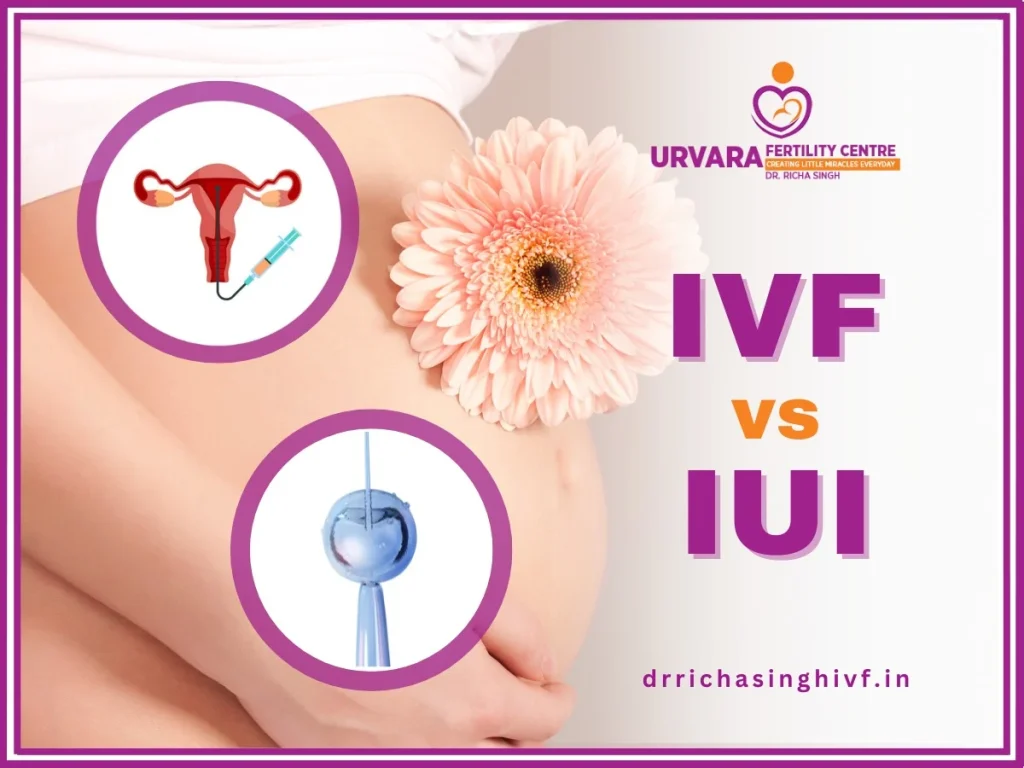
    IVF vs IUI comparison with illustrations of reproductive processes and a flower on a pregnant belly.

    Fertility Nutrition for Men with Low Sperm Count: Key Nutrients for Improving Fertility

    5. Selenium

    Selenium is a trace mineral that is important for sperm production and motility. It also has powerful antioxidant properties that protect sperm from oxidative damage. Studies have shown that selenium supplementation can improve sperm count, motility, and morphology (shape). Foods rich in selenium include Brazil nuts, seafood, eggs, and oats. Aim for 200-400mcg of selenium per day to improve fertility.

    6. Folate

    Folate, also known as vitamin B9, is crucial for sperm production and maturation. It is also important for DNA synthesis and repair, which is essential for healthy sperm. Studies have shown that men with low sperm count who received folate supplementation had a significant increase in sperm count and motility. Foods rich in folate include leafy greens, legumes, and fortified grains. Aim for 400-800mcg of folate per day to improve fertility.

    7. L-carnitine

    L-carnitine is an amino acid that plays a crucial role in sperm metabolism and energy production. It also helps in maintaining the structural integrity of sperm cells. Studies have shown that supplementing with L-carnitine can significantly improve sperm count, motility, and morphology. Foods rich in L-carnitine include red meat, dairy products, and avocados. Aim for 1-2g of L-carnitine per day to improve fertility.

    In addition to these key nutrients, it is important to maintain a balanced and healthy diet to improve fertility. Avoid excessive alcohol consumption, smoking, and processed foods as they can negatively impact sperm production and function. It is also recommended to limit caffeine intake and maintain a healthy weight as obesity has been linked to low sperm count and poor sperm quality.

    In conclusion, nutrition plays a crucial role in male fertility and can significantly impact sperm count and quality. Incorporating these key nutrients into your diet and maintaining a healthy lifestyle can improve fertility and increase the chances of conception. However, it is important to consult with a healthcare professional before making any significant changes to your diet or taking supplements.

    Summary:

    Low sperm count is a common cause of male infertility and nutrition plays a crucial role in both the quantity and quality of sperm. Key nutrients such as zinc, vitamin C, vitamin D, omega-3 fatty acids, selenium, folate, and L-carnitine have been shown to improve sperm count and motility. It is important to maintain a balanced and healthy diet, limit alcohol consumption and smoking, and maintain a healthy weight to improve fertility. Consult with a healthcare professional before making any significant changes to your diet or taking supplements.

  • Fertility Massage for Men: How It Can Improve Sperm Quality and Count

    Summary:

    Fertility massage for men is a holistic and natural approach to improving sperm quality and count. This therapeutic technique has been used for centuries to help men enhance their fertility and increase their chances of conception. Fertility massage focuses on the reproductive organs and other key areas of the body to promote hormonal balance, improve blood circulation, and reduce stress and tension. In this blog post, we will explore the benefits of fertility massage for men, how it works, and some tips for incorporating it into your fertility journey.

    Firstly, let us understand the importance of sperm quality and count in the fertility process. Sperm health plays a crucial role in fertility, as it determines the ability of sperm to fertilize an egg and the overall success of pregnancy. Factors such as age, diet, and lifestyle can impact sperm health, leading to low sperm count and poor quality. This is where fertility massage can help.

    Fertility massage works by stimulating the reproductive organs and improving blood flow to the pelvic area. It also helps to release tension and increase the production of hormones that are essential for sperm production. Fertility massage also aids in the removal of toxins and waste products, which can interfere with sperm health. By promoting relaxation and reducing stress, fertility massage can also improve the overall well-being of men, which is crucial for optimal sperm health.

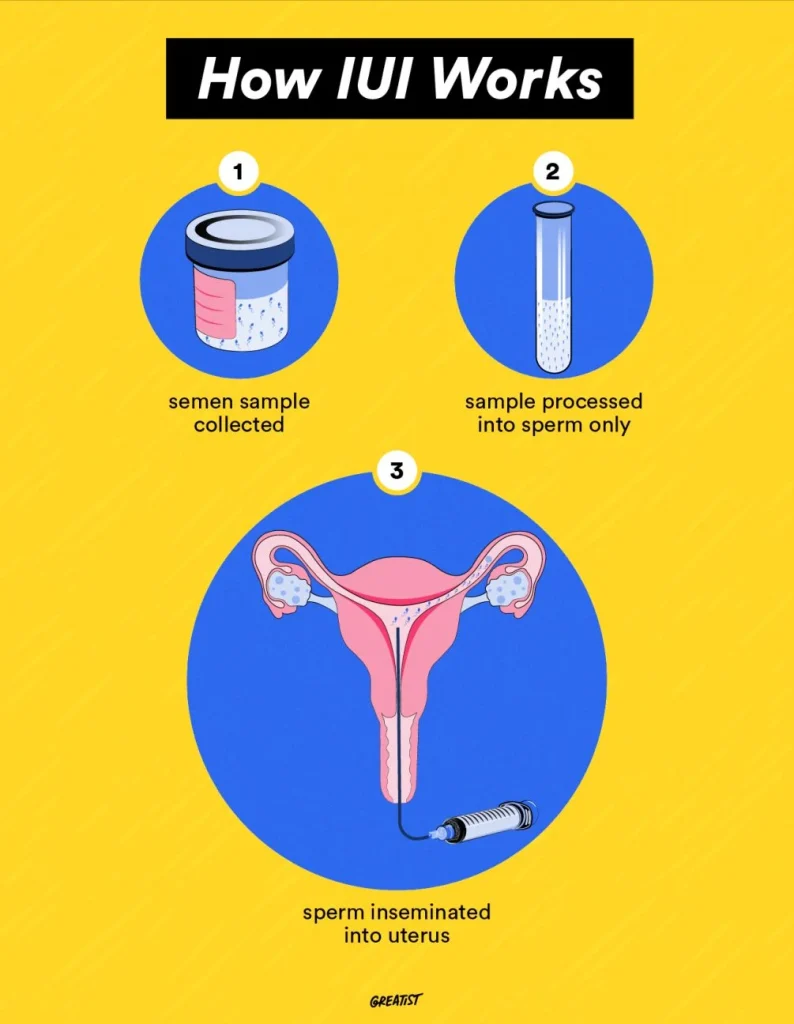
    illustration explaining the steps of intrauterine insemination (IUI) process on a bright yellow background

    Fertility Massage for Men: How It Can Improve Sperm Quality and Count

    One of the main benefits of fertility massage for men is its ability to increase sperm count. Studies have shown that regular fertility massage can significantly improve sperm count and motility. This is because the massage techniques target the testicles and prostate, which are responsible for sperm production and ejaculation. By increasing blood flow and stimulation to these areas, fertility massage can help to produce healthier and more abundant sperm.

    In addition to increasing sperm count, fertility massage can also improve sperm quality. The massage techniques help to break up any blockages or adhesions in the reproductive organs, allowing for better sperm movement and function. Fertility massage also helps to balance hormones, which is crucial for optimal sperm production and quality. By improving the overall health of the reproductive organs, fertility massage can lead to healthier, stronger, and more viable sperm.

    Aside from the physical benefits, fertility massage can also have a positive impact on emotional well-being. Infertility can be a stressful and emotional journey for couples, and fertility massage can provide a much-needed sense of relaxation and relief. By releasing tension and promoting relaxation, fertility massage can help couples to cope with the emotional toll of trying to conceive. This can also have a positive impact on the overall success of conception, as stress and anxiety can affect sperm health and fertility.

    So, how can you incorporate fertility massage into your fertility journey? It is important to consult with a certified fertility massage therapist who has experience in working with male clients. They will be able to assess your specific needs and create a personalized treatment plan. Fertility massage sessions can range from 30 minutes to an hour, and it is recommended to have regular sessions for optimal results. Additionally, it is essential to maintain a healthy diet and lifestyle to support the benefits of fertility massage on sperm health.

    In conclusion, fertility massage for men is a safe, natural, and effective way to improve sperm quality and count. It works by targeting the reproductive organs and promoting relaxation and hormone balance. Fertility massage can increase sperm count, improve sperm quality, and support emotional well-being, making it a valuable tool in the fertility journey. With regular sessions and a healthy lifestyle, fertility massage can help men increase their chances of conception and achieve their dream of starting a family.

  • The Link Between Sperm Analysis, Semen Analysis, and Male Reproductive Health

    Blog Post:

    When it comes to male reproductive health, there are several tests that can provide valuable information about fertility and overall wellness. Two of the most commonly used tests are sperm analysis and semen analysis. While they may sound similar, these tests actually provide different types of information and are used for different purposes. In this blog post, we will explore the link between sperm analysis, semen analysis, and male reproductive health.

    Sperm Analysis:

    Sperm analysis, also known as a sperm count, is a test that measures the number and quality of sperm in a man’s semen. This test is typically performed as part of a fertility evaluation, as sperm quality and quantity are key factors in a man’s ability to father a child. The World Health Organization (WHO) defines a “normal” sperm count as 15 million sperm per milliliter of semen, with at least 40% of those sperm being considered “healthy” in terms of shape and movement.

    A sperm analysis is usually recommended for couples who have been trying to conceive for at least a year with no success. It can also be helpful for men who have had a vasectomy and are considering a reversal. The test is relatively simple and non-invasive, involving the collection of a semen sample either at home or in a doctor’s office. The sample is then sent to a lab for analysis, and the results are typically available within a few days.

    The results of a sperm analysis can provide valuable information about a man’s fertility and reproductive health. Low sperm count and poor sperm quality can be indicative of various underlying issues, such as hormonal imbalances, infections, or genetic abnormalities. These results can also help determine the best course of treatment for couples struggling with fertility issues.

    Semen Analysis:

    illustration of intrauterine insemination procedure with a syringe and catheter in the uterus.

    The Link Between Sperm Analysis, Semen Analysis, and Male Reproductive Health

    While sperm analysis focuses solely on the sperm within semen, semen analysis looks at the overall composition of semen. This includes the sperm, as well as other fluids and cells that make up semen. A semen analysis can provide information about the volume, pH level, and concentration of sperm in semen, as well as the presence of infections or other abnormalities.

    Like sperm analysis, semen analysis is often recommended for couples experiencing fertility issues. It can also be used to assess the effectiveness of treatments for conditions such as prostate infections or vasectomy reversals. The procedure for collecting a semen sample is the same as for a sperm analysis, and the results are typically available within a few days.

    Semen analysis can provide valuable insights into a man’s reproductive health. For example, a high pH level in semen can indicate an infection, while a low volume of semen can suggest a blockage in the reproductive tract. These results can help guide treatment and improve overall reproductive health.

    The Link Between Sperm Analysis, Semen Analysis, and Male Reproductive Health:

    While sperm analysis and semen analysis are two separate tests, they are closely linked when it comes to male reproductive health. Both tests can provide valuable information about a man’s fertility and overall wellness. A sperm analysis can determine the quantity and quality of sperm, while a semen analysis looks at the overall composition of semen. Together, these tests can help diagnose underlying issues and guide treatment for couples struggling with fertility.

    In addition, both tests can also help monitor the effectiveness of treatments for conditions such as infections or vasectomy reversals. By regularly performing these tests, men can stay on top of their reproductive health and make any necessary changes or seek treatment as needed.

    Summary:

    In summary, sperm analysis and semen analysis are two important tests that can provide valuable insights into male reproductive health. Sperm analysis measures the number and quality of sperm, while semen analysis looks at the overall composition of semen. Both tests can be used to diagnose underlying issues and guide treatment for couples struggling with fertility. By regularly monitoring these tests, men can stay on top of their reproductive health and make informed decisions about their fertility and overall wellness.

  • Fertility Coaching for Men: Breaking the Stigma and Finding Support

    Summary:

    Fertility is often seen as a women’s issue, but the reality is that men also play a crucial role in the process of conception and parenthood. However, there is a stigma surrounding male fertility issues and seeking support for them. This stigma can lead to feelings of isolation, shame, and even impact a man’s mental health. Fertility coaching for men aims to break this stigma and provide much-needed support for men struggling with fertility issues.

    In this blog post, we will discuss the importance of fertility coaching for men, how it can help break the stigma, and where to find support.

    The Importance of Fertility Coaching for Men:

    When it comes to fertility, men are often left out of the conversation. However, studies have shown that male infertility contributes to about 40% of all infertility cases. This means that men play a significant role in the conception and parenthood process.

    Fertility coaching for men is essential because it helps men understand their reproductive health and how to optimize it. This can include lifestyle changes, identifying any underlying medical issues, and learning about fertility treatments. With the help of a fertility coach, men can gain a better understanding of their fertility and make informed decisions about their reproductive health.

    Breaking the Stigma:

    One of the main reasons men may hesitate to seek support for fertility issues is the stigma surrounding male infertility. This stigma can stem from societal expectations of masculinity and the idea that men are supposed to be fertile and virile. As a result, men may feel ashamed, embarrassed, and isolated when facing fertility challenges.

    Illustration of intrauterine insemination (IUI) procedure, showing sperm injection into the uterus.

    Fertility Coaching for Men: Breaking the Stigma and Finding Support

    Fertility coaching for men aims to break this stigma by creating a safe and supportive space for men to discuss their fertility concerns. By normalizing the conversation around male fertility, men can feel more comfortable seeking support and understanding that they are not alone in their struggles.

    Finding Support:

    Fertility coaching for men can provide a much-needed support system for men struggling with fertility issues. However, it is essential to find the right coach or support group. Here are a few ways to find support for male fertility:

    1. Seek professional help: Fertility coaches or therapists who specialize in male fertility can provide valuable support and guidance for men.

    2. Join a support group: There are many online support groups specifically for male fertility, where men can connect with others going through similar experiences.

    3. Talk to your partner: Communication is crucial in any relationship, and discussing fertility concerns with your partner can help alleviate some of the stress and burden.

    4. Educate yourself: Knowledge is power, and learning about male fertility and reproductive health can help you understand your options better and feel more in control.

    5. Practice self-care: Dealing with fertility challenges can be emotionally and physically draining. Taking care of yourself and practicing self-care can help you cope with the stress and anxiety.

    In conclusion, fertility coaching for men is crucial in breaking the stigma surrounding male fertility and providing much-needed support for men struggling with fertility issues. By seeking support and educating themselves, men can take control of their reproductive health and make informed decisions about their parenthood journey.

  • The Link Between Male Factor Infertility and Other Health Issues: Treatment Implications

    Male factor infertility, or the inability of a man to impregnate a woman after a year of unprotected sexual intercourse, affects approximately 7% of all men. While it is often thought of as solely a reproductive issue, recent research has shown that male factor infertility may also be linked to other health issues. In this blog post, we will explore the connection between male factor infertility and other health conditions, and discuss the implications for treatment.

    The Link between Male Factor Infertility and Other Health Issues

    Male factor infertility can be caused by a variety of factors, including genetic abnormalities, hormonal imbalances, structural problems, and lifestyle choices. However, recent studies have also found a correlation between male factor infertility and certain health conditions, such as obesity, diabetes, and heart disease.

    Obesity, defined as having a body mass index (BMI) of 30 or higher, has been linked to male factor infertility. A study published in the journal Fertility and Sterility found that obese men were 40% more likely to experience infertility than men with a healthy BMI. This is because excess weight can lead to hormonal imbalances, specifically an increase in estrogen and a decrease in testosterone, which can affect sperm production and quality.

    Diabetes, a chronic condition that affects how the body processes sugar, has also been connected to male factor infertility. Men with diabetes have a higher risk of erectile dysfunction, which can make it difficult to have intercourse and conceive. Diabetes can also cause damage to blood vessels and nerves, which can affect sperm production and lead to erectile dysfunction.

    Heart disease, a condition that affects the heart and blood vessels, has also been linked to male factor infertility. A study published in the Journal of Urology found that men with cardiovascular disease had a 60% higher risk of experiencing infertility compared to men without the condition. This is because heart disease can affect blood flow, which is essential for maintaining erections and producing healthy sperm.

    Other health conditions that have been associated with male factor infertility include sleep apnea, high blood pressure, and autoimmune disorders. While the exact mechanisms behind these connections are not fully understood, it is believed that these conditions can affect sperm quality and production, as well as sexual function.

    Implications for Treatment

    Illustration of intrauterine insemination (IUI) procedure, showing sperm injection into the uterus.

    The Link Between Male Factor Infertility and Other Health Issues: Treatment Implications

    The link between male factor infertility and other health issues has important implications for treatment. Traditionally, fertility treatments have focused primarily on the female partner, with male factor infertility often being overlooked. However, understanding the potential underlying health issues in men can lead to more effective and personalized treatment plans.

    For instance, if a man is diagnosed with obesity or diabetes, lifestyle changes such as weight loss and managing blood sugar levels may improve his fertility. Similarly, men with heart disease may benefit from treating their condition with medication or lifestyle changes, which can improve blood flow and erectile function.

    In some cases, addressing the underlying health issue may even improve fertility without the need for assisted reproductive techniques. For example, a study published in the journal Human Reproduction found that men with diabetes who underwent bariatric surgery to manage their weight and blood sugar levels experienced improvements in sperm quality and were able to conceive naturally.

    For men with male factor infertility and a known health condition, it is important to work closely with a healthcare provider to address both issues simultaneously. This can not only improve fertility outcomes but also have a positive impact on overall health and well-being.

    Conclusion

    Male factor infertility is a complex issue that can be influenced by a variety of factors. While it is primarily viewed as a reproductive problem, recent research has shown that it can also be linked to other health conditions. Understanding these connections is crucial for developing effective treatment plans that address both male factor infertility and other health issues.

    For men who are struggling with infertility, it is important to seek medical advice and undergo a comprehensive evaluation to identify any underlying health issues. By addressing these issues, men can improve their chances of conceiving and also improve their overall health and quality of life.

    In summary, male factor infertility is not just a reproductive problem, but it can also be linked to other health issues such as obesity, diabetes, and heart disease. Understanding these connections is crucial for developing effective treatment plans that address both male factor infertility and other health conditions. By working closely with healthcare providers, men can improve their chances of conceiving and improve their overall health and well-being.

  • Fertility Preservation for Men with Chronic Health Conditions: Ensuring Future Options

    Fertility Preservation for Men with Chronic Health Conditions: Ensuring Future Options

    Fertility is a fundamental part of human existence, and for many men, the ability to have children is a crucial aspect of their lives. However, for men living with chronic health conditions, the possibility of infertility can be a significant concern. Chronic health conditions can affect a man’s reproductive health in various ways, including causing hormonal imbalances, impairing sperm production, and affecting sexual function. These conditions can also have a significant impact on a man’s mental and emotional well-being, as the fear of losing their ability to have children can be overwhelming. In such cases, fertility preservation can provide a glimmer of hope by offering options for men to have biological children in the future. In this blog post, we will explore the concept of fertility preservation for men with chronic health conditions and how it can help ensure future options for fatherhood.

    Understanding Fertility Preservation

    Fertility preservation is the process of saving reproductive cells, such as sperm or eggs, or reproductive tissue, such as testicular or ovarian tissue, for later use. It is a way to protect fertility in individuals who are at risk of losing their ability to have children due to medical treatments, genetic conditions, or other reasons. Fertility preservation has been primarily associated with women, but it is equally important for men, especially those with chronic health conditions that may affect their fertility.

    Types of Chronic Health Conditions That Can Affect Male Fertility

    There are various chronic health conditions that can affect male fertility. These conditions can be present at birth, developed during childhood, or acquired later in life. Some of the most common chronic health conditions that can impact male fertility include:

    1. Diabetes: Diabetes is a chronic health condition that affects the body’s ability to produce or use insulin, which regulates blood sugar levels. High blood sugar levels can damage blood vessels and nerves, leading to erectile dysfunction and reduced sperm quality.

    2. Hypertension: High blood pressure is another common chronic health condition that can affect male fertility. It can cause damage to blood vessels, leading to reduced blood flow to the reproductive organs and impairing sperm production.

    3. Cancer: Certain types of cancer, such as testicular cancer, can directly affect the reproductive organs and impair sperm production. Additionally, cancer treatments like chemotherapy and radiation can also damage sperm cells and impact fertility.

    4. Autoimmune disorders: Autoimmune disorders, such as lupus and rheumatoid arthritis, can cause inflammation and damage to the reproductive organs, leading to infertility.

    5. Kidney disease: Chronic kidney disease can affect reproductive hormones, leading to hormonal imbalances that can impair sperm production and cause erectile dysfunction.

    Fertility Preservation Options for Men with Chronic Health Conditions

    Illustration of intrauterine insemination (IUI) procedure, showing sperm injection into the uterus.

    Fertility Preservation for Men with Chronic Health Conditions: Ensuring Future Options

    For men with chronic health conditions who are concerned about their fertility, there are several options for preserving their reproductive cells or tissue. These include:

    1. Sperm cryopreservation: Sperm cryopreservation, also known as sperm freezing, is the most common and widely available method of fertility preservation for men. It involves collecting and freezing a man’s sperm, which can then be used for assisted reproductive techniques in the future.

    2. Testicular sperm extraction (TESE): TESE is a surgical procedure in which a small tissue sample is taken from the testicles and examined for the presence of viable sperm. If sperm is found, it can be used for in vitro fertilization (IVF) or intracytoplasmic sperm injection (ICSI).

    3. Testicular tissue cryopreservation: This method involves removing and freezing a small piece of testicular tissue, which contains sperm-producing cells. This tissue can be used in the future for sperm extraction or transplanted back into the body.

    4. Hormone therapy: In some cases, hormone therapy may be used to stimulate sperm production in men with hormonal imbalances caused by chronic health conditions.

    Benefits of Fertility Preservation for Men with Chronic Health Conditions

    The primary benefit of fertility preservation for men with chronic health conditions is the opportunity to have biological children in the future. For many men, the thought of losing their ability to have children can be devastating, and fertility preservation provides a sense of control and hope for the future. It also allows men to focus on their health without worrying about their fertility being affected by their treatments or conditions. Additionally, fertility preservation can prevent the need for donor sperm or adoption, which may not be feasible or desirable for some men.

    Challenges and Considerations

    Despite its numerous benefits, fertility preservation for men with chronic health conditions also poses some challenges and considerations. One of the main challenges is the cost, as fertility preservation procedures can be expensive and may not be covered by insurance. Additionally, some procedures, such as TESE, may require invasive surgeries, which can pose a risk for individuals with certain health conditions. It is essential to discuss all potential risks and costs with a healthcare provider and a fertility specialist before making a decision about fertility preservation.

    Final Thoughts

    Fertility preservation is a crucial option for men with chronic health conditions who wish to have children in the future. It is a way to safeguard their reproductive potential and provide hope for fatherhood. However, it is essential to understand that fertility preservation is not a guarantee of future fertility, and success rates may vary depending on the individual’s health and other factors. Therefore, it is crucial to have open and honest discussions with healthcare providers and fertility specialists to determine the best course of action for each individual.

    In conclusion, for men with chronic health conditions, fertility preservation offers a ray of hope for their future family planning. By understanding the options available and considering all factors, men can make informed decisions about their fertility and ensure future options for fatherhood.