Tag: Emotional Impact

  • Medical Insemination: A Doctor’s Perspective

    Medical Insemination: A Doctor’s Perspective

    As a doctor, I have seen firsthand the positive impact that medical insemination has had on the lives of many individuals and couples struggling with infertility. It is a medical procedure that involves the insertion of sperm into a woman’s reproductive tract in order to facilitate fertilization and pregnancy. In this blog post, I will provide a comprehensive overview of medical insemination from a doctor’s perspective, including the different types, reasons for undergoing the procedure, success rates, and potential risks and complications.

    Types of Medical Insemination

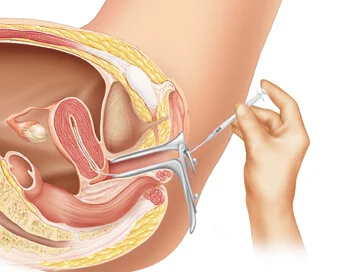
    There are two main types of medical insemination: intrauterine insemination (IUI) and intracervical insemination (ICI). IUI involves the direct placement of sperm into the uterus, while ICI involves placing the sperm into the cervix. Both procedures are usually performed in a doctor’s office and involve the use of a catheter to insert the sperm. The choice of which type of insemination to use will depend on various factors, such as the individual’s fertility status, underlying medical conditions, and personal preferences.

    Reasons for Undergoing Medical Insemination

    The most common reason for undergoing medical insemination is infertility. This can be due to a variety of factors, such as low sperm count, ovulation disorders, or blocked fallopian tubes. In some cases, same-sex couples or single individuals may also choose to undergo medical insemination in order to conceive a child. Additionally, for some individuals, medical insemination may be a preferred option over traditional sexual intercourse for personal or medical reasons.

    Success Rates of Medical Insemination
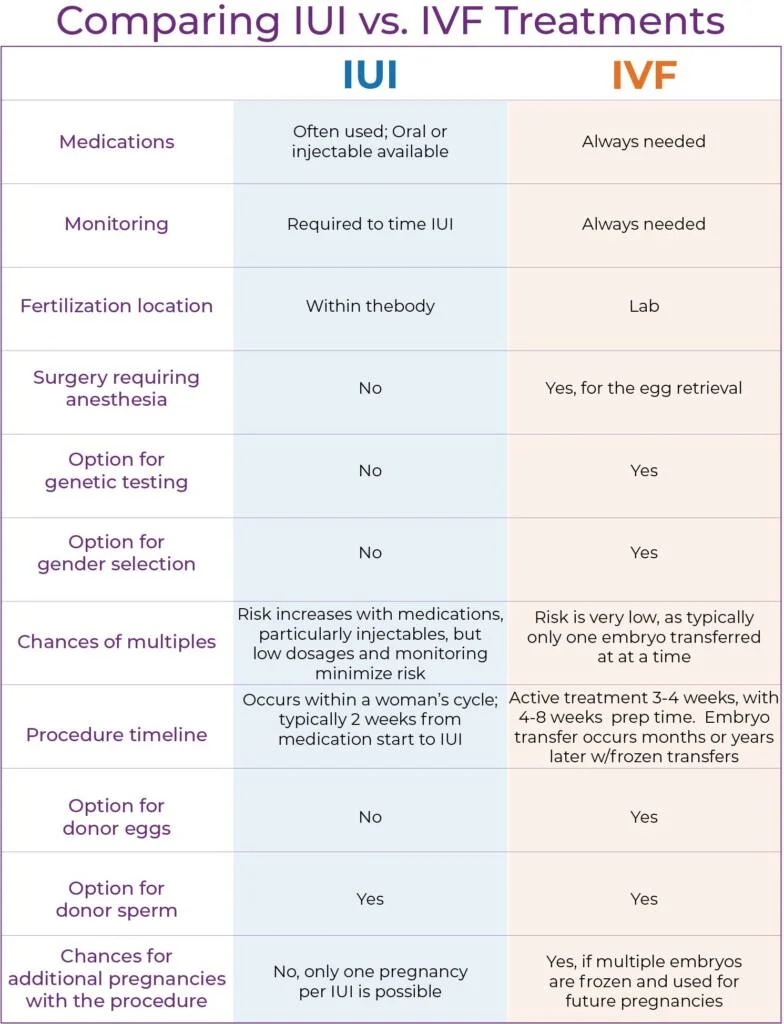
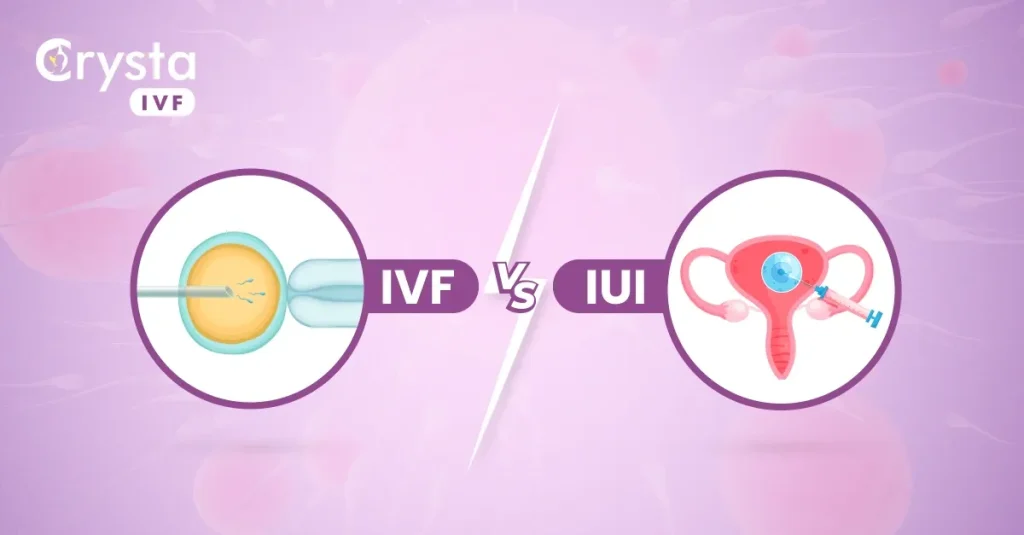
    Comparison chart of IUI and IVF treatments, detailing medications, monitoring, procedures, and success rates.

    Medical Insemination: A Doctor's Perspective

    The success rates of medical insemination can vary depending on several factors, such as age, fertility status, and the underlying cause of infertility. However, on average, IUI has a success rate of 10-20% per cycle, while ICI has a success rate of around 5-15% per cycle. It is important to note that success rates can also be affected by the quality of sperm used, the timing of the procedure, and the overall health of the individual undergoing the procedure.

    Potential Risks and Complications

    While medical insemination is generally considered a safe procedure, there are some potential risks and complications that individuals should be aware of. These include infection, discomfort or pain during the procedure, and the possibility of multiple pregnancies. It is important for individuals to discuss these potential risks with their doctor and address any concerns before undergoing the procedure.

    The Role of a Doctor in Medical Insemination

    As with any medical procedure, the role of a doctor in medical insemination is crucial. Doctors will first conduct a thorough evaluation of the individual’s fertility status and overall health before recommending medical insemination. They will also provide detailed instructions on how to prepare for the procedure, including monitoring ovulation and taking fertility medications if necessary. During the procedure, doctors will carefully insert the sperm into the appropriate location and monitor the individual for any potential complications. They will also provide follow-up care and support throughout the entire process.

    The Emotional Impact of Medical Insemination

    Aside from the physical aspect, medical insemination can also have an emotional impact on individuals and couples. For those struggling with infertility, the process of undergoing medical insemination can be emotionally draining and may involve feelings of sadness, anxiety, and frustration. It is important for individuals to have a support system in place and seek counseling if needed to cope with these emotions.

    In conclusion, medical insemination is a valuable option for individuals and couples who are struggling with infertility. As a doctor, I have seen the positive impact it has had on the lives of my patients, and I believe it is a safe and effective option for those looking to start or expand their families. It is important to have a thorough understanding of the procedure, its success rates, and potential risks before making a decision. With the right medical guidance and support, medical insemination can bring hope and joy to those longing for a child.
  • Is Adoption More Affordable Than Fertility Treatments? A Comprehensive Comparison

    Summary:

    Adoption and fertility treatments are two options for couples struggling with infertility who still want to start a family. While both paths can lead to the same result, there are significant differences in terms of cost. In this blog post, we will compare the costs of adoption and fertility treatments and explore the various factors that can affect the overall affordability. We will also delve into the emotional and psychological impact of both options and provide resources for couples to consider when making this important decision. By the end of this post, you will have a better understanding of which option may be more affordable for you and your family.

    Adoption Costs:

    Adoption is the legal process of permanently transferring parental rights and responsibilities from one family to another. There are three main types of adoption: domestic, international, and foster care. Each type has its own unique costs and requirements.

    Domestic adoption, where a child is adopted from within the country, typically has the highest costs. The average cost of a domestic adoption can range from $20,000 to $40,000. This includes expenses such as agency fees, legal fees, birth mother expenses, and home study fees.

    International adoption, where a child is adopted from another country, can also be expensive. The average cost can range from $25,000 to $50,000. This includes expenses such as agency fees, travel expenses, and foreign country fees.

    Foster care adoption, where a child in the foster care system is adopted, is generally the most affordable option. The average cost can range from $2,000 to $5,000. This includes expenses such as home study fees and legal fees.

    Fertility Treatment Costs:

    Fertility treatments are medical procedures that are used to help couples conceive a child. There are various types of fertility treatments, such as in vitro fertilization (IVF), intrauterine insemination (IUI), and fertility drugs. The costs of these treatments can vary depending on the type of treatment, the number of cycles needed, and any additional procedures or medications required.

    The average cost of one cycle of IVF can range from $12,000 to $15,000. This does not include additional costs such as medications, which can add another $3,000 to $5,000 to the total cost.

    IUI, which involves placing sperm directly into the uterus, is a less expensive option with an average cost of $500 to $4,000 per cycle. However, multiple cycles may be needed for success.

    Fertility drugs, which are used to stimulate ovulation, can range from $50 to $5,000 per cycle, depending on the type of medication and dosage needed.

    illustration of intrauterine insemination procedure with a hand holding a speculum and syringe near the uterus

    Is Adoption More Affordable Than Fertility Treatments? A Comprehensive Comparison

    Factors Affecting Cost:

    There are several factors that can affect the overall cost of adoption and fertility treatments. One of the biggest factors is the type of adoption or treatment chosen. As mentioned earlier, domestic adoption and IVF tend to have higher costs compared to foster care adoption and IUI.

    The location can also play a significant role in cost. Adoption costs can vary depending on the state and country, while fertility treatment costs can differ between clinics. It is essential to research and compare costs in different locations to find the most affordable option for your specific situation.

    Another factor to consider is the age of the child or the woman undergoing fertility treatments. Older children and women may require more extensive medical care, which can increase costs. Additionally, women over the age of 35 may need to use more expensive fertility treatments, such as IVF, due to a decline in fertility.

    Emotional and Psychological Impact:

    The decision to pursue adoption or fertility treatments can be emotionally and psychologically taxing for couples. Adoption can be a lengthy process, and the uncertainty of being matched with a child can be stressful. On the other hand, fertility treatments can also take a toll on a couple’s emotional well-being, with the added pressure of undergoing medical procedures and the possibility of not being successful.

    It is crucial for couples to consider the emotional and psychological impact of both options and to seek support from professionals or support groups throughout the process.

    Resources for Couples:

    There are many resources available for couples who are considering adoption or fertility treatments. These resources can provide guidance, support, and financial assistance.

    For adoption, there are grants, loans, and tax credits available to help offset the costs. Organizations such as the National Adoption Foundation and the Dave Thomas Foundation for Adoption offer financial assistance for families looking to adopt.

    For fertility treatments, some insurance plans may cover some of the costs. It is essential to research and understand your insurance coverage and consider speaking with a financial advisor to explore other options such as loans or grants.

    Conclusion:

    In conclusion, the cost of adoption and fertility treatments can vary significantly depending on various factors. While foster care adoption and IUI may be more affordable options, they are not suitable for every couple. It is crucial for couples to carefully consider their financial situation, emotional readiness, and personal preferences when deciding between adoption and fertility treatments. Seeking support from professionals and utilizing available resources can also make the process more manageable. Ultimately, the most affordable option for starting a family will depend on each couple’s unique circumstances.

  • The Emotional Impact: Coping with the Differences of Intrauterine Insemination and Sperm Washing

    Blog Post:

    Intrauterine insemination (IUI) and sperm washing are two common fertility treatments used by couples struggling with infertility. While both methods involve the use of donated sperm, they differ in their process and emotional impact on the individuals involved. In this blog post, we will delve into the emotional impact of coping with the differences of intrauterine insemination and sperm washing.

    Firstly, let’s understand what these procedures entail. Intrauterine insemination is a relatively simple procedure where donated sperm is placed directly into the uterus during ovulation. On the other hand, sperm washing involves the separation of healthy sperm from the semen sample and then placing it into the uterus through IUI or in vitro fertilization (IVF). Both procedures have their own set of pros and cons, but the emotional impact they have on couples can be overwhelming.

    When it comes to IUI, the process is more straightforward and less invasive compared to sperm washing. This can be a relief for couples who may have already been through multiple invasive fertility treatments. The emotional impact of IUI may be less traumatic as it does not involve extensive medical procedures. However, the success rates of IUI can vary and there is always a chance of disappointment if the procedure does not result in a pregnancy.

    On the other hand, sperm washing may bring about a sense of hope for couples who have been struggling with infertility for a long time. This procedure is often recommended for couples where the male partner has low sperm count or poor sperm quality, making natural conception difficult. The process of sperm washing can be physically and emotionally draining, as it involves multiple medical procedures and a longer waiting period for results. This waiting period can be emotionally taxing for couples who have been trying to conceive for a long time.

    One of the biggest emotional impacts of both IUI and sperm washing is the financial burden. These procedures can be expensive and may require multiple cycles before a successful pregnancy is achieved. This can add stress and strain to the already emotionally charged journey of fertility treatments. Couples may feel a sense of pressure to succeed with each cycle, leading to feelings of frustration and disappointment if the procedure does not result in pregnancy.

    Comparison of IVF and IUI procedures with illustrations of each method.

    The Emotional Impact: Coping with the Differences of Intrauterine Insemination and Sperm Washing

    Another aspect of the emotional impact of IUI and sperm washing is the strain on the relationship between the couple. Going through fertility treatments can be a rollercoaster of emotions, and it can be a trying time for any couple. The stress and pressure of trying to conceive can lead to conflicts and strain the relationship. It is essential for couples to communicate openly and support each other during this time.

    Moreover, the emotional impact of these procedures can also affect individuals differently. For women, the process of IUI or sperm washing can be physically and emotionally taxing. The hormonal changes and the uncertainty of the outcome can bring about feelings of anxiety and depression. On the other hand, men may feel a sense of inadequacy if they are unable to contribute to the conception process naturally. It is crucial for couples to support each other and seek counseling if needed, to cope with the emotional impact of fertility treatments.

    It is also essential to acknowledge the emotional impact that a failed cycle can have on couples. The emotional toll of dealing with infertility, combined with the disappointment of a failed procedure, can be overwhelming. Couples may experience a range of emotions such as grief, anger, and hopelessness. It is crucial for couples to give themselves time to process these emotions and seek support from loved ones or a therapist if needed.

    In addition to the emotional impact, there are also legal and ethical considerations involved in these procedures. Couples may have to navigate through complex legal and ethical issues, such as donor anonymity and parental rights, which can add to the emotional strain of the process.

    In conclusion, coping with the differences of intrauterine insemination and sperm washing can have a significant emotional impact on couples struggling with infertility. It is essential for couples to communicate openly, support each other, and seek help if needed to navigate through this challenging journey. With advancements in technology and medical procedures, there is hope for couples struggling with infertility. But it is crucial to acknowledge and address the emotional impact of these procedures to ensure a healthier and more positive experience for all involved.

    Summary:

    Intrauterine insemination (IUI) and sperm washing are two common fertility treatments that involve the use of donated sperm. While IUI is a relatively simple and less invasive procedure, sperm washing is more complex and can be physically and emotionally draining. The emotional impact of these procedures can be overwhelming, including financial burden, strain on relationships, and individual emotions. Coping with the differences of IUI and sperm washing requires open communication, support, and seeking help if needed. It is crucial to address the emotional impact of these procedures to ensure a more positive experience for couples struggling with infertility.

  • Exploring the Emotional Impact of Fertility Preservation: Personal Stories

    Exploring the Emotional Impact of Fertility Preservation: Personal Stories

    Fertility preservation has become a widely accepted and sought-after option for individuals and couples who may want to have children in the future. Whether it is due to medical reasons, career goals, or personal circumstances, fertility preservation allows individuals to freeze their eggs, sperm, or embryos for later use. While this option provides a sense of security and control for the future, it also comes with its own set of emotional impacts.

    In this blog post, we will delve into the emotional impact of fertility preservation, using personal stories and experiences from individuals who have gone through the process.

    The Decision to Preserve: A Personal Journey

    For many people, the decision to preserve their fertility is not an easy one. It often comes with a lot of deliberation, research, and emotional turmoil. One such individual is Sarah, a 32-year-old career-driven woman who was diagnosed with endometriosis, a condition that could potentially affect her fertility. After discussing with her partner, Sarah decided to undergo fertility preservation as a precautionary measure. She recalls, “It was a tough decision to make. On one hand, I wanted to focus on my career, but on the other hand, I didn’t want to regret not preserving my fertility later in life.”

    Similarly, Mark, a 40-year-old man, was diagnosed with testicular cancer and had to undergo chemotherapy. He and his wife made the decision to freeze his sperm before starting treatment. “It was a difficult choice, but we knew it was the best option for us to have a chance at having children in the future,” he shares.

    These personal stories highlight the emotional struggle that comes with the decision to undergo fertility preservation. It is a decision that can have a significant impact on an individual’s life and requires careful consideration.

    The Process: A Rollercoaster of Emotions

    The process of fertility preservation, whether it is freezing eggs, sperm, or embryos, involves a series of medical procedures and hormone treatments. These procedures can be physically and emotionally taxing for individuals. The constant injections, blood tests, and monitoring can be overwhelming, and the hormonal changes can also take a toll on one’s emotional well-being.

    Samantha, a 28-year-old woman who underwent egg freezing, shares her experience, “The process was physically exhausting, but it also took a toll on my mental health. The constant injections and changes in hormones made me feel moody and anxious. It was a rollercoaster of emotions.”

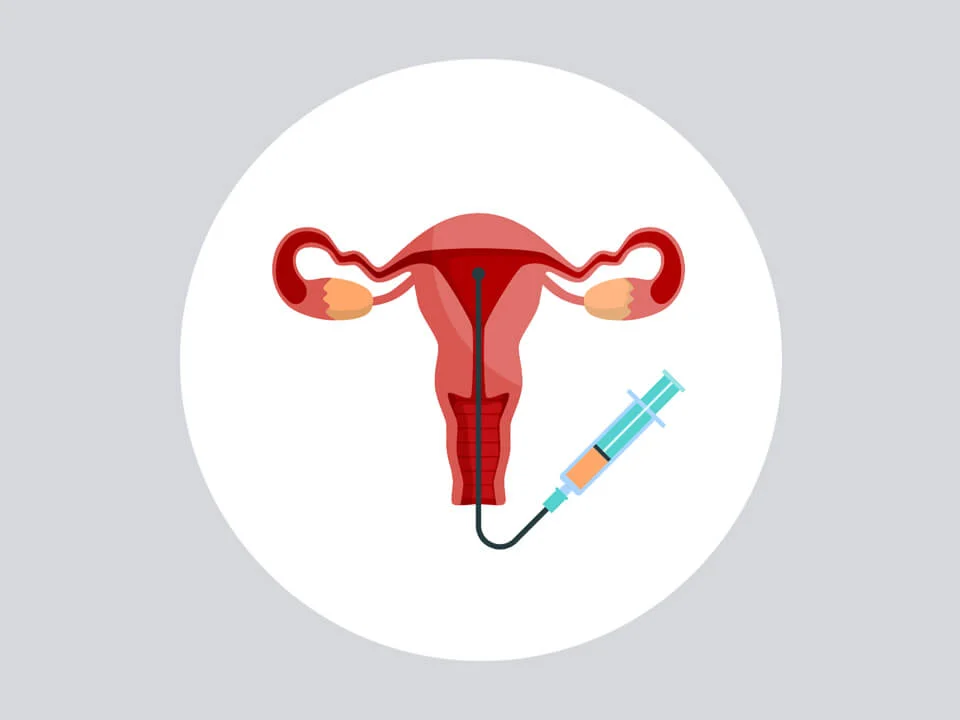
    Illustration of a uterus with a syringe, representing intrauterine insemination (IUI) procedure.

    Exploring the Emotional Impact of Fertility Preservation: Personal Stories

    The emotional impact of the process is not just limited to the individual undergoing the procedures but can also affect their partners. Mark’s wife, Laura, recalls, “Seeing him go through chemotherapy and then the fertility preservation process was emotionally draining for both of us. We were constantly worrying about the success of the procedure and the potential impact on our future.”

    Waiting for the Results: The Anxiety and Uncertainty

    After the procedures are completed, individuals and couples are left waiting for the results. This can be a nerve-wracking and anxiety-inducing period as they anxiously wait to find out if the preservation was successful.

    For Sarah, the two-week wait to find out the results of her egg freezing was one of the most emotionally challenging periods. “I was constantly second-guessing my decision and worrying about the outcome. It was a huge relief when I found out that my eggs had been successfully frozen,” she shares.

    The uncertainty of the outcome can also lead to a sense of loss and grief, especially if the preservation process was not successful. This was the case for Laura and Mark, who found out that Mark’s sperm had not survived the freezing process. “It was a heartbreaking moment for both of us. We had put so much hope and effort into preserving our fertility, and to find out it was not successful was devastating,” Laura recalls.

    The Future: A Sense of Hope and Control

    Despite the emotional rollercoaster that individuals and couples go through during the fertility preservation process, it also provides a sense of hope and control for the future. It allows them to have a backup plan and potential options for starting a family when the time is right.

    For Sarah, knowing that she has frozen eggs gives her a sense of relief and confidence in her future. “I have taken control of my fertility, and that gives me a sense of peace. I know that when I am ready, I have the option to have a child,” she says.

    Laura and Mark, after the initial disappointment, decided to explore other options such as adoption and surrogacy. “We realized that there are other ways to build a family, and we still have hope for the future,” they share.

    Summary:

    Fertility preservation is a process that involves freezing eggs, sperm, or embryos for future use. While it provides individuals and couples with a sense of security and control for the future, it also comes with its own emotional impact. From the difficult decision to preserve to the emotional rollercoaster of the procedures and the uncertainty of the results, the process can be emotionally taxing. However, it also offers a sense of hope and control for the future. Personal stories from individuals who have gone through fertility preservation provide a deeper understanding of the emotional impact of this process.

  • Fertility Preservation for Cancer Patients: What You Need to Know

    Title: Fertility Preservation for Cancer Patients: What You Need to Know

    Introduction:

    Cancer treatment can have a significant impact on a person’s fertility, especially for young patients who have not started or completed their family planning. The good news is that advancements in medical technology have made it possible for cancer patients to preserve their fertility before undergoing treatment. In this blog post, we will discuss the importance of fertility preservation for cancer patients, the options available, and what you need to know before making a decision.

    Why is Fertility Preservation Important for Cancer Patients?

    Cancer treatment, such as chemotherapy, radiation, and surgery, can damage reproductive organs and affect hormone levels, leading to infertility. For young cancer patients, this can be devastating as they may not have had the chance to start a family. However, with fertility preservation, patients can have hope for their future family planning.

    Options for Fertility Preservation:

    1. Cryopreservation of Eggs, Sperm, or Embryos:

    Cryopreservation is the process of freezing and storing eggs, sperm, or embryos for future use. For male cancer patients, sperm can be collected through masturbation or testicular biopsy. For female patients, eggs can be retrieved through a procedure called ovarian stimulation and then frozen. Embryos can also be created using the patient’s eggs and sperm and frozen for future use.

    2. Ovarian Tissue Freezing:

    For female patients who do not have time to undergo ovarian stimulation, or for those who cannot delay cancer treatment, ovarian tissue freezing may be an option. This involves removing a piece of ovarian tissue and freezing it for later use. The tissue can be transplanted back into the patient’s body after they have completed their cancer treatment, allowing them to conceive naturally.

    3. Gonadal Shielding:

    For patients who need radiation therapy in the pelvic area, gonadal shielding can help protect the reproductive organs from radiation damage. This involves placing a lead shield over the pelvic area during radiation treatment, minimizing the exposure of reproductive organs to radiation.

    Comparison of IUI and IVF, illustrating procedures and definitions for each fertility treatment.

    Fertility Preservation for Cancer Patients: What You Need to Know

    Things to Consider Before Making a Decision:

    1. Timing is crucial:

    Fertility preservation should be done before starting cancer treatment, as some treatments can affect fertility immediately. It is essential to discuss fertility preservation options with your doctor as soon as possible to make an informed decision.

    2. Costs:

    Fertility preservation can be expensive, and most insurance companies do not cover the cost. Patients should discuss the costs with their doctor and explore financial assistance options, such as grants and fertility preservation loans.

    3. Success rates:

    The success rates of fertility preservation vary depending on the patient’s age, type of cancer, and the chosen method. It is essential to discuss the potential success rates with your doctor and understand the risks involved.

    4. Emotional impact:

    Undergoing cancer treatment is emotionally challenging, and the added stress of fertility preservation can be overwhelming. It is crucial to have a support system in place and to seek counseling if needed.

    Conclusion:

    Fertility preservation is vital for cancer patients who want to have children in the future. It provides hope and options for patients who may have thought that their cancer treatment would leave them unable to conceive. By discussing fertility preservation with your doctor and understanding the options available, you can make an informed decision about your future family planning.

    Summary:

    Fertility preservation is crucial for cancer patients as cancer treatment can damage reproductive organs and affect fertility. The options available for fertility preservation include cryopreservation of eggs, sperm, or embryos, ovarian tissue freezing, and gonadal shielding. Before making a decision, patients should consider the timing, costs, success rates, and emotional impact of fertility preservation. By discussing with their doctor and understanding the options, cancer patients can have hope for their future family planning.

  • Egg Retrieval vs Egg Sharing: A Partner’s Perspective

    Blog Post:

    When it comes to starting a family, there are many different paths that couples can take. For some, the journey may include assisted reproductive technologies, such as in vitro fertilization (IVF). Within the IVF process, there are two options for obtaining eggs: egg retrieval or egg sharing.

    Egg retrieval involves a woman undergoing hormonal stimulation and a minor surgical procedure to collect and freeze her own eggs. These eggs can then be used for her own future pregnancies or donated to other couples in need. On the other hand, egg sharing involves a woman undergoing the same hormonal stimulation and surgical procedure, but instead of keeping the eggs for herself, she shares them with another couple in need.

    As a partner in this process, it can be challenging to understand the differences between egg retrieval and egg sharing, and to figure out which option is the best for you and your partner. In this blog post, we will explore the key differences between these two options and provide a partner’s perspective on the pros and cons of each.

    Egg Retrieval: A Partner’s Perspective

    For many couples, egg retrieval may seem like the most straightforward option. The woman undergoes the procedure and the retrieved eggs are used for their own future pregnancies. As a partner, this can be a comforting thought, knowing that the eggs are exclusively for your family.

    However, there are some downsides to consider. The first is the cost. Egg retrieval can be an expensive process, with the hormonal medication, medical procedures, and storage fees adding up quickly. This may be a significant financial burden for some couples and can cause stress and strain on the relationship.

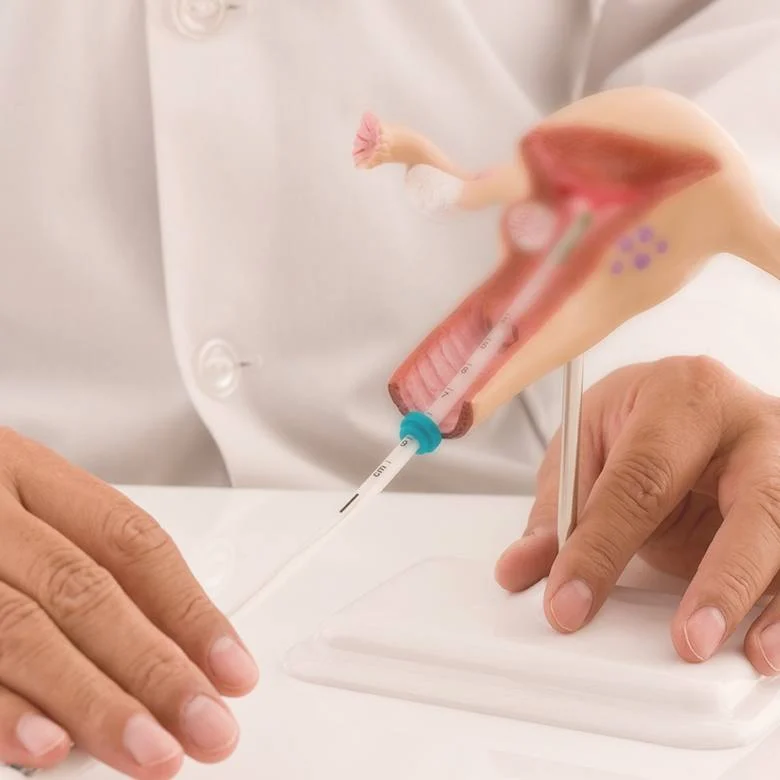
    model of the female reproductive system with a hand demonstrating intrauterine insemination technique

    Egg Retrieval vs Egg Sharing: A Partner's Perspective

    Another aspect to consider is the physical and emotional toll that the procedure can take on your partner. The hormonal stimulation can cause discomfort and mood swings, and the surgical procedure can be stressful and invasive. As a partner, it is essential to be there to support your partner throughout this process and to be prepared for any potential side effects.

    Egg Sharing: A Partner’s Perspective

    Egg sharing, on the other hand, can be seen as a more altruistic option for couples who want to help others while also undergoing IVF. As a partner, it can be fulfilling to know that your partner is not only helping your family but also giving another couple the chance to start their own family.

    One of the main benefits of egg sharing is the reduced cost. As the eggs are shared with another couple, the cost of the procedure is split between the two parties, making it a more affordable option. This can be a significant factor for couples who are struggling with the financial burden of fertility treatments.

    However, there are also some potential downsides to consider. The first is the potential emotional impact of sharing eggs with another couple. As a partner, you may feel a sense of loss or jealousy knowing that your partner’s eggs will be used to help another couple conceive. It is essential to have open and honest communication with your partner and to address any concerns or feelings that may arise.

    Another aspect to consider is the legal implications of egg sharing. As the eggs are shared with another couple, there may be legal agreements and contracts involved, which can be overwhelming and confusing for some couples. It is crucial to seek legal advice and fully understand the implications before moving forward with egg sharing.

    Summary:

    When it comes to starting a family through assisted reproductive technologies, couples have the option of egg retrieval or egg sharing. Egg retrieval involves a woman undergoing hormonal stimulation and a minor surgical procedure to collect and freeze her own eggs, while egg sharing involves sharing the eggs with another couple in need. As a partner, it can be challenging to understand the differences between these two options and to figure out which one is the best for you and your partner. Egg retrieval may seem like the most straightforward option, but it can be expensive and take a toll on your partner’s physical and emotional well-being. On the other hand, egg sharing can be seen as a more altruistic option, but it may come with emotional and legal implications. It is essential for partners to have open and honest communication and to be supportive of each other, regardless of which option they choose.

  • Egg Retrieval vs Egg Sharing: The Impact on Relationships

    Egg Retrieval vs Egg Sharing: The Impact on Relationships

    Egg retrieval and egg sharing are two methods used in assisted reproduction, where eggs are harvested from a female’s ovaries to be fertilized with sperm in a laboratory. While both methods help individuals and couples who struggle with fertility to have a child, they have different implications on relationships. In this blog post, we will discuss the impact of egg retrieval and egg sharing on relationships, including the benefits and challenges that come with each method.

    Egg Retrieval: What is it and How Does it Work?

    Egg retrieval, also known as ovarian stimulation, is a procedure where a woman’s ovaries are stimulated with medication to produce multiple eggs. These eggs are then retrieved through a minor surgical procedure and used for in vitro fertilization (IVF). This process is typically used by women who want to use their own eggs for fertility treatment, such as those with infertility issues or same-sex female couples.

    The Impact on Relationships:

    Egg retrieval can have a significant impact on relationships, both positive and negative. On the positive side, the process can bring couples closer together as they navigate through the fertility journey together. Many couples view egg retrieval as a joint effort, with both partners actively involved in the process. This can strengthen their bond and create a sense of solidarity as they work towards a shared goal of having a child.

    However, egg retrieval can also put a strain on relationships. The process is physically and emotionally demanding, with frequent doctor’s appointments, injections, and potential side effects. This can be overwhelming for both partners, and it’s common for tension and stress to arise during this time. Additionally, the financial burden of egg retrieval can also cause strain on a relationship, especially if one partner is not fully on board with the decision to pursue fertility treatment.

    Egg Sharing: What is it and How Does it Work?

    Egg sharing, also known as egg donation, is a process where a woman donates her eggs to another individual or couple who are struggling with fertility. The donor goes through the same process of egg retrieval, but the eggs are then fertilized with the intended recipient’s sperm and transferred to their uterus for pregnancy. This method is often used by individuals or couples who cannot produce viable eggs on their own.

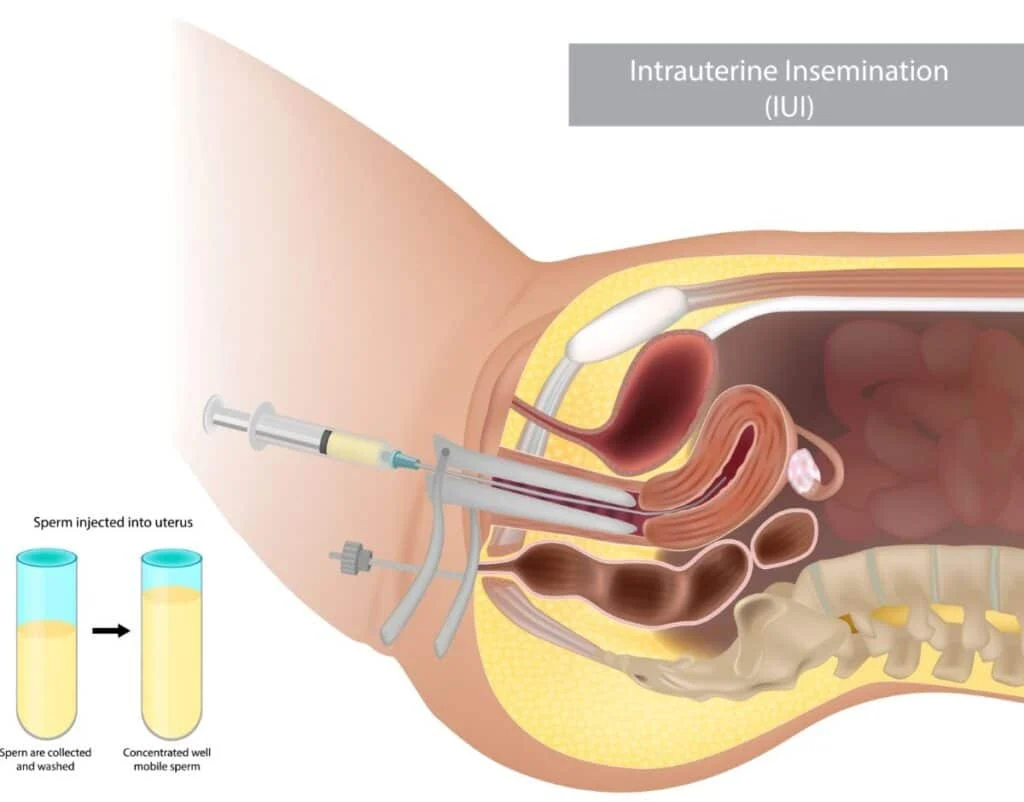
    Diagram illustrating intrauterine insemination (IUI) procedure with sperm injection into the uterus.

    Egg Retrieval vs Egg Sharing: The Impact on Relationships

    The Impact on Relationships:

    Egg sharing also has a significant impact on relationships, but in different ways than egg retrieval. For the donor, the process can be emotionally rewarding as they are able to help someone else become a parent. This can also bring a sense of fulfillment and purpose to their life, which can positively impact their relationships with loved ones.

    However, egg sharing can also create complex dynamics in relationships. For the recipient, there may be feelings of jealousy or insecurity towards the donor, as they are the genetic link to their child. This can be challenging for the recipient and their partner, as it may bring up questions or concerns about their role in the child’s life. Additionally, the donor may feel a sense of loss or attachment to the eggs they have donated, which can affect their relationships with their partner and family.

    Navigating the Emotional Impact:

    Both egg retrieval and egg sharing involve emotional challenges that can affect relationships. It’s important for couples to communicate openly and support each other throughout the process. Seeking counseling or joining a support group can also be beneficial in managing the emotional impact and strengthening the relationship.

    Another consideration is the impact on the child’s relationships. With egg retrieval, the child will have a genetic link to both parents, while with egg sharing, the child will only have a genetic link to one parent. This can raise questions and challenges for the child and their relationships with their family. It’s important for families to have open and honest conversations about the child’s origin and to provide them with a supportive environment to navigate their unique family structure.

    Conclusion:

    In conclusion, both egg retrieval and egg sharing have significant impacts on relationships. While egg retrieval can bring couples closer together, it can also create challenges and strain. Egg sharing can bring a sense of fulfillment, but it can also create complex dynamics in relationships. It’s important for couples to communicate, seek support, and be prepared for the emotional impact on their relationship, as well as the impact on their child’s relationships.

    Summary:

    Egg retrieval and egg sharing are two methods used in assisted reproduction, with different implications on relationships. Egg retrieval can bring couples closer together, but also create strain and tension. Egg sharing can bring a sense of fulfillment, but also create complex dynamics in relationships. It’s important for couples to communicate, seek support, and be prepared for the emotional impact on their relationship and their child’s relationships.

  • The Battle of the Sexes: Comparing Male and Female Infertility Treatments

    The Battle of the Sexes: Comparing Male and Female Infertility Treatments

    Infertility affects millions of couples worldwide, and it can be a challenging and emotional journey for those trying to conceive. While both men and women can experience fertility issues, the treatments available for each gender can differ significantly. In this blog post, we will explore the differences between male and female infertility treatments, and how these treatments have evolved over the years.

    Understanding Male and Female Infertility

    Before delving into the treatments, it is essential to understand the causes of male and female infertility. Female infertility is typically caused by issues such as hormonal imbalances, ovulation problems, or structural abnormalities in the reproductive system. On the other hand, male infertility can be caused by low sperm count, poor sperm motility, or structural problems in the male reproductive system.

    Male Infertility Treatments

    One of the most common treatments for male infertility is intrauterine insemination (IUI). This procedure involves inserting washed and concentrated sperm directly into the uterus during the woman’s ovulation period, increasing the chances of conception. It is a relatively simple and non-invasive procedure, making it a popular choice for couples struggling with male infertility.

    In cases where the male partner has extremely low sperm count or poor sperm motility, in vitro fertilization (IVF) may be recommended. This treatment involves retrieving sperm directly from the testicles and fertilizing the egg in a laboratory setting. The fertilized embryo is then transferred into the woman’s uterus, increasing the chances of conception.

    Another option for male infertility is intracytoplasmic sperm injection (ICSI), which is often used in conjunction with IVF. This procedure involves injecting a single sperm directly into the egg, bypassing any potential issues with sperm motility or low count. ICSI has been a game-changer for couples struggling with male infertility, as it significantly increases the chances of fertilization.

    Female Infertility Treatments

    The most common treatment for female infertility is ovulation induction, which involves taking medication to stimulate the ovaries to produce more eggs. This treatment is often used in conjunction with IUI to increase the chances of conception. Ovulation induction is a relatively simple and non-invasive treatment, but it does carry a risk of multiple pregnancies.

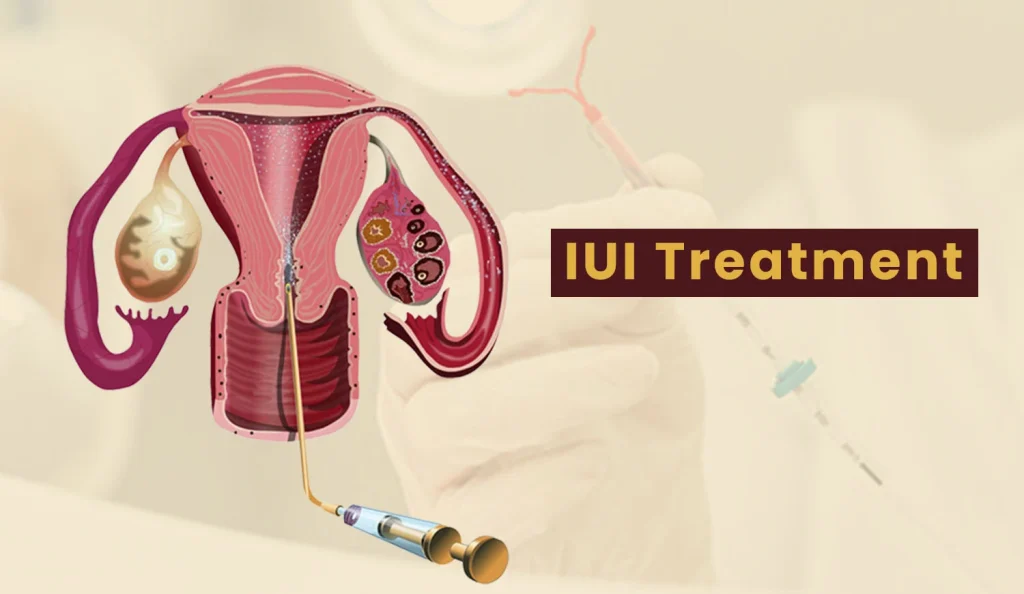
    illustration of the uterus and ovaries with a syringe, labeled "IUI Treatment" in the background

    The Battle of the Sexes: Comparing Male and Female Infertility Treatments

    In cases where ovulation induction is not successful, or if the cause of infertility is due to structural issues in the reproductive system, IVF may be recommended. This treatment involves retrieving eggs directly from the ovaries, fertilizing them with sperm in a laboratory, and then transferring the resulting embryo into the uterus. IVF has a higher success rate than other treatments, making it a popular choice for couples struggling with female infertility.

    In some cases, the cause of female infertility may be due to a blocked or damaged fallopian tube. In such cases, a surgical procedure called laparoscopy may be recommended. This minimally invasive surgery involves using a small camera to examine the reproductive organs and potentially remove any blockages or scar tissue.

    The Evolution of Infertility Treatments

    Over the years, advancements in medical technology have led to significant improvements in infertility treatments for both men and women. For instance, the development of ICSI has greatly improved the chances of fertilization for couples struggling with male infertility. Similarly, the use of ovulation induction and IVF has become more refined and effective for treating female infertility.

    In recent years, there has also been a growing interest in complementary and alternative treatments for infertility. These treatments, such as acupuncture and herbal supplements, aim to improve overall health and well-being, which can potentially enhance fertility. While there is limited scientific evidence to support the effectiveness of these treatments, many couples have reported success with their use.

    The Emotional Impact of Infertility Treatments

    Infertility can take a toll on a couple’s emotional and mental well-being, and the treatments can also be emotionally taxing. The uncertainty and disappointment that often accompany failed attempts at conception can lead to feelings of frustration, sadness, and even depression. It is essential for couples to seek emotional support and counseling throughout their fertility journey to cope with these challenges.

    In Conclusion

    Infertility treatments for both men and women have come a long way, offering hope to couples struggling to conceive. While there are differences in the treatments available for each gender, they all aim to help couples achieve their dream of starting a family. With advancements in technology and a better understanding of the causes of infertility, the battle of the sexes in the realm of fertility is gradually being won, with more and more couples successfully overcoming their fertility challenges.

    Summary:

    Infertility is a widespread issue that affects both men and women. However, the treatments available for male and female infertility can differ significantly. Male infertility treatments include intrauterine insemination, in vitro fertilization, and intracytoplasmic sperm injection. On the other hand, female infertility treatments include ovulation induction, in vitro fertilization, and laparoscopy. With advancements in technology and a better understanding of the causes of infertility, these treatments have become more refined and effective. Additionally, there has been a growing interest in complementary and alternative treatments for infertility. The emotional impact of infertility and its treatments can be significant, and it is essential for couples to seek emotional support throughout their fertility journey.

  • The Emotional Toll of Male Infertility: How Fertility Counseling Can Offer Support

    Summary:

    Infertility is a deeply personal and emotional issue for couples, and unfortunately, it is not just a problem that affects women. Male infertility can also have a significant impact on a couple’s relationship, self-esteem, and mental health. In this blog post, we will explore the emotional toll of male infertility and how fertility counseling can offer support to men and their partners.

    Male infertility is a condition where a man is unable to impregnate a woman despite having regular unprotected sex. It is estimated that male infertility affects around 7% of men worldwide, and it can be caused by a variety of factors, including hormonal imbalances, genetic disorders, and lifestyle choices. When a couple is trying to conceive, and the man is diagnosed with infertility, it can be a devastating blow and can lead to a range of emotions, including shame, guilt, and anger.

    One of the most significant emotional impacts of male infertility is the strain it can put on a couple’s relationship. Trying to conceive can be a stressful and emotional journey for any couple, and when infertility is added to the mix, it can create additional tension and strain. The inability to conceive can lead to feelings of inadequacy, resentment, and blame, which can cause conflicts and communication breakdowns within the relationship. In some cases, this can even lead to separation or divorce.

    Illustration of the IUI process, showing a syringe and catheter in the reproductive system.

    The Emotional Toll of Male Infertility: How Fertility Counseling Can Offer Support

    Aside from the impact on the couple’s relationship, male infertility can also take a toll on a man’s self-esteem and mental health. Many men tie their sense of masculinity and self-worth to their ability to father a child. When this is challenged by infertility, it can lead to feelings of failure, shame, and even depression. Men may also feel pressure from society and their families to have children, which can further exacerbate feelings of inadequacy and shame.

    Fertility counseling can offer much-needed support for men and their partners dealing with male infertility. By seeking counseling, couples can learn how to cope with the emotional strain of infertility, communicate effectively, and support each other through the process. Fertility counselors can also help men and their partners explore their feelings and work through any conflicts or challenges in their relationship.

    Moreover, counseling can provide a safe space for men to express their emotions and concerns about male infertility without fear of judgment. Many men may feel uncomfortable discussing their fertility issues with friends or family, and counseling can provide a confidential and non-judgmental environment for them to open up and seek support.

    In addition to addressing the emotional toll of male infertility, fertility counseling can also offer practical support and guidance. Fertility counselors are trained professionals who can educate couples about their options, such as fertility treatments or adoption. They can also help men make lifestyle changes that can improve their fertility, such as quitting smoking or reducing alcohol consumption.

    In conclusion, male infertility can have a significant emotional impact on men and their partners. It can strain relationships, cause feelings of inadequacy and shame, and even lead to mental health issues. Fertility counseling can offer vital support for men and their partners dealing with male infertility. By seeking counseling, couples can learn to cope with the emotional strain, communicate effectively, and receive practical guidance for their fertility journey.

  • Donor Insemination vs Partner Insemination: A Cultural Comparison

    Donor Insemination vs Partner Insemination: A Cultural Comparison

    In the world of assisted reproduction, there are various methods available for individuals and couples who are unable to conceive naturally. Two of the most common methods are donor insemination and partner insemination. While they may sound similar, there are significant differences between the two in terms of cultural acceptance, legal implications, and emotional impact. In this blog post, we will compare donor insemination and partner insemination from a cultural perspective, exploring the attitudes and beliefs surrounding these methods in different societies.

    Donor insemination, also known as artificial insemination by donor (AID), is a process where donor sperm is used to fertilize a woman’s egg. This method is typically used by single women or lesbian couples who wish to have a child. The donor sperm can be obtained from a sperm bank or through a known donor, who is usually a friend or acquaintance of the intended parent(s). In contrast, partner insemination, also known as artificial insemination by partner (AIP), involves the use of the male partner’s sperm to fertilize the woman’s egg. This method is commonly used by heterosexual couples who may have fertility issues or are unable to conceive through natural intercourse.

    One of the main differences between donor insemination and partner insemination is the involvement of a third party. In donor insemination, the donor is an anonymous individual who has no legal or emotional ties to the child. This can be seen as a positive aspect for some individuals or couples, as it allows them to have a child without any potential complications or responsibilities with the donor. However, for others, the lack of genetic connection to the child may be a significant concern, especially if they choose to use a sperm donor from a sperm bank. In this case, the donor’s identity is often unknown, and the child may never have the opportunity to know their biological father.

    On the other hand, partner insemination involves the use of the male partner’s sperm, allowing for a genetic connection between the child and both parents. This can be seen as a more traditional and socially acceptable method, as it involves a heterosexual couple conceiving a child together. However, partner insemination may not be an option for single women or lesbian couples, making donor insemination their only choice for starting a family.

    The cultural acceptance of donor insemination and partner insemination also varies greatly across different societies. In some cultures, the use of donor sperm is highly stigmatized and considered taboo. This may be due to religious beliefs or traditional values that place a strong emphasis on biological ties and the importance of a father figure. In these societies, donor insemination is often seen as a last resort and may be met with judgment and disapproval.

    In contrast, partner insemination may be more accepted in these cultures, as it involves a heterosexual couple trying to conceive through natural means. However, even in societies where partner insemination is more socially acceptable, there may still be underlying beliefs that prioritize biological ties and view donor insemination as a less desirable option.

    illustration of the uterus and ovaries with a syringe, labeled "IUI Treatment" in the background

    Donor Insemination vs Partner Insemination: A Cultural Comparison

    In Western societies, the attitudes towards donor insemination and partner insemination tend to be more liberal and accepting. The use of donor sperm is seen as a valid choice for individuals and couples who are unable to conceive naturally, and there is a greater emphasis on the importance of love and care in parenting, rather than biological ties. In these cultures, donor insemination is often seen as a way to expand and diversify a family, rather than a replacement for traditional methods of conception.

    Partner insemination is also widely accepted in Western cultures, as it is viewed as a common and natural way for a couple to have a child together. However, there may still be some stigma attached to the use of fertility treatments, as some individuals may see it as a way to “cheat” nature or compensate for infertility issues. This can lead to feelings of shame or secrecy for couples who choose to use partner insemination.

    Another factor that influences the cultural comparison between donor insemination and partner insemination is the legal implications. In some countries, using donor sperm is strictly regulated, and there may be laws in place that limit the number of children a donor can father or require the donor to be identified. This is to ensure that the child has the right to know their biological heritage and potentially have a relationship with their donor in the future. However, in other countries, there may be no regulations or laws surrounding donor insemination, leaving the donor and the child’s legal rights uncertain.

    In contrast, partner insemination is often more straightforward in terms of legal implications. The male partner is automatically considered the legal father of the child, and there is no need for legal contracts or agreements. This can provide a sense of security for the couple, as there is no question of parental rights or responsibilities. However, in cases of same-sex couples or single women, legal parenthood may need to be established through adoption or other legal means, which can be a lengthy and costly process.

    Emotionally, both donor insemination and partner insemination can have significant impacts on the individuals involved. For couples using donor insemination, there may be a sense of loss or grief over not being able to conceive naturally and the lack of a genetic connection to their child. This may also be a concern for the child as they grow up and may have questions about their biological father.

    In partner insemination, the emotional impact may depend on the reasons for choosing this method. In cases where there are fertility issues, there may be feelings of frustration or disappointment, as well as the pressure to become pregnant. On the other hand, if the couple chooses partner insemination by choice, there may be a sense of excitement and anticipation as they embark on their journey to parenthood together.

    In conclusion, donor insemination and partner insemination are two different methods of assisted reproduction that have significant cultural implications. While donor insemination may be more stigmatized in some societies, partner insemination may still be viewed as a more acceptable and traditional option. Both methods have their own legal considerations and emotional impacts, making it essential for individuals and couples to carefully consider their options and seek support throughout the process.

    Summary: Donor insemination and partner insemination are two methods of assisted reproduction that involve the use of donor sperm and the male partner’s sperm, respectively. There are significant differences between the two methods in terms of cultural acceptance, legal implications, and emotional impact. Cultural attitudes towards donor insemination and partner insemination vary greatly, with some societies stigmatizing the use of donor sperm while others view it as a valid choice for starting a family. Legal implications and emotional impacts also differ between the two methods, highlighting the need for careful consideration and support throughout the process.