Tag: fertility treatment

  • The Importance of Counseling: Intrauterine Insemination vs In Vitro Fertilization

    The journey to parenthood may not always be a smooth one for every couple. Some may face challenges in conceiving naturally and may require additional assistance in the form of fertility treatments. In such cases, counseling can play a crucial role in helping couples make informed decisions about their options for assisted reproduction. Two common methods of fertility treatment are Intrauterine Insemination (IUI) and In Vitro Fertilization (IVF). While both aim to help couples achieve pregnancy, they have distinct differences and it is important for couples to understand these differences before choosing which method is best for them. In this blog post, we will explore the importance of counseling for couples considering IUI or IVF.

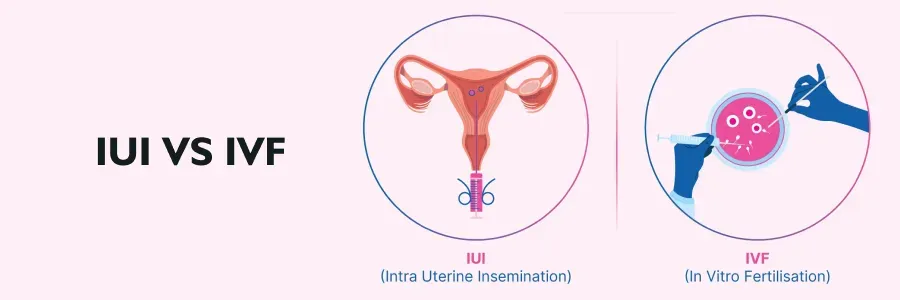
    Firstly, it is important to understand what IUI and IVF are and how they differ. IUI involves placing sperm directly into the uterus during the woman’s ovulation period, allowing for a higher chance of fertilization. On the other hand, IVF involves retrieving eggs from the woman’s ovaries and fertilizing them with sperm in a lab, before transferring the resulting embryos back into the woman’s uterus. While both procedures have high success rates, they also come with their own set of benefits and challenges.

    One of the main benefits of IUI is its lower cost compared to IVF. This makes it a more accessible option for couples who may not have the financial means for IVF. Additionally, IUI is a less invasive procedure and does not require the use of fertility drugs, making it a more comfortable and less complicated process for some couples. However, the success rates of IUI may be lower compared to IVF, especially for couples with certain fertility issues such as male factor infertility or advanced maternal age.

    On the other hand, IVF has a higher success rate, making it a more attractive option for couples who have been struggling with infertility for a longer period of time. It also allows for genetic testing of embryos, which can help identify any potential chromosomal abnormalities and increase the chances of a successful pregnancy. However, IVF is a more invasive and expensive procedure, and the use of fertility drugs can also have potential side effects for the woman.

    With these differences in mind, it is important for couples to seek counseling before making a decision on which fertility treatment to pursue. Counseling can provide a safe and supportive space for couples to discuss their concerns, fears, and hopes about the fertility treatment process. A trained counselor can also help couples explore their options and understand the potential risks and benefits of each treatment, taking into account their individual medical history and circumstances.
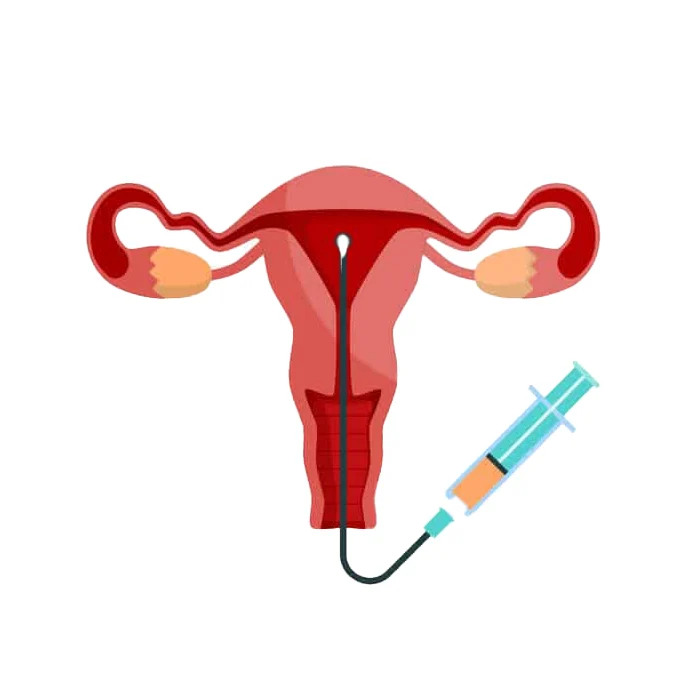
    illustration of a uterus with a syringe for intrauterine insemination (IUI) procedure

    The Importance of Counseling: Intrauterine Insemination vs In Vitro Fertilization

    Another important aspect of counseling is addressing the emotional and psychological impact of fertility treatments. It is common for couples to experience feelings of stress, anxiety, and disappointment during the process, as well as conflicts within their relationship. Counseling can offer coping strategies and support for couples to navigate these emotions and maintain a healthy relationship.

    Moreover, counseling can also help couples manage any potential ethical or moral concerns they may have about the fertility treatment process. For example, some couples may have reservations about the use of fertility drugs or the selection of embryos during IVF. A counselor can provide a non-judgmental space for couples to discuss these concerns and make decisions that align with their personal values and beliefs.

    In addition to individual counseling, couples can also benefit from attending counseling sessions together. This can help improve communication and strengthen their relationship, as well as provide a support system for both partners during the fertility treatment process.

    In conclusion, counseling plays a crucial role in the decision-making process for couples considering IUI or IVF. It provides a safe and supportive space for couples to explore their options, understand the potential risks and benefits, and address any emotional or ethical concerns they may have. By seeking counseling, couples can make informed decisions and feel more prepared for the journey to parenthood, whatever path they may choose.

    Summary: Counseling is essential for couples considering fertility treatments such as Intrauterine Insemination (IUI) or In Vitro Fertilization (IVF). These procedures have distinct differences and it is important for couples to understand them before making a decision. Counseling can help couples explore their options, understand the potential risks and benefits, and address any emotional or ethical concerns. It can also provide support for individuals and strengthen the relationship between partners.
  • The Role of the Doctor: Intrauterine Insemination vs In Vitro Fertilization

    The Role of the Doctor: Intrauterine Insemination vs In Vitro Fertilization

    Infertility is a common struggle for many couples trying to conceive. Fortunately, advancements in medical technology have made it possible for doctors to assist in the process of conception through procedures such as intrauterine insemination (IUI) and in vitro fertilization (IVF). Both of these methods involve the use of assisted reproductive technology (ART) and are carried out under the guidance of a doctor. However, the role of the doctor in each of these procedures is different and understanding these differences is important for individuals and couples considering these options.

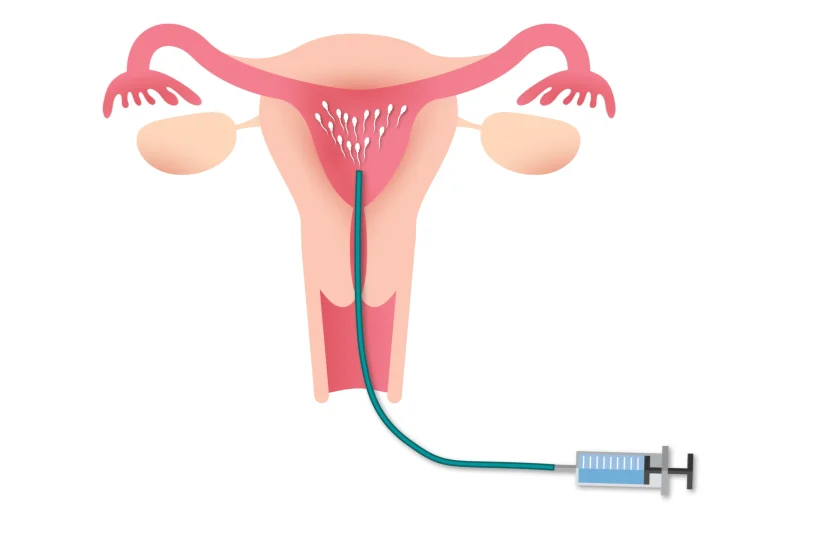
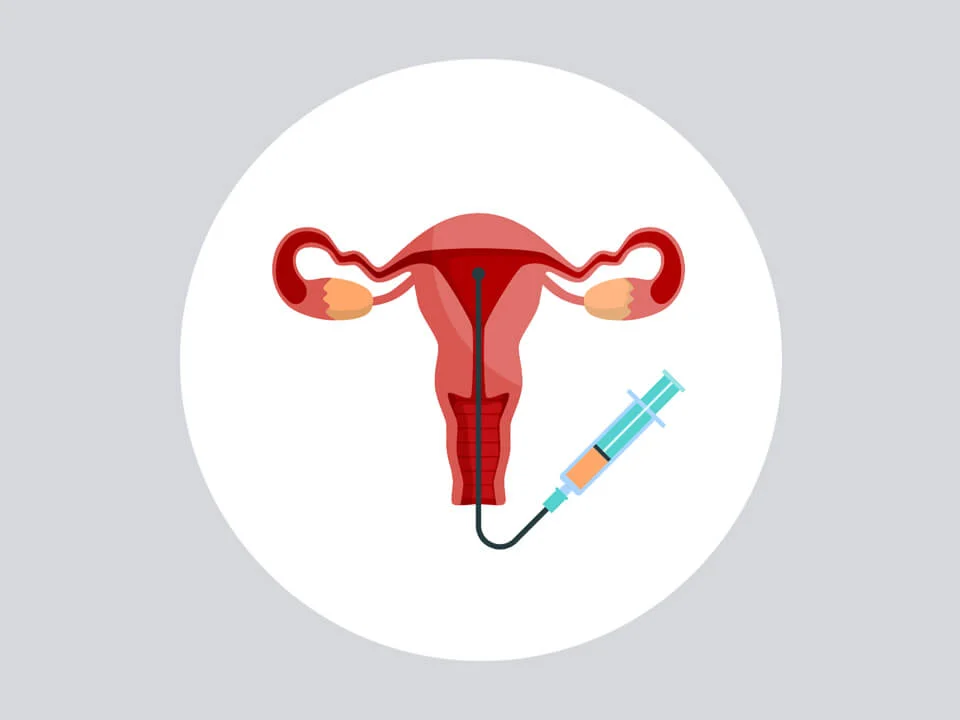
    Intrauterine insemination, also known as artificial insemination, is a procedure in which sperm is injected directly into the woman’s uterus during ovulation. This is typically done with a thin, flexible catheter that is inserted through the cervix. The goal of IUI is to increase the chances of fertilization by bringing the sperm closer to the egg.

    The role of the doctor in IUI begins with a thorough evaluation of both partners to determine if they are suitable candidates for the procedure. This may include a physical examination, blood tests, and imaging tests to assess the health of the reproductive organs. The doctor will also review the medical history of both partners to identify any potential risk factors.

    Once the couple is deemed eligible for IUI, the doctor will closely monitor the woman’s menstrual cycle to determine the best time for the procedure. This may involve tracking ovulation through blood tests or ultrasound scans. The doctor may also prescribe fertility drugs to stimulate the production of multiple eggs, increasing the chances of successful fertilization.

    During the IUI procedure, the doctor will carefully insert the sperm into the uterus using the catheter. The entire process takes only a few minutes and is usually painless. After the procedure, the woman may be advised to lie down for a short while to increase the chances of successful fertilization.

    The role of the doctor does not end with the IUI procedure. They will continue to monitor the woman’s hormone levels and may prescribe progesterone supplements to support the early stages of pregnancy. A pregnancy test will be done about two weeks after the procedure to confirm if it was successful.

    test tube with sperm in blue liquid, promoting IUI success rate and factors influencing fertility.

    The Role of the Doctor: Intrauterine Insemination vs In Vitro Fertilization

    In vitro fertilization, on the other hand, is a more complex and invasive procedure. It involves the retrieval of eggs from the woman’s ovaries, fertilization with sperm in a laboratory, and then the transfer of the fertilized eggs (embryos) into the woman’s uterus. IVF is often recommended for couples who have been unsuccessful with other fertility treatments or for those with specific medical conditions.

    The role of the doctor in IVF begins with a thorough evaluation of both partners to determine if they are suitable candidates for the procedure. This may include a physical examination, blood tests, and imaging tests to assess the health of the reproductive organs. The doctor will also review the medical history of both partners to identify any potential risk factors.

    Once the couple is deemed eligible for IVF, the woman will undergo a series of hormone injections to stimulate the production of multiple eggs. The doctor will closely monitor the woman’s hormone levels and use ultrasound scans to track the growth and development of the eggs.

    When the eggs are ready, a minor surgical procedure called egg retrieval will be performed to remove the eggs from the woman’s ovaries. The retrieved eggs will then be fertilized with sperm in a laboratory, and the resulting embryos will be monitored for growth and development.

    The doctor will then transfer one or more embryos into the woman’s uterus using a thin catheter. The number of embryos transferred will depend on various factors, including the woman’s age and overall health. Any extra embryos can be frozen for future use.

    After the embryo transfer, the woman will be closely monitored for signs of pregnancy. A pregnancy test will be done about two weeks after the transfer to confirm if it was successful. If the pregnancy is successful, the doctor will continue to monitor the woman’s hormone levels and may prescribe medication to support the early stages of pregnancy.

    In summary, the role of the doctor in both IUI and IVF is crucial in helping couples achieve pregnancy. While the goal of IUI is to increase the chances of fertilization by bringing the sperm closer to the egg, IVF involves the retrieval of eggs and fertilization in a laboratory setting. The doctor’s role includes evaluating the couple’s eligibility for the procedures, closely monitoring the woman’s hormone levels, and performing the necessary procedures. The doctor also plays a vital role in providing support and guidance throughout the process.

    In conclusion, infertility can be a challenging journey for couples, but with the help of a knowledgeable and experienced doctor, there is hope for achieving pregnancy through procedures like IUI and IVF. The role of the doctor is crucial in these procedures, and it is important for individuals and couples to fully understand their role in order to make informed decisions about their fertility treatment.

  • Intrauterine Insemination vs In Vitro Fertilization: A Medical Perspective

    Intrauterine Insemination vs In Vitro Fertilization: A Medical Perspective

    Infertility is a common issue faced by many couples trying to conceive. Fortunately, advancements in modern medicine have made it possible for these couples to still have a chance at starting a family. Two popular methods used to treat infertility are Intrauterine Insemination (IUI) and In Vitro Fertilization (IVF). While both methods have been successful in helping couples achieve pregnancy, they differ in their approach and success rates. In this blog post, we will explore the medical perspective of IUI and IVF to help you understand the differences between the two and make an informed decision on which method may be best for you.

    What is Intrauterine Insemination (IUI)?

    IUI, also known as artificial insemination, is a fertility treatment that involves placing sperm directly into the uterus to increase the chances of fertilization. The procedure is usually performed during a woman’s ovulation cycle, and it is a less invasive and less expensive option compared to IVF.

    The process of IUI typically begins with a series of fertility medications to stimulate the ovaries to produce more eggs. The woman’s partner or a donor’s sperm is then collected and washed to separate the sperm from the seminal fluid. The washed sperm is then placed into the uterus using a thin catheter, which is inserted through the cervix. This procedure is relatively quick and painless, and the woman can resume normal activities immediately after.

    What is In Vitro Fertilization (IVF)?

    IVF is a more complex and invasive procedure compared to IUI. It involves retrieving eggs from a woman’s ovaries and fertilizing them with sperm in a laboratory. The fertilized eggs, or embryos, are then transferred back into the woman’s uterus, where they can hopefully implant and result in pregnancy.

    The process of IVF starts with the woman taking fertility medications to stimulate the ovaries to produce multiple eggs. Once the eggs are mature, they are retrieved through a minor surgical procedure. The eggs are then fertilized with sperm in a laboratory, and the resulting embryos are monitored for a few days before being transferred into the uterus. Any extra embryos can be frozen for future use. The entire process can take several weeks and may involve multiple cycles to achieve a successful pregnancy.

    Success Rates

    Illustration of the IUI process, showing a syringe and catheter in the reproductive system.

    Intrauterine Insemination vs In Vitro Fertilization: A Medical Perspective

    One of the most significant differences between IUI and IVF is their success rates. The success of IUI depends on various factors, such as the age and fertility of the woman, the quality of the sperm, and any underlying medical conditions. On average, the success rate of IUI is around 10-20%, with some studies reporting higher success rates up to 30%.

    On the other hand, IVF has a higher success rate, with an average of 30-40% per cycle. However, the success rate of IVF also depends on several factors, such as the age of the woman, the quality of the eggs and sperm, and the expertise of the fertility clinic. The success rate also decreases with each subsequent cycle.

    Risks and Complications

    Like any medical procedure, both IUI and IVF carry potential risks and complications. The risks associated with IUI are minimal, and they include cramping, infection, and a small chance of multiple pregnancies. However, the risks of IVF are more significant and can include ovarian hyperstimulation syndrome, ectopic pregnancy, and multiple pregnancies. The use of fertility medications in IVF can also increase the risk of developing blood clots and ovarian cancer.

    Costs

    The cost of fertility treatments is a significant factor to consider when deciding between IUI and IVF. IUI is generally less expensive compared to IVF, with an average cost of $500-$1000 per cycle. IVF, on the other hand, can cost anywhere from $12,000-$15,000 per cycle, with additional expenses for medications and any necessary procedures. The cost of IVF can be a significant barrier for many couples, and it is essential to consider this when deciding on a fertility treatment.

    Which Option is Right for You?

    Ultimately, the decision between IUI and IVF will depend on various factors, including the cause of infertility, the age of the woman, and financial considerations. If the cause of infertility is due to issues with ovulation or cervical mucus, IUI may be a suitable option. However, if the cause is more severe, such as blocked fallopian tubes or low sperm count, IVF may be the better option. Consulting with a fertility specialist is crucial in determining the best course of action for your specific situation.

    Summary:

    Infertility can be a challenging issue to face, but medical advancements have made it possible for couples to have a chance at starting a family. Intrauterine Insemination (IUI) and In Vitro Fertilization (IVF) are two popular methods used to treat infertility. IUI involves placing sperm directly into the uterus, while IVF involves retrieving and fertilizing eggs in a laboratory before transferring them into the uterus. The success rates, risks, and costs of these procedures differ, and the decision between the two will depend on various factors. Consulting with a fertility specialist is crucial in determining the best option for your specific situation.

  • Making the Decision: Intrauterine Insemination vs In Vitro Fertilization

    Blog post:

    Deciding to start a family is an exciting and life-changing decision for many couples. However, for some, the journey to parenthood may not be as straightforward as they had hoped. Infertility affects about 1 in 8 couples, and many turn to assisted reproductive technologies to help them conceive. Intrauterine insemination (IUI) and in vitro fertilization (IVF) are two commonly used methods for fertility treatment, but what are the differences between them and how do you know which one is right for you? In this blog post, we will explore the ins and outs of IUI and IVF, helping you make an informed decision on which path to take in your journey towards parenthood.

    What is Intrauterine Insemination (IUI)?

    Intrauterine insemination, also known as artificial insemination, is a relatively simple fertility treatment that involves inserting specially prepared sperm directly into the uterus. The goal of IUI is to increase the chances of fertilization by bringing the sperm closer to the egg. This procedure is usually recommended for couples who have been trying to conceive for at least a year without success, have unexplained infertility, or have mild male factor infertility.

    The IUI process involves monitoring the woman’s ovulation cycle to determine the best time for the procedure. The male partner will provide a semen sample, which is then washed and prepared to remove any non-motile sperm or debris. The prepared sperm is then inserted into the uterus using a thin catheter, bypassing the cervix and placing it closer to the fallopian tubes where fertilization takes place. The entire process is quick, painless, and can be done in a doctor’s office without the need for anesthesia.

    What is In Vitro Fertilization (IVF)?

    In vitro fertilization, on the other hand, is a more complex and invasive fertility treatment. It involves retrieving eggs from the woman’s ovaries and fertilizing them with sperm in a laboratory dish. The resulting embryos are then transferred back into the woman’s uterus, where they have the chance to implant and develop into a pregnancy. IVF is usually recommended for couples with more severe fertility issues, such as blocked or damaged fallopian tubes, severe male factor infertility, or advanced maternal age.

    The IVF process begins with ovarian stimulation, where the woman takes medication to produce multiple eggs instead of the usual one egg per ovulation cycle. These eggs are then retrieved using a minor surgical procedure under anesthesia. The sperm is then combined with the eggs in a laboratory to allow fertilization to occur. Once the fertilized eggs have developed into embryos, one or more are transferred back into the uterus. Any remaining viable embryos can be frozen for future use.

    What are the Pros and Cons of IUI and IVF?

    Both IUI and IVF have their own set of advantages and disadvantages, and the right choice for you will depend on your individual circumstances and preferences. Let’s take a look at some of the pros and cons of each procedure.

    Comparison of IUI and IVF with illustrations of each procedure.

    Making the Decision: Intrauterine Insemination vs In Vitro Fertilization

    Pros of IUI:
    – Non-invasive and relatively simple procedure
    – Less expensive than IVF
    – Can be done in a doctor’s office without the need for anesthesia
    – Can use the male partner’s sperm, eliminating the need for a sperm donor

    Cons of IUI:
    – Lower success rates compared to IVF
    – Limited use for couples with more severe fertility issues
    – Requires at least one functional fallopian tube
    – Does not address potential sperm quality or quantity issues

    Pros of IVF:
    – Higher success rates compared to IUI
    – Can be used for a wide range of fertility issues
    – Can use donor eggs or sperm if needed
    – Allows for genetic testing of embryos before transfer

    Cons of IVF:
    – Invasive and more complex procedure
    – Higher cost compared to IUI
    – Requires ovarian stimulation and egg retrieval
    – Increased risk of multiple pregnancies

    How to Choose Between IUI and IVF?

    Now that we have discussed the basics of IUI and IVF, how do you decide which one is the right choice for you? The answer will depend on various factors, including your age, overall health, fertility diagnosis, and financial situation. It is essential to have an open and honest conversation with your fertility specialist to understand the best course of action for your specific case.

    If you have been trying to conceive for less than a year, are younger than 35, and have no known fertility issues, IUI may be a good starting point. It is less invasive, less expensive, and can be an effective treatment for some couples. However, if you have been trying to conceive for over a year, are 35 or older, or have more complex fertility issues, IVF may be a better option to increase your chances of success.

    In some cases, IUI and IVF can also be used in combination to optimize the chances of pregnancy. For example, a couple may undergo an IUI cycle first, and if unsuccessful, move on to IVF. This approach may reduce the need for multiple IVF cycles and can be a more cost-effective option for some couples.

    In Summary

    Deciding between intrauterine insemination and in vitro fertilization can be a daunting task for couples struggling with infertility. While IUI is a simple and less expensive procedure, it may not be suitable for everyone. On the other hand, IVF has a higher success rate but can be more invasive and costly. Ultimately, the right choice will depend on your individual circumstances and should be made in consultation with a fertility specialist. Remember, there is no one-size-fits-all solution, and what works for one couple may not work for another. Stay positive, stay informed, and trust in the guidance of your medical team as you embark on your journey towards parenthood.

  • Egg Donation vs Egg Freezing: Which One is Right for You?

    Blog Post:

    Egg donation and egg freezing are two options for women who want to preserve their fertility. While both involve the use of eggs, there are significant differences between the two. Egg donation is a process where a woman donates her eggs to another person or couple who are struggling with infertility. On the other hand, egg freezing, also known as oocyte cryopreservation, is a process where a woman’s eggs are extracted, frozen, and stored for future use.

    In this blog post, we will delve deeper into these two options and explore the factors you should consider when deciding between egg donation and egg freezing.

    Egg Donation:

    Egg donation is a common solution for individuals and couples who are unable to conceive due to fertility issues. This process involves a donor undergoing a series of tests and screenings to ensure she is healthy and has viable eggs. Once a donor is selected and the eggs are extracted, they are fertilized with sperm from the intended father or a sperm donor. The resulting embryos are then transferred to the recipient’s uterus.

    There are several reasons why a woman may choose to donate her eggs. Some may do it out of altruism, wanting to help others realize their dream of parenthood. Others may do it for financial compensation, as egg donors can receive a significant amount of money for their contribution.

    Egg donation can be a physically and emotionally demanding process for the donor. It involves hormone injections to stimulate egg production, followed by a minor surgical procedure to extract the eggs. The donor may experience side effects such as bloating, mood swings, and discomfort after the procedure. Additionally, the psychological impact of donating genetic material to another family can also be significant and should be carefully considered.

    Egg Freezing:

    Egg freezing, on the other hand, is a relatively new option for women who want to preserve their fertility for the future. This process involves a woman undergoing hormonal stimulation to produce multiple eggs. The eggs are then extracted, frozen, and stored in a specialized facility until they are needed.

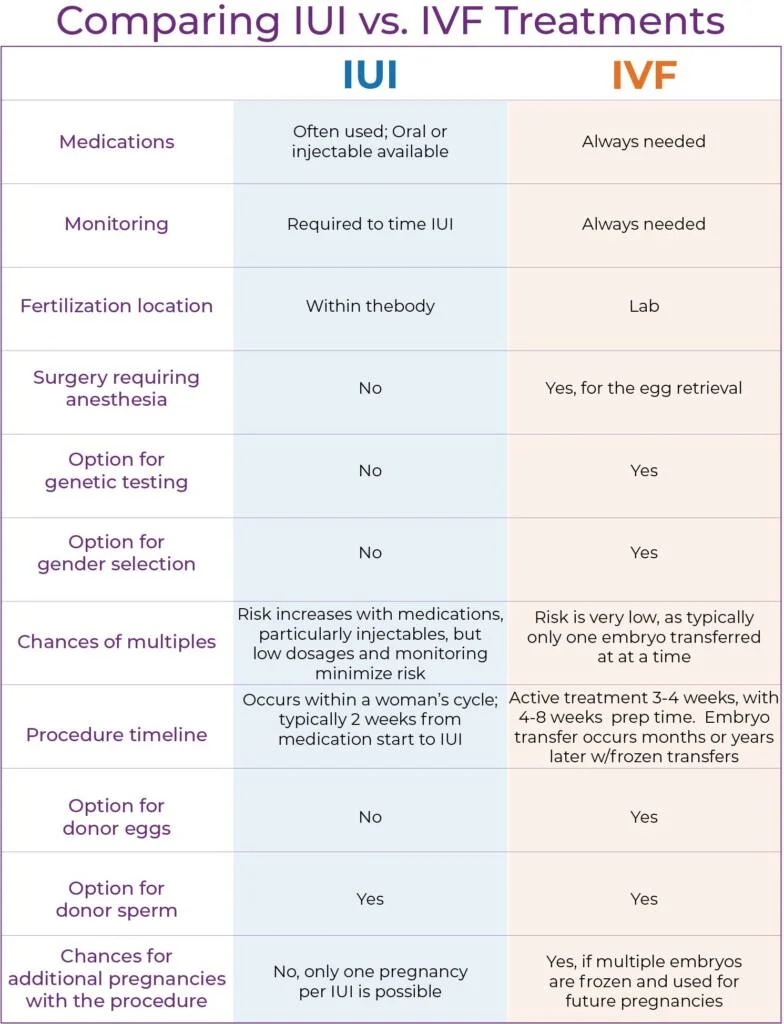
    Comparison chart of IUI and IVF treatments, detailing medications, monitoring, procedures, and success rates.

    Egg Donation vs Egg Freezing: Which One is Right for You?

    There are several reasons why a woman may choose to freeze her eggs. Some may do it to delay childbearing due to personal or career reasons. Others may do it to preserve their fertility before undergoing medical treatments that can affect their reproductive organs. Additionally, women who are not ready to have children yet but want to ensure they have viable eggs for when they are ready may also opt for egg freezing.

    Egg freezing is a less invasive process compared to egg donation, as it does not involve the transfer of embryos or the use of fertility drugs. However, it can still have side effects such as bloating and discomfort after the egg retrieval procedure. The psychological impact of egg freezing may also be present, as women may feel pressure to use their frozen eggs before they expire.

    Factors to Consider:

    When deciding between egg donation and egg freezing, there are several factors to consider. Firstly, the reason for wanting to preserve fertility should be taken into account. If a woman is facing medical treatments that can affect her fertility, egg freezing may be the best option. However, if the goal is to help someone else become a parent, egg donation would be the more suitable choice.

    Another factor to consider is the age of the woman. Egg quality decreases with age, so if a woman is in her late 30s or 40s, egg donation may be a better option as the donated eggs are usually from younger donors. However, for women in their 20s or early 30s, egg freezing may be a more viable option.

    Financial considerations should also be taken into account. Egg donation can be a lucrative option for women, but it involves more time and effort compared to egg freezing. On the other hand, egg freezing can be costly, with initial consultations, hormone medications, and storage fees. It is essential to research and compare the costs of both options before making a decision.

    Lastly, the psychological impact of both options should not be underestimated. Egg donation can have a significant emotional impact on donors, as they may wonder about their biological children and their role in their lives. Egg freezing can also cause anxiety for some women, as they may feel pressure to use their frozen eggs before they expire. It is crucial to have a thorough understanding of these potential emotional implications before making a decision.

    In conclusion, egg donation and egg freezing are two options for women who want to preserve their fertility. While both have their benefits and drawbacks, it is essential to consider the reason for wanting to preserve fertility, age, financial considerations, and emotional impact before making a decision. Consulting with a fertility specialist can also provide valuable insights and guidance in choosing the best option for each individual.

    Summary:

    Egg donation and egg freezing are two options for women who want to preserve their fertility. Egg donation involves donating eggs to help another person or couple become parents, while egg freezing is the process of extracting, freezing, and storing a woman’s eggs for future use. Factors such as the reason for wanting to preserve fertility, age, financial considerations, and psychological impact should be considered when deciding between the two options. Consulting with a fertility specialist can also provide valuable insights and guidance in making an informed decision.

  • The Best of Both Worlds: Combining Hormone Injections with Natural Fertility Boosters

    Blog Post:

    Trying to conceive can be a challenging and emotional journey for many couples. For some, it may happen easily and naturally, while for others, it may take a bit more effort and assistance. There are various methods and treatments available to help boost fertility, and one of the most common options is hormone injections. However, these injections can come with potential side effects and may not always be successful. On the other hand, there are also natural fertility boosters that can improve overall reproductive health. But what if you could combine the two for the best of both worlds? In this blog post, we will explore the benefits of combining hormone injections with natural fertility boosters to increase the chances of conceiving.

    Hormone injections, also known as assisted reproductive technology (ART), involve the use of medications that help regulate ovulation and increase the number of eggs produced by the ovaries. This method is often recommended for women who have irregular menstrual cycles or ovulation issues. It can also be used for women with conditions such as polycystic ovary syndrome (PCOS) or endometriosis. While hormone injections can be effective in stimulating ovulation and increasing the chances of conceiving, they can also come with potential side effects such as bloating, mood swings, and abdominal discomfort.

    On the other hand, there are natural fertility boosters that can improve reproductive health and increase the chances of conceiving. These can include dietary changes, herbal supplements, acupuncture, and stress-reducing techniques. These natural methods can help regulate hormones, improve egg quality, and create a more supportive environment for conception. However, they may not always be enough on their own, especially for women with more severe fertility issues.

    Combining hormone injections with natural fertility boosters can offer a more holistic approach to fertility treatment. By combining the two, you can potentially decrease the dosage of hormone injections needed, thus reducing the risk of side effects. Additionally, natural fertility boosters can help minimize the negative impact of hormone injections on overall reproductive health. For example, acupuncture can help reduce the stress and discomfort associated with hormone injections, while herbal supplements can help support liver function and hormonal balance.

    diagram of a uterus with a syringe for intrauterine insemination procedure

    The Best of Both Worlds: Combining Hormone Injections with Natural Fertility Boosters

    One of the key benefits of combining hormone injections with natural fertility boosters is the potential for improved egg quality. Hormone injections can help increase the number of eggs produced, but they may not always improve the quality of those eggs. This is where natural fertility boosters can play a crucial role. Dietary changes and supplements rich in antioxidants can help protect eggs from damage and improve their quality. Acupuncture and stress-reducing techniques can also have a positive impact on egg quality by improving blood flow to the ovaries and reducing inflammation.

    Another advantage of combining the two methods is the potential for a more successful pregnancy. Hormone injections can increase the chances of conceiving, but they may not always result in a successful pregnancy. Natural fertility boosters can help increase the chances of implantation and reduce the risk of miscarriage. For example, acupuncture has been shown to improve the thickness of the uterine lining, making it more conducive for implantation. Herbal supplements can also help support the uterine lining and promote a healthy pregnancy.

    It is essential to note that combining hormone injections with natural fertility boosters should be done under the guidance of a healthcare professional. They can help monitor the dosage of hormone injections and ensure that the natural fertility boosters do not interfere with the medication. It is also crucial to give your body time to adjust to the combined treatment and not expect immediate results. It may take a few cycles before seeing the desired outcome.

    In conclusion, combining hormone injections with natural fertility boosters can offer a more comprehensive and effective approach to fertility treatment. It can help improve egg quality, increase the chances of pregnancy, and minimize side effects. However, it is essential to consult with a healthcare professional and give the treatment time to work. By combining the best of both worlds, you can increase your chances of conceiving and starting your journey towards parenthood.

    Summary:

    Combining hormone injections with natural fertility boosters can offer a holistic approach to fertility treatment. While hormone injections can be effective in stimulating ovulation, they may come with potential side effects and may not always improve egg quality. On the other hand, natural fertility boosters can improve reproductive health and increase the chances of successful conception. By combining the two, you can potentially decrease the dosage of hormone injections, improve egg quality, and increase the chances of a successful pregnancy. However, it is essential to consult with a healthcare professional and give the treatment time to work.

  • Hormone Injections vs Natural Fertility Boosters: What the Research Says

    Blog Post:

    Hormone injections and natural fertility boosters are two popular methods for increasing fertility in individuals struggling to conceive. While hormone injections involve the use of synthetic hormones to stimulate ovulation, natural fertility boosters typically rely on lifestyle changes and herbal supplements to improve overall reproductive health. But which method is more effective? In this blog post, we will explore the research surrounding hormone injections and natural fertility boosters to determine which option may be the best choice for those hoping to start a family.

    Hormone Injections: The Pros and Cons

    Hormone injections, also known as ovulation induction, involve the use of medications such as Clomid or gonadotropins to stimulate the ovaries to produce multiple eggs. This method is often used in cases of ovulation disorders, polycystic ovary syndrome (PCOS), or unexplained infertility. The use of hormone injections has been found to increase the chances of ovulation and pregnancy, making it a popular choice for couples struggling to conceive.

    One of the main advantages of hormone injections is that they can be tailored to an individual’s specific needs. The dosage and timing of injections can be adjusted based on the person’s hormone levels and response, making it a more personalized treatment approach. Additionally, hormone injections are often covered by insurance, making it a more affordable option for some couples.

    However, there are also downsides to using hormone injections. The use of synthetic hormones can lead to side effects such as bloating, headaches, and mood swings. In some cases, the overstimulation of the ovaries can result in a condition called ovarian hyperstimulation syndrome (OHSS), which can be serious and require medical intervention. Furthermore, hormone injections do not address the underlying causes of fertility issues and may only provide temporary relief.

    Natural Fertility Boosters: The Pros and Cons

    On the other hand, natural fertility boosters focus on improving overall reproductive health through lifestyle changes and herbal supplements. This method aims to promote a healthy hormonal balance, regulate ovulation, and improve egg quality. Some common natural fertility boosters include acupuncture, yoga, and herbal supplements like maca root and chasteberry.

    Illustration of a uterus with a syringe, representing intrauterine insemination (IUI) procedure.

    Hormone Injections vs Natural Fertility Boosters: What the Research Says

    One of the main benefits of natural fertility boosters is that they have little to no side effects. Lifestyle changes such as improving diet and reducing stress can have a positive impact on reproductive health without any negative consequences. Additionally, natural fertility boosters address the root causes of fertility issues and can lead to long-term improvements in overall health and fertility.

    However, the effectiveness of natural fertility boosters is not as well-researched as hormone injections. While some studies have shown promising results, there is still a lack of concrete evidence to support the use of these methods. Furthermore, natural fertility boosters may not be suitable for individuals with more severe fertility issues that require medical intervention.

    What the Research Says

    A 2015 study published in the Journal of Assisted Reproduction and Genetics compared the effectiveness of hormone injections and natural fertility boosters in women with PCOS. The results showed that hormone injections were more effective in inducing ovulation, with a pregnancy rate of 25.5% compared to 13.4% in the natural fertility booster group. However, the study also found that the natural fertility booster group had a lower incidence of OHSS and a higher live birth rate.

    Another study published in the Journal of Alternative and Complementary Medicine examined the effects of acupuncture on fertility. The results showed that acupuncture can improve ovarian function and increase the chances of pregnancy in women undergoing in vitro fertilization (IVF). However, more research is needed to determine the effectiveness of acupuncture as a natural fertility booster.

    In summary, while hormone injections may have a higher success rate in inducing ovulation and achieving pregnancy, they come with potential side effects and do not address the underlying causes of fertility issues. Natural fertility boosters, on the other hand, may be a safer and more holistic approach, but more research is needed to fully understand their effectiveness. Ultimately, the best approach may vary for each individual and should be discussed with a medical professional.

    Summary:

    Hormone injections and natural fertility boosters are two common methods for increasing fertility in individuals struggling to conceive. Hormone injections involve the use of synthetic hormones to stimulate ovulation, while natural fertility boosters focus on lifestyle changes and herbal supplements. While hormone injections may have a higher success rate, they come with potential side effects and do not address the root causes of fertility issues. On the other hand, natural fertility boosters may be a safer and more holistic approach, but more research is needed to fully understand their effectiveness. Ultimately, the best approach may vary for each individual and should be discussed with a medical professional.

  • Hormone Injections vs Natural Fertility Boosters: A Doctor’s Perspective

    Hormonal imbalances can greatly affect a woman’s ability to conceive and carry a healthy pregnancy. As a result, many women struggling with infertility turn to hormone injections or natural fertility boosters in hopes of improving their chances of getting pregnant. However, as a doctor, I have seen many patients struggle with the decision of which route to take. In this blog post, we will explore the pros and cons of hormone injections and natural fertility boosters from a medical standpoint to help you make an informed decision.

    Hormone Injections:
    Hormone injections are a common form of fertility treatment prescribed by doctors. These injections contain hormones such as follicle-stimulating hormone (FSH) and luteinizing hormone (LH) that help stimulate the ovaries to produce eggs. These hormones are typically given through daily injections and closely monitored by a doctor through blood tests and ultrasound scans.

    Pros:
    1. High success rates: Hormone injections have been shown to have a high success rate in helping women with fertility issues conceive. According to the American Society for Reproductive Medicine, the success rate for hormone injections combined with intrauterine insemination (IUI) is around 10-20% per cycle.

    2. Controlled and monitored: As hormone injections are prescribed and administered by a doctor, they are closely monitored to ensure proper dosage and effectiveness. This reduces the risk of side effects and increases the chances of success.

    3. Faster results: Hormone injections can help stimulate the ovaries to produce multiple eggs, increasing the chances of conception in a shorter period of time compared to natural fertility boosters.

    Cons:
    1. Cost: Hormone injections can be expensive, especially when combined with other fertility treatments such as IUI or in-vitro fertilization (IVF). This can be a major barrier for some couples who are already struggling with the financial burden of infertility treatments.

    2. Side effects: As with any medication, hormone injections can have side effects such as headaches, nausea, bloating, and mood swings. In rare cases, they can also lead to more serious complications like ovarian hyperstimulation syndrome (OHSS).

    3. Increased risk of multiple pregnancies: The stimulation of multiple eggs with hormone injections also increases the chance of multiple pregnancies, which can be a high-risk pregnancy and result in complications for both the mother and babies.

    Illustration of IUI procedure with uterus and syringe against a DNA background.

    Hormone Injections vs Natural Fertility Boosters: A Doctor's Perspective

    Natural Fertility Boosters:
    Natural fertility boosters refer to lifestyle changes or supplements that are believed to improve fertility. These include changes in diet, exercise, stress management, and the use of herbs and supplements.

    Pros:
    1. Cost-effective: Natural fertility boosters are generally more affordable than hormone injections and can be easily incorporated into a daily routine without the need for medical supervision.

    2. Fewer side effects: As natural fertility boosters are derived from natural sources, they tend to have fewer side effects compared to hormone injections.

    3. Overall health benefits: Many natural fertility boosters, such as a healthy diet and exercise, have additional health benefits beyond improving fertility. These changes can lead to improved overall health and well-being.

    Cons:
    1. Lack of scientific evidence: While some natural fertility boosters have been studied and shown to have positive effects on fertility, many lack scientific evidence to support their effectiveness.

    2. Time-consuming: Unlike hormone injections, natural fertility boosters may take longer to show results, and the process can be time-consuming.

    3. Not suitable for all cases: Natural fertility boosters may not be effective for more complex fertility issues, such as blocked fallopian tubes or low ovarian reserve. In these cases, hormone injections may be necessary.

    In conclusion, both hormone injections and natural fertility boosters have their pros and cons. As a doctor, I always recommend discussing all options with your healthcare provider to determine the best course of treatment for your specific case. Additionally, a combination of both approaches may also be beneficial in some cases. Ultimately, the most important factor is to find a safe and effective treatment that works for you and your partner.

    Summary:
    Infertility is a common struggle for many couples, and there are various treatments available to help improve fertility. In this blog post, we discussed the pros and cons of hormone injections and natural fertility boosters, two popular options for fertility treatment. While hormone injections have a higher success rate and are closely monitored by a doctor, they can be expensive and have potential side effects. On the other hand, natural fertility boosters are more affordable and have fewer side effects, but lack scientific evidence and may not be suitable for all cases. It is important to consult with a healthcare provider to determine the best approach for your individual situation.

  • The Risks and Side Effects of Hormone Injections for Fertility

    Blog Post: The Risks and Side Effects of Hormone Injections for Fertility

    Hormone injections are a common form of fertility treatment for both men and women. These injections contain hormones that can help regulate and stimulate ovulation in women or increase sperm production in men. While they can be effective in helping couples conceive, it is important to understand the potential risks and side effects associated with hormone injections for fertility.

    Risks of Hormone Injections

    1. Ovarian Hyperstimulation Syndrome (OHSS)

    One of the most common risks associated with hormone injections for fertility is OHSS. This condition occurs when the ovaries become overstimulated and produce too many eggs. Symptoms of OHSS include abdominal pain, bloating, and nausea. In severe cases, OHSS can lead to fluid accumulation in the chest and abdomen, blood clots, and kidney failure. While OHSS is rare, it is important to closely monitor hormone levels during treatment to prevent this potential complication.

    2. Multiple Pregnancies

    Another risk of hormone injections for fertility is the potential for multiple pregnancies. Since these injections stimulate the ovaries to produce more eggs, there is a higher chance of multiple eggs being fertilized. This can result in twins, triplets, or even higher-order multiples. While some couples may view this as a positive outcome, multiple pregnancies can also increase the risk of complications for both the mother and babies.

    3. Ectopic Pregnancy

    Ectopic pregnancy is a serious risk associated with hormone injections for fertility. This occurs when a fertilized egg implants outside of the uterus, typically in the fallopian tubes. Ectopic pregnancies can be life-threatening if not detected and treated early. Women who have had previous ectopic pregnancies or have a history of fallopian tube issues are at a higher risk for this complication.

    4. Allergic Reactions

    Some individuals may experience allergic reactions to the hormones in the injections. Symptoms can include rash, itching, swelling, and difficulty breathing. It is important to inform your doctor of any allergies before starting hormone injections.

    5. Mood Swings and Emotional Distress

    Hormone injections can also cause mood swings and emotional distress in both men and women. These hormones can affect the levels of estrogen and testosterone in the body, leading to changes in mood and behavior. It is important for couples to be aware of these potential side effects and communicate with each other and their doctor to manage any emotional distress.

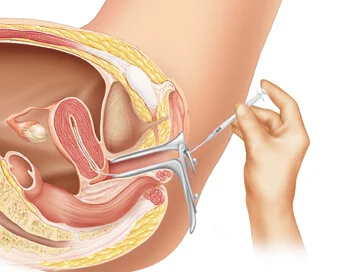
    illustration of intrauterine insemination procedure with a hand holding a speculum and syringe near the uterus

    The Risks and Side Effects of Hormone Injections for Fertility

    Side Effects of Hormone Injections

    1. Headaches and Hot Flashes

    Headaches and hot flashes are common side effects of hormone injections for fertility. These are caused by the hormonal changes in the body and can be managed with over-the-counter pain relievers and staying hydrated.

    2. Nausea and Vomiting

    Some individuals may experience nausea and vomiting as a side effect of hormone injections. This can be managed by eating small, frequent meals and staying hydrated. If the nausea is severe, it is important to contact your doctor.

    3. Injection Site Reactions

    Since hormone injections are given through a needle, some individuals may experience pain, redness, or swelling at the injection site. These reactions are usually mild and go away within a few days.

    4. Breast Tenderness

    Hormone injections can also cause breast tenderness in both men and women. This is due to the changes in hormone levels and should subside once treatment is completed.

    5. Fatigue

    Feeling tired and fatigued is another common side effect of hormone injections. This can be managed by getting enough rest and staying hydrated.

    In conclusion, hormone injections for fertility can be an effective treatment for couples struggling to conceive. However, it is important to be aware of the potential risks and side effects associated with this form of treatment. It is crucial to closely monitor hormone levels and communicate with your doctor throughout the process to minimize any potential complications. With proper care and monitoring, hormone injections can help couples achieve their dream of starting a family.

    Summary:

    Hormone injections for fertility are a common form of treatment for couples struggling to conceive. However, they come with potential risks and side effects that should not be overlooked. These include ovarian hyperstimulation syndrome, multiple pregnancies, ectopic pregnancy, allergic reactions, and mood swings. Common side effects include headaches, hot flashes, nausea, injection site reactions, breast tenderness, and fatigue. It is important to closely monitor hormone levels and communicate with your doctor to minimize any potential complications.

  • The Truth About Hormone Injections and Their Impact on Fertility

    Blog Post:

    Hormone injections have become a common treatment for various health conditions, including fertility issues. However, there is a lot of misinformation surrounding these injections and their impact on fertility. In this blog post, we will delve into the truth about hormone injections and their effects on fertility.

    First, let’s understand what hormone injections are and why they are used. Hormone injections are synthetic versions of natural hormones that are injected into the body to regulate or replace hormones that are not functioning properly. They are commonly used to treat conditions such as menopause, endometriosis, and fertility issues.

    When it comes to fertility, hormone injections are often prescribed to help stimulate ovulation in women who are struggling to conceive. These injections contain hormones such as follicle-stimulating hormone (FSH) and luteinizing hormone (LH) which help the ovaries produce and release mature eggs. This can increase the chances of conception for women who have irregular or absent ovulation.

    But what are the potential side effects of these hormone injections on fertility? Many people believe that hormone injections can cause permanent damage to the reproductive system, making it difficult to conceive in the future. However, this is not entirely true.

    Studies have shown that hormone injections do not cause long-term damage to fertility. In fact, they can even improve fertility in some cases. For example, in women with polycystic ovary syndrome (PCOS), hormone injections can help regulate ovulation and improve fertility. In these cases, the injections are actually beneficial for fertility.

    However, it is important to note that hormone injections can have temporary side effects that may affect fertility. These include bloating, breast tenderness, and mood swings. In rare cases, ovarian hyperstimulation syndrome (OHSS) can occur, which can lead to enlarged ovaries and fluid buildup in the abdomen. This can affect fertility temporarily, but it usually resolves on its own within a few weeks.

    Illustration of the IUI process, showing a syringe and catheter in the reproductive system.

    The Truth About Hormone Injections and Their Impact on Fertility

    Another concern regarding hormone injections and fertility is the increased risk of multiple pregnancies. As these injections stimulate the ovaries to produce multiple eggs, there is a higher chance of conceiving twins or even triplets. While this may seem like a desirable outcome for some, it can also increase the risk of complications during pregnancy and delivery.

    So, are there any alternatives to hormone injections for fertility treatment? Yes, there are other options such as oral medications and natural treatments. However, these may not be as effective for certain fertility issues. It is important to consult with a fertility specialist to determine the best treatment plan for your specific situation.

    In addition to fertility issues, hormone injections have also been used for gender transitioning. This involves injecting hormones of the opposite sex to align the body with the individual’s gender identity. However, this can also have an impact on fertility. For transgender men, hormone injections can lead to a decrease in fertility, while for transgender women, they can cause a temporary increase in fertility.

    It’s also worth mentioning that hormone injections should only be used under the supervision of a qualified healthcare provider. They can cause serious complications if not administered correctly or in the wrong doses. It is important to follow the recommended dosage and schedule provided by your doctor.

    In conclusion, hormone injections can be a useful tool for treating fertility issues, but they should not be feared as a permanent threat to fertility. While they may have temporary side effects and an increased risk of multiple pregnancies, they do not cause permanent damage to fertility. It is important to discuss any concerns or questions with a fertility specialist before starting hormone injections. With proper medical guidance, hormone injections can be a safe and effective treatment for fertility issues.

    Summary:

    Hormone injections are synthetic versions of natural hormones that are used to regulate or replace hormones that are not functioning properly in the body. They are commonly used to treat fertility issues by stimulating ovulation. While there are temporary side effects and an increased risk of multiple pregnancies, hormone injections do not cause permanent damage to fertility. They can even improve fertility in some cases. It is important to consult with a fertility specialist before starting hormone injections and to follow the recommended dosage and schedule.