Tag: fertility treatment

  • Fertility Clinic Success Rates: What You Need to Know

    Fertility Clinic Success Rates: What You Need to Know

    For couples struggling with fertility issues, seeking treatment at a fertility clinic can be a daunting and overwhelming process. From choosing the right clinic to navigating the various treatment options, there are many important factors to consider. One of the most important considerations is the success rate of the fertility clinic. In this blog post, we will explore what fertility clinic success rates are, how they are calculated, and what you need to know when evaluating them.

    What are Fertility Clinic Success Rates?

    Fertility clinic success rates refer to the percentage of live births resulting from assisted reproductive technology (ART) procedures such as in vitro fertilization (IVF). These rates are typically reported by clinics to the Centers for Disease Control and Prevention (CDC) and the Society for Assisted Reproductive Technology (SART), and are then made publicly available. It is important to note that these statistics only reflect the success rates of ART procedures and do not include other fertility treatments such as medication or surgery.

    How Are Fertility Clinic Success Rates Calculated?

    Fertility clinic success rates are calculated by dividing the number of live births by the number of ART cycles performed at the clinic. The success rate is typically reported as a percentage for each age group of women undergoing ART procedures. For example, a clinic may have a success rate of 40% for women under 35 and 30% for women between 35-37. It is important to note that these rates may vary based on a number of factors, including the age and health of the woman, the type of ART procedure used, and the quality of the clinic.

    What You Need to Know When Evaluating Fertility Clinic Success Rates

    1. Understand the Terminology

    When looking at fertility clinic success rates, it is important to understand the terminology used. The two most commonly used terms are “pregnancy rate” and “live birth rate”. Pregnancy rate refers to the percentage of ART cycles that result in a positive pregnancy test, while live birth rate refers to the percentage of ART cycles that result in a live birth. It is important to pay attention to these distinctions when evaluating success rates, as a high pregnancy rate does not necessarily equate to a high live birth rate.

    2. Consider the Age of the Woman
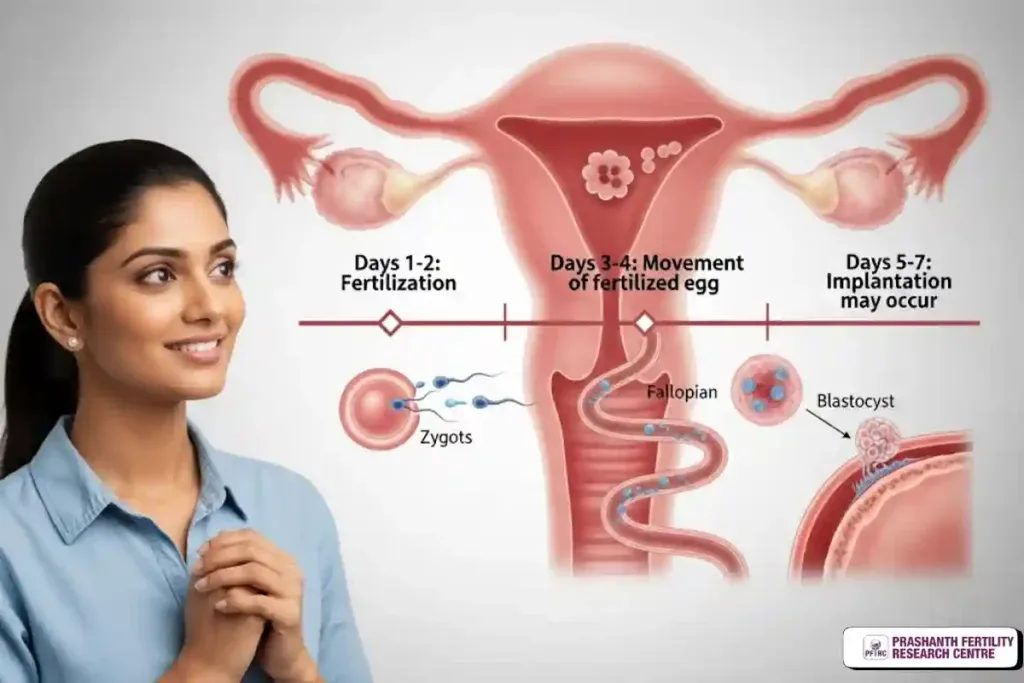
    Illustration showing fertilization and implantation timeline with a woman looking hopeful.

    Fertility Clinic Success Rates: What You Need to Know

    Age plays a significant role in fertility and can greatly impact success rates. As women age, their fertility declines, and the chances of conceiving through ART procedures decrease as well. It is important to consider the age of the woman when evaluating fertility clinic success rates, as clinics with higher success rates for older women may be more experienced and have better techniques for treating age-related fertility issues.

    3. Look at the Overall Success Rates

    While it may be tempting to focus on the success rates for a specific age group, it is important to also look at the overall success rates of the clinic. A clinic with a high success rate for women over 40 may have a lower overall success rate, which could indicate that they specialize in treating older women but may not be as successful with younger patients.

    4. Consider the Type of ART Procedure Used

    Different clinics may specialize in different types of ART procedures, and this can impact their success rates. For example, a clinic that primarily offers IVF may have higher success rates for IVF procedures compared to clinics that offer a variety of ART procedures. It is important to consider the type of procedure you are considering and the success rates of the clinic for that specific procedure.

    5. Take Into Account Other Factors

    While fertility clinic success rates are an important factor to consider, they should not be the only factor. It is important to also consider the experience and qualifications of the doctors and staff, the quality of the clinic’s laboratory, and the overall reputation of the clinic. It is also recommended to speak with former patients of the clinic to get a better understanding of their experience and success rates.

    In Summary

    Fertility clinic success rates are an important factor to consider when choosing a fertility clinic. They are calculated by dividing the number of live births by the number of ART cycles performed at the clinic and are typically reported by age group. However, it is important to understand the terminology used and consider other factors such as the age of the woman, the type of ART procedure used, and the overall success rates of the clinic. It is also recommended to speak with former patients and do thorough research before making a decision.

    In conclusion, fertility clinic success rates can play a significant role in the decision-making process for couples seeking fertility treatment. By understanding how these rates are calculated and considering other important factors, couples can make an informed decision when choosing a fertility clinic that is right for them.

  • The Pros and Cons of Fertility Clinics vs DIY Treatments

    Blog Post:

    In recent years, there has been a significant increase in the number of couples and individuals turning to fertility treatments to help them conceive. However, with this rise in demand, there has also been an increase in options available for fertility treatments. Two popular options are fertility clinics, where treatments are carried out by medical professionals, and DIY treatments, where individuals attempt to treat themselves at home. Both options have their own set of pros and cons, and it’s essential to weigh them carefully before making a decision. In this blog post, we will discuss the pros and cons of fertility clinics vs DIY treatments to help you make an informed choice.

    Pros of Fertility Clinics:

    1. Expertise and Professionalism:

    One of the most significant advantages of fertility clinics is that they are run by trained and experienced medical professionals. These experts have the knowledge and skills to diagnose and treat various fertility issues effectively. They also have access to advanced technology and equipment, which can provide more accurate and successful treatment outcomes compared to DIY methods.

    2. Personalized Treatment Plans:

    Fertility clinics offer personalized treatment plans based on each individual’s unique needs and medical history. This personalized approach can increase the chances of success as the treatment is tailored specifically to address a person’s specific fertility issues.

    3. Emotional Support:

    Going through fertility treatments can be emotionally challenging for individuals and couples. Fertility clinics often have specialized counselors and support groups to help patients cope with the stress and emotional turmoil that comes with infertility. This emotional support can make a significant difference in the overall experience of fertility treatments.

    4. Higher Success Rates:

    Fertility clinics have a higher success rate compared to DIY treatments. These clinics have a team of medical professionals working together to monitor and adjust the treatment plan as needed, increasing the chances of a successful pregnancy. They also have access to the latest technology and procedures, which can significantly improve the success rates of fertility treatments.

    5. Safety and Risk Management:

    Fertility clinics are subject to strict regulations and safety standards, ensuring that all procedures and treatments are carried out safely and effectively. This can provide peace of mind for individuals who may be concerned about the safety of DIY treatments.

    Cons of Fertility Clinics:

    1. Expensive:

    Fertility treatments can be costly, and fertility clinics are no exception. The cost of treatments can vary depending on the type of procedure, medication, and other factors, and it can add up quickly. For many individuals and couples, the high cost of fertility clinics can be a significant barrier to seeking treatment.

    2. Time-Consuming:

    Fertility treatments can be a time-consuming process, requiring frequent appointments and multiple procedures. This can be challenging for those with busy schedules or those who live far from the clinic, making it difficult to balance work and other commitments.

    3. Emotional Strain:

    While fertility clinics offer emotional support, going through treatments can still be emotionally draining for individuals and couples. The constant ups and downs of the process, along with the pressure of trying to conceive, can take a toll on one’s mental and emotional well-being.

    diagram illustrating intrauterine insemination (IUI) procedure with uterus, sperm, and catheter labeled

    The Pros and Cons of Fertility Clinics vs DIY Treatments

    Pros of DIY Treatments:

    1. Cost-Effective:

    One of the most significant advantages of DIY treatments is that they are generally more affordable compared to fertility clinics. These treatments can often be done at home, reducing the cost of doctor’s visits and procedures. This makes it a more accessible option for those who may not have the financial means to seek treatment at a fertility clinic.

    2. Privacy and Comfort:

    DIY treatments can be done in the privacy and comfort of one’s home, which can be appealing to many individuals and couples. It eliminates the need to discuss personal and intimate details with medical professionals, which can be uncomfortable for some people.

    3. Flexibility:

    Unlike fertility clinics, DIY treatments offer more flexibility in terms of scheduling and timing. This can be beneficial for individuals with busy schedules or those who live far from a fertility clinic.

    4. Empowerment and Control:

    Some individuals may feel empowered and in control of their fertility journey by taking a more hands-on approach with DIY treatments. This can be especially true for those who have been through multiple failed fertility treatments at a clinic and want to be more involved in the process.

    Cons of DIY Treatments:

    1. Lack of Expertise and Supervision:

    One of the most significant risks of DIY treatments is the lack of medical expertise and supervision. Without proper training and experience, individuals may not be able to diagnose and treat underlying fertility issues effectively. This can lead to ineffective or even harmful treatments.

    2. Low Success Rates:

    DIY treatments have a lower success rate compared to fertility clinics. Without the guidance of medical professionals and access to advanced technology, the chances of a successful pregnancy may be reduced.

    3. Potential Health Risks:

    Some DIY treatments may involve the use of medications or procedures that could pose potential health risks if not used correctly. Without medical supervision, individuals may not be aware of potential side effects or complications and can put their health at risk.

    4. Emotional Toll:

    Going through DIY treatments can be emotionally taxing, especially if the treatments are not successful. The constant disappointment and uncertainty can take a toll on one’s mental and emotional well-being.

    In conclusion, both fertility clinics and DIY treatments have their own set of advantages and disadvantages. Fertility clinics offer expertise, personalized treatment plans, emotional support, and higher success rates but can be expensive, time-consuming, and emotionally draining. DIY treatments are more affordable, offer privacy and flexibility, and can provide a sense of control, but lack medical expertise and supervision, have lower success rates, and can pose potential health risks. It’s essential to carefully consider these factors and consult with a medical professional before deciding on the best path for your fertility journey.

    Summary:

    Fertility treatments have become increasingly popular, and individuals have the option to seek treatment at a fertility clinic or attempt DIY treatments at home. Fertility clinics offer expertise, personalized treatment plans, emotional support, and higher success rates but can be expensive, time-consuming, and emotionally draining. On the other hand, DIY treatments are more affordable, offer privacy and flexibility, and can provide a sense of control, but lack medical expertise and supervision, have lower success rates, and can pose potential health risks. It’s crucial to weigh the pros and cons carefully before deciding on the best option for your fertility journey.

  • From Doubt to Joy: Overcoming the Fear of Infertility with Artificial Insemination and IVF

    From Doubt to Joy: Overcoming the Fear of Infertility with Artificial Insemination and IVF

    Infertility is a difficult and often heartbreaking experience for many couples. The inability to conceive naturally can lead to feelings of doubt, shame, and sadness. However, with the advancements in modern medicine, there are now various options available for couples struggling with infertility, including artificial insemination and in vitro fertilization (IVF). While these procedures may seem daunting and overwhelming at first, they offer hope and the possibility of starting a family for many couples. In this blog post, we will explore the journey from doubt to joy for couples who have overcome the fear of infertility with artificial insemination and IVF.

    Understanding Infertility

    Infertility is a medical condition that affects approximately 1 in 8 couples. It is defined as the inability to conceive after one year of trying for couples under the age of 35, and after six months for couples over 35. Infertility can be caused by a variety of factors, including hormonal imbalances, structural issues, or reproductive health problems. It can also be due to male factors such as low sperm count or motility.

    The Emotional Toll of Infertility

    The journey towards parenthood can often be a rollercoaster of emotions for couples dealing with infertility. For many, the initial shock and disappointment of not being able to conceive naturally can quickly turn into feelings of doubt and shame. Couples may start to question their own bodies, their relationships, and even their self-worth. The constant cycle of hope and disappointment can also take a toll on mental health, leading to anxiety, depression, and stress.

    Overcoming the Fear of Infertility with Artificial Insemination

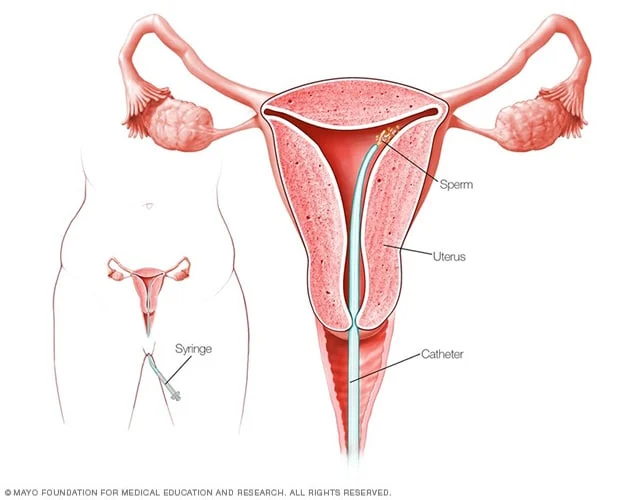
    Artificial insemination, also known as intrauterine insemination (IUI), is a relatively non-invasive fertility treatment that involves placing sperm directly into the woman’s uterus during ovulation. This procedure can be performed with the partner’s sperm or with donor sperm. It is often the first line of treatment for couples dealing with unexplained infertility or mild male factor infertility.

    One of the biggest advantages of artificial insemination is that it can be done without the need for fertility drugs, making it a more affordable option for many couples. It also has a high success rate, with up to 20% of couples achieving pregnancy after just one cycle. However, it is essential to note that the success rate may vary depending on the cause of infertility and the age of the woman.

    The Process of Artificial Insemination

    The process of artificial insemination starts with ovulation monitoring to determine the best time for insemination. On the day of insemination, the sperm is collected, washed, and prepared in the lab. The doctor then uses a thin catheter to place the sperm directly into the uterus. The entire process takes only a few minutes and is relatively painless.

    Illustration of a uterus with a syringe indicating an intrauterine insemination procedure.

    From Doubt to Joy: Overcoming the Fear of Infertility with Artificial Insemination and IVF

    While artificial insemination may seem like a simple procedure, it still requires patience and emotional support from both partners. It is crucial to have open communication and support each other throughout the process.

    The Journey from Doubt to Joy with IVF

    In vitro fertilization (IVF) is a more complex fertility treatment that involves fertilizing the egg outside the body and transferring the embryo(s) back into the uterus. IVF is often recommended for couples with more severe infertility issues, such as blocked fallopian tubes, endometriosis, or male factor infertility.

    The IVF process involves several steps, including ovarian stimulation with fertility drugs, egg retrieval, fertilization in the lab, and embryo transfer. It can be physically and emotionally demanding for both partners, but the end goal of starting a family often outweighs the challenges.

    Overcoming the Fear of IVF

    The fear and doubts surrounding IVF can be overwhelming for couples considering this option. The high cost, potential side effects of fertility drugs, and the fear of failure can all contribute to this fear. However, it is essential to remember that every couple’s journey is unique, and there is no one-size-fits-all approach to IVF. Many couples have successfully overcome their fear and have had successful pregnancies with IVF.

    Finding Support During the Process

    The journey from doubt to joy can be a challenging one, and it is crucial to have a strong support system in place. This can include family and friends who understand and offer emotional support, as well as seeking professional help from therapists or support groups. It is also essential to take care of one’s physical and mental health throughout the process.

    The Joy of Starting a Family

    For many couples, the ultimate goal of overcoming infertility is to start a family. With artificial insemination and IVF, this dream can become a reality. While the journey may have its ups and downs, the joy and fulfillment of becoming parents make it all worth it.

    In conclusion, infertility can be a challenging and emotional journey for many couples. However, with the advancements in reproductive technology, there is hope for couples who want to start a family. Whether it is through artificial insemination or IVF, the journey from doubt to joy is possible, and the end result of starting a family makes it all worth it.

  • The Cost Comparison: Artificial Insemination vs IVF

    Blog Post Title: The Cost Comparison: Artificial Insemination vs IVF

    When it comes to starting a family, there are many options available for couples who are struggling to conceive naturally. Two popular methods that have gained attention in recent years are artificial insemination and in-vitro fertilization (IVF). While both procedures have been successful in helping couples become parents, they differ significantly in terms of cost. In this blog post, we will dive into the cost comparison between artificial insemination and IVF, and discuss the factors that contribute to the price difference.

    Artificial insemination, also known as intrauterine insemination (IUI), is a fertility treatment where sperm is inserted directly into a woman’s uterus during ovulation. This method is often recommended for couples who have trouble conceiving due to issues such as low sperm count or cervical mucus problems. The average cost of artificial insemination in the United States ranges from $300 to $900 per cycle. This price includes the cost of sperm washing, which is a process where the sperm is separated from the semen and prepared for insertion. However, this cost can vary depending on the location and specific clinic fees.

    On the other hand, IVF is a more complex and expensive procedure. It involves retrieving eggs from the woman’s ovaries and fertilizing them with sperm in a laboratory. The resulting embryo is then transferred into the woman’s uterus. The average cost of one IVF cycle in the United States is around $12,000 to $15,000. This price includes the cost of medications, monitoring, and the actual procedure. However, additional costs such as genetic testing, freezing of embryos, and additional cycles can increase the overall cost significantly.

    So why is there such a significant difference in cost between artificial insemination and IVF? The main factor is the level of medical intervention required. Artificial insemination is a relatively simple and less invasive procedure, which does not require as much monitoring and medication as IVF. This results in lower costs for the procedure itself. IVF, on the other hand, involves multiple steps and higher levels of medical intervention, making it more expensive.

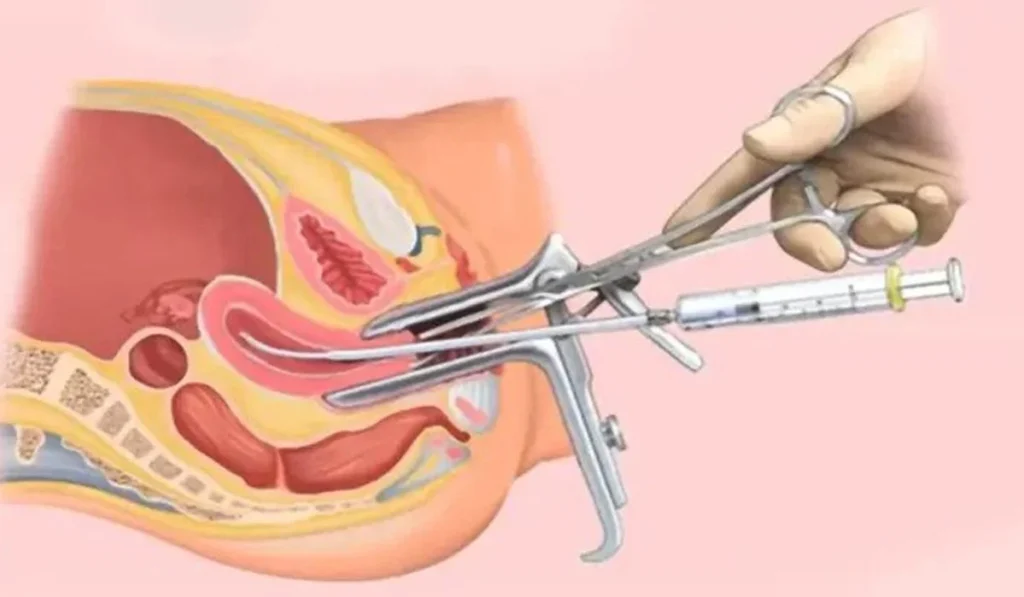
    illustration of an intrauterine insemination procedure with medical instruments and anatomical details

    The Cost Comparison: Artificial Insemination vs IVF

    Another factor that contributes to the cost difference is the success rates of each procedure. The success rate of artificial insemination is around 10-20%, while IVF has a success rate of 30-40%. This means that couples may need to undergo multiple cycles of artificial insemination to achieve a successful pregnancy, which can add up in terms of cost. In contrast, IVF has a higher success rate, making it a more cost-effective option in the long run.

    It is also worth noting that the cost of both procedures can vary depending on individual circumstances. For example, if a couple needs to use donor sperm or if there are any underlying medical conditions that require additional testing or treatment, the cost can increase significantly. It is essential to consult with a fertility specialist and discuss all possible costs before undergoing any fertility treatment.

    In some cases, couples may also opt for a combination of both procedures. This is known as IVF with donor sperm, where IVF is used to fertilize the eggs with donor sperm and then the resulting embryo is transferred into the woman’s uterus. This combination can be more expensive than traditional IVF, but it may be the only option for some couples.

    In conclusion, the cost comparison between artificial insemination and IVF shows a significant difference due to the level of medical intervention and success rates. While artificial insemination may seem like a more affordable option, couples should consider the long-term costs and success rates before making a decision. It is crucial to consult with a fertility specialist and discuss all possible costs and options before embarking on any fertility treatment journey.

    Summary:

    Starting a family can be a challenging journey, and for couples struggling to conceive naturally, artificial insemination and IVF are two popular options. While both procedures have been successful in helping couples become parents, they differ significantly in terms of cost. Artificial insemination is a less invasive and more affordable option, with an average cost of $300 to $900 per cycle, while IVF is a more complex and expensive procedure, with an average cost of $12,000 to $15,000 per cycle. Factors such as the level of medical intervention required and the success rates of each procedure contribute to the cost difference. It is essential to consult with a fertility specialist and discuss all possible costs and options before undergoing any fertility treatment.

  • Exploring the Options: Artificial Insemination vs IVF for Fertility Treatment

    Exploring the Options: Artificial Insemination vs IVF for Fertility Treatment

    Infertility is a common issue that affects many couples around the world. According to the World Health Organization, one in every four couples in developing countries is affected by infertility. With advancements in medical technology, there are now various options available for couples who are struggling to conceive. Two of the most popular options are artificial insemination and in vitro fertilization (IVF). In this blog post, we will explore the differences between the two and help you make an informed decision when it comes to choosing the right fertility treatment for you.

    What is Artificial Insemination?

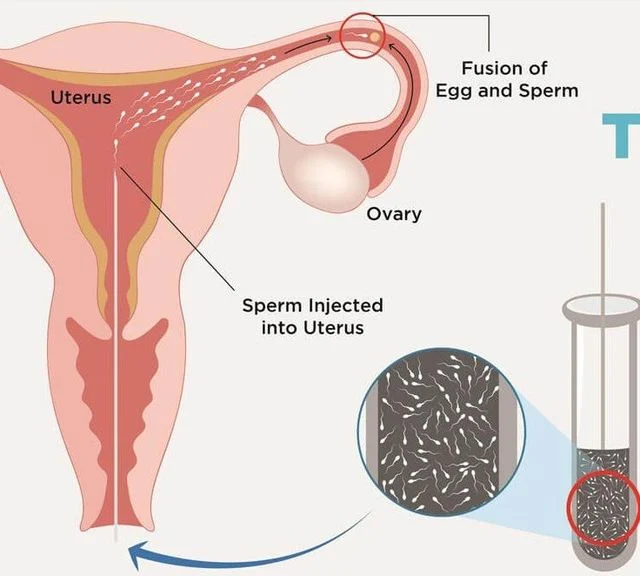
    Artificial insemination, also known as intrauterine insemination (IUI), is a fertility treatment where sperm is inserted directly into a woman’s uterus to increase the chances of fertilization. This procedure is usually recommended for couples who have been trying to conceive for at least a year with no success, or for those who have specific fertility issues such as low sperm count or cervical mucus problems.

    The process of artificial insemination involves collecting sperm from the male partner or a sperm donor, then washing and preparing it in a laboratory. The prepared sperm is then inserted into the woman’s uterus using a thin, flexible catheter. This procedure is relatively quick and painless, and can be done in a doctor’s office without the need for anesthesia.

    What is IVF?

    In vitro fertilization (IVF) is a more complex and costly fertility treatment compared to artificial insemination. It involves the retrieval of a woman’s eggs and the fertilization of those eggs with sperm in a laboratory dish. The fertilized eggs, known as embryos, are then transferred into the woman’s uterus in the hopes of a successful pregnancy. IVF is usually recommended for couples who have been diagnosed with fertility issues such as blocked fallopian tubes, endometriosis, or male factor infertility.

    The process of IVF starts with fertility medications to stimulate the ovaries to produce multiple eggs. Once the eggs are mature, they are retrieved from the woman’s ovaries using a needle under ultrasound guidance. The retrieved eggs are then fertilized with sperm in a laboratory dish. The resulting embryos are monitored for a few days before being transferred into the woman’s uterus. Any extra embryos can be frozen for future use.

    Key Differences between Artificial Insemination and IVF

    1. Success Rates

    When it comes to success rates, IVF has a higher success rate compared to artificial insemination. According to the Centers for Disease Control and Prevention, the success rate for IVF in women under 35 is around 40%, while the success rate for artificial insemination is around 10-20%. However, success rates can vary depending on the cause of infertility, the age of the woman, and other factors.

    Diagram illustrating the IUI process, showing sperm injection into the uterus and egg fertilization.

    Exploring the Options: Artificial Insemination vs IVF for Fertility Treatment

    2. Cost

    Artificial insemination is a more affordable option compared to IVF. The cost of artificial insemination can range from $300 to $1000 per cycle, while the cost of IVF can range from $10,000 to $15,000 per cycle. Additional costs such as fertility medications, diagnostic tests, and embryo freezing can also add to the total cost of IVF.

    3. Invasiveness

    Artificial insemination is a less invasive procedure compared to IVF. The process of artificial insemination does not require any surgical procedures, while IVF involves the retrieval of eggs and the transfer of embryos into the uterus. This makes IVF a more physically demanding and stressful process for some women.

    4. Number of Eggs Retrieved

    In artificial insemination, only a minimal amount of sperm is needed, and only one or two eggs may be fertilized. In IVF, multiple eggs are retrieved and fertilized, and multiple embryos may be transferred into the uterus. This increases the chances of a successful pregnancy, but it also increases the chances of multiple pregnancies.

    Which Option is Right for You?

    Choosing the right fertility treatment can be a difficult decision, and it ultimately depends on your individual circumstances and preferences. Some factors to consider when deciding between artificial insemination and IVF include the cause of infertility, the age of the woman, the success rates and cost of each procedure, and the level of invasiveness.

    If you and your partner have unexplained infertility or mild fertility issues, artificial insemination may be a good option to start with. It is less invasive, less costly, and has a lower success rate compared to IVF. However, if you have more complex fertility issues or have been diagnosed with conditions such as endometriosis or blocked fallopian tubes, IVF may be a better option. It has a higher success rate, but it is also more expensive and invasive.

    In conclusion, both artificial insemination and IVF are viable options for couples struggling with infertility. It is important to consult with a fertility specialist to determine the best option for you and your partner.

    Summary:

    Infertility is a common issue that affects many couples, and there are now various options available for those struggling to conceive. Two of the most popular options are artificial insemination (IUI) and in vitro fertilization (IVF). Artificial insemination involves inserting sperm directly into a woman’s uterus, while IVF involves retrieving eggs, fertilizing them with sperm, and transferring the resulting embryos into the uterus. IVF has a higher success rate, but it is also more expensive and invasive compared to artificial insemination. The choice between the two options depends on individual circumstances and preferences. It is important to consult with a fertility specialist to determine the best option for you.

  • A Comprehensive Guide to Choosing Between Artificial Insemination and IVF

    Blog Post Title: A Comprehensive Guide to Choosing Between Artificial Insemination and IVF

    Summary:

    When it comes to starting a family, many couples may face challenges in conceiving naturally. This is where assisted reproductive techniques such as artificial insemination and in vitro fertilization (IVF) come into play. Both of these methods have been successful in helping couples achieve their dream of having a child, but it’s important to understand the differences between the two and which one may be the best option for you.

    In this comprehensive guide, we will delve into the details of artificial insemination and IVF, including how they work, their success rates, pros and cons, and factors to consider when choosing between the two.

    What is Artificial Insemination?

    Artificial insemination (AI) is a fertility treatment that involves placing sperm directly into a woman’s reproductive tract. This can be done using either intrauterine insemination (IUI) or intracervical insemination (ICI). In IUI, sperm is placed directly into the uterus, while in ICI, sperm is placed near the cervix. Both methods are minimally invasive and do not require anesthesia.

    How Does Artificial Insemination Work?

    Before the procedure, the sperm is washed and prepared to increase its chances of fertilizing an egg. The insemination is usually timed to coincide with ovulation to increase the chances of conception. The sperm is then inserted into the woman’s reproductive tract using a thin catheter. The procedure is usually quick and painless, with little to no downtime.

    Success Rates of Artificial Insemination

    The success rates of artificial insemination depend on several factors, such as the age of the woman, the quality of the sperm, and the cause of infertility. On average, the success rate for IUI is around 10-20%, while ICI has a slightly lower success rate of 5-10%. However, these rates can vary greatly depending on individual circumstances.

    Pros and Cons of Artificial Insemination

    One of the main advantages of artificial insemination is that it is a less invasive and more affordable option compared to other fertility treatments like IVF. It also allows for the use of donor sperm, making it an option for single women and same-sex couples.

    However, artificial insemination may not be as effective as other fertility treatments, and it may not be suitable for those with certain fertility issues such as blocked fallopian tubes or severe male factor infertility.

    success rate of IUI in India with a graphic of a uterus and syringe alongside a rising graph

    A Comprehensive Guide to Choosing Between Artificial Insemination and IVF

    What is IVF?

    In vitro fertilization (IVF) is a more complex and invasive fertility treatment that involves fertilizing an egg outside of the body and then transferring it into the woman’s uterus for implantation. It is the most commonly used fertility treatment and has helped many couples overcome infertility.

    How Does IVF Work?

    The IVF process begins with ovarian stimulation, where fertility medication is used to stimulate the ovaries to produce multiple eggs. The eggs are then retrieved and fertilized in a laboratory with sperm from the male partner or a donor. The resulting embryos are monitored for a few days before being transferred into the woman’s uterus. Any extra embryos can be frozen for future use.

    Success Rates of IVF

    The success rates of IVF can vary greatly, depending on factors such as the woman’s age, cause of infertility, and the number of embryos transferred. On average, the success rate for IVF is around 30%, with higher success rates for younger women.

    Pros and Cons of IVF

    IVF has a higher success rate compared to artificial insemination, making it a suitable option for those with more severe fertility issues. It also allows for genetic testing of embryos and the possibility of using donor eggs or sperm.

    However, IVF is a more invasive and costly procedure, with higher risks of multiple pregnancies and potential physical and emotional side effects.

    Factors to Consider When Choosing Between Artificial Insemination and IVF

    Choosing between artificial insemination and IVF can be a difficult decision. It’s important to consider factors such as the cause of infertility, the age of the woman, and the couple’s preferences. For those with mild fertility issues and a limited budget, artificial insemination may be the best option. On the other hand, those with more severe infertility issues or who have been trying to conceive for a longer period may benefit more from IVF.

    It’s also important to discuss with your doctor and fertility specialist to determine the best course of action for your individual situation.

    In conclusion, both artificial insemination and IVF are effective fertility treatments that have helped many couples start a family. By understanding the differences between the two, their success rates, and considering individual circumstances, you can make an informed decision on which option is best for you.