Tag: support

  • Male and Female Infertility Treatments: A Journey of Hope and Resilience

    Male and Female Infertility Treatments: A Journey of Hope and Resilience

    Infertility is a common medical condition that affects many couples around the world. According to the World Health Organization (WHO), approximately 15% of couples experience infertility at some point in their reproductive lives. While infertility can affect both men and women, it is often a journey filled with emotional and physical challenges for couples trying to conceive. In this blog post, we will explore the various treatments available for male and female infertility, and the emotional rollercoaster that couples go through on their journey towards building a family.

    Understanding Infertility

    Before delving into the treatments, it is important to understand what infertility is. Infertility is defined as the inability to conceive after 12 months of regular, unprotected sexual intercourse. It can also refer to the inability to carry a pregnancy to full term. Infertility can be caused by a variety of factors, including hormonal imbalances, structural issues, genetic disorders, and lifestyle choices. It is important for couples to seek medical help if they are unable to conceive after a year of trying, as early diagnosis and treatment can increase the chances of a successful pregnancy.

    Male Infertility Treatments

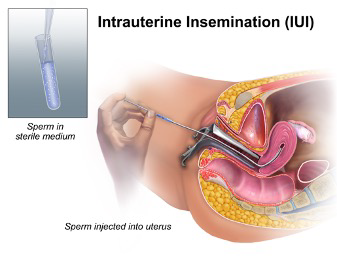
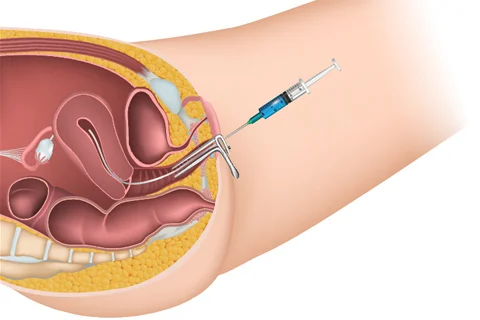
    Male infertility can be caused by a variety of factors, including low sperm count, abnormal sperm shape or movement, and hormonal imbalances. The most common treatment for male infertility is assisted reproductive technology (ART). This includes procedures such as intrauterine insemination (IUI) and in vitro fertilization (IVF). These techniques involve retrieving sperm from the male partner and placing it directly into the female partner’s uterus or combining it with the female partner’s eggs in a laboratory setting. ART has been successful in helping many couples overcome male infertility and conceive a child.

    Another treatment option for male infertility is surgery. This may be recommended for men with structural issues, such as varicoceles (enlarged veins in the scrotum) or blockages in the reproductive tract. Surgery can help correct these issues and improve the chances of a successful pregnancy. However, it is important for couples to understand that surgery may not always be effective in treating male infertility and may also carry some risks.

    In addition to medical treatments, lifestyle changes can also help improve male fertility. This includes maintaining a healthy weight, reducing alcohol and tobacco consumption, and avoiding exposure to environmental toxins. Male infertility can also be caused by underlying health conditions such as diabetes or high blood pressure, so it is important for men to take care of their overall health and seek medical treatment if necessary.

    Female Infertility Treatments

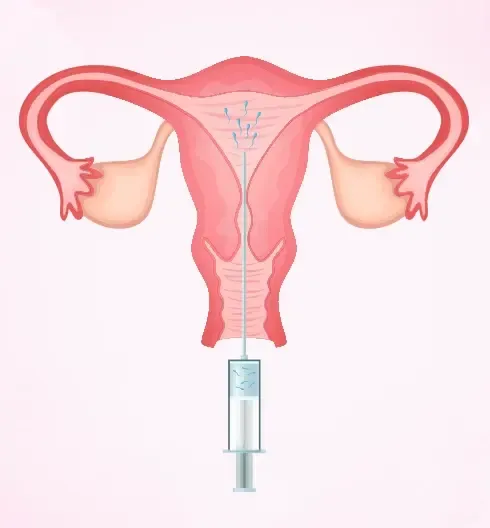
    illustration of a uterus with a syringe, representing intrauterine insemination procedure

    Male and Female Infertility Treatments: A Journey of Hope and Resilience

    Female infertility can be caused by a variety of factors, including hormonal imbalances, structural issues, and conditions such as endometriosis or polycystic ovary syndrome (PCOS). The most common treatment for female infertility is also ART, which includes procedures such as IVF and IUI. In some cases, hormonal medications may also be prescribed to help regulate a woman’s menstrual cycle and increase the chances of ovulation and pregnancy.

    Surgery may also be recommended for women with structural issues, such as uterine fibroids or blocked fallopian tubes. These procedures can help correct these issues and improve the chances of a successful pregnancy. However, as with male infertility, surgery may not always be effective and may carry some risks.

    In some cases, lifestyle changes can also improve female fertility. This includes maintaining a healthy weight, reducing stress, and avoiding excessive alcohol and tobacco consumption. Women with underlying health conditions, such as thyroid disorders or autoimmune diseases, may also need to manage these conditions to improve their chances of conceiving.

    Emotional Toll of Infertility

    Infertility can take a toll on the emotional well-being of couples. The journey towards building a family can be a rollercoaster of hope and disappointment, and it is important for couples to find support from each other and their loved ones. Many couples struggle with feelings of guilt, shame, and inadequacy when faced with infertility. It is important for them to understand that infertility is a medical condition and seeking treatment is not a sign of weakness.

    Couples may also experience strain in their relationship, as they navigate through the ups and downs of infertility treatments. It is important for them to communicate openly and support each other through the process. Seeking counselling or joining support groups can also be helpful in dealing with the emotional challenges of infertility.

    The Journey of Hope and Resilience

    Despite the challenges, many couples are able to overcome infertility and build a family through various treatments. The journey towards parenthood may not always be easy, but it is a testament to the strength and resilience of couples who go through it. The support and love they receive from each other and their loved ones can make all the difference in their journey of hope towards building a family.

    In conclusion, infertility can be a difficult journey for couples, but there are various treatments available for both male and female infertility. It is important for couples to seek medical help and support each other emotionally throughout the process. With the advancements in medical technology and the support of loved ones, there is hope for couples facing infertility to fulfill their dream of becoming parents.
  • Male and Female Infertility Treatments: A Cultural Perspective

    Blog Post Title: Male and Female Infertility Treatments: A Cultural Perspective

    Infertility is a complex and often emotionally challenging issue that affects millions of couples worldwide. In many cultures, the inability to conceive and have a child is seen as a major source of shame and social stigma. As a result, couples facing infertility may feel isolated and misunderstood, adding to the already difficult journey towards parenthood. In this blog post, we will explore the different cultural perspectives on male and female infertility and the various treatments available for couples seeking to overcome this challenge.

    Male Infertility Treatments:

    In many cultures, the burden of infertility is often placed solely on women, with little attention given to male infertility. However, research shows that male infertility is a contributing factor in about 30% of all infertility cases. Cultural beliefs and practices can often hinder men from seeking help or even acknowledging their infertility. In some cultures, male infertility may be seen as a sign of weakness or a failure to fulfill societal expectations of manhood.

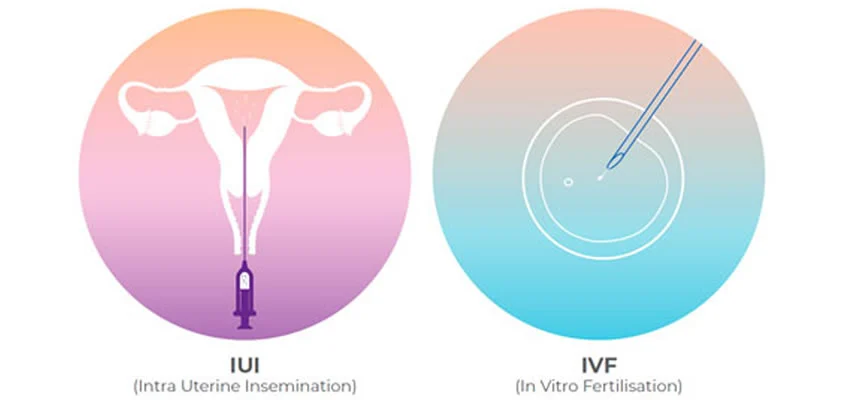
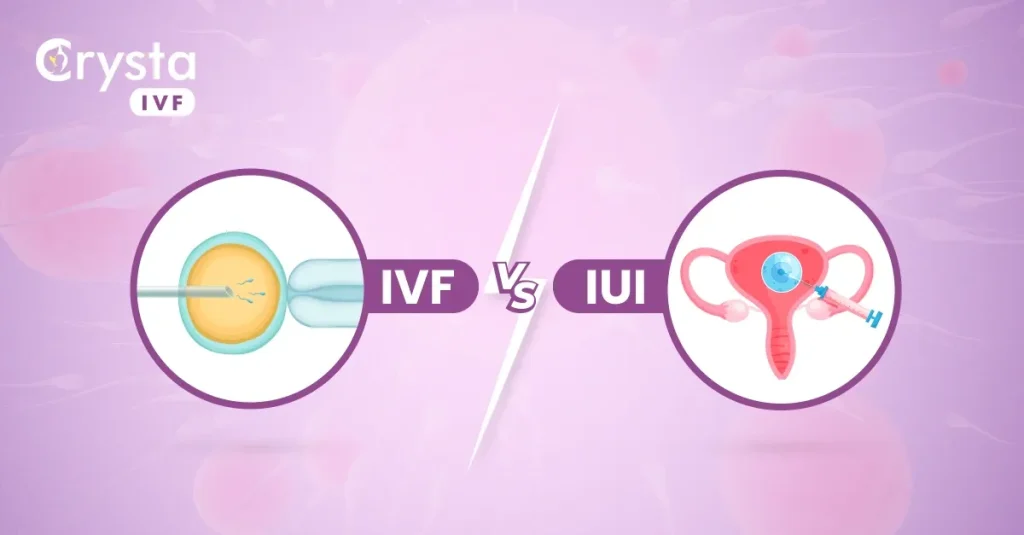
    Fortunately, there are now various treatments available for male infertility, depending on the underlying cause. These treatments include medication, surgery, and assisted reproductive technology (ART). Medications can be prescribed to treat hormonal imbalances or infections that may be causing infertility. Surgery may be recommended to correct any physical abnormalities, such as varicoceles or blockages in the reproductive tract. ART, such as intrauterine insemination (IUI) or in-vitro fertilization (IVF), involves collecting sperm and fertilizing the egg in a laboratory setting before transferring the embryo into the woman’s uterus.

    It is essential to note that some cultural beliefs and practices may also influence the types of treatments that are sought for male infertility. For example, some cultures may prefer traditional or herbal remedies over Western medicine. In such instances, it is crucial to educate and inform couples about the efficacy and safety of various treatments to ensure they make informed decisions.

    Female Infertility Treatments:

    In many cultures, women are often held responsible for infertility, and the pressure to conceive can be overwhelming. Women may face discrimination, blame, and even divorce if they are unable to conceive. This can lead to women feeling guilty, ashamed, and isolated, making it challenging to seek help for their infertility.

    The good news is that advancements in medical technology and treatments have made it possible for many women to overcome infertility. The first step in treating female infertility is identifying the underlying cause, which can be anything from hormonal imbalances, ovulation disorders, or structural issues. Once the cause is determined, various treatments may be recommended, including medication, surgery, and ART.

    comparison of IUI and IVF procedures illustrated with simple graphics and labels

    Male and Female Infertility Treatments: A Cultural Perspective

    Medications can be prescribed to regulate ovulation, stimulate egg production, or treat underlying medical conditions such as endometriosis or polycystic ovary syndrome (PCOS). Surgery may be recommended to correct structural issues such as fibroids or blockages in the fallopian tubes. ART, such as IVF, is also a viable option for women with more severe cases of infertility.

    Cultural Influences on Infertility Treatments:

    Culture plays a significant role in shaping beliefs, attitudes, and practices surrounding infertility and its treatments. In some cultures, infertility may be seen as a curse or a punishment for past sins, leading to a reluctance to seek medical help. In other cultures, traditional beliefs and practices may be favored over modern medical treatments, making it challenging for couples to access the care they need.

    Moreover, cultural norms and values may also influence the types of treatments that are sought for infertility. For example, ART procedures may be frowned upon in cultures where natural conception is highly valued. In such instances, education and awareness about the safety and efficacy of ART may help to alleviate any misconceptions and increase acceptance of these treatments.

    Support for Couples Facing Infertility:

    Infertility can take a significant toll on a couple’s mental and emotional well-being. In many cultures, the pressure to have children can also strain relationships, leading to feelings of resentment and blame. It is crucial for couples facing infertility to have a support system in place to help them cope with the challenges they may face.

    Counseling and support groups can provide a safe space for couples to express their feelings and emotions, receive guidance, and connect with others going through a similar experience. In some cultures, seeking help outside of the family may be perceived as a weakness. Therefore, it is essential to educate and promote the importance of seeking professional support when dealing with infertility.

    In conclusion, infertility affects couples from all cultures and backgrounds, and the journey towards parenthood can be a challenging one. Understanding the cultural perspectives on male and female infertility and the various treatments available can help to break down the barriers and stigma surrounding this issue. It is crucial to provide support, education, and access to treatments to help couples overcome infertility and fulfill their dream of becoming parents.
    Summary:

    Infertility is a complex issue that affects many couples worldwide. In many cultures, it is seen as a source of shame and social stigma, making it difficult for couples to seek help and support. However, advancements in medical technology and treatments have made it possible for couples to overcome infertility. Male infertility treatments include medication, surgery, and assisted reproductive technology (ART), while female infertility treatments include medication, surgery, and ART. Cultural beliefs and practices may influence the types of treatments sought, making it crucial to educate and inform couples about their options. Support through counseling and support groups is also essential for couples facing infertility. Understanding the cultural perspectives on male and female infertility can help to break down the barriers and stigma surrounding this issue, and provide much-needed support and access to treatments for couples.

  • Breaking the News: How to Talk to Your Employer About Infertility Treatments

    Blog Post:

    Breaking the News: How to Talk to Your Employer About Infertility Treatments

    Dealing with infertility can be a difficult and emotional journey for anyone, but when it comes to navigating this issue in the workplace, it can bring up a whole new set of challenges. Many couples who are struggling with infertility turn to various treatments to help them conceive, and this can often involve taking time off work for appointments and procedures. However, breaking the news to your employer about your plans for infertility treatments can be a daunting task. In this blog post, we will discuss some tips and strategies on how to talk to your employer about infertility treatments in a professional and effective manner.

    1. Understand Your Rights

    The first step in talking to your employer about infertility treatments is to educate yourself on your rights as an employee. In the United States, the Family and Medical Leave Act (FMLA) provides certain employees with up to 12 weeks of unpaid, job-protected leave per year for specific medical and family reasons, including infertility treatments. This means that you have the right to take time off work for your appointments and procedures without fear of losing your job. However, it is important to note that not all employees are covered under FMLA, so it is crucial to check with your employer or human resources department to see if you are eligible.

    2. Plan Ahead

    Before you approach your employer about your plans for infertility treatments, it is important to have a plan in place. This includes knowing the details of your treatment schedule, how much time you may need off work, and how you plan to make up for any missed work. By having a clear and organized plan, you can demonstrate your commitment to your job while also prioritizing your health and fertility journey.

    3. Schedule a Private Meeting

    When it comes to discussing personal matters with your employer, it is best to schedule a private meeting. This will give you the opportunity to have an open and honest conversation without any distractions or interruptions. It is important to approach the meeting in a professional and respectful manner, and to be prepared to answer any questions or concerns your employer may have.

    4. Be Honest and Open

    illustration of intrauterine insemination procedure with a syringe and catheter in the uterus.

    Breaking the News: How to Talk to Your Employer About Infertility Treatments

    Being honest and open with your employer about your infertility journey and the treatments you are undergoing can help to alleviate any misunderstandings or miscommunications. It is understandable that this may be a sensitive topic, but by being transparent, your employer can better understand your situation and provide the necessary support and accommodations.

    5. Know Your Company’s Policies

    Every company has different policies and procedures in place, so it is important to familiarize yourself with your company’s policies regarding time off for medical reasons. This can include the process for requesting time off, any necessary documentation or paperwork, and any limitations on the amount of time off allowed. Knowing these policies can help you to navigate the conversation with your employer more effectively.

    6. Consider Your Options

    In some cases, your employer may not be able to provide you with the necessary time off or accommodations for your infertility treatments. If this is the case, it is important to be prepared to explore your options. This may include seeking a part-time or flexible work schedule, using vacation or sick time, or even considering a different job or company with more supportive policies.

    7. Communicate Clearly and Professionally

    When discussing your infertility treatments with your employer, it is important to communicate clearly and professionally. This means being direct and specific about your needs, while also remaining respectful and understanding of your employer’s needs and concerns. It is also important to keep the conversation focused on your treatments and how they may impact your work, rather than delving into personal details.

    8. Seek Support

    Talking to your employer about infertility treatments can be a stressful and emotional experience. It is important to seek support from your partner, friends, and family during this time. You may also want to consider joining a support group or seeking counseling to help you cope with the challenges of infertility and the workplace.

    In summary, discussing your plans for infertility treatments with your employer can be a nerve-wracking and delicate situation. However, by understanding your rights, planning ahead, scheduling a private meeting, being honest and open, knowing your company’s policies, considering your options, communicating clearly and professionally, and seeking support, you can navigate this conversation in a professional and effective manner. Remember, your fertility journey is just as important as your professional life, and it is important to prioritize your health and well-being during this time.

  • The Importance of Mental Health Support During Male and Female Infertility Treatments

    Infertility can be a difficult and emotional journey for both men and women. It is a term that refers to the inability to conceive after one year of trying, or the inability to carry a pregnancy to term. According to the World Health Organization, approximately 1 in 6 couples worldwide experience some form of infertility. While infertility treatments can be physically and emotionally taxing for both men and women, it is important to specifically address the mental health support needed during this time, as it can greatly impact the overall well-being of individuals and their relationships.

    For many couples, the journey of trying to conceive can be long and stressful. The constant disappointment of negative pregnancy tests, the financial burden of treatments, and the pressure from friends and family can take a toll on one’s mental health. This is where mental health support becomes crucial. It is important for both men and women to have a strong support system in place, whether it be from their partner, family, friends, or a professional therapist.

    One of the most common emotions experienced during infertility is grief. Grief over the loss of the dream of having a biological child, grief over the loss of control, and grief over the changes in one’s relationship. This grief can lead to feelings of depression, anxiety, and isolation. It is important for individuals to acknowledge and process these emotions in a healthy way. Seeking therapy can provide a safe and supportive space to talk about these feelings and learn coping mechanisms to navigate through them.

    In addition to grief, infertility can also cause a strain on relationships. The pressure to conceive can lead to feelings of resentment, blame, and guilt between partners. It is crucial for couples to communicate openly and honestly with each other, and seek counseling if needed. A therapist can help couples to work through their emotions, improve communication, and strengthen their relationship during this challenging time.

    Infertility treatments can also take a toll on an individual’s self-esteem and body image. The use of fertility drugs and procedures can cause physical changes, and constant monitoring can make individuals feel like their body is not their own. This can lead to feelings of inadequacy, shame, and guilt. Mental health support can help individuals to cope with these feelings and maintain a positive self-image.

    Comparison of IVF and IUI procedures with illustrations of each method.

    The Importance of Mental Health Support During Male and Female Infertility Treatments

    It is also important to address the gender-specific mental health needs during infertility treatments. For men, the focus is often on their partner’s fertility and they may feel sidelined or powerless in the process. This can cause feelings of inadequacy, guilt, and pressure to perform. It is crucial for men to have a safe space to process these emotions and receive support.

    On the other hand, women may feel a greater emotional burden as they are the ones undergoing the physical procedures and treatments. The constant monitoring and invasive procedures can be overwhelming and may lead to feelings of anxiety and fear. Women also face societal pressure and expectations to conceive, which can add to the emotional burden. Mental health support can provide a space for women to express their fears and concerns, and learn coping mechanisms to manage the stress and anxiety.

    In addition to individual and couples therapy, support groups can also be beneficial for those going through infertility treatments. These groups provide a sense of community and understanding, as individuals share their experiences, struggles, and successes. It can also be a source of hope and inspiration for those going through a difficult time.

    Mental health support is not only important during the treatment process but also after. The emotional impact of unsuccessful treatments or miscarriages can be devastating. It is important for individuals to have ongoing support to navigate through these difficult emotions and heal.

    In conclusion, the importance of mental health support during male and female infertility treatments cannot be overstated. It is a challenging journey that can take a toll on one’s mental health and relationships. Seeking therapy, communicating openly with partners, and joining support groups can provide the necessary support and coping mechanisms to navigate through this difficult time. Taking care of one’s mental health is just as important as taking care of physical health during infertility treatments.

    SEO Metadata:

  • Breaking the News: How to Talk to Friends and Family About Infertility Treatments

    Breaking the News: How to Talk to Friends and Family About Infertility Treatments

    Infertility is a sensitive and often taboo topic that can be difficult to discuss with loved ones. However, when undergoing infertility treatments, it’s important to have the support of friends and family. But how do you break the news to them? In this blog post, we will discuss some tips and strategies for talking to friends and family about infertility treatments.

    1. Be open and honest

    The first step in discussing infertility treatments with friends and family is to be open and honest about your struggles. This may be difficult, as infertility can be a sensitive and emotional topic. However, it’s important to communicate your feelings and let your loved ones know what you’re going through. Being open and honest can also help to dispel any misconceptions or stigmas surrounding infertility.

    2. Choose the right time and place

    When discussing such a sensitive topic, it’s important to choose the right time and place. You want to make sure that you have enough time to have a proper conversation and that the location is comfortable and private. It’s also a good idea to choose a time when both parties are calm and not distracted.

    3. Educate your loved ones

    Many people may not fully understand what infertility is or the treatments involved. Take the time to educate your loved ones about your condition and the treatments you are undergoing. This can help them to better understand your situation and offer support in a more informed manner.

    4. Set boundaries

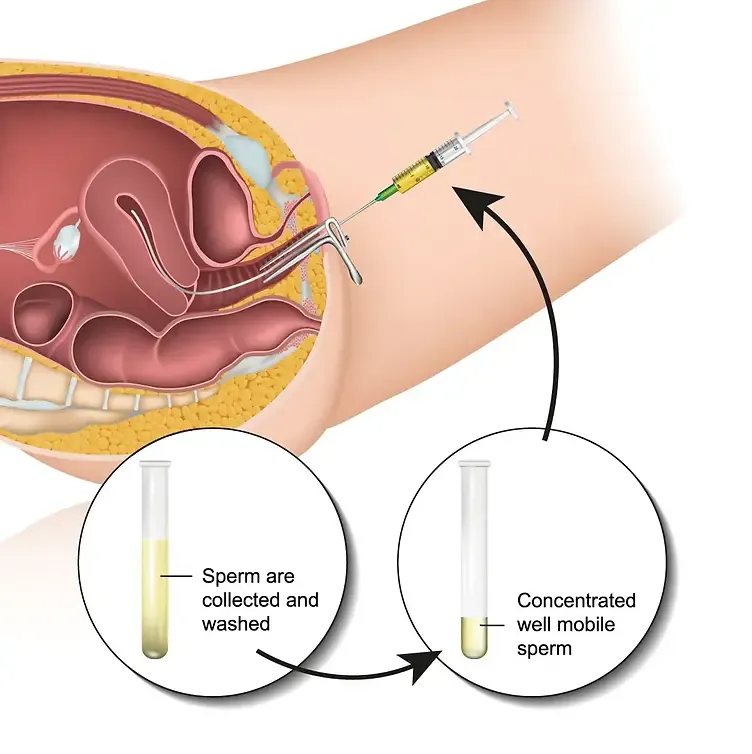
    Illustration of intrauterine insemination process, showing sperm collection and injection into the uterus.

    Breaking the News: How to Talk to Friends and Family About Infertility Treatments

    It’s important to set boundaries when discussing infertility treatments with friends and family. Let them know what kind of support you need and what kind of questions or comments may be hurtful. It’s also okay to let them know if you need some space or time to process your emotions.

    5. Ask for support

    Infertility treatments can be physically and emotionally draining, and having the support of friends and family can make a huge difference. Don’t be afraid to ask for help or support when you need it. This can include things like rides to appointments, help with household chores, or simply a listening ear.

    6. Be prepared for different reactions

    Everyone reacts differently to news of infertility treatments. Some may offer unwavering support, while others may not know how to respond. It’s important to be prepared for different reactions and to not take any negative responses personally. Remember that everyone processes information differently, and it’s okay if not everyone knows how to offer support.

    7. Consider involving them in the process

    If you feel comfortable, you may want to involve your loved ones in the infertility treatment process. This could include attending appointments with you or participating in support groups. Involving them can help them to feel more connected and supportive of your journey.

    8. Take care of yourself

    Lastly, it’s important to take care of yourself during this time. Infertility treatments can be physically and emotionally demanding, and it’s important to prioritize your well-being. Make sure to set aside time for self-care and to seek support from others when needed.

    In summary, discussing infertility treatments with friends and family can be challenging, but it’s important to have their support during this difficult time. Be open and honest, choose the right time and place, educate your loved ones, set boundaries, ask for support, be prepared for different reactions, consider involving them in the process, and most importantly, take care of yourself.

  • When to Seek Help: Understanding the Signs of Infertility and Treatment Options

    Summary:

    Infertility is a common issue that affects many couples and can cause a great deal of emotional distress. It is important for individuals and couples to be aware of the signs of infertility and to seek help when needed. In this blog post, we will discuss the various signs of infertility, potential causes, and treatment options available.

    Signs of Infertility:

    The most common sign of infertility is the inability to conceive after trying for a year or more. Other signs may include irregular menstrual cycles, abnormal bleeding, or hormonal imbalances. However, it is important to keep in mind that some individuals may not experience any noticeable signs of infertility, making it crucial to consult with a doctor if you have concerns.

    Causes of Infertility:

    Infertility can be caused by a variety of factors, including age, hormonal imbalances, underlying medical conditions, and lifestyle factors. Women over the age of 35 may experience a decline in fertility due to a decrease in the number and quality of eggs. Hormonal imbalances, such as polycystic ovary syndrome (PCOS), can also affect fertility. Underlying medical conditions, such as endometriosis, can also contribute to infertility. Lifestyle factors such as smoking, excessive alcohol consumption, and obesity can also impact fertility.

    Seeking Help:

    If you have been trying to conceive for a year or more without success, it is important to consult with a fertility specialist. They will run various tests to determine the underlying cause of infertility and develop a treatment plan.

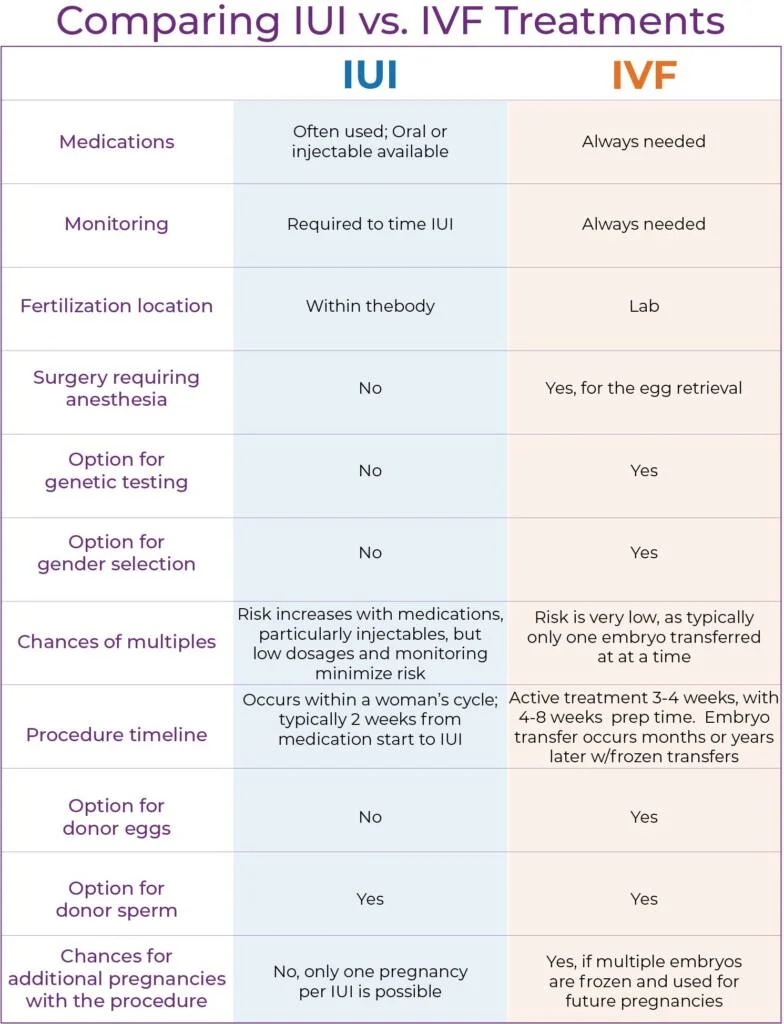
    Comparison chart of IUI and IVF treatments, detailing medications, monitoring, procedures, and success rates.

    When to Seek Help: Understanding the Signs of Infertility and Treatment Options

    Treatment Options:

    The treatment for infertility will depend on the underlying cause. In vitro fertilization (IVF) is a common treatment option that involves retrieving eggs from the ovaries and fertilizing them with sperm in a laboratory. Other options include intrauterine insemination (IUI), which involves placing sperm directly into the uterus, and fertility medications to stimulate ovulation.

    Alternative Therapies:

    In addition to medical treatments, there are also alternative therapies that may help with infertility. Acupuncture, for example, has been shown to improve fertility by reducing stress and promoting blood flow to the reproductive organs. Yoga and meditation can also be beneficial in reducing stress and promoting overall well-being.

    Support and Coping Strategies:

    Dealing with infertility can be emotionally and mentally challenging. It is important to seek support from loved ones, join support groups, or seek therapy to cope with the stress and emotions that come with infertility. It is also important to take care of your physical and mental health by engaging in self-care activities and finding healthy ways to cope with stress.

    Conclusion:

    Infertility can be a difficult and emotional journey for individuals and couples. It is important to be aware of the signs of infertility and to seek help when needed. With advancements in medical technology and various treatment options available, there is hope for those struggling with infertility. Remember to take care of yourself and seek support during this challenging time.

  • The Financial Burden: How to Afford Male and Female Infertility Treatments

    Summary:

    Infertility is a difficult and emotional journey for many couples, and the financial burden of treatments can add even more stress. In this blog post, we will discuss the high costs associated with male and female infertility treatments and provide tips on how to afford them.

    Firstly, we will dive into the reasons why infertility treatments are so expensive. From initial diagnostic tests to medications and procedures, the costs can quickly add up. We will also explore the lack of insurance coverage for infertility treatments, leaving many couples to pay out of pocket.

    Next, we will discuss the different options for financing infertility treatments. From personal loans to fertility grants, there are various resources available to help ease the financial burden. We will also provide tips on how to save money and budget for treatments.

    Illustration of a uterus with a syringe indicating an intrauterine insemination procedure.

    The Financial Burden: How to Afford Male and Female Infertility Treatments

    In addition, we will address the emotional toll that the financial aspect of infertility can have on couples. The pressure to afford treatments can cause strain on relationships and add to the already stressful process of trying to conceive. We will offer advice on how to cope with these emotions and communicate effectively with your partner.

    Furthermore, we will explore the specific costs and financial considerations for male and female infertility treatments. This includes procedures such as IVF, IUI, and sperm and egg donation. We will also discuss the impact of multiple rounds of treatments on the overall cost.

    Lastly, we will touch on the importance of seeking support from friends, family, and support groups during this challenging time. Having a strong support system can provide emotional and sometimes even financial support.

    In conclusion, while the financial burden of infertility treatments may seem overwhelming, there are resources and strategies available to help make them more affordable. With proper planning, budgeting, and support, couples can navigate this difficult journey and hopefully achieve their dream of starting a family.

  • Breaking the Silence: Speaking Out About Male and Female Infertility Treatments

    Breaking the Silence: Speaking Out About Male and Female Infertility Treatments

    Infertility affects millions of couples worldwide and can be a devastating and isolating experience. While it is often portrayed as a female issue, the truth is that both men and women can face fertility challenges. Despite this, there is still a stigma and silence surrounding male and female infertility, causing many couples to suffer in silence and struggle to find the support and resources they need. In this blog post, we will break the silence and speak out about male and female infertility treatments, shedding light on this often misunderstood and overlooked topic.

    Male Infertility: Breaking the Stigma

    When it comes to infertility, the focus is often on women and their reproductive health. However, male infertility is just as common and can be a contributing factor in up to 50% of infertility cases. Yet, due to societal expectations and norms, men often feel ashamed and embarrassed to speak out about their fertility struggles. This stigma surrounding male infertility can leave men feeling isolated and alone, with little support or understanding from their peers.

    One of the main causes of male infertility is low sperm count or poor sperm quality. This can be caused by a variety of factors, including hormonal imbalances, genetic conditions, and lifestyle choices. Many men may feel shame and guilt about their sperm count, believing that it is a reflection of their masculinity. This can lead to a reluctance to seek help or talk about their fertility issues, perpetuating the silence and stigma surrounding male infertility.

    However, it is crucial for men to break the silence and seek help if they are experiencing fertility challenges. In many cases, male infertility can be treated with lifestyle changes, medication, or assisted reproductive techniques. By speaking out and seeking medical assistance, men can not only improve their chances of conceiving but also break the stigma and encourage others to do the same.

    Female Infertility: A Burden to Bear Alone

    While women are often more open about their fertility struggles, they still face immense pressure and shame surrounding their ability to conceive. Infertility can take a toll on a woman’s mental and emotional well-being, causing feelings of inadequacy, guilt, and despair. Society’s expectations of women as mothers can further compound these feelings, leaving women to bear the burden of infertility alone.

    Furthermore, women often feel like they have failed in their most fundamental role as a woman – to bear children. This can lead to feelings of shame and isolation, as well as a reluctance to seek help or talk about their fertility challenges. As a result, many women suffer in silence, which can have a significant impact on their mental health and relationships.

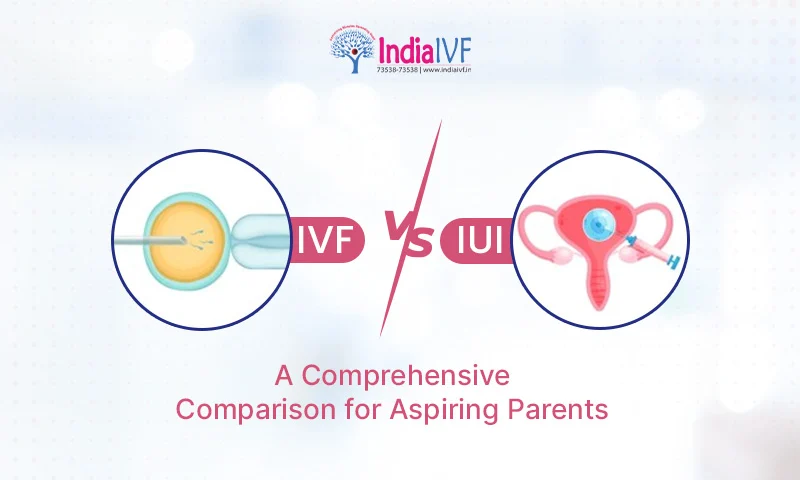
    IVF vs IUI comparison graphic highlighting reproductive methods for aspiring parents.

    Breaking the Silence: Speaking Out About Male and Female Infertility Treatments

    But the reality is that infertility is not a woman’s fault. There are many factors that can contribute to female infertility, including hormonal imbalances, ovulation disorders, and reproductive tract issues. Seeking help from a medical professional and speaking out about their struggles can help women break the silence and receive the support and resources they need to overcome their fertility challenges.

    Breaking the Silence: Male and Female Infertility Treatments

    Fortunately, there are many treatment options available for both male and female infertility. For men, treatments such as hormone therapy, surgery, and assisted reproductive techniques can help improve sperm count and quality. Lifestyle changes, such as quitting smoking and reducing alcohol intake, can also have a positive impact on male fertility.

    For women, fertility treatments include medication, surgery, and assisted reproductive techniques such as in vitro fertilization (IVF) and intrauterine insemination (IUI). These treatments aim to address underlying causes of infertility and help women conceive. Additionally, counseling and support groups can provide emotional support and coping strategies for women and couples going through fertility treatments.

    It is important to note that fertility treatments can be costly and may not always guarantee success. This can add to the stress and pressure that couples face when trying to conceive. However, breaking the silence and seeking help can provide much-needed support and guidance during this difficult time.

    Breaking the Silence: The Importance of Support and Understanding

    The silence surrounding male and female infertility can be incredibly damaging to individuals and couples struggling to conceive. It is essential to break this silence and encourage open and understanding conversations about fertility challenges. By doing so, we can create a more supportive and compassionate environment for those facing infertility and break the stigma and shame surrounding this topic.

    Support groups, online forums, and counseling can provide a safe space for individuals and couples to share their experiences and find comfort in others who understand their struggles. It is also crucial for friends and family to educate themselves about infertility and offer support and understanding to their loved ones going through this difficult journey.

    In conclusion, male and female infertility are common and complex issues that can have a significant impact on individuals and couples. Breaking the silence and speaking out about these challenges can help reduce the stigma and provide much-needed support and resources for those facing fertility struggles. By fostering a more open and understanding environment, we can offer hope and support to those on the journey to parenthood.

  • The Emotional Toll of Male Infertility: How Fertility Counseling Can Offer Support

    Summary:

    Infertility is a deeply personal and emotional issue for couples, and unfortunately, it is not just a problem that affects women. Male infertility can also have a significant impact on a couple’s relationship, self-esteem, and mental health. In this blog post, we will explore the emotional toll of male infertility and how fertility counseling can offer support to men and their partners.

    Male infertility is a condition where a man is unable to impregnate a woman despite having regular unprotected sex. It is estimated that male infertility affects around 7% of men worldwide, and it can be caused by a variety of factors, including hormonal imbalances, genetic disorders, and lifestyle choices. When a couple is trying to conceive, and the man is diagnosed with infertility, it can be a devastating blow and can lead to a range of emotions, including shame, guilt, and anger.

    One of the most significant emotional impacts of male infertility is the strain it can put on a couple’s relationship. Trying to conceive can be a stressful and emotional journey for any couple, and when infertility is added to the mix, it can create additional tension and strain. The inability to conceive can lead to feelings of inadequacy, resentment, and blame, which can cause conflicts and communication breakdowns within the relationship. In some cases, this can even lead to separation or divorce.

    Illustration of the IUI process, showing a syringe and catheter in the reproductive system.

    The Emotional Toll of Male Infertility: How Fertility Counseling Can Offer Support

    Aside from the impact on the couple’s relationship, male infertility can also take a toll on a man’s self-esteem and mental health. Many men tie their sense of masculinity and self-worth to their ability to father a child. When this is challenged by infertility, it can lead to feelings of failure, shame, and even depression. Men may also feel pressure from society and their families to have children, which can further exacerbate feelings of inadequacy and shame.

    Fertility counseling can offer much-needed support for men and their partners dealing with male infertility. By seeking counseling, couples can learn how to cope with the emotional strain of infertility, communicate effectively, and support each other through the process. Fertility counselors can also help men and their partners explore their feelings and work through any conflicts or challenges in their relationship.

    Moreover, counseling can provide a safe space for men to express their emotions and concerns about male infertility without fear of judgment. Many men may feel uncomfortable discussing their fertility issues with friends or family, and counseling can provide a confidential and non-judgmental environment for them to open up and seek support.

    In addition to addressing the emotional toll of male infertility, fertility counseling can also offer practical support and guidance. Fertility counselors are trained professionals who can educate couples about their options, such as fertility treatments or adoption. They can also help men make lifestyle changes that can improve their fertility, such as quitting smoking or reducing alcohol consumption.

    In conclusion, male infertility can have a significant emotional impact on men and their partners. It can strain relationships, cause feelings of inadequacy and shame, and even lead to mental health issues. Fertility counseling can offer vital support for men and their partners dealing with male infertility. By seeking counseling, couples can learn to cope with the emotional strain, communicate effectively, and receive practical guidance for their fertility journey.

  • Fertility and Intimacy: The Importance of Counseling and Support for Couples

    Blog Post:

    Fertility and intimacy are two important aspects of a healthy relationship. However, when struggling with infertility, these two areas can become a source of stress and strain for couples. It is estimated that 1 in 8 couples experience infertility, which can lead to feelings of isolation, shame, and resentment. In order to navigate the emotional challenges that come with fertility struggles, it is important for couples to seek counseling and support.

    Counseling can provide a safe space for couples to talk about their feelings and concerns surrounding fertility. It allows them to address any communication issues that may have arisen and work through conflicts in a healthy manner. A professional counselor can also provide coping strategies and tools to manage the stress and grief that come with infertility. This can help couples maintain a strong and supportive relationship, which is crucial during this difficult time.

    One of the biggest challenges for couples dealing with infertility is maintaining intimacy. Many couples find it difficult to be intimate when they are constantly reminded of their struggle to conceive. This can lead to a breakdown in communication and emotional distance between partners. Counseling can help couples navigate these challenges and find ways to connect and be intimate despite the stress of infertility.

    In addition to counseling, support groups can also be beneficial for couples dealing with fertility issues. These groups provide a community of people who understand what it’s like to go through infertility. They offer a safe and non-judgmental space for couples to share their experiences and emotions. This can help couples feel less alone and provide a sense of validation for their feelings. Support groups can also offer practical advice and resources for couples, as well as a sense of hope and encouragement.

    Illustration of intrauterine insemination (IUI) procedure, showing sperm injection into the uterus.

    Fertility and Intimacy: The Importance of Counseling and Support for Couples

    Furthermore, fertility treatments themselves can also put a strain on a couple’s relationship. The financial burden, time commitment, and physical and emotional toll of these treatments can all contribute to added stress and tension between partners. Couples may also have different opinions and preferences when it comes to treatment options, which can lead to disagreements and conflicts. Counseling can help couples navigate these challenges and make decisions together, as well as provide support and understanding during the treatment process.

    It is important for couples to remember that fertility struggles are not their fault. The pressure to conceive can create a lot of guilt and self-blame, especially for women. Counseling can help couples work through these feelings and find ways to support and uplift each other during this difficult time. It can also help them find ways to communicate their needs and boundaries in a healthy and respectful manner.

    In addition to counseling and support, it is also important for couples to take care of themselves individually. Infertility can take a toll on one’s mental and emotional well-being. It is crucial for couples to practice self-care and find healthy ways to cope with the stress and grief of infertility. This can include exercise, relaxation techniques, spending time with loved ones, or seeking individual therapy.

    In conclusion, fertility struggles can be a challenging and emotional journey for couples. It is important for them to seek counseling and support in order to maintain a strong and healthy relationship. Through counseling, couples can learn to communicate effectively, manage the stress of infertility, and find ways to connect and be intimate. Support groups can also provide a sense of community and understanding, while self-care can help individuals cope with the emotional toll of infertility. By seeking support and taking care of themselves, couples can navigate this difficult time together and come out stronger on the other side.

    Summary:

    Fertility struggles can put a strain on a couple’s relationship, leading to feelings of isolation, shame, and resentment. Seeking counseling and support can help couples navigate these challenges and maintain a strong and healthy relationship. Counseling can provide a safe space to communicate and work through conflicts, while support groups offer a sense of community and understanding. It is also important for couples to take care of themselves individually through self-care practices. By seeking support and taking care of themselves, couples can navigate the emotional toll of infertility and come out stronger together.