Tag: Surrogacy

  • Fertility Clinic or DIY: Which is More Suitable for LGBTQ+ Couples?

    Blog Post: Fertility Clinic or DIY: Which is More Suitable for LGBTQ+ Couples?

    In recent years, the LGBTQ+ community has made significant strides towards achieving equal rights and acceptance. However, one area that still poses challenges for LGBTQ+ couples is starting a family. The inability to conceive a child naturally can be devastating for any couple, but it can be especially challenging for LGBTQ+ couples who may face additional barriers and discrimination when seeking fertility treatment. As a result, many LGBTQ+ couples are turning to fertility clinics or DIY methods to fulfill their dream of becoming parents. In this blog post, we will explore the pros and cons of both options and discuss which may be more suitable for LGBTQ+ couples.

    Fertility Clinics: A Safe and Supportive Environment

    Fertility clinics are specialized medical facilities that offer a range of treatments and services to help individuals and couples overcome infertility. For LGBTQ+ couples, these clinics can provide a safe and supportive environment where they can openly discuss their desires to start a family without fear of judgment or discrimination.

    One of the main advantages of fertility clinics is the availability of medical expertise and advanced technologies. These clinics have highly trained doctors and staff who are knowledgeable about the unique needs of LGBTQ+ couples. They can provide guidance and support throughout the entire process, from the initial consultation to the actual fertility treatments.

    Moreover, fertility clinics offer a variety of options for LGBTQ+ couples, including donor insemination, in vitro fertilization (IVF), and surrogacy. These options can be tailored to meet the specific needs and preferences of each couple, making the process more personalized and effective.

    Another benefit of fertility clinics is access to comprehensive testing and screening. LGBTQ+ couples may face additional health concerns, such as HIV and other sexually transmitted infections, that need to be addressed before undergoing fertility treatments. Fertility clinics can perform these tests and provide appropriate treatment if necessary, ensuring the health and safety of both parents and the child.

    However, the main drawback of fertility clinics is the cost. Fertility treatments can be expensive, and most insurance plans do not cover them. LGBTQ+ couples may face additional financial burdens, such as the cost of sperm or egg donors and legal fees for surrogacy. These costs can quickly add up, making it difficult for some couples to afford fertility treatments.

    DIY Methods: A More Affordable Option

    doctor discussing treatment with a patient in a medical office, featuring an ultrasound machine in the background

    Fertility Clinic or DIY: Which is More Suitable for LGBTQ+ Couples?

    DIY methods, or at-home insemination, involve using a sperm donor kit or a syringe to insert sperm into the vagina or cervix. This method is often more affordable compared to fertility clinics, as it eliminates the need for medical procedures and appointments.

    One of the main advantages of DIY methods is the ability to conceive in the comfort of one’s own home. For LGBTQ+ couples, this can be a more intimate and personal experience, as they can be directly involved in the process of starting a family. It also allows for more flexibility and control over the timing of insemination.

    Moreover, DIY methods can be a more inclusive option for LGBTQ+ couples, as they do not have to rely on medical professionals or clinics that may not be familiar with their specific needs and concerns. It also eliminates the potential for discrimination or judgement that may be faced at a fertility clinic.

    However, DIY methods also have their limitations. They may not be suitable for all couples, particularly those who may have underlying fertility issues that require medical intervention. There is also a lack of medical support and guidance, which may be necessary for a successful pregnancy. Additionally, the success rates of DIY methods are lower compared to fertility clinics, making it a riskier option for couples who are desperate to conceive.

    Which Option is More Suitable for LGBTQ+ Couples?

    The decision between fertility clinics and DIY methods ultimately depends on the individual needs and preferences of each LGBTQ+ couple. For those who can afford it, fertility clinics offer a safe and supportive environment with access to medical expertise and advanced technologies. On the other hand, DIY methods may be a more affordable and inclusive option for couples who prefer a more intimate and personal experience.

    It is also essential for LGBTQ+ couples to do thorough research and consult with medical professionals before making a decision. They should consider factors such as their medical history, financial capabilities, and the support system available to them.

    In conclusion, both fertility clinics and DIY methods have their pros and cons for LGBTQ+ couples. It is crucial for each couple to carefully evaluate their options and choose the one that best fits their needs and desires. Starting a family may be a challenging journey for LGBTQ+ couples, but with the right support and resources, it is possible to achieve their dream of parenthood.

    Summary:
    The LGBTQ+ community faces unique challenges when it comes to starting a family, and many couples turn to fertility clinics or DIY methods. Fertility clinics offer a safe and supportive environment with medical expertise and advanced technologies, but can be expensive. DIY methods may be a more affordable and inclusive option, but they have limitations and lower success rates. Ultimately, the decision between the two options depends on the individual needs and preferences of each couple.

  • The Legal Side: Understanding the Laws and Regulations of Artificial Insemination and IVF

    Title: The Legal Side: Understanding the Laws and Regulations of Artificial Insemination and IVF

    With advances in technology and medical procedures, more and more couples are turning to artificial insemination and in vitro fertilization (IVF) to start or expand their families. However, with these innovative methods come a host of legal considerations and regulations that must be carefully navigated. In this blog post, we will explore the legal side of artificial insemination and IVF and provide a thorough understanding of the laws and regulations surrounding these procedures.

    What is Artificial Insemination and IVF?
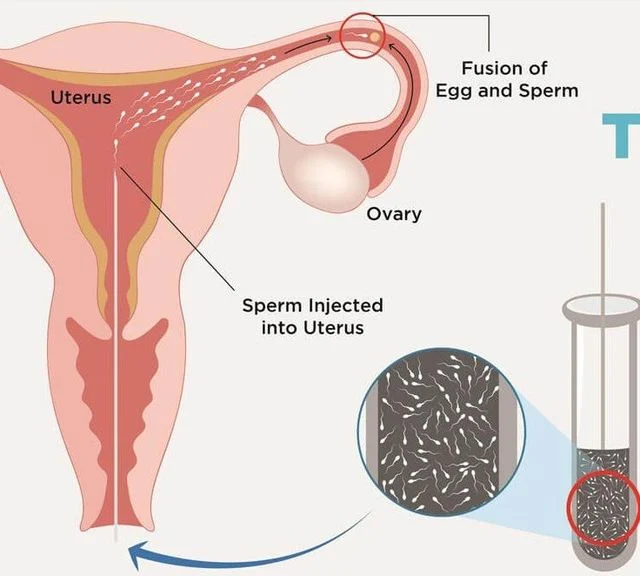
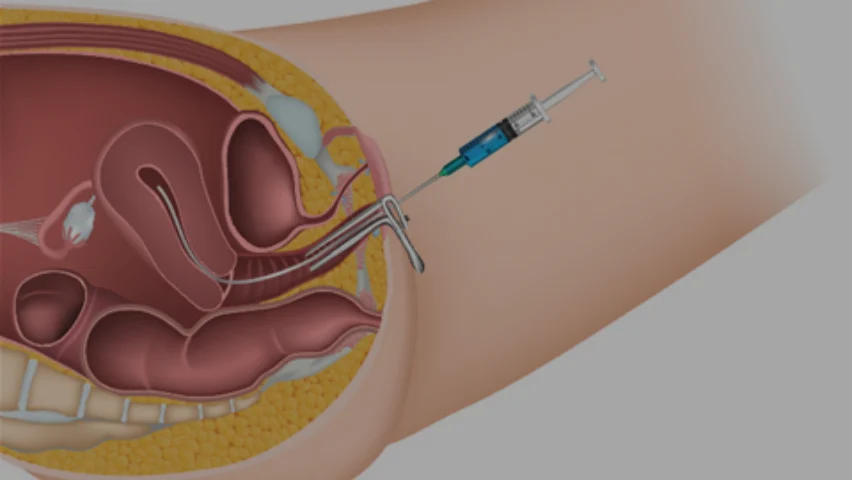
    Artificial insemination is a fertility treatment that involves inserting sperm into a woman’s reproductive system to achieve pregnancy. This can be done through intrauterine insemination (IUI), where sperm is placed directly into the uterus, or through in vitro fertilization (IVF), where eggs and sperm are fertilized outside of the body and then implanted into the uterus.

    IVF, on the other hand, is a more complex procedure that involves retrieving eggs from a woman’s ovaries and fertilizing them with sperm in a laboratory. The resulting embryos are then transferred into the woman’s uterus.

    Legal Considerations for Artificial Insemination and IVF
    The legal considerations for artificial insemination and IVF can vary depending on the specific circumstances and location. However, there are several important laws and regulations that apply to these procedures.

    1. Consent
    One of the most critical legal considerations for artificial insemination and IVF is obtaining proper consent from all parties involved. This includes the donor of the sperm or egg, the recipient, and any surrogate or gestational carrier. Written consent forms are typically required to ensure that all parties understand their rights and responsibilities and have given their informed consent to the procedure.

    2. Parental Rights and Responsibilities
    Another crucial aspect to consider is the parental rights and responsibilities of all parties involved. In cases where a sperm or egg donor is used, it is essential to establish legal parentage to avoid any potential disputes in the future. For example, in cases of donor insemination, the donor is usually not considered the legal parent, and the recipient’s partner or spouse is presumed to be the legal parent.

    3. Medical Malpractice
    As with any medical procedure, there is always the risk of medical malpractice. In the case of artificial insemination and IVF, this can include errors in the handling of sperm or eggs, incorrect procedures, or failure to obtain proper consent. It is crucial to work with a reputable and experienced fertility clinic to minimize these risks.

    4. Gamete and Embryo Ownership
    The ownership of gametes (sperm and eggs) and embryos can also be a complicated legal issue. In cases where a donor is involved, they may have rights to the gametes or embryos. It is important to have clear agreements in place regarding ownership and use of these materials to avoid any legal disputes.

    Comparison of IUI and IVF, illustrating procedures and definitions for each fertility treatment.

    The Legal Side: Understanding the Laws and Regulations of Artificial Insemination and IVF

    5. Surrogacy Laws
    In cases where a surrogate or gestational carrier is used, it is essential to understand the laws and regulations surrounding surrogacy in your state or country. Some jurisdictions have strict regulations on surrogacy, while others may not recognize surrogacy agreements at all. It is crucial to seek legal advice and ensure that all parties involved are protected under the law.

    6. Genetic Testing and Screening
    Genetic testing and screening are also significant legal considerations for artificial insemination and IVF. Some jurisdictions require genetic testing for certain genetic disorders before using donor gametes or embryos. Additionally, some countries have laws prohibiting the use of certain donors based on their genetic makeup.

    7. Insurance Coverage
    The cost of fertility treatments can be high, and insurance coverage can vary significantly. It is crucial to understand what procedures and medications are covered under your insurance plan and what out-of-pocket expenses you may incur. Some states have laws that require insurance companies to cover fertility treatments, while others do not. It is essential to research your insurance coverage and options thoroughly.

    Regulations for Artificial Insemination and IVF
    In addition to the legal considerations, there are also specific regulations that fertility clinics and healthcare providers must follow when performing artificial insemination and IVF procedures.

    1. The Food and Drug Administration (FDA)
    The FDA regulates the use of donor sperm and eggs and requires screening and testing for certain infectious diseases. They also regulate the use of fertility medications and the handling of gametes and embryos.

    2. The American Society for Reproductive Medicine (ASRM)
    The ASRM is a professional organization that provides guidelines and regulations for fertility clinics and healthcare providers. These guidelines cover various aspects of fertility treatments, including donor screening, informed consent, and medical procedures.

    3. State Laws
    State laws can vary significantly when it comes to fertility treatments. Some states have strict regulations on surrogacy, while others have laws regarding the number of embryos that can be transferred during IVF. It is essential to understand the laws and regulations in your state when considering artificial insemination or IVF.

    Conclusion
    Artificial insemination and IVF offer hope for couples struggling with infertility, but it is crucial to understand the legal considerations and regulations surrounding these procedures. Proper consent, parental rights, medical malpractice, gamete and embryo ownership, surrogacy laws, genetic testing, and insurance coverage should all be carefully considered before embarking on fertility treatments. It is also essential to work with a reputable and experienced fertility clinic and seek legal advice to ensure that all parties involved are protected under the law.

    In summary, the legal side of artificial insemination and IVF is complex and requires careful consideration of various laws and regulations. Couples and individuals seeking fertility treatments should thoroughly research and understand the legal and regulatory landscape to make informed decisions and protect their rights and interests.

  • From IVF to Surrogacy: Exploring Different Types of Assisted Reproduction

    Assisted reproduction, also known as assisted reproductive technology (ART), is a rapidly growing field that has provided hope and fulfilled dreams of parenthood for many couples and individuals struggling with infertility. It refers to any medical procedure that helps to achieve pregnancy by using techniques like in vitro fertilization (IVF), surrogacy, and other methods. In this blog post, we will explore the different types of assisted reproduction and their processes, benefits, and considerations.

    In vitro fertilization (IVF) is one of the most well-known and commonly used assisted reproduction techniques. It involves retrieving eggs and sperm from the intended parents or donors and fertilizing them in a lab. The fertilized eggs, or embryos, are then transferred into the uterus of the intended mother or a gestational carrier for pregnancy. IVF can be used by couples or individuals who struggle with fertility issues, such as blocked or damaged fallopian tubes, low sperm count, or unexplained infertility.

    One of the main advantages of IVF is that it allows people who may not be able to conceive naturally to have a biological child. It also gives the intended parents more control over the timing of conception, as they can choose when to fertilize the eggs and transfer the embryos. However, IVF can be a physically and emotionally demanding process, and it may not be successful for everyone. It also comes with a high price tag, making it inaccessible for many people.

    Another type of assisted reproduction is surrogacy. Surrogacy involves using a gestational carrier, also known as a surrogate, to carry and give birth to a child for the intended parents. There are two types of surrogacy: traditional surrogacy and gestational surrogacy. In traditional surrogacy, the surrogate’s own eggs are used, making her the biological mother of the child. In gestational surrogacy, the surrogate carries the embryo created with the intended parents’ or donors’ eggs and sperm. This allows the intended parents to have a genetic connection to the child.

    Surrogacy is often chosen by couples or individuals who are unable to carry a pregnancy due to medical reasons, same-sex couples, or individuals who do not have a uterus. It also provides a solution for those who have had unsuccessful IVF attempts or multiple miscarriages. However, surrogacy is a complex process that involves legal and emotional considerations for all parties involved. It also comes with a high cost, and the laws and regulations surrounding surrogacy vary greatly from country to country.

    illustration of intrauterine insemination procedure with a hand holding a speculum and syringe near the uterus

    From IVF to Surrogacy: Exploring Different Types of Assisted Reproduction

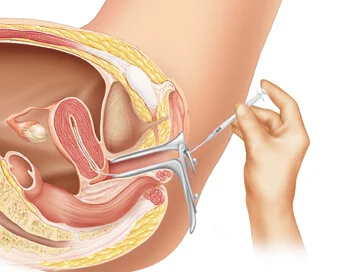
    Apart from IVF and surrogacy, there are other forms of assisted reproduction that may be used depending on an individual or couple’s specific needs. These include intrauterine insemination (IUI), where sperm is inserted directly into the uterus, and intracytoplasmic sperm injection (ICSI), where a single sperm is injected into an egg to facilitate fertilization. These techniques are typically used for male infertility issues or when IVF is not an option.

    Another emerging form of assisted reproduction is egg and sperm freezing, also known as cryopreservation. This technique allows individuals or couples to freeze and store their eggs or sperm for future use, which can be helpful in cases of cancer treatment or for those who wish to delay parenthood. It also provides a solution for individuals who may not have a partner at the time but want to preserve their fertility for later.

    While assisted reproduction has brought hope and joy to many individuals and couples, it is not without its challenges and controversies. Some ethical concerns surrounding the use of ART have been raised, such as the creation and disposal of embryos and the potential exploitation of women in surrogacy arrangements. It is important for individuals and couples to carefully consider their options and consult with medical professionals and legal experts before embarking on any assisted reproduction journey.

    In conclusion, assisted reproduction techniques like IVF, surrogacy, and others have revolutionized the field of reproductive health and provided a way for individuals and couples to overcome fertility challenges and have children. Each method has its own unique benefits and considerations, and it is essential for individuals to research and discuss their options with their healthcare providers. While there may be challenges and controversies surrounding assisted reproduction, it has undoubtedly brought joy and fulfillment to countless families around the world.

    SEO metadata:

  • Navigating the Legal Side of Assisted Reproduction: Contracts, Rights, and Responsibilities

    Navigating the Legal Side of Assisted Reproduction: Contracts, Rights, and Responsibilities

    Assisted reproduction, or the use of medical technology to aid in the conception of a child, has become increasingly common in recent years. With advancements in technology and a growing desire for parenthood, more and more individuals and couples are turning to assisted reproduction to start or expand their families. While this process can bring joy and fulfillment, it also comes with a complex legal landscape that must be navigated. In this blog post, we will discuss the legal side of assisted reproduction, including contracts, rights, and responsibilities.

    The Importance of Contracts

    One of the most critical aspects of assisted reproduction is the use of contracts. These legal documents outline the rights and responsibilities of all parties involved in the process, including the intended parents, sperm or egg donors, and the fertility clinic or agency. These contracts serve to protect all parties and ensure that everyone understands their role and obligations.

    Intended parents should carefully review and consider all aspects of the contract before signing. This includes details such as the use of donated genetic material, financial responsibilities, and any potential risks or complications. It is essential to work with a lawyer who specializes in assisted reproduction to ensure that the contract is legally sound and protects the rights of both the intended parents and donors.

    Donor Rights and Responsibilities

    The use of donated genetic material, whether it be sperm, eggs, or embryos, is a common practice in assisted reproduction. However, it is crucial to understand the rights and responsibilities of donors in this process. In most cases, donors have no legal or financial obligations to any resulting children. However, donors may have certain rights, such as the ability to request information about the child’s health and well-being.

    It is essential to have a clear understanding of these rights and responsibilities before entering into an agreement with a donor. This can help avoid potential legal issues in the future and ensure that all parties are on the same page.

    Diagram illustrating the IUI process, showing sperm injection into the uterus and egg fertilization.

    Navigating the Legal Side of Assisted Reproduction: Contracts, Rights, and Responsibilities

    Surrogacy Agreements and Parental Rights

    Surrogacy, where a woman carries and gives birth to a child for another individual or couple, is another common form of assisted reproduction. In this case, a surrogacy agreement is necessary to outline the rights and responsibilities of both the intended parents and the surrogate. This agreement should cover all aspects of the surrogacy process, including medical procedures, financial arrangements, and parental rights.

    It is crucial to work with a lawyer who specializes in surrogacy to ensure that the agreement is legally binding and protects the rights of all parties involved. Additionally, intended parents should be aware that surrogacy laws vary from state to state and may require additional legal steps to establish parental rights.

    Post-Birth Legal Matters

    After a child is born through assisted reproduction, there are still legal matters that must be addressed. These can include establishing parental rights, obtaining a birth certificate, and ensuring that all legal documents accurately reflect the child’s parentage. It is essential to work with a lawyer to ensure that all necessary legal steps are taken to protect the child and the intended parents.

    In some cases, intended parents may also need to obtain court orders to establish parental rights, especially in cases where the surrogate or donor is not genetically related to the child. Additionally, for same-sex couples, it may be necessary to complete a second-parent adoption to establish legal parental rights for both partners.

    Navigating the legal side of assisted reproduction can be complex and overwhelming, but it is crucial to ensure that all parties involved are protected and their rights are acknowledged. Working with a lawyer who specializes in assisted reproduction can help guide individuals and couples through this process and ensure that all legal requirements are met.

    Summary:

    Assisted reproduction has become a common method for individuals and couples to start or expand their families. However, it comes with a complex legal landscape that must be navigated. Contracts are essential in the assisted reproduction process, outlining the rights and responsibilities of all parties involved. Donors have certain rights and responsibilities, and surrogacy agreements are necessary for surrogacy arrangements. After the birth of a child, legal documents must be updated to reflect the child’s parentage, and in some cases, court orders or adoptions may be necessary. Working with a lawyer who specializes in assisted reproduction can help ensure that all legal requirements are met and all parties are protected.

  • Breaking Down the Science: Exploring Natural Conception and Assisted Reproduction

    Breaking Down the Science: Exploring Natural Conception and Assisted Reproduction

    Conception is a miraculous and complex process that allows for the creation of new life. In its most natural form, conception occurs when a sperm fertilizes an egg, resulting in the formation of an embryo. However, for some couples, conceiving a child can be a challenging and emotional journey. This is where assisted reproduction technologies (ART) come into play. In this blog post, we will break down the science behind natural conception and explore the various methods of assisted reproduction.

    Understanding Natural Conception:

    Natural conception is the process by which a new life is created without any medical intervention. It begins when a woman’s body releases an egg from one of her ovaries, which then travels down the fallopian tube. During this time, the man’s sperm must travel through the cervix and up the fallopian tube to reach the egg. If a sperm successfully fertilizes the egg, it will implant itself in the lining of the uterus, where it will continue to grow and develop into a baby.

    The timing of natural conception is crucial, as a woman is only fertile for a short period each month. This fertile window typically occurs around the time of ovulation, which is when the egg is released from the ovary. Ovulation usually occurs around day 14 of a woman’s menstrual cycle, but it can vary from person to person.

    Factors that can affect natural conception include age, overall health, and lifestyle choices. As a woman ages, her eggs also age, making it more difficult to conceive. Additionally, certain medical conditions, such as polycystic ovary syndrome (PCOS) and endometriosis, can impact a woman’s fertility. Lifestyle factors, such as smoking, excessive alcohol consumption, and being overweight or underweight, can also affect natural conception.

    Assisted Reproduction Technologies:

    For couples struggling to conceive naturally, there are various assisted reproduction technologies available to help them achieve their dream of having a child. These methods range from simple interventions to more complex procedures, and their efficacy depends on the individual’s specific fertility issues.

    Intrauterine Insemination (IUI):

    Intrauterine insemination, also known as artificial insemination, is a simple and non-invasive procedure that involves placing washed and concentrated sperm directly into a woman’s uterus during her fertile window. This method is often used for couples with mild fertility issues, such as low sperm count or poor sperm motility.

    In Vitro Fertilization (IVF):

    In vitro fertilization is a more complex and invasive procedure that involves fertilizing an egg with sperm outside of the body and then transferring the resulting embryo into the woman’s uterus. The process begins with the woman undergoing hormonal stimulation to produce multiple eggs, which are then retrieved and fertilized in a laboratory. The fertilized embryos are monitored and then transferred into the uterus, where they can implant and develop into a baby. IVF is often recommended for couples with more severe fertility issues, such as blocked fallopian tubes or male factor infertility.

    Illustration of intrauterine insemination (IUI) procedure with syringe and catheter in the uterus.

    Breaking Down the Science: Exploring Natural Conception and Assisted Reproduction

    Intracytoplasmic Sperm Injection (ICSI):

    Intracytoplasmic sperm injection is a specialized form of IVF that involves injecting a single sperm directly into an egg. This method is typically used when there are issues with sperm quality or quantity and can increase the chances of fertilization and embryo development.

    Egg and Sperm Donation:

    For some couples, using their own eggs and sperm may not be an option. In these cases, egg or sperm donation can be a viable solution. Egg donation involves retrieving eggs from a donor and fertilizing them with the partner’s sperm in a laboratory. The resulting embryo is then transferred into the woman’s uterus. Sperm donation is similar, except that the sperm is obtained from a donor and used to fertilize the woman’s own eggs.

    Surrogacy:

    Surrogacy is another form of assisted reproduction that involves a woman carrying a pregnancy for another person or couple. This method is often used by couples who are unable to carry a pregnancy themselves due to medical reasons or same-sex couples who wish to have a child genetically related to one or both partners.

    The Ethical and Emotional Aspects of Assisted Reproduction:

    While assisted reproduction technologies have helped countless couples achieve their dream of having a child, they also raise ethical and emotional questions. Some concerns include the potential exploitation of donors, the commodification of human life, and the emotional toll that fertility treatments can take on couples.

    It is essential for individuals and couples considering assisted reproduction to thoroughly research and understand the ethical and emotional implications of these methods and to seek support and counseling when needed.

    In conclusion, natural conception and assisted reproduction are complex and fascinating processes that have allowed countless individuals and couples to fulfill their desire to have a child. With advancements in technology and ongoing research, the possibilities for assisted reproduction continue to expand, giving hope to those struggling with fertility issues.

    Summary:

    Conception is the process by which new life is created, and it can occur naturally or with the help of assisted reproduction technologies (ART). Natural conception involves the fertilization of an egg by sperm and can be affected by factors such as age, health, and lifestyle. ART methods include intrauterine insemination, in vitro fertilization, intracytoplasmic sperm injection, egg and sperm donation, and surrogacy. While these methods have helped many couples conceive, they also raise ethical and emotional concerns that should be considered. With ongoing advancements and research, assisted reproduction continues to offer hope to those struggling with fertility issues.