Navigating the Legal Side of Assisted Reproduction: Contracts, Rights, and Responsibilities
Assisted reproduction, or the use of medical technology to aid in the conception of a child, has become increasingly common in recent years. With advancements in technology and a growing desire for parenthood, more and more individuals and couples are turning to assisted reproduction to start or expand their families. While this process can bring joy and fulfillment, it also comes with a complex legal landscape that must be navigated. In this blog post, we will discuss the legal side of assisted reproduction, including contracts, rights, and responsibilities.
The Importance of Contracts
One of the most critical aspects of assisted reproduction is the use of contracts. These legal documents outline the rights and responsibilities of all parties involved in the process, including the intended parents, sperm or egg donors, and the fertility clinic or agency. These contracts serve to protect all parties and ensure that everyone understands their role and obligations.
Intended parents should carefully review and consider all aspects of the contract before signing. This includes details such as the use of donated genetic material, financial responsibilities, and any potential risks or complications. It is essential to work with a lawyer who specializes in assisted reproduction to ensure that the contract is legally sound and protects the rights of both the intended parents and donors.
Donor Rights and Responsibilities
The use of donated genetic material, whether it be sperm, eggs, or embryos, is a common practice in assisted reproduction. However, it is crucial to understand the rights and responsibilities of donors in this process. In most cases, donors have no legal or financial obligations to any resulting children. However, donors may have certain rights, such as the ability to request information about the child’s health and well-being.
It is essential to have a clear understanding of these rights and responsibilities before entering into an agreement with a donor. This can help avoid potential legal issues in the future and ensure that all parties are on the same page.
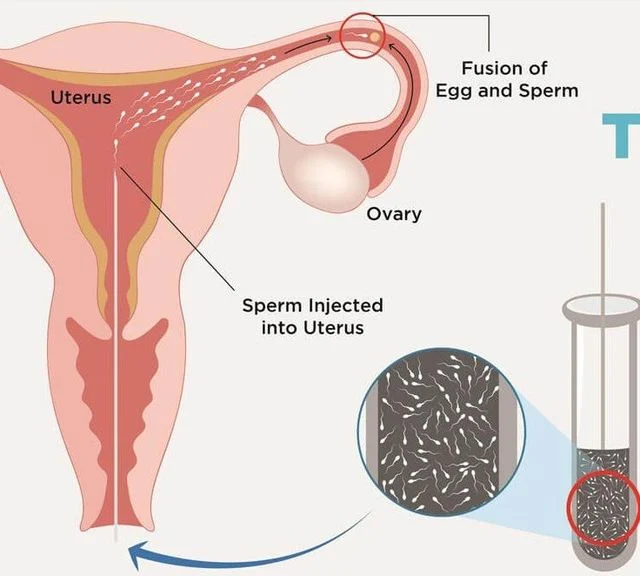
Navigating the Legal Side of Assisted Reproduction: Contracts, Rights, and Responsibilities
Surrogacy Agreements and Parental Rights
Surrogacy, where a woman carries and gives birth to a child for another individual or couple, is another common form of assisted reproduction. In this case, a surrogacy agreement is necessary to outline the rights and responsibilities of both the intended parents and the surrogate. This agreement should cover all aspects of the surrogacy process, including medical procedures, financial arrangements, and parental rights.
It is crucial to work with a lawyer who specializes in surrogacy to ensure that the agreement is legally binding and protects the rights of all parties involved. Additionally, intended parents should be aware that surrogacy laws vary from state to state and may require additional legal steps to establish parental rights.
Post-Birth Legal Matters
After a child is born through assisted reproduction, there are still legal matters that must be addressed. These can include establishing parental rights, obtaining a birth certificate, and ensuring that all legal documents accurately reflect the child’s parentage. It is essential to work with a lawyer to ensure that all necessary legal steps are taken to protect the child and the intended parents.
In some cases, intended parents may also need to obtain court orders to establish parental rights, especially in cases where the surrogate or donor is not genetically related to the child. Additionally, for same-sex couples, it may be necessary to complete a second-parent adoption to establish legal parental rights for both partners.
Navigating the legal side of assisted reproduction can be complex and overwhelming, but it is crucial to ensure that all parties involved are protected and their rights are acknowledged. Working with a lawyer who specializes in assisted reproduction can help guide individuals and couples through this process and ensure that all legal requirements are met.
Summary:
Assisted reproduction has become a common method for individuals and couples to start or expand their families. However, it comes with a complex legal landscape that must be navigated. Contracts are essential in the assisted reproduction process, outlining the rights and responsibilities of all parties involved. Donors have certain rights and responsibilities, and surrogacy agreements are necessary for surrogacy arrangements. After the birth of a child, legal documents must be updated to reflect the child’s parentage, and in some cases, court orders or adoptions may be necessary. Working with a lawyer who specializes in assisted reproduction can help ensure that all legal requirements are met and all parties are protected.