Tag: fertility

  • The Process of Sperm Analysis and Semen Analysis: Step by Step

    Blog Post:

    When it comes to fertility and reproductive health, sperm analysis and semen analysis are crucial steps in understanding potential issues and determining the best course of action. These tests involve examining the quality and quantity of sperm in a semen sample, providing valuable information about a man’s fertility potential. In this blog post, we will take a detailed look at the process of sperm and semen analysis, step by step.

    Step 1: Collection of the Sample
    The first step in the process is collecting a semen sample. This can be done either at home or at a fertility clinic. If collecting at home, it is essential to follow specific guidelines to ensure an accurate and reliable sample. These guidelines may include refraining from ejaculation for 2-5 days before the test, avoiding the use of lubricants, and collecting the sample in a sterile container.

    Step 2: Preparation of the Sample
    Once the sample is collected, it is time to prepare it for analysis. The semen sample needs to liquefy before testing, which usually takes about 20-30 minutes. During this time, the sample is kept at body temperature to maintain its consistency. If the sample does not liquefy, it may indicate a problem with the prostate gland or other reproductive organs.

    Step 3: Macroscopic Examination
    The first visual examination of the semen sample is called a macroscopic examination. This step involves noting the color, volume, and viscosity of the sample. A normal semen sample should be white or gray in color, have a volume of 1.5-5 milliliters, and have a fluid consistency. Any abnormalities in these characteristics may be a sign of an underlying issue.
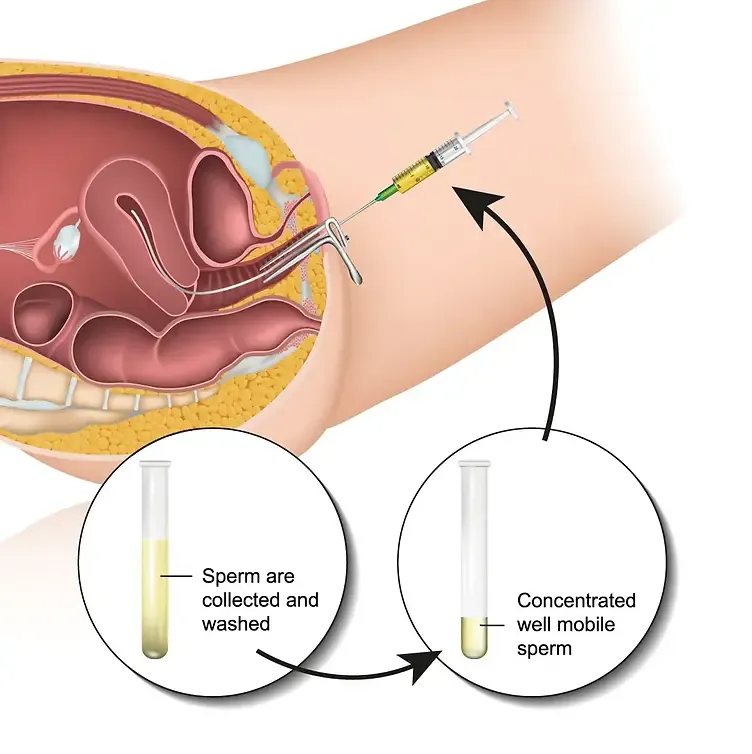
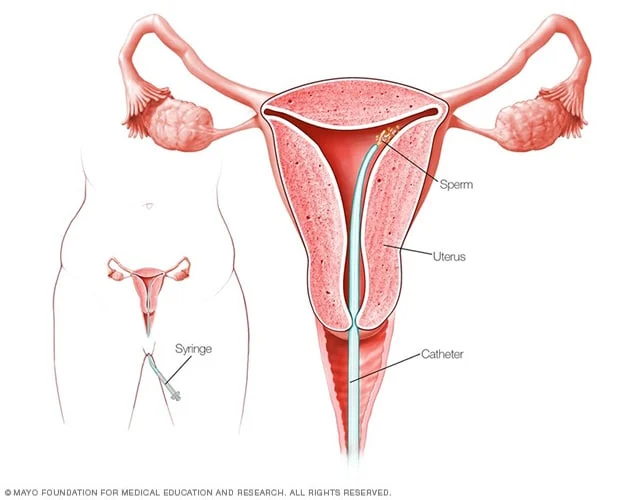
    Illustration of intrauterine insemination process, showing sperm collection and injection into the uterus.

    The Process of Sperm Analysis and Semen Analysis: Step by Step

    Step 4: Microscopic Examination
    The next step is a microscopic examination, where the sample is placed on a slide and examined under a microscope. This step involves looking at the sperm count, motility, and morphology. The sperm count refers to the number of sperm present in the sample. A normal sperm count is 15 million per milliliter or more. Motility, on the other hand, refers to the movement of sperm. At least 40% of the sperm should be motile for a sample to be considered healthy. Lastly, morphology refers to the shape and size of the sperm. Normal sperm should have a typical oval head and a long tail. Any abnormalities in these characteristics may indicate a problem with sperm development or function.

    Step 5: Biochemical Tests
    In some cases, biochemical tests may be performed on the semen sample to check for the presence of any infections or abnormalities in the seminal fluid. These tests may include checking the pH level, fructose levels, and the presence of white blood cells. An abnormal pH level may indicate an infection or inflammation, while low fructose levels may suggest an issue with the seminal vesicles.

    Step 6: Culture and Sensitivity Testing
    If there are abnormalities in the biochemical tests or a high number of white blood cells present, a culture and sensitivity test may be performed. This test involves culturing the semen sample to check for the presence of any bacteria or fungi and determining their sensitivity to antibiotics. This step is crucial in identifying and treating any underlying infections that may be affecting sperm quality.

    Step 7: Post-Processing
    After all the tests are completed, the results are analyzed and compiled into a report. This report will include information on the semen characteristics and any abnormalities or concerns that were identified during the analysis. This report will be discussed with the man and his partner, and further steps or treatments may be recommended based on the results.

    In summary, sperm and semen analysis involve a series of steps to collect, prepare, and examine a semen sample. This process provides valuable information about sperm quality and potential fertility issues. If any abnormalities are identified, further testing or treatments may be recommended to address the issue and improve the chances of conception.

    SEO Metadata:
  • Sperm Analysis and Semen Analysis: The Importance of Accurate Results

    When it comes to fertility and reproductive health, there are many factors that can affect a couple’s chances of conceiving. While most people tend to focus on the woman’s health and reproductive system, it is just as important for men to undergo testing to determine their fertility potential. One of the most commonly recommended tests for men is sperm analysis or semen analysis.

    Sperm analysis and semen analysis are two terms that are often used interchangeably, but they actually refer to two different procedures. Sperm analysis refers to the examination of the sperm cells themselves, while semen analysis involves the evaluation of the semen as a whole, including sperm count, motility, and morphology. Both tests are crucial in determining a man’s fertility potential and can provide valuable insights into any potential issues that may be affecting his ability to conceive.

    The Importance of Accurate Results

    Accurate results from sperm and semen analysis are vital for several reasons. First and foremost, they can provide valuable information about a man’s reproductive health and potential fertility issues. For couples struggling to conceive, this information can be crucial in determining the best course of action and increasing their chances of success. Additionally, accurate results can also help identify any underlying medical conditions that may be affecting a man’s reproductive health, such as hormonal imbalances or infections.

    Furthermore, accurate results from sperm and semen analysis can also help in the diagnosis and treatment of certain medical conditions. For example, a low sperm count or poor sperm motility may indicate a hormonal issue that can be addressed with medication. On the other hand, abnormally shaped sperm may indicate genetic or chromosomal abnormalities that may require further testing and treatment. By identifying these issues early on, men can receive proper care and improve their chances of conception.

    Factors Affecting Sperm and Semen Analysis

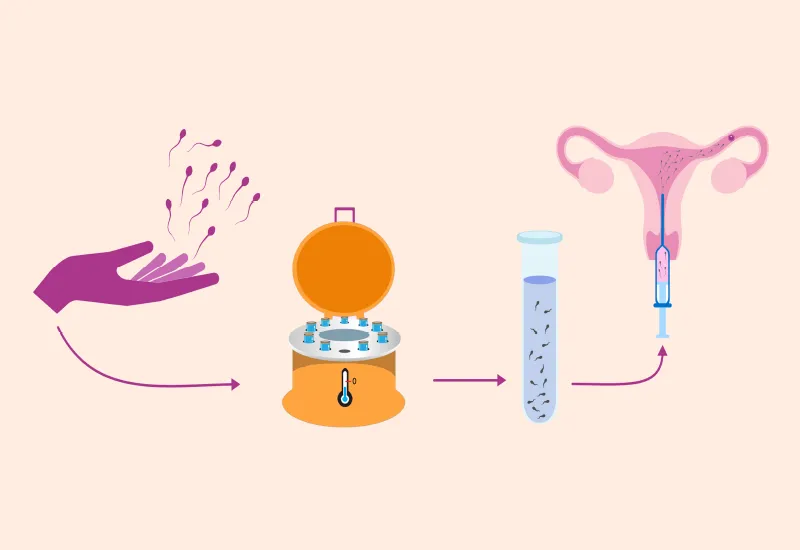
    illustration of the IUI process, showing sperm collection, preparation, and insertion into the uterus

    Sperm Analysis and Semen Analysis: The Importance of Accurate Results

    Several factors can affect the results of sperm and semen analysis, making it crucial to ensure accurate testing. One of the most significant factors is the timing of the test. Sperm and semen analysis should be done when a man has abstained from sexual activity for at least two to five days. This ensures that the sample collected is a true representation of the man’s sperm quality and count. Additionally, certain lifestyle factors such as smoking, excessive alcohol consumption, and drug use can also affect sperm quality and should be avoided before testing.

    Proper collection and handling of the sample are also critical to obtaining accurate results. The sample should be collected in a sterile container and should be kept at body temperature during transport to the laboratory. Any delay in delivering the sample or exposure to extreme temperatures can affect the results. The sample should also be analyzed within an hour of collection to ensure the most accurate results.

    Interpreting the Results

    Once the sperm and semen analysis is complete, the results will be provided to the man and his doctor. The results will include various measurements and parameters, including sperm count, sperm motility, and sperm morphology. These results will be compared to the World Health Organization’s (WHO) standards for normal semen parameters. A sperm count of 15 million or more per milliliter of semen is considered normal, while a sperm motility of 40% or more is also considered normal. Any abnormalities in these parameters may indicate potential fertility issues.

    In addition to the WHO standards, several other factors should be considered when interpreting the results. These include the man’s age, medical history, and any previous fertility issues. It is essential to note that sperm and semen analysis is just one piece of the puzzle. Further testing, such as genetic testing or hormone level checks, may be necessary to get a complete picture of a man’s reproductive health.

    In summary, sperm and semen analysis are crucial tests that can provide valuable insights into a man’s reproductive health and fertility potential. Accurate results are essential for proper diagnosis and treatment of any underlying issues that may be affecting a man’s ability to conceive. It is crucial to follow proper collection and handling procedures and to interpret the results in conjunction with other factors to get a complete understanding of a man’s reproductive health.

    In conclusion, sperm and semen analysis play a vital role in assessing male fertility potential and diagnosing any underlying issues. Accurate results from these tests can provide valuable information for couples struggling to conceive and can help in the diagnosis and treatment of certain medical conditions. It is essential to follow proper procedures for collecting and handling the sample and to interpret the results in conjunction with other factors for a complete understanding of a man’s reproductive health.

  • Sperm Analysis vs Semen Analysis: A Comprehensive Guide

    Sperm Analysis vs Semen Analysis: A Comprehensive Guide

    When it comes to fertility and male reproductive health, there are various tests and procedures that can be done to assess the quality of sperm and semen. Two commonly used terms in this realm are sperm analysis and semen analysis. While these terms are often used interchangeably, they actually refer to slightly different procedures and provide different insights into a man’s fertility. In this comprehensive guide, we will delve into the differences between sperm analysis and semen analysis, the procedures involved, and what the results can tell us about male reproductive health.

    What is Sperm Analysis?

    Sperm analysis, also known as a sperm count or semen analysis, is a laboratory test that evaluates the quantity and quality of sperm in a man’s semen. It is a crucial test for assessing male fertility and is often one of the first steps in diagnosing male infertility. The procedure involves collecting a semen sample and examining it under a microscope to determine the number, shape, and movement of sperm.

    Why is Sperm Analysis Done?

    Sperm analysis is primarily done to assess a man’s fertility. A low sperm count (oligospermia) or poor sperm quality (abnormal morphology or motility) can indicate potential issues with fertility. Additionally, sperm analysis can also be used to monitor the effectiveness of certain fertility treatments, such as vasectomy reversal or sperm retrieval for in vitro fertilization (IVF).

    Sperm Analysis Procedure

    Sperm analysis is a simple and non-invasive procedure that can be done in a doctor’s office or fertility clinic. The patient will be asked to provide a semen sample, which can be done through masturbation into a sterile container. If it is not possible to produce a sample on-site, the patient may be given a container to collect the sample at home and bring it to the clinic within a specific timeframe.

    Once the sample is collected, it is analyzed in the laboratory. The semen is first liquefied to make it easier to examine, and then a small amount is placed on a microscope slide. The sample is then observed under a microscope to assess the number, shape, and movement of sperm.

    What Do the Results Mean?

    The results of a sperm analysis are typically given in terms of sperm count, morphology, and motility. Sperm count refers to the number of sperm present in one milliliter of semen. A normal sperm count is typically considered to be 15 million sperm per milliliter or more. A low sperm count may indicate potential fertility issues.

    Sperm morphology refers to the shape of sperm. Normal sperm have a typical oval head and a long tail, which enables them to swim efficiently. Abnormalities in sperm shape can affect their ability to fertilize an egg. A normal sperm morphology rate is considered to be 4% or more.

    Sperm motility refers to the movement of sperm. Normal sperm should be able to swim in a straight line and move quickly. Poor sperm motility can make it difficult for sperm to reach and fertilize an egg. A normal sperm motility rate is considered to be 40% or more.

    diagram illustrating intrauterine insemination (IUI) procedure with uterus, sperm, and catheter labeled

    Sperm Analysis vs Semen Analysis: A Comprehensive Guide

    What is Semen Analysis?

    Semen analysis, also known as a seminal fluid analysis, is a broader test that evaluates not just sperm but also other components of semen. The procedure involves examining a semen sample for the presence of sperm as well as other substances, including fructose, citric acid, and white blood cells.

    Why is Semen Analysis Done?

    Semen analysis is primarily used to assess male fertility, but it can also provide insights into other potential issues with the male reproductive system. In addition to evaluating sperm quality, semen analysis can also detect abnormalities in the seminal fluid, which may indicate underlying health conditions such as infections or hormonal imbalances.

    Semen Analysis Procedure

    The procedure for semen analysis is similar to that of sperm analysis. A semen sample is collected and examined under a microscope to assess the quantity and quality of sperm. However, in semen analysis, the semen sample may also be tested for other substances to evaluate the overall health of the male reproductive system.

    What Do the Results Mean?

    The results of a semen analysis may include information on sperm count, morphology, motility, as well as the levels of other substances in the semen. In addition to sperm-related issues, abnormal levels of other substances may indicate potential underlying health conditions, such as infections or hormone imbalances.

    Key Differences Between Sperm Analysis and Semen Analysis

    While sperm analysis and semen analysis are both important tests for evaluating male fertility, there are a few key differences between the two procedures. The main difference lies in what is being evaluated. Sperm analysis focuses solely on sperm quality, while semen analysis looks at both sperm and other substances in the seminal fluid. Additionally, semen analysis may be able to detect underlying health issues that cannot be identified through sperm analysis alone.

    Summing Up

    In conclusion, while sperm analysis and semen analysis are often used interchangeably, they are different procedures that provide different insights into male reproductive health. Sperm analysis evaluates the quantity and quality of sperm, while semen analysis looks at a broader range of factors, including sperm and other substances in the semen. Both tests are essential for assessing fertility and identifying potential issues with the male reproductive system.

    SEO metadata:

  • The Science Behind Sperm Analysis and Semen Analysis

    Blog Post:

    Sperm analysis and semen analysis are important procedures used to evaluate male fertility and reproductive health. These tests measure the quantity, quality, and movement of sperm in semen, providing valuable information about a man’s ability to father a child. In this blog post, we will delve into the science behind sperm analysis and semen analysis, exploring the different factors that affect sperm health and how these tests are performed.

    Understanding Sperm and Semen

    Before diving into the details of sperm analysis and semen analysis, it is important to understand the basics of sperm and semen. Sperm is the male reproductive cell responsible for fertilizing the female egg, while semen is the fluid that carries and nourishes the sperm during ejaculation. The average ejaculation contains around 200-500 million sperm, but only a small portion of these sperm will actually reach and fertilize the egg.

    Factors Affecting Sperm Health

    There are various factors that can affect sperm health and fertility. These include lifestyle choices, genetic factors, environmental factors, and underlying medical conditions. Some common lifestyle factors that can affect sperm health include smoking, excessive alcohol consumption, drug use, and obesity. Additionally, certain genetic conditions such as Klinefelter syndrome and cystic fibrosis can also impact sperm production and quality.

    Environmental factors such as exposure to toxins, radiation, and high temperatures can also negatively affect sperm health. Medical conditions like hormonal imbalances, infections, and sexually transmitted diseases can also impact sperm health. It is important to identify and address any potential factors that may be affecting sperm health in order to improve fertility and reproductive health.

    Sperm Analysis: What It Measures and How It’s Done

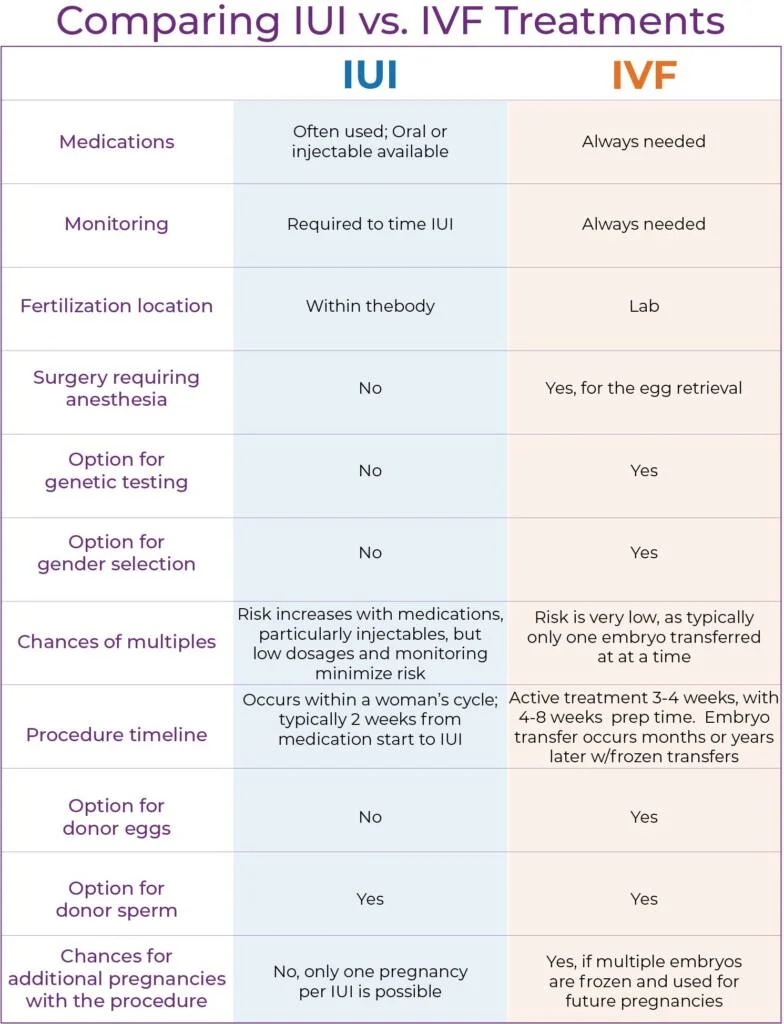
    Comparison chart of IUI and IVF treatments, detailing medications, monitoring, procedures, and success rates.

    The Science Behind Sperm Analysis and Semen Analysis

    Sperm analysis, also known as a semen analysis, is a laboratory test that evaluates different aspects of sperm health. This test is usually one of the first steps in diagnosing male fertility issues. Sperm analysis measures three main factors: sperm count, motility, and morphology.

    Sperm count refers to the number of sperm present in one milliliter of semen. A healthy sperm count is considered to be at least 15 million sperm per milliliter, while a low sperm count is anything below 10 million sperm per milliliter. Motility, on the other hand, measures the percentage of sperm that are actively moving. Sperm with good motility are able to swim and reach the egg, increasing the chances of fertilization. Lastly, morphology evaluates the shape and structure of sperm. Sperm with abnormal shapes may have a harder time reaching and fertilizing the egg.

    A semen sample is collected through masturbation and is then sent to a laboratory for analysis. The sample should be collected after 2-3 days of abstinence and should be kept at body temperature during transport. The analysis is usually completed within a few hours, and the results are then sent to the doctor for review.

    Semen Analysis: What It Measures and How It’s Done

    Semen analysis is a more comprehensive test that evaluates the overall quality of semen. This test includes all the parameters of sperm analysis, plus additional factors such as volume, pH, and fructose levels. Volume refers to the amount of semen produced during ejaculation and is typically around 2-5 milliliters. A lower volume may indicate an issue with the prostate gland or a blockage in the reproductive tract.

    pH measures the acidity of semen, which should be slightly alkaline to protect sperm from the acidic environment of the vagina. Fructose, a sugar found in semen, provides energy for sperm to swim and is an important factor in male fertility. A low fructose level may indicate a blockage in the reproductive tract.

    In addition to these parameters, semen analysis also evaluates for the presence of white blood cells, which can indicate an infection, and the liquefaction time, which refers to the time it takes for semen to become liquid after ejaculation. Abnormalities in any of these factors can provide insight into potential fertility issues and guide further testing and treatment.

    Summary:

    Sperm analysis and semen analysis are important tests used to evaluate male fertility and reproductive health. Sperm analysis measures the quantity, quality, and movement of sperm, while semen analysis evaluates the overall quality of semen, including additional factors such as volume, pH, and fructose levels. These tests provide valuable information about a man’s ability to father a child and can help identify potential factors affecting sperm health. It is important to address any potential issues to improve fertility and reproductive health.

  • Fertility Yoga: A Mind-Body Practice for Reducing Stress and Boosting Fertility

    Blog post:

    Fertility is a topic that affects millions of couples around the world, and the struggle to conceive can take a heavy toll on both the body and mind. In recent years, a growing number of women have turned to fertility yoga as a natural and holistic way to support their fertility journey.

    What is fertility yoga?

    Fertility yoga is a specialized practice that blends traditional yoga poses with breathing techniques, meditation, and visualization exercises to support reproductive health and enhance fertility. It is designed to help women connect with their bodies and create a nurturing environment for conception to occur.

    This mind-body practice focuses on reducing stress and increasing relaxation, both of which are essential for fertility. It also aims to balance hormones, improve circulation, and increase oxygen flow to the reproductive organs.

    How does it work?

    Fertility yoga works by addressing the physical, mental, and emotional aspects of fertility. The physical aspect involves gentle stretches and poses that help improve blood flow to the reproductive organs, regulate hormones, and release tension in the body.

    The mental aspect of fertility yoga involves calming the mind and reducing stress through deep breathing and meditation. This can be especially beneficial for women experiencing infertility-related anxiety and depression.

    Emotionally, fertility yoga provides a safe and supportive space for women to connect with their bodies and explore their feelings about their fertility journey. It can also help release any emotional blockages that may be hindering conception.

    Benefits of fertility yoga

    1. Reduces stress and anxiety

    Stress and anxiety can have a significant impact on reproductive health and can even lead to ovulation disorders and irregular periods. Fertility yoga can help reduce stress and promote relaxation, creating a more conducive environment for conception.

    2. Balances hormones

    Hormonal imbalances can be a major obstacle to conception. Fertility yoga poses, such as the supported bridge pose and the reclining bound angle pose, can help regulate hormone levels and improve reproductive function.

    3. Improves blood flow to the reproductive organs

    The gentle stretches and poses of fertility yoga can increase blood flow to the uterus, ovaries, and fallopian tubes, providing these organs with vital nutrients and oxygen.

    4. Increases fertility awareness

    Fertility yoga encourages women to tune in to their bodies and become more aware of their menstrual cycle and ovulation. This awareness can help women identify the most fertile days of their cycle and increase their chances of conception.

    5. Creates a positive mindset

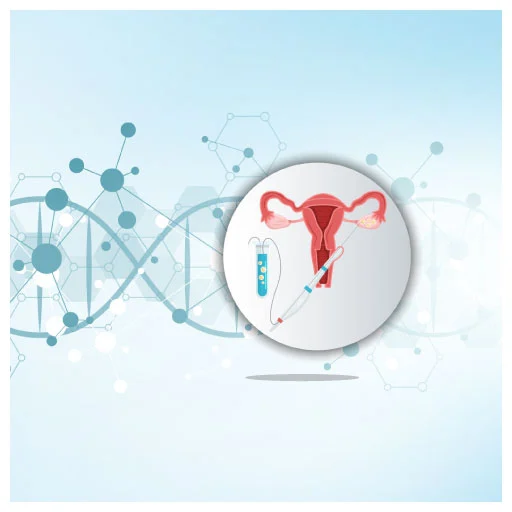
    Illustration of IUI procedure with uterus and syringe against a DNA background.

    Fertility Yoga: A Mind-Body Practice for Reducing Stress and Boosting Fertility

    The mind is a powerful tool, and a positive outlook can make a significant difference in a woman’s fertility journey. Fertility yoga incorporates positive affirmations and visualization exercises to create a more optimistic mindset and increase the chances of conception.

    6. Promotes self-care

    Trying to conceive can be physically and emotionally exhausting, and it is essential for women to take care of themselves during this time. Fertility yoga provides a nurturing and self-care practice that can help women relax and recharge.

    7. Enhances the mind-body connection

    Fertility yoga encourages women to connect with their bodies and listen to their inner wisdom. By cultivating a strong mind-body connection, women can better understand their fertility and make positive changes to support it.

    Fertility yoga poses to try

    1. Supported bridge pose (Setu Bandhasana)

    This pose helps improve blood flow to the reproductive organs and can also help relieve stress and anxiety.

    2. Reclining bound angle pose (Supta Baddha Konasana)

    This pose helps open up the hips and pelvis, improving circulation to the reproductive organs and balancing hormones.

    3. Child’s pose (Balasana)

    This gentle resting pose can help release tension in the body and promote relaxation.

    4. Legs up the wall pose (Viparita Karani)

    This pose helps improve blood flow to the pelvis and can also reduce stress and anxiety.

    5. Supported headstand (Salamba Sirsasana)

    This advanced pose can help regulate hormones and improve blood flow to the reproductive organs.

    It is essential to remember that every woman’s body is different, and what works for one may not work for another. It is always best to consult with a fertility specialist and a certified fertility yoga instructor before starting any new exercise or relaxation routine.

    In conclusion, fertility yoga can be a valuable tool for women on their fertility journey. By reducing stress, balancing hormones, and promoting a positive mindset, it can help create a more fertile environment for conception to occur. Incorporating fertility yoga into a holistic approach to fertility can provide women with the support they need to navigate this challenging and emotional time.

    Summary:

    Fertility yoga is a specialized practice that combines traditional yoga poses, breathing techniques, meditation, and visualization exercises to support reproductive health and enhance fertility. It works by addressing the physical, mental, and emotional aspects of fertility and offers benefits such as reducing stress and anxiety, balancing hormones, and improving blood flow to the reproductive organs. By promoting self-care and enhancing the mind-body connection, fertility yoga can be a valuable tool for women on their fertility journey.

  • Fertility Yoga: A Natural and Empowering Practice for Women on Their Fertility Journey

    Fertility Yoga: A Natural and Empowering Practice for Women on Their Fertility Journey

    For many women, the journey to conceiving a child can be a challenging and emotional experience. Along with the physical aspects of fertility, there are also mental and emotional factors that can impact a woman’s ability to conceive. In recent years, more and more women have turned to yoga as a natural and empowering practice to support them on their fertility journey. In this blog post, we will explore the benefits of fertility yoga and how it can be a beneficial practice for women who are trying to conceive.

    Fertility yoga is a specialized form of yoga that focuses on supporting and optimizing reproductive health. It combines traditional yoga poses with breathwork, meditation, and relaxation techniques to create a holistic approach to fertility. This practice can help improve overall physical and emotional well-being, reduce stress and anxiety, and increase fertility potential.

    One of the key benefits of fertility yoga is its ability to reduce stress levels. The journey to conception can be a stressful and overwhelming experience, and the body’s stress response can have a negative impact on fertility. Fertility yoga can help to calm the mind and body, reducing the production of stress hormones and creating a more conducive environment for conception. By practicing deep breathing and relaxation techniques, women can learn to release tension and let go of negative thoughts and emotions, promoting a sense of peace and balance in their bodies.

    In addition to reducing stress, fertility yoga also helps to improve blood circulation and balance hormones in the body. Certain yoga poses, such as forward bends and inversions, can stimulate blood flow to the reproductive organs, promoting a healthy and regular menstrual cycle. These poses can also help to balance hormone levels, which can be essential for fertility. By supporting the endocrine system and promoting hormonal balance, fertility yoga can increase the chances of conception.

    Fertility yoga can also help to release tension and stiffness in the pelvic region, improving flexibility and promoting a healthy reproductive system. The pelvic area is home to many vital organs, including the uterus, ovaries, and fallopian tubes. Tension and stiffness in this area can impede the flow of energy and blood to these organs, affecting their function. Through specific yoga poses and movements, fertility yoga can help to release this tension and improve the health and vitality of the reproductive organs.

    diagram illustrating intrauterine insemination (IUI) procedure with uterus, sperm, and catheter labeled

    Fertility Yoga: A Natural and Empowering Practice for Women on Their Fertility Journey

    Another significant benefit of fertility yoga is its ability to increase self-awareness and mindfulness. The journey to conception can be a rollercoaster of emotions, and it’s essential to take care of your mental and emotional well-being during this time. Fertility yoga encourages women to connect with their bodies and tune into their inner selves. By practicing mindfulness and self-compassion, women can learn to accept and honor their bodies, fostering a positive mindset that can support fertility.

    Fertility yoga can also be a beneficial practice for women who are undergoing fertility treatments. The stress and anxiety associated with these treatments can be overwhelming, and fertility yoga can provide a much-needed outlet for relaxation and self-care. By incorporating fertility yoga into their treatment plans, women can reduce stress levels, improve their overall well-being, and increase their chances of success.

    Aside from its physical and mental benefits, fertility yoga also offers a sense of community and support for women on their fertility journey. Many yoga studios and classes offer specialized fertility yoga sessions, creating a safe and welcoming space for women to connect with others who share similar experiences. This sense of community can provide emotional support and a sense of belonging, which can be invaluable during a challenging time.

    In conclusion, fertility yoga is a natural and empowering practice that can support women on their fertility journey. By reducing stress, balancing hormones, improving circulation, and promoting self-awareness, fertility yoga can create a more conducive environment for conception. It also provides a sense of community and support, allowing women to connect with others and find comfort in their shared experiences. Whether practiced on its own or in combination with other fertility treatments, fertility yoga can be a powerful tool for women looking to conceive and embark on the beautiful journey of motherhood.

    Summary:

    Fertility yoga is a specialized form of yoga that combines traditional poses with breathwork and relaxation techniques to support reproductive health. It can reduce stress, balance hormones, improve circulation, release tension in the pelvic region, and promote self-awareness. Fertility yoga also offers a sense of community and support for women on their fertility journey. It can be practiced on its own or in combination with other fertility treatments, making it a natural and empowering practice for women looking to conceive.

  • The Role of Yoga in Reducing Inflammation for Women Trying to Conceive

    Summary:

    Inflammation is a natural response of the body to protect itself from injury and infection. However, chronic inflammation can have negative effects on overall health, including fertility. For women who are trying to conceive, managing inflammation is crucial. Yoga, an ancient practice that combines physical postures, breathing techniques, and meditation, has been shown to be effective in reducing inflammation in the body. In this blog post, we will explore the role of yoga in reducing inflammation for women trying to conceive and how it can improve their chances of getting pregnant.

    Yoga and Inflammation:

    Inflammation is often caused by stress, poor diet, environmental toxins, and other lifestyle factors. These can all impact the reproductive system and make it difficult for women to get pregnant. Studies have shown that practicing yoga can help to reduce inflammation in the body by reducing stress and improving overall health.

    One of the key ways yoga helps to reduce inflammation is through its stress-reducing effects. Stress triggers the production of cortisol, a hormone that increases inflammation in the body. Yoga has been found to lower cortisol levels, thus reducing inflammation. Additionally, the physical postures and breathing techniques in yoga help to regulate the nervous system, which in turn reduces stress and inflammation.

    Yoga and Hormonal Balance:

    Hormonal imbalances can also contribute to inflammation and fertility issues. Yoga has been shown to help balance hormones by stimulating the endocrine glands and improving blood flow to the reproductive organs. This can help regulate menstrual cycles, improve ovulation, and increase fertility.

    Certain yoga poses, such as the shoulder stand and the fish pose, are especially beneficial for the reproductive organs. These poses increase blood flow to the pelvic area, which can help to reduce inflammation and improve fertility. They also help to balance hormones and stimulate the thyroid gland, which is responsible for regulating the reproductive hormones.

    diagram illustrating intrauterine insemination (IUI) procedure with uterus, sperm, and catheter labeled

    The Role of Yoga in Reducing Inflammation for Women Trying to Conceive

    Mental and Emotional Health:

    The journey of trying to conceive can be emotionally and mentally challenging for women. The stress, anxiety, and disappointment that come with infertility can also contribute to inflammation in the body. Yoga provides a safe and nurturing space for women to connect with their bodies and emotions, and to release any negative thoughts or feelings.

    Through meditation and breathing techniques, yoga can help to calm the mind and reduce stress and anxiety. It also promotes mindfulness, which allows women to become more aware of their bodies and any areas of tension or discomfort. By releasing these tensions, women can reduce inflammation and create a more supportive environment for conception.

    Yoga and Nutrition:

    Nutrition plays a crucial role in managing inflammation. Certain foods, such as processed and sugary foods, can trigger inflammation in the body. On the other hand, a diet rich in anti-inflammatory foods, such as leafy greens, whole grains, and healthy fats, can help to reduce inflammation.

    Yoga promotes mindful eating, which encourages women to listen to their bodies and make healthier food choices. Through the practice of yoga, women can become more aware of how certain foods affect their bodies and make changes to their diet accordingly. This can not only reduce inflammation but also improve overall health and fertility.

    Final Thoughts:

    In conclusion, yoga can be a powerful tool for women trying to conceive. Its ability to reduce stress, balance hormones, and promote overall health and well-being can help to reduce inflammation in the body and improve fertility. However, it is important to note that yoga should not be used as a replacement for medical treatment. Women should always consult with their healthcare provider before starting any new exercise regimen, especially if they have any underlying health conditions.

    Incorporating yoga into a fertility journey can be a beneficial and empowering experience. Not only does it provide physical benefits, but it also addresses mental, emotional, and nutritional factors that can contribute to inflammation and fertility issues. By reducing inflammation and creating a more harmonious environment in the body, women can increase their chances of conceiving and have a more positive outlook on their fertility journey.

  • Fertility Yoga vs Traditional Exercise: Which Is More Beneficial for Women with Unexplained Infertility?

    Blog Post:

    When it comes to dealing with infertility, women often face a lot of physical and emotional challenges. While there are many different approaches to addressing fertility issues, one that has gained popularity in recent years is fertility yoga. This specialized form of yoga is said to have benefits for women with unexplained infertility, but how does it compare to traditional exercise? In this blog post, we will explore the differences between fertility yoga and traditional exercise, and which one may be more beneficial for women dealing with unexplained infertility.

    Understanding Fertility Yoga:

    Fertility yoga is a form of yoga that is specifically designed to support and enhance reproductive health. It combines traditional yoga poses with breathing techniques and meditation, all aimed at improving hormonal balance, reducing stress, and increasing blood flow to the reproductive organs. The practice is based on the belief that by releasing tension and blocked energy in the body, women can increase their chances of conception.

    One of the main advantages of fertility yoga is that it is gentle and low-impact, making it suitable for women of all ages and fitness levels. It also focuses on specific poses that target the reproductive organs, such as the butterfly pose, which is thought to improve blood flow to the pelvic area and stimulate the ovaries.

    The Benefits of Traditional Exercise:

    On the other hand, traditional exercise, such as cardio and strength training, has been proven to have numerous benefits for overall health and well-being. Regular physical activity can help maintain a healthy weight, improve cardiovascular health, and reduce stress levels. Studies have also shown that exercise can have positive effects on fertility, especially for women with polycystic ovary syndrome (PCOS).

    Additionally, traditional forms of exercise can also improve overall body function and increase energy levels, which can be helpful for women dealing with fertility issues. Exercise can also be a great way to relieve stress and boost mood, which can be beneficial for women going through the emotional rollercoaster of trying to conceive.

    Fertility Yoga vs Traditional Exercise: Which is More Beneficial for Women with Unexplained Infertility?

    While both fertility yoga and traditional exercise have their own unique benefits, it’s important to consider which one may be more beneficial for women with unexplained infertility. According to fertility experts, there is no one-size-fits-all approach to fertility, and what works for one woman may not work for another. However, there are some key factors to consider when deciding between fertility yoga and traditional exercise.

    Illustration of IUI procedure with uterus and syringe against a DNA background.

    Fertility Yoga vs Traditional Exercise: Which Is More Beneficial for Women with Unexplained Infertility?

    1. Stress Reduction:

    Stress is a major factor in fertility, and it can have a significant impact on a woman’s ability to conceive. Fertility yoga is specifically designed to reduce stress levels through breathing techniques and meditation. By calming the mind and releasing tension in the body, fertility yoga may help regulate hormones and improve reproductive health.

    On the other hand, traditional exercise can also be an effective stress-reliever. However, it’s important to choose activities that bring joy and relaxation rather than adding more pressure to an already stressful situation. For some women, the intensity of traditional exercise may actually increase stress levels and have a negative impact on fertility.

    2. Hormonal Balance:

    Hormonal imbalances can be a major factor in unexplained infertility. Fertility yoga is believed to help balance hormones by stimulating the endocrine system and improving blood flow to the reproductive organs. This can be especially beneficial for women with conditions such as PCOS, where hormonal imbalances play a significant role in fertility.

    While traditional exercise does not have a direct effect on hormonal balance, it can help regulate hormones indirectly by promoting a healthy weight and reducing stress levels. It’s also important to note that excessive exercise can have a negative impact on hormonal balance, so it’s important to find a balance and not overdo it.

    3. Physical Limitations:

    As mentioned earlier, fertility yoga is a low-impact form of exercise that is gentle on the body. This makes it suitable for women with physical limitations or injuries, making it a more accessible option for those with fertility issues. Traditional exercise, on the other hand, can be more challenging and may not be suitable for women with certain medical conditions.

    Summary:

    In conclusion, both fertility yoga and traditional exercise have their own unique benefits for women with unexplained infertility. Fertility yoga may be more beneficial for those looking for a low-impact, stress-reducing form of exercise that specifically targets the reproductive organs. On the other hand, traditional exercise can also have positive effects on fertility, especially when it comes to managing stress and maintaining a healthy weight. Ultimately, the best approach will depend on each individual’s needs and preferences.

  • Fertility Yoga: A Holistic Approach to Improving Fertility and Preparing for Motherhood

    Blog Post Title: Fertility Yoga: A Holistic Approach to Improving Fertility and Preparing for Motherhood

    Summary:

    Fertility is a complex and deeply personal journey for many women. It can be filled with challenges, emotions, and uncertainty. While there are many medical treatments and interventions available, some women are turning to a holistic approach to improve their fertility and prepare for motherhood: fertility yoga.

    Fertility yoga is a specific type of yoga practice that focuses on supporting reproductive health and increasing fertility. It combines physical postures, breathing exercises, and meditation to create a mind-body connection that can positively impact fertility. In this blog post, we will explore the benefits of fertility yoga, how it can improve fertility, and how it can prepare women for motherhood.

    One of the main benefits of fertility yoga is its ability to reduce stress and anxiety. The journey of trying to conceive can be incredibly stressful and emotionally draining. This stress can have a negative impact on fertility by disrupting hormone levels and ovulation. Fertility yoga helps to calm the mind and relax the body, reducing stress levels and creating a more positive environment for conception.

    Fertility yoga also focuses on specific postures and exercises that target the reproductive organs. These postures increase blood flow to the pelvic area, which can improve the health of the ovaries and uterus. They can also help to release tension in the hips and lower back, which can be beneficial for women with conditions such as endometriosis or polycystic ovary syndrome (PCOS).

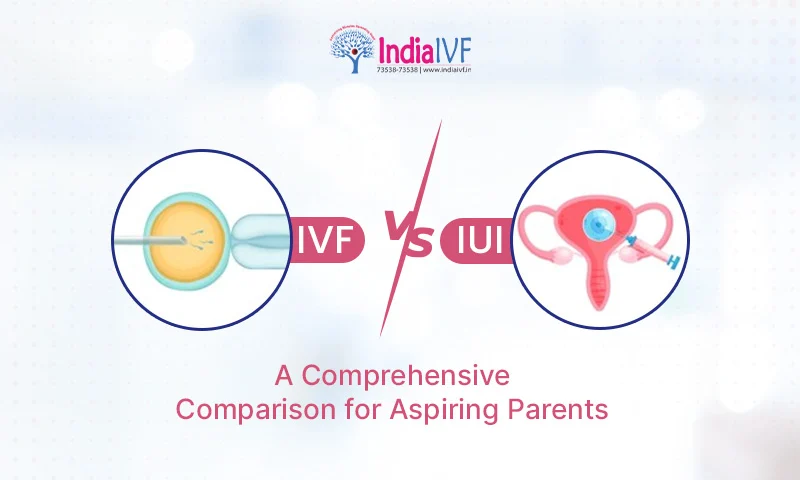
    IVF vs IUI comparison graphic highlighting reproductive methods for aspiring parents.

    Fertility Yoga: A Holistic Approach to Improving Fertility and Preparing for Motherhood

    Additionally, fertility yoga can balance the endocrine system, which is responsible for producing and regulating hormones. Imbalances in hormones can affect fertility, and practicing fertility yoga can help to restore balance and improve reproductive health. The practice also stimulates the parasympathetic nervous system, which is responsible for promoting relaxation and healing in the body.

    Aside from the physical benefits, fertility yoga also focuses on the emotional and spiritual aspects of fertility. The practice encourages women to connect with their bodies and their intuition. It can help women to release emotional blocks and trauma that may be impacting their fertility. Fertility yoga can also help women to cultivate self-love and acceptance, which is crucial for preparing for motherhood.

    Another aspect of fertility yoga is its emphasis on mindfulness and meditation. This practice can help women to become more present and aware of their bodies and their thoughts. It can also help to reduce negative thought patterns and promote a more positive mindset. Cultivating a positive mindset is essential for fertility, as stress and negative thinking can have a significant impact on reproductive health.

    Fertility yoga is not just about improving fertility; it also helps women to prepare for motherhood. The physical postures and exercises can help to strengthen the body and prepare it for the physical demands of pregnancy and childbirth. The deep breathing and relaxation techniques can also be beneficial during labor and delivery. Furthermore, the emotional and spiritual aspects of fertility yoga can help women to feel more connected and ready for the journey of motherhood.

    In addition to the physical and emotional benefits, fertility yoga also offers a supportive community for women on their fertility journey. Many fertility yoga classes and workshops are specifically designed for women trying to conceive, creating a safe and understanding space for women to come together and share their experiences. This sense of community and support can be incredibly empowering and comforting for women going through the challenges of fertility.

    In conclusion, fertility yoga offers a holistic approach to improving fertility and preparing for motherhood. Its combination of physical postures, breathing exercises, and mindfulness techniques can have a positive impact on reproductive health, reduce stress and anxiety, and prepare women for the journey of motherhood. Along with medical treatments, fertility yoga can be a valuable tool for women on their fertility journey.

  • Fertility Yoga for Couples: A Bonding Experience for Those on Their Fertility Journey

    Blog Post Title: Fertility Yoga for Couples: A Bonding Experience for Those on Their Fertility Journey

    Summary:

    For couples struggling with infertility, the journey to parenthood can be emotionally and physically taxing. While medical treatments and interventions can help, many couples may also turn to alternative methods to aid in their fertility journey. One such method that has gained popularity in recent years is fertility yoga for couples.

    Fertility yoga is a specialized form of yoga that combines traditional yoga poses with specific techniques and breathing exercises aimed at promoting fertility. When practiced together as a couple, it not only provides physical and mental benefits but also serves as a bonding experience for partners on the fertility journey.

    In this blog post, we will delve deeper into the practice of fertility yoga for couples, its benefits, and how it can help strengthen the bond between partners on their fertility journey.

    Understanding Fertility Yoga:

    Fertility yoga, also known as reproductive yoga or yoga for fertility, is a holistic approach that focuses on bringing balance and harmony to the body, mind, and spirit. It combines elements of traditional yoga, meditation, and breathing techniques to improve the reproductive health of individuals and aid in their journey towards parenthood.

    Fertility yoga specifically targets the reproductive organs and the endocrine system, which plays a crucial role in fertility. By stimulating these areas through various poses and techniques, fertility yoga aims to improve blood flow, reduce stress, balance hormones, and create a more conducive environment for conception.

    The Benefits of Fertility Yoga:

    1. Reduces Stress: Stress is a major factor that can affect fertility. Fertility yoga involves breathing and relaxation techniques that help calm the mind and reduce stress levels. This, in turn, can have a positive impact on fertility by reducing the levels of cortisol, a stress hormone that can interfere with ovulation and sperm production.

    diagram of a uterus with a syringe for intrauterine insemination procedure

    Fertility Yoga for Couples: A Bonding Experience for Those on Their Fertility Journey

    2. Increases Blood Flow: Fertility yoga incorporates poses that target the reproductive organs, such as the uterus and ovaries, by improving blood flow to these areas. This increased blood flow can help nourish these organs and improve their function, leading to a higher chance of conception.

    3. Balances Hormones: Hormonal imbalances can be a significant barrier to fertility. Fertility yoga poses, such as the supported bridge pose, can stimulate the endocrine system, which is responsible for producing and regulating hormones. This can help bring balance to the hormones and improve fertility.

    4. Encourages Mind-Body Connection: Fertility yoga is not just about physical poses; it also involves mindfulness and meditation. By focusing on the present moment and connecting with one’s body, individuals can cultivate a deeper understanding and awareness of their reproductive health and needs.

    5. Strengthens the Relationship: Practicing fertility yoga as a couple can be a powerful way to strengthen the bond between partners. It allows them to connect and support each other on their fertility journey, creating a sense of unity and understanding. It also provides a safe space for couples to share their emotions and fears, leading to better communication and a stronger relationship.

    Fertility Yoga Poses for Couples:

    1. Seated Forward Bend: This pose helps stimulate the reproductive organs and improve blood flow to the pelvic area. To practice this pose, sit facing each other with your legs extended and feet touching. Hold onto each other’s hands and fold forward, bringing your heads towards your knees.

    2. Supported Bridge Pose: This pose helps balance hormones and reduce stress. To practice this pose, lie on your back with your knees bent and feet flat on the ground. Place a yoga block or pillow under your hips for support. Hold onto each other’s hands and lift your hips towards the ceiling.

    3. Butterfly Pose: This pose helps improve flexibility in the hips and groin area, which can be beneficial for conception. Sit facing each other with the soles of your feet touching. Hold onto each other’s hands and gently press your knees towards the ground.

    4. Heart-to-Heart Pose: This pose helps create a deep connection between partners and encourages communication. Sit facing each other with your legs crossed. Hold onto each other’s hands and gently lean towards each other until your foreheads touch.

    It’s essential to remember that fertility yoga is not a quick fix for fertility issues. It should be used as a complementary practice alongside medical treatments and interventions. It’s also crucial to consult with a certified fertility yoga instructor before starting any yoga practice, especially if you have any underlying medical conditions.

    In conclusion, fertility yoga for couples is a powerful tool that can aid in the fertility journey. It not only provides physical and mental benefits but also strengthens the bond between partners. By practicing fertility yoga together, couples can support each other and create a sense of unity, making the journey towards parenthood a more positive and fulfilling experience.