Tag: fertility

  • Traditional Fertility Treatments: What to Expect and How to Cope

    Traditional Fertility Treatments: What to Expect and How to Cope

    Trying to conceive a child can be a rollercoaster of emotions. For some, it may happen quickly and easily, but for others, it can be a long and challenging journey. When natural conception is not possible, many couples turn to fertility treatments to help them achieve their dream of becoming parents. However, the idea of undergoing fertility treatments can be daunting, and it’s natural to have concerns and questions. In this blog post, we will discuss traditional fertility treatments, what to expect, and how to cope with the process.

    Understanding Fertility Treatments
    Fertility treatments are medical procedures that aim to improve a couple’s chances of conceiving a child. These treatments are usually recommended when a couple has been trying to conceive for one year without success. However, if the woman is over 35, the time frame may be shortened to six months, as fertility declines with age.

    There are various fertility treatments available, and the type recommended will depend on the underlying cause of infertility. Some of the most common traditional fertility treatments include:

    1. Ovulation Induction – This treatment involves taking medication to stimulate the ovaries to produce more eggs.

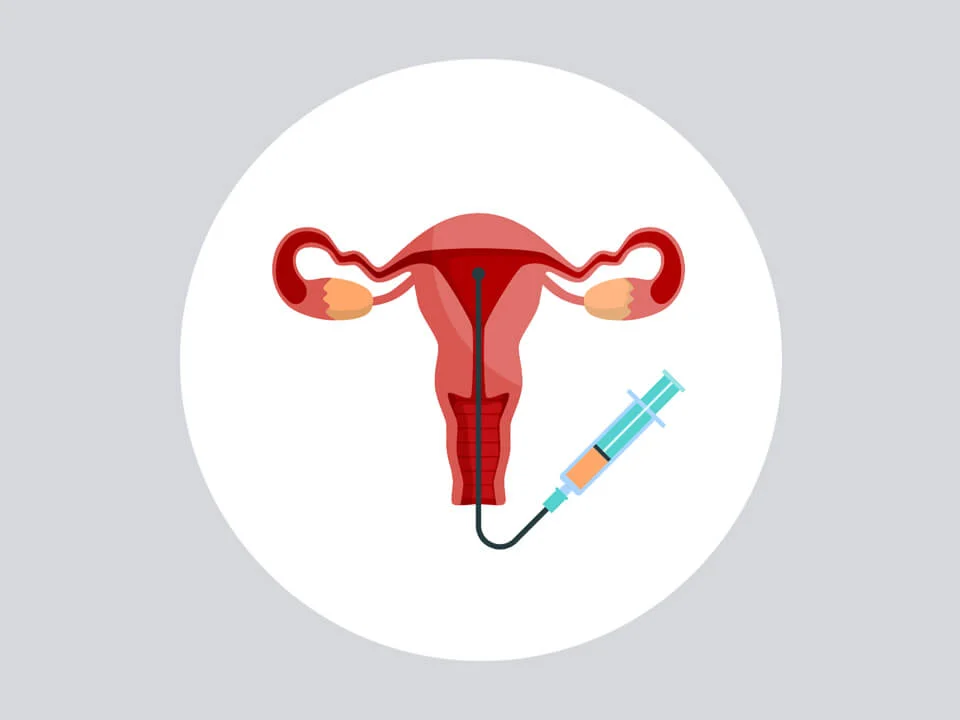
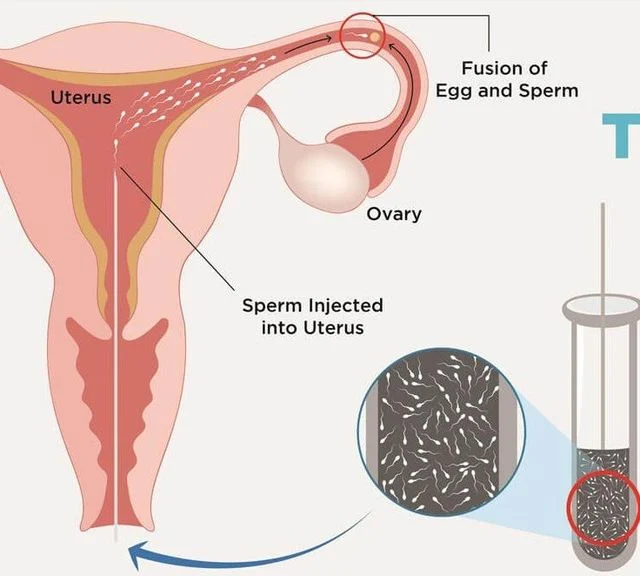
    2. Intrauterine Insemination (IUI) – During this procedure, washed and prepared sperm is inserted directly into the uterus during the woman’s ovulation period.

    3. In Vitro Fertilization (IVF) – This is a more complex procedure that involves retrieving eggs from the woman’s ovaries and fertilizing them with sperm in a laboratory. The resulting embryo is then transferred into the woman’s uterus.

    4. Intracytoplasmic Sperm Injection (ICSI) – This is similar to IVF, but instead of fertilizing the eggs naturally, a single sperm is injected into the egg to achieve fertilization.

    5. Surrogacy – In this option, a woman carries a child for another couple or individual.
    Comparison of IUI and IVF treatments with diagrams of reproductive anatomy.

    Traditional Fertility Treatments: What to Expect and How to Cope

    The fertility specialist will assess the couple’s medical history and conduct various tests to determine the most suitable treatment for them.

    The Emotional Impact of Fertility Treatments
    The journey of undergoing fertility treatments can be physically, emotionally, and financially draining. It’s a time filled with hope, anxiety, and uncertainty. Many couples may experience feelings of disappointment, frustration, and even grief when treatments fail. It’s essential to acknowledge and address these emotions, as they can affect the couple’s mental well-being and their relationship.

    Tips for Coping with Fertility Treatments
    1. Educate Yourself – Understanding the fertility treatment process can help alleviate some of the fears and uncertainties. Ask your fertility specialist questions and do your own research to gain a better understanding of the procedures.

    2. Lean on Support – Going through fertility treatments can be isolating, but it’s crucial to have a support system. Lean on your partner, family, and friends for emotional support. You can also join support groups or seek therapy to help you cope with the emotional rollercoaster.

    3. Practice Self-Care – Taking care of yourself during this time is essential. Eat healthily, get enough rest, and engage in activities that bring you joy and relaxation.

    4. Communicate with Your Partner – Going through fertility treatments can put a strain on a relationship. It’s crucial to communicate openly and honestly with your partner and support each other through the process.

    5. Seek Professional Help – Don’t be afraid to seek professional help if you’re struggling to cope with the emotional impact of fertility treatments. A therapist or counselor can provide you with tools and techniques to manage your emotions and support you through this journey.

    What to Expect During Fertility Treatments
    The process of undergoing fertility treatments can be overwhelming, but knowing what to expect can help ease some of the stress. The first step will be consulting with a fertility specialist who will assess your medical history and conduct various tests. Once a treatment plan is agreed upon, you will undergo the necessary procedures, which may include medication, blood tests, ultrasounds, and the actual fertility treatment.

    The success rate of fertility treatments varies depending on several factors, such as age, underlying health conditions, and the type of treatment. It’s essential to have realistic expectations and be prepared for multiple attempts before achieving success.

    In conclusion, traditional fertility treatments can be a challenging and emotional journey for couples struggling to conceive. It’s crucial to have a support system, communicate openly with your partner, and take care of yourself during this time. With the right mindset and support, you can navigate through the ups and downs of fertility treatments and hopefully achieve your dream of becoming parents.
  • A Comprehensive Guide to Fertility Massage: Techniques and Benefits

    Fertility is a major concern for many couples who are trying to conceive. While there are various medical interventions and treatments available, there is also a natural and holistic approach to fertility called fertility massage. This type of massage has gained popularity in recent years for its potential benefits in improving reproductive health and increasing chances of conception. In this comprehensive guide, we will explore the techniques and benefits of fertility massage.

    What is Fertility Massage?

    Fertility massage is a specialized type of massage that focuses on the reproductive organs and the surrounding areas. It is based on the principles of traditional massage therapy, but with a specific focus on improving reproductive health and increasing fertility. Fertility massage can be performed by a trained massage therapist or self-administered at home with proper knowledge and techniques.

    Techniques of Fertility Massage

    There are different techniques involved in fertility massage, and the most commonly used ones include the following:

    1. Abdominal Massage: This technique involves gentle, circular massage movements on the abdomen to help improve blood flow and circulation to the reproductive organs.

    2. Reflexology: Reflexology focuses on specific points on the feet that correspond to different organs in the body. By stimulating these points, reflexology aims to promote balance and healing within the body.

    3. Acupressure: Similar to reflexology, acupressure targets specific points on the body, known as acupoints, to stimulate the flow of energy and promote healing.

    4. Craniosacral Therapy: This gentle technique involves applying pressure to the head and spine, which can help release tension and improve the flow of cerebrospinal fluid, promoting overall relaxation and balance in the body.

    5. Deep Tissue Massage: This technique involves applying firm pressure to deeper layers of muscle and tissue, which can help release tension and improve blood flow and circulation.

    Illustration of a uterus with a syringe, representing intrauterine insemination (IUI) procedure.

    A Comprehensive Guide to Fertility Massage: Techniques and Benefits

    Benefits of Fertility Massage

    1. Improves Blood Flow to Reproductive Organs: One of the main benefits of fertility massage is its ability to improve blood flow and circulation to the reproductive organs. This can help nourish the organs with oxygen and nutrients, promoting their health and function.

    2. Reduces Stress and Promotes Relaxation: Stress and anxiety can have a negative impact on reproductive health. Fertility massage can help reduce stress levels and promote relaxation, creating an optimal environment for conception.

    3. Supports Hormonal Balance: Hormonal imbalances can be a major cause of fertility issues. Fertility massage can help stimulate the endocrine system and promote hormonal balance, which is crucial for reproductive health.

    4. Detoxifies the Body: Fertility massage can also help detoxify the body by stimulating the lymphatic system, which is responsible for removing toxins and waste from the body.

    5. Promotes Emotional Well-Being: Fertility massage can also have a positive impact on emotional well-being by promoting a sense of calmness and balance. This can be especially beneficial for those struggling with the emotional toll of fertility issues.

    Is Fertility Massage Right for You?

    Fertility massage is generally safe and beneficial for most individuals, but it is always important to consult with a healthcare professional before trying any new treatment. Fertility massage may not be recommended for those with certain medical conditions, such as ovarian cysts, fibroids, or endometriosis. It is also not recommended for pregnant women or those undergoing fertility treatments.

    In Summary

    Fertility massage is a natural and holistic approach to improving reproductive health and increasing chances of conception. It involves specialized techniques such as abdominal massage, reflexology, acupressure, craniosacral therapy, and deep tissue massage. The potential benefits of fertility massage include improved blood flow to reproductive organs, reduced stress levels, support for hormonal balance, detoxification, and emotional well-being. However, it is important to consult with a healthcare professional before trying fertility massage.

    In conclusion, fertility massage is a safe and effective way to promote reproductive health and increase fertility. With its focus on the physical, emotional, and energetic aspects of fertility, it can be a valuable addition to any fertility journey. Whether performed by a trained professional or self-administered at home, fertility massage can provide numerous benefits for those trying to conceive.

  • Fertility Massage vs. Medications: Which Is the Safer Option?

    Fertility issues can be a source of great stress and frustration for many individuals and couples. In an effort to conceive, many turn to fertility treatments such as medications or fertility massage. While both options may have their benefits, it is important to consider which is the safer option for your body. In this blog post, we will explore the differences between fertility massage and medications, and ultimately determine which may be the better choice for those struggling with fertility.

    First, let’s take a closer look at fertility medications. These medications are typically prescribed by a doctor and work by regulating hormones and stimulating ovulation. While they may be effective in helping individuals conceive, they come with their fair share of risks and side effects. Some common side effects of fertility medications include hot flashes, headaches, mood swings, and abdominal discomfort. In some cases, these medications may also increase the risk of multiple pregnancies or ovarian hyperstimulation syndrome, a potentially serious condition that can cause swelling of the ovaries and fluid accumulation in the abdomen. Additionally, fertility medications can be expensive, with each cycle costing hundreds or even thousands of dollars.

    On the other hand, fertility massage is a non-invasive and natural approach to increasing fertility. This type of massage focuses on the reproductive organs and surrounding areas, using specific techniques to improve blood flow, release tension, and balance hormones. It is believed that by addressing any blockages or imbalances in the reproductive system, fertility massage can help prepare the body for pregnancy. Some studies have shown that fertility massage can improve the chances of conception, with one study reporting a 50% increase in pregnancy rates for those who received regular fertility massages. Furthermore, this type of massage can also help reduce stress and promote relaxation, which can have a positive impact on fertility.

    One of the key benefits of fertility massage is that it does not come with the same risks and side effects as fertility medications. As a non-invasive and natural approach, it is generally considered to be a safer option for those looking to improve their fertility. Fertility massage can also be more cost-effective in the long run, as it does not require expensive medications or multiple cycles.

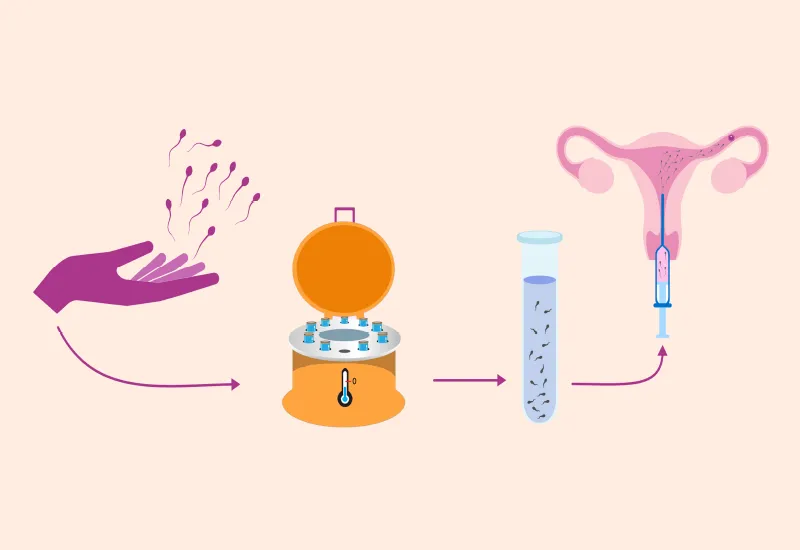
    Diagram illustrating the IUI process, showing sperm injection into the uterus and egg fertilization.

    Fertility Massage vs. Medications: Which Is the Safer Option?

    It is also worth noting that fertility massage can be used in conjunction with fertility medications. Some individuals may choose to combine the two methods for a more comprehensive approach to fertility. However, it is important to consult with a healthcare professional before doing so, as some medications may interfere with the massage techniques or vice versa.

    In addition to the physical benefits, fertility massage can also have a positive impact on one’s emotional well-being. Struggling with fertility can take a toll on mental health, and the stress and anxiety that come with it can actually hinder the chances of conception. Fertility massage, with its focus on relaxation and self-care, can help alleviate some of that stress and create a more positive mindset for those trying to conceive.

    In summary, both fertility massage and medications have their own unique benefits and risks. While medications may be more effective in stimulating ovulation, they also come with potential side effects and can be costly. On the other hand, fertility massage is a safer and more affordable option that can also have a positive impact on one’s emotional well-being. Ultimately, the best option for you will depend on your personal circumstances and preferences. It is important to consult with a healthcare professional and consider all factors before making a decision.

    In conclusion, fertility massage and medications are two commonly used methods for those struggling with fertility. While both have their own pros and cons, it is important to consider which may be the safer option for your body. Fertility massage, with its natural approach and lack of side effects, may be a better choice for those looking to improve their chances of conception. However, it is always recommended to consult with a healthcare professional and make an informed decision based on your individual needs and situation.

  • Traditional Fertility Treatments: Are They Worth the Cost?

    Traditional Fertility Treatments: Are They Worth the Cost?

    Fertility is a natural process that allows individuals to conceive and bear children. However, for some couples, achieving pregnancy can be a challenging and expensive journey. In recent years, there has been a surge in the popularity of traditional fertility treatments as a means of increasing the chances of conception. These treatments, rooted in ancient practices and beliefs, have been used by cultures around the world for centuries. But with the rise of modern medicine and technology, the effectiveness and necessity of traditional fertility treatments have come into question. In this blog post, we will explore the various traditional fertility treatments, their benefits and drawbacks, and ultimately answer the question: are they worth the cost?

    What are Traditional Fertility Treatments?

    Traditional fertility treatments encompass a wide range of practices and beliefs that have been used by cultures around the world for centuries. These treatments are rooted in traditional medicine and are often based on ancient beliefs and cultural practices. They include herbal remedies, acupuncture, massage, and dietary changes, among others. These treatments are believed to help balance the body’s energy, improve reproductive health, and increase the chances of conception.

    Herbal Remedies

    Herbal remedies have been used for centuries to help increase fertility. These remedies typically involve a combination of herbs and plants that are believed to have medicinal properties that can improve reproductive health. Some commonly used herbs include chasteberry, maca, and red clover. These herbs are believed to help regulate hormones, improve blood flow to the reproductive organs, and support a healthy menstrual cycle. While there is limited scientific evidence to support the effectiveness of herbal remedies, many couples swear by their success in helping them conceive.

    Acupuncture

    Acupuncture is an ancient Chinese practice that involves inserting thin needles into specific points on the body to stimulate energy flow. It is believed to help regulate the body’s energy and promote overall health and well-being. In terms of fertility, acupuncture is thought to increase blood flow to the reproductive organs, balance hormones, and reduce stress, all of which can improve the chances of conceiving. While there is conflicting evidence on the effectiveness of acupuncture for fertility, many couples have reported success with this treatment.

    Massage

    Massage, particularly abdominal massage, has been used for centuries as a traditional fertility treatment. This type of massage involves gentle and targeted manipulation of the abdominal area to help improve reproductive health. It is believed to help increase blood flow to the reproductive organs, release tension and blockages, and promote hormonal balance. Many couples have reported success with abdominal massage in helping them conceive, although there is limited scientific evidence to support its effectiveness.

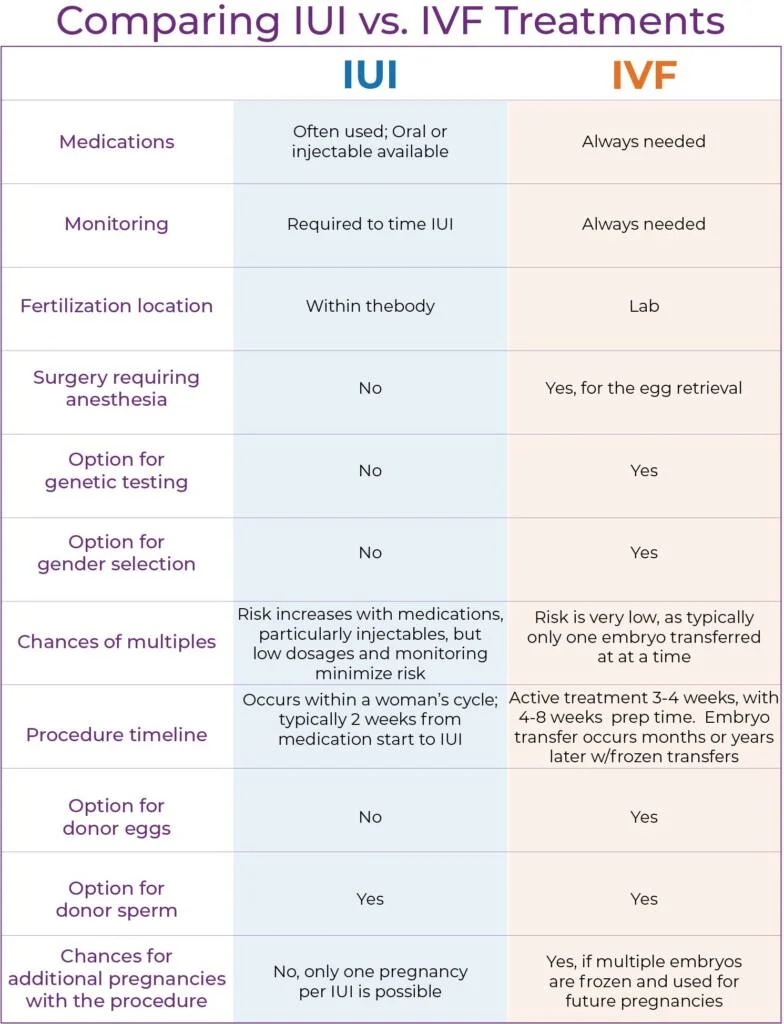
    Comparison chart of IUI and IVF treatments, detailing medications, monitoring, procedures, and success rates.

    Traditional Fertility Treatments: Are They Worth the Cost?

    Dietary Changes

    Diet can play a significant role in reproductive health and fertility. Traditional fertility treatments often involve dietary changes aimed at improving overall health and increasing the chances of conception. This may include consuming certain foods that are believed to be beneficial for reproductive health, such as leafy greens, healthy fats, and whole grains. It may also involve avoiding certain foods that are believed to negatively impact fertility, such as processed foods, caffeine, and alcohol. While there is limited scientific evidence to support the effectiveness of dietary changes for fertility, a healthy and balanced diet can undoubtedly have a positive impact on overall health and well-being.

    The Benefits and Drawbacks of Traditional Fertility Treatments

    One of the main benefits of traditional fertility treatments is that they are often more affordable than modern medical interventions such as IVF or fertility drugs. Many of these treatments can be done at home or with the help of a trained practitioner, making them more accessible to individuals and couples who cannot afford costly medical procedures. Additionally, traditional fertility treatments often have fewer side effects compared to modern treatments, which may involve hormonal medications or invasive procedures.

    However, one of the main drawbacks of traditional fertility treatments is the lack of scientific evidence to support their effectiveness. While these treatments may have been used for centuries and have anecdotal success stories, there is limited research to back up their claims. This can make it challenging for couples to decide whether to invest time and money in these treatments, especially when modern medical interventions offer higher success rates.

    Are Traditional Fertility Treatments Worth the Cost?

    The answer to this question is not a straightforward one. Traditional fertility treatments may be worth the cost for some couples, while others may find that they do not have a significant impact on their fertility journey. It ultimately depends on individual factors, such as the cause of fertility issues, personal beliefs, and financial constraints. For couples who prefer a more natural approach to fertility and have the means to invest in these treatments, they may be worth a try. However, for those with more severe fertility issues or who are seeking faster results, modern medical interventions may be a better option.

    In conclusion, traditional fertility treatments have been used for centuries to help couples conceive. While there is limited scientific evidence to support their effectiveness, many individuals and cultures swear by their success. Whether or not they are worth the cost depends on individual circumstances and beliefs. As with any fertility treatment, it is essential to consult with a healthcare professional and make an informed decision that is right for you and your partner.

    Summary:

    In this blog post, we explored traditional fertility treatments, including herbal remedies, acupuncture, massage, and dietary changes. These treatments have been used by cultures around the world for centuries and are believed to improve reproductive health and increase the chances of conception. While there is limited scientific evidence to support their effectiveness, many couples have reported success with these treatments. The benefits of traditional fertility treatments include affordability and fewer side effects, while the drawbacks include the lack of scientific evidence. Ultimately, whether these treatments are worth the cost depends on individual factors and beliefs.

  • Fertility Massage: The Ancient Technique for Modern-Day Conception

    Fertility Massage: The Ancient Technique for Modern-Day Conception

    In today’s fast-paced and modern world, many couples struggle with fertility issues. With increased stress, environmental toxins, and other factors, it can be challenging for couples to conceive. While many turn to modern medicine for solutions, there is a lesser-known ancient technique that has been gaining popularity in recent years – fertility massage. This alternative therapy has been used for centuries in different cultures to promote fertility and reproductive health. In this blog post, we will dive into the history, benefits, and techniques of fertility massage, and how it can help modern-day couples on their journey to conception.

    History of Fertility Massage

    Fertility massage has been used for thousands of years in different cultures as a way to enhance fertility and reproductive health. In ancient Egypt, fertility massage was used to prepare women for childbirth, and in China, it was believed to promote the flow of qi (life force energy) and balance the body for conception. In India, fertility massage was used as part of Ayurvedic medicine to support reproductive health. The techniques of fertility massage were passed down through generations and were often kept secret within families or communities.

    In the Western world, fertility massage has been gaining recognition and popularity in recent years. The first recorded use of fertility massage in modern times was by Dr. Gowri Motha, a British Ayurvedic doctor, who developed a specific massage technique to help women with fertility issues. Since then, fertility massage has been studied and practiced by various therapists and has shown promising results in helping couples conceive.

    Benefits of Fertility Massage

    Fertility massage is a non-invasive and holistic approach to promoting fertility and reproductive health. It aims to improve the overall health and functioning of the reproductive and endocrine systems by increasing blood flow, releasing tension, and balancing hormones. Some of the potential benefits of fertility massage include:

    1. Improved blood circulation to the reproductive organs: Fertility massage involves gentle and targeted movements that stimulate blood flow to the uterus, ovaries, and fallopian tubes. This increased blood flow can help improve the health and functioning of these organs, and thus improve fertility.

    2. Reduced stress and tension: Stress and tension can have a negative impact on fertility by disrupting hormone balance and affecting ovulation. Fertility massage techniques can help release tension in the muscles and promote relaxation, which can reduce stress levels and improve fertility.

    3. Regulation of hormone levels: Hormonal imbalances can be a major factor in fertility issues. Fertility massage can help balance hormones by stimulating the endocrine glands and encouraging the production of hormones necessary for conception.

    illustration of the IUI process, showing sperm collection, preparation, and insertion into the uterus

    Fertility Massage: The Ancient Technique for Modern-Day Conception

    4. Breakdown of scar tissue: Scar tissue in the reproductive organs can interfere with their functioning and cause fertility issues. Fertility massage techniques can help break down scar tissue and improve the health and mobility of the reproductive organs.

    5. Emotional support: Trying to conceive can be an emotional journey, and fertility massage can provide emotional support to couples. The nurturing touch and supportive environment of a fertility massage session can help reduce anxiety, promote relaxation, and improve overall well-being.

    Techniques of Fertility Massage

    While there are different variations of fertility massage, the most common technique is the abdominal or womb massage. This involves gentle and targeted massage techniques on the abdomen, lower back, and hips to support the reproductive organs and promote overall reproductive health. Some therapists may also incorporate reflexology, aromatherapy, and acupressure techniques into their fertility massage sessions.

    Fertility massage is typically performed by a trained therapist, but there are also self-massage techniques that couples can learn and practice at home. These techniques involve gentle abdominal massage, reflexology on the feet, and acupressure points on the hands and feet.

    It is essential to note that fertility massage is not a one-time fix and requires regular sessions to see results. The number of sessions needed may vary depending on individual needs and fertility issues.

    Who Can Benefit from Fertility Massage?

    Fertility massage can benefit anyone who is trying to conceive, whether they are experiencing fertility issues or not. It can also be used in conjunction with other fertility treatments, such as IVF, to improve the chances of success. Fertility massage is safe for most individuals, but it is essential to consult with a doctor before starting any new therapy.

    Summary

    Fertility massage is an ancient technique that has been used for centuries to support reproductive health and enhance fertility. It involves gentle and targeted massage techniques on the abdomen, lower back, and hips to promote blood flow, release tension, and balance hormones. Some potential benefits of fertility massage include improved blood circulation to the reproductive organs, reduced stress and tension, and regulation of hormone levels. It can benefit anyone trying to conceive and can be used in conjunction with other fertility treatments. While fertility massage is not a one-time fix, regular sessions can help improve fertility and overall well-being.

  • Maximizing Your Fertility Journey: The Role of Massage Therapy

    Maximizing Your Fertility Journey: The Role of Massage Therapy

    When it comes to trying to conceive, many couples may feel overwhelmed and frustrated with the process. However, there are various methods and practices that can help maximize your fertility journey, and one of them is massage therapy. While it may seem like a simple and relaxing practice, massage therapy has been shown to have significant benefits for those struggling with fertility. In this blog post, we will explore the role of massage therapy in fertility and how it can help in your journey towards parenthood.

    Understanding Fertility and Its Challenges

    Fertility refers to a couple’s ability to conceive a child. Unfortunately, many couples face challenges when it comes to fertility, with about 10-15% of couples experiencing difficulty in getting pregnant. Factors such as age, health conditions, and lifestyle habits can all contribute to fertility issues. As a result, many couples turn to various fertility treatments and practices to increase their chances of conceiving.

    The Role of Massage Therapy in Fertility

    Massage therapy has been used for centuries to promote relaxation, reduce stress, and improve overall well-being. However, recent studies have shown that it can also have a positive impact on fertility. Massage therapy works by manipulating soft tissues and muscles, which can have a direct effect on the body’s hormones and reproductive system.

    One of the main ways massage therapy can help with fertility is by reducing stress. Stress can have a significant impact on the body, including the reproductive system. When we are stressed, our bodies produce higher levels of the hormone cortisol, which can interfere with the production of other hormones necessary for fertility. Massage therapy can help reduce stress levels, thus promoting a more balanced hormonal environment for conception.

    In addition to reducing stress, massage therapy can also improve blood circulation. By stimulating blood flow to the reproductive organs, massage therapy can help deliver essential nutrients and oxygen to these areas, promoting a healthier environment for conception. Improved circulation can also help remove any toxins or waste products from the body, which can potentially harm fertility.

    Massage therapy can also help improve the functionality of the reproductive organs. By manipulating the soft tissues and muscles in the pelvic area, massage therapy can help release tension and reduce any blockages that may be hindering the reproductive organs’ proper functioning. This can help regulate menstrual cycles and promote a more hospitable environment for conception.

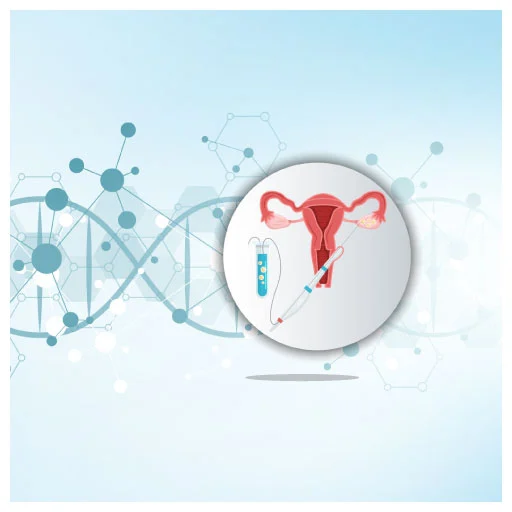
    Illustration of IUI procedure with uterus and syringe against a DNA background.

    Maximizing Your Fertility Journey: The Role of Massage Therapy

    Furthermore, massage therapy can help balance the body’s hormones. Hormone imbalances can significantly affect fertility, and massage therapy can help regulate the body’s hormone levels, promoting a healthier and more conducive environment for pregnancy.

    Types of Massage Therapy for Fertility

    There are various types of massage therapy that can be beneficial for fertility. One popular technique is abdominal massage, which focuses on the abdominal and pelvic area, promoting relaxation and improving blood flow to the reproductive organs. Another technique is reflexology, which involves applying pressure to specific points on the feet and hands, believed to correspond to different organs and systems in the body, including the reproductive system.

    Other types of massage therapy that can be beneficial for fertility include Swedish massage, deep tissue massage, and myofascial release. It is essential to consult with a certified massage therapist who specializes in fertility to determine the best type of massage therapy for your specific needs.

    Maximizing the Benefits of Massage Therapy for Fertility

    To get the most out of massage therapy for fertility, it is essential to incorporate it into a holistic approach to fertility. This can include making healthy lifestyle choices, such as maintaining a balanced diet, exercising regularly, and getting enough sleep. It is also crucial to address any underlying health conditions that may be affecting fertility and to consult with a fertility specialist for personalized advice and treatment.

    It is also essential to communicate with your massage therapist about your fertility goals and any related health issues. This will help them tailor the massage therapy sessions to your specific needs and ensure that you are receiving the most beneficial treatment for your fertility journey.

    Conclusion

    In conclusion, massage therapy can be a valuable tool in maximizing your fertility journey. By reducing stress, improving blood circulation, promoting reproductive organ functionality, and balancing hormones, massage therapy can help create a more favorable environment for conception. However, it is essential to incorporate massage therapy as part of a holistic approach to fertility and to consult with a certified massage therapist and fertility specialist for personalized advice and treatment.

    In summary, massage therapy can play a significant role in promoting fertility by reducing stress, improving blood circulation, promoting reproductive organ functionality, and balancing hormones. It is essential to incorporate massage therapy into a holistic approach to fertility and consult with a certified massage therapist and fertility specialist for personalized treatment. With the right approach and mindset, massage therapy can be a beneficial tool in helping you achieve your dream of parenthood.

  • From Acupuncture to Massage: The Many Paths to Fertility

    From Acupuncture to Massage: The Many Paths to Fertility

    Struggling with fertility can be a difficult and emotional journey for many couples. While modern medicine offers a variety of options for fertility treatments, there are also alternative and holistic approaches that can be explored. In particular, acupuncture and massage have gained popularity as natural ways to support fertility. In this blog post, we will delve into the world of acupuncture and massage and how they can help on the path to fertility.

    Acupuncture and Fertility

    Acupuncture is an ancient Chinese medicine practice that involves inserting thin needles into specific points on the body. It is believed that this helps to balance the flow of energy, known as qi, within the body. Acupuncture has gained popularity as a complementary therapy for fertility, with many couples turning to it in hopes of increasing their chances of conceiving.

    One of the ways that acupuncture can help with fertility is by reducing stress. Stress can have a major impact on fertility, as it can disrupt hormone levels and ovulation. By targeting specific points on the body, acupuncture can help to relax the body and mind, reducing stress levels and creating a more conducive environment for conception.

    Another benefit of acupuncture for fertility is its ability to improve blood flow to the reproductive organs. This can help to regulate menstrual cycles and promote a healthy uterine lining, which is essential for successful implantation. Acupuncture can also help to balance hormones, which is crucial for both male and female fertility.

    Research has shown promising results when it comes to using acupuncture for fertility. A study published in the journal Fertility and Sterility found that acupuncture can improve the chances of pregnancy in women undergoing in vitro fertilization (IVF). Another study in the same journal showed that acupuncture can improve the quality of sperm in men with infertility issues.

    Massage and Fertility

    Massage therapy is another popular complementary therapy for fertility. It involves manipulating the soft tissues of the body to improve circulation and promote relaxation. When it comes to fertility, massage can be beneficial in a number of ways.

    Comparison of IUI and IVF treatments with diagrams of reproductive anatomy.

    From Acupuncture to Massage: The Many Paths to Fertility

    Similar to acupuncture, massage can help to reduce stress and promote relaxation. This can be especially helpful for women with fertility issues related to stress and anxiety. Massage can also improve blood flow to the reproductive organs, which can support healthy ovulation and a thick uterine lining.

    Furthermore, massage can help to regulate hormones, which is crucial for both male and female fertility. A study published in the Journal of Psychosomatic Obstetrics and Gynecology found that massage can decrease cortisol levels (the stress hormone) and increase serotonin and dopamine levels (the feel-good hormones). This can have a positive impact on fertility by balancing hormone levels.

    Massage can also target specific areas of the body that may be affecting fertility. For example, abdominal massage can help to improve blood flow to the uterus and ovaries, while reflexology can stimulate the reproductive reflex points on the feet.

    Combining Acupuncture and Massage for Fertility

    While acupuncture and massage are beneficial on their own, they can also be combined for even greater results. The two therapies work synergistically to promote relaxation, reduce stress, improve blood flow, and balance hormones. This can create a more fertile environment for conception to occur.

    It is important to note that acupuncture and massage are not quick fixes for fertility issues. They require commitment and consistency to see results. It is recommended to start these therapies at least three months before trying to conceive for optimal results.

    Other Holistic Approaches to Fertility

    In addition to acupuncture and massage, there are other holistic approaches that can support fertility. These include nutrition and supplementation, herbal medicine, and mind-body practices such as yoga and meditation. It is important to consult with a trained and experienced practitioner before trying any of these approaches, as they may not be suitable for everyone.

    In summary, acupuncture and massage offer natural and holistic ways to support fertility. They can help to reduce stress, improve blood flow and hormone balance, and create a more fertile environment for conception. While they may not be a miracle cure for fertility issues, they can be valuable tools in the journey towards parenthood.

  • The Science Behind Fertility Massage: How It Can Boost Your Chances of Conception

    Summary:

    Fertility massage is a holistic therapy that has gained popularity in recent years as a natural and effective way to boost fertility and increase chances of conception. This type of massage focuses on the reproductive organs and the surrounding areas, aiming to improve blood flow, balance hormones, and release tension and blockages that may be hindering fertility. In this blog post, we will delve into the science behind fertility massage and how it can benefit those struggling with infertility.

    Firstly, it is important to understand how fertility massage works. The massage techniques used focus on the abdominal and pelvic areas, as well as the lower back and gluteal muscles. These areas are connected to the reproductive organs and the nervous system, and by massaging them, it can help to stimulate the release of hormones and improve blood flow to the uterus, ovaries, and fallopian tubes. This, in turn, can help to regulate the menstrual cycle, improve egg quality, and increase the chances of a successful pregnancy.

    One of the main benefits of fertility massage is its ability to improve blood circulation to the reproductive organs. The increased blood flow helps to provide more oxygen and nutrients to these organs, which can help to balance hormone levels and promote healthy egg development. This is especially beneficial for women with conditions such as endometriosis or PCOS, which can affect blood flow to the reproductive organs.

    Illustration of the IUI process, showing a syringe and catheter in the reproductive system.

    The Science Behind Fertility Massage: How It Can Boost Your Chances of Conception

    Moreover, fertility massage can also help to balance hormones. The massage techniques used can stimulate the release of hormones such as oxytocin, which is known as the “love hormone” and is responsible for uterine contractions during labor. Oxytocin also plays a crucial role in the menstrual cycle and can help to regulate ovulation and improve the chances of conception. Additionally, fertility massage can help to reduce the levels of stress hormones, such as cortisol, which can have a negative impact on fertility.

    Another way fertility massage can boost chances of conception is by releasing tension and blockages in the reproductive organs. The massage techniques used, such as deep tissue massage and acupressure, can help to break up scar tissue and adhesions that may be hindering the proper functioning of the reproductive organs. This can be particularly beneficial for women who have had previous surgeries, infections, or trauma in the pelvic area.

    In addition to the physical benefits, fertility massage also has a positive impact on mental and emotional well-being. Infertility can be a stressful and emotionally draining experience for many couples, and the relaxing and nurturing aspect of fertility massage can provide much-needed support and comfort. This type of massage can also help to improve the connection between the mind and body, which is crucial for a healthy and successful pregnancy.

    It is important to note that fertility massage is not a standalone treatment for infertility. It is most effective when combined with other natural or conventional fertility treatments, such as acupuncture, herbal remedies, or in vitro fertilization (IVF). Fertility massage can help to prepare the body for these treatments by improving blood flow and hormone balance, and can also be used during the treatment process to support its effectiveness.

    In conclusion, fertility massage is a safe, non-invasive, and effective way to boost fertility and increase the chances of conception. Its benefits go beyond just the physical aspects and can also have a positive impact on mental and emotional well-being. By improving blood flow, balancing hormones, and releasing tension and blockages, fertility massage can help to prepare the body for pregnancy and support fertility treatments. If you are struggling with infertility, considering adding fertility massage to your treatment plan may be worth exploring.

  • A Holistic Approach to Fertility: The Role of Massage Therapy

    Fertility is a topic that is often surrounded by misconceptions and misunderstandings. Many couples struggle with conceiving and often turn to medical interventions without considering alternative methods. However, there is a growing awareness and interest in a holistic approach to fertility, which takes into account the physical, mental, and emotional aspects of a person’s wellbeing. One important aspect of this approach is massage therapy, which has been shown to have numerous benefits for fertility and overall wellness.

    To understand the role of massage therapy in fertility, it is important to first understand the concept of holistic health. Holistic health is a philosophy that takes into account all aspects of a person’s life, including their physical, mental, emotional, and spiritual well-being. It recognizes that these aspects are interconnected and that a problem in one area can affect the others. Therefore, a holistic approach to fertility looks at the person as a whole and aims to address any underlying issues that may be affecting their ability to conceive.

    Massage therapy is a form of holistic therapy that has been used for centuries to promote healing and well-being. It involves the manipulation of soft tissues in the body, such as muscles, tendons, and ligaments, using various techniques. Massage therapy has been shown to have numerous benefits for fertility, including reducing stress, improving blood circulation, and balancing hormones.

    Stress is a major factor that can affect fertility. When a person is stressed, their body produces the hormone cortisol, which can disrupt the balance of other hormones needed for conception. This can also affect the menstrual cycle and ovulation. Massage therapy has been proven to be an effective way to reduce stress and promote relaxation. It helps to release tension in the muscles and promotes the production of feel-good hormones such as serotonin and dopamine, which can counteract the effects of cortisol.

    Another way in which massage therapy can help with fertility is by improving blood circulation. Blood carries oxygen and essential nutrients to all parts of the body, including the reproductive organs. When blood flow is increased, it can help to nourish the reproductive organs, which can improve their function. Massage therapy can also help to break up any adhesions or scar tissue in the pelvic area, which may be hindering the flow of blood to the reproductive organs.

    Illustration of IUI procedure with uterus and syringe against a DNA background.

    A Holistic Approach to Fertility: The Role of Massage Therapy

    Massage therapy can also help to balance hormones, which is crucial for fertility. The body’s endocrine system is responsible for producing and regulating hormones, which are essential for a healthy reproductive system. When there is an imbalance in hormones, it can affect ovulation and the menstrual cycle. Certain massage techniques, such as reflexology, can target specific areas of the body that correspond to the endocrine glands and help to balance hormones.

    In addition to its physical benefits, massage therapy can also have a positive impact on a person’s mental and emotional well-being. Trying to conceive can be a stressful and emotional journey, and massage therapy can provide a safe and calming space for individuals or couples to relax and release any emotional tension they may be holding onto. It can also help to improve mood and reduce anxiety, which can be beneficial for both partners trying to conceive.

    One of the great things about massage therapy is that it can be tailored to an individual’s specific needs. A registered massage therapist can work with a person to create a treatment plan that addresses their unique concerns and goals. They can also provide self-care techniques that can be done at home to complement the massage therapy sessions.

    It is important to note that massage therapy should not be seen as a standalone treatment for fertility issues. It should be used as part of a holistic approach, which may also include changes in diet and lifestyle, and working with other healthcare providers. However, incorporating massage therapy into a fertility plan can have numerous benefits and can help to create a more balanced and relaxed environment for conception to occur.

    In conclusion, a holistic approach to fertility is gaining recognition for its effectiveness in promoting overall well-being and improving the chances of conception. Massage therapy, with its various physical, mental, and emotional benefits, can play a significant role in this approach. By reducing stress, improving blood circulation, and balancing hormones, massage therapy can help to create a more conducive environment for conception. It is a safe and natural method that can complement other fertility treatments and provide a sense of relaxation and balance for individuals or couples on their fertility journey.

  • Unlocking the Power of Fertility Massage for Conception Success

    Blog Post Title: Unlocking the Power of Fertility Massage for Conception Success

    Introduction:
    For many couples, starting a family is a dream that may not come easily. In fact, it is estimated that 1 in 8 couples struggle with infertility. While there are various medical treatments available, some couples may opt for natural alternatives to increase their chances of conception. One such alternative is fertility massage, which has been gaining popularity in recent years. In this blog post, we will explore the power of fertility massage and how it can help couples on their journey to parenthood.

    What is Fertility Massage?
    Fertility massage is a specialized massage technique that focuses on the reproductive organs and the surrounding areas. It is designed to help improve the function of the reproductive organs, balance hormones, and increase blood flow to the pelvic area. The massage also aims to release any tension or blockages that may be hindering conception.

    How Does Fertility Massage Work?
    Fertility massage works by using a combination of massage techniques, acupressure, and reflexology to stimulate the reproductive organs and promote overall reproductive health. The massage also helps to release tension in the abdominal and pelvic area, which can improve blood flow and oxygenation to the reproductive organs. This can also help to break up any adhesions or scar tissue that may be present, which can impact fertility.

    Benefits of Fertility Massage:
    1. Regulates Hormones:
    Hormonal imbalances are a common cause of infertility in both men and women. Fertility massage helps to stimulate the endocrine system, which is responsible for producing hormones, to regulate hormonal levels. This can help to improve the chances of ovulation and increase sperm count and quality.

    2. Increases Blood Flow:
    Fertility massage focuses on the pelvic area, which can help to increase blood flow to the reproductive organs. This increased blood flow can help to provide vital nutrients and oxygen to the ovaries and uterus, promoting a healthy environment for conception to occur.

    3. Relieves Stress:
    Stress can have a negative impact on fertility, as it can disrupt the hormonal balance and cause tension in the body. Fertility massage helps to release tension and promote relaxation, which can help to reduce stress levels and promote a more conducive environment for conception.

    Comparison chart of IUI and IVF treatments, detailing medications, monitoring, procedures, and success rates.

    Unlocking the Power of Fertility Massage for Conception Success

    4. Reduces Adhesions and Scar Tissue:
    Adhesions and scar tissue in the reproductive organs can affect the function and mobility of the organs, hindering conception. Fertility massage can help to break up these adhesions and scar tissue, improving the flow of blood, lymph, and energy to the reproductive organs.

    5. Improves Uterine Positioning:
    The position of the uterus can also impact fertility. If the uterus is tilted or out of alignment, it can make it difficult for sperm to reach the egg. Fertility massage can help to gently manipulate the uterus into its proper position, making it easier for conception to occur.

    The Power of Fertility Massage for Conception Success:
    Many couples have experienced the power of fertility massage in their journey to parenthood. By improving reproductive health and addressing underlying issues that may be hindering conception, fertility massage can greatly increase the chances of successful conception. It is also a holistic approach that can be used alongside other fertility treatments, such as in vitro fertilization (IVF), to enhance the chances of success.

    Who Can Benefit from Fertility Massage?
    Fertility massage is beneficial for anyone who is trying to conceive, whether they have been diagnosed with infertility or are simply looking for natural ways to boost their chances of conception. It can also be helpful for women who have experienced miscarriages or have irregular menstrual cycles.

    However, there are certain conditions where fertility massage may not be recommended, such as during pregnancy, if there is an active infection or inflammation in the pelvis, or if there are any structural abnormalities in the reproductive organs. It is important to consult with a certified fertility massage practitioner before undergoing this treatment.

    In Conclusion:
    Fertility massage is a natural and non-invasive way to improve reproductive health and increase the chances of conception. By regulating hormones, increasing blood flow, reducing stress, and addressing any underlying issues, fertility massage can be a powerful tool in helping couples achieve their dream of starting a family. If you are struggling with infertility, consider giving fertility massage a try and unlock its potential for conception success.

    Summary:
    Fertility massage is a specialized massage technique that focuses on the reproductive organs and surrounding areas to promote reproductive health and increase the chances of conception. It works by regulating hormones, increasing blood flow, reducing stress, and addressing underlying issues. Fertility massage can be beneficial for anyone trying to conceive and can be used alongside other fertility treatments. However, it may not be recommended for certain conditions. By unlocking the power of fertility massage, couples can increase their chances of conception and achieve their dream of starting a family.