Tag: women’s health

  • A Comprehensive Guide to Egg Donation and Egg Freezing

    In recent years, there has been a significant increase in the number of women turning to egg donation and egg freezing as options for preserving their fertility or helping others conceive. These procedures have become more common and accessible, yet many people still have questions and misconceptions about them. In this comprehensive guide, we will delve into all aspects of egg donation and egg freezing, providing you with a thorough understanding of these procedures and their implications.

    What is Egg Donation?
    Egg donation is a process in which a woman, known as the donor, provides her eggs to be used for in vitro fertilization (IVF) by another woman or couple. This can be due to a variety of reasons, such as the recipient’s infertility, genetic disorders, or same-sex couples wanting to have a child biologically related to one of them. The donor’s eggs are retrieved through a minor surgical procedure, and then fertilized with sperm in a laboratory to create an embryo that is transferred to the recipient’s uterus.

    Who Can Be an Egg Donor?
    Egg donors can be either anonymous or known, and they can be either altruistic or compensated. Anonymous egg donors are usually recruited through fertility clinics, whereas known donors are often friends or family members of the recipients. Altruistic donors do not receive any financial compensation, whereas compensated donors are typically paid for their time and effort. In both cases, donors must undergo medical and psychological evaluations before being approved for the procedure.

    The Process of Egg Donation
    The process of egg donation can vary slightly depending on the clinic and the donor’s individual situation. Generally, it involves several steps, including screening and preparation, ovarian stimulation, egg retrieval, and embryo transfer. The entire process takes about 4-6 weeks, and the donor will need to take hormonal medications to stimulate the production of multiple eggs. These eggs are then retrieved through a minor surgical procedure, usually under sedation, and the entire process is monitored by medical professionals.

    Risks and Side Effects of Egg Donation
    Just like any medical procedure, egg donation comes with potential risks and side effects. The most common side effects include abdominal bloating, cramping, and discomfort from the egg retrieval procedure. In rare cases, there may be more serious complications, such as ovarian hyperstimulation syndrome (OHSS), which can cause fluid buildup in the abdomen, chest, or heart. However, these risks are minimal, and the donor’s health and safety are always the top priority of the medical team.

    Egg Freezing
    Egg freezing, also known as oocyte cryopreservation, is a process in which a woman’s eggs are extracted and frozen for future use. This procedure is becoming increasingly popular among women who want to preserve their fertility, either for medical reasons or personal choice. It involves a similar process to egg donation, but instead of fertilizing the eggs, they are frozen and stored for later use.
    test tube with sperm in blue liquid, promoting IUI success rate and factors influencing fertility.

    A Comprehensive Guide to Egg Donation and Egg Freezing

    Who Should Consider Egg Freezing?
    Egg freezing is an option for any woman who wants to preserve her fertility. However, it is particularly beneficial for women who are at risk of losing their fertility due to medical reasons, such as cancer treatment or premature menopause. It is also an option for women who want to delay childbearing for personal reasons, such as career advancement or not finding the right partner.

    The Process of Egg Freezing
    The process of egg freezing is similar to egg donation, with the difference being that the frozen eggs will be used by the woman herself in the future. The woman will undergo ovarian stimulation to produce multiple eggs, which will then be retrieved and frozen. The eggs can be stored for an indefinite period and used whenever the woman is ready to conceive.

    Risks and Side Effects of Egg Freezing
    Similar to egg donation, egg freezing also comes with some potential risks and side effects. The most common side effects include bloating, cramping, and discomfort during the ovarian stimulation process. There is also a small risk of OHSS, but it is rare. As with any medical procedure, the woman’s health and safety are always a top priority.

    The Importance of Mental Health Support
    Both egg donation and egg freezing can be emotionally challenging processes for the donor or the woman undergoing the procedures. It is vital to have proper mental health support in place during and after the process. Many clinics offer counseling services for donors and women undergoing the procedures, and it is highly recommended to take advantage of these services.

    The Ethics of Egg Donation and Egg Freezing
    There are ongoing debates surrounding the ethics of egg donation and egg freezing, particularly regarding the compensation of donors and the potential risks involved. While these procedures have provided many people with the opportunity to have a child, it is essential to consider the ethical implications and ensure that all parties involved are treated with respect and fairness.

    In Conclusion
    Egg donation and egg freezing are valuable options for preserving fertility and helping others conceive. They have provided many people with the chance to build families and have a biological connection to their children. However, it is crucial to understand the process, risks, and ethical considerations before making a decision. If you are considering egg donation or egg freezing for yourself or someone else, it is best to consult with a medical professional and thoroughly research the options available.

    In summary, egg donation and egg freezing are processes in which a woman’s eggs are retrieved and used for either in vitro fertilization or future use. These procedures have become more common and accessible, but it is essential to understand the process, risks, and ethical considerations before making a decision. The donor’s or woman’s safety and mental well-being should always be a top priority throughout the process.

  • The Pros and Cons of Egg Donation and Egg Freezing

    Egg donation and egg freezing are two options available for women who want to preserve their fertility or help others in need of eggs for assisted reproduction. While both procedures involve the retrieval and preservation of eggs, they serve different purposes and come with their own set of pros and cons. In this blog post, we will discuss the benefits and drawbacks of egg donation and egg freezing so that you can make an informed decision.

    Pros of Egg Donation:

    1. Helping Others: One of the biggest pros of egg donation is the opportunity to help others who are struggling with infertility. By donating your eggs, you can give the gift of life to someone who may not be able to conceive on their own. This selfless act can bring immense joy and fulfillment to both the donor and the recipient.

    2. Financial Compensation: Egg donation is a paid procedure, and donors can receive a substantial amount of money for their time and effort. This compensation can range from a few thousand dollars to tens of thousands, depending on the clinic and the donor’s qualifications. For many young women, egg donation can be a great way to earn extra income.

    3. Minimal Risk: The process of egg donation is relatively safe and carries minimal risks. The donor is required to undergo a thorough medical examination before the procedure to ensure they are healthy and suitable for egg retrieval. The procedure itself is done under anesthesia, and the recovery time is short. Moreover, egg donation does not affect the donor’s fertility in the long term.

    4. Personal Satisfaction: For some women, egg donation is a way to feel empowered and in control of their bodies. By choosing to donate their eggs, they are making a positive impact on someone else’s life and fulfilling a personal goal.

    Cons of Egg Donation:

    1. Time and Commitment: Egg donation requires a significant time commitment from the donor. The process typically involves multiple visits to the fertility clinic for medical tests, injections, and monitoring. The retrieval procedure itself takes about 20 minutes, but the entire process can take up to a few months. This can be challenging for women who have a busy schedule or other commitments.

    2. Physical Discomfort: The egg retrieval process involves a minor surgical procedure where a thin needle is inserted into the ovaries to retrieve the eggs. This can cause some discomfort, cramping, and bloating for a few days after the procedure. The donor may also experience some side effects from the hormones used to stimulate egg production, such as headaches, mood swings, and fatigue.

    3. Emotional Impact: While egg donation can be a rewarding experience, it can also have an emotional toll on the donor. Some women may feel a sense of loss or sadness after giving away their eggs. It is important to consider the emotional aspect of egg donation and seek support if needed.

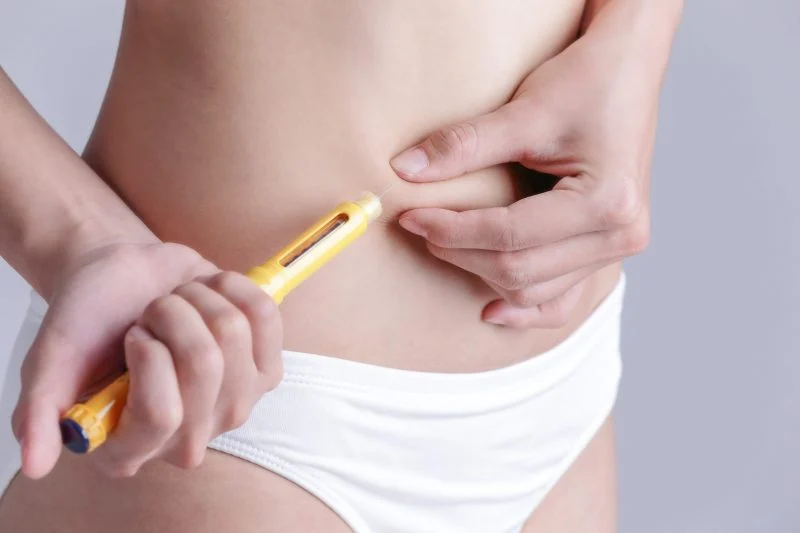
    A person administering an injection into their abdomen with a yellow pen-like device.

    The Pros and Cons of Egg Donation and Egg Freezing

    Pros of Egg Freezing:

    1. Fertility Preservation: Egg freezing, also known as oocyte cryopreservation, allows women to freeze their eggs and preserve their fertility for future use. This is especially beneficial for women who may want to delay starting a family due to personal or professional reasons, such as pursuing higher education or building a career.

    2. More Control Over Reproductive Health: Egg freezing gives women more control over their reproductive health and family planning. It allows them to take charge of their fertility and have the option to become a mother when the time is right for them.

    3. Higher Success Rates: Frozen eggs have a higher success rate compared to frozen embryos in assisted reproduction. This is because eggs are frozen at a younger age, when they are healthier and have a better chance of resulting in a successful pregnancy.

    4. Fewer Side Effects: The process of egg freezing involves a similar hormone stimulation as egg donation, but without the egg retrieval procedure. This means that women can avoid the physical discomfort and side effects associated with the surgical procedure.

    Cons of Egg Freezing:

    1. Cost: Egg freezing can be a costly procedure, and the cost varies depending on the clinic and the number of eggs being frozen. This can be a significant barrier for many women, especially those who do not have insurance coverage for fertility treatments.

    2. No Guarantee of Success: While frozen eggs may have a higher success rate, there is still no guarantee that they will result in a successful pregnancy. Factors such as the quality of the eggs, the age of the woman, and the expertise of the fertility clinic can affect the success rates.

    3. Ethical Concerns: Some people have ethical concerns about egg freezing, as it involves the preservation and possible destruction of human embryos. This can be a controversial topic for those who believe that life begins at conception.

    4. Limited Timeframe for Use: Frozen eggs have a limited timeframe for use, and they may lose their viability after a certain period. This means that women who choose to freeze their eggs need to have a plan in place for when they want to use them.

    In summary, egg donation and egg freezing are two options available for women to preserve their fertility or help others in need of eggs for assisted reproduction. Egg donation offers the opportunity to help others and earn financial compensation, but it comes with a significant time commitment and some physical discomfort. Meanwhile, egg freezing allows women to preserve their fertility and have more control over their reproductive health, but it can be costly and may not always result in a successful pregnancy. It is important to weigh the pros and cons of each option and consult with a healthcare professional before making a decision.

  • Hormone Injections vs Natural Fertility Boosters: A Doctor’s Perspective

    Hormonal imbalances can greatly affect a woman’s ability to conceive and carry a healthy pregnancy. As a result, many women struggling with infertility turn to hormone injections or natural fertility boosters in hopes of improving their chances of getting pregnant. However, as a doctor, I have seen many patients struggle with the decision of which route to take. In this blog post, we will explore the pros and cons of hormone injections and natural fertility boosters from a medical standpoint to help you make an informed decision.

    Hormone Injections:
    Hormone injections are a common form of fertility treatment prescribed by doctors. These injections contain hormones such as follicle-stimulating hormone (FSH) and luteinizing hormone (LH) that help stimulate the ovaries to produce eggs. These hormones are typically given through daily injections and closely monitored by a doctor through blood tests and ultrasound scans.

    Pros:
    1. High success rates: Hormone injections have been shown to have a high success rate in helping women with fertility issues conceive. According to the American Society for Reproductive Medicine, the success rate for hormone injections combined with intrauterine insemination (IUI) is around 10-20% per cycle.

    2. Controlled and monitored: As hormone injections are prescribed and administered by a doctor, they are closely monitored to ensure proper dosage and effectiveness. This reduces the risk of side effects and increases the chances of success.

    3. Faster results: Hormone injections can help stimulate the ovaries to produce multiple eggs, increasing the chances of conception in a shorter period of time compared to natural fertility boosters.

    Cons:
    1. Cost: Hormone injections can be expensive, especially when combined with other fertility treatments such as IUI or in-vitro fertilization (IVF). This can be a major barrier for some couples who are already struggling with the financial burden of infertility treatments.

    2. Side effects: As with any medication, hormone injections can have side effects such as headaches, nausea, bloating, and mood swings. In rare cases, they can also lead to more serious complications like ovarian hyperstimulation syndrome (OHSS).

    3. Increased risk of multiple pregnancies: The stimulation of multiple eggs with hormone injections also increases the chance of multiple pregnancies, which can be a high-risk pregnancy and result in complications for both the mother and babies.

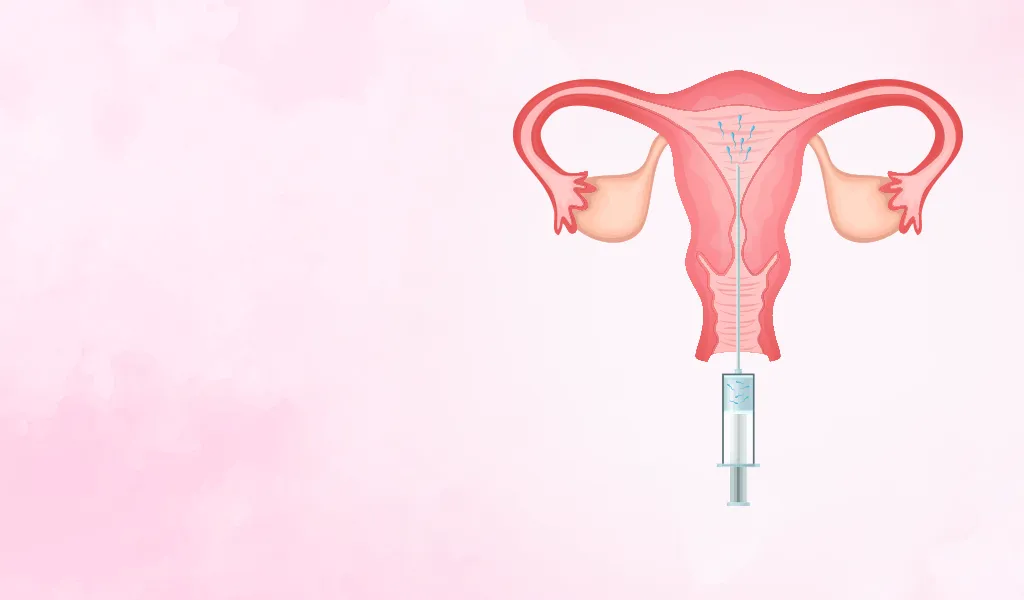
    Illustration of IUI procedure with uterus and syringe against a DNA background.

    Hormone Injections vs Natural Fertility Boosters: A Doctor's Perspective

    Natural Fertility Boosters:
    Natural fertility boosters refer to lifestyle changes or supplements that are believed to improve fertility. These include changes in diet, exercise, stress management, and the use of herbs and supplements.

    Pros:
    1. Cost-effective: Natural fertility boosters are generally more affordable than hormone injections and can be easily incorporated into a daily routine without the need for medical supervision.

    2. Fewer side effects: As natural fertility boosters are derived from natural sources, they tend to have fewer side effects compared to hormone injections.

    3. Overall health benefits: Many natural fertility boosters, such as a healthy diet and exercise, have additional health benefits beyond improving fertility. These changes can lead to improved overall health and well-being.

    Cons:
    1. Lack of scientific evidence: While some natural fertility boosters have been studied and shown to have positive effects on fertility, many lack scientific evidence to support their effectiveness.

    2. Time-consuming: Unlike hormone injections, natural fertility boosters may take longer to show results, and the process can be time-consuming.

    3. Not suitable for all cases: Natural fertility boosters may not be effective for more complex fertility issues, such as blocked fallopian tubes or low ovarian reserve. In these cases, hormone injections may be necessary.

    In conclusion, both hormone injections and natural fertility boosters have their pros and cons. As a doctor, I always recommend discussing all options with your healthcare provider to determine the best course of treatment for your specific case. Additionally, a combination of both approaches may also be beneficial in some cases. Ultimately, the most important factor is to find a safe and effective treatment that works for you and your partner.

    Summary:
    Infertility is a common struggle for many couples, and there are various treatments available to help improve fertility. In this blog post, we discussed the pros and cons of hormone injections and natural fertility boosters, two popular options for fertility treatment. While hormone injections have a higher success rate and are closely monitored by a doctor, they can be expensive and have potential side effects. On the other hand, natural fertility boosters are more affordable and have fewer side effects, but lack scientific evidence and may not be suitable for all cases. It is important to consult with a healthcare provider to determine the best approach for your individual situation.

  • Why More Women are Choosing Natural Fertility Boosters over Injections

    Blog Post:

    In recent years, there has been a growing trend of women turning to natural fertility boosters instead of traditional methods such as injections. This shift can be attributed to various factors, including concerns about the potential side effects of injections and a desire for a more holistic approach to fertility. In this blog post, we will explore the reasons behind this trend and the benefits of choosing natural fertility boosters over injections.

    First and foremost, let’s take a closer look at what fertility injections actually are. These injections contain hormones that stimulate the ovaries to produce more eggs, thereby increasing the chances of conception. They are often prescribed to women who are struggling with infertility or undergoing assisted reproductive technology (ART) procedures such as in vitro fertilization (IVF). While these injections can be effective in helping women conceive, they also come with a host of potential side effects.

    One of the main concerns about fertility injections is the risk of ovarian hyperstimulation syndrome (OHSS). This condition occurs when the ovaries are stimulated to produce too many eggs, leading to swelling and fluid buildup in the abdomen. In severe cases, OHSS can cause complications such as blood clots and kidney failure. Additionally, fertility injections can also cause mood swings, headaches, and bloating, which can be uncomfortable and disruptive to a woman’s daily life.

    Another issue with fertility injections is the financial burden they can place on couples. These injections can cost thousands of dollars per cycle and are often not covered by insurance. This can make it difficult for some women to afford multiple cycles, which may be necessary for successful conception. On the other hand, natural fertility boosters are often more affordable and can be incorporated into a woman’s daily routine without breaking the bank.

    illustration of intrauterine insemination procedure with a syringe and catheter in the uterus.

    Why More Women are Choosing Natural Fertility Boosters over Injections

    Aside from the potential side effects and financial burden, many women are also turning to natural fertility boosters because of their desire for a more holistic approach to fertility. Instead of relying on synthetic hormones, natural fertility boosters work with a woman’s body to regulate hormones and support reproductive health. These boosters can include herbs, supplements, and lifestyle changes such as diet and exercise.

    One popular natural fertility booster is maca root, a plant native to Peru that has been used for centuries to support fertility and reproductive health. Maca is rich in essential vitamins and minerals, including zinc, iron, and B vitamins, which are important for hormone balance and egg quality. It is also believed to help increase libido and improve overall mood and well-being, which can be beneficial for couples trying to conceive.

    Another natural fertility booster gaining popularity is acupuncture. This ancient Chinese practice involves the insertion of fine needles into specific points on the body to stimulate energy flow and promote overall health. When it comes to fertility, acupuncture has been shown to improve blood flow to the reproductive organs, regulate hormone levels, and reduce stress and anxiety, all of which can increase the chances of conception.

    Diet and exercise also play a significant role in fertility, and many women are choosing to focus on these areas instead of relying solely on injections. A healthy and balanced diet, rich in nutrients and antioxidants, can help regulate hormones and support reproductive health. Regular exercise can also help improve blood flow, reduce stress, and promote overall well-being, all of which can contribute to a woman’s fertility.

    It’s important to note that every woman’s body is unique, and what works for one may not work for another. It’s always best to consult with a healthcare professional before starting any new fertility regimen, whether it be natural fertility boosters or injections. However, for those who are looking for a more natural and holistic approach to fertility, natural fertility boosters may be a promising option.

    In summary, more and more women are choosing natural fertility boosters over injections for several reasons. These include concerns about potential side effects, financial burden, and a desire for a more holistic approach to fertility. Natural fertility boosters such as maca root, acupuncture, and lifestyle changes can support reproductive health and increase the chances of conception without the risks and costs associated with injections. Ultimately, the decision to use natural fertility boosters or injections should be made after careful consideration and consultation with a healthcare professional.

  • The DIY Fertility Movement: How Social Media is Influencing Women

    The DIY Fertility Movement: How Social Media is Influencing Women

    In recent years, there has been a growing trend of women turning to do-it-yourself (DIY) methods for fertility treatments. With the increasing availability and accessibility of information through social media platforms, more and more women are taking control of their own fertility journey. From tracking ovulation and hormone levels to using at-home insemination kits, the DIY fertility movement is changing the way women approach the process of conceiving. In this blog post, we will explore the reasons behind this movement and the impact of social media on women’s fertility choices.

    Why Women are Turning to DIY Fertility

    There are several reasons why women are turning to DIY fertility methods. The first and most prominent reason is the high cost of traditional fertility treatments. According to the American Society for Reproductive Medicine, the average cost of one cycle of in vitro fertilization (IVF) is $12,000, not including additional medications and procedures. This hefty price tag can be a major barrier for many women, especially those without insurance coverage for fertility treatments.

    Another factor driving the DIY fertility movement is the desire for more control over the process. Traditional fertility treatments often involve multiple appointments, medications, and procedures, which can leave women feeling like they are at the mercy of medical professionals. By taking matters into their own hands, women can feel more empowered and in control of their fertility journey.

    Lastly, the rise of social media has played a significant role in the DIY fertility movement. With the abundance of information and personal experiences shared on platforms like Instagram, Facebook, and YouTube, women have access to a wealth of knowledge and support from others who have gone through similar experiences. This sense of community and validation can be a powerful motivator for women to take charge of their fertility.

    The Impact of Social Media on Fertility Choices

    illustration of a uterus with a syringe, representing intrauterine insemination procedure

    The DIY Fertility Movement: How Social Media is Influencing Women

    Social media has had a significant impact on how women approach fertility treatments. One study found that 45% of women use social media to research fertility treatments, and 41% use it to connect with others going through similar experiences. With the rise of influencers and bloggers sharing their fertility journeys, social media has become a source of inspiration and information for women considering DIY fertility methods.

    However, the abundance of information on social media also comes with its challenges. With so much conflicting advice and unverified claims, it can be challenging for women to determine what is legitimate and what is not. This can lead to misinformation and potentially harmful DIY methods being shared and attempted.

    Another concern with the DIY fertility movement is the lack of medical supervision and oversight. Fertility treatments, even at-home methods, can have serious consequences if not done correctly. Without medical professionals guiding the process, women may put themselves at risk for complications or failure to conceive.

    The Importance of Finding a Balance

    While the DIY fertility movement has its pros and cons, the most crucial factor is finding a balance between self-empowerment and medical guidance. It is essential for women to do their research and consult with medical professionals before attempting any DIY fertility treatments. By combining the knowledge and support found on social media with the expertise of doctors, women can make informed decisions about their fertility journey.

    Additionally, it is crucial to recognize that fertility is a complex and individualized process. What works for one person may not work for another. It is essential to approach the DIY fertility movement with caution and not put too much pressure on oneself to achieve a specific outcome.

    In conclusion, the DIY fertility movement has gained traction due to factors such as high costs, desire for control, and the influence of social media. While it has its benefits, it is crucial for women to find a balance between self-empowerment and medical guidance. By doing so, women can make informed decisions and feel supported on their fertility journey.

  • The Psychology of Fertility: How DIY Treatments Can Empower Women

    Blog Post:

    Fertility is a complex and deeply personal topic that impacts many women and couples around the world. For those struggling with infertility, the journey to parenthood can be filled with stress, disappointment, and financial strain. In recent years, there has been a growing trend of women turning to do-it-yourself (DIY) fertility treatments, such as at-home insemination kits and ovulation tracking apps. While these methods may not be suitable for everyone, they have the potential to empower women and give them more control over their reproductive health. In this blog post, we will explore the psychology behind fertility and how DIY treatments can be a powerful tool for women trying to conceive.

    The emotional toll of infertility is often overlooked, but it can have a significant impact on a woman’s mental well-being. Studies have shown that women struggling with infertility experience higher levels of stress, anxiety, and depression compared to women who are able to conceive naturally. This is not surprising, as the desire to have a child is a deeply ingrained biological and psychological need for many women. When this desire is not fulfilled, it can lead to feelings of inadequacy, failure, and even shame.

    Furthermore, the process of seeking medical help for infertility can be daunting and overwhelming. It often involves invasive procedures, numerous doctor appointments, and expensive treatments that may not guarantee success. This lack of control over their own bodies and the uncertainty of the outcome can add to the emotional burden for women. This is where DIY fertility treatments can play a crucial role.

    DIY fertility treatments can range from simple methods such as tracking ovulation with at-home kits or using fertility-friendly lubricants, to more advanced methods like at-home insemination or using sperm donors found through online platforms. These treatments offer women a sense of control over their own bodies and the process of trying to conceive. They can also be more affordable and convenient compared to traditional medical treatments, which can be a significant advantage for those facing financial constraints.

    Moreover, DIY fertility treatments can help women feel more connected to their bodies and their reproductive health. Ovulation tracking apps, for example, allow women to monitor their menstrual cycles and track their fertility signs, giving them a deeper understanding of their own bodies and when they are most fertile. This knowledge can also help women feel more in tune with their bodies and more confident in their ability to conceive.

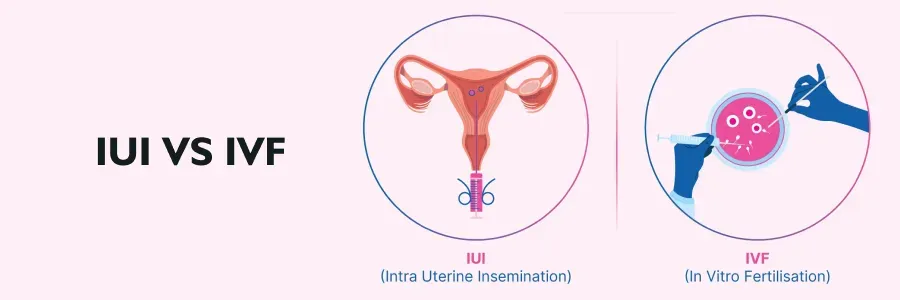
    Comparison of IUI and IVF with illustrations of each procedure.

    The Psychology of Fertility: How DIY Treatments Can Empower Women

    Additionally, the anonymity and privacy that DIY fertility treatments offer can be appealing to many women. For those who may feel uncomfortable or judged by traditional medical treatments, DIY methods can provide a safe and discreet way to pursue their fertility goals. This can be especially beneficial for LGBTQ+ couples or single women who may face additional challenges and barriers when seeking medical help for fertility.

    One of the most significant advantages of DIY fertility treatments is the sense of empowerment they can provide to women. The ability to take control of their fertility journey and make decisions about their own bodies can have a positive impact on their mental well-being. It can also help women feel less helpless and more proactive in achieving their goal of becoming a parent.

    However, it is essential to note that DIY fertility treatments may not be suitable for everyone. It is crucial for women to do thorough research and consult with their healthcare providers before embarking on any DIY methods. There may be underlying medical conditions or factors that need to be addressed, and it is essential to have a support system in place throughout the process.

    In conclusion, fertility is a deeply personal and emotional journey that can take a toll on a woman’s mental health. DIY fertility treatments can offer women more control, privacy, and empowerment in their quest to conceive. They also have the potential to improve the overall experience of trying to conceive, making it a less stressful and more positive experience. However, it is crucial to approach these treatments with caution and always seek medical advice when needed. With the right information and support, DIY fertility treatments can be a powerful tool for women seeking to start or expand their families.

    Summary:

    Fertility can have a significant impact on a woman’s mental well-being, with infertility often leading to higher levels of stress, anxiety, and depression. The traditional medical route for fertility treatments can be daunting and costly, leading to a lack of control and added emotional burden. DIY fertility treatments, such as at-home insemination kits and ovulation tracking apps, can give women a sense of control, privacy, and empowerment in their fertility journey. They also have the potential to improve the overall experience of trying to conceive. However, it is crucial to approach these treatments with caution and seek medical advice when needed.

  • DIY Fertility Solutions: Separating Fact from Fiction

    DIY Fertility Solutions: Separating Fact from Fiction

    Fertility is a topic that is surrounded by a lot of myths and misinformation. Couples struggling to conceive often turn to DIY fertility solutions in hopes of increasing their chances of getting pregnant. However, it is important to separate fact from fiction when it comes to these DIY solutions. In this blog post, we will explore some of the most common DIY fertility solutions and determine whether they are backed by science or simply myths.

    Myth: Eating a certain diet can increase fertility.

    Fact: While maintaining a healthy diet is important for overall health, there is no specific diet that can guarantee increased fertility. However, some studies have shown that following a Mediterranean diet, which includes fruits, vegetables, whole grains, and healthy fats, may help improve fertility in women. It is also important to limit alcohol and caffeine intake, as these can have a negative impact on fertility.

    Myth: Herbal supplements can boost fertility.

    Fact: There are many herbal supplements that claim to boost fertility, but there is limited research to support these claims. Some supplements, such as chasteberry and maca root, have shown some potential in improving fertility in women. However, it is important to consult with a healthcare professional before taking any herbal supplements, as they can interact with medications and may not be safe for everyone.

    Myth: Certain sexual positions can increase the chances of conception.

    Fact: There is no scientific evidence to support the idea that certain sexual positions can increase the chances of conception. The most important factor in getting pregnant is timing intercourse during ovulation. This means having sex during the most fertile days of a woman’s cycle, which is usually around 12-14 days after the start of her last period.

    Myth: Using certain lubricants can hinder sperm movement.

    Fact: While some lubricants may have ingredients that can be harmful to sperm, there are also fertility-friendly lubricants available that are specifically designed to not interfere with sperm movement. It is important to do research and choose a lubricant that is safe for conception if you are trying to get pregnant.

    Myth: Exercising too much can decrease fertility.

    Fact: Exercise is important for overall health and can actually improve fertility in women. However, excessive exercise can lead to irregular menstrual cycles and lower levels of estrogen, which can affect fertility. It is important to find a balance and not overdo it when it comes to exercise.

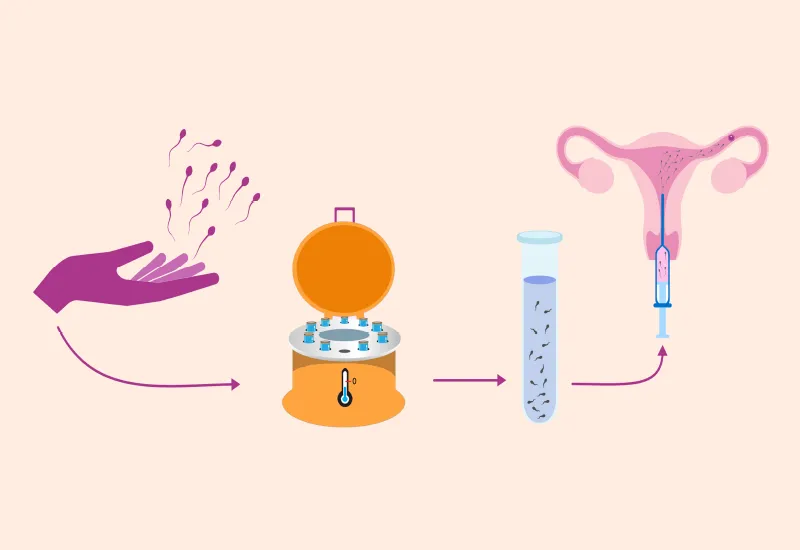
    illustration of the IUI process, showing sperm collection, preparation, and insertion into the uterus

    DIY Fertility Solutions: Separating Fact from Fiction

    Myth: Stress can cause infertility.

    Fact: While stress can have a negative impact on overall health, there is no evidence to suggest that it directly causes infertility. However, stress can affect a woman’s menstrual cycle and may make it more difficult to conceive. Finding ways to manage stress, such as through exercise, meditation, or therapy, can be beneficial for both physical and mental health.

    Myth: Certain foods can increase sperm count and improve male fertility.

    Fact: While there are some foods that are beneficial for male fertility, such as foods high in antioxidants, there is no specific diet that can guarantee increased sperm count. It is important for men to maintain a healthy diet and lifestyle, as well as avoid habits like smoking and excessive alcohol consumption, which can negatively impact sperm health.

    Myth: Natural remedies, such as acupuncture and chiropractic care, can improve fertility.

    Fact: While these alternative therapies may have some benefits for overall health, there is limited research to support their effectiveness in improving fertility. However, some studies have shown that acupuncture may help improve fertility in women undergoing assisted reproductive techniques, such as in vitro fertilization (IVF).

    Myth: Taking certain medications can increase fertility.

    Fact: There are some medications that are commonly used to treat infertility, such as clomiphene citrate and letrozole. However, these medications should only be taken under the guidance of a healthcare professional, as they can have serious side effects and may not be suitable for everyone.

    Myth: Age only affects female fertility.

    Fact: While it is commonly known that a woman’s fertility declines with age, it is also true for men. As men age, their sperm count and quality may decrease, making it more difficult to conceive. It is important for both men and women to be aware of the impact of age on fertility and to seek medical assistance if needed.

    In conclusion, it is important to be cautious when it comes to DIY fertility solutions. While some may have some potential benefits, it is best to consult with a healthcare professional and do thorough research before trying any DIY methods. It is also important to remember that every person’s body and fertility journey is different, so what may work for one person may not work for another. Seeking medical advice and support is always the best option when trying to conceive.

    Summary: Fertility is a topic surrounded by myths and misinformation. This blog post debunks common myths about DIY fertility solutions, such as diet, herbal supplements, sexual positions, and stress. It also addresses the impact of age on fertility for both men and women. While some DIY methods may have potential benefits, it is important to consult with a healthcare professional and do thorough research before trying them.

  • The DIY Fertility Revolution: Empowering Women to Take Control

    Blog Post Title: The DIY Fertility Revolution: Empowering Women to Take Control

    In recent years, there has been a growing movement towards do-it-yourself (DIY) solutions for everything from home repairs to beauty treatments. And now, this trend is making its way into the world of fertility. With the high cost and invasive nature of traditional fertility treatments, more and more women are turning to DIY methods to take control of their reproductive health. This DIY fertility revolution is empowering women to make informed decisions about their bodies and giving them the tools to increase their chances of conceiving naturally.

    The traditional method of treating infertility has been through expensive and often emotionally taxing procedures such as in vitro fertilization (IVF) and intrauterine insemination (IUI). These treatments can cost thousands of dollars and may not even guarantee success. Additionally, they require women to surrender control of their bodies to medical professionals, leaving them feeling powerless and disconnected from the process.

    But with the rise of DIY fertility methods, women are taking back that control and finding more affordable and natural ways to boost their fertility. One of the most popular DIY approaches is the fertility diet. This involves making dietary changes and incorporating certain foods and supplements that have been shown to improve reproductive health. These include foods rich in antioxidants, healthy fats, and essential vitamins and minerals.

    Another DIY fertility method gaining popularity is acupuncture. This ancient Chinese practice has been found to improve fertility by increasing blood flow to the reproductive organs and regulating hormone levels. Many women have reported success with acupuncture in conjunction with other natural methods such as diet and exercise.

    comparison of IUI and IVF procedures illustrated with simple graphics and labels

    The DIY Fertility Revolution: Empowering Women to Take Control

    In addition to diet and alternative therapies, there are also a variety of at-home fertility tests and tracking methods available. These include ovulation predictor kits, basal body temperature tracking, and fertility tracking apps. By using these tools, women can better understand their menstrual cycles and identify their most fertile days, increasing their chances of conception.

    But perhaps the most significant aspect of the DIY fertility revolution is the empowerment it gives women. By taking control of their own fertility, women are no longer at the mercy of doctors or expensive treatments. They are actively participating in their own reproductive health and making informed decisions for their bodies.

    Moreover, the DIY fertility movement is breaking down societal stigmas and taboos surrounding fertility and women’s bodies. By openly discussing fertility and sharing their experiences and success stories, women are creating a supportive community that encourages others to take charge of their fertility journey.

    However, it is essential to note that DIY fertility methods are not a replacement for medical treatment. In some cases, fertility issues may require medical intervention, and consulting with a doctor is always recommended. DIY fertility methods should be seen as a complementary approach to traditional treatments, not a replacement.

    In summary, the DIY fertility revolution is empowering women to take control of their reproductive health and providing them with affordable and natural alternatives to traditional fertility treatments. By incorporating methods such as diet, acupuncture, and at-home testing, women are increasing their chances of conceiving while also reclaiming their power and breaking down societal stigmas. This movement is giving women the tools to make informed decisions about their bodies and their fertility.