Blog Post Title: A Guide to Donor Insemination and Partner Insemination: Everything You Need to Know
Donor insemination and partner insemination are two methods of assisted reproduction that have helped many individuals and couples fulfill their dream of starting a family. While these procedures may seem similar, there are important differences between them that you should understand before making a decision. In this guide, we will cover everything you need to know about donor insemination and partner insemination, including the process, success rates, and legal considerations.
What is Donor Insemination?
Donor insemination, also known as artificial insemination using donor sperm (AID), is a fertility treatment where sperm from a donor is used to fertilize a woman’s eggs. This method is most commonly used by single women, same-sex female couples, or heterosexual couples where the male partner is infertile or carries a genetic disease that could be passed on to the child.
The Donor Insemination Process
The first step in donor insemination is to find a suitable donor. Donors can be anonymous or known, and they undergo thorough medical and psychological screenings to ensure they are healthy and have no genetic conditions. Anonymous donors are usually chosen from a sperm bank, while known donors can be a friend or family member.
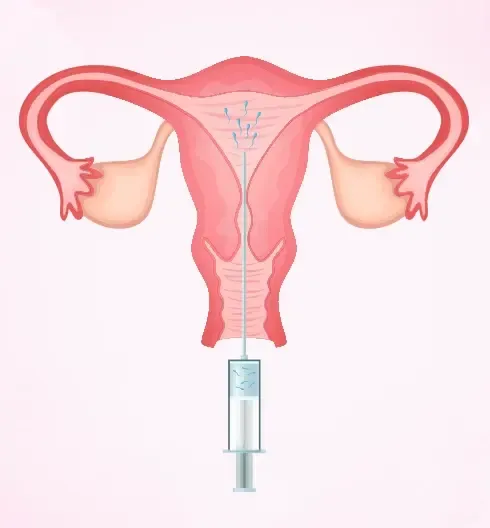
Once a donor has been selected, the woman undergoing the procedure will take fertility medication to stimulate her ovaries and produce multiple eggs. The donor’s sperm is then injected into the woman’s uterus during ovulation, either through intrauterine insemination (IUI) or in vitro fertilization (IVF). IUI involves placing the sperm directly into the uterus, while IVF involves fertilizing the eggs in a laboratory and then transferring the embryos into the uterus.
Success Rates of Donor Insemination
The success rates of donor insemination vary depending on factors such as the age and health of the woman, the quality of the sperm, and the method used. On average, the success rate of donor insemination is around 10-15% per cycle, but this can increase with multiple cycles.
Legal Considerations
It is essential to consider the legal implications of using a donor for insemination. In some countries, the donor may have parental rights and responsibilities, while in others, the recipient may be solely responsible for the child. It is crucial to seek legal advice and have a written agreement in place to protect all parties involved.
What is Partner Insemination?
A Guide to Donor Insemination and Partner Insemination
Partner insemination, also known as artificial insemination using partner sperm (AIH), is a similar procedure to donor insemination, but the sperm used comes from the woman’s male partner. This method is often used by heterosexual couples who are struggling with infertility or same-sex male couples who want to have a biological connection to their child.
The Partner Insemination Process
The process of partner insemination is similar to donor insemination. The woman will undergo fertility medication to stimulate egg production, and the sperm is then inserted into her uterus during ovulation. The main difference is that the sperm comes from the woman’s partner, either through ejaculation or a testicular biopsy if the male partner has a low sperm count or no sperm in their semen.
Success Rates of Partner Insemination
The success rates of partner insemination vary depending on factors such as the age and health of the woman, the quality of the sperm, and the method used. On average, the success rate of partner insemination is around 15-20% per cycle, but this can increase with multiple cycles.
Legal Considerations
Like donor insemination, it is crucial to consider the legal implications of using partner insemination. In some countries, the male partner may have parental rights and responsibilities, while in others, the woman may be solely responsible for the child. It is essential to seek legal advice and have a written agreement in place to protect all parties involved.
Donor Insemination vs. Partner Insemination: What’s the Difference?
The main difference between donor insemination and partner insemination is the source of the sperm. Donor insemination uses sperm from a donor, while partner insemination uses sperm from the woman’s male partner. Both procedures have similar success rates and legal considerations, but partner insemination may be a better option for couples who want to have a biological connection to their child.
Key Takeaways
– Donor insemination and partner insemination are two methods of assisted reproduction that use donor or partner sperm to help individuals and couples conceive.
– Donor insemination is most commonly used by single women, same-sex female couples, or heterosexual couples where the male partner is infertile or carries a genetic disease.
– Partner insemination is most commonly used by heterosexual couples struggling with infertility or same-sex male couples who want a biological connection to their child.
– Both procedures involve fertility medication and the insertion of sperm into the woman’s uterus during ovulation.
– It is essential to consider the legal implications of using a donor or partner for insemination and seek legal advice before proceeding with the procedure.
In summary, donor insemination and partner insemination are two viable options for individuals and couples looking to start a family. By understanding the process, success rates, and legal considerations, you can make an informed decision about which method is best for you.