Blog Post:
The Role of Age: Artificial Insemination vs Natural Conception
The decision to have a child is a life-changing one, and for some couples, the journey to parenthood may not be as straightforward as they had hoped. With advancements in technology, artificial insemination has become a viable option for many couples struggling with infertility. However, the age of the parents can play a significant role in the success of both artificial insemination and natural conception. In this blog post, we will delve into the effects of age on both methods of conception and the factors to consider when making this important decision.
Natural Conception:
Natural conception is the process of conceiving a child through sexual intercourse without any medical intervention. While it may seem like the most straightforward and natural way to conceive, age can greatly impact the chances of success. Women are born with a finite number of eggs, and as they age, the quantity and quality of their eggs decrease. This decline begins in a woman’s 30s and becomes more significant after the age of 35. As a result, women may experience difficulty in conceiving, increased risk of miscarriage, and higher chances of genetic abnormalities in their offspring.
On the other hand, men produce sperm throughout their lives, but the quality and quantity of sperm can also decrease with age. Studies have shown that men over the age of 40 may have a lower sperm count and a higher risk of genetic mutations in their sperm, which can lead to fertility issues and an increased risk of birth defects in their children.
Artificial Insemination:
Artificial insemination (AI) involves placing sperm directly into a woman’s reproductive tract through various methods, such as intrauterine insemination (IUI) or in vitro fertilization (IVF). This method bypasses many of the barriers that can affect natural conception, such as low sperm count, ovulation issues, and blocked fallopian tubes. AI has become a popular option for older couples or those struggling with fertility issues.
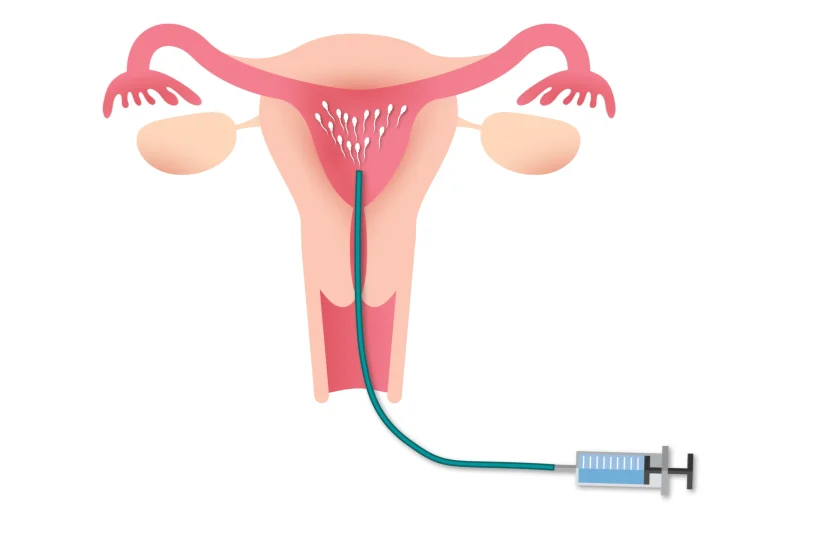
The Role of Age: Artificial Insemination vs Natural Conception
However, the success of AI can also be affected by age. For women, the quality and quantity of their eggs are still crucial factors. As women age, their eggs are more likely to have genetic abnormalities, making it more challenging to achieve a successful pregnancy. Additionally, the older the woman, the higher the risk of health complications during pregnancy, such as gestational diabetes and high blood pressure.
For men, the quality of their sperm can also be affected by age. Studies have shown that men over 40 may have a lower sperm count and a higher percentage of abnormal sperm, which can decrease the chances of a successful AI procedure.
Factors to Consider:
When deciding between natural conception and artificial insemination, age is an essential factor to consider. Both methods have their advantages and disadvantages, but the age of the parents can greatly impact the success of either option. Other factors to consider include overall health, medical history, and any pre-existing fertility issues.
For younger couples, natural conception may be the preferred method as they have a higher chance of conceiving without medical intervention. However, for older couples or those with fertility issues, AI may be a more viable option. It is essential to consult with a fertility specialist to determine the best course of action based on individual circumstances.
Another factor to consider is the cost of each method. Natural conception may be more cost-effective, but it can also take longer to achieve a successful pregnancy. On the other hand, AI procedures can be costly and may require multiple attempts, increasing the overall cost.
Conclusion:
In conclusion, age plays a crucial role in the success of both artificial insemination and natural conception. Women’s fertility declines with age, making it more challenging to conceive naturally and increasing the risk of complications during pregnancy. Men’s age can also affect fertility, with a higher risk of genetic abnormalities in sperm. When considering the best method of conception, it is essential to take into account both the age and overall health of the parents, as well as any pre-existing fertility issues. Consulting with a fertility specialist can help determine the best course of action for each individual case.
SEO metadata:
Leave a Reply