Blog Post: The Role of Medication: Artificial Insemination and Natural Conception
In today’s world, there are many options available for couples who are struggling with fertility issues. One of these options is medication, which can be used for both artificial insemination and natural conception. But what exactly is the role of medication in these processes? In this blog post, we will delve into the details of how medication is used in both artificial insemination and natural conception methods, and the benefits and drawbacks of each.
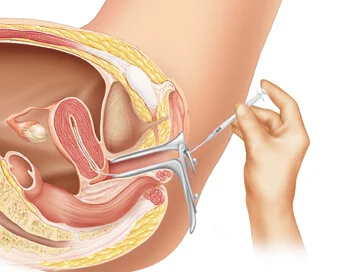
Artificial insemination, also known as intrauterine insemination (IUI), is a fertility treatment that involves placing sperm directly into a woman’s uterus to increase the chances of fertilization. This process can be done with or without the use of medication. In cases where medication is used, it is usually in the form of fertility drugs that stimulate the ovaries to produce multiple eggs. This increases the chances of pregnancy, as more eggs mean more opportunities for fertilization.
The medication used in artificial insemination can vary, but the most common types are clomiphene citrate and gonadotropins. Clomiphene citrate is an oral medication that helps stimulate the release of hormones needed for ovulation. It is often the first choice for women who are not ovulating regularly. Gonadotropins, on the other hand, are injectable medications that contain the same hormones as the ones produced by the pituitary gland. They work by stimulating the ovaries to produce multiple mature eggs. Gonadotropins are usually used in cases where clomiphene citrate is not effective.
One of the main benefits of using medication in artificial insemination is that it can increase the chances of pregnancy. By stimulating the ovaries to produce more eggs, there is a higher chance of at least one egg being fertilized. This is especially beneficial for women who have irregular cycles or do not ovulate on their own. Additionally, medication can help regulate the timing of ovulation, making it easier to plan for the insemination procedure.
The Role of Medication: Artificial Insemination and Natural Conception
However, there are also some drawbacks to using medication in artificial insemination. One of the main concerns is the risk of multiple pregnancies. As the medication stimulates the ovaries to produce more eggs, there is a higher chance of releasing multiple eggs, which can lead to a higher chance of twins or even triplets. While this may be seen as a positive for some couples, it also increases the risk of complications during pregnancy and delivery. Another drawback is the potential side effects of the medication, which can include bloating, mood swings, and nausea.
On the other hand, natural conception refers to the process of conceiving a child without any medical intervention. This method relies solely on the natural processes of ovulation and fertilization. In some cases, couples may choose to use fertility tracking methods, such as tracking ovulation through basal body temperature or ovulation predictor kits, to increase their chances of conceiving.
The main benefit of natural conception is that it is a more natural and less invasive method compared to artificial insemination. It also eliminates the risks and potential side effects associated with medication. However, the success rate of natural conception may be lower compared to artificial insemination, especially for couples who are struggling with fertility issues. This is because there may be underlying factors that are preventing conception, such as low sperm count or blocked fallopian tubes.
In some cases, couples may choose to combine both methods by using medication to stimulate ovulation and then attempting natural conception. This can increase the chances of pregnancy while still maintaining a more natural approach.
In conclusion, medication plays a crucial role in both artificial insemination and natural conception methods. While it can increase the chances of pregnancy in artificial insemination, it is not always necessary for natural conception. Each method has its own benefits and drawbacks, and it is important for couples to discuss their options with a fertility specialist to determine the best course of action for their unique situation.
Summary: Medication can be used in both artificial insemination and natural conception methods to increase the chances of pregnancy. In artificial insemination, medication is used to stimulate the ovaries to produce more eggs, while in natural conception, it relies solely on the natural processes of ovulation and fertilization. However, medication can also come with risks and potential side effects, and it is important for couples to weigh their options and consult with a fertility specialist to determine the best approach for their situation.
Leave a Reply