Navigating the World of Fertility Treatments: Intrauterine Insemination vs Timed Intercourse for Couples with Infertility
Infertility affects millions of couples worldwide, and many turn to fertility treatments to help them conceive. However, navigating the world of fertility treatments can be overwhelming and confusing, especially for couples who are new to the process. In this blog post, we will discuss two common fertility treatments – intrauterine insemination and timed intercourse – and their pros and cons to help couples make an informed decision.
What is Intrauterine Insemination (IUI)?
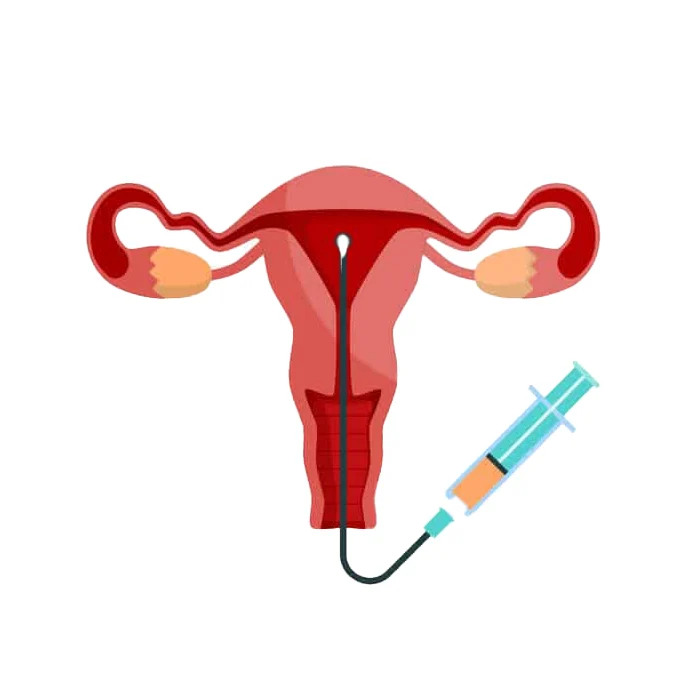
Intrauterine insemination, also known as artificial insemination, is a fertility treatment where sperm is placed directly into a woman’s uterus to increase the chances of fertilization and pregnancy. This procedure can be done with either the male partner’s sperm or donor sperm.
The process of IUI involves stimulating the ovaries with medication to produce multiple eggs, which are then monitored through ultrasounds. Once the eggs are mature, the sperm is inserted through a thin catheter into the uterus, bypassing the cervix and increasing the chances of fertilization.
Pros of Intrauterine Insemination
One of the main advantages of IUI is that it is less invasive and less expensive compared to other fertility treatments, such as in-vitro fertilization (IVF). It also has a higher success rate than timed intercourse, making it a preferred option for couples with unexplained infertility.
Another benefit of IUI is that it can be used in combination with fertility drugs, which can further increase the chances of pregnancy. This makes it a more customizable treatment option for couples with different types of infertility.
Cons of Intrauterine Insemination
Although IUI has a higher success rate compared to timed intercourse, its success rate is still relatively low, typically ranging from 10-20% per cycle. This means that couples may need to undergo multiple IUI cycles before achieving pregnancy, which can be emotionally and financially taxing.
There is also a risk of multiple pregnancies with IUI, as more than one egg can be fertilized during the procedure. This can result in complicated pregnancies and deliveries.
What is Timed Intercourse?
Timed intercourse, also known as ovulation induction, is a fertility treatment where the woman takes medication to stimulate the ovaries to produce multiple eggs. The couple then has timed sexual intercourse during the woman’s fertile window, which is determined through ovulation predictor kits or ultrasounds.
Pros of Timed Intercourse
The main advantage of timed intercourse is that it is a natural and less invasive form of fertility treatment. It also has a lower cost compared to IUI and IVF, making it a more accessible option for couples with financial constraints.
Additionally, timed intercourse allows for intimate and natural conception, which can be emotionally satisfying for couples struggling with infertility.
Cons of Timed Intercourse
The success rate of timed intercourse is relatively low, ranging from 5-15% per cycle. This is because the sperm has to swim through the cervix and into the uterus, which can be a challenging journey. As a result, couples may need to undergo multiple cycles before achieving pregnancy.
Moreover, timed intercourse does not address any underlying fertility issues, making it a less effective treatment option for couples with specific causes of infertility.
Making the Decision: IUI vs Timed Intercourse
When deciding between IUI and timed intercourse, there is no one-size-fits-all solution. Each couple’s infertility journey is unique, and what works for one may not work for another. It is crucial to consult with a fertility specialist to determine the best treatment option based on your medical history and fertility diagnosis.
In general, IUI may be a better option for couples with unexplained infertility, while timed intercourse may be suitable for those with ovulation disorders. However, it is essential to consider the success rates, risks, and costs of each treatment before making a decision.
In summary, navigating the world of fertility treatments can be overwhelming, but understanding the differences between IUI and timed intercourse can help couples make the best decision for their specific situation. Consulting with a fertility specialist and weighing the pros and cons of each treatment can help increase the chances of a successful pregnancy.
Keywords: fertility treatments, intrauterine insemination, timed intercourse, infertility, success rates, pros and cons, decision making, fertility specialist.