Breaking Barriers: Overcoming Cultural and Religious Beliefs on Natural Conception and Assisted Reproduction
Conceiving a child is a natural and fundamental desire for many individuals and couples. However, for some, this process may not be as simple or straightforward as it seems. In fact, there are a multitude of cultural and religious beliefs that can create barriers and challenges for those seeking to conceive through natural or assisted reproductive methods. In this blog post, we will explore the various cultural and religious beliefs surrounding conception and how individuals and families can overcome these barriers to achieve their dream of starting a family.
Cultural Beliefs and Stereotypes on Conception
In many cultures, the ability to conceive a child is seen as a crucial aspect of a person’s identity and worth. Therefore, when a couple struggles with infertility or is unable to conceive naturally, it can be viewed as a personal failure and bring shame and stigma to the individual or couple. This can be particularly challenging for women, as they may face pressure from their families and society to bear children and continue the family lineage. As a result, many individuals and couples may feel isolated, judged, and misunderstood.
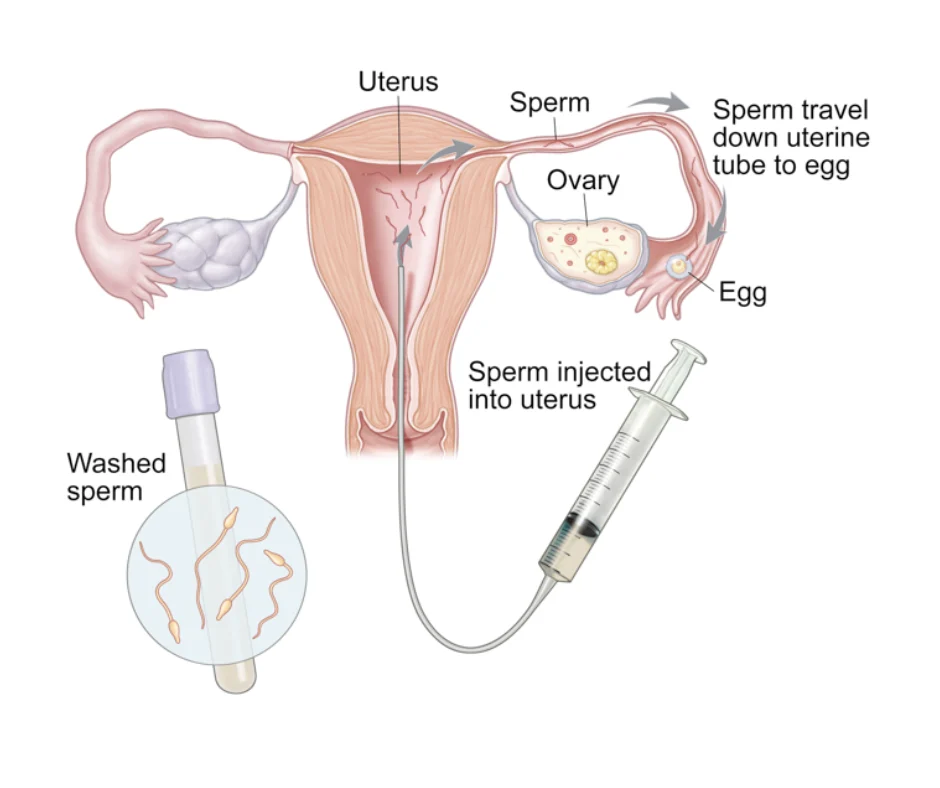
Moreover, cultural beliefs and stereotypes can also play a role in how individuals and couples approach fertility treatments. In some cultures, there may be a stigma surrounding assisted reproductive technologies (ART), such as in vitro fertilization (IVF), which can lead to feelings of guilt or shame for seeking medical help to conceive. This can also be influenced by the belief that natural conception is the only acceptable way to start a family, and anything else is against cultural norms and values.
Religious Beliefs and Perspectives on Conception
Religion also plays a significant role in shaping beliefs and perspectives on conception. In some religions, such as Catholicism and Islam, there is a strong emphasis on procreation and the belief that children are a blessing from God. As a result, those who struggle with infertility may feel a sense of guilt or shame, as they may believe that their inability to conceive is a punishment from a higher power. This can create a significant emotional and psychological burden for individuals and couples, as they may feel like they are being judged or condemned for something that is out of their control.
Furthermore, religious beliefs can also influence the perception of ART. Some religions may view ART as interfering with the natural order of conception and may see it as morally wrong. This can create a dilemma for individuals and couples who are facing fertility issues, as they may feel torn between their religious beliefs and their desire to start a family.
Overcoming Barriers and Changing Perspectives
Despite the barriers and challenges posed by cultural and religious beliefs, there are ways to overcome them and change perspectives on conception and fertility treatments. The first step is education and raising awareness. By educating individuals and communities about infertility and the various options available for conception, we can break down stereotypes and reduce stigma. This can also be achieved through open and honest conversations, where individuals and couples can share their experiences and struggles with fertility, helping to normalize the topic and reduce the shame and isolation that may come with it.
Another crucial aspect is challenging and changing cultural and religious beliefs that may be limiting individuals and couples from seeking fertility treatments. This can be done through education and dialogue within communities and religious institutions. By highlighting the emotional and physical toll of infertility and the potential benefits of ART, we can promote a more compassionate and understanding perspective on the issue.
In addition, seeking support and guidance from healthcare professionals, fertility specialists, and support groups can also be immensely helpful in navigating the challenges and emotions that come with fertility struggles. These professionals can provide valuable information, resources, and emotional support to individuals and couples on their journey towards starting a family.
Conclusion
Conception and starting a family is a deeply personal and emotional journey for many individuals and couples. However, cultural and religious beliefs can create barriers and challenges that can make this journey even more difficult. By educating and raising awareness, challenging and changing limiting beliefs, and seeking support, individuals and couples can overcome these barriers and achieve their dream of starting a family through natural or assisted reproductive methods.
Summary:
Conceiving a child is a natural desire, but cultural and religious beliefs can create barriers and challenges for those seeking to conceive naturally or through assisted reproductive methods. These beliefs can lead to feelings of shame, guilt, and isolation, and may influence the perception of fertility treatments. To overcome these barriers, education and awareness, challenging and changing perspectives, and seeking support from healthcare professionals and support groups can be helpful in achieving the dream of starting a family.