Tag: LGBT Parenting

  • The Power of Love: Same-Sex Couples and the Journey to Parenthood Through Home Insemination and IVF

    The Power of Love: Same-Sex Couples and the Journey to Parenthood Through Home Insemination and IVF

    For many same-sex couples, the journey to parenthood can be a long and often challenging road. While adoption and surrogacy are common options, many couples also turn to home insemination and in vitro fertilization (IVF) to start their families. These methods, though not without their own obstacles, have become more accessible and popular for same-sex couples in recent years. In this blog post, we will explore the power of love that drives same-sex couples on their journey to parenthood, and how home insemination and IVF have provided a pathway to creating their own families.

    The Struggle for Parenthood

    For decades, same-sex couples have faced numerous legal and cultural barriers when it comes to starting a family. Many countries still do not recognize same-sex partnerships, making adoption and surrogacy difficult or impossible. In the United States, where same-sex marriage is now legal, there are still challenges in the adoption process for same-sex couples, including discrimination from adoption agencies and the high costs associated with private adoptions. For many couples, these hurdles can make the dream of parenthood seem out of reach.

    However, the desire to have a family and raise children is a universal one, and same-sex couples have not let these barriers stop them. In fact, many have found alternative paths to parenthood through home insemination and IVF.

    The Rise of Home Insemination

    Home insemination, also known as at-home insemination, is a method where sperm is manually inserted into the partner’s vagina using a syringe or a menstrual cup. This method was once primarily used by heterosexual couples struggling with infertility, but it has become a popular option for same-sex couples as well.

    One of the main advantages of home insemination is its accessibility and affordability. Unlike other methods, such as intrauterine insemination (IUI) or IVF, it can be done in the comfort of one’s own home without the need for medical intervention. This not only eliminates the high costs associated with medical procedures but also allows same-sex couples to have more control over the timing and frequency of inseminations.

    Another benefit of home insemination is the ability for both partners to be actively involved in the process. In contrast to assisted reproductive techniques where only one partner carries the child, home insemination allows both partners to have a biological connection to the baby. This can greatly enhance the emotional bond and sense of parenthood for both partners.

    However, home insemination also has its challenges. Without the guidance and expertise of a medical professional, there is a higher risk of infection or improper insemination. It also requires a lot of patience and perseverance, as it may take multiple attempts before a successful pregnancy is achieved.
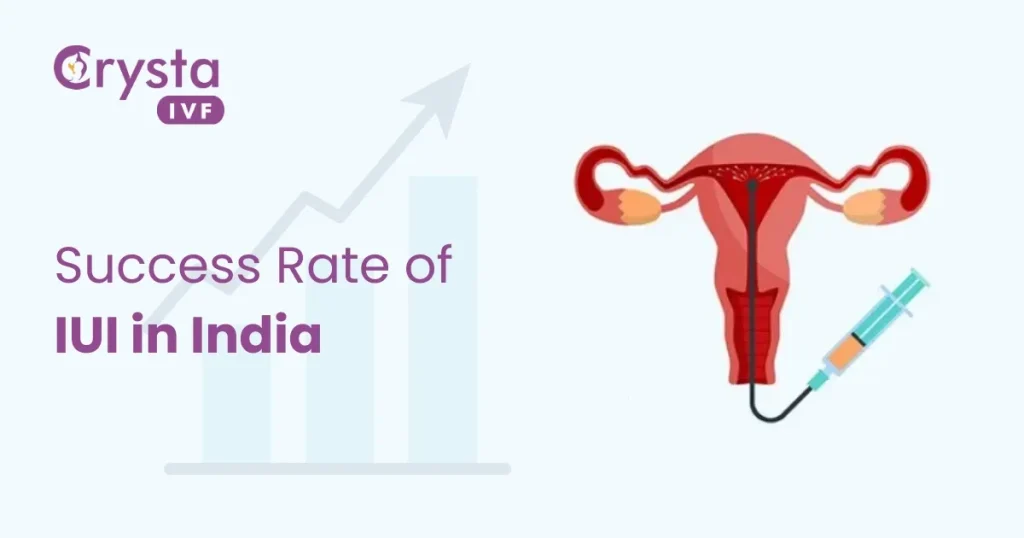
    success rate of IUI in India with a graphic of a uterus and syringe alongside a rising graph

    The Power of Love: Same-Sex Couples and the Journey to Parenthood Through Home Insemination and IVF

    The Role of IVF

    In vitro fertilization (IVF) is another option for same-sex couples looking to start a family. This method involves the fertilization of an egg and sperm in a laboratory, and the resulting embryo is then transferred into the uterus of one partner or a gestational carrier.

    Unlike home insemination, IVF is a more complex and expensive process. It requires a team of medical professionals and involves various steps, including hormone injections, egg retrieval, fertilization, and embryo transfer. However, IVF offers a higher success rate than home insemination, making it a popular choice for same-sex couples who have been struggling to conceive.

    One of the main advantages of IVF is the ability to use donor sperm or donor eggs, which can be crucial for same-sex couples. This allows couples to have a biological connection to their child and also provides options for genetic testing and screening for potential health issues.

    The Emotional Journey

    While home insemination and IVF provide a pathway to parenthood for same-sex couples, the journey is not without its emotional challenges. The process of conceiving a child can be physically and emotionally exhausting, and the added stress of navigating societal and legal barriers can take a toll on couples.

    Furthermore, same-sex couples may also face discrimination and judgment from others throughout their journey. They may have to deal with insensitive comments or questions about their choice to have a family, and may even face obstacles in accessing fertility treatments due to their sexual orientation.

    However, the power of love and the desire to have a family often outweigh these challenges. Same-sex couples are determined and resilient, and they have proven that love knows no bounds when it comes to creating a family.

    In Conclusion

    The journey to parenthood for same-sex couples is not an easy one, but the power of love has driven them to overcome numerous obstacles. Home insemination and IVF have provided a pathway to parenthood, allowing couples to have a biological connection to their child and fulfill their dream of having a family. While there are still many challenges and struggles faced by same-sex couples on this journey, their love and determination continue to pave the way for a more inclusive and accepting society.

    SEO metadata:
  • The Journey to Parenthood: Same-Sex Couples and Home Insemination vs IVF

    The Journey to Parenthood: Same-Sex Couples and Home Insemination vs IVF

    Parenthood is a journey that many couples dream of, and for same-sex couples, this journey can come with unique challenges. With advancements in technology and the changing legal landscape, same-sex couples now have more options when it comes to starting a family. Two common methods for same-sex couples to conceive are home insemination and in vitro fertilization (IVF). In this blog post, we will explore the differences between these two methods and the factors that couples should consider when choosing the best option for them.

    Home Insemination

    Home insemination is a method where the sperm is inserted into the vagina or cervix at home, without the assistance of a medical professional. This method is often preferred by same-sex couples as it can be done in the comfort and privacy of their own home, without the need for expensive medical procedures. However, home insemination is not a guaranteed method of conception and may require multiple attempts before success. It also carries a higher risk of infection and may not be suitable for couples with certain medical conditions.

    One of the main advantages of home insemination is its affordability. The cost of sperm donation and insemination supplies can range from a few hundred to a few thousand dollars, depending on the method and materials used. This is significantly less expensive than IVF, making it a more accessible option for couples with limited financial resources. Home insemination also allows couples to have more control over the process, as they can choose the timing and frequency of insemination.

    However, there are also some drawbacks to home insemination. The most significant risk is the lack of medical supervision, which can lead to potential health issues for both the pregnant person and the baby. In addition, home insemination may not be as effective as IVF, especially for couples with fertility issues. It also does not offer the same level of genetic testing and screening as IVF, which can be important for some couples.

    IVF

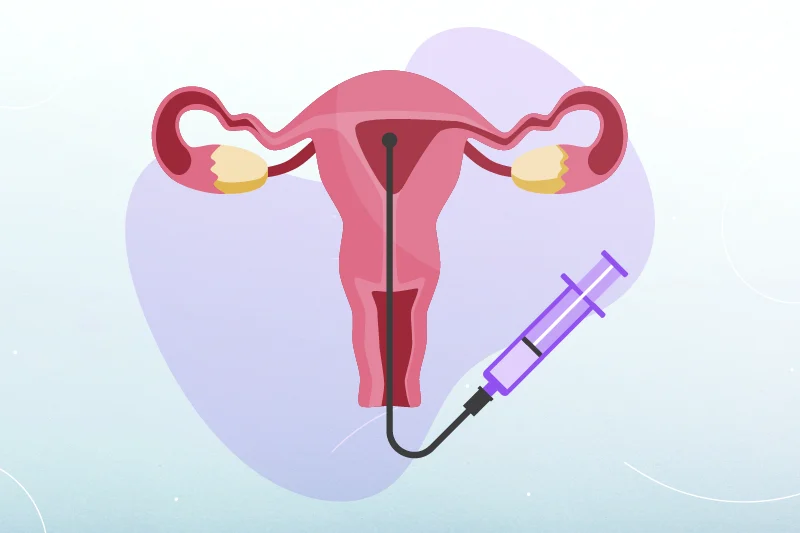
    Illustration of the uterus with a syringe, depicting the intrauterine insemination procedure.

    The Journey to Parenthood: Same-Sex Couples and Home Insemination vs IVF

    In vitro fertilization (IVF) is a medical procedure where the egg and sperm are fertilized in a laboratory setting and then implanted back into the uterus. IVF is a more complex and invasive method of conception, but it also offers a higher success rate compared to home insemination. It is recommended for couples with fertility issues or those who want to have a higher chance of conceiving.

    One of the main advantages of IVF is its higher success rate, with some studies showing a success rate of up to 70%. This is significantly higher than home insemination, making it a more attractive option for couples who have been struggling to conceive. IVF also offers the option for genetic testing and screening, which can be important for couples who want to ensure the health of their future child.

    However, IVF comes with a much higher price tag. The average cost of one IVF cycle can range from $12,000 to $20,000, which can be a significant barrier for many same-sex couples. The procedure also requires multiple visits to a fertility clinic and can be physically and emotionally draining for the couple. In addition, IVF may not be covered by insurance, making it an even more expensive option for those without coverage.

    Factors to Consider

    When deciding between home insemination and IVF, there are several factors that same-sex couples should consider. These include their financial resources, medical history, and personal preferences. Some couples may have a strong desire to have a biological connection to their child, while others may prioritize the health and well-being of the child over genetic ties. It is crucial for couples to have open and honest discussions about their expectations and concerns before making a decision.

    In addition, same-sex couples should also consider the laws and regulations in their state or country regarding parental rights for same-sex parents. In some places, IVF may offer stronger legal protections for non-biological parents compared to home insemination. It is essential to consult with a legal professional to fully understand the legal implications of each method.

    Summary:

    Parenthood is a journey that many same-sex couples aspire to, and with advancements in technology and changing laws, more options are now available for starting a family. Two common methods for same-sex couples to conceive are home insemination and IVF. Home insemination offers a more affordable and private option, while IVF has a higher success rate and the option for genetic testing and screening. Factors that couples should consider when deciding between these methods include their financial resources, medical history, personal preferences, and legal implications. It is essential for couples to have open and honest discussions and seek professional advice before making a decision.