Blog Post:
Fertility is a topic that has been gaining more attention in recent years, as many couples struggle to conceive and start a family. In the past, fertility testing used to be a lengthy and expensive process, requiring multiple appointments with a specialist. However, with the rise of at-home fertility testing, more and more people are able to take control of their reproductive health from the comfort of their own homes. But is this convenience worth it? In this blog post, we will discuss the convenience of at-home fertility testing and whether or not it is worth the investment.
First, let’s take a look at what exactly at-home fertility testing entails. These tests typically involve collecting a urine or blood sample and sending it to a lab for analysis. Some tests also require tracking ovulation through methods such as basal body temperature monitoring or urine test strips. The results are then delivered to the individual via email or a secure online portal. At-home fertility tests can provide information about a person’s hormone levels, ovulation patterns, and overall reproductive health.
One of the main benefits of at-home fertility testing is convenience. Unlike traditional fertility testing, which requires multiple appointments and in-person consultations, at-home testing can be done at any time and in the comfort of one’s own home. This is especially beneficial for those who live in rural areas or have limited access to fertility specialists. It also eliminates the need for time off work or arranging childcare for appointments, making it a more feasible option for busy individuals.
Another advantage of at-home fertility testing is the cost. Traditional fertility testing can be expensive, with costs ranging from hundreds to thousands of dollars. In contrast, at-home tests are much more affordable, with prices typically ranging from $50 to $200. This makes it a more accessible option for those who may not have the financial means for traditional testing or do not have insurance coverage for fertility-related services.
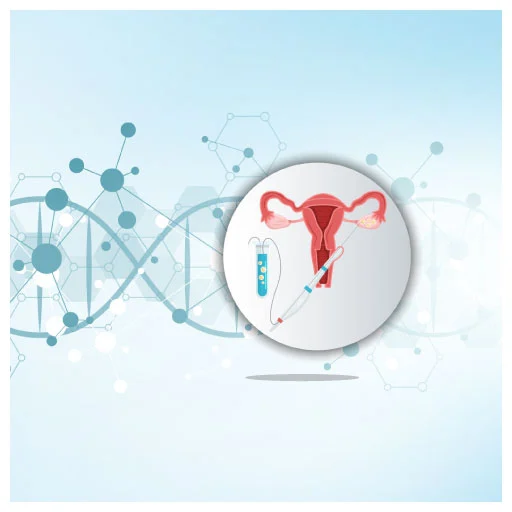
The Convenience of At-Home Fertility Testing: Is it Worth It?
Furthermore, at-home fertility testing allows for greater privacy. Many people may feel uncomfortable discussing their reproductive health with a doctor or specialist, and at-home testing provides a more discreet option. This can be particularly beneficial for individuals or couples who are struggling with infertility, as it eliminates the potential embarrassment or stigma associated with fertility issues.
However, as with any medical test, there are some limitations to at-home fertility testing. One of the biggest concerns is the accuracy of the results. While many at-home fertility tests claim to be just as accurate as traditional testing, there is still a risk of false positives or negatives. This can lead to unnecessary stress and anxiety for individuals who may receive incorrect results.
Another limitation is that at-home fertility testing only provides a snapshot of one’s reproductive health. It does not take into account other factors that may affect fertility, such as sperm quality, uterine health, or blocked fallopian tubes. So, while at-home testing can give an indication of potential fertility issues, it should not be relied upon as the sole source of information.
Additionally, at-home fertility testing may not be suitable for those with certain medical conditions or those who are taking certain medications. It is important to consult with a healthcare provider before undergoing any fertility testing, even at-home tests.
In conclusion, at-home fertility testing offers a convenient and affordable option for individuals and couples to gain insight into their reproductive health. It eliminates the need for multiple appointments and provides a more discreet option for those who may feel uncomfortable discussing their fertility with a doctor. However, it is important to keep in mind that at-home testing may not provide a complete picture of one’s fertility and should be used in conjunction with medical advice and traditional testing.
In summary, at-home fertility testing is a convenient and affordable option for individuals and couples to gain insight into their reproductive health. It offers privacy and eliminates the need for multiple appointments, making it a more accessible option for many. However, it should not be relied upon as the sole source of information and it is important to consult with a healthcare provider before undergoing any fertility testing.