Blog Post:
Egg donation and egg freezing have become increasingly popular methods for women to preserve their fertility or help others who are struggling with infertility. These techniques have opened up a world of possibilities for women, giving them more control over their reproductive choices. However, while these procedures may seem straightforward, there are many complexities and global variations involved in egg donation and egg freezing.
First, let’s understand the basics of these procedures. Egg donation involves a woman donating her eggs to another woman or couple who are unable to use their own eggs for conception. This can be due to various reasons such as age, infertility, or genetic disorders. The donated eggs are fertilized with sperm in a lab and then transferred to the recipient’s uterus. Egg freezing, on the other hand, involves a woman’s eggs being retrieved, frozen, and stored for future use. This is typically done for women who want to delay pregnancy or those who are facing medical treatments that can affect their fertility.
Now, let’s take a look at the global perspective of egg donation and egg freezing. The laws and regulations around these procedures vary greatly from country to country. In some countries, such as the United States, egg donation is legal and regulated, while in others, it may be completely banned. For example, in Germany, egg donation is prohibited by law, while in Spain, it is allowed but strictly regulated. This can lead to significant disparities in access and availability of these procedures for women around the world.
In addition to legal variations, cultural attitudes and beliefs also play a significant role in the acceptance and availability of egg donation and egg freezing. In some cultures, there may be a stigma attached to these procedures, leading to secrecy and limited access. In others, these methods may be more widely accepted and even promoted as a way to help couples struggling with infertility.
Another important aspect to consider in the global perspective of egg donation and egg freezing is the financial aspect. These procedures can be expensive, and the cost can vary greatly depending on the country and the specific clinic. In some countries, such as the United States, insurance coverage may be available for these procedures, while in others, it may not be covered at all. This can create significant barriers for women who may not have the financial means to undergo these procedures.
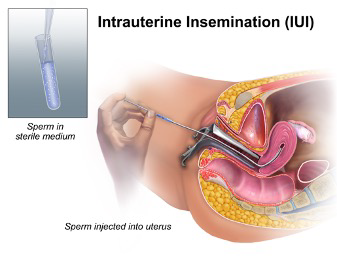
Egg Donation and Egg Freezing: A Global Perspective
Furthermore, the ethical considerations surrounding egg donation and egg freezing also differ from country to country. In some places, there may be strict regulations in place to ensure the safety and well-being of the donors and recipients, while in others, there may be more leniency. This can lead to concerns about exploitation or lack of informed consent for the donors.
Despite these variations, one thing remains constant – the growing demand for egg donation and egg freezing. As more women delay childbearing for various reasons, the need for these procedures continues to rise. In fact, according to a report by the European Society of Human Reproduction and Embryology, the number of women freezing their eggs has increased by 463% in the last five years.
One of the main reasons for this increase is the advancements in technology and the success rates of these procedures. With the development of new techniques, such as vitrification, which involves rapidly freezing the eggs at very low temperatures, the survival rates of frozen eggs have significantly improved. This has given women more confidence in the success of these procedures and has made egg freezing a more viable option for preserving fertility.
Moreover, egg donation and egg freezing have also been embraced by the LGBTQ+ community, providing them with options for starting a family. Same-sex couples and single individuals can now use donor eggs and surrogacy to have biological children, giving them the opportunity to experience parenthood.
In conclusion, egg donation and egg freezing have become important tools for women to take control of their reproductive choices. However, the global perspective of these procedures reveals significant variations in laws, regulations, cultural attitudes, and financial considerations. It is important for these procedures to be ethically and responsibly practiced, with proper regulations and guidelines in place to protect the well-being of all involved. As the demand for these procedures continues to rise, it is crucial for countries to address these complexities and work towards providing equal access and support for women seeking these reproductive options.
Summary:
Egg donation and egg freezing have opened up a world of possibilities for women, giving them more control over their reproductive choices. However, there are many complexities and global variations involved in these procedures. The laws and regulations, cultural attitudes, financial considerations, and ethical considerations surrounding egg donation and egg freezing vary greatly from country to country. Despite these variations, the demand for these procedures continues to rise, thanks to advancements in technology and the increasing acceptance of these methods by the LGBTQ+ community.