Blog Post: The Role of Timing in At-Home Insemination Success Rates
Timing is everything when it comes to at-home insemination. Many couples who are trying to conceive through insemination often face the challenge of understanding the best time to perform the procedure in order to increase their chances of success. In this blog post, we will explore the role of timing in at-home insemination success rates and provide helpful tips for couples who are considering this method.
At-home insemination, also known as self-insemination, is a method of assisted reproduction where the sperm is manually inserted into the vagina or cervix of a woman in order to fertilize her egg. This method is commonly used by same-sex couples, single women, or couples with fertility issues. Unlike traditional insemination, at-home insemination can be done in the comfort and privacy of one’s own home, without the need for medical assistance.
The timing of at-home insemination is crucial as it can greatly affect the chances of success. The most important factor to consider is ovulation, which is the release of an egg from the ovary. Ovulation typically occurs once a month, around day 14 of a woman’s menstrual cycle. However, this can vary from woman to woman and may not always be predictable. Therefore, it is important to track ovulation in order to determine the best time for at-home insemination.
The most accurate way to track ovulation is through ovulation predictor kits (OPKs) or fertility monitors. These tools measure the levels of luteinizing hormone (LH) in a woman’s urine, which surges just before ovulation. By using these tools, couples can determine the best time to perform at-home insemination, usually within 24-36 hours of the LH surge. This timing ensures that the sperm is present in the reproductive tract when the egg is released, increasing the chances of fertilization.
Another important factor to consider is the quality of the sperm. Sperm can survive in the reproductive tract for up to 5 days, so it is best to perform at-home insemination a few days before ovulation. This gives the sperm enough time to travel to the fallopian tubes where fertilization occurs. However, if the sperm is of poor quality or has a low sperm count, it is best to perform at-home insemination closer to the time of ovulation to increase the chances of fertilization.
In addition to timing, there are other factors that can affect the success rates of at-home insemination. These include the age and overall health of the woman, as well as the quality and quantity of the sperm. It is important for couples to address any underlying fertility issues before attempting at-home insemination to increase their chances of success.
It is also important to note that at-home insemination should not be used as a replacement for medical fertility treatments. If a couple has been trying to conceive for more than a year without success, it is recommended to seek the help of a fertility specialist.
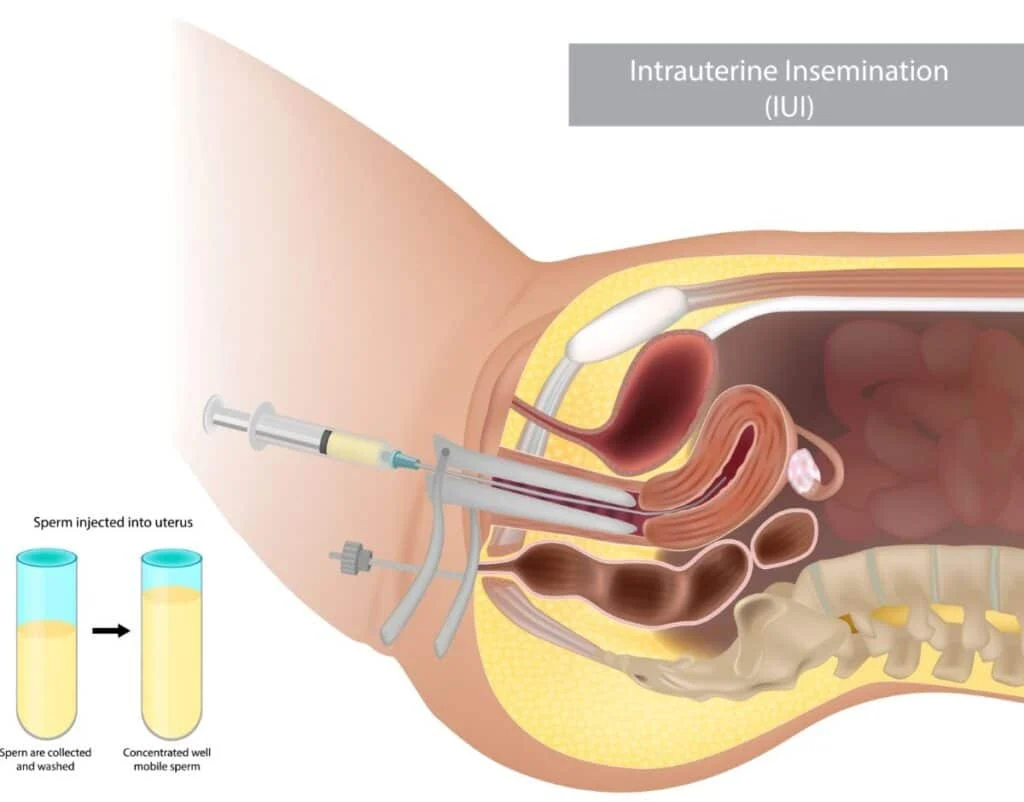
The Role of Timing in At-Home Insemination Success Rates
Tips for Successful At-Home Insemination:
1. Track Ovulation: As mentioned earlier, tracking ovulation is crucial for determining the best time to perform at-home insemination. This can be done using OPKs or fertility monitors, or by tracking changes in cervical mucus and basal body temperature.
2. Use Fresh Sperm: Using fresh sperm, preferably from a known donor or partner, can increase the chances of success. Frozen sperm may have a lower survival rate and may not be as effective for at-home insemination.
3. Practice Good Hygiene: Before performing at-home insemination, make sure to wash your hands and sterilize any instruments that will be used. This reduces the risk of introducing bacteria into the reproductive tract.
4. Elevate Hips: After insemination, it is recommended to elevate your hips for 15-20 minutes to help the sperm travel to the fallopian tubes. This can be done by placing a pillow under the hips or laying with your feet against the wall.
5. Stay Relaxed: Stress and anxiety can negatively impact fertility, so it is important to stay relaxed and calm during the insemination process. Consider practicing relaxation techniques such as deep breathing or meditation.
In conclusion, timing plays a crucial role in the success rates of at-home insemination. By tracking ovulation and following the tips mentioned above, couples can increase their chances of success with this method. However, it is important to keep in mind that at-home insemination may not be suitable for everyone and seeking the help of a fertility specialist may be necessary for some couples.
Summary:
Timing is a crucial factor in the success rates of at-home insemination. Couples must track ovulation in order to determine the best time to perform the procedure, usually within 24-36 hours of the LH surge. Other factors such as sperm quality, the age and health of the woman, and overall sperm count can also affect the success rates. It is important to practice good hygiene, use fresh sperm, and stay relaxed during the process. However, at-home insemination should not be used as a replacement for medical fertility treatments.