The Great Debate: Male Fertility Tests vs Female Fertility Tests
When it comes to fertility, both men and women play an equal role. However, the responsibility and pressure of fertility issues often fall on women. This has led to a debate on whether male fertility tests are as important as female fertility tests. In this blog post, we will explore the differences between male and female fertility tests, the reasons behind the debate, and the importance of both types of tests.
Male Fertility Tests
Male fertility tests involve evaluating the quantity and quality of sperm. These tests are usually done through a semen analysis, which measures the sperm count, motility, and morphology. Other tests that may be done include hormone levels, genetic testing, and physical exams.
One of the most common causes of male infertility is a low sperm count. This can be caused by various factors such as hormonal imbalances, genetic disorders, and lifestyle habits such as smoking and excessive alcohol consumption. Male fertility tests can help identify these issues and guide couples towards the right treatment options.
Female Fertility Tests
Female fertility tests are more complex and involve evaluating multiple factors such as ovulation, egg quality, and the health of the reproductive organs. These tests include blood work to check hormone levels, ultrasounds to monitor ovulation and the health of the uterus and ovaries, and possibly a hysterosalpingogram (HSG) to check for any blockages in the fallopian tubes.
The most common cause of female infertility is ovulation disorders, which can be caused by hormonal imbalances, polycystic ovary syndrome (PCOS), or thyroid problems. These tests can help identify these issues and guide couples towards the right treatment options.
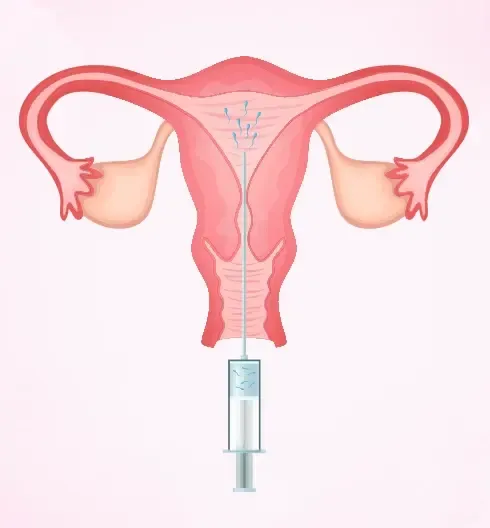
The Great Debate: Male Fertility Tests vs Female Fertility Tests
The Debate: Are Male Fertility Tests as Important as Female Fertility Tests?
The debate around male fertility tests vs female fertility tests stems from the societal pressure on women to bear children and the lack of awareness about male fertility issues. Many people believe that since women carry and give birth to the baby, they are solely responsible for fertility issues. However, studies have shown that about 40% of infertility cases are due to male factors, 40% are due to female factors, and the remaining 20% are a combination of both male and female factors.
Another reason for this debate is the cost of fertility tests. Female fertility tests are often more expensive and invasive, leading some couples to prioritize testing for the woman first. However, this can lead to delays in identifying male fertility issues, causing further emotional and financial strain on the couple.
Why Both Male and Female Fertility Tests are Important
It is crucial to understand that fertility is a shared responsibility between men and women. Both partners should be equally involved in the testing and treatment process. Identifying and addressing male fertility issues can increase the chances of conception and reduce the emotional burden on women. Additionally, male fertility tests can also help detect underlying health issues, such as hormonal imbalances and genetic disorders, that can have an impact on overall health.
Furthermore, addressing male fertility issues can also improve the success rate of assisted reproductive techniques, such as in vitro fertilization (IVF). In some cases, male fertility issues can be easily treated with lifestyle changes or medication, making it essential to identify them early on.
In conclusion, the debate between male fertility tests and female fertility tests is unnecessary. Both types of tests are equally important in identifying and addressing fertility issues. It is crucial for couples to understand that fertility is a shared responsibility and seek help from a fertility specialist if they are facing difficulties conceiving.
Summary:
The debate between male fertility tests and female fertility tests has been ongoing for years. While male fertility tests involve evaluating sperm quantity and quality, female fertility tests are more complex and involve evaluating multiple factors such as ovulation and egg quality. The debate stems from societal pressure on women and the lack of awareness about male fertility issues. However, it is crucial to understand that fertility is a shared responsibility, and both types of tests are equally important. Identifying and addressing male fertility issues can improve the chances of conception and overall health. Therefore, it is essential for couples to seek help from a fertility specialist and prioritize both male and female fertility tests.