The decision to start a family is one of the most exciting and life-changing moments in a person’s life. However, for some individuals and couples, the journey to parenthood may not be as simple as they had hoped. Infertility affects approximately 10-15% of couples worldwide, and the emotional toll it can take on those struggling to conceive can be immense.
Thankfully, with advancements in modern medicine, there are now more options available than ever before for those seeking help to start or expand their families. Two popular options are fertility clinics and at-home methods, both of which have their own unique benefits and considerations. In this blog post, we will explore the differences between the two and help you determine which may be the right choice for you.
Fertility Clinics: What to Expect
Fertility clinics, also known as reproductive or infertility clinics, are specialized medical facilities that offer a range of treatments and services for individuals and couples struggling with infertility. These clinics are staffed by a team of highly-trained medical professionals, including reproductive endocrinologists, fertility specialists, and embryologists, who work together to help patients achieve their dream of parenthood.
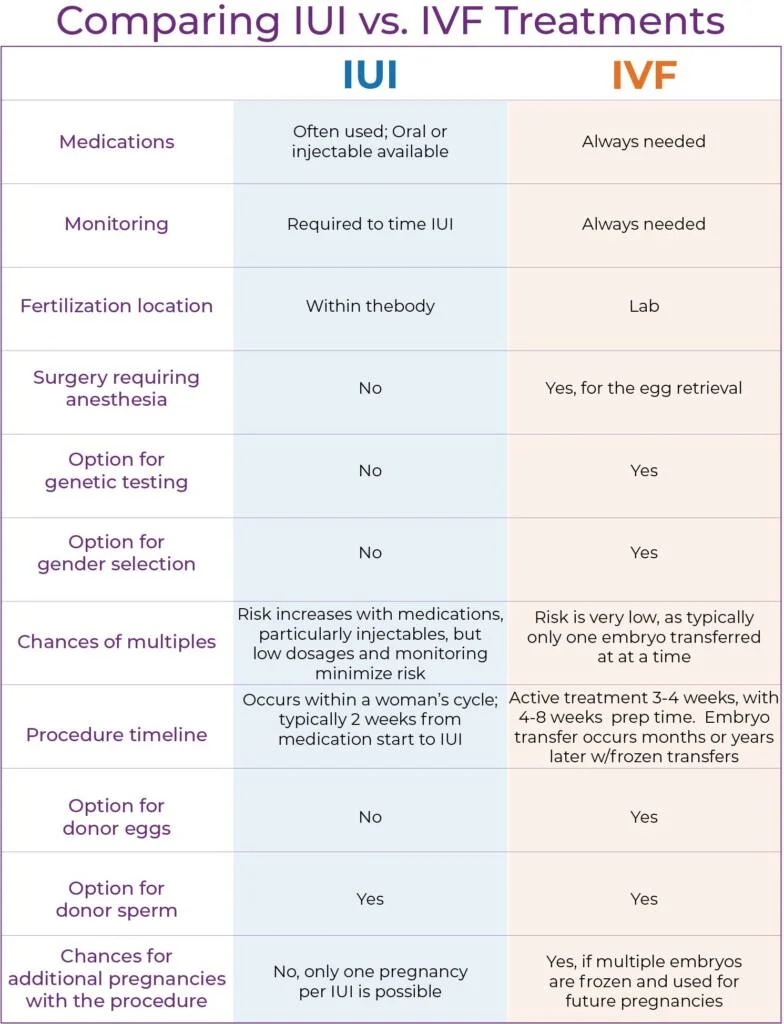
One of the main advantages of utilizing a fertility clinic is the access to advanced and specialized treatments. Fertility clinics offer a wide range of services, including in-vitro fertilization (IVF), intrauterine insemination (IUI), and intracytoplasmic sperm injection (ICSI), among others. These treatments have a higher success rate compared to at-home methods, making them a popular choice for those struggling with infertility.
Additionally, fertility clinics provide a supportive and nurturing environment for individuals and couples going through the often emotional and challenging journey of fertility treatments. The medical staff at these clinics are well-versed in the emotional toll that infertility can take and are trained to provide compassionate care throughout the process.
However, fertility clinics do have some drawbacks, including the high costs associated with treatments and the often lengthy process. IVF, for example, can cost upwards of $12,000 per cycle, and it may take multiple cycles before a successful pregnancy occurs. Additionally, the process can be physically and emotionally demanding, with frequent appointments and medications that can have side effects.
At-Home Methods: What You Need to Know
Fertility Clinic or At-Home Methods: Which is Right for You?
In recent years, there has been a rise in the popularity of at-home methods for fertility treatments. These methods include tracking ovulation using at-home ovulation predictor kits, using fertility tracking apps, and taking supplements or herbs to improve fertility. While these methods may seem more accessible and affordable than fertility clinics, they also come with their own set of considerations.
One of the main benefits of at-home methods is the low cost and convenience. Many ovulation predictor kits and fertility apps are affordable and readily available at pharmacies and online. Additionally, taking supplements or herbs can be a less invasive and more natural approach to fertility treatments.
However, it is essential to note that at-home methods do not have the same level of success rates as fertility clinics. While they may work for some individuals or couples, they may not be effective for others. Additionally, these methods may not address underlying medical conditions that could be causing infertility, which can only be diagnosed and treated by a medical professional.
Making the Right Choice for You
Ultimately, the decision between utilizing a fertility clinic or at-home methods will depend on individual circumstances and needs. If you have been trying to conceive for a year or longer without success, or if you have underlying medical conditions that could be affecting your fertility, a fertility clinic may be the best option for you. On the other hand, if you have just started your fertility journey and are looking for a more affordable and natural approach, at-home methods may be worth considering.
It is essential to consult with a reproductive health specialist to determine the best course of action for your specific situation. They can evaluate your medical history, perform necessary tests, and discuss your options with you to help you make an informed decision.
Summary:
The decision to start a family can be both exciting and challenging, especially for those struggling with infertility. With advancements in modern medicine, there are now more options available than ever before, including fertility clinics and at-home methods. Fertility clinics offer specialized treatments and a supportive environment but can be costly and time-consuming. At-home methods, on the other hand, are more affordable and convenient but may not have the same success rates as fertility clinics. The choice between the two depends on individual circumstances and needs, and it is crucial to consult with a reproductive health specialist to determine the best course of action.