Blog Post:
Infertility is a common struggle for many couples and individuals, affecting around 1 in 8 couples worldwide. The journey to parenthood can be a long and emotional one, with various treatments and procedures often causing stress and anxiety. This is where fertility coaching can play a crucial role in supporting individuals and couples throughout their fertility journey.
Fertility coaching is a growing field that focuses specifically on the emotional, mental, and spiritual aspects of infertility. It involves working with a coach who specializes in fertility to help individuals and couples navigate the challenges of trying to conceive. By addressing the emotional impact of infertility, fertility coaching can significantly reduce stress and anxiety during treatment. In this blog post, we will delve deeper into the role of fertility coaching in reducing stress and anxiety during fertility treatment.
Understanding the Emotional Impact of Infertility
Infertility can have a significant emotional toll on individuals and couples. The constant disappointment of unsuccessful attempts to conceive, coupled with societal pressure and stigma surrounding infertility, can lead to feelings of sadness, anger, guilt, and shame. The emotional impact of infertility is often overlooked, but it can be just as challenging to deal with as the physical aspects of treatment.
Fertility coaching recognizes the emotional impact of infertility and offers a safe and supportive space for individuals and couples to express their feelings and concerns without judgment. By acknowledging and addressing these emotions, fertility coaching can help individuals cope better with the challenges of fertility treatment.
Managing Stress and Anxiety Through Fertility Coaching
Fertility treatment can be physically and emotionally demanding, leading to increased levels of stress and anxiety. The fear of not being able to conceive or the uncertainty of the outcome can be overwhelming for many individuals and couples. Fertility coaching can help individuals develop coping mechanisms to manage stress and anxiety during treatment.
Through various techniques such as mindfulness, relaxation techniques, and cognitive-behavioral therapy, fertility coaches can help individuals reduce stress and anxiety. By learning how to manage their emotions, individuals can approach fertility treatment with a calmer and more positive mindset, which can ultimately improve their chances of success.
Providing Support and Guidance
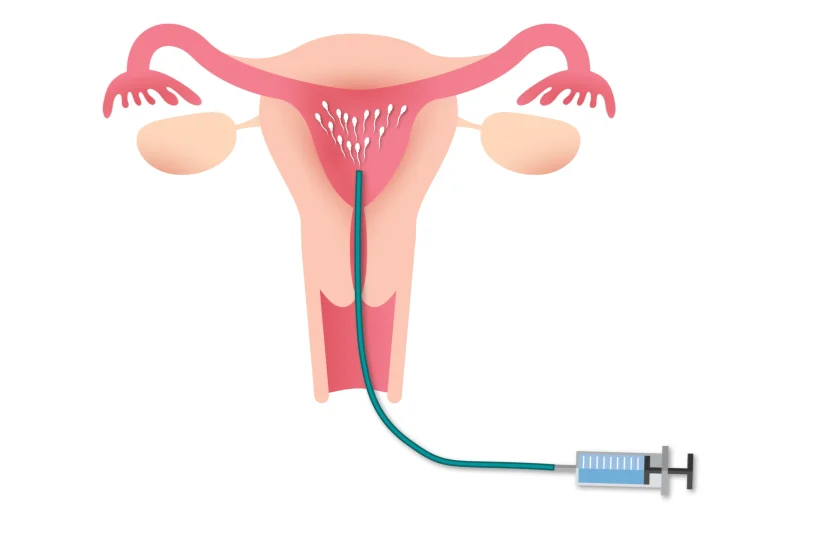
The Role of Fertility Coaching in Reducing Stress and Anxiety During Treatment
One of the most significant benefits of fertility coaching is the support and guidance it provides to individuals and couples. Fertility coaches understand the complexities of fertility treatment and can offer valuable insights and advice. They can also provide emotional support and empower individuals to make informed decisions about their treatment.
Fertility coaches can also act as a liaison between the individual or couple and their healthcare team. They can help individuals understand medical jargon, navigate treatment options, and advocate for their needs. This support and guidance can make a significant difference in reducing stress and anxiety during fertility treatment.
Addressing Relationship Challenges
Infertility can also take a toll on relationships, as it can put a strain on even the strongest of partnerships. The stress and pressure of trying to conceive can lead to communication breakdowns, increased conflicts, and feelings of isolation. Fertility coaching can help couples work through these challenges and strengthen their relationship.
By addressing communication issues, setting realistic expectations, and promoting self-care, fertility coaching can improve the quality of relationships and reduce tension during fertility treatment. This, in turn, can positively impact an individual’s overall well-being and increase their chances of success.
Focusing on Self-Care
Self-care is crucial for both emotional and physical well-being, especially during fertility treatment. Fertility coaching emphasizes the importance of self-care and encourages individuals and couples to prioritize their needs. This can include activities such as exercise, proper nutrition, rest, and relaxation.
Fertility coaches can also help individuals and couples develop a self-care plan tailored to their specific needs and circumstances. By prioritizing self-care, individuals can reduce stress and anxiety and improve their overall health and well-being, making them better equipped to handle the challenges of fertility treatment.
In conclusion, fertility coaching plays a vital role in reducing stress and anxiety during fertility treatment. By addressing the emotional impact of infertility, managing stress and anxiety, providing support and guidance, addressing relationship challenges, and promoting self-care, fertility coaches can help individuals and couples better navigate their fertility journey. If you are struggling with infertility, consider seeking the support and guidance of a fertility coach to help you on your path to parenthood.
Summary:
Fertility treatment can be emotionally and mentally taxing, leading to increased stress and anxiety. Fertility coaching, a growing field that focuses on the emotional aspects of infertility, can provide much-needed support and guidance during this journey. Fertility coaches understand the emotional impact of infertility and can help individuals manage stress and anxiety, provide support and guidance, address relationship challenges, and promote self-care. By addressing these aspects, fertility coaching can significantly reduce stress and anxiety during fertility treatment, ultimately improving an individual’s chances of success.