The Lowdown on Intrauterine Insemination and Intracervical Insemination
Intrauterine insemination (IUI) and intracervical insemination (ICI) are two types of assisted reproductive technology (ART) commonly used to help couples struggling with fertility issues to conceive. These procedures involve the placement of sperm directly into the uterus or cervix, respectively, to increase the chances of fertilization and pregnancy. While both IUI and ICI have the same goal, there are some key differences between the two procedures. In this blog post, we will delve into the lowdown on intrauterine insemination and intracervical insemination, including what they are, how they work, and who can benefit from them.
What is Intrauterine Insemination (IUI)?
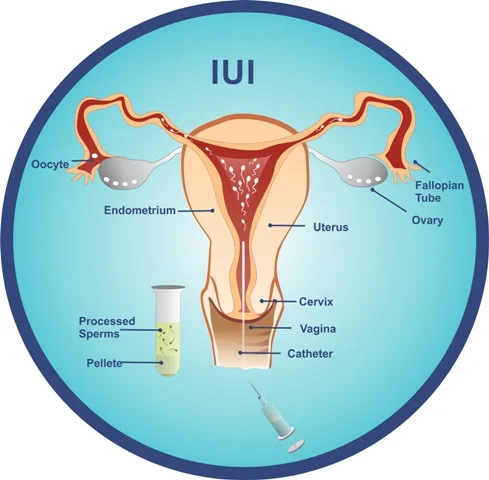
Intrauterine insemination, also known as artificial insemination, is a procedure where sperm is placed directly into the uterus around the time of ovulation. This is usually done with a thin, flexible catheter that is inserted through the cervix and into the uterine cavity. The goal of IUI is to increase the number of sperm that reach the fallopian tubes, where fertilization normally occurs, and ultimately increase the chances of conception.
How does Intrauterine Insemination (IUI) work?
Before undergoing IUI, a woman will typically undergo fertility testing to determine the best time for the procedure to be performed. This may include tracking ovulation through blood tests or ultrasounds. The male partner may also be asked to provide a semen sample, which will be washed and prepared in a laboratory to concentrate the healthiest sperm.
During the actual procedure, the sperm is inserted into the uterus using a catheter. This process is usually painless and only takes a few minutes to complete. After the procedure, the woman may be advised to rest for a short period of time before resuming normal activities.
Who can benefit from Intrauterine Insemination (IUI)?
IUI may be recommended for couples who have been trying to conceive for at least a year without success, or for those who have certain fertility issues such as low sperm count, endometriosis, or unexplained infertility. It may also be used for same-sex couples or single women who are using donor sperm to conceive.
The Lowdown on Intrauterine Insemination and Intracervical Insemination
What is Intracervical Insemination (ICI)?
Intracervical insemination, also known as cervical insemination, is a simpler form of artificial insemination where sperm is placed into the cervix rather than the uterus. This is typically done at home and does not require the assistance of a healthcare professional. It may be performed using a syringe or cervical cap, and the sperm can either be fresh or frozen.
How does Intracervical Insemination (ICI) work?
Unlike IUI, ICI does not require any fertility testing or procedures prior to insemination. The sperm is simply placed into the cervix using a syringe or cervical cap around the time of ovulation. This allows the sperm to swim through the cervix and into the uterus, increasing the chances of fertilization.
Who can benefit from Intracervical Insemination (ICI)?
ICI may be a suitable option for couples who prefer a more natural and less invasive method of assisted reproduction. It may also be used by same-sex couples or single women who are using donor sperm. However, ICI may not be as effective as IUI for those with certain fertility issues, such as low sperm count or blocked fallopian tubes.
Which is better: Intrauterine Insemination (IUI) or Intracervical Insemination (ICI)?
The answer to this question depends on individual circumstances and preferences. Both IUI and ICI have their own advantages and may be more suitable for different situations. For example, IUI has a higher success rate than ICI, but it also requires more preparation and involves a medical procedure. On the other hand, ICI is a simpler and more accessible option, but it may not be as effective for certain fertility issues.
In summary, both intrauterine insemination and intracervical insemination are forms of assisted reproductive technology that can help couples struggling with fertility issues to conceive. While IUI involves the placement of sperm directly into the uterus, ICI involves placing sperm into the cervix. Both procedures have their own benefits and may be recommended depending on individual circumstances. If you and your partner are considering fertility treatment, be sure to consult with a healthcare professional to determine the best option for you.