Blog Post: Fertility Challenges: What to Expect from Support Groups
Having difficulty conceiving can be a challenging and emotional experience for many couples. The journey towards parenthood can be filled with ups and downs, and it can be overwhelming to navigate the complexities of fertility treatments and emotions on your own. This is where support groups come in, providing a safe and understanding space for individuals and couples going through fertility challenges. In this blog post, we will discuss what to expect from support groups and how they can help you on your journey towards parenthood.
What are Support Groups?
Support groups are a form of peer support where individuals who are going through similar experiences come together to share their thoughts, feelings, and experiences. In the case of fertility challenges, support groups bring together individuals and couples who are struggling with infertility, miscarriages, or other fertility issues. These groups provide a sense of community and understanding, where individuals can connect with others who are going through similar experiences.
What to Expect from Support Groups?
1. Emotional Support
Dealing with fertility challenges can take a toll on one’s emotional well-being. It can be a rollercoaster of emotions, from hope and excitement to disappointment and sadness. Support groups are a great source of emotional support during this journey. Being surrounded by people who understand and can relate to your struggles can help you feel less alone and more supported. These groups provide a safe space to express your feelings and emotions without judgment.
2. Sharing of Experiences
One of the most significant benefits of support groups is the opportunity to share experiences. When going through fertility challenges, it can feel isolating, and it may seem like no one understands what you are going through. Being a part of a support group allows you to connect with others who have gone through or are currently going through similar experiences. You can learn from their journeys, gain insight, and feel encouraged by their success stories.
3. Education and Information
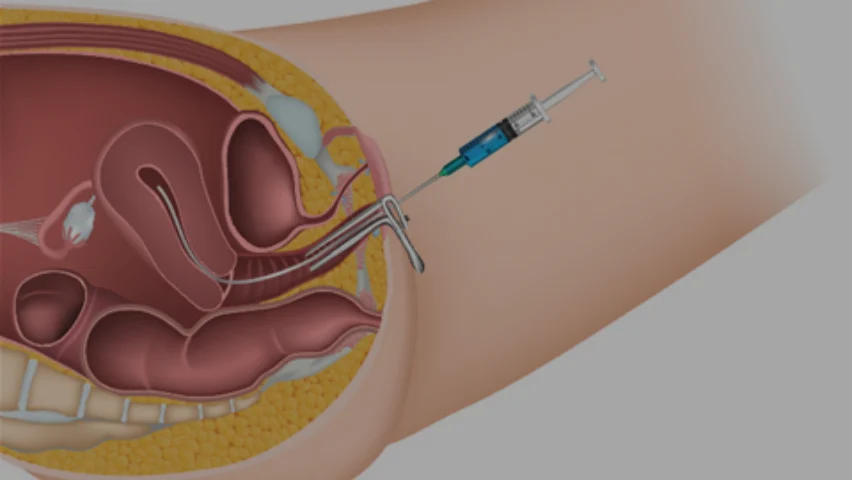
and Fertility Challenges: What to Expect from Support Groups
Support groups are not only a place to share experiences, but they also provide valuable education and information. Many support groups have guest speakers or experts who can educate members on fertility treatments, coping strategies, and other resources that can be helpful on the journey. Being a part of a support group can also give you access to information about the latest advancements in fertility treatments and support services.
4. Coping Strategies
Dealing with fertility challenges can be stressful, and it is essential to have healthy coping strategies. Support groups provide a platform for members to share coping mechanisms that have worked for them. It can be anything from mindfulness techniques to self-care practices. Being a part of a support group can help you develop new strategies to manage stress and anxiety related to fertility challenges.
5. A Sense of Community
Support groups provide a sense of community, where individuals and couples can connect with others who understand their struggles. It can be comforting to know that you are not alone in this journey and that there are others who are going through similar experiences. Support groups can also provide opportunities for socializing and making new friends who can offer support outside of the group meetings.
6. Guidance and Support for Decision Making
Fertility treatments can be overwhelming, and it can be challenging to make decisions about which route to take. Support groups can be a valuable resource when it comes to decision making. Members can share their experiences with different treatments, and you can gain insight into the pros and cons of each. It can help you make informed decisions, and you can also receive guidance and support from others who have gone through similar treatments.
7. Continued Support
The journey towards parenthood can be a long and uncertain one, and support groups can provide ongoing support throughout the process. Even after achieving pregnancy, support groups can be a source of support and guidance during pregnancy and after the birth of a child. Many groups continue to meet even after members have had successful pregnancies, providing an opportunity for members to share their experiences and offer support to others.
In summary, support groups provide a safe and understanding space for individuals and couples going through fertility challenges. They offer emotional support, a sense of community, education and information, coping strategies, guidance and support for decision making, and continued support throughout the journey. Being a part of a support group can make a significant difference in one’s experience with fertility challenges, providing a sense of hope and understanding.