Exploring Alternative Insemination Methods: A Guide to Non-Traditional Ways of Conceiving
In today’s world, there are many different paths to parenthood. While traditional methods of conception through sexual intercourse may be the most common, they are not the only option for those looking to start a family. Alternative insemination methods, also known as assisted reproductive techniques, provide viable options for individuals and couples who are unable to conceive through traditional means. In this blog post, we will explore the various alternative insemination methods available, their processes, and their potential benefits and drawbacks.
What is Alternative Insemination?
Alternative insemination, or artificial insemination, is a method of assisted reproduction that involves the placement of sperm into the reproductive tract of a female in order to achieve fertilization. This can be done through various methods, including intrauterine insemination (IUI), intracervical insemination (ICI), and intrafallopian tube insemination (IFTI). These methods are typically used by individuals or couples who are unable to conceive through sexual intercourse, such as same-sex couples, single individuals, and those with fertility issues.
Intrauterine Insemination (IUI)
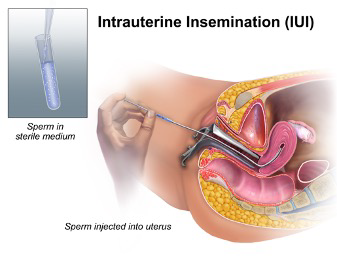
IUI is one of the most common forms of alternative insemination. It involves directly placing sperm into the uterus using a thin catheter. This procedure is typically done in a doctor’s office and can be performed with or without the use of fertility drugs. IUI is a popular choice for individuals or couples with unexplained infertility or mild male factor infertility.
Intracervical Insemination (ICI)
ICI is a method of alternative insemination that involves inserting sperm into the cervix using a syringe. This can be done in a doctor’s office or at home, making it a more accessible option for those who may not have access to a fertility clinic. However, ICI has a lower success rate compared to other methods, and it is important to carefully follow instructions and timing for the best chances of success.
Exploring Alternative Insemination Methods
Intrafallopian Tube Insemination (IFTI)
IFTI is a more invasive form of alternative insemination that involves directly placing sperm into the fallopian tubes. This method is typically reserved for those with severe male factor infertility or individuals with blocked fallopian tubes. IFTI is usually done in a hospital or fertility clinic and may require the use of fertility drugs.
Benefits of Alternative Insemination
One of the main benefits of alternative insemination is that it provides options for those who are unable to conceive through traditional methods. It also allows individuals and couples to have a genetic connection to their child, which can be important for some. Alternative insemination also allows for more control over the timing of conception, as it can be scheduled according to ovulation and fertility treatments.
Drawbacks of Alternative Insemination
While alternative insemination can be a successful way to conceive, it does have its drawbacks. One of the main concerns is the cost, as fertility treatments and procedures can be expensive. There is also no guarantee of success, and multiple attempts may be necessary. Additionally, alternative insemination may not be covered by insurance, making it a financial burden for some.
Other Alternative Methods of Conception
Aside from assisted reproductive techniques, there are also other non-traditional ways of conceiving, such as in vitro fertilization (IVF), surrogacy, and adoption. IVF involves fertilizing eggs outside of the body and then transferring them into the uterus, while surrogacy involves using a gestational carrier to carry the pregnancy. Adoption provides an opportunity to grow a family through legal means and give a loving home to a child in need.
In conclusion, alternative insemination methods offer a range of options for individuals and couples looking to start a family. Whether it’s through IUI, ICI, or IFTI, these methods provide a viable solution for those unable to conceive through traditional means. While there are benefits and drawbacks to consider, it ultimately comes down to personal choice and individual circumstances. For those exploring alternative methods of conception, it is important to consult with a medical professional and thoroughly research all options to make an informed decision.