DIY Insemination Myths vs Facts: Debunking Common Misconceptions About At-Home Conception
In recent years, DIY insemination has become a popular option for individuals and couples looking to conceive without the help of a medical professional. This method involves using a syringe or other tools to deposit semen into the vagina or cervix in hopes of achieving pregnancy. However, there are many myths and misconceptions surrounding DIY insemination that can cause confusion and misinformation. In this blog post, we will explore some of the most common myths and facts about DIY insemination, and hopefully provide clarity for those considering this method of conception.
Myth #1: DIY insemination is only for same-sex couples or single individuals.
Fact: While DIY insemination is commonly associated with same-sex couples and single individuals, it can also be a helpful option for heterosexual couples who are struggling with infertility or other barriers to conception. In fact, many couples who have been unsuccessful with traditional methods, such as intercourse or intrauterine insemination (IUI), have found success with DIY insemination. It is important to note that this method should not be seen as a replacement for medical fertility treatments, but rather a complementary option for those who are able to use it safely and effectively.
Myth #2: DIY insemination is unsafe and can lead to infections or other health risks.
Fact: As with any medical procedure, there are potential risks associated with DIY insemination. However, if proper precautions are taken, such as using sterile equipment and following hygienic procedures, the risk of infection or other health complications is minimal. It is important to thoroughly research and understand the proper techniques and safety measures before attempting DIY insemination. Additionally, it is always recommended to consult with a medical professional before trying any fertility method, including DIY insemination.
Myth #3: DIY insemination is a guaranteed way to get pregnant.
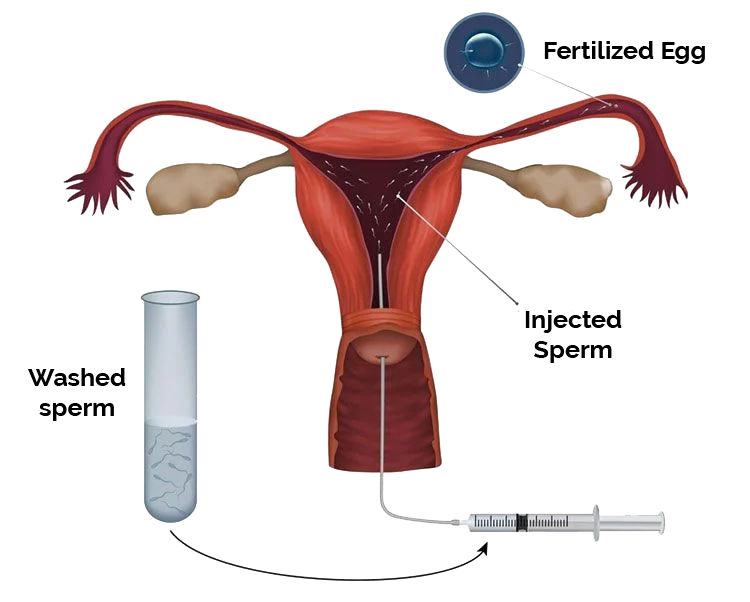
DIY Insemination Myths vs Facts
Fact: While DIY insemination has been successful for many individuals and couples, it is not a 100% guaranteed method of conception. There are many factors that can affect the success of DIY insemination, such as timing, sperm quality, and overall fertility health. It is important to have realistic expectations and be prepared for the possibility of multiple attempts before achieving pregnancy. Additionally, it is important to keep in mind that DIY insemination does not involve the same level of monitoring and medical expertise as fertility treatments, so the success rates may be lower.
Myth #4: Only fresh semen can be used for DIY insemination.
Fact: This is a common misconception, as fresh semen is often seen as the most effective option for conception. However, frozen sperm can also be used for DIY insemination, and may even be preferred in certain situations. For example, if a donor is located far away or is only available at certain times, using frozen sperm can make the process more convenient and accessible. It is important to discuss the best options for sperm with a medical professional or fertility expert, as they can provide guidance based on individual circumstances and needs.
Myth #5: DIY insemination is a cheaper alternative to medical fertility treatments.
Fact: While DIY insemination may seem like a more affordable option compared to fertility treatments, it is important to consider all of the associated costs. DIY insemination requires purchasing or obtaining sperm, as well as proper equipment and supplies, which can add up over time. Additionally, there may be hidden costs associated with DIY insemination, such as travel expenses or storage fees for frozen sperm. On the other hand, many fertility treatments may be covered by insurance or offer payment plans, making them a more financially feasible option for some individuals or couples.
Myth #6: DIY insemination is a simple and easy process.
Fact: DIY insemination may seem straightforward, but it is not as simple as it may appear. It requires proper knowledge, preparation, and technique in order to be safe and effective. It is important to research and consult with medical professionals or fertility experts before attempting DIY insemination. It is also recommended to have a backup plan in case the method is unsuccessful, such as consulting with a fertility specialist or exploring other options for conception.
In summary, DIY insemination is a popular and accessible option for individuals and couples looking to conceive at home. However, it is important to separate the myths from the facts in order to make informed decisions and ensure a safe and effective process. While DIY insemination may not be suitable for everyone, understanding the facts can help individuals and couples make the best choice for their unique circumstances and fertility goals.