Blog Post:
Fertility issues can be a difficult and emotional journey for individuals and couples who are trying to conceive. In recent years, there have been advancements in fertility treatments that have given hope to those struggling with infertility. Two main approaches to fertility treatment are hormone therapy and surgical treatments. In this blog post, we will dive into the role of hormone therapy and how it compares to surgical treatments in helping individuals achieve their dream of parenthood.
Hormone therapy is a form of fertility medication that uses hormones to stimulate ovulation and regulate the menstrual cycle. This type of treatment is often the first line of treatment for women who have irregular periods or ovulation issues. Hormone therapy can also be used in conjunction with other fertility treatments such as intrauterine insemination (IUI) or in vitro fertilization (IVF).
There are several types of hormone therapy medications, including Clomid, Letrozole, and Gonadotropins. These medications work by either stimulating the ovaries to produce mature eggs or by regulating the production of hormones to help with ovulation. Hormone therapy can be taken orally, injected, or administered through a nasal spray.
One of the main benefits of hormone therapy is that it is a less invasive and more affordable option compared to surgical treatments. It also has a lower risk of complications and side effects. Hormone therapy can also be used for multiple cycles, increasing the chances of conception over time. However, it is important to note that hormone therapy may not be effective for everyone and may not be suitable for certain medical conditions.
On the other hand, surgical treatments for infertility involve more invasive procedures and are typically recommended for individuals who have structural issues that may be preventing pregnancy. Some common surgical treatments include laparoscopic surgery, hysteroscopy, and tubal surgery. These procedures aim to correct any physical barriers to conception, such as blocked fallopian tubes or endometriosis.
One of the main advantages of surgical treatments is that they can address underlying issues directly, making them a more targeted approach compared to hormone therapy. They can also be a one-time procedure, eliminating the need for multiple treatments. However, surgical treatments can be more costly and carry a higher risk of complications, including infection and scarring.
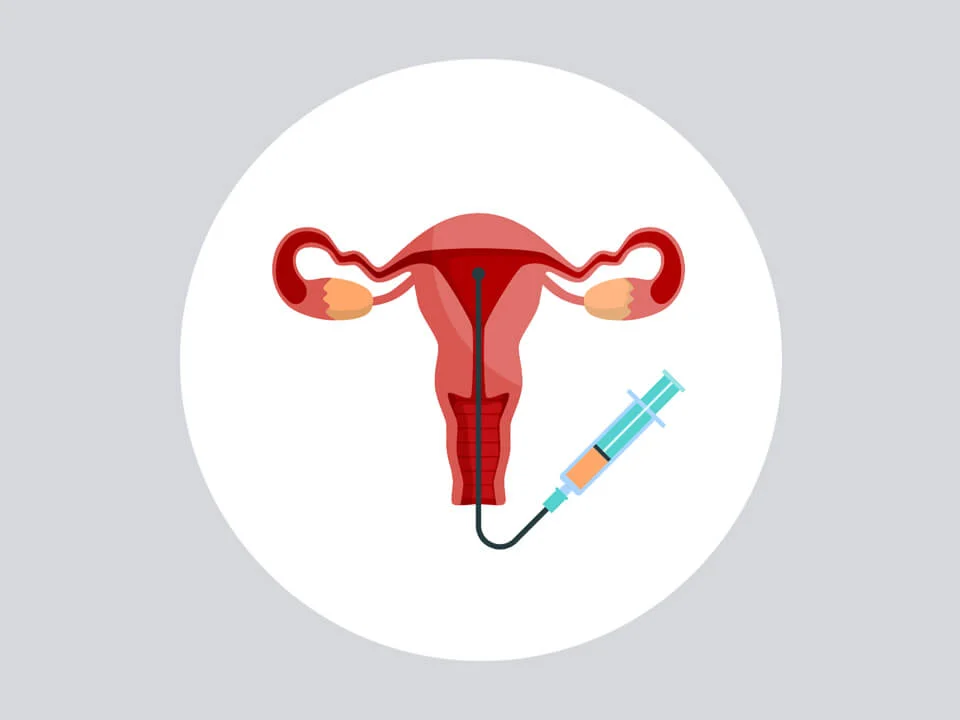
The Role of Hormone Therapy in Fertility Medications vs Surgical Treatments
So, which approach is better – hormone therapy or surgical treatments? The answer is not a straightforward one as it depends on the individual’s specific fertility issues and medical history. Hormone therapy may be the first choice for those with ovulation issues, while surgical treatments may be more suitable for those with structural barriers.
In some cases, a combination of both approaches may be necessary. For example, a woman with ovulation issues may also have a blocked fallopian tube, requiring both hormone therapy and a surgical procedure. It is essential to discuss all available options with a fertility specialist to determine the best course of treatment for each individual.
Furthermore, hormone therapy and surgical treatments can also be used together to maximize the chances of conception. For example, hormone therapy can be used to stimulate ovulation, while a surgical procedure can be used to remove any potential barriers to pregnancy, such as uterine fibroids.
It is also important to keep in mind that fertility treatments, whether hormonal or surgical, do not guarantee pregnancy. It is crucial to manage expectations and be prepared for potential setbacks or the need for alternative treatment options.
In conclusion, hormone therapy and surgical treatments both play a crucial role in fertility treatments. Hormone therapy is a less invasive and more affordable option that can be used for multiple cycles, while surgical treatments are more targeted and can address underlying issues. The best approach for each individual will depend on their specific fertility issues and medical history. Consulting with a fertility specialist and exploring all available options is key to finding the most effective treatment plan.
Summary:
Fertility treatments often involve hormone therapy and surgical treatments. Hormone therapy uses medication to stimulate ovulation and regulate the menstrual cycle, while surgical treatments aim to correct structural issues that may be preventing pregnancy. Both approaches have their benefits and limitations, and the best course of treatment will depend on the individual’s specific fertility issues. In some cases, a combination of both approaches may be necessary. It is crucial to consult with a fertility specialist and explore all available options before deciding on a treatment plan.